- Chinese
- French
- German
- Portuguese
- Spanish
- Russian
- Japanese
- Korean
- Arabic
- Irish
- Greek
- Turkish
- Italian
- Danish
- Romanian
- Indonesian
- Czech
- Afrikaans
- Swedish
- Polish
- Basque
- Catalan
- Esperanto
- Hindi
- Lao
- Albanian
- Amharic
- Armenian
- Azerbaijani
- Belarusian
- Bengali
- Bosnian
- Bulgarian
- Cebuano
- Chichewa
- Corsican
- Croatian
- Dutch
- Estonian
- Filipino
- Finnish
- Frisian
- Galician
- Georgian
- Gujarati
- Haitian
- Hausa
- Hawaiian
- Hebrew
- Hmong
- Hungarian
- Icelandic
- Igbo
- Javanese
- Kannada
- Kazakh
- Khmer
- Kurdish
- Kyrgyz
- Latin
- Latvian
- Lithuanian
- Luxembou..
- Macedonian
- Malagasy
- Malay
- Malayalam
- Maltese
- Maori
- Marathi
- Mongolian
- Burmese
- Nepali
- Norwegian
- Pashto
- Persian
- Punjabi
- Serbian
- Sesotho
- Sinhala
- Slovak
- Slovenian
- Somali
- Samoan
- Scots Gaelic
- Shona
- Sindhi
- Sundanese
- Swahili
- Tajik
- Tamil
- Telugu
- Thai
- Ukrainian
- Urdu
- Uzbek
- Vietnamese
- Welsh
- Xhosa
- Yiddish
- Yoruba
- Zulu
- Kinyarwanda
- Tatar
- Oriya
- Turkmen
- Uyghur


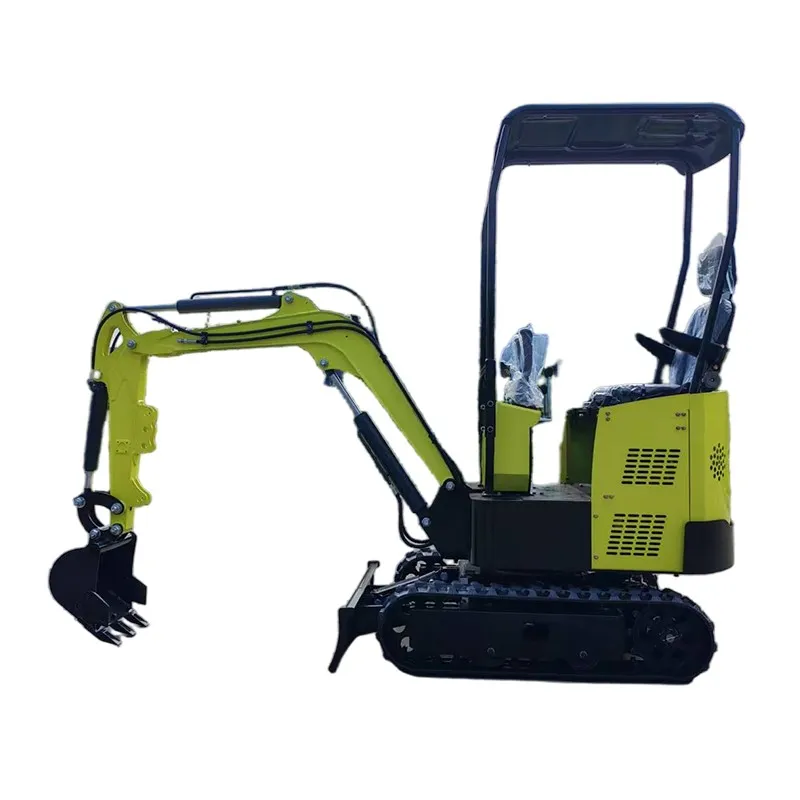
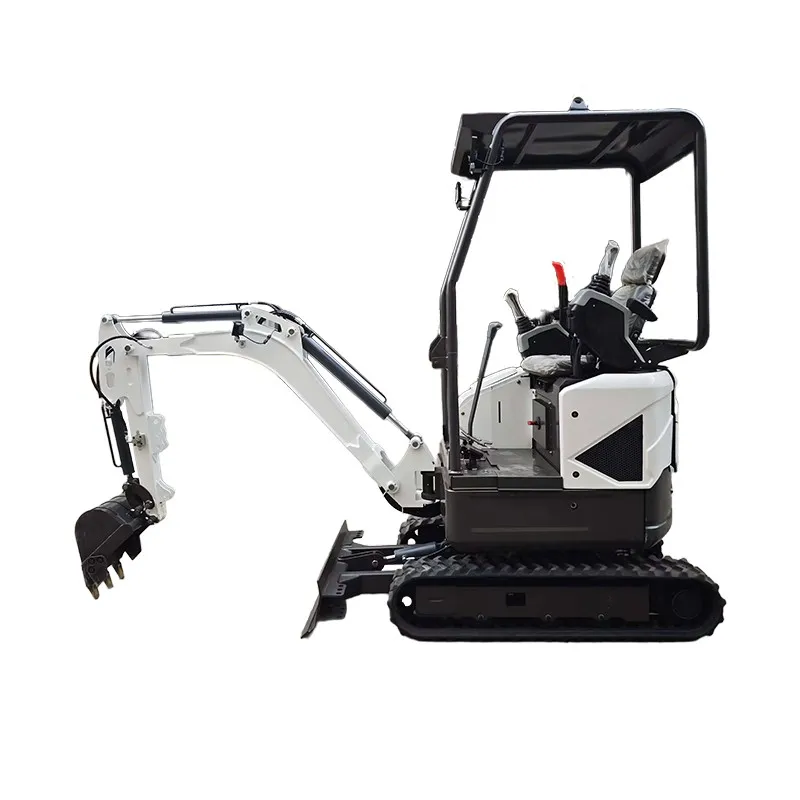
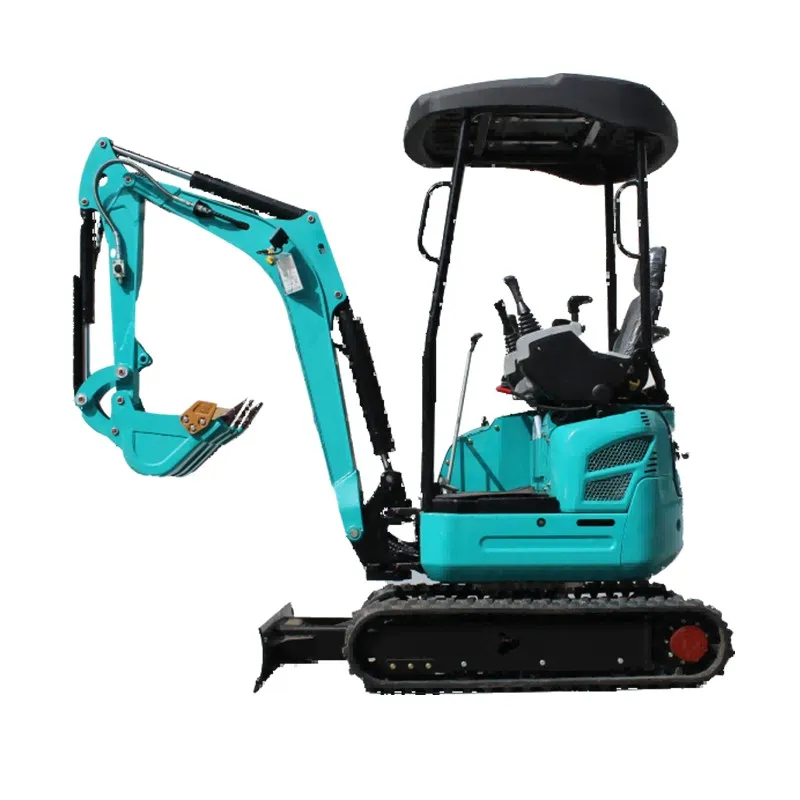
second hand mini excavator for sale
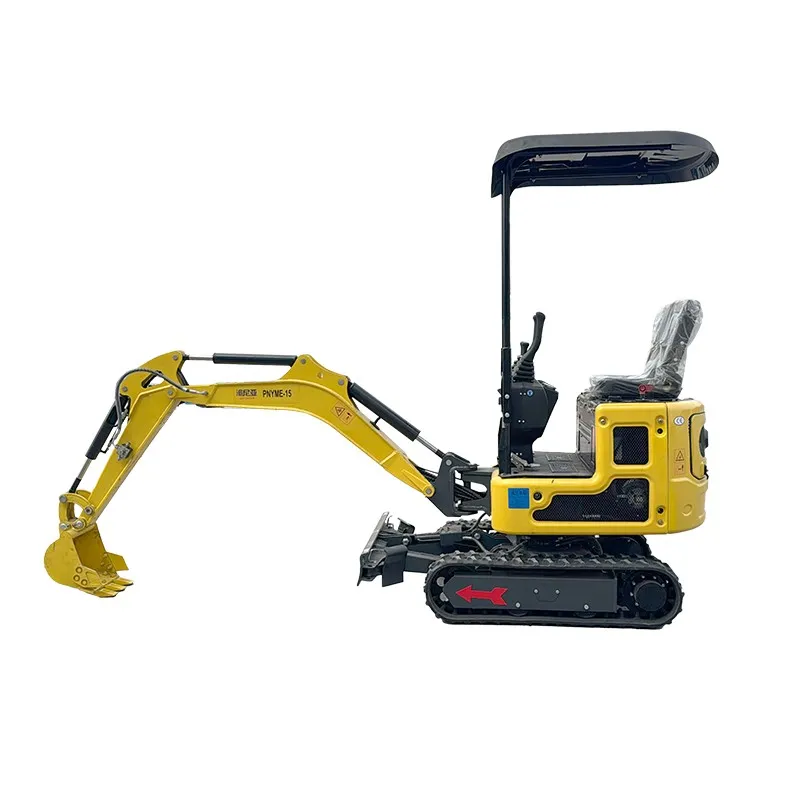
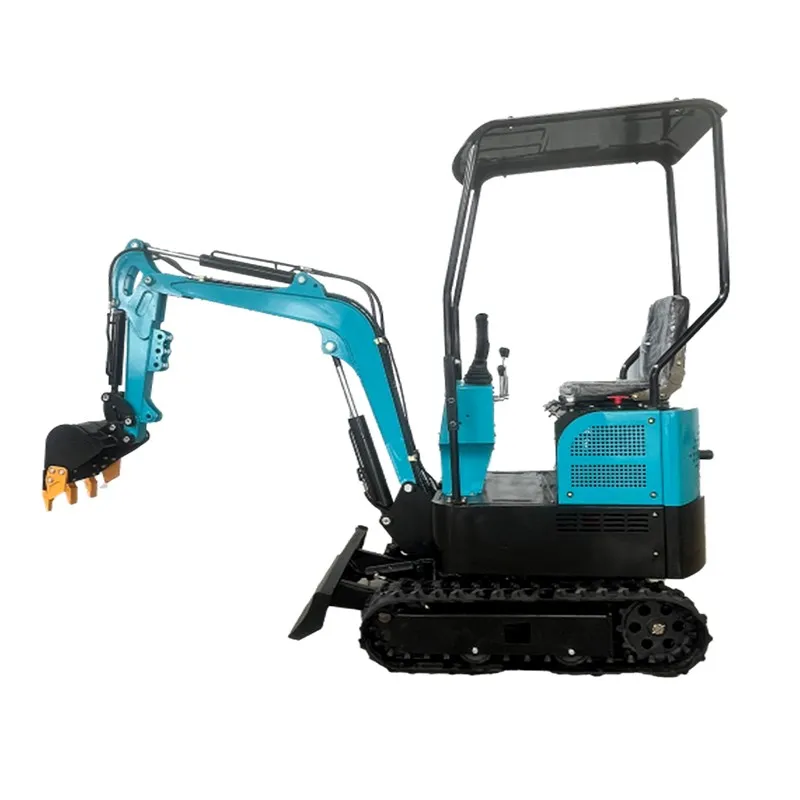
When you type 'second hand mini excavator for sale' into a search bar, you're likely met with a dizzying array of options, prices that seem too good to be true, and a nagging uncertainty about what you're actually getting into. I've been on both sides of this transaction—buying machines for small-scale contracting work and later, consulting for others. The biggest mistake I see? People get hypnotized by the initial price tag and forget that a used machine is a box of unknowns. It's not just about finding a listing; it's about deciphering the story behind the hours on the meter.
The Allure and Pitfalls of the Online Marketplace
Let's be real, most searches start online. You'll see dozens of second hand mini excavator listings from dealers, auctions, and private sellers. The photos look clean, the specs read well, but here's the catch: a glossy image tells you nothing about the undercarriage wear, the slack in the slew ring, or the history of hydraulic fluid changes. I once traveled three hours to look at a low-hour Takeuchi TB016, only to find the auxiliary hydrates were patched with mismatched hoses and the pump whined like a banshee under load. The seller swore it was ready to work. It wasn't.
This is where a bit of homework on the seller pays off. You want to know if you're dealing with a fly-by-night operation or a company with skin in the game. For instance, I've come across Shandong Pioneer Engineering Machinery Co., Ltd in my searches. They've been around since 2004, which in this industry, suggests they're not just flipping machines. A company that's survived two decades and exports globally, like to the US and Australia, typically has a reputation to maintain. Checking their official site at https://www.sdpioneer.com can give you a sense of their scope. Their recent relocation to a larger facility in Ningyang in 2023 also hints at growth and reinvestment, which is a positive signal when you're evaluating a source for equipment.
The key takeaway? The platform is just the introduction. The real due diligence starts when you move past the listing. A company's longevity and transparency, like the 20-year development mentioned for Pioneer, can be a more useful filter than the first page of search results.
What Good Condition Really Means on the Ground
Everyone says their machine is in good condition. That phrase is practically meaningless. What you need are specifics. For a mini ex, your checklist should be brutal. Start with the undercarriage—are the track pads worn to the base rubber? Is there excessive side-to-side play in the tracks? This is the first thing to go on a machine that's done a lot of muddy, abrasive work.
Then, fire it up. Listen for the engine. A smooth idle is good, but you need to put it through its paces. Operate all the functions simultaneously—boom, arm, bucket curl, and swing. Does the hydraulic system bog down or maintain pressure? A noticeable lag or a drop in engine RPM when you demand full power often points to a worn pump or failing main relief valves. Check for blow-by at the engine breather; a little haze is normal, but a steady plume of smoke suggests worn rings.
Don't forget the pins and bushings. Grab the bucket and try to wiggle it. Any significant slop means immediate repair costs. I learned this the hard way on a used Kubota U15. The price was right, but I missed the slight play in the arm linkage. Within 200 hours, that slight play turned into a quarter-inch of movement, requiring a full day's downtime and a parts order that cost more than I'd bargained for.
The Critical Role of Service History and Documentation
A machine with a stack of service records is worth a premium, full stop. It shows the owner cared about preventative maintenance, not just running it until it broke. When you see a second hand mini excavator for sale advertised with full service history, dig into what that actually includes. Oil changes are basic. You want to see records for hydraulic filter changes, track tension adjustments, and, crucially, any major component repairs or replacements.
If the records are sparse or non-existent, you're essentially buying blind. In these cases, your inspection has to be even more thorough. Consider factoring in the cost of a full fluid and filter service immediately upon purchase as a non-negotiable. Contaminated hydraulic fluid is the silent killer of pumps and motors.
This is another area where dealing with an established entity can reduce risk. A company that manufactures and exports, like the mentioned Shandong Pioneer, often has a more standardized process for refurbishing or certifying their used equipment before resale. They have the technical capacity to properly assess a machine. While not a guarantee, it's a layer of oversight a private seller usually can't provide.
Matching the Machine to Your Actual Work
It's easy to get seduced by features or a brand name. But the most important question is: what will you use it for? A 1.5-ton machine is fantastic for tight backyard fencing jobs but will struggle with constant trenching in heavy clay. Conversely, a 5-tonner might be overkill for residential landscaping, burning more fuel and being harder to transport.
Think about attachments, too. Are you going to need a hydraulic thumb, a breaker, or a grading bucket? If so, you need to ensure the machine you're looking at has the auxiliary hydraulic circuit (and sufficient flow) to run them efficiently. I've seen guys buy a used excavator at a great price, only to find out adding a thumb requires a $3,000+ valve kit and installation. Suddenly, the deal isn't so sweet.
Consider transport. Do you have a trailer and truck rated for the machine's weight, including all its fluids? A mini excavator can still be 4,000 to 10,000 lbs. Failing to plan this is a classic, costly rookie error.
The Final Decision: Price, Risk, and Peace of Mind
So, you've found a few candidates, kicked the tires, and checked the fluids. Now it comes down to value. The cheapest option is almost always the most expensive in the long run. Weigh the asking price against the immediate reconditioning costs you've identified (new tracks, a service, pin/bushing kits) and the potential for near-term major repairs.
Sometimes, paying a bit more for a machine from a reputable dealer or a known exporter with a clear track record is the smarter financial move. You're buying a degree of accountability. For example, a company that explicitly states it exports to demanding markets like Germany and Canada likely adheres to higher inspection standards to meet those clients' expectations. That institutional knowledge matters.
In the end, buying a second hand mini excavator is an exercise in risk management. There's no perfect machine, only the right balance of cost, condition, and credibility for your needs and budget. Do the legwork, trust your inspection over the salesman's pitch, and always, always plan for the first $1,000 in repairs the moment you sign the check. That way, you won't be caught off guard, and you might just find a machine that becomes a reliable asset for years to come.
Related Products
Related Products