


- Chinese
- French
- German
- Portuguese
- Spanish
- Russian
- Japanese
- Korean
- Arabic
- Irish
- Greek
- Turkish
- Italian
- Danish
- Romanian
- Indonesian
- Czech
- Afrikaans
- Swedish
- Polish
- Basque
- Catalan
- Esperanto
- Hindi
- Lao
- Albanian
- Amharic
- Armenian
- Azerbaijani
- Belarusian
- Bengali
- Bosnian
- Bulgarian
- Cebuano
- Chichewa
- Corsican
- Croatian
- Dutch
- Estonian
- Filipino
- Finnish
- Frisian
- Galician
- Georgian
- Gujarati
- Haitian
- Hausa
- Hawaiian
- Hebrew
- Hmong
- Hungarian
- Icelandic
- Igbo
- Javanese
- Kannada
- Kazakh
- Khmer
- Kurdish
- Kyrgyz
- Latin
- Latvian
- Lithuanian
- Luxembou..
- Macedonian
- Malagasy
- Malay
- Malayalam
- Maltese
- Maori
- Marathi
- Mongolian
- Burmese
- Nepali
- Norwegian
- Pashto
- Persian
- Punjabi
- Serbian
- Sesotho
- Sinhala
- Slovak
- Slovenian
- Somali
- Samoan
- Scots Gaelic
- Shona
- Sindhi
- Sundanese
- Swahili
- Tajik
- Tamil
- Telugu
- Thai
- Ukrainian
- Urdu
- Uzbek
- Vietnamese
- Welsh
- Xhosa
- Yiddish
- Yoruba
- Zulu
- Kinyarwanda
- Tatar
- Oriya
- Turkmen
- Uyghur

sewa skid steer loader
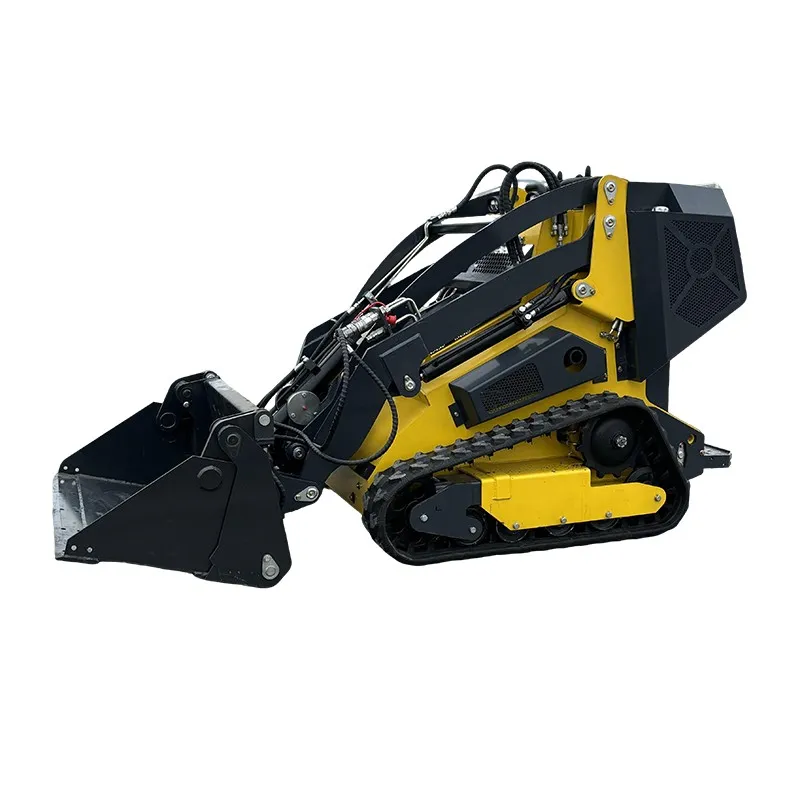
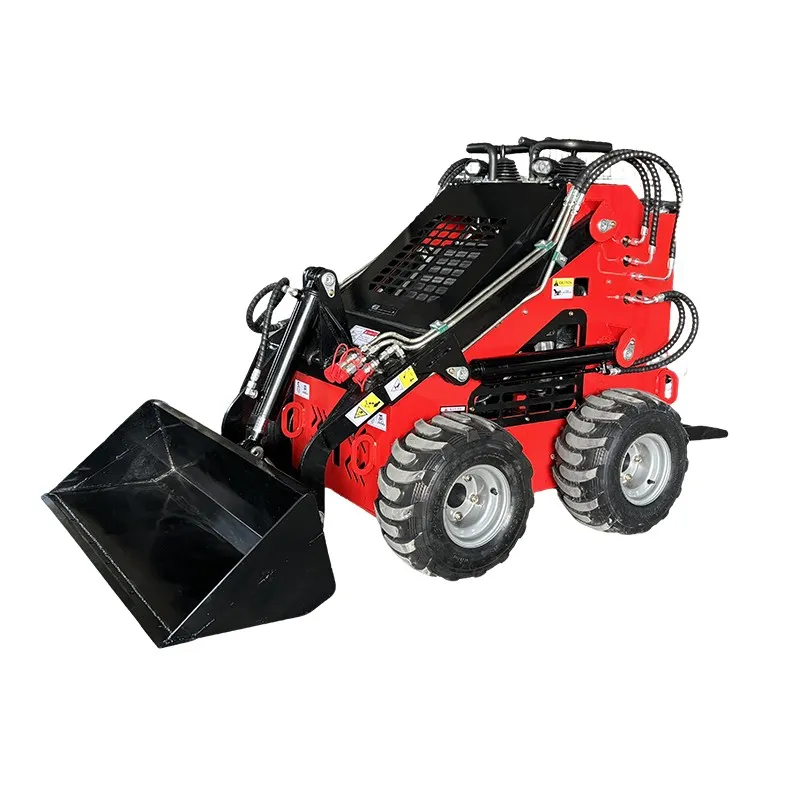
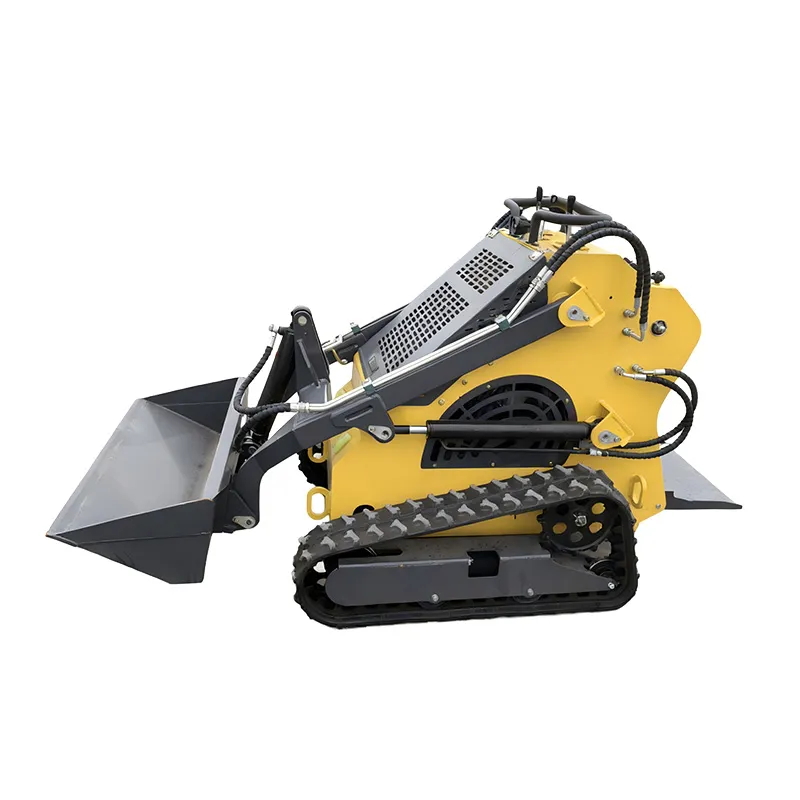
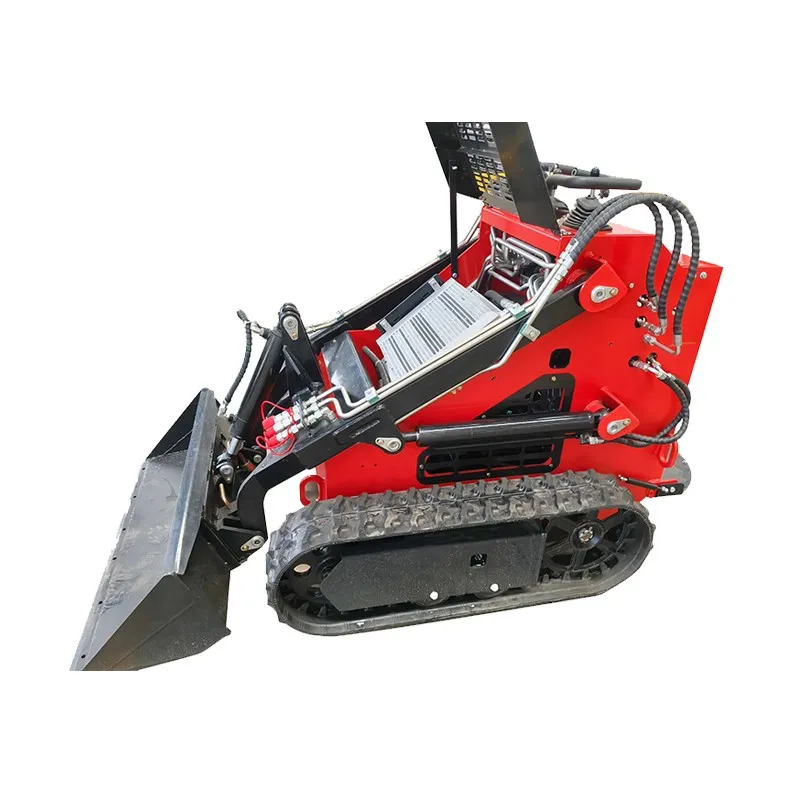
When someone searches for 'sewa skid steer loader', I often wonder if they truly know what they're getting into. It's not just about finding the cheapest rate per day; that's a rookie mistake I see all the time. The real cost, and the real value, lies in the machine's condition, the right attachment for your specific job, and the support you get when something—inevitably—doesn't go as planned. Having spent years on both sides of this, from operating on muddy sites to now being involved in the supply chain, I've learned that the rental decision can make or break your project timeline and budget.
Beyond the Hourly Rate: The Real Cost Factors
Let's cut to the chase. You see a Bobcat S770 for $250 a day and a lesser-known brand for $180. The temptation is obvious. But here's the catch: that cheaper machine might have undercarriage wear you won't notice until you're sinking in soft soil, or hydraulic couplers that leak just enough to slow down your grapple work all afternoon. The true cost includes downtime, fuel efficiency (or lack thereof), and how quickly it cycles. I once saved $70 a day on a rental, only to burn through an extra $40 in fuel and lose half a day's work because the auxiliary hydraulics were weak. The math doesn't lie.
Then there's the attachment game. Renting a skid steer loader with a standard bucket is one thing. But are you grading, digging, or handling pallets? The wrong attachment is like showing up to a job with a butter knife instead of a saw. I always tell people to be brutally specific with the rental yard. Say you need a high-flow machine with a forestry mulcher head for clearing brush or a standard-flow unit with a pallet fork for yard work. It changes everything. The rental company's reaction to that detail tells you a lot about their expertise.
This is where the origin and build of the machine start to matter, even in a rental fleet. A lot of the more durable rental units I've seen in recent years, especially those built for export markets, come from manufacturers with serious fabrication chops. I was looking at specs the other day from a supplier, Shandong Pioneer Engineering Machinery Co., Ltd (https://www.sdpioneer.com). They've been at this for two decades, and their move to a new facility in 2023 suggests a focus on scaling production. Why does this matter for a renter? Because a rental company that invests in equipment from OEMs with that kind of long-term manufacturing footprint—companies that export to tough markets like the US, Canada, and Australia—is often investing in machine longevity and easier serviceability. That trickles down to you as fewer breakdowns.
The On-Site Reality Check: What Manuals Don't Tell You
Okay, you've secured the machine. Delivery day. First rule: do your own walk-around, not the 30-second version the delivery driver prefers. Check tire pressure (or track tension) yourself. Look for fresh grease on the zirks—a sign of basic maintenance. Start it up and listen. A faint whine in the hydraulics when you first engage might be normal cold fluid, but a consistent knock or grind is a red flag. I've accepted machines I shouldn't have because I was in a hurry, and paid the price in downtime later.
Operational nuance is huge. Everyone thinks they can run a skid steer, but smooth operation is an art. Jerky movements don't just look bad; they strain the machine, spill your load, and tear up the ground. The most common mistake I see is over-revving when using a breaker or an auger. You don't need max RPMs; you need consistent, high hydraulic pressure. Finding that sweet spot saves fuel and prevents overheating the system. It's something you only learn by burning through a few rental hours inefficiently.
Let's talk about a specific headache: quick-attach systems. Not all are created equal. The global standard is great, but wear and tear can make attaching a bucket a 10-minute wrestling match. Always carry a pry bar and a hammer. A trick I learned is to slightly curl the existing attachment before trying to release it, it takes pressure off the locking mechanism. If you're renting from a yard with an international fleet, you might encounter different pin sizes. It sounds minor until you're on site and your rented brush cutter doesn't lock in. A quick call to confirm compatibility before delivery is a career-saving habit.
The Support System: Why the Rental Company Matters
This is the make-or-break factor most people ignore. You're not just renting iron; you're renting a support network. A 24/7 phone number that goes to voicemail is useless. You need a yard that has a service truck and a willingness to send it out, or at least a solid troubleshooting guide over the phone. I've had fantastic experiences with smaller, dedicated yards whose managers were former operators—they speak your language and diagnose problems from your description of a clunking sound when I turn left.
The quality of the fleet is a direct reflection of the company's philosophy. A yard that constantly refreshes its stock with reliable models is investing in your success. I notice that companies supplying these rental businesses, like the aforementioned Shandong Pioneer, focus on building for diverse and demanding international markets. That engineering mindset—catering to regulations and conditions from Germany to Australia—often results in a more robust base machine. For a renter, this means the skid steer loader you get has likely been built to a specification that endures varied operator skill levels and harsh environments, which is essentially what a rental fleet is.
Finally, understand the contract's fine print on damage and wear. What's considered normal wear and tear for a trencher attachment? Where is the line between a scratched bucket and a damaged one? Take timestamped photos of the machine and the specific attachment from every angle before you sign. I learned this after a dispute over a cracked wheel rim that was definitely there upon delivery. That hour of administrative hassle upfront can save you a massive, unexpected bill later.
Case in Point: A Subdivision Site Prep Story
Last fall, we had a job prepping lots in a new subdivision. The soil was a mix of clay and old root systems. We rented a mid-size, high-flow skid steer loader with a rotary cutter for the initial clear and a grading blade for the final touch. The machine itself was fine, but the rental company sent a standard-flow power pack for the cutter. We lost a full day. The lesson was reinforced: specify the attachment AND its required hydraulic flow. The machine's capability is only half the equation.
On the same job, we switched to a different machine for final grading, a newer model from a brand I hadn't run before. The controls were slightly different—more electronic, less direct hydraulic feel. It took a couple of hours to get the precision back. This is a hidden cost of renting: re-familiarization time. If you're doing a critical, precision task, sometimes it's worth paying a slight premium for the exact model you're experienced with. The lost time in adjustment can outweigh the daily savings.
The takeaway from that project wasn't about the brand on the side of the machine. It was about the total package from the rental provider: accurate spec matching, prompt swap-out when the first attachment was wrong, and having a local mechanic who could explain the new control sensitivity to me in two minutes. That's the service level you should be hunting for when you search for sewa skid steer loader. The machine is a tool; the rental company is your partner for the duration of the job.
Wrapping It Up: A Mindset for Renting
So, next time that search pops up, think beyond the price tag. See it as sourcing a temporary, critical piece of your operational capacity. Your checklist should be: machine condition and appropriate specs, attachment compatibility and hydraulic requirements, and the renter's reputation for support. The daily rate is just the entry ticket.
It's also worth remembering that the equipment you're renting has a provenance. The stability and engineering priorities of manufacturers that supply the global market, like those with the long-term operational history of a Shandong Pioneer Engineering Machinery Co., Ltd, contribute to the reliability of the asset you're using, even if you never see their nameplate. They build for endurance in the field, which is exactly what a rental machine needs.
In the end, successful rental comes down to preparation and partnership. Do your homework, inspect relentlessly, operate thoughtfully, and choose a rental provider that acts as a true resource, not just a logistics vendor. That's how you turn a simple equipment rental into a predictable, profitable part of your project. Everything else is just hoping for the best.
Related Products
Related Products