- Chinese
- French
- German
- Portuguese
- Spanish
- Russian
- Japanese
- Korean
- Arabic
- Irish
- Greek
- Turkish
- Italian
- Danish
- Romanian
- Indonesian
- Czech
- Afrikaans
- Swedish
- Polish
- Basque
- Catalan
- Esperanto
- Hindi
- Lao
- Albanian
- Amharic
- Armenian
- Azerbaijani
- Belarusian
- Bengali
- Bosnian
- Bulgarian
- Cebuano
- Chichewa
- Corsican
- Croatian
- Dutch
- Estonian
- Filipino
- Finnish
- Frisian
- Galician
- Georgian
- Gujarati
- Haitian
- Hausa
- Hawaiian
- Hebrew
- Hmong
- Hungarian
- Icelandic
- Igbo
- Javanese
- Kannada
- Kazakh
- Khmer
- Kurdish
- Kyrgyz
- Latin
- Latvian
- Lithuanian
- Luxembou..
- Macedonian
- Malagasy
- Malay
- Malayalam
- Maltese
- Maori
- Marathi
- Mongolian
- Burmese
- Nepali
- Norwegian
- Pashto
- Persian
- Punjabi
- Serbian
- Sesotho
- Sinhala
- Slovak
- Slovenian
- Somali
- Samoan
- Scots Gaelic
- Shona
- Sindhi
- Sundanese
- Swahili
- Tajik
- Tamil
- Telugu
- Thai
- Ukrainian
- Urdu
- Uzbek
- Vietnamese
- Welsh
- Xhosa
- Yiddish
- Yoruba
- Zulu
- Kinyarwanda
- Tatar
- Oriya
- Turkmen
- Uyghur


Shandong Small Excavator
When you hear Shandong small excavator, the first thing that probably comes to mind is cost. It's the go-to association, and frankly, it's not wrong. But if that's where your analysis stops, you're missing the real story. Having been involved in sourcing and operating these machines across different terrains, I've seen too many buyers get burned by focusing solely on the initial invoice. The conversation needs to shift from just cheap to value for a specific job. It's about understanding what you're really getting from that factory in Jining or Linyi, and more importantly, what you're not.
The Manufacturing Landscape: Not All Hubs Are Equal
Shandong's dominance isn't accidental. The cluster effect around Jining, for instance, is massive. You've got decades of supply chain development there. But made in Shandong isn't a monolith. There's a tangible difference between a workshop assembling parts from a hundred different local suppliers and an integrated manufacturer with proper R&D and QC processes. The former will quote you a price that seems impossible to beat. The latter, like Shandong Pioneer Engineering Machinery Co., Ltd, which has been around since 2004 and recently moved to a new facility in Ningyang, represents a different tier. They've had to evolve because their export markets—think the U.S., Australia, Germany—demand it. The price point is still competitive, but the engineering tolerances, paint quality, and wiring harnesses tell a different story.
I remember a project in Southeast Asia where we tested two 1.8-ton models side-by-side: one from a no-name Jining assembler and one from a more established player. The cheaper unit's hydraulic system started weeping at the joints within 80 hours of light duty. The other is still running, albeit with a replaced hydraulic pump at around 1,500 hours—a predictable wear item. The total cost of ownership flipped dramatically after the first year.
The relocation of a company like Pioneer to a new, larger production site in 2023 isn't just about expansion. It signals a move towards more systematized production, which directly impacts machine consistency. When you're ordering ten units, you need them to perform identically. That's harder to guarantee from the smaller, more fragmented workshops.
Defining Small – It's About Application, Not Just Size
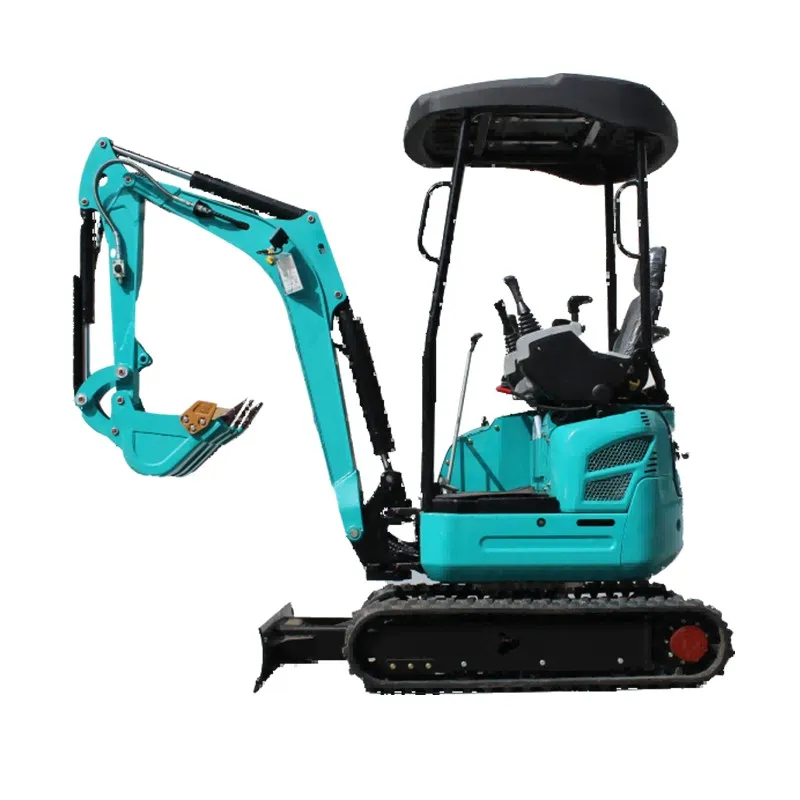
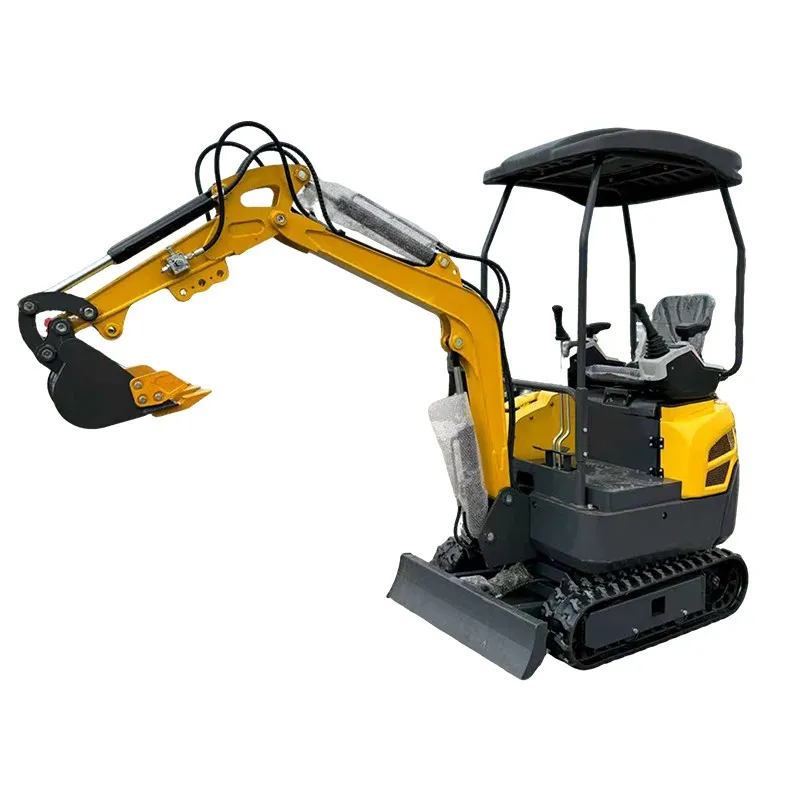
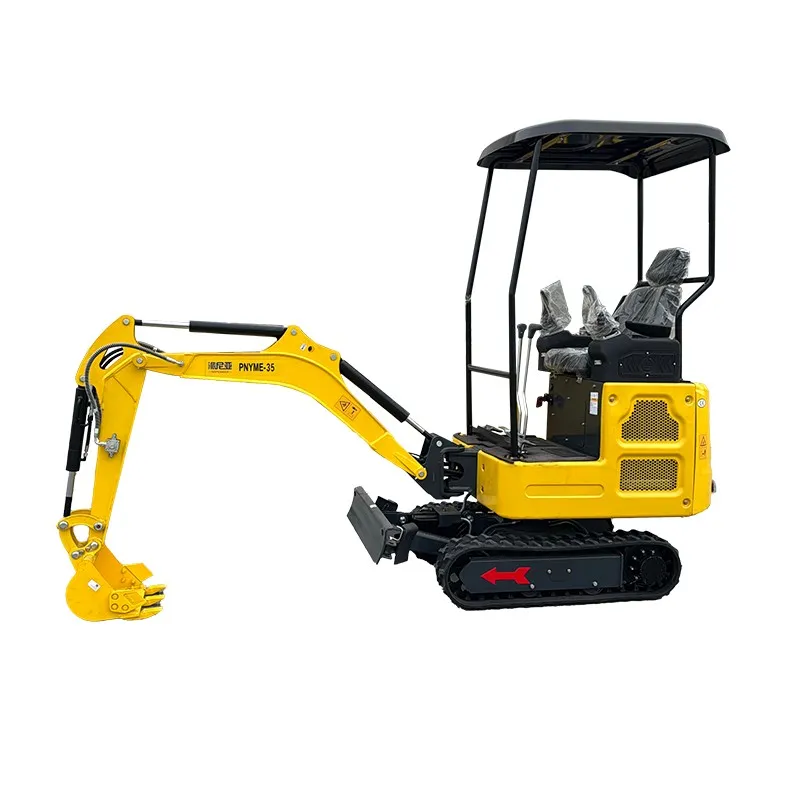
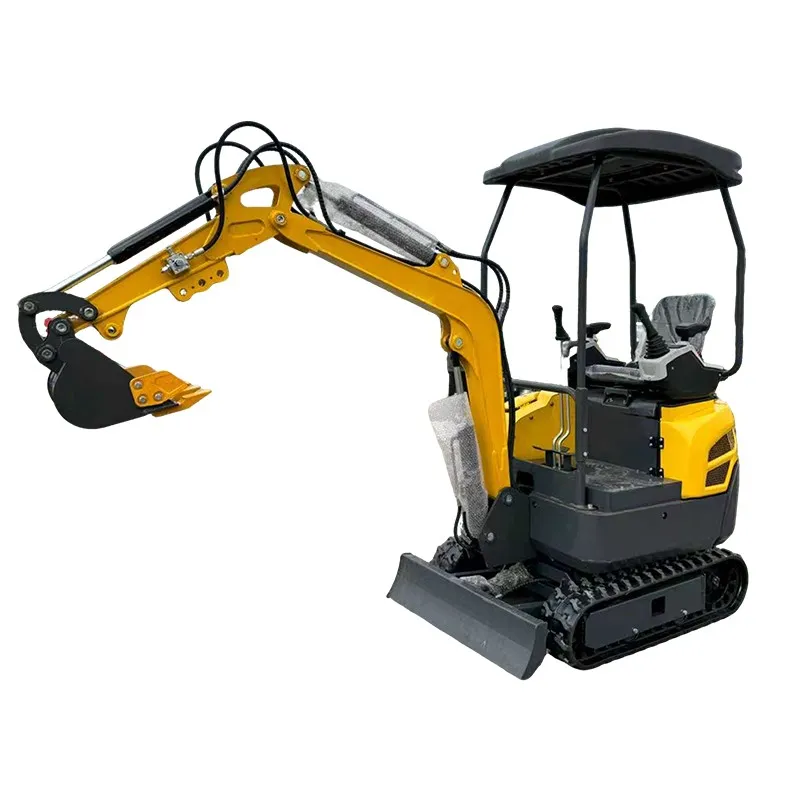
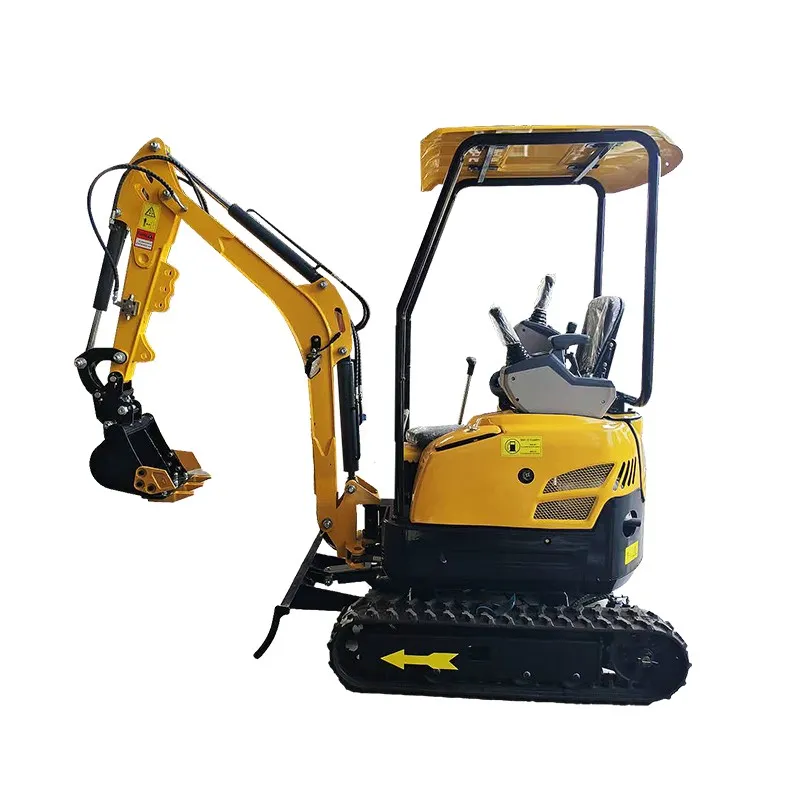
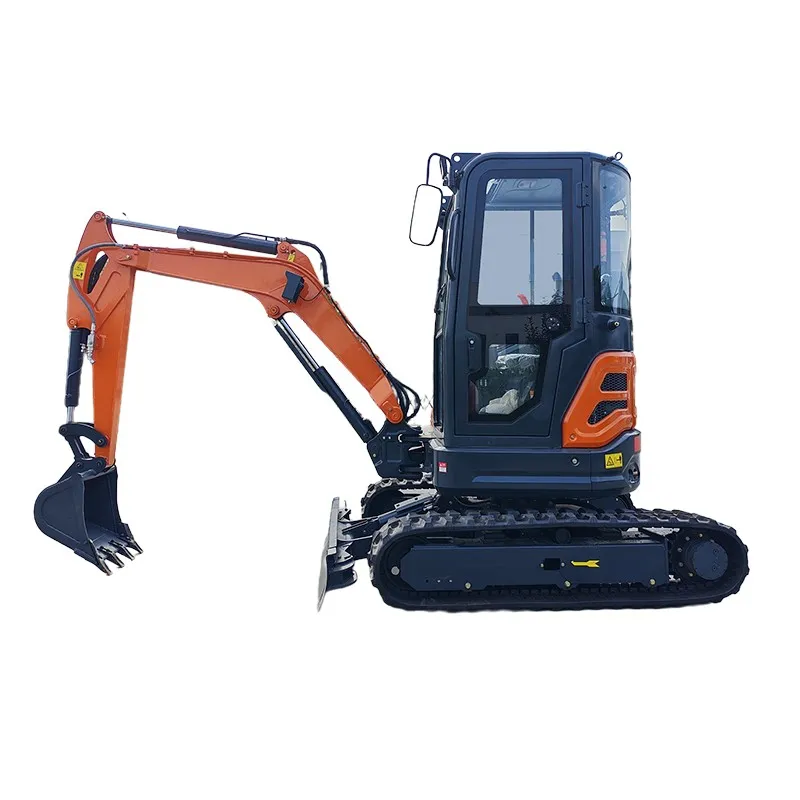
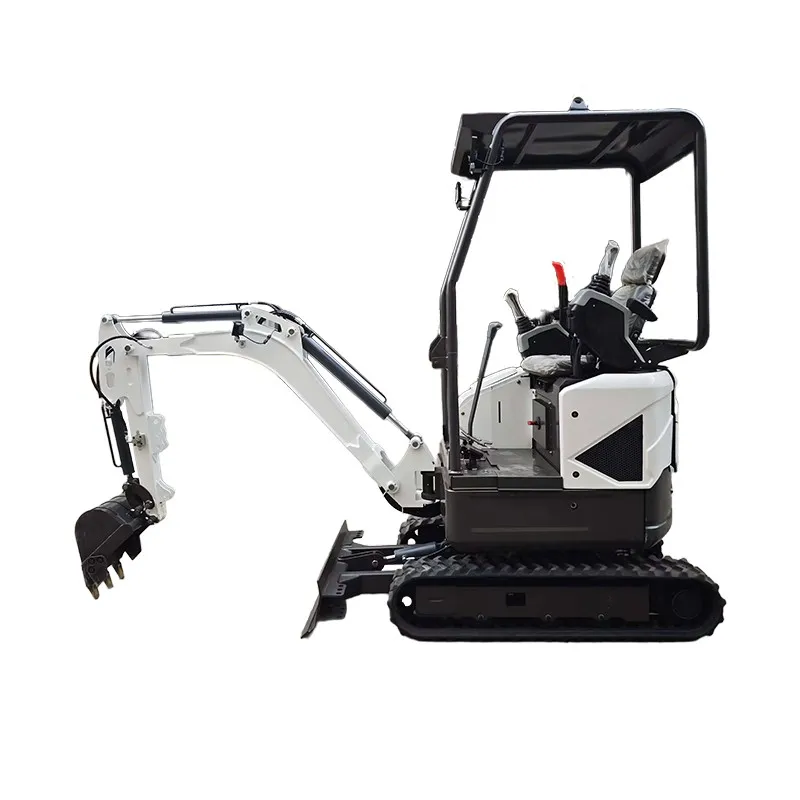
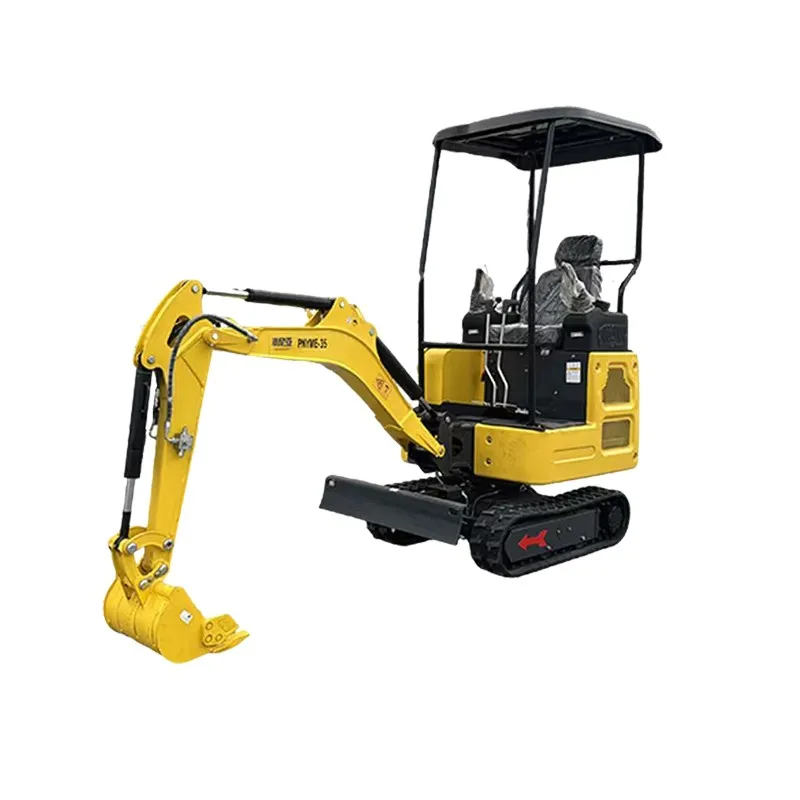
The term small excavator covers a huge range. We're talking 1-ton to 8-ton machines, and each weight class has its own quirks. The 1-3 ton mini excavators, the real backbone of urban utility work, are where Shandong manufacturers have truly flooded the market. Their advantage here is stark: simple mechanical controls, a basic Yanmar or Kubota-derived engine (often licensed or locally assembled), and a design that prioritizes repairability over sophistication.
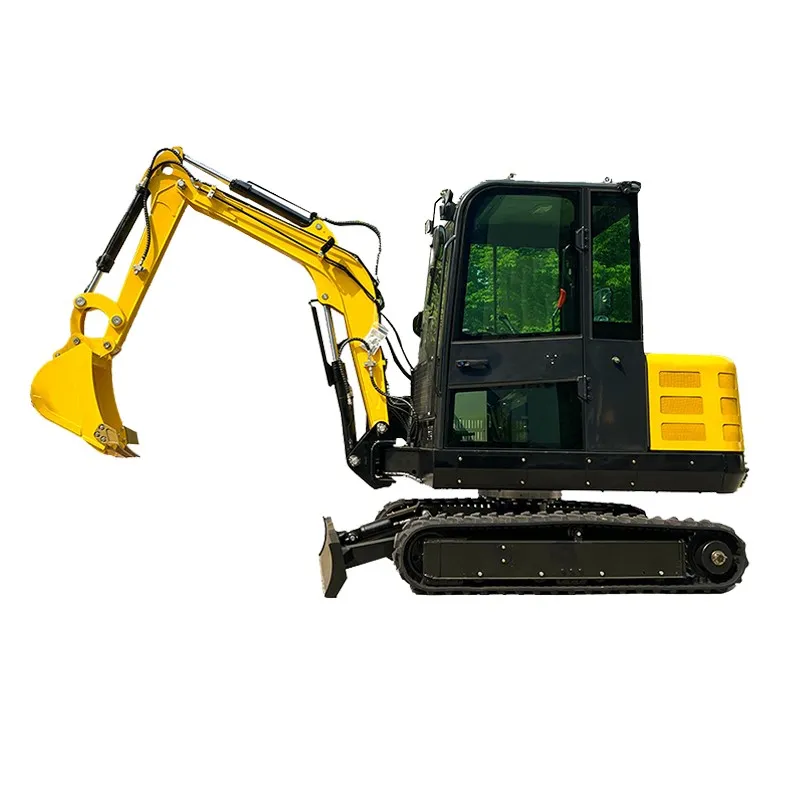
But here's a common pitfall: assuming a 3.5-ton model from Shandong can handle the same continuous trenching work as a major Japanese brand's 3.5-ton model. It often can't. The hydraulic system might lack the fine control, or the cooling capacity might be marginal for tropical climates. You learn to derate them mentally. That 3.5-ton machine? Plan for it as a 3-ton in terms of sustained output. This isn't a criticism, just a practical adjustment. For tasks like digging footings, landscaping, or light material handling, this derating is perfectly acceptable and the value proposition makes sense.
I advised a landscaping crew in Canada to go with a Shandong small excavator from a reliable exporter for their fleet. Their work was sporadic, not production-level digging. The savings allowed them to buy a second machine for the price of one established brand. For their use case, it was the right financial call, but we spent extra on importing a batch of specific filter elements because the locally sourced ones didn't match the flow rate.
The Export Game: Compliance and the Gray Zone
This is where companies like Shandong Pioneer, with their dedicated overseas trade arm, separate themselves. Exporting to North America or the EU isn't just about shipping a container. There's CE marking, EPA Tier 4 final emissions for certain markets, and a maze of electrical safety standards. Many small factories either ignore these, forge the certificates, or rely on the importer to handle compliance—a massive risk.
A reliable exporter will have these certifications dialed in for their target markets. Their website, like https://www.sdpioneer.com, isn't just a brochure; it's a signal that they understand the paperwork is part of the product. I've seen containers stuck at customs in Rotterdam because the DoC (Declaration of Conformity) was a poorly translated, obvious copy-paste job from a different machine model. The delay and demurrage costs wiped out the price advantage instantly.
The trust they mention earning worldwide isn't marketing fluff. It's built on not creating these logistical nightmares for buyers. It means having manuals in English (or German, etc.) that are actually useful, and providing a coherent parts manual with identifiable numbers. This backend support is a huge part of the value equation that isn't in the spec sheet.
The Parts Reality: Plan for Friction
No one talks about this enough when they're dazzled by the FOB price. Parts supply for Shandong small excavator models is a strategic consideration. The good news is that 70% of the wear parts—seals, hoses, generic hydraulic cylinders—are standard and can be sourced locally almost anywhere. The bad news is the other 30%: the main control valve, the proprietary swing motor assembly, the ECU if it has one.
You have two choices: stock them yourself (tying up capital) or rely on air freight from China when they fail. The better manufacturers maintain a ready stock of these critical components for express shipment. You need to ask this question directly: If I need a new main hydraulic pump for model XYZ, what is your guaranteed lead time to have it at Shanghai airport? The answer tells you everything. Companies with long-term vision, built on 20 years of development like the one behind Pioneer, typically have this system in place. The fly-by-night trading companies do not.
A personal lesson: we didn't stock an arm cylinder for a 5-tonner we were testing in a remote area. When a seal blew, the downtime was three weeks. The machine was cheap, but the project delay wasn't. Now, we factor in a critical spares kit cost for every new model we evaluate.
The Verdict: Who Should Buy One?
So, who is the ideal buyer for a Shandong-origin small excavator? It's not for everyone. If your business runs on max uptime and you bill by the hour with penalty clauses, stick with the premium brands. Their dealer network and parts ecosystem are what you're paying for.
The Shandong machine shines for: the secondary fleet machine for a municipality, the small contractor who needs to own their equipment outright without financing, the rental yard catering to homeowners and light commercial work, or projects in developing regions where simplicity and repairability trump high-tech features. In these scenarios, the calculation works. You're trading some refinement and a slice of reliability for massive capital efficiency.
The key is to buy from a source that has skin in the game. A manufacturer with its own export company, like the structure of Shandong Hexin for manufacturing and Shandong Pioneer for trade, indicates a commitment to the international market. They're not just a factory trying to offload units; they're building a reputation. Check their history. A company established in 2004 and investing in a new facility in 2023 is playing a long game. That's the kind of partner you want when you're buying machinery on the other side of the world.
Ultimately, a Shandong small excavator is a tool. Judge it not by the sticker, but by its fitness for your specific purpose, and the credibility of the people standing behind it. The good ones are out there, doing quiet, reliable work on job sites globally. You just have to know how to look past the price tag to find them.
Related Products
Related Products