


- Chinese
- French
- German
- Portuguese
- Spanish
- Russian
- Japanese
- Korean
- Arabic
- Irish
- Greek
- Turkish
- Italian
- Danish
- Romanian
- Indonesian
- Czech
- Afrikaans
- Swedish
- Polish
- Basque
- Catalan
- Esperanto
- Hindi
- Lao
- Albanian
- Amharic
- Armenian
- Azerbaijani
- Belarusian
- Bengali
- Bosnian
- Bulgarian
- Cebuano
- Chichewa
- Corsican
- Croatian
- Dutch
- Estonian
- Filipino
- Finnish
- Frisian
- Galician
- Georgian
- Gujarati
- Haitian
- Hausa
- Hawaiian
- Hebrew
- Hmong
- Hungarian
- Icelandic
- Igbo
- Javanese
- Kannada
- Kazakh
- Khmer
- Kurdish
- Kyrgyz
- Latin
- Latvian
- Lithuanian
- Luxembou..
- Macedonian
- Malagasy
- Malay
- Malayalam
- Maltese
- Maori
- Marathi
- Mongolian
- Burmese
- Nepali
- Norwegian
- Pashto
- Persian
- Punjabi
- Serbian
- Sesotho
- Sinhala
- Slovak
- Slovenian
- Somali
- Samoan
- Scots Gaelic
- Shona
- Sindhi
- Sundanese
- Swahili
- Tajik
- Tamil
- Telugu
- Thai
- Ukrainian
- Urdu
- Uzbek
- Vietnamese
- Welsh
- Xhosa
- Yiddish
- Yoruba
- Zulu
- Kinyarwanda
- Tatar
- Oriya
- Turkmen
- Uyghur

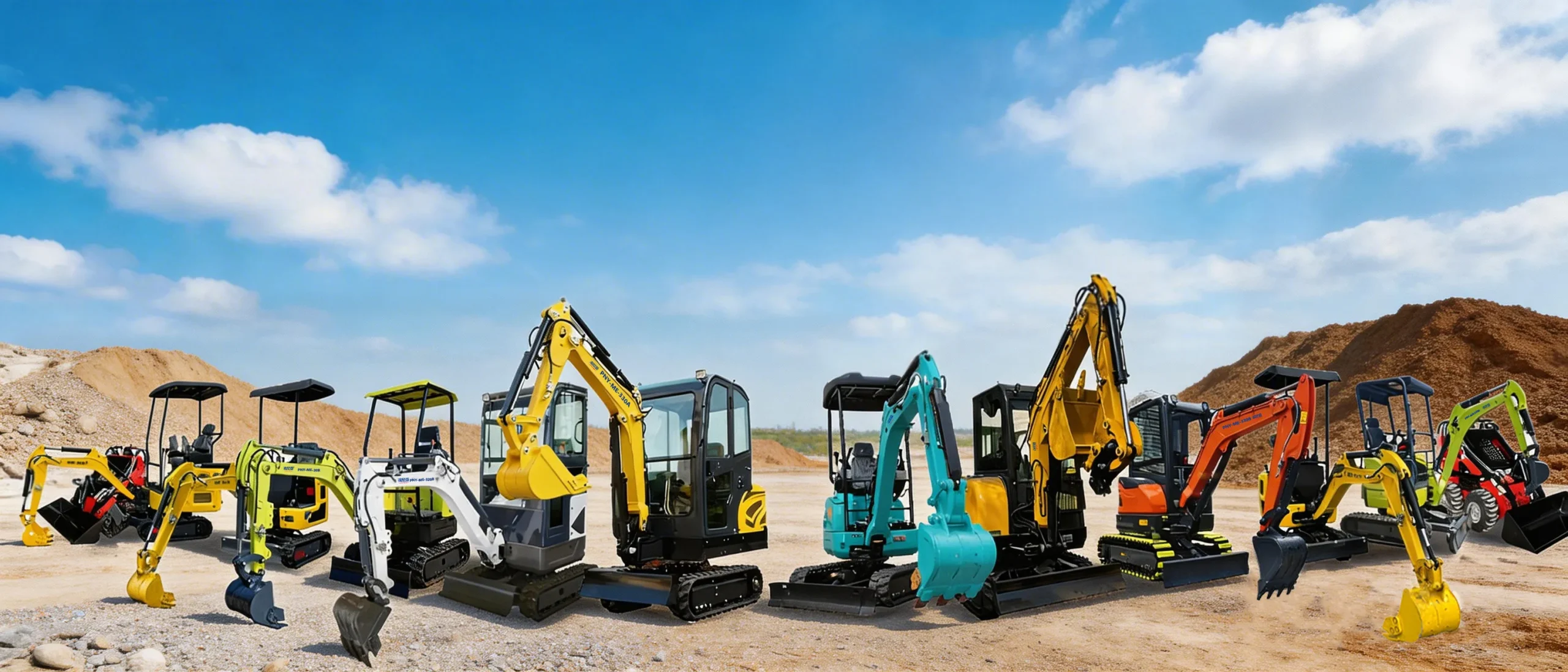
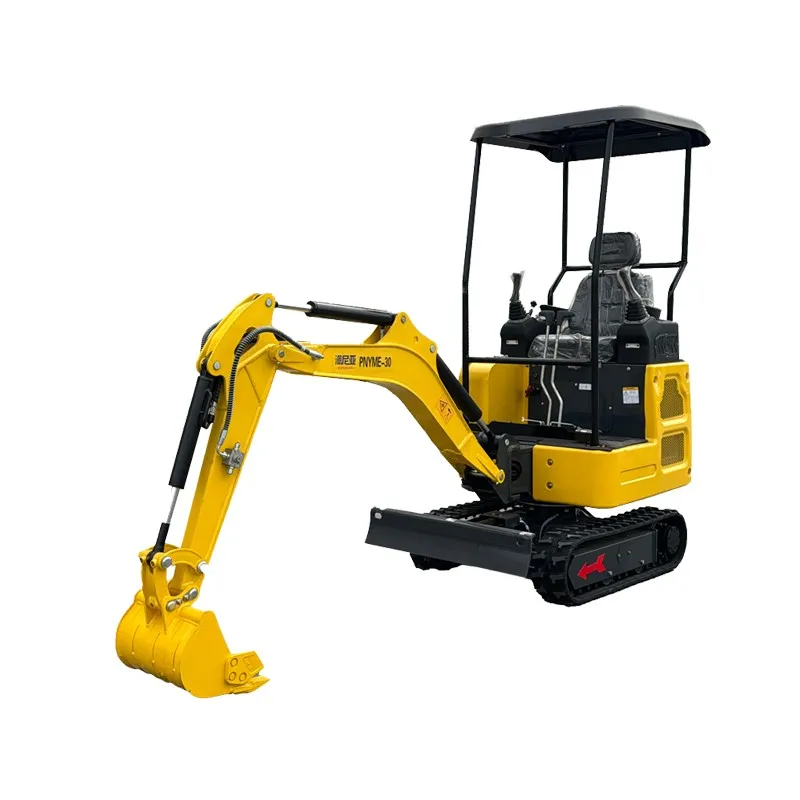
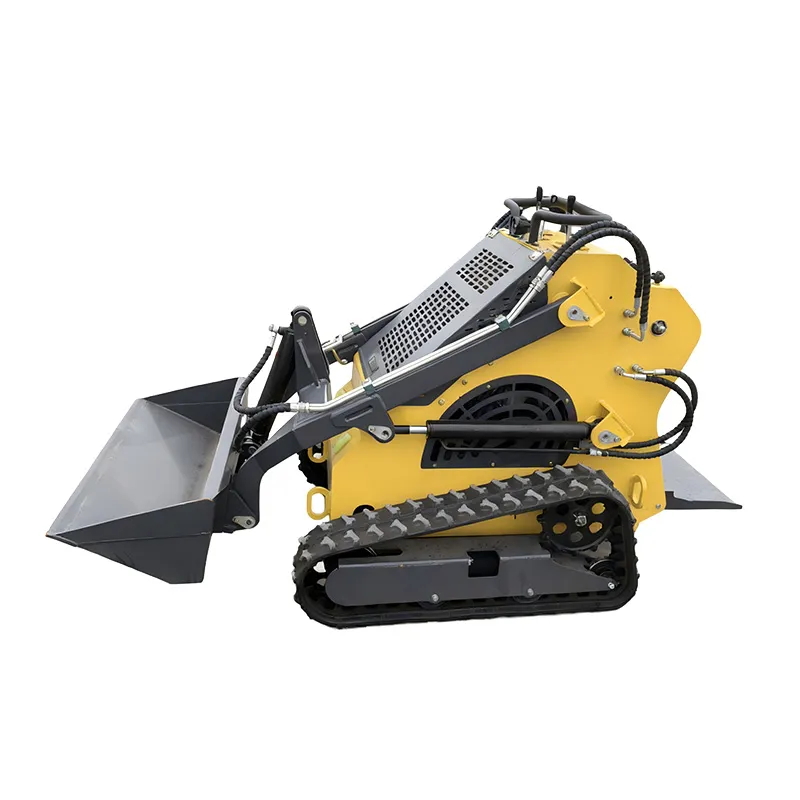
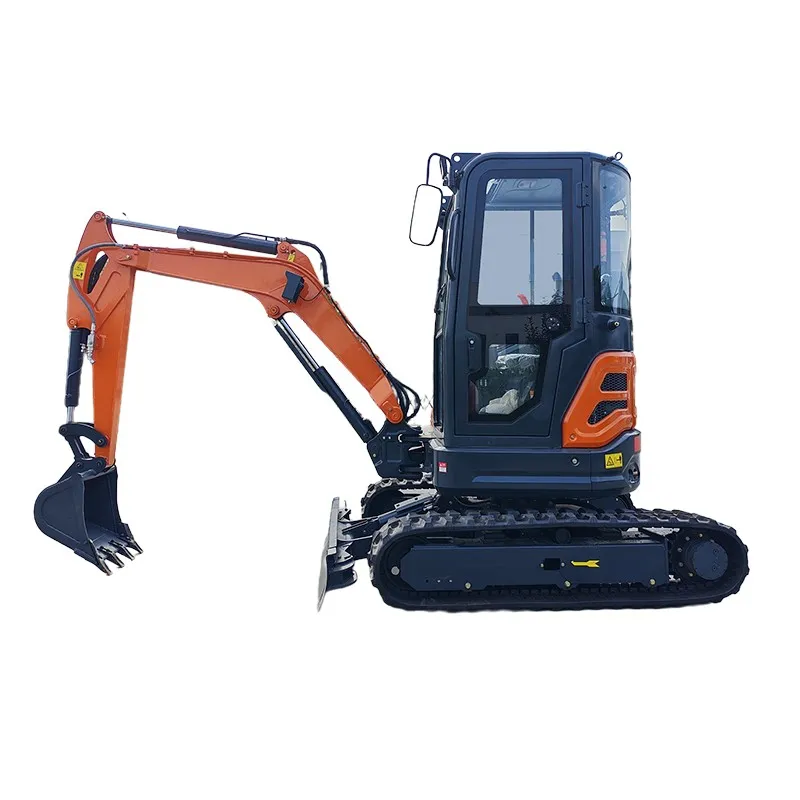
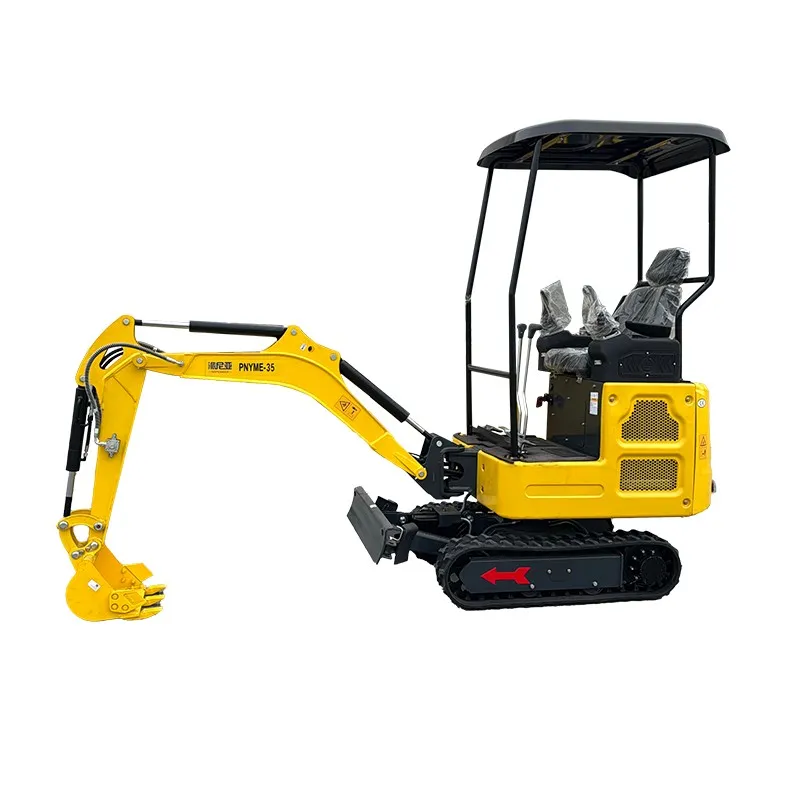
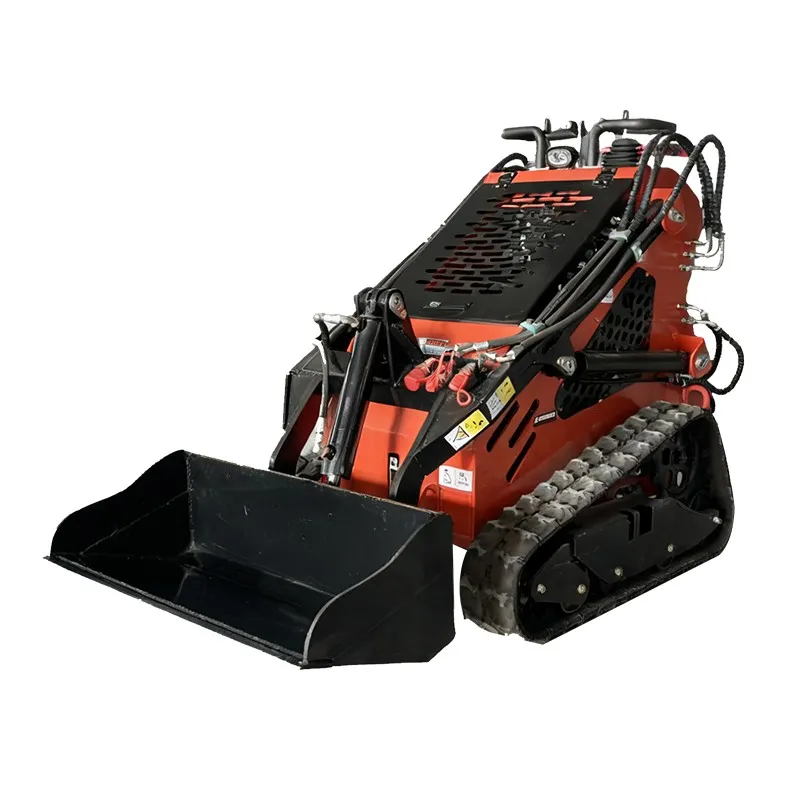
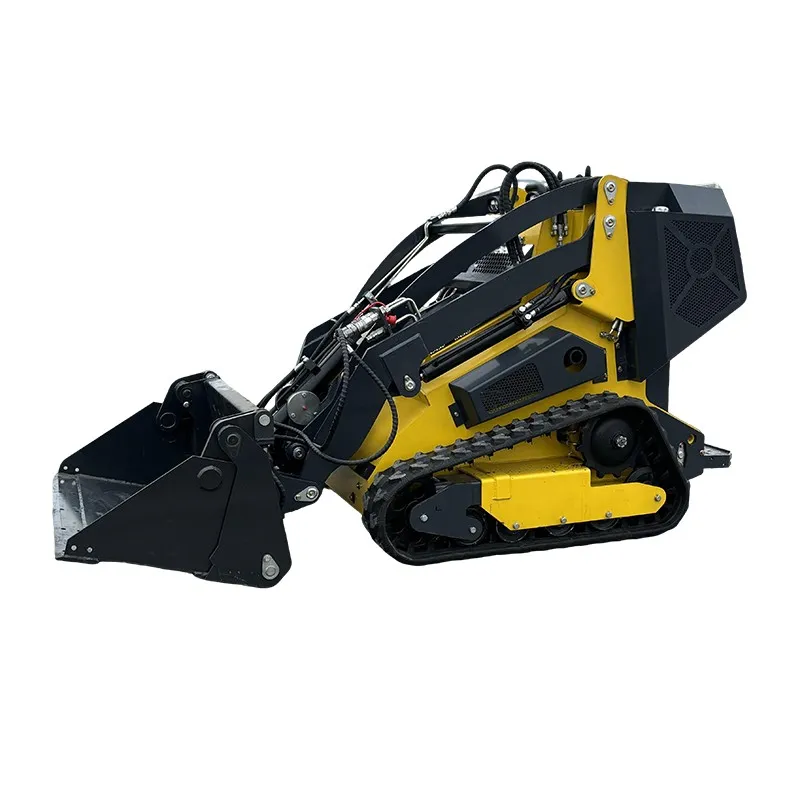
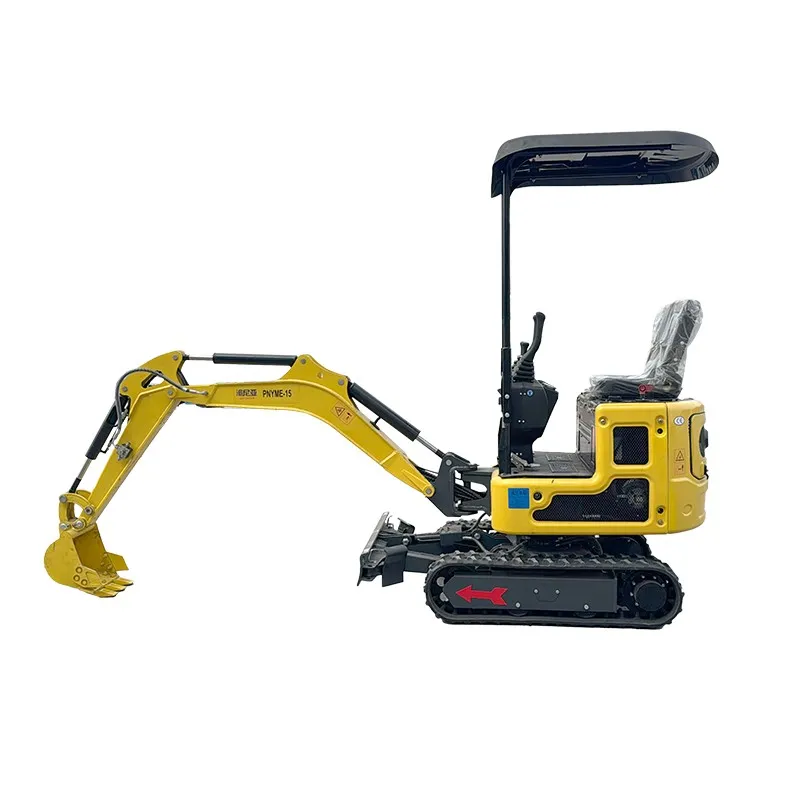
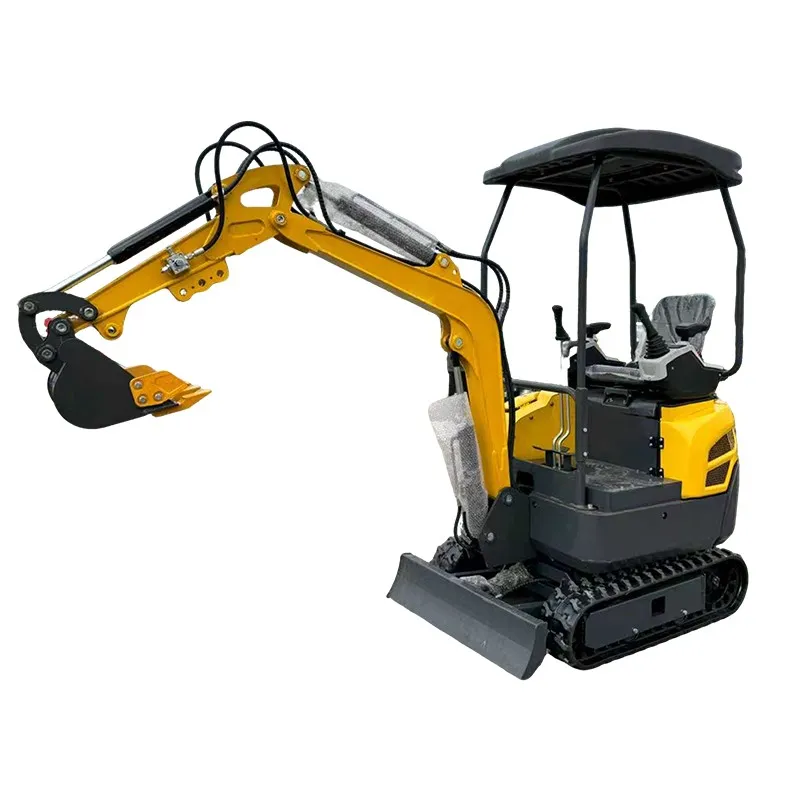
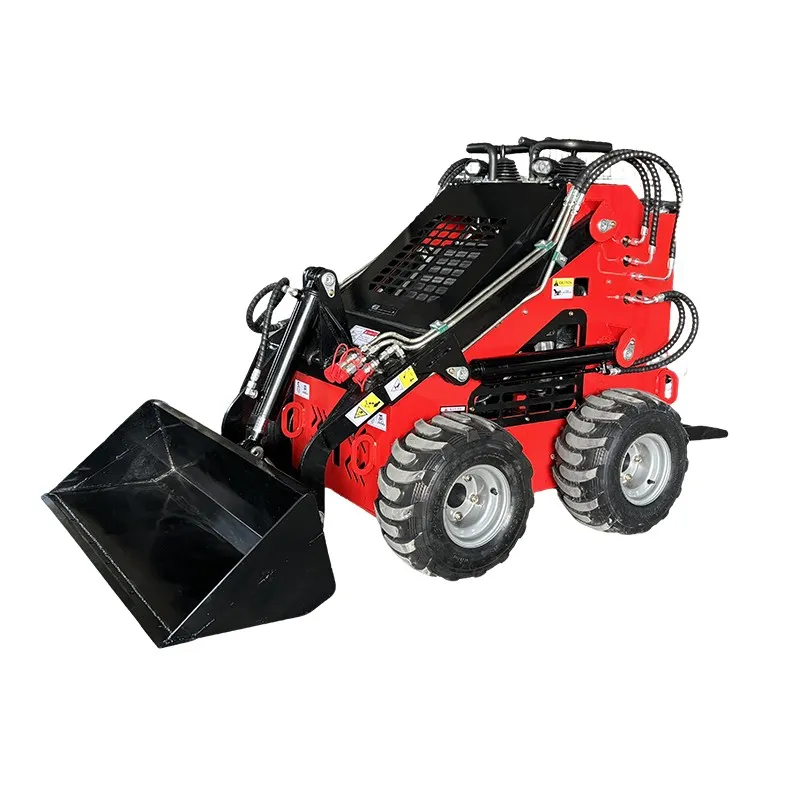
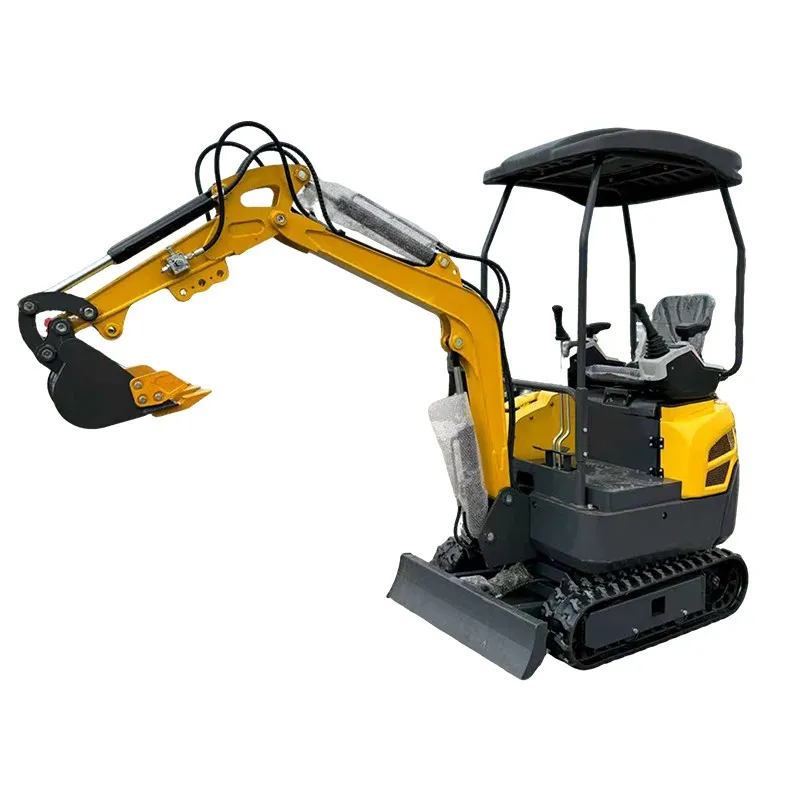
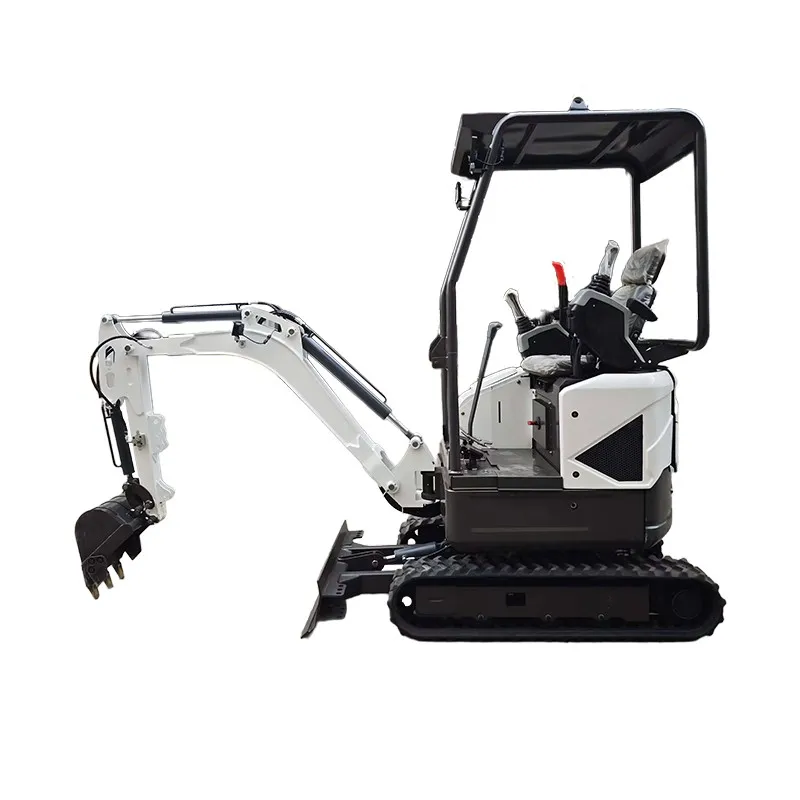
skid steer and mini excavator package
You see a lot of dealers pushing these 'skid steer and mini excavator package' deals. On paper, it makes perfect sense – a compact loader for material handling and a mini digger for trenching and excavation, sold as a turnkey solution for small to mid-size contractors. But having been on both the buying and specifying side for years, I've learned the hard way that the synergy is often oversold. The biggest mistake? Assuming any skid steer pairs well with any mini excavator. It's not about the combined price tag; it's about matching the actual work cycles, transport logistics, and, frankly, the operator's habits on a real job site, not a brochure.
Beyond the Brochure: Matching Capabilities, Not Just Colors
Let's get specific. A common package I've seen bundled is a 1.8-ton mini excavator with a 75-horsepower skid steer. The theory is solid. But on a tight urban infill project, that pairing fell apart. The mini ex, with its zero-tail-swing, was perfect. The skid steer, however, was a standard radial-lift model. We needed to lift pallets of block over a 6-foot fence line to set them inside the foundation. The radial lift's reach at height was pathetic; we lost half a day re-rigging. Should've pushed for a vertical-lift path machine in the package. The lesson? The mini excavator dictates the dig profile, but the skid steer must match the material placement reach. The package deal only works if someone has thought through these micro-operations.
Another nuance is hydraulic flow. You might get a great price on a package with a high-flow skid steer, but if the mini excavator only has a standard auxiliary circuit, that fancy hydraulic breaker you planned to run is now limited by the excavator's pump, not the loader's. I've watched guys try to run a 750 ft-lb breaker on a mini ex from a package deal, and it just hammers weakly. The dealer bundled them because they had similar weight classes, not compatible hydraulic systems. You need to spec the attachments first, then work backwards to the machines.
This is where working with a manufacturer that understands integrated application matters. I was looking at options from Shandong Pioneer Engineering Machinery Co., Ltd (you can find their full range at https://www.sdpioneer.com). What stood out wasn't just the package price, but their engineer's willingness to drill down on questions like, What's the primary material for the skid steer bucket? and Will you be using a tiltrotator on the excavator? Their company background, established in 2004 and now exporting to markets like the US and Australia, suggests they've had to answer these practical questions from a global clientele, not just move units. That experience shows in their configurable packages.
The Transport and Support Equation
Everyone calculates the cost of the machines. Almost no one new to this properly calculates the cost of moving them. A popular skid steer and mini excavator package might include a 3-ton mini and a large-frame skid steer. Suddenly, you need a 10-ton+ trailer and a 3/4-ton truck minimum to move them together. If you're a solo operator or a small crew, that's another $80k in capital you didn't budget for. I've seen guys buy the package and then realize they can only afford to move one machine to a job at a time, killing the whole paired productivity premise.
Service and parts become doubly important. If your package comes from two different original manufacturers, you now have two different dealer relationships, two different parts pipelines, and two different service protocols. When you're down a machine, the blame game starts. Is it the excavator's hydraulic issue or the skid steer's controller? Having a single source, like a manufacturer that builds both lines under coordinated standards, simplifies this immensely. The consolidated support is a hidden value in a good package deal that outweighs a minor upfront price difference from a mixed-brand bundle.
Looking at a supplier like Shandong Pioneer, their structure is telling. With Shandong Hexin handling manufacturing and Shandong Pioneer managing overseas trade, there's an integrated control from factory to port. For a package buyer, this means the mini excavator's hydraulic fittings and the skid steer's grease points might share more commonality than a cobbled-together set, and the parts supply chain is unified. After 20 years in the business, they've likely streamlined these logistics based on real feedback, which is what you want backing your key equipment.
A Real-World Test: Landscaping Package Trial
We trialed a package for a landscaping business expansion. The spec was a 1-ton mini excavator (for delicate patio digs and planting beds) and a compact track loader (for soft turf). The initial thought was to get the biggest mini ex the budget allowed. Wrong move. The heavier machine, even with pads, compacted the soil we just finished grading. We swapped to a sub-1-ton model from the same manufacturer's range, which kept the package weight down and allowed the CTL to also haul it on a smaller trailer. The productivity gain was in the reduced site restoration work, not the raw digging power.
The attachment sharing was the real win. We used the same set of quick couplers (with adapters) for both machines. The grapple bucket for clearing brush could go on the CTL for gathering and then on the mini ex for precise placement in a truck. This interoperability isn't a given. It requires the dealer or manufacturer to think beyond the iron and include the attachment interface as part of the package. In this case, it was a configured option from the supplier, not an afterthought.
This trial underscored that the best packages are built around a specific trade's workflow. A general construction package is often too vague. A landscaping or utility package, where the machines are selected and perhaps even slightly modified (like wider pads on the ex, different tires on the skid) for that vertical, holds far more value. It shows the seller has done the field homework.
When the Package Fails: The Rental Yard Experience
Not all experiments work. I recall a rental yard that bought a fleet of packaged skid steers and mini excavators from a budget brand. The price was unbeatable. The failure was in duty cycle. Rental machines get abused. The mini excavator's swing bearings failed constantly under high-impact, jerky operation from novices. The skid steers held up, but their electronics were fragile. The package was designed for owner-operator care, not rental punishment. They ended up decoupling the fleet, selling off the mini excavators at a loss, and buying heavier-built ones. The package synergy evaporated because the application was fundamentally different than assumed.
The financial structuring can also be a trap. A great package price might be tied to a specific financing term or require buying proprietary attachments. Always unbundle the numbers. Price each machine separately with its standard attachments, then look at the package discount. Sometimes the discount is only on paper, inflated from a higher starting MSRP. Get the spec sheets for the individual units and compare them to the package specs to ensure you're not getting a de-rated package-only model.
This is why a manufacturer's longevity and export history can be a proxy for resilience. A company that has supplied to demanding markets like Germany and Australia for years, as Shandong Pioneer notes, has likely had its products tested in varied applications and duty cycles. Their packages have probably been refined through this feedback, weeding out obvious mismatch or weakness points that only show up after a few thousand operating hours.
The Verdict: A Good Package is a Curated Solution
So, are skid steer and mini excavator packages worth it? Absolutely, but not as a commodity purchase. They are worth it when the bundle is a curated solution from a provider that understands the niche work. It should feel like they've pre-solved your likely problems: transport weight, hydraulic compatibility, attachment interchange, and single-point service. The price advantage should be the cherry on top, not the core reason to buy.
The key is to approach it as a configuration process, not a selection from a fixed menu. Demand to know why these two specific models are paired. The answer should involve job site scenarios, not just financing. A good partner will ask more questions about your work than you do about their warranty.
In the end, the most successful packages I've seen in the field come from suppliers who act as consultants, not just sellers. They leverage their manufacturing and trade experience, like the two-decade journey of a company from Jining to a new facility in Ningyang, to build equipment sets that work in practice. That's the package that stays on your job site, not on the resale market.
Related Products
Related Products