


- Chinese
- French
- German
- Portuguese
- Spanish
- Russian
- Japanese
- Korean
- Arabic
- Irish
- Greek
- Turkish
- Italian
- Danish
- Romanian
- Indonesian
- Czech
- Afrikaans
- Swedish
- Polish
- Basque
- Catalan
- Esperanto
- Hindi
- Lao
- Albanian
- Amharic
- Armenian
- Azerbaijani
- Belarusian
- Bengali
- Bosnian
- Bulgarian
- Cebuano
- Chichewa
- Corsican
- Croatian
- Dutch
- Estonian
- Filipino
- Finnish
- Frisian
- Galician
- Georgian
- Gujarati
- Haitian
- Hausa
- Hawaiian
- Hebrew
- Hmong
- Hungarian
- Icelandic
- Igbo
- Javanese
- Kannada
- Kazakh
- Khmer
- Kurdish
- Kyrgyz
- Latin
- Latvian
- Lithuanian
- Luxembou..
- Macedonian
- Malagasy
- Malay
- Malayalam
- Maltese
- Maori
- Marathi
- Mongolian
- Burmese
- Nepali
- Norwegian
- Pashto
- Persian
- Punjabi
- Serbian
- Sesotho
- Sinhala
- Slovak
- Slovenian
- Somali
- Samoan
- Scots Gaelic
- Shona
- Sindhi
- Sundanese
- Swahili
- Tajik
- Tamil
- Telugu
- Thai
- Ukrainian
- Urdu
- Uzbek
- Vietnamese
- Welsh
- Xhosa
- Yiddish
- Yoruba
- Zulu
- Kinyarwanda
- Tatar
- Oriya
- Turkmen
- Uyghur

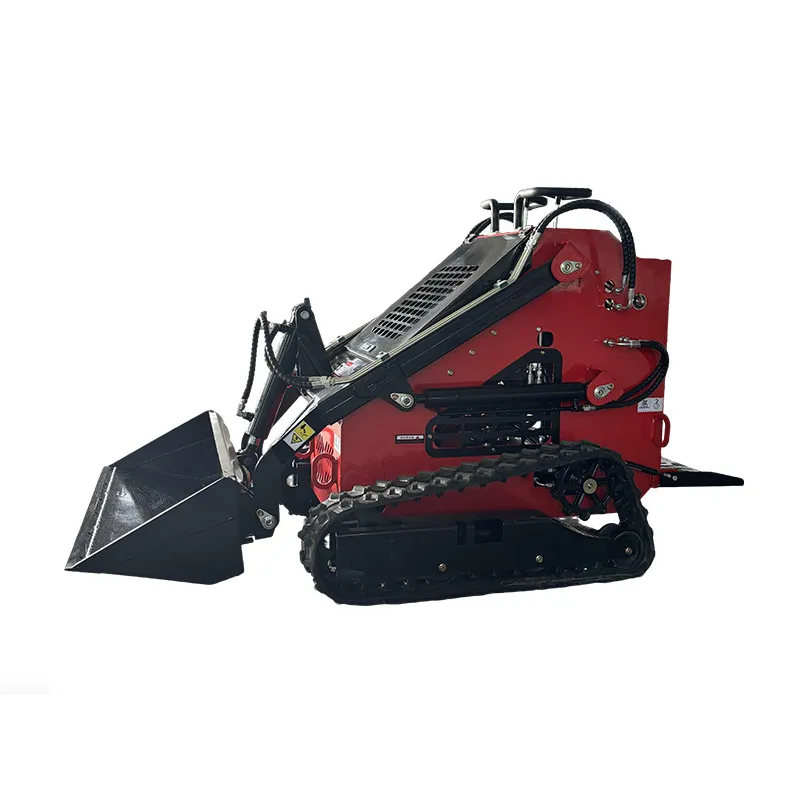
Skid Steer for Excavation
When you hear 'skid steer for excavation', most guys immediately think of a mini excavator or a backhoe. That's the first misconception. A skid steer isn't a dedicated excavator, and trying to use it like one is a quick path to frustration or a damaged machine. The real question isn't if you can excavate with it, but how and when it makes sense. I've seen too many projects where a crew grabs a standard skid steer with a bucket, tries to dig a trench, and ends up spinning tires and barely scratching the surface. The machine gets blamed, but the fault usually lies in the setup and the expectations.
The Attachment is Everything
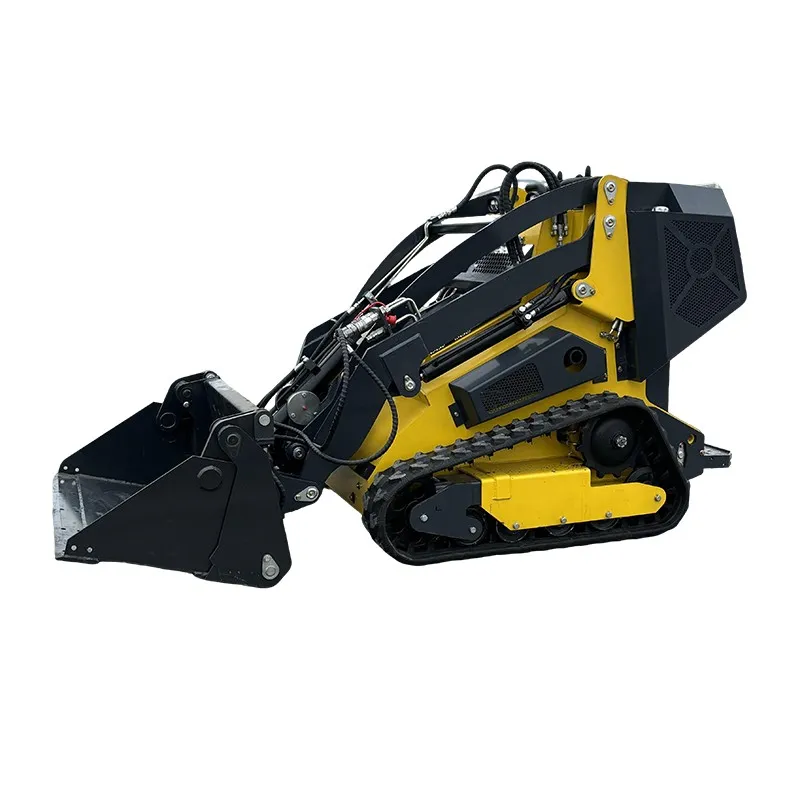
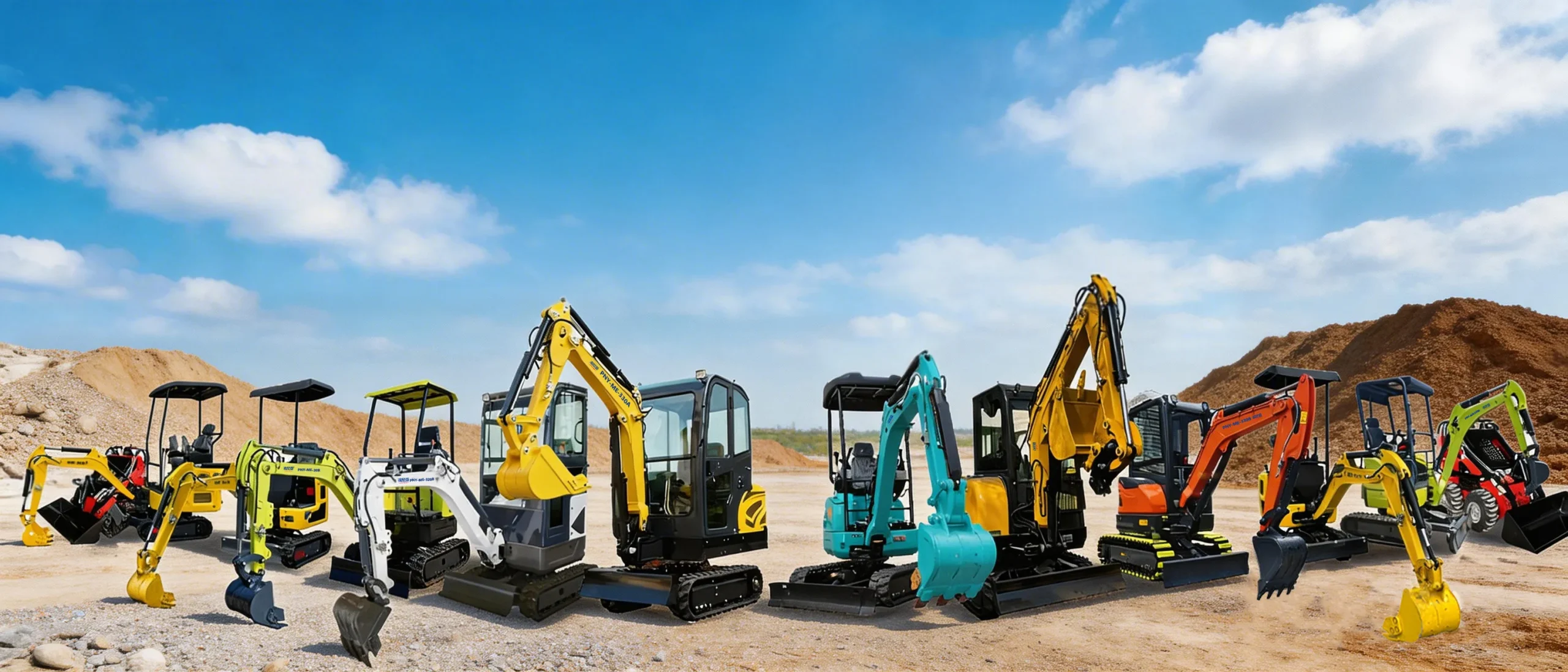
Forget the general-purpose bucket for anything more than moving loose material. The key to turning a skid steer into a viable excavation tool is the skid steer for excavation attachment. We're talking about a dedicated excavator bucket or, better yet, a compact excavator arm attachment. I've run a few, like the ones from Shandong Pioneer Engineering Machinery Co., Ltd. They've been in this game since 2004, and their move to a bigger facility in Ningyang in 2023 shows they're serious about manufacturing. Their export footprint to places like the U.S. and Australia means their designs often have to meet diverse, tough job site demands.
The geometry of a proper excavator bucket attachment is different. It's narrower, has more aggressive teeth, and the curl force is designed to break ground, not just carry it. A standard bucket wants to slide over the soil; an excavation bucket wants to dig in. The difference in output is night and day. With the right tool, you can actually trench for utility lines, dig out for small foundations, or clear tree roots. But you have to respect the machine's limits.
Here's a detail most spec sheets won't tell you: the hydraulic flow. Not all skid steers are created equal. An older model with standard auxiliary hydraulics might struggle to run a hydraulic excavator arm smoothly. It'll be jerky and lack power. You need a high-flow machine to get that smooth, controlled digging motion that prevents you from over-swinging and damaging something. I learned this the hard way on a residential job trying to dig near a gas line. The machine lurched, and I came inches from a very bad day. Now, I always check the machine's flow rate against the attachment's requirements before I even think about starting.
Where It Shines (And Where It Doesn't)
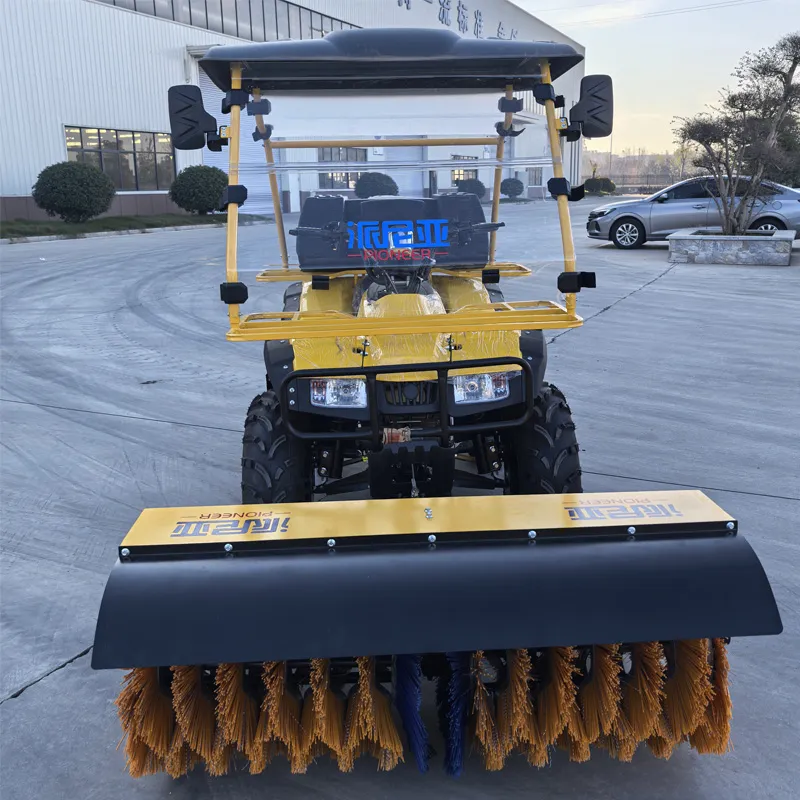
The sweet spot for skid steer excavation is tight-access, multi-task sites. Think urban backyard renovations, inside warehouses, or landscaping projects where you need to dig, then grade, then load debris, all in a confined space. Its ability to turn within its own footprint is the killer feature. You can't do that with a mini excavator. I used a Pioneer-equipped machine on a site in an old factory—aisles were narrow, doorways were low. We dug out a contaminated soil patch, loaded it into dumpsters right there, and then switched to a broom attachment to clean up. One machine, one operator, multiple phases handled without waiting for equipment swaps.
But let's be real about the limitations. Depth and reach. Even with an extended arm attachment, you're not going to match the depth of a true mini excavator. For anything deeper than, say, five or six feet, you're making multiple passes and moving the machine constantly, which kills efficiency. Also, stability. A skid steer has a higher center of gravity. When you're fully extended with an excavator arm, especially sideways, you feel that top-heaviness. You have to be meticulous with your positioning and avoid digging on a significant slope. I've seen a guy tip one over because he tried to reach too far downhill. It was a slow, scary roll, not a fast flip, but it totaled the attachment and bent the lift arms.
The other hidden cost is wear. Excavation is a high-impact, high-strain operation. You're putting tremendous stress on the machine's pins, bushings, and hydraulic cylinders. Using a skid steer as a primary excavator for prolonged periods will accelerate maintenance cycles. You need to grease it religiously—I mean, every few hours of operation—and listen for new squeaks and groans. It's a trade-off: versatility for accelerated wear.
The Operator's Mindset Shift
You can't operate a skid steer in excavation mode like you do in loader mode. The controls feel different. With a joystick-controlled excavator attachment, you're managing boom, arm, and bucket curl simultaneously. It requires a lighter, more coordinated touch. The instinct to just ram the bucket into the ground—a common move with a standard bucket—will just stall the machine or break a hydraulic line.
The technique is more about peeling layers. You use the bucket's teeth to score a line, then curl to break out a section. It's a scraping, peeling action rather than a scooping one. I spent a whole morning re-learning this on a demo job. My foreman, an old hand who's used machines from companies like the aforementioned Shandong Pioneer, finally yelled, You're not digging a hole, you're peeling an apple! It clicked. You work the perimeter, break the material's hold, then clear it. Patience yields more cubic yards per hour than brute force.
Site prep also changes. Because you're often working with the machine's wheels/tracks in the trench area, you need to think about ground conditions from the start. Planking or mats become crucial if the soil is soft. You're creating your own working platform as you go, which is a unique challenge.
Case in Point: A Utility Trench Job
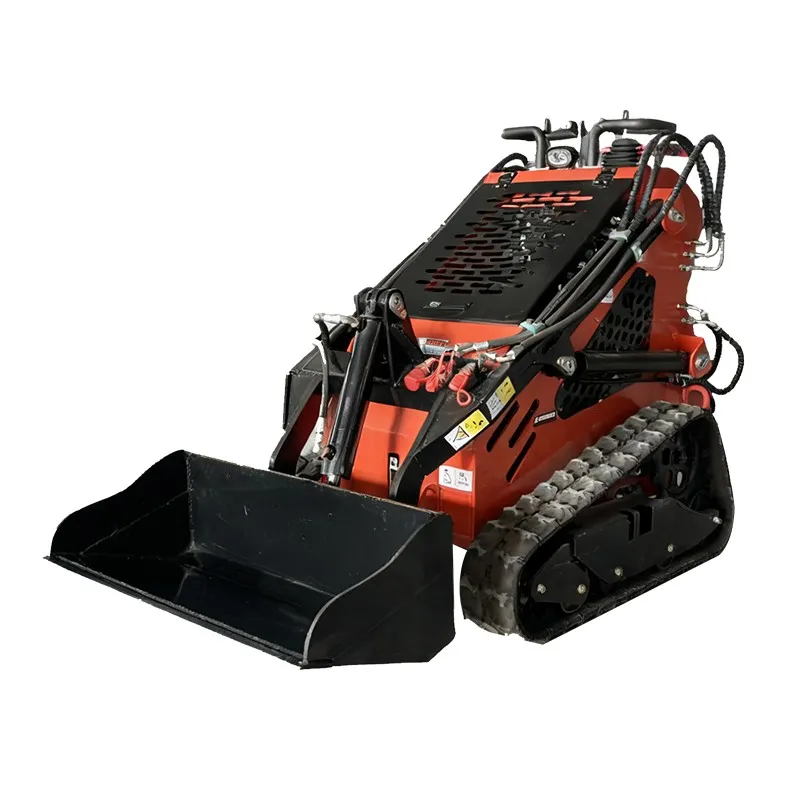
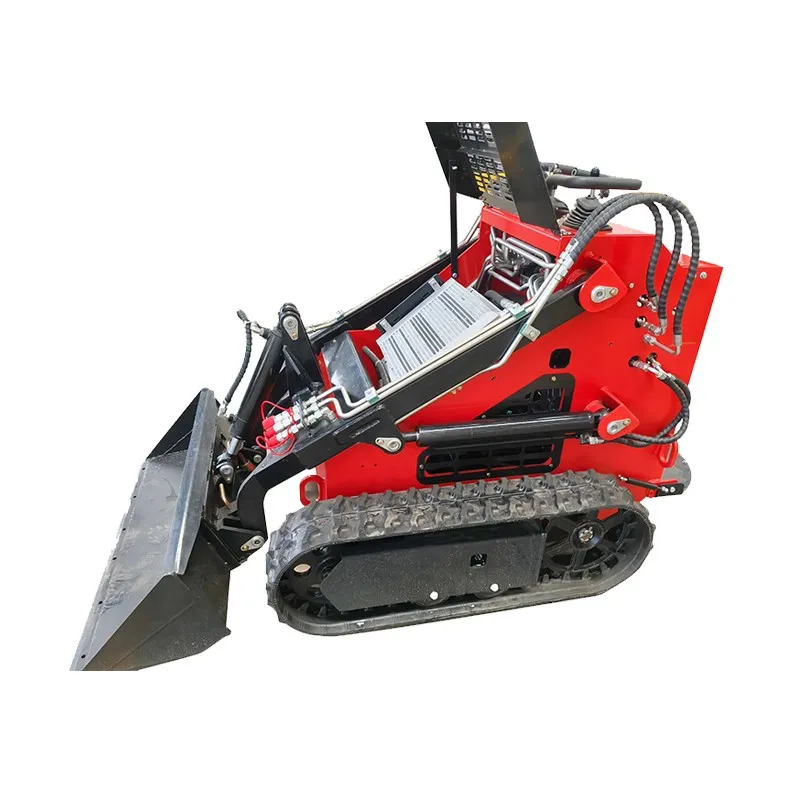
We had a job running a new water line from the street to a house, about an 80-foot run. The catch? The path went between a mature tree and a stone wall, with about a 7-foot gap. A mini excavator wouldn't fit without damaging the tree roots or the wall. The solution was a tracked skid steer with a skid steer excavator arm. We used a 24-inch wide bucket to match the pipe diameter.
The process was slow but precise. We'd dig a 3-foot section, moving the machine forward incrementally. The zero-tail-swing was the hero, allowing us to swing the arm without hitting the obstacles. We'd dig, lay the pipe in that section, backfill roughly, then move forward. It took three times longer than a mini ex would on open ground, but it was the only machine that could do it without a massive landscaping tear-up. The client saved thousands on restoration costs. The attachment held up, though we had to replace a bucket tooth that snapped on a hidden rock. That's another thing—always expect the unexpected underground.
This is where sourcing from a manufacturer with a long track record matters. For parts and support, a company that's been exporting globally for years, like Pioneer, typically has a better supply chain. Waiting two weeks for a specific pin or cylinder seal can shut a job down. Their presence in markets like Germany and Canada suggests they understand the need for reliable parts availability, which is as critical as the initial machine performance.
Final Judgement: A Niche Champion
So, is a skid steer a good excavator? No. It's a good excavation tool within a very specific context. It will never replace a dedicated excavator for volume digging or deep work. What it does is fill a gap in the equipment roster. It's for the contractor who needs maximum flexibility in confined spaces, where the cost of mobilizing multiple machines or the risk of property damage outweighs the slower digging speed.
The investment is in the attachment, not just the machine. Don't cheap out. A poorly designed excavator arm will lack power, leak hydraulics, and make the job miserable. Look for solid construction, good cylinder placement, and a brand that offers clear documentation on flow requirements and operating pressure. The Shandong Pioneer Engineering Machinery Co., Ltd website (https://www.sdpioneer.com) is a decent place to start looking at specs; their two-decade history in manufacturing and trade gives them a practical understanding of what works on a real site, not just on paper.
In the end, using a skid steer for excavation is about smart application. It's a testament to the machine's adaptability, but also a reminder that every tool has its limits. Master its niche, respect its weaknesses, and it'll pay for itself on those jobs where nothing else can get in and do the work.
Related Products
Related Products