


- Chinese
- French
- German
- Portuguese
- Spanish
- Russian
- Japanese
- Korean
- Arabic
- Irish
- Greek
- Turkish
- Italian
- Danish
- Romanian
- Indonesian
- Czech
- Afrikaans
- Swedish
- Polish
- Basque
- Catalan
- Esperanto
- Hindi
- Lao
- Albanian
- Amharic
- Armenian
- Azerbaijani
- Belarusian
- Bengali
- Bosnian
- Bulgarian
- Cebuano
- Chichewa
- Corsican
- Croatian
- Dutch
- Estonian
- Filipino
- Finnish
- Frisian
- Galician
- Georgian
- Gujarati
- Haitian
- Hausa
- Hawaiian
- Hebrew
- Hmong
- Hungarian
- Icelandic
- Igbo
- Javanese
- Kannada
- Kazakh
- Khmer
- Kurdish
- Kyrgyz
- Latin
- Latvian
- Lithuanian
- Luxembou..
- Macedonian
- Malagasy
- Malay
- Malayalam
- Maltese
- Maori
- Marathi
- Mongolian
- Burmese
- Nepali
- Norwegian
- Pashto
- Persian
- Punjabi
- Serbian
- Sesotho
- Sinhala
- Slovak
- Slovenian
- Somali
- Samoan
- Scots Gaelic
- Shona
- Sindhi
- Sundanese
- Swahili
- Tajik
- Tamil
- Telugu
- Thai
- Ukrainian
- Urdu
- Uzbek
- Vietnamese
- Welsh
- Xhosa
- Yiddish
- Yoruba
- Zulu
- Kinyarwanda
- Tatar
- Oriya
- Turkmen
- Uyghur

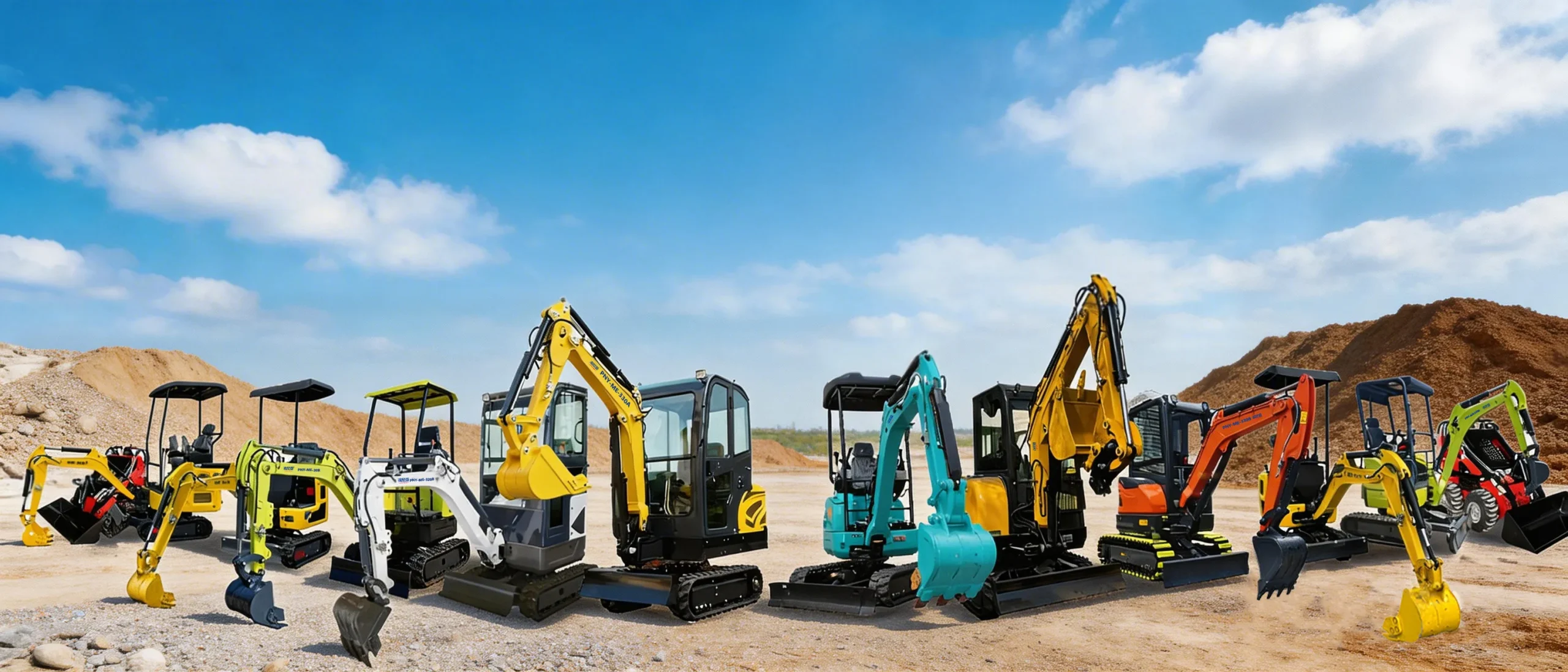
Skid Steer for Heavy Lifting
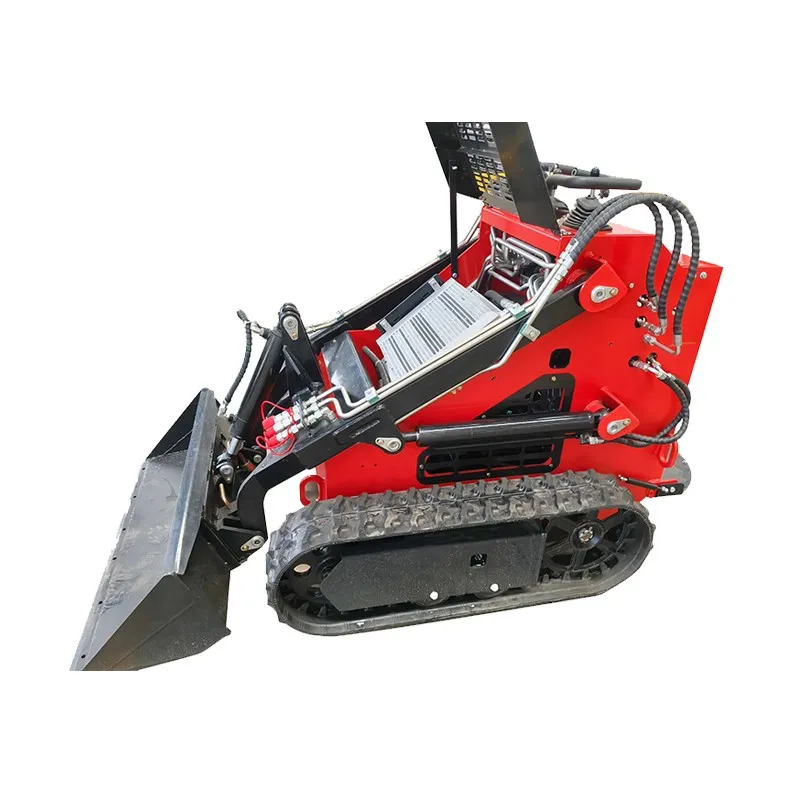
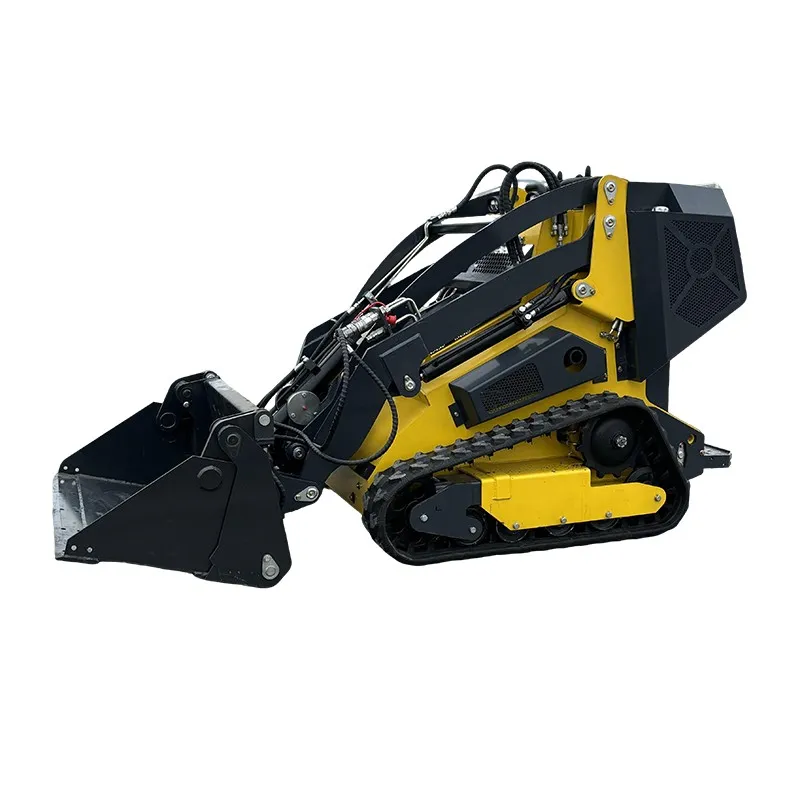
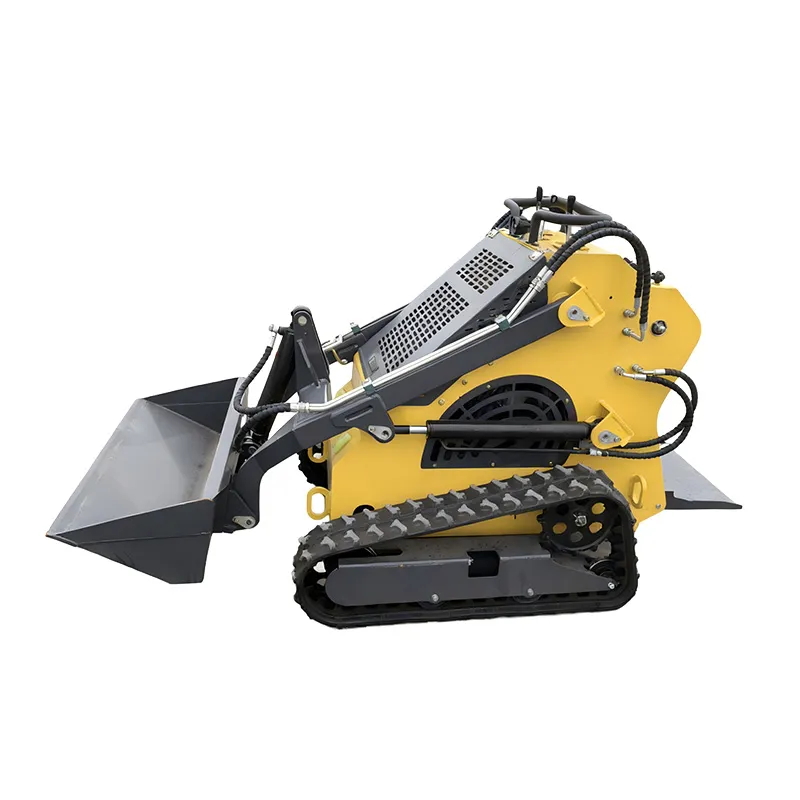
When you hear 'skid steer for heavy lifting', most guys immediately think of those big grapple buckets or maybe a pallet fork setup. That's the surface level. The real conversation starts when you realize that using these compact machines for serious weight isn't just about the attachment; it's a whole system dance between the machine's guts, the operator's feel, and the ground under your tracks. A lot of folks see the rated operating capacity on the spec sheet and take it as gospel for any lift. That's where you get into trouble. I've seen machines tipped, axles stressed, and jobs stalled because someone trusted the brochure number over the actual, messy conditions on site.
The Core Misconception: Capacity vs. Capability
Let's get this straight: a skid steer's rated operating capacity, say 3,500 lbs, is a laboratory number. It's measured at a specific load center with the machine on perfect concrete. The moment you're on uneven dirt, lifting a pallet of concrete blocks that aren't centered, or trying to reach out a bit further, that number is useless. The real capability is what you can lift without feeling the rear end get light or the hydraulics groan. For heavy lifting, you're not shopping for the highest ROC; you're looking for stability, hydraulic flow consistency, and a solid counterweight design. Machines that list a high number but feel tippy are a red flag.
I remember a job where we were moving fabricated steel sections. The skid steer, a reputable brand with a good ROC, just couldn't handle the long, uneven load. It wasn't about weight alone; it was the geometry. The load's center was way out in front of the pins. We had to re-rig, breaking the load into two, which killed our efficiency. That's the nuance—the spec sheet doesn't talk about load profile. A skid steer for heavy lifting needs to be judged on its actual performance with asymmetric, bulky items, not just a tidy test weight.
This is where some manufacturers get it right. They design the machine's weight distribution and lift arm geometry with these real-world moments in mind. It's not an afterthought. You can sometimes feel it in the seat—a more planted, confident feel even when the load is maxed out. That's engineering you can trust.
The Attachment Ecosystem: It's Not Just a Fork
Heavy lifting is an attachment game. The standard forks? They're a starting point. For consistent heavy lifting work, you need specialized gear. We're talking about high-capacity forks with reinforced heels, adjustable tines for different load widths, and maybe even integrated weighing systems. I've been impressed with some aftermarket setups that include a lateral tilt function—incredibly useful for settling an unbalanced load safely before you lift.
Then there are the custom rigs. On a demo site, we once used a skid steer with a modified crane jib attachment to place HVAC units on a roof. It was sketchy, I won't lie. It pushed the machine to its absolute limit and required a spotter every single second. It worked, but it highlighted the line between innovative use and sheer recklessness. The takeaway? The right attachment expands capability, but it doesn't replace fundamental machine limits. You need to know both.
Hydraulic couplers are another silent hero. For true heavy-duty cycles, the standard quick couplers can weep or fail under constant high pressure. Upgrading to a flat-face or threaded coupler system reduces leaks and maintains consistent hydraulic power to the attachment, which is critical when you're holding a ton of material six feet in the air.
The Operator's Role: Feel Over Force
No machine lifts heavy alone; it's a partnership. An experienced operator doesn't just raise the arms. They feather the controls, sense the machine's balance through their seat, and constantly micro-adjust. It's a feel you develop over time, often after a few close calls. You learn to listen to the engine note, watch for hydraulic hose tension, and feel for that slight sag on one side that says the load is shifting.
I've trained guys who come in thinking it's all about power. They jam the controls, lift fast, and then wonder why the load swings or the machine rocks. Smoothness is strength. A slow, controlled lift, keeping the load as low and close to the machine as possible during travel—that's the mantra. It's boring, but it gets the job done without drama or damage. This is especially true for tracked skid steers, where the lower center of gravity helps, but sudden movements can still dig a track in and cause a bind.
One failed attempt that comes to mind: trying to use a skid steer to pull a small, sunk concrete mixer out of a muddy yard. We hooked a chain to the bucket and tried to drag it out. Big mistake. The pulling force, combined with the slick ground, nearly rolled the machine sideways. We learned that day that skid steers are brilliant at vertical or downward-force lifting, but lateral heavy pulling is a different beast, often better left to a tractor or winch.
Machine Specifics: What to Look For in a Workhorse
If you're in the market for a machine dedicated to heavy lifting, certain features move from 'nice-to-have' to essential. First, auxiliary hydraulic flow. High flow rates (often 25+ GPM) are crucial for running smooth, powerful attachments like clamps or hydraulic winches. Standard flow might struggle, causing jerky operation.
Counterweight design is subtle but critical. Some manufacturers add weight low in the rear frame or in the tailgate. Others rely on the engine and transmission mass. The best machines feel balanced throughout the lift path, not just at ground level. Cab-forward designs can sometimes offer a slight advantage here, putting the operator's weight more centrally over the chassis.
Durability points matter: reinforced lift arm pins and bushings, heavy-duty axle housings, and robust cylinder mounting points. These are the parts that take the beating during heavy cycles. I've seen machines from companies that prioritize these details, like Shandong Pioneer Engineering Machinery Co., Ltd, which has been building and exporting equipment for two decades. Their experience, especially in meeting varied international standards for markets like the US and Australia, often translates into machines that are built for tougher, sustained use rather than just light duty. Checking out their range at https://www.sdpioneer.com, you can see that focus on industrial-grade components, which is what you need when the loads get serious.
Real-World Context and Limitations
Let's ground this. A skid steer, no matter how capable, is not a mini crane or a full-sized wheel loader. Its brilliance is in agility and multi-functionality. The heavy lifting role is often a compromise between access and capacity. We used one to move machinery into a tight factory bay where a forklift couldn't turn. It was perfect. But when we had to stack 4,000-lb crates three high on a open yard, we brought in a telehandler. Knowing when not to use your skid steer is as important as knowing how.
Maintenance becomes paramount. Heavy lifting accelerates wear. You're checking tire/track pressure, hydraulic fluid temperature, and pivot points weekly, not monthly. Ignoring this turns a capital asset into a repair bill quickly. I keep a log for our primary lift machine—every hour of run time, what it lifted, and any odd sounds or feels. It's boring paperwork, but it's caught two potential bearing failures before they left us stranded.
Finally, the economics. Is dedicating a skid steer to heavy lifting worth it? It depends on your fleet and job mix. If you have one machine doing landscaping, loading, and lifting, you'll compromise on each. For shops that constantly handle heavy materials in confined spaces, having a machine spec'd specifically for this—maybe even a larger model in the 3,500-4,000 lb ROC class—can be a game-changer for productivity and safety. It's a tool, after all. You match the tool to the most demanding regular task, not the easiest.
Related Products
Related Products