- Chinese
- French
- German
- Portuguese
- Spanish
- Russian
- Japanese
- Korean
- Arabic
- Irish
- Greek
- Turkish
- Italian
- Danish
- Romanian
- Indonesian
- Czech
- Afrikaans
- Swedish
- Polish
- Basque
- Catalan
- Esperanto
- Hindi
- Lao
- Albanian
- Amharic
- Armenian
- Azerbaijani
- Belarusian
- Bengali
- Bosnian
- Bulgarian
- Cebuano
- Chichewa
- Corsican
- Croatian
- Dutch
- Estonian
- Filipino
- Finnish
- Frisian
- Galician
- Georgian
- Gujarati
- Haitian
- Hausa
- Hawaiian
- Hebrew
- Hmong
- Hungarian
- Icelandic
- Igbo
- Javanese
- Kannada
- Kazakh
- Khmer
- Kurdish
- Kyrgyz
- Latin
- Latvian
- Lithuanian
- Luxembou..
- Macedonian
- Malagasy
- Malay
- Malayalam
- Maltese
- Maori
- Marathi
- Mongolian
- Burmese
- Nepali
- Norwegian
- Pashto
- Persian
- Punjabi
- Serbian
- Sesotho
- Sinhala
- Slovak
- Slovenian
- Somali
- Samoan
- Scots Gaelic
- Shona
- Sindhi
- Sundanese
- Swahili
- Tajik
- Tamil
- Telugu
- Thai
- Ukrainian
- Urdu
- Uzbek
- Vietnamese
- Welsh
- Xhosa
- Yiddish
- Yoruba
- Zulu
- Kinyarwanda
- Tatar
- Oriya
- Turkmen
- Uyghur


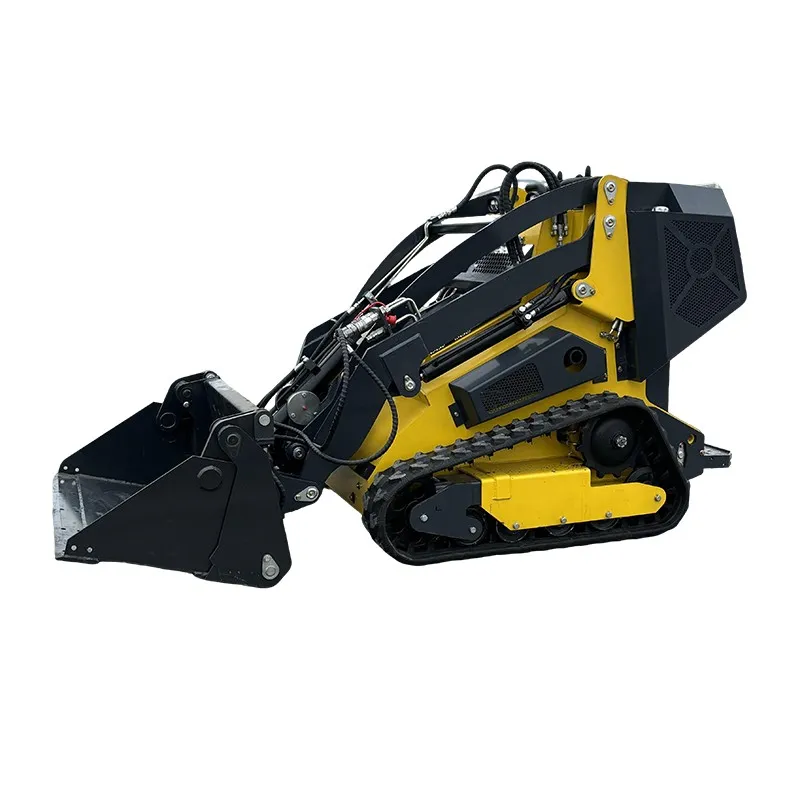
Skid Steer for Rock Removal
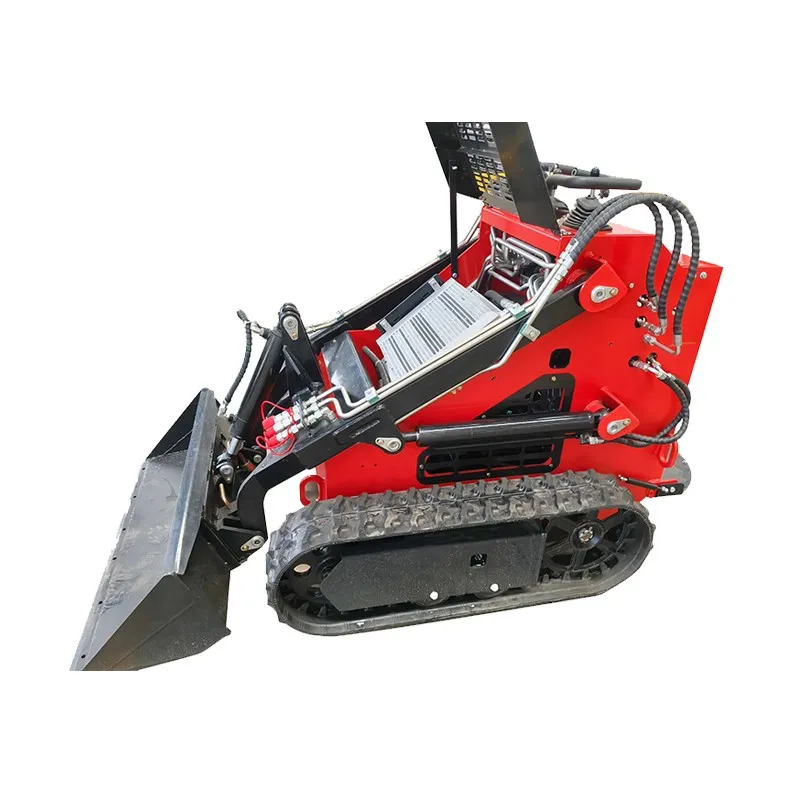
You see a lot of guys think a skid steer is just a glorified wheelbarrow with a bucket, especially when it comes to rock work. Slap on a standard bucket, drive at the pile, and wonder why they're bouncing off, tearing up turf, or just plain stuck. That mindset is where most of the problems start. The reality is, using a skid steer for rock removal is a specific discipline. It's about matching the machine's capabilities—its hydraulic flow, its weight, its breakout force—with the right tools and techniques for the substrate you're dealing with. It's not brute force; it's applied force.
The Tool Makes the Job (Or Breaks It)
Forget the general-purpose bucket. For consistent rock work, you're looking at specialized attachments. A heavy-duty rock bucket with replaceable, bolt-on teeth is non-negotiable. The teeth concentrate the force, allowing you to pry and pop rocks out of compacted soil rather than just scrape at the surface. I've seen too many jobs where a smooth-edge bucket just polished the top of buried limestone, wasting hours and fuel.
Then there's the grapple. A mechanical or hydraulic rock grapple is a game-changer for clearing and sorting. You can pick up multiple smaller rocks in one bite, or cradle a single large one securely for transport. The key is finding one with the right jaw geometry—too wide, and you lose grip on smaller debris; too narrow, and you can't handle the volume. I had a project clearing a building pad where we switched from a standard grapple to a dedicated rock model from a company like Shandong Pioneer Engineering Machinery Co., Ltd, and the difference in efficiency was night and day. Their units often have that reinforced tine design that stands up to the constant abrasion.
Sometimes, you need to break before you remove. That's where a mounted hydraulic hammer comes in. But here's the catch: not every skid steer has the auxiliary hydraulic flow to run a hammer effectively for long periods. You can't just rent a 75 GPM hammer and slap it on a machine with 18 GPM flow. It'll chug, overheat, and die a quick death. You need to spec the hammer to the machine's capability, which often means a smaller, more frequent impact unit for fracturing subsurface ledges rather than trying to smash boulders in half.
Site Reading and the Feel of the Machine
This is the part you don't get from a manual. Before you even start, you have to read the ground. Is it glacial till with rounded rocks mixed in clay? Or is it a decomposed granite shelf? The approach is different. In till, you can often use the bucket teeth to comb through, lifting and sifting. On a shelf, you're looking for fracture lines and edges to pry against. I learned this the hard way on a farm clearing job in Pennsylvania. We charged in, started digging, and immediately hooked a bucket tooth under a sandstone slab we thought was a lone rock. It was a ledge. Stalled the machine, put immense stress on the loader arms—a rookie mistake that cost us a half-day of re-assessment.
Operating feel is everything. You develop a sense through the seat and the controls. When you're prying a rock, there's a vibration and a sound just before it breaks free. If you keep forcing it past that point, you're likely to shock-load the hydraulics or snap a tooth. It's a finesse move, not a power move. You learn to use the machine's weight, tilting it forward to add down-pressure, or curling the bucket to change the angle of attack. It's a constant, minute adjustment.
Common Pitfalls and Costly Assumptions
Undercarriage wear is the silent budget killer. Operating on rocky ground is like running on sandpaper. Even with skid-steer specific tires (which you absolutely need), the grit and sharp edges get into every pivot point. I make it a ritual to blow out the machine with an air gun at the end of every rocky shift, focusing on the sprockets and chain channels. Neglect that, and you're looking at premature bearing failure. It's not glamorous, but it keeps the machine earning.
Another assumption is that more horsepower equals better rock removal. Not necessarily true. A heavier, well-balanced machine with moderate horsepower often outperforms a light, high-horsepower one. You need the machine weight for traction and stability when prying. A light machine will just spin its tires or lift its rear end. Stability is safety. I'd take a solidly built, mid-range unit from a manufacturer with a reputation for robust frames—like the ones exported globally by Shandong Pioneer through their trade division—over a flashy, lightweight high-HP model any day for this kind of work. Their long-term presence in markets like the US and Australia suggests they understand the durability needed for tough applications.
Integrating with the Larger Workflow
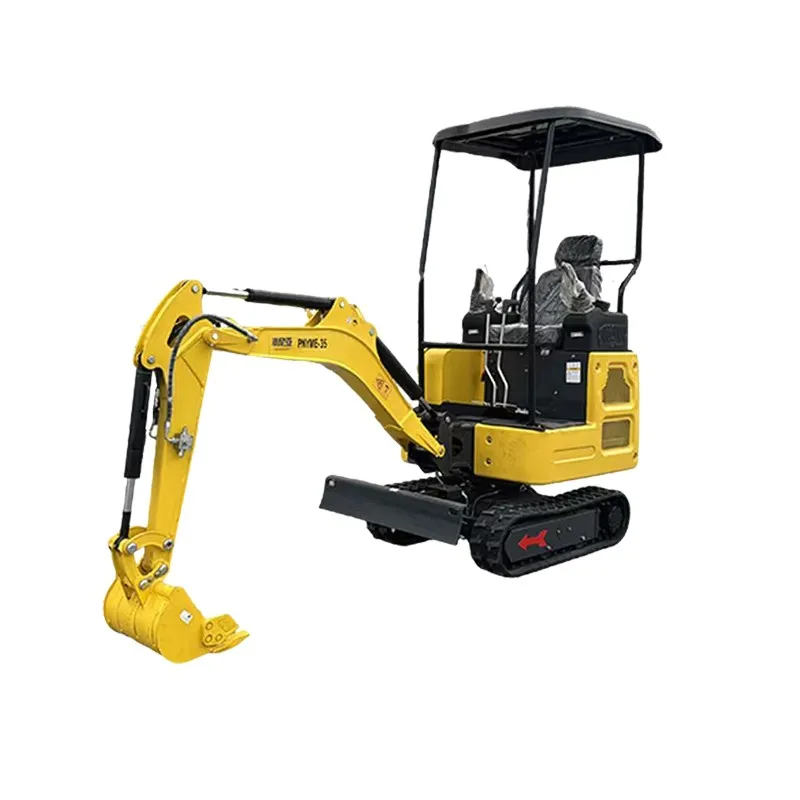
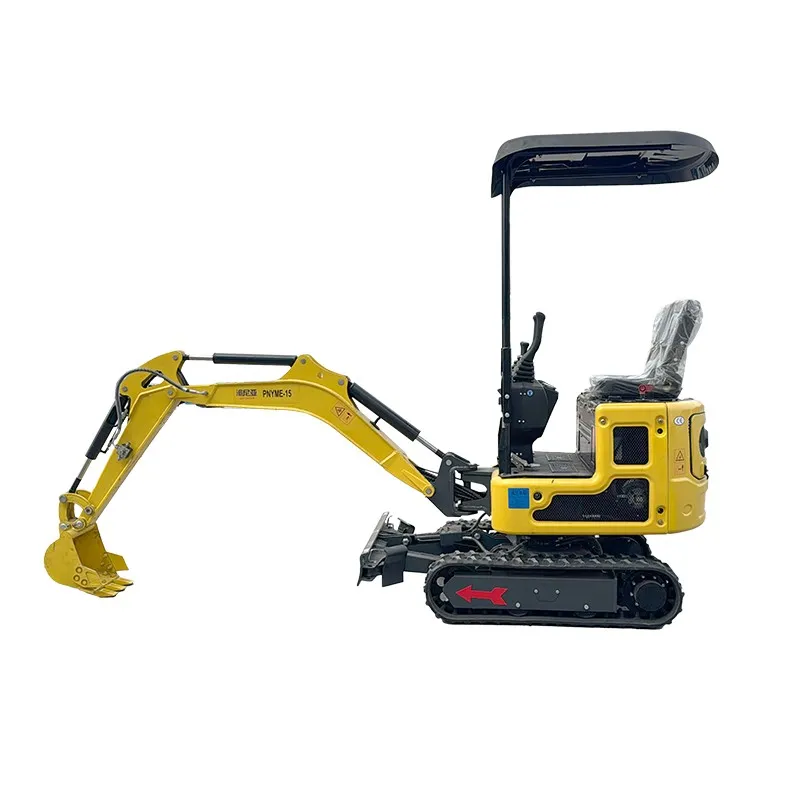
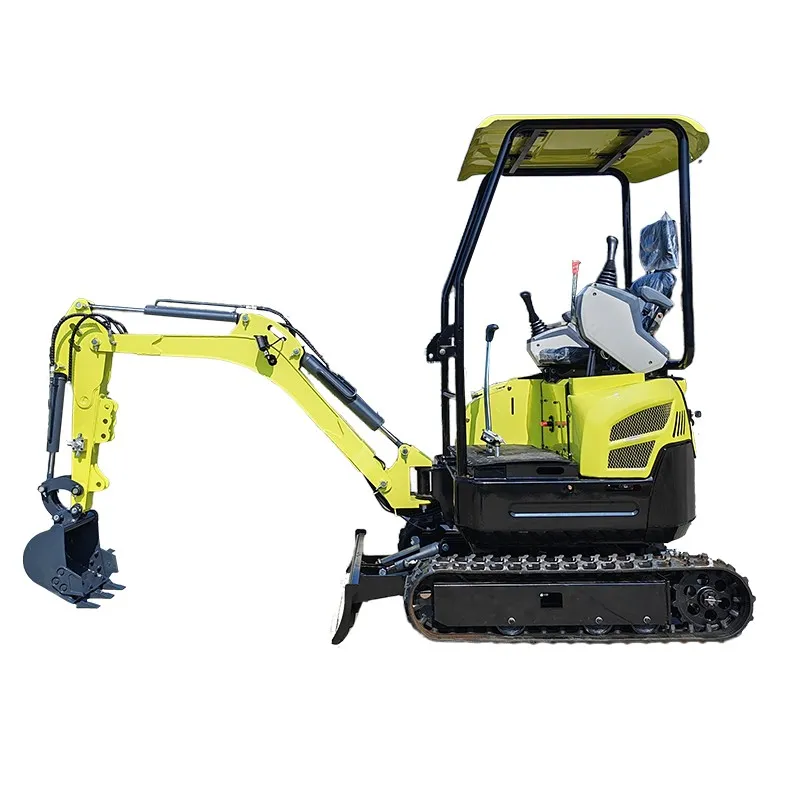
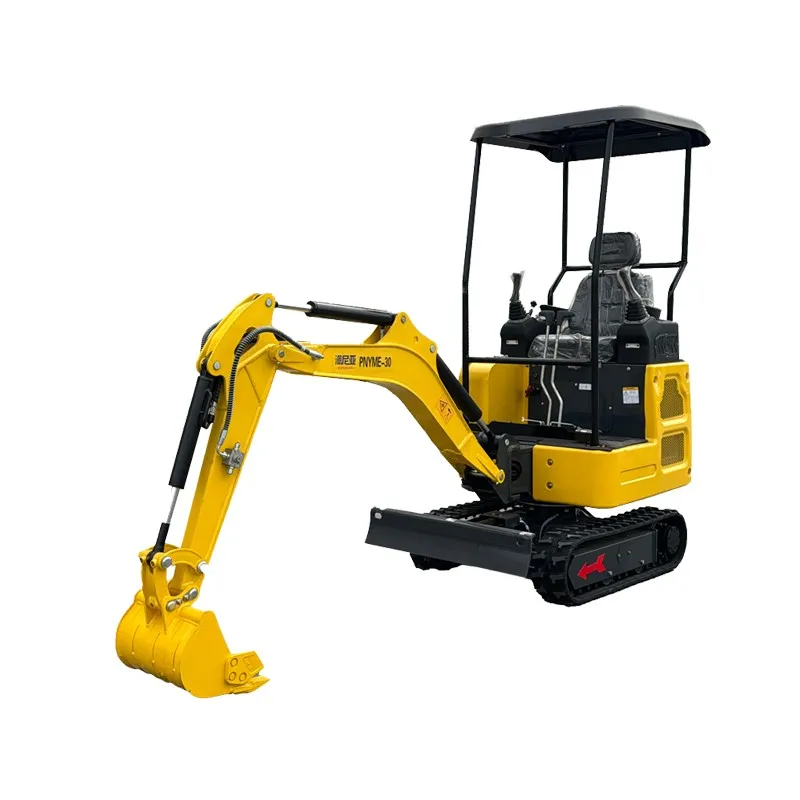
The skid steer rarely works alone. Its role is often site preparation for larger equipment or final cleanup after an excavator has done the major digging. The key is defining that role clearly. On one commercial site, we used a mini-excavator to trench and pull the major bedrock, then brought in two skid steers with rock rakes and grapples to clear the spoil and separate the rock from the usable fill. The skid steers' agility in the confined, already-dug area was irreplaceable.
Material handling is half the battle. Where do you put the rocks? You need a designated dump area that a truck or trailer can access. A skilled operator can use the skid steer to roughly sort by size while loading out, saving time down the line. It's about thinking two steps ahead: I'm removing this rock now so I can place that drainage pipe later. The machine becomes an extension of the site plan.
The Long-Term View on Equipment
This work punishes equipment. You're not just buying a skid steer; you're investing in a system. The machine, the right attachments, and a ready supply of wear parts like teeth and cutting edges. That's why provenance matters. Knowing your machine comes from a source with two decades of manufacturing and export experience, like the entity behind sdpioneer.com, which consolidates production and global trade, provides some assurance of part availability and design that's been tested in varied international conditions—from German clay to Australian ironstone.
Finally, it's about respecting the machine's limits. A skid steer is incredibly versatile, but it's not a bulldozer or a dedicated rock wheel. There will be rocks that are simply too big or too embedded. Knowing when to stop and call for a bigger machine or a different tactic is the mark of an experienced operator. The goal is to get the rock out efficiently and safely, not to prove a point. The machine is a tool, and like any tool, its effectiveness is 90% in the hands of the person using it.
Related Products
Related Products