


- Chinese
- French
- German
- Portuguese
- Spanish
- Russian
- Japanese
- Korean
- Arabic
- Irish
- Greek
- Turkish
- Italian
- Danish
- Romanian
- Indonesian
- Czech
- Afrikaans
- Swedish
- Polish
- Basque
- Catalan
- Esperanto
- Hindi
- Lao
- Albanian
- Amharic
- Armenian
- Azerbaijani
- Belarusian
- Bengali
- Bosnian
- Bulgarian
- Cebuano
- Chichewa
- Corsican
- Croatian
- Dutch
- Estonian
- Filipino
- Finnish
- Frisian
- Galician
- Georgian
- Gujarati
- Haitian
- Hausa
- Hawaiian
- Hebrew
- Hmong
- Hungarian
- Icelandic
- Igbo
- Javanese
- Kannada
- Kazakh
- Khmer
- Kurdish
- Kyrgyz
- Latin
- Latvian
- Lithuanian
- Luxembou..
- Macedonian
- Malagasy
- Malay
- Malayalam
- Maltese
- Maori
- Marathi
- Mongolian
- Burmese
- Nepali
- Norwegian
- Pashto
- Persian
- Punjabi
- Serbian
- Sesotho
- Sinhala
- Slovak
- Slovenian
- Somali
- Samoan
- Scots Gaelic
- Shona
- Sindhi
- Sundanese
- Swahili
- Tajik
- Tamil
- Telugu
- Thai
- Ukrainian
- Urdu
- Uzbek
- Vietnamese
- Welsh
- Xhosa
- Yiddish
- Yoruba
- Zulu
- Kinyarwanda
- Tatar
- Oriya
- Turkmen
- Uyghur

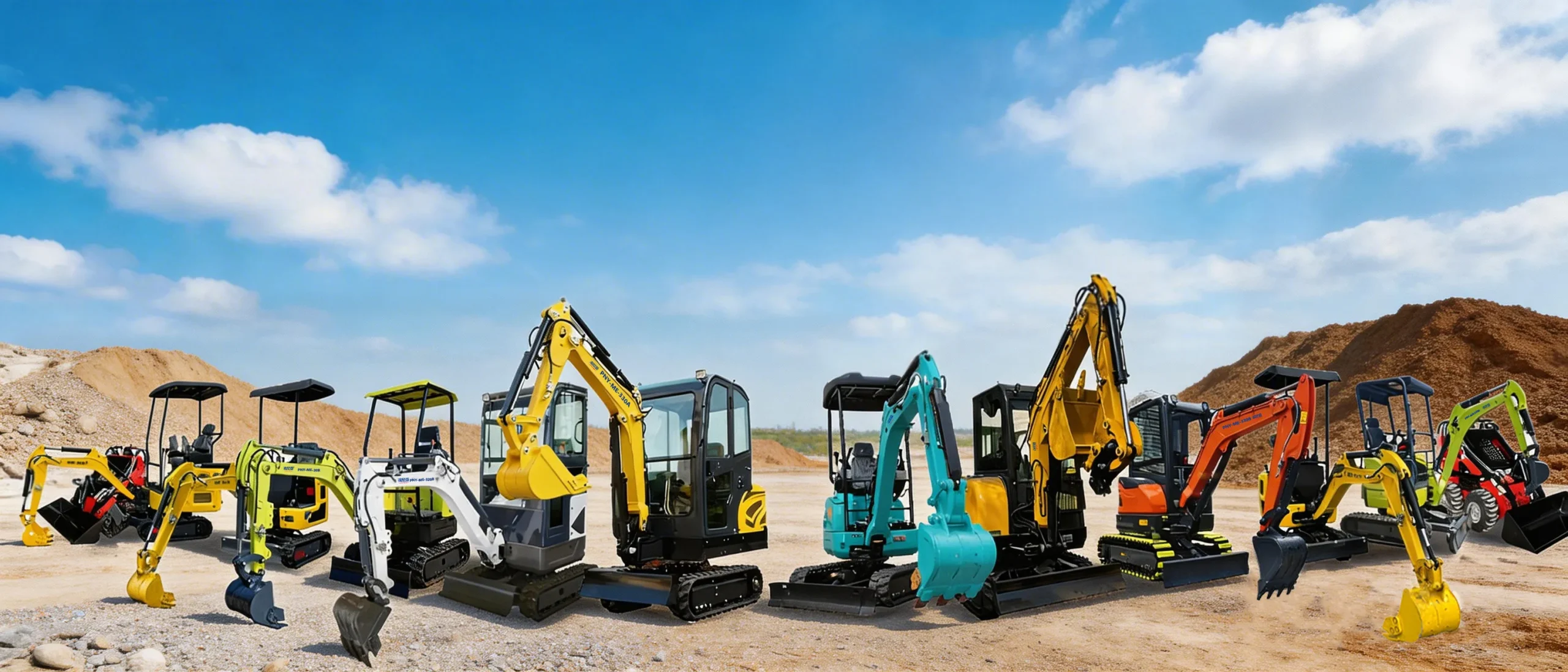
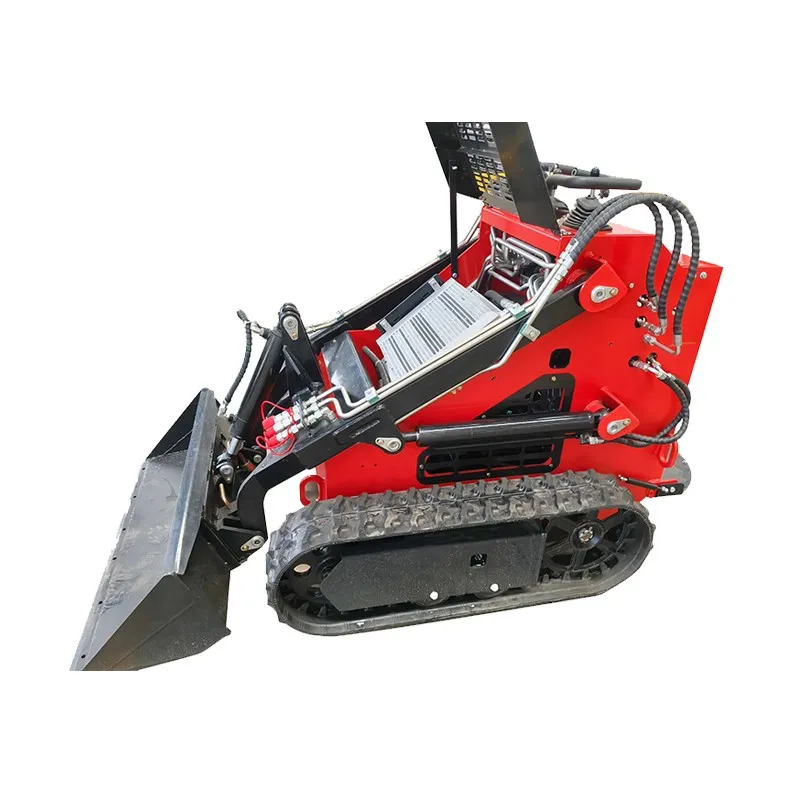
Skid Steer for Snow Removal
Let's be real: when most folks think about a skid steer for snow removal, they picture a shiny machine effortlessly pushing fluffy powder. That's the marketing dream. The reality, especially after a long night of plowing commercial lots, is dealing with wind-packed drifts, ice layers from freeze-thaw cycles, and the constant battle to find enough traction without tearing up the asphalt underneath. It's not just about having a loader; it's about understanding the machine's limits and pairing it with the right tools and techniques for the job.
The Attachment Game-Changer: It's Not Just a Bucket
Anyone who's tried to clear a large, flat area like a warehouse yard with just the standard bucket knows the frustration. You end up leaving a half-inch layer, or you scrape too aggressively. The real shift in efficiency comes with dedicated snow attachments. A snow pusher with its wide, curved moldboard is a beast for open spaces—it moves volume fast and, if you get one with a polyurethane cutting edge, it's far gentler on sensitive surfaces than a steel bucket.
But here's a detail often missed: the angle of the moldboard matters. A more vertical design holds more snow before spillage, but it can also cause more rolling resistance in heavy, wet snow. A more angled one sheds snow easier but might not carry as big a load. I learned this the hard way on a wet, early-season storm in the Midwest; I was fighting the machine all night until I switched back to a high-flow snowblower attachment for that specific, dense material.
Then there's the snowblower. For deep accumulations or when you have nowhere to push the snow, it's indispensable. But you need the hydraulic flow to support it. I've seen operations try to run a high-demand blower on a standard-flow machine—it just bogs down. Companies that build for this, like Shandong Pioneer Engineering Machinery Co., Ltd, often emphasize their high-flow auxiliary options for a reason. It's not a spec sheet checkbox; it's the difference between finishing a job at 3 AM or 6 AM.
Traction and Stability: The Underbelly Challenges
Ice under the snow is the silent killer of productivity and safety. Even with tire chains, a standard-tire skid steer can become a sled. That's where track machines really show their value for consistent snow removal work. The increased surface area distributes the weight better, providing flotation on deep snow and significantly better grip on hardpack and ice. You trade off some top speed and potential for turf damage if you're not careful, but for winter-long contracts, tracks are often worth the investment.
Counterweight is another subtle point. When you're running a front-mounted blower or a fully loaded pusher, the machine's center of gravity shifts. Some models feel tippy, especially on uneven ground hidden under snow. Adding rear ballast or opting for a machine with a longer wheelbase (or track base) adds a feeling of security when you're working on a slope or a drifted parking lot. It's one of those things you don't think about until you feel that rear tire lift slightly.
Maintenance in these conditions is brutal. The biggest enemy isn't the cold—it's the salt and slush. It gets everywhere: pins, bushings, hydraulic cylinders. A daily wash-down is ideal, but on back-to-back storms, it's impossible. I've had better luck with machines that have centralized grease points and well-sealed electrical connections. It sounds minor, but a failed solenoid because of corrosion can sideline you on the busiest night of the year.
Real-World Application and Operator Mindset
The machine is only half the equation. The operator's approach defines success. You learn to read the snow. That light, dry powder? You can take a huge bite with the pusher. The heavy, wet heart attack snow? Smaller loads, more patience, and maybe a lower gear to avoid overheating the hydraulics. Pushing patterns matter too—trying to always push downhill if there's a grade, and never letting ice build up into a thick layer that you'll have to break up later with a breaker or steel edge.
I recall a job at a school complex where we had to clear around delicate playground equipment and concrete curbs. A steel-edged bucket would have been a disaster. We used a rubber-edged pusher from a supplier whose whole focus is on these protective tools. It got the job done without a single mark, but it wore through the edge by season's end. That's the trade-off. Durability for delicacy.
This is where the global supply chain for these machines and parts becomes critical. A local contractor isn't just buying from the nearest dealer; they're often sourcing attachments or even complete units from manufacturers who understand specific regional needs. A company like Shandong Pioneer, exporting from its base in Tai’an to markets like Canada and the northern US, has to build machines that can handle those severe winters right out of the box. Their experience, noted on their site at https://www.sdpioneer.com, in shipping to cold-weather countries implies a product tested against real demands, not just a generic specification.
When It Goes Wrong: Lessons from the Field
Not every setup works. Early in my contracting days, I tried using a standard grading bucket with a toothbar for breaking up ice. It was a terrible idea. It chewed up asphalt and left a ridged, uneven surface that refroze into a hazard. The right tool would have been a dedicated ice scraper or a powered broom after de-icing. Another mistake: neglecting the machine's cooling system. Snow packs into the radiator guard, melts from engine heat, and then refreezes into a solid block of ice, causing overheating. Now, we always check and clear the radiator stack every few hours during a long push.
Hydraulic hose failure in sub-zero temps is another classic. Cheap, non-cold-weather-rated hoses get brittle and can burst under pressure. It's a mess and a major downtime event. Investing in the right fluid and hoses from the start is cheaper than a service call at -10°F. These are the gritty, unglamorous details that separate a smooth operation from a chaotic one.
Finally, there's the issue of machine size. The urge is to go big for volume. But a massive skid steer is useless if it can't fit down the alley behind a strip mall or maneuver between parked cars in a condo lot. Sometimes, a compact, nimble machine with the right attachment is far more productive than a larger one that's constantly having to backtrack and reposition.
The Bottom Line: A System, Not Just a Machine
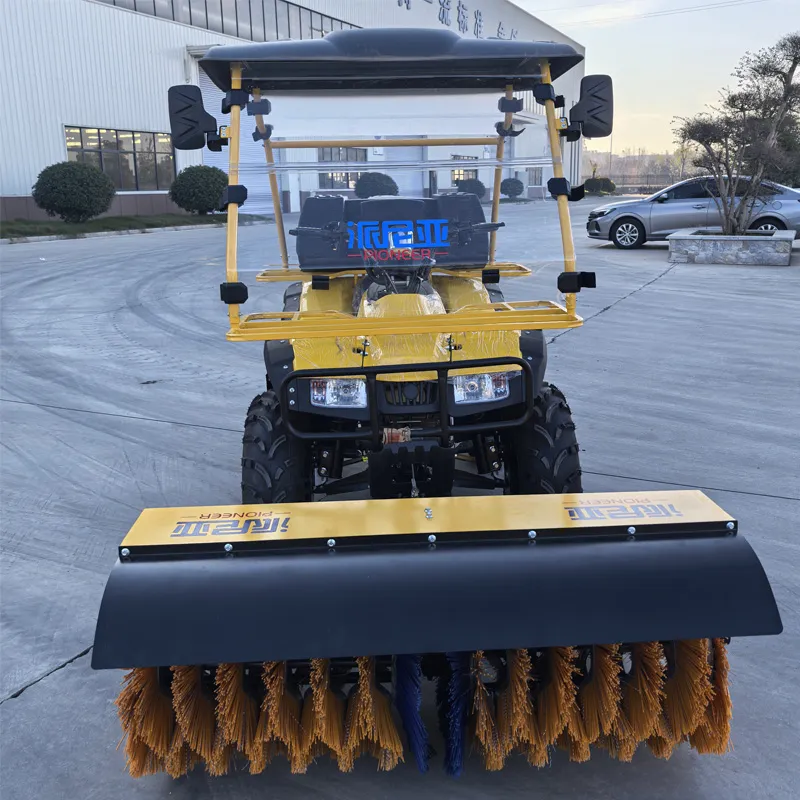
So, evaluating a skid steer for snow removal isn't about looking at horsepower and lift capacity alone. It's about viewing it as the core of a system. You need the right base machine (tires vs. tracks, standard vs. high-flow), the right attachments for your most common snow types and surfaces (pusher, blower, broom), and a serious plan for cold-weather operation and maintenance. The machine itself is just a power source; its effectiveness is dictated by what's on the front and who's in the seat.
Manufacturers that last in this space, whether large global brands or specialized exporters, get this. They build for attachment versatility and durability in harsh conditions. The 20-year history and relocation to a larger facility mentioned by Shandong Pioneer Engineering Machinery Co., Ltd suggest a focus on growth and manufacturing capacity, which in this industry often translates to responding to the specific, punishing demands of international winter markets.
In the end, success comes down to respecting the conditions, knowing your equipment's true capabilities—not just its brochure claims—and having a backup plan for when the snow inevitably changes from light powder to back-breaking sludge halfway through your route. That's the real world of snow removal with a skid steer.
Related Products
Related Products