- Chinese
- French
- German
- Portuguese
- Spanish
- Russian
- Japanese
- Korean
- Arabic
- Irish
- Greek
- Turkish
- Italian
- Danish
- Romanian
- Indonesian
- Czech
- Afrikaans
- Swedish
- Polish
- Basque
- Catalan
- Esperanto
- Hindi
- Lao
- Albanian
- Amharic
- Armenian
- Azerbaijani
- Belarusian
- Bengali
- Bosnian
- Bulgarian
- Cebuano
- Chichewa
- Corsican
- Croatian
- Dutch
- Estonian
- Filipino
- Finnish
- Frisian
- Galician
- Georgian
- Gujarati
- Haitian
- Hausa
- Hawaiian
- Hebrew
- Hmong
- Hungarian
- Icelandic
- Igbo
- Javanese
- Kannada
- Kazakh
- Khmer
- Kurdish
- Kyrgyz
- Latin
- Latvian
- Lithuanian
- Luxembou..
- Macedonian
- Malagasy
- Malay
- Malayalam
- Maltese
- Maori
- Marathi
- Mongolian
- Burmese
- Nepali
- Norwegian
- Pashto
- Persian
- Punjabi
- Serbian
- Sesotho
- Sinhala
- Slovak
- Slovenian
- Somali
- Samoan
- Scots Gaelic
- Shona
- Sindhi
- Sundanese
- Swahili
- Tajik
- Tamil
- Telugu
- Thai
- Ukrainian
- Urdu
- Uzbek
- Vietnamese
- Welsh
- Xhosa
- Yiddish
- Yoruba
- Zulu
- Kinyarwanda
- Tatar
- Oriya
- Turkmen
- Uyghur


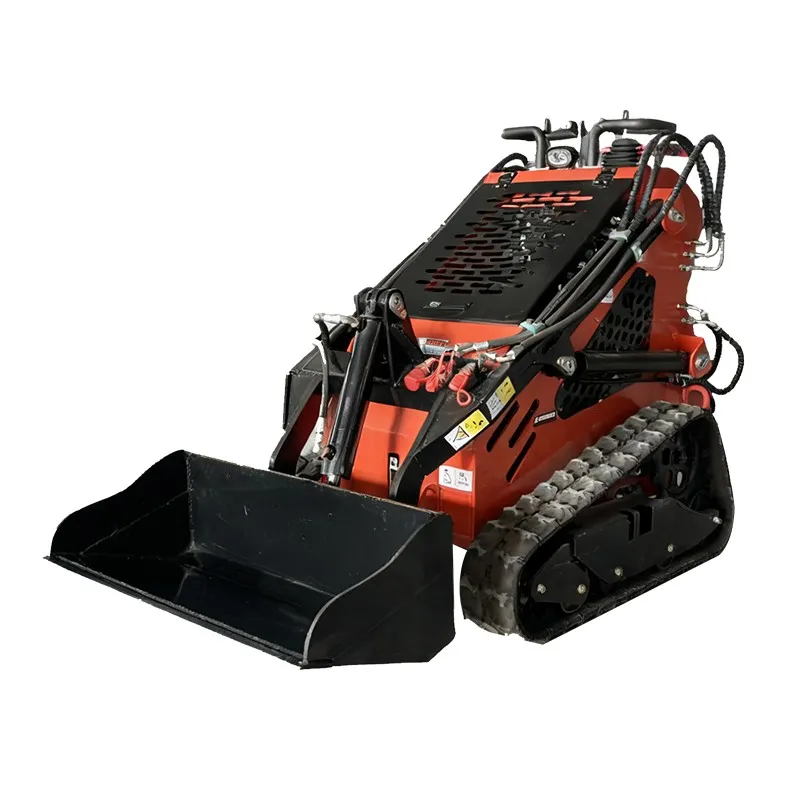
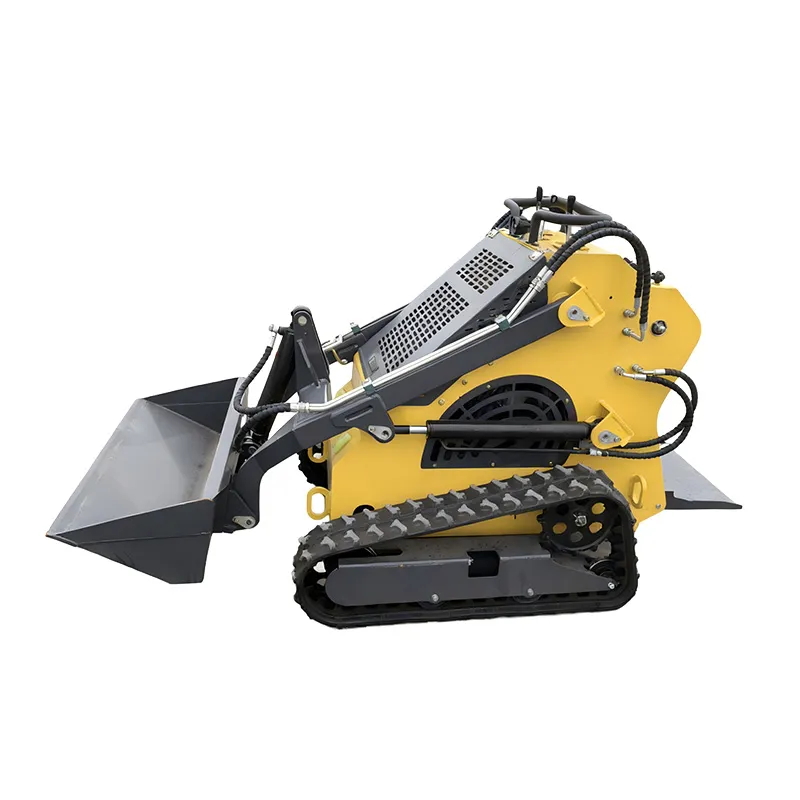
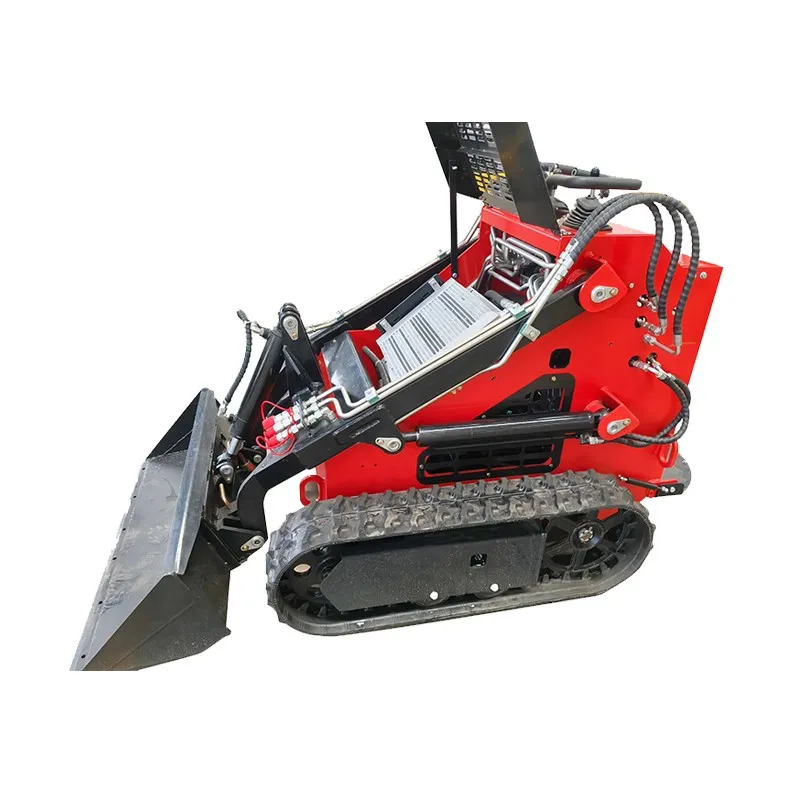
skid steer loader dealer
When most folks think about finding a skid steer loader dealer, their first instinct is to hunt for the lowest price or the shiniest new model on the lot. That's a classic pitfall. The real value isn't just in the machine; it's buried in the dealer's ability to understand your specific site conditions, your cash flow, and the long-term cost of ownership. I've seen too many contractors get burned by a sweet upfront deal from a fly-by-night operation, only to be left hanging when a hydraulic line bursts on a Friday afternoon. The dealer is your lifeline, not just a sales point.
The Dealer's True Role: More Than a Middleman
Let's be clear: a genuine skid steer loader dealer operates as a partner. It's not about moving iron. It's about providing a solution that keeps a customer's business running. I remember a landscaping company that bought a machine based purely on horsepower and bucket size from a big-box equipment retailer. The machine was fine on paper, but it was completely wrong for their primary work—moving mulch and soil in tight residential backyards. It was too wide, too heavy for the soft turf, and they ended up causing more damage than good. A proper dealer would have asked about their most common job site first.
The critical questions a good dealer asks—or should ask—often have little to do with the loader itself. What's the access like? Are you loading trucks or just moving material around the site? What's your operator's experience level? The answers to these dictate whether you need a standard-flow or high-flow auxiliary hydraulics, whether a vertical lift path or radial lift is better, or if a compact track loader would be a smarter choice than a wheeled skid steer. This consultative approach separates the professionals from the order-takers.
This is where the operational history of a dealer's supplier matters. A manufacturer with deep, proven experience tends to foster dealers who are better trained and supported. For instance, a company like Shandong Pioneer Engineering Machinery Co., Ltd (https://www.sdpioneer.com), which has been in the manufacturing and export game since 2004, doesn't just ship machines. Their two-decade journey, evolving from a 1,600 square meter facility to a new base in Tai'an, implies a focus on growth and process refinement. A dealer representing such a manufacturer is typically armed with more substantive product knowledge and access to genuine, engineered parts, not just generic replacements.
The Parts and Service Backbone: Where Dealer Loyalty is Earned or Lost
Anyone can sell a machine. Supporting it for the next 5,000 hours is the hard part. The most common failure point in the dealer-customer relationship is the parts counter. When a machine is down, every minute costs money. A dealer's real test is their parts inventory depth and their logistics network. I've had situations where we needed a specific manifold for a control valve. The local dealer for a major brand had to order it from a central warehouse, with a 5-day lead time. A smaller, more nimble dealer for a brand like those exported by Pioneer, which supplies to markets from the US to Australia, often has a more streamlined pipeline for critical components, sometimes getting parts out in 48 hours because their entire operation is built on efficient international logistics.
Service tech competency is the other half. It's one thing to have the part; it's another to have a technician who can diagnose a tricky electrical gremlin or a intermittent loss of power beyond just plugging in a diagnostic computer. Dealers connected to established manufacturing partners often receive better, more consistent factory training. The fact that a company's products have gained trust in demanding markets like Germany and Canada suggests there's a level of product support and technical documentation that filters down to the dealer level, which benefits the end-user immensely.
Here's a practical detail most buyers overlook: ask to see the dealer's service bay. Is it organized? Are the techs using proper tools? Chat with the service manager. His attitude will tell you everything about what happens after you sign the purchase order. A good dealer isn't afraid of this scrutiny.
Navigating the Value Proposition: Price vs. Total Cost
The initial price tag is a seductive trap. The true cost of a skid steer loader is its total cost of ownership: purchase price, plus fuel, maintenance, repairs, and downtime. A cheaper machine from a dealer with weak support can easily become the most expensive asset on your yard. I learned this the hard way early on, opting for a great deal on a gray-market machine. When the ECU failed, the dealer had no access to the proprietary software to reprogram a new one. The machine was a paperweight for weeks.
A reputable dealer, especially one handling a dedicated export brand, will be transparent about this. They should provide clear maintenance schedules, realistic fuel consumption data (not just the factory brochure numbers), and offer realistic service plans. Their business model, like that of their suppliers, is built on repeat business and reputation. For example, a manufacturer focused on sustained overseas trade, as highlighted in the profile of Shandong Pioneer, has a vested interest in ensuring their network of dealers provides reliable long-term support to protect the brand's global reputation.
Resale value is the final piece of this puzzle. A machine with a known service history, supported by a recognized dealer network, will always fetch a higher price at trade-in. It's a record of care and supportability that the next buyer will pay for. This intangible value is cultivated directly by the dealer's consistent performance.
The Digital Front: Website as a First Impression
In today's world, your first interaction with a skid steer loader dealer is often their website. It's a telling sign. A cluttered, outdated site with broken links and contact us forms that never get answered speaks volumes about their operational chaos. A clean, functional site that provides actual information—detailed spec sheets, clear parts diagrams, a visible service department contact—shows professionalism.
Take sdpioneer.com as a reference point. For a manufacturing and export company, their online presence is a portal for dealers and end-users. The fact that it clearly communicates their history, relocation, and export footprint (to the US, Canada, Germany, Australia, etc.) establishes credibility before a single email is sent. A dealer associated with such a supplier is likely to mirror this level of professional presentation and clarity in communication. It's about reducing friction for the customer trying to find information or support.
However, a fancy website alone isn't enough. It must be backed by real-world responsiveness. The best dealer sites have inventory checkers, online parts catalogs with real-time stock levels, and a direct line to a human being in the service department. The digital toolset should make the physical business of owning and operating machinery easier.
Final Take: Building a Relationship, Not Just a Transaction
Choosing a skid steer loader dealer ultimately comes down to trust. It's a relationship you'll rely on for years. Look beyond the glossy brochures and the salesman's pitch. Evaluate their service bay, quiz their parts manager on availability, and talk to other contractors in their yard. The right dealer feels like an extension of your own operation.
They should challenge your assumptions sometimes. If you walk in wanting a wheeled model for muddy conditions, a good dealer will respectfully suggest you look at the tracked options, explaining the trade-offs in ground pressure and potential turf damage. That consultative friction is valuable; it shows they care about the outcome, not just the sale.
In essence, the dealer is the critical interface between the engineering of a machine—whether from a long-standing manufacturer like Shandong Pioneer or any other—and the brutal reality of the job site. Their expertise, stock, and commitment turn a capital purchase into a productive, profitable asset. Don't settle for less. Your bottom line depends on it.
Related Products
Related Products