- Chinese
- French
- German
- Portuguese
- Spanish
- Russian
- Japanese
- Korean
- Arabic
- Irish
- Greek
- Turkish
- Italian
- Danish
- Romanian
- Indonesian
- Czech
- Afrikaans
- Swedish
- Polish
- Basque
- Catalan
- Esperanto
- Hindi
- Lao
- Albanian
- Amharic
- Armenian
- Azerbaijani
- Belarusian
- Bengali
- Bosnian
- Bulgarian
- Cebuano
- Chichewa
- Corsican
- Croatian
- Dutch
- Estonian
- Filipino
- Finnish
- Frisian
- Galician
- Georgian
- Gujarati
- Haitian
- Hausa
- Hawaiian
- Hebrew
- Hmong
- Hungarian
- Icelandic
- Igbo
- Javanese
- Kannada
- Kazakh
- Khmer
- Kurdish
- Kyrgyz
- Latin
- Latvian
- Lithuanian
- Luxembou..
- Macedonian
- Malagasy
- Malay
- Malayalam
- Maltese
- Maori
- Marathi
- Mongolian
- Burmese
- Nepali
- Norwegian
- Pashto
- Persian
- Punjabi
- Serbian
- Sesotho
- Sinhala
- Slovak
- Slovenian
- Somali
- Samoan
- Scots Gaelic
- Shona
- Sindhi
- Sundanese
- Swahili
- Tajik
- Tamil
- Telugu
- Thai
- Ukrainian
- Urdu
- Uzbek
- Vietnamese
- Welsh
- Xhosa
- Yiddish
- Yoruba
- Zulu
- Kinyarwanda
- Tatar
- Oriya
- Turkmen
- Uyghur

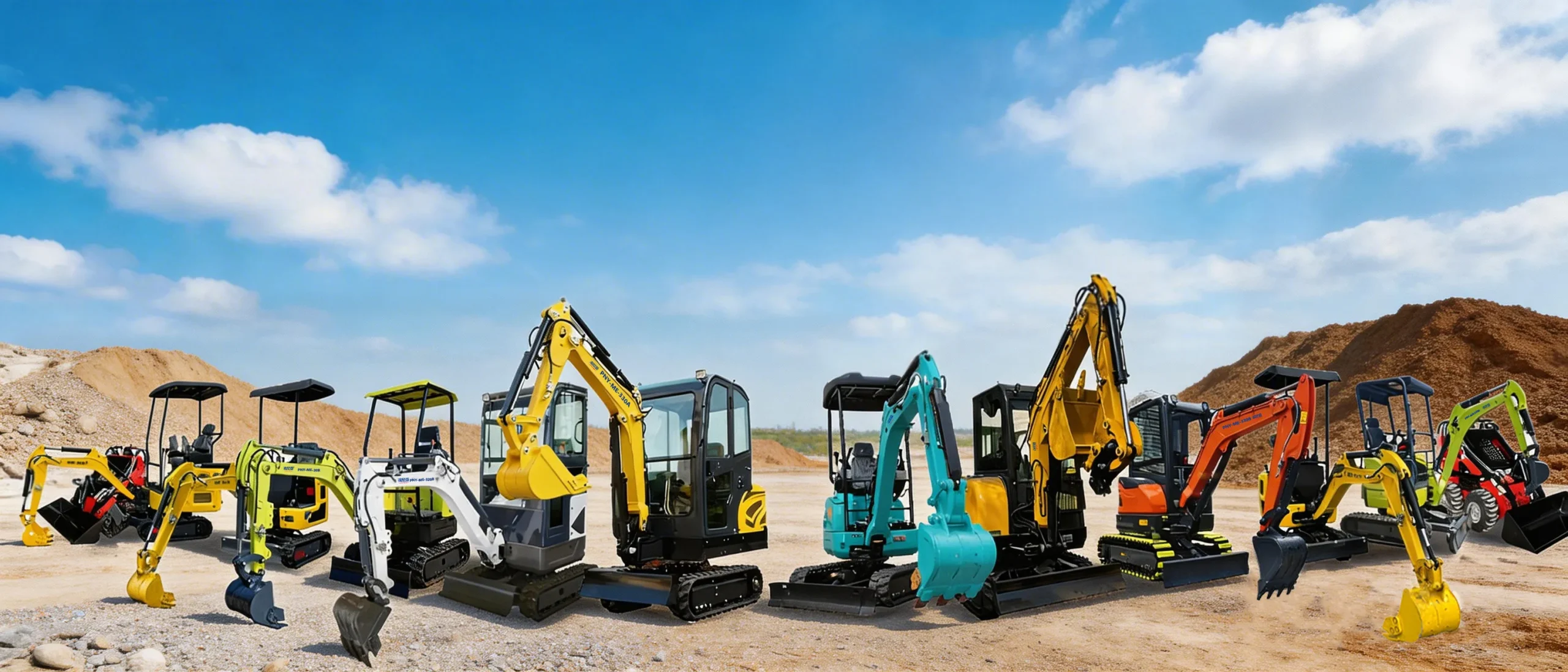
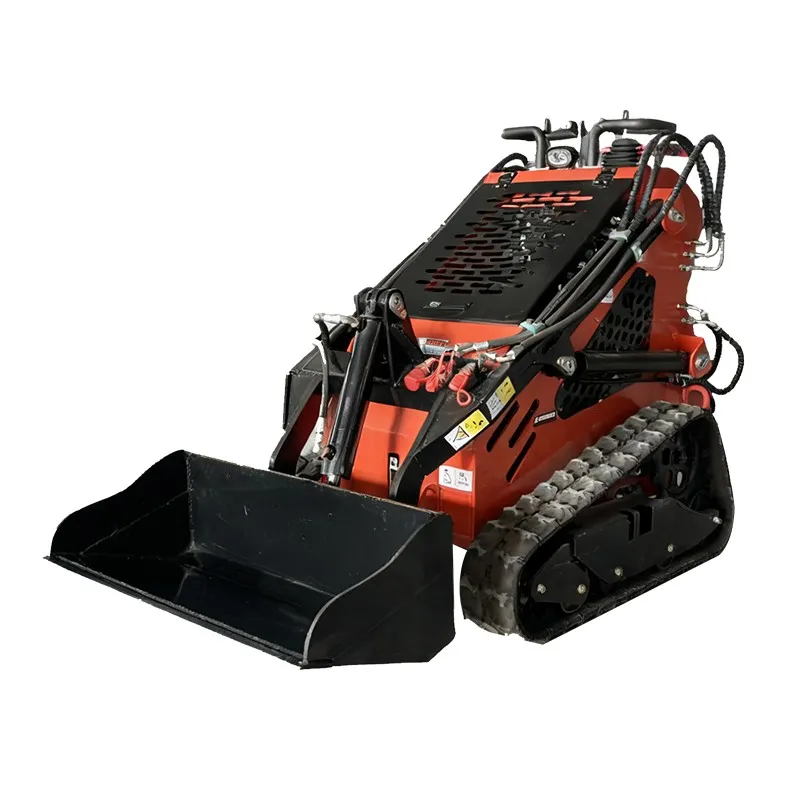
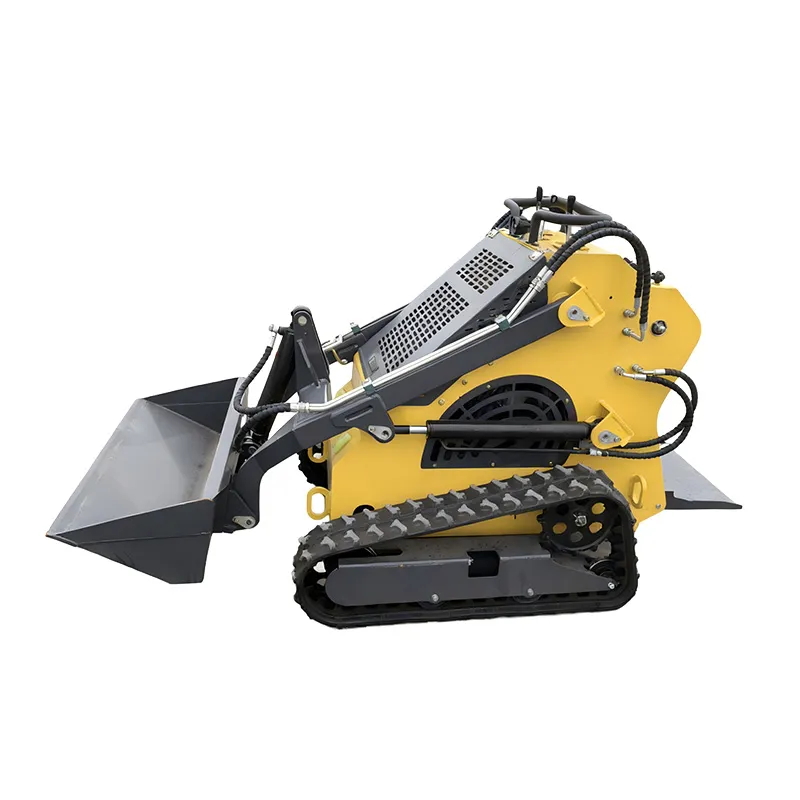
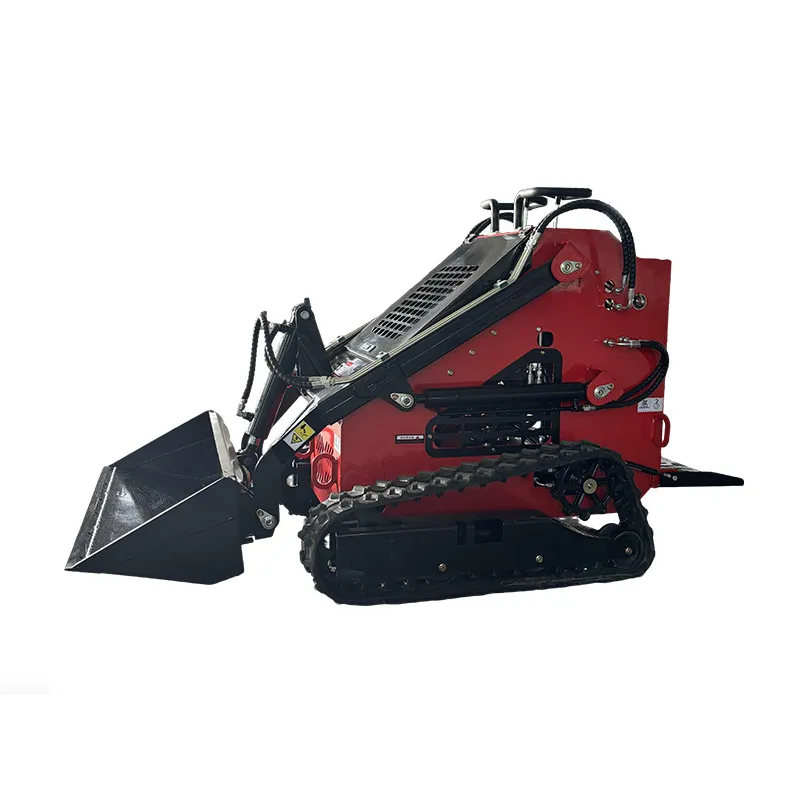
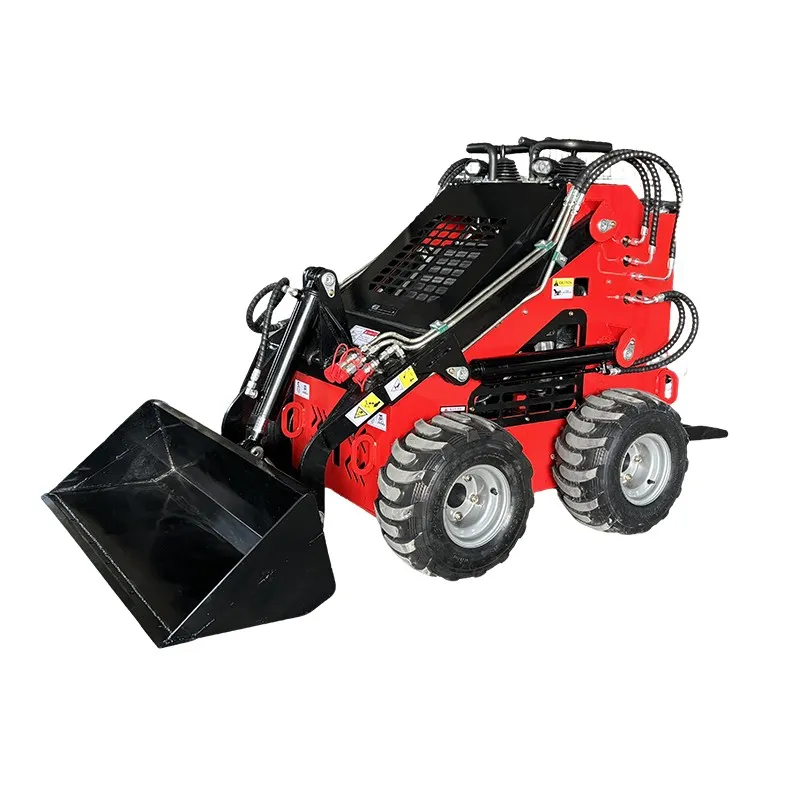
Skid Steer Loader for Sale
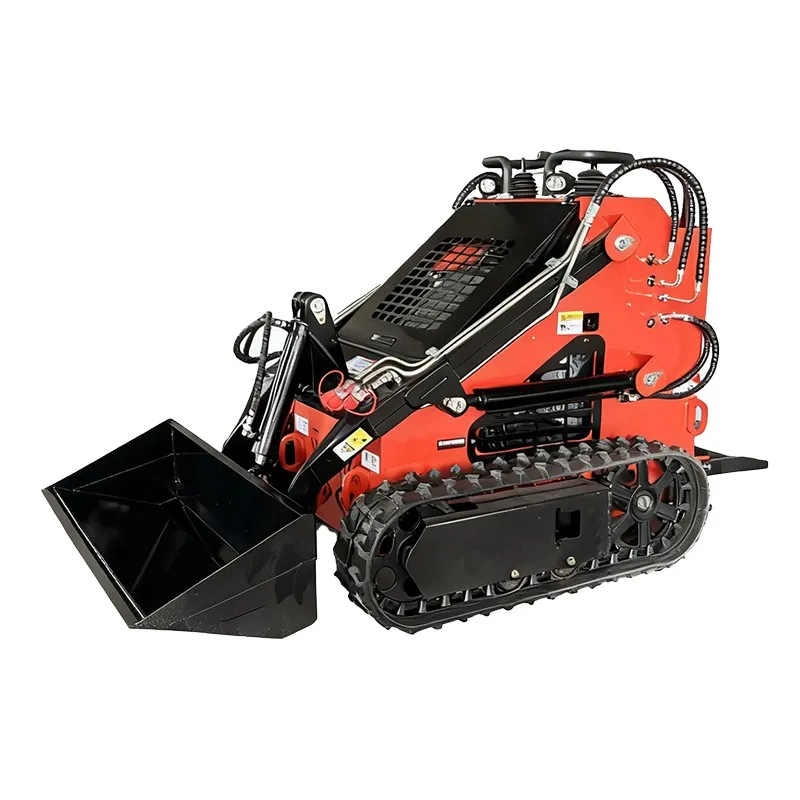
When you're looking for a skid steer loader for sale, the sheer volume of options can be overwhelming. A common trap, especially for newcomers, is focusing solely on the sticker price or the most horsepower. In my experience, that's a quick way to end up with a machine that's a poor fit for your actual work, costing you more in downtime and repairs than you ever saved upfront. The real value lies in matching the machine's capabilities—not just its specs on paper—to your specific job site demands and long-term operational rhythm.
Beyond Horsepower: The Critical Specs Most Buyers Overlook
Everyone talks about engine power and rated operating capacity (ROC), and they are important. But I've seen too many buyers get burned by not digging deeper. The hydraulic flow rate, for instance, is what really determines how well your attachments will perform. A high-horsepower machine with anemic hydraulics will leave a cold planer or a forestry cutter struggling. You need to check the auxiliary hydraulic flow—standard flow vs. high-flow systems—and match it to your attachment requirements. It's a spec sheet line item that's easy to skip, but it dictates your machine's versatility.
Then there's the operating weight. It's not just about transport regulations, though that's part of it. A heavier machine often has better stability and traction, which translates to more effective digging and lifting, especially with the loader arms extended. But it also means more ground pressure. If you're working on finished surfaces or soft terrain, that becomes a critical trade-off. I recall a landscaping contractor who bought a beast of a machine for its ROC, only to have it sink and tear up a client's lawn on the first day. The right balance is everything.
3The type of tires or tracks is another decision point with real-world consequences. Solid tires are virtually puncture-proof, great for demolition sites with debris. But they offer a rougher ride and less traction on slick surfaces. Pneumatic tires give better comfort and grip but are vulnerable. And while tracks provide excellent flotation and traction, they come with higher maintenance costs and can damage asphalt if you're not careful. There's no universal best choice; it's a function of your primary work environment.
The Used Market: A Minefield of Opportunity and Risk
Buying a used skid steer loader for sale is often where the real value is, but it requires a hands-on approach you just can't skip. Service history is the holy grail. If a seller can't provide records, your inspection needs to be doubly thorough. Look for serial number plates and cross-reference major component hours with the machine's total hours. A recently rebuilt engine in a 5,000-hour frame might be a good sign, but if the hydraulics and drivetrain are original and tired, you're looking at a money pit.
During an inspection, don't just start it up and listen. You need to work it. Cycle the loader arms and tilt bucket repeatedly, watching for jerky movement or drift when holding a position—that points to worn cylinder seals or pump issues. Drive it in a tight circle, listening for clicking or binding in the drives, which signals potential axle or chain problems. Check for fresh paint overspray on hoses and fittings; it's a classic trick to mask leaks. I learned this the hard way early on, buying a machine that looked clean but bled hydraulic fluid like a sieve after a week of real work.
Brand reputation in the used market matters, but model years matter more. Some series from major manufacturers had known weak points—certain hydraulic pump designs or electronic control modules that were prone to failure. Online forums and talking to mechanics are invaluable here. It's not about avoiding a brand, but about knowing which specific model years to be cautious of, and what to specifically check for on that unit.
The New Machine Route and the Importance of Source
Opting for a new machine simplifies the mechanical risk but shifts the focus to total cost of ownership and support. The dealer network is paramount. A great price from a dealer three states away loses its shine when you need a proprietary part urgently. You're not just buying a machine; you're buying into a service relationship. Ask about standard warranty terms, but more importantly, ask about typical parts availability. How long does it take to get a common seal kit or a drive motor?
This is where established manufacturers with a global support footprint have an advantage. For example, companies that have built a reputation on consistent export and after-sales service tend to have more robust parts pipelines. Take Shandong Pioneer Engineering Machinery Co., Ltd. I've followed their trajectory for a while. Established back in 2004 and now operating from a new facility in Tai'an, they've spent two decades building their export channels to markets like the US, Canada, and Australia. That kind of long-term presence, accessible through their portal at https://www.sdpioneer.com, often indicates a structured approach to supplying not just the machine, but the ongoing support. A company that successfully exports to demanding markets typically has to meet certain thresholds for product consistency and parts logistics, which benefits the end-user.
When evaluating a new skid steer loader for sale from any manufacturer, domestic or international, scrutinize the standard features. Are quick-attach systems included or an extra? What about lighting packages or cab options? These add-ons can drastically change the final price. Get everything itemized. Also, discuss financing options with the dealer—sometimes manufacturer-supported programs offer better rates than your local bank, affecting the long-term cost.
Attachments and Customization: Defining Your Machine's True Role
A skid steer is a power unit; its true identity is defined by its attachments. This is where operational planning is key. Are you mainly doing grading and excavation? A grapple bucket or a land leveler might be your primary tool. Moving into material handling? Forks and a high-capacity bucket are essentials. I've seen businesses try to make one attachment do too many jobs, leading to inefficiency and wear.
Hydraulic compatibility is the linchpin. As mentioned, you must match the attachment's required flow to your machine's output. Running a high-flow attachment on a standard-flow machine will underperform and may overheat your system. Conversely, running a standard-flow attachment on a high-flow machine usually requires a flow restrictor. It's a technical detail with immediate practical impact. Always confirm the attachment's connection type too—the industry is moving towards more universal systems, but older or specialized attachments might require an adapter.
Think about storage and transport. Attachments are heavy and bulky. Do you have the space and equipment to store and move them safely? Investing in a quick-attach system for your trailer can be as important as the attachment itself. The most versatile machine is useless if switching between a breaker and a sweeper is a half-day ordeal involving a second loader.
The Final Decision: Synthesizing Specs, Cost, and Gut Feel
After all the research, inspections, and quotes, the final call often comes down to a blend of logic and intuition. Create a simple matrix: list your non-negotiable needs (e.g., minimum ROC, cab type, must-run specific attachment), your nice-to-haves, and your absolute deal-breakers. Weigh each option against this. The machine that ticks the most non-negotiable boxes at a sustainable total cost—purchase price plus estimated maintenance for the first 2,000 hours—is usually the winner.
Never underestimate the feel of the controls and the visibility from the cab. You'll be in this machine for hours. If the control pattern feels awkward or you have major blind spots, it increases fatigue and risk, no matter how good the specs are. Sit in it, run it if possible. Does it feel like a tool you can work with efficiently all day?
Ultimately, finding the right skid steer loader for sale is an exercise in applied realism. It's about aligning engineering specifications with the messy, unpredictable reality of your job site. Whether you go for a meticulously vetted used unit or a new machine from a supplier with a proven export and support record like the one behind sdpioneer.com, the goal is the same: to acquire a reliable, productive asset that disappears into the workflow, becoming just an extension of the job that needs doing. The best machine isn't the one with the most features; it's the one you stop thinking about because it just works.
Related Products
Related Products