- Chinese
- French
- German
- Portuguese
- Spanish
- Russian
- Japanese
- Korean
- Arabic
- Irish
- Greek
- Turkish
- Italian
- Danish
- Romanian
- Indonesian
- Czech
- Afrikaans
- Swedish
- Polish
- Basque
- Catalan
- Esperanto
- Hindi
- Lao
- Albanian
- Amharic
- Armenian
- Azerbaijani
- Belarusian
- Bengali
- Bosnian
- Bulgarian
- Cebuano
- Chichewa
- Corsican
- Croatian
- Dutch
- Estonian
- Filipino
- Finnish
- Frisian
- Galician
- Georgian
- Gujarati
- Haitian
- Hausa
- Hawaiian
- Hebrew
- Hmong
- Hungarian
- Icelandic
- Igbo
- Javanese
- Kannada
- Kazakh
- Khmer
- Kurdish
- Kyrgyz
- Latin
- Latvian
- Lithuanian
- Luxembou..
- Macedonian
- Malagasy
- Malay
- Malayalam
- Maltese
- Maori
- Marathi
- Mongolian
- Burmese
- Nepali
- Norwegian
- Pashto
- Persian
- Punjabi
- Serbian
- Sesotho
- Sinhala
- Slovak
- Slovenian
- Somali
- Samoan
- Scots Gaelic
- Shona
- Sindhi
- Sundanese
- Swahili
- Tajik
- Tamil
- Telugu
- Thai
- Ukrainian
- Urdu
- Uzbek
- Vietnamese
- Welsh
- Xhosa
- Yiddish
- Yoruba
- Zulu
- Kinyarwanda
- Tatar
- Oriya
- Turkmen
- Uyghur


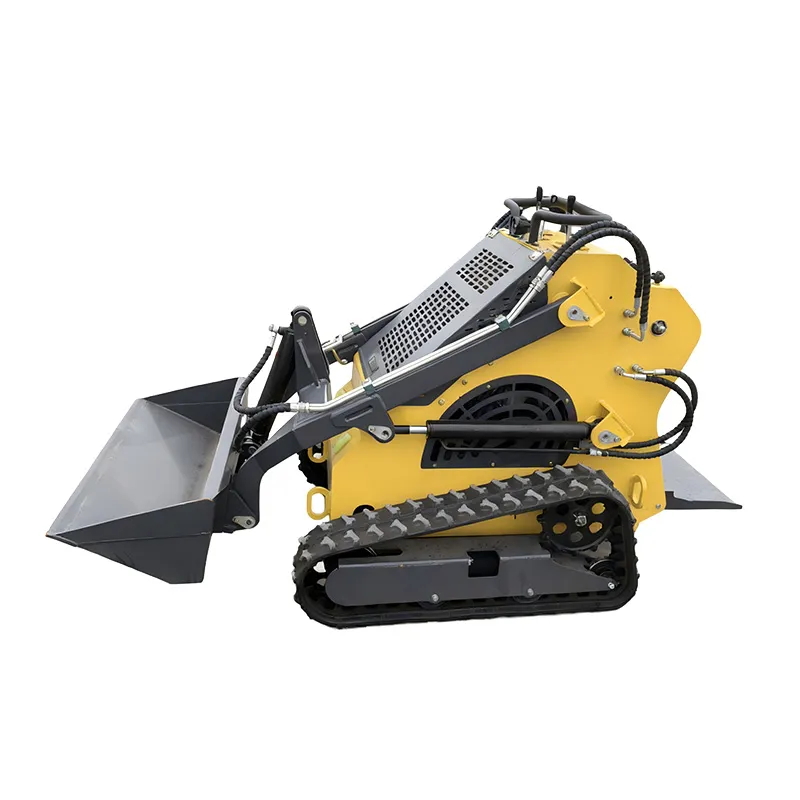
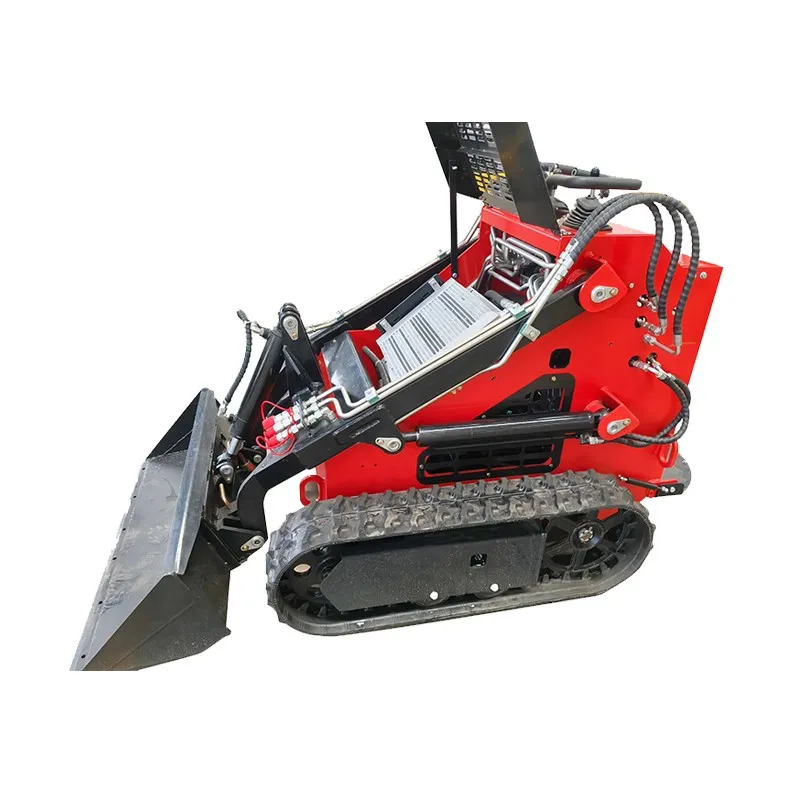
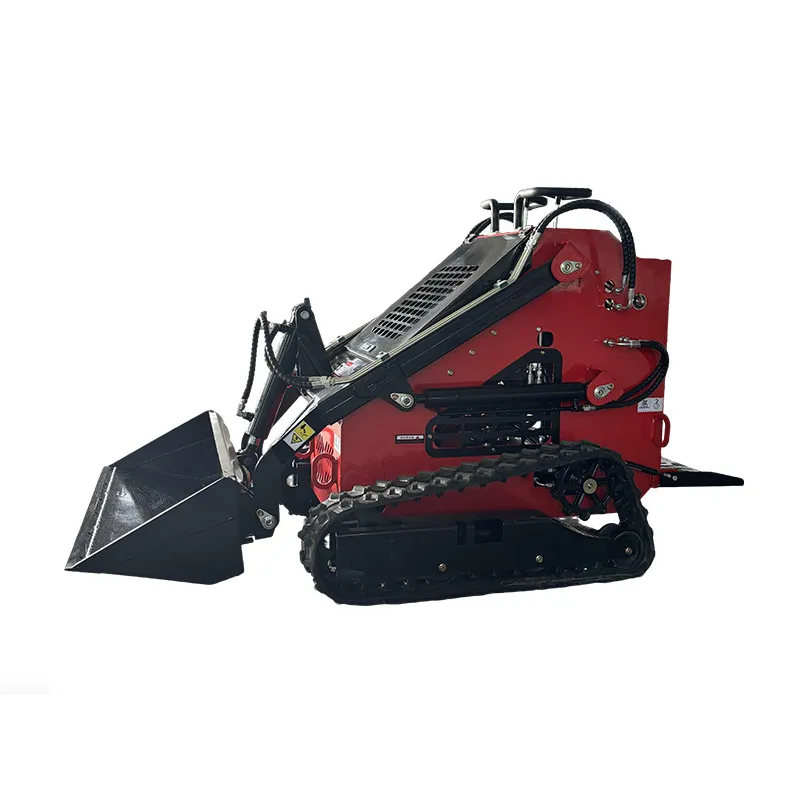
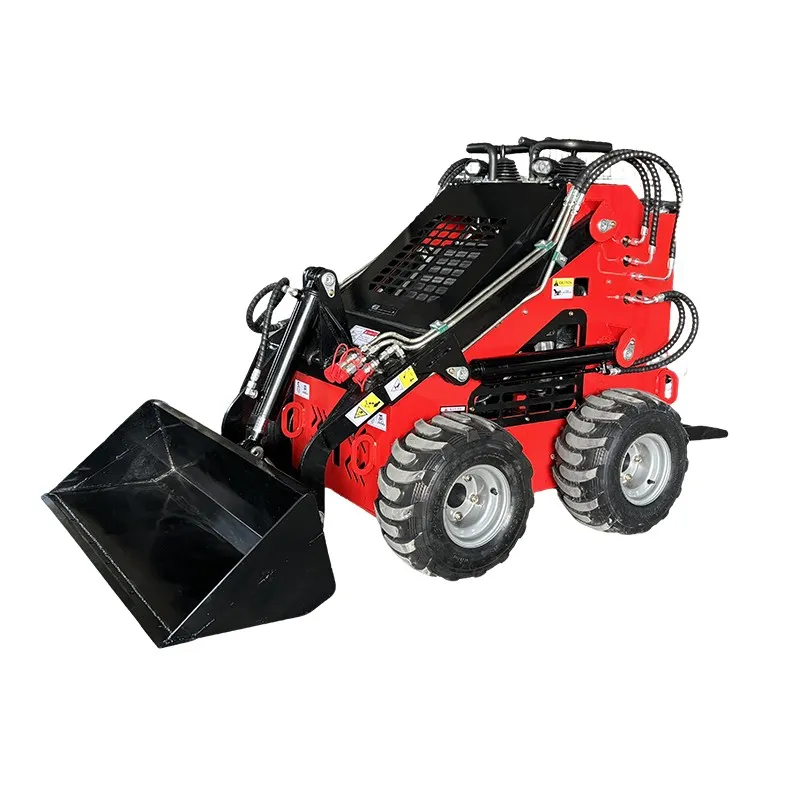
Skid Steer Loader for Sale China
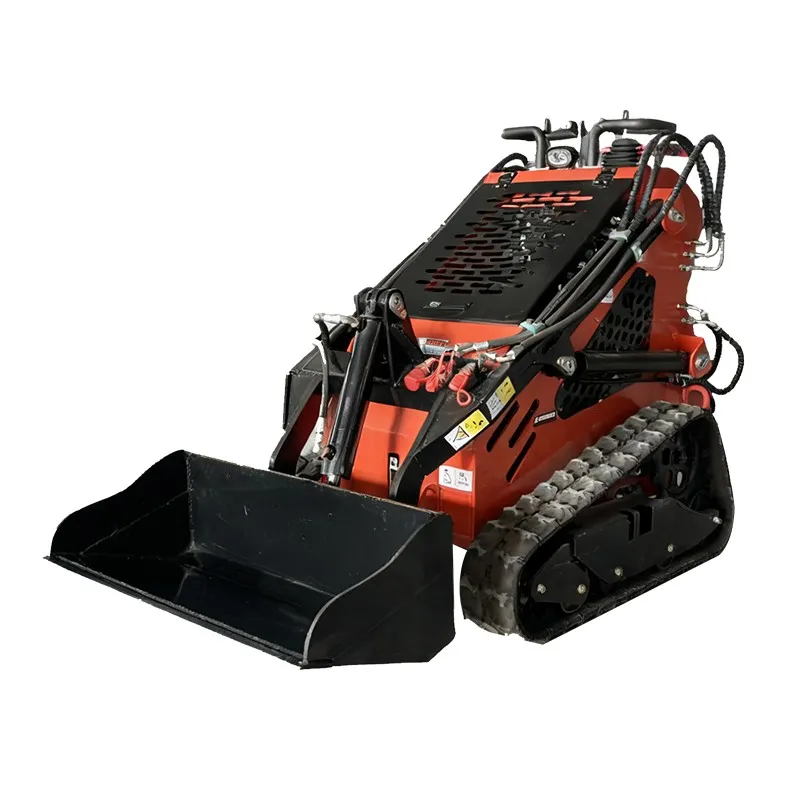
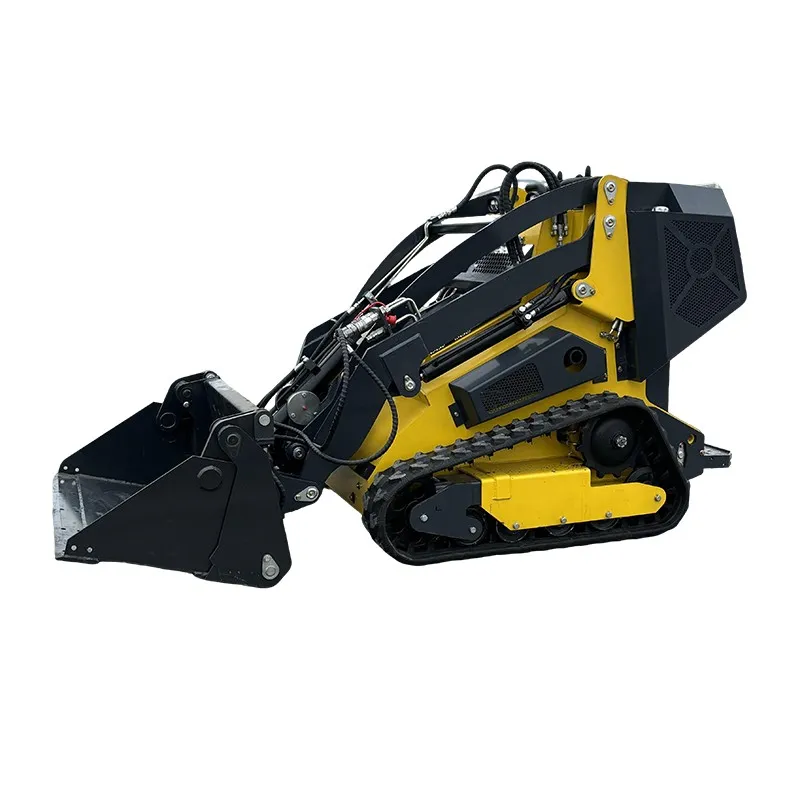
When you type 'Skid Steer Loader for Sale China' into a search bar, you're immediately hit with a wall of nearly identical listings, glossy specs, and aggressive pricing. The common trap, one I've seen many fall into, is equating a low FOB quote from a Chinese supplier with a final, low-cost solution. The reality is far more nuanced. The price is just the entry point; what follows—hydraulic system compatibility, parts logistics, dealer support structure (or the lack thereof), and the machine's actual behavior under a full load on a 90-degree day—is where the real cost and value are determined. Having been involved in sourcing and commissioning these machines for projects from Australia to Eastern Europe, I've learned that the search isn't for the cheapest loader, but for the most reliable partner in a supply chain that spans continents.
The Manufacturing Landscape: More Than Just Assembly Lines
Jining in Shandong has long been a hub for construction machinery components. When you visit, you see clusters of factories specializing in axles, hydraulic cylinders, or booms. A company that merely assembles bought-in parts is fundamentally different from one with deep vertical integration. The former can pivot quickly to offer the lowest bid; the latter has more control over quality consistency but often at a higher baseline cost. This distinction is rarely clear in online brochures.
I recall a visit to a facility a few years back, not unlike the setup of Shandong Pioneer Engineering Machinery Co., Ltd. The production area was organized, but what caught my eye was the testing bay. They had a skid steer running continuously on a dyno, cycling through loads. The project manager offhandedly mentioned they run every fifth machine off the line for a 48-hour endurance test. That detail told me more about their approach to reliability than any spec sheet. It's these operational nuances that separate suppliers.
The 2023 relocation of a company like Pioneer to a larger facility in Ningyang often signals a scaling-up phase. It can mean investment in newer CNC equipment or robotic welding lines, which generally improves weld consistency and structural integrity. However, it also sometimes introduces teething problems with new production flows. It's a positive sign of growth, but for a buyer, it's worth asking about how quality control protocols were maintained during the transition period.
Decoding Specifications and Real-World Performance
Rated operating capacity and horsepower are the headline figures. But the devil is in the details like hydraulic flow rate (l/min) and relief valve pressure setting. A machine might list a 1,300 kg ROC, but if the auxiliary hydraulic flow is anemic, it will struggle to run a cold planer or a forestry mulcher efficiently. I learned this the hard way on a land-clearing project in Southeast Asia. The machine met its stated ROC, but the mulcher attachment constantly bogged down, leading to overheating and downtime. The problem wasn't the mulcher; it was the machine's hydraulic system being just adequate for standard buckets but not for high-demand attachments.
Another critical, often-overlooked spec is the cooling system capacity. Chinese-manufactured skid steers for sale are increasingly designed for global markets, but a radiator and oil cooler sized for a temperate Chinese climate might be undersized for sustained, high-ambient-temperature operation in the Middle East or Australia. We now always request climate-specific cooling package options and validate them during factory acceptance tests (FAT) by running the machine at high rpm under partial load for an extended period while monitoring coolant and hydraulic oil temps.
Then there's the undercarriage. The choice between rubber tracks and wheels is obvious, but the quality of the idlers, rollers, and sprockets on a track machine is a major determinant of long-term operating cost. Some manufacturers use proprietary track systems, while others use more universal components from brands like Camso or McLaren. The latter is significantly easier and often cheaper to maintain in the long run. It's a specification deep in the parts manual that has major field implications.
The Export Ecosystem and the Role of a Reliable Partner
Exporting to markets like the US, Canada, Germany, and Australia isn't just about shipping a container. It's about compliance. This includes CE marking for Europe, EPA Tier 4 final or EU Stage V emissions compliance for engines, and meeting specific safety standards like ROPS/FOPS cabin certification. A supplier's experience here is paramount. A company like Shandong Pioneer, operating through its overseas trade entity, has presumably navigated these waters. Their website, https://www.sdpioneer.com, often becomes the first point of technical documentation review for distributors.
The real test of a partnership comes post-sale. How is technical documentation handled? Are parts lists with clear diagrams and part numbers available in English? What is the lead time on a replacement main hydraulic pump or an electrical control module? I've worked with suppliers who treat the shipment as the end of the transaction and others who maintain an open line for technical support. The latter group, which builds trust over time, is far more valuable. The 20 years of development mentioned by many established Chinese firms should translate into a refined after-sales process, not just production experience.
One practical challenge is the language and time-zone barrier. Having a technical point of contact who can communicate effectively in English and is responsive outside of Chinese business hours is a huge advantage. It turns a potential 48-hour diagnostic delay into a 2-hour video call where you can point a phone camera at a fault code or a leaking hose.
Attachment Compatibility: The Make-or-Break Detail
A skid steer loader is a power unit; its value is realized through attachments. The industry standard is the Universal Skid Steer Quick Attach System. However, not all Chinese manufacturers adhere to the exact pin dimensions and locking mechanism tolerances. A universal attachment from a Western brand might not latch perfectly onto a Chinese-made loader's attachment plate, creating a safety hazard. We mandate a physical compatibility test during the FAT if the end-user plans to use third-party attachments.
Furthermore, the electrical and hydraulic connections for attachments vary. Some machines use standard ISO 16028 flat-face hydraulic couplers, while others might use a different thread or seal type. The electrical connector for powered attachments (like a sweeper or breaker) also needs to be specified. Neglecting to align these interface standards is a classic, costly mistake made during initial procurement.
Final Thoughts: Looking Beyond the Search Query
So, when evaluating options for a Skid Steer Loader for Sale China, the process moves far beyond comparing prices on Alibaba. It becomes an audit of manufacturing depth, a technical deep-dive into true performance specs, and an assessment of the supplier's long-term support infrastructure. The established entities, like the one mentioned with two decades in the game, offer a known quantity. Their evolution from a 1,600 square meter plant to a new, larger facility suggests a commitment to growth and, ideally, to refining their product and processes based on global feedback.
The goal is to transform that initial online search into a relationship with a factory that understands not just how to build a machine, but how that machine must perform and be sustained on a job site ten thousand kilometers away. It's about finding the supplier whose definition of quality aligns with your definition of uptime.
In the end, the most reliable machine isn't always the one with the most features or the lowest price. It's often the one from the supplier whose project manager will answer your WeChat call at 9 PM their time to troubleshoot a puzzling alarm code. That level of support is the real value proposition hidden behind the simple search term.
Related Products
Related Products