- Chinese
- French
- German
- Portuguese
- Spanish
- Russian
- Japanese
- Korean
- Arabic
- Irish
- Greek
- Turkish
- Italian
- Danish
- Romanian
- Indonesian
- Czech
- Afrikaans
- Swedish
- Polish
- Basque
- Catalan
- Esperanto
- Hindi
- Lao
- Albanian
- Amharic
- Armenian
- Azerbaijani
- Belarusian
- Bengali
- Bosnian
- Bulgarian
- Cebuano
- Chichewa
- Corsican
- Croatian
- Dutch
- Estonian
- Filipino
- Finnish
- Frisian
- Galician
- Georgian
- Gujarati
- Haitian
- Hausa
- Hawaiian
- Hebrew
- Hmong
- Hungarian
- Icelandic
- Igbo
- Javanese
- Kannada
- Kazakh
- Khmer
- Kurdish
- Kyrgyz
- Latin
- Latvian
- Lithuanian
- Luxembou..
- Macedonian
- Malagasy
- Malay
- Malayalam
- Maltese
- Maori
- Marathi
- Mongolian
- Burmese
- Nepali
- Norwegian
- Pashto
- Persian
- Punjabi
- Serbian
- Sesotho
- Sinhala
- Slovak
- Slovenian
- Somali
- Samoan
- Scots Gaelic
- Shona
- Sindhi
- Sundanese
- Swahili
- Tajik
- Tamil
- Telugu
- Thai
- Ukrainian
- Urdu
- Uzbek
- Vietnamese
- Welsh
- Xhosa
- Yiddish
- Yoruba
- Zulu
- Kinyarwanda
- Tatar
- Oriya
- Turkmen
- Uyghur


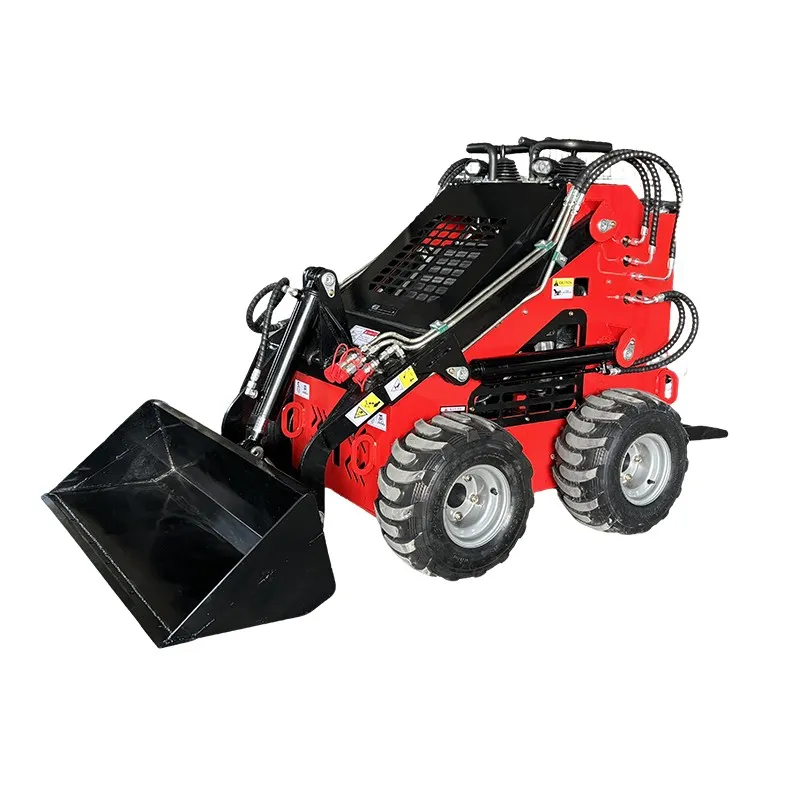
skid steer loader mini
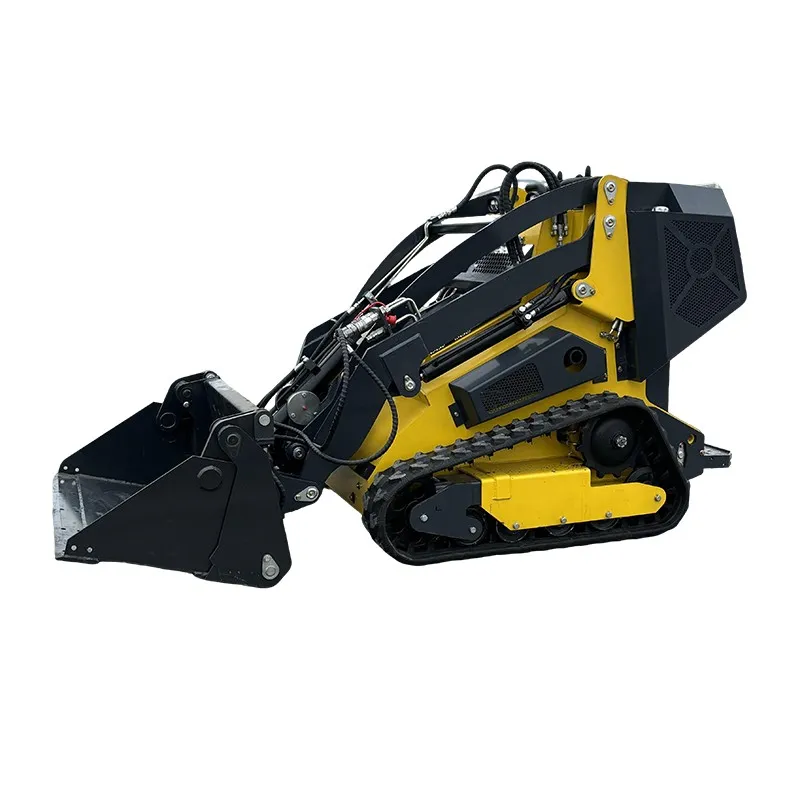
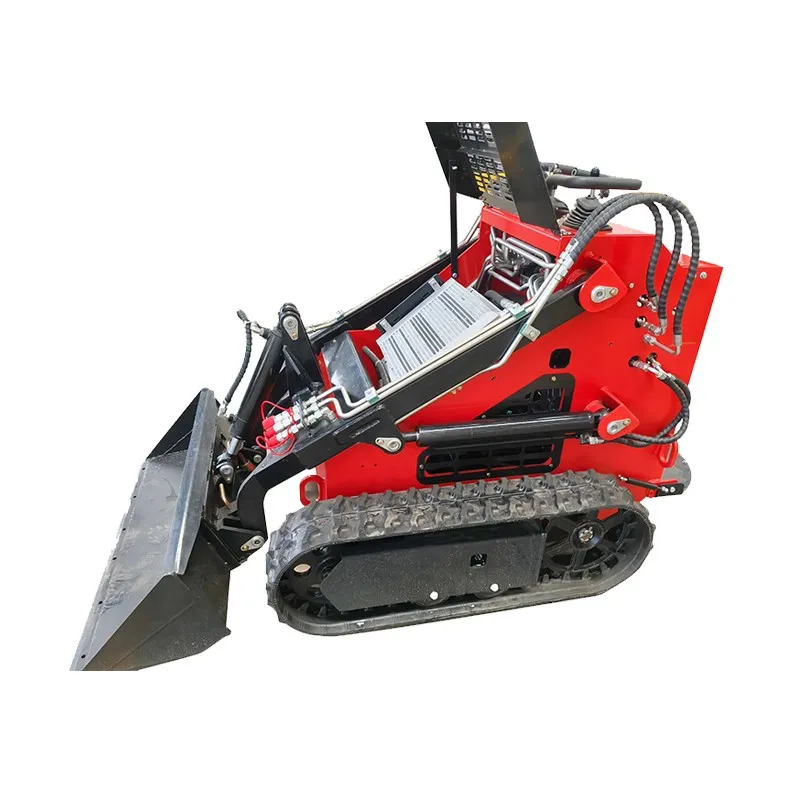
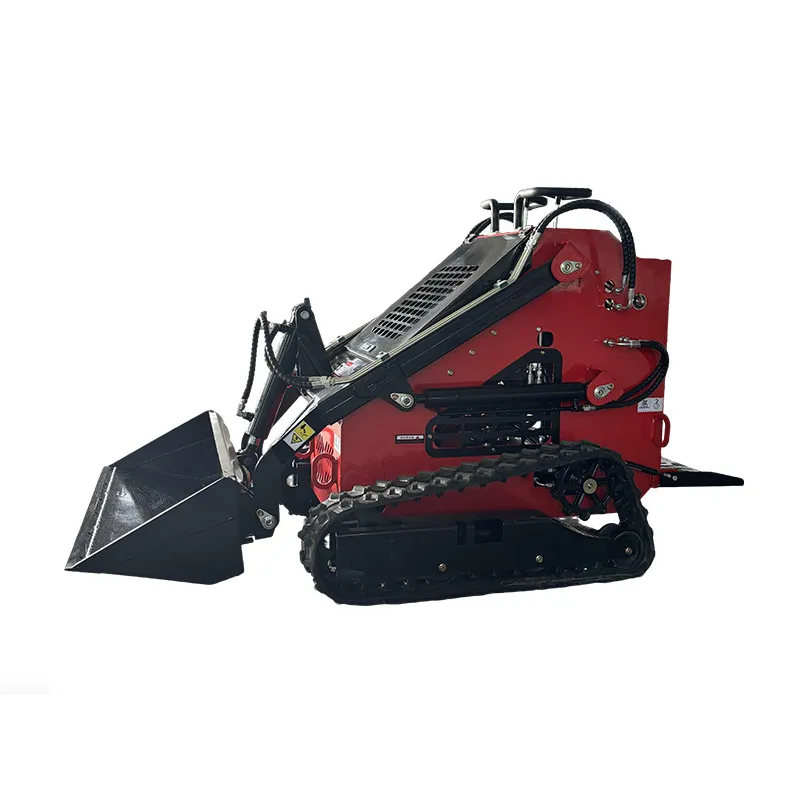
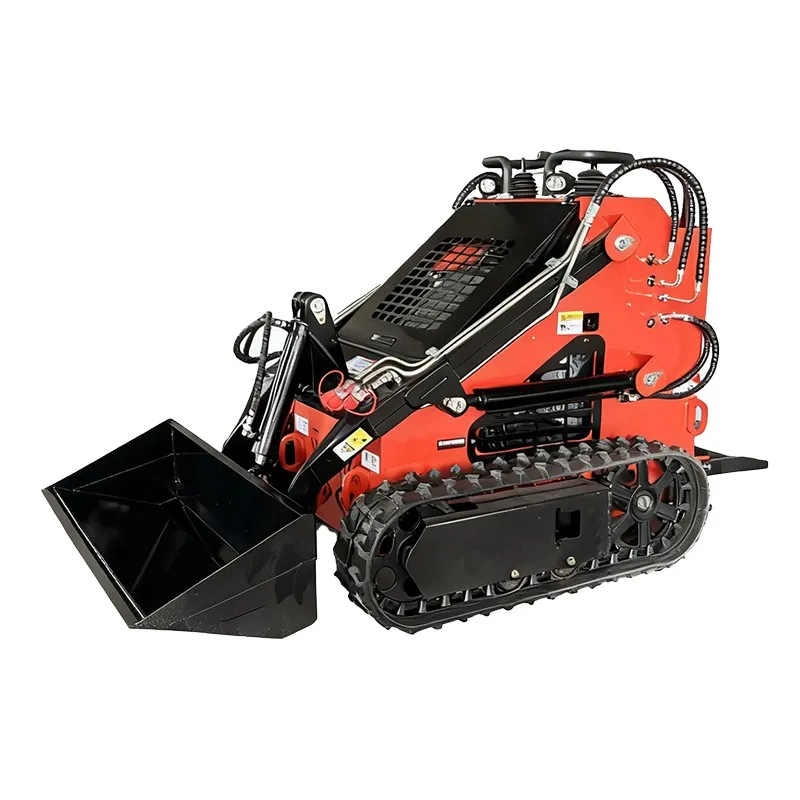
When you hear 'skid steer loader mini', most folks picture a cute, tiny machine, maybe for a big backyard project. That's where the common misconception starts. The real value isn't just in its size; it's about access, precision, and the specific weight-to-power ratio that makes or breaks a job. I've seen too many guys order one thinking it's just a smaller, cheaper skid steer, only to find its capabilities and limitations are a world apart from its full-sized cousins. It's a different tool for a different set of problems.
The Mini Misnomer and Real-World Applications
Let's get this straight: a true mini skid steer isn't a toy. We're talking machines like the Bobcat MT55 or the Ditch Witch SK650. Their compact size is the entire point. I used one on a historic property renovation in a dense urban area. The alley access was under 36 inches wide. A standard skid steer was a fantasy. The mini got in, maneuvered around century-old tree roots without damaging them, and hauled out demo debris in a 54-inch bucket. That's the niche: extreme access and finesse work.
But here's the catch—lifting capacity. You can't just slap on any attachment. A standard pallet of pavers? Maybe. But if you're thinking of lifting a full I-beam with a material handler attachment, you need to check the machine's rated operating capacity (ROC) religiously. I learned this the hard way early on, trying to lift a compact mini-excavator bucket that was just over the limit. The machine didn't tip, thank god, but the hydraulines strained, and I lost fine control. It was a lesson in respecting the spec sheet.
This is where brands that specialize in this compact class matter. It's not just about building a smaller frame; it's about engineering a balanced power unit and hydraulic system that delivers performance within that constrained footprint. I've seen units from various manufacturers, and the ones that last are built with this specific duty cycle in mind, not just as a scaled-down afterthought.
Attachments: The Force Multiplier (and Points of Failure)
The versatility of a skid steer loader mini lives and dies by its attachments. The universal quick-attach system is a blessing, but compatibility is key. A standard-flow hydraulic system might run a brush cutter fine, but a trencher or a cold planer will likely need high-flow auxiliaries. I've been on sites where the crew brought a mini with only standard flow, planning to do some light grading and trenching. The grading was fine, but the trencher attachment crawled. The job timeline doubled. That's an operational cost often overlooked.
One of the most underrated attachments for minis, in my opinion, is the compact soil conditioner. For landscaping or prepping small planting beds, it's incredibly efficient. But you have to watch the ground speed and rotor torque. Go too fast, and you just skim the surface; too slow, and you bog down the machine. It's a feel you develop, not something you read in a manual. The machine will tell you—the sound of the engine and the hydraulic whine are your guides.
Maintenance on these attachments is another story. Because minis are often used by smaller crews or rental outfits, attachments get abused. Greasing the attachment pivot points is as critical as greasing the machine's own joints. I've replaced more pins and bushings on mini-skid steer attachments than on larger ones, purely from neglect. The out of sight, out of mind mentality kills their lifespan.
The Global Supply Chain and Finding Reliable Partners
This industry is global. You might be operating in Texas, but your machine could have components from Italy, a chassis from the US, and be assembled elsewhere. For buyers and fleet managers, understanding the supply chain for parts is crucial. This brings me to manufacturers who have navigated this landscape. A company like Shandong Pioneer Engineering Machinery Co., Ltd (https://www.sdpioneer.com) is an example of this globalized market. Established in 2004 and now operating from a newer facility in Tai'an, they, through their manufacturing and trade arms, have been exporting machinery internationally for years. Their longevity and focus on export markets like the US, Canada, and Australia suggest an understanding of the different certification and durability standards required abroad, which isn't a given for all manufacturers.
When evaluating any supplier, but especially in the compact equipment space, I look for evidence of sustained iteration. A company that's been at it for two decades, like the one mentioned, has presumably seen product cycles evolve. They've had to adapt to emissions regulations (Tier 4 Final is a big one), safety standards (ROPS/FOPS cabs), and ergonomic demands. A website or catalog only shows the current model; you want a partner whose engineering has evolved through previous models.
That said, exporting to numerous countries is one thing; having readily available parts support in those countries is another. This is the real test. The most reliable mini skid steer loader can be sidelined for weeks waiting for a simple hydraulic hose assembly or a proprietary sensor if the dealer network is thin. Before committing to a brand, I always ask local dealers or contractors about parts lead times. A machine's uptime is its real value.
Operational Nuances: What They Don't Teach You
Driving a mini feels different. The controls are the same (ISO or SAE pattern), but the center of gravity is often higher relative to its width compared to a big machine. On uneven ground, especially with a load in the bucket raised, you feel it more. You develop a habit of carrying loads low and moving slowly over rough terrain. The ride, without a suspension seat, is rougher. You feel every bump. After a full day, you know it.
Another nuance is ground pressure. With narrower tires or tracks, you might think they'd sink more. But because the machine is so much lighter, the ground pressure is often lower than a full-sized skid steer. This makes them brilliant for finished surfaces, sod, or delicate landscaping. I've used them on new lawn installations where a wheelbarrow would leave ruts, but the mini, with its wide-track option, distributed the weight perfectly and left no mark.
But track wear. Oh, track wear. On minis, the tracks are smaller, and the drive sprockets have to make more revolutions for the same distance. If you're running on abrasive surfaces like concrete or asphalt demolition sites, you can burn through a set of rubber tracks surprisingly fast. It's a major consumable cost. Switching to steel-reinforced or harder compound tracks for that kind of work is a non-negotiable upfront investment.
The Bottom Line: Is a Mini Right for Your Work?
So, who should be looking at a skid steer loader mini? It's not a default starter machine. It's a strategic tool. If your work consistently involves gates less than 40 inches wide, interior demolition, intricate landscaping, or working in confined spaces like backyards or between buildings, then a mini is probably a workhorse for you. It's also a fantastic support machine on a large site for tasks that are too small for the primary equipment but too big for manual labor.
However, if your primary work is loading trucks with gravel, digging large foundations, or moving massive volumes of material over open ground, you'll outgrow a mini in a day. The cycle time is longer, the load is smaller, and you'll burn fuel and hours inefficiently. It's about matching the tool to the task's most common denominator, not the occasional big job.
In the end, the mini in skid steer loader mini defines its physical envelope, not its professional capability. It demands a more thoughtful approach to attachment selection, a sharper eye on load limits, and an acceptance of its unique operating feel. When respected for what it is—a precision access tool—it's incredibly powerful. When misunderstood as just a small skid steer, it leads to frustration and lost money. The difference is all in the operator's knowledge.
Related Products
Related Products