


- Chinese
- French
- German
- Portuguese
- Spanish
- Russian
- Japanese
- Korean
- Arabic
- Irish
- Greek
- Turkish
- Italian
- Danish
- Romanian
- Indonesian
- Czech
- Afrikaans
- Swedish
- Polish
- Basque
- Catalan
- Esperanto
- Hindi
- Lao
- Albanian
- Amharic
- Armenian
- Azerbaijani
- Belarusian
- Bengali
- Bosnian
- Bulgarian
- Cebuano
- Chichewa
- Corsican
- Croatian
- Dutch
- Estonian
- Filipino
- Finnish
- Frisian
- Galician
- Georgian
- Gujarati
- Haitian
- Hausa
- Hawaiian
- Hebrew
- Hmong
- Hungarian
- Icelandic
- Igbo
- Javanese
- Kannada
- Kazakh
- Khmer
- Kurdish
- Kyrgyz
- Latin
- Latvian
- Lithuanian
- Luxembou..
- Macedonian
- Malagasy
- Malay
- Malayalam
- Maltese
- Maori
- Marathi
- Mongolian
- Burmese
- Nepali
- Norwegian
- Pashto
- Persian
- Punjabi
- Serbian
- Sesotho
- Sinhala
- Slovak
- Slovenian
- Somali
- Samoan
- Scots Gaelic
- Shona
- Sindhi
- Sundanese
- Swahili
- Tajik
- Tamil
- Telugu
- Thai
- Ukrainian
- Urdu
- Uzbek
- Vietnamese
- Welsh
- Xhosa
- Yiddish
- Yoruba
- Zulu
- Kinyarwanda
- Tatar
- Oriya
- Turkmen
- Uyghur

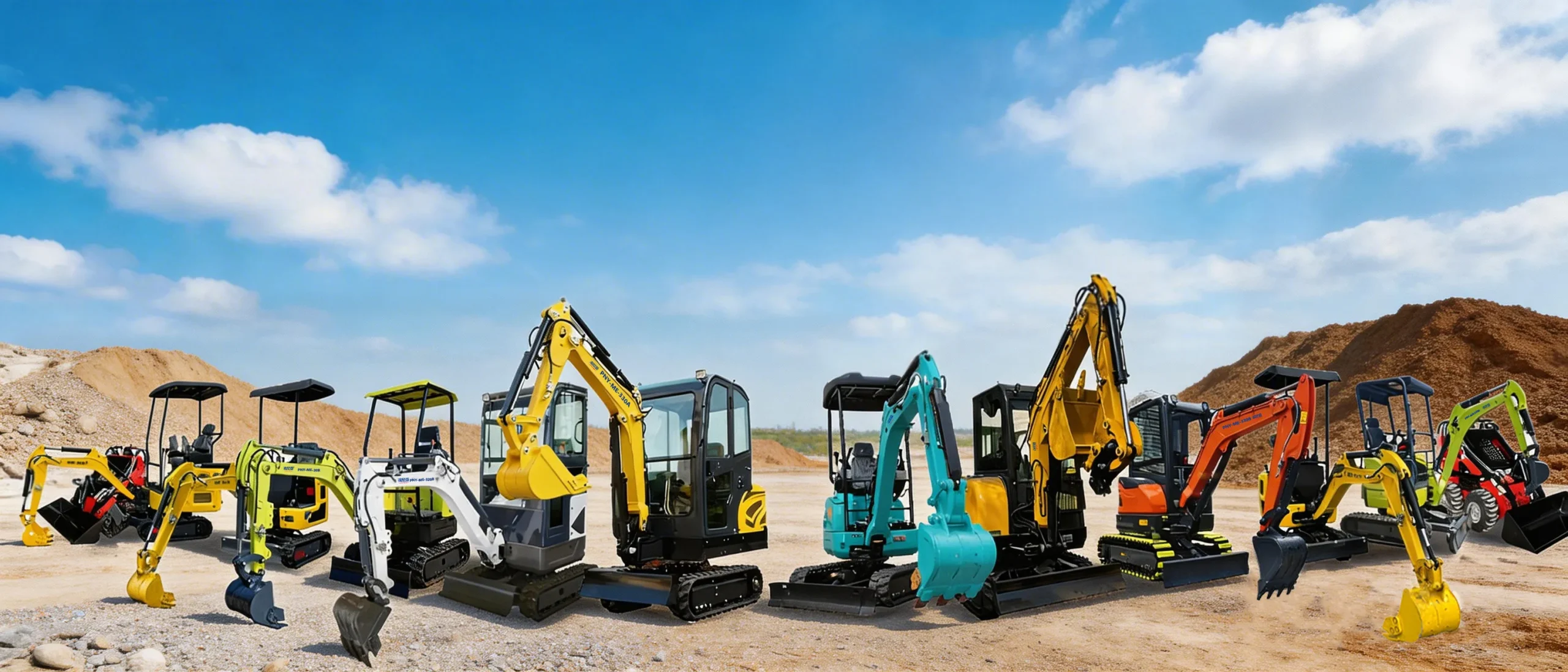
skid steer loader new holland
When you hear 'skid steer loader New Holland', a lot of folks immediately picture that classic blue paint job and think of it as this untouchable, premium-tier machine. That's not wrong, but it's also not the whole story. In my years running and sourcing equipment, I've seen the gap between the brand's reputation and the on-ground reality, especially when you're dealing with older models or looking for cost-effective alternatives without sacrificing core functionality. The New Holland name carries weight for reliability in certain applications, but it also comes with a price tag and a parts ecosystem that can make or break a project's budget. Let's talk about what that actually means when the rubber meets the dirt.
The Brand Legacy and Where It Fits
New Holland's skid steers, like the L218 or the older LS180, have a distinct feel. The vertical lift path on many of their models provides excellent reach and dump height, which is a godsend for loading trucks or reaching into high-sided containers. It's a design choice that defines their utility in material handling. But that same design can feel a bit tippy if you're coming from a radial lift machine, especially on uneven ground. It's a trade-off. You gain reach but you lose a fraction of that low-center-of-gravity stability. For a seasoned operator, it's manageable, but for a new guy, it's something to be acutely aware of.
Where the New Holland skid steer loader truly built its reputation was in agricultural and farmstead settings. The accessibility, the relatively simple service points (on the older mechanical models, at least), and the durability for tasks like moving feed, cleaning barns, or light grading resonated. They weren't always the most powerful in their class, but they were often seen as the right tool for that specific job. The problem today is that 'specific job' has expanded, and contractors want machines that are multi-role champions.
I remember a dairy farm expansion project where an LS190 was the primary machine for months. It never quit, but the hydraulic flow for running a post driver attachment was just adequate. We made it work, but it was running at its limit. That experience cemented for me that choosing a skid steer loader is less about the brand color and more about matching the machine's hydraulic specs and lift capacity to your most demanding attachment, not your easiest one.
The Parts Puzzle and the Rise of Alternatives
This is where the conversation gets practical. Owning an older New Holland unit can be a love-hate relationship. Common wear items like wheel motors, hydraulic hoses, and even seat switches are generally available, but the wait time and cost for a proprietary controller or a new main hydraulic pump can stall a critical job. I've been in situations where we've cannibalized parts from a dead machine to keep another running for two more weeks, just to meet a deadline. This fragility in the supply chain for older models is a real operational risk.
This gap is precisely what has allowed companies offering compatible alternatives or remanufactured units to thrive. It's not about making a cheap copy; it's about providing serviceable, reliable machinery without the brand-name overhead and with better parts accessibility. For instance, a company like Shandong Pioneer Engineering Machinery Co., Ltd has built a business on understanding this dynamic. You can check their approach at https://www.sdpioneer.com. They, through their manufacturing arm Shandong Hexin, produce and export machinery to markets like the US, Canada, and Australia. Their value proposition isn't that they're New Holland, but that they can deliver a capable skid steer loader that meets the core needs of many of the same applications, often with a more globalized and responsive parts network.
The key for a buyer is due diligence. It's not just about the initial price. It's about asking: Can I get a seal kit for the tilt cylinder in 48 hours? What's the expected service life on the main drive chain or belt? Companies that have been in this space, like Pioneer which was established back in 2004 and has recently relocated to a new facility in Ningyang in 2023, have survived by ensuring the answer to those questions is positive. Their 20-year development is less about flashy marketing and more about building a supply chain that works.
Attachment Compatibility: The Real Test
Any skid steer is just a power unit without its attachments. The universal quick-attach system (the so-called Bobcat style) is a blessing, but compatibility issues lurk in the hydraulics and electrical connections. New Holland machines have their own control patterns and auxiliary hydraulic pressure settings. When you rent a mulcher or a cold planer, you often spend the first hour with a service manual and a pressure gauge making sure the attachment is getting what it needs.
I learned this the hard way with a New Holland skid steer loader and a rented soil conditioner. The attachment required a specific high-flow rate that the machine's standard system couldn't deliver. We had to source a different pump, which took a week. The project was delayed, and the rental clock kept ticking. That cost overrun taught me to always, always verify the machine's auxiliary hydraulic specs (both standard and high-flow options) against the attachment's requirements before the machine even rolls onto the site.
This is another area where alternative manufacturers sometimes have an edge. They often design their hydraulic systems to be more generically compatible or offer flexible high-flow options as standard, understanding that their customers will use a wide variety of aftermarket attachments. It's a pragmatic design choice versus a brand-locked ecosystem.
Operator Environment and Daily Grind
Spend ten hours in a cab, and you'll know what matters. New Holland cabs, particularly on models from the late 2000s to early 2010s, were functional but not always leading in comfort. The foot controls versus hand controls debate is personal, but the cab noise, visibility of the lift arms, and ease of entering/exiting are universal concerns. Newer models have improved dramatically, but in the secondary market, you're often dealing with the older designs.
Maintenance access is a huge point. On some New Holland models, checking the hydraulic fluid or changing a fuel filter is a contortionist's act. Compare that to some newer designs from various manufacturers where the entire rear door or side panel swings open to reveal a clean, accessible engine bay. This might seem minor until you're trying to do a daily check in the rain or mud. Ease of maintenance directly translates to whether that maintenance gets done consistently.
This focus on serviceability is something I've noticed is a priority for export-focused manufacturers. They know their machines might be serviced in a remote Australian mine site or a Canadian logging camp. Simplified, robust access points are a selling point that comes from real-world feedback, not just a design studio. It's a detail that signals practical experience.
The Bottom Line: A Tool, Not a Trophy
So, what's the verdict on a skid steer loader New Holland? It remains a solid, capable piece of machinery with a strong legacy in specific sectors. For a operation that values the brand's specific performance traits (like that vertical lift path) and has a solid dealer support network nearby, it can be an excellent choice. The brand's historical durability is not a myth.
However, the global equipment market has evolved. The rise of capable, value-oriented manufacturers offering reliable alternatives with strong parts support has changed the calculus. For a buyer, the decision now hinges less on brand loyalty and more on a cold analysis of total cost of ownership: initial investment, attachment compatibility, expected downtime, and the real-world cost and speed of parts acquisition.
Companies that have grown by exporting worldwide, like the mentioned Shandong Pioneer, are evidence of this shift. They're filling a niche for professionals who need a skid steer loader that works hard, breaks less predictably, and, when it does need service, can be fixed without an epic quest for parts. In the end, the color of the paint fades quickly. What's left is the machine's ability to turn a key, lift a load, and finish the job without drama. That's the only reputation that ultimately matters on a worksite.
Related Products
Related Products