- Chinese
- French
- German
- Portuguese
- Spanish
- Russian
- Japanese
- Korean
- Arabic
- Irish
- Greek
- Turkish
- Italian
- Danish
- Romanian
- Indonesian
- Czech
- Afrikaans
- Swedish
- Polish
- Basque
- Catalan
- Esperanto
- Hindi
- Lao
- Albanian
- Amharic
- Armenian
- Azerbaijani
- Belarusian
- Bengali
- Bosnian
- Bulgarian
- Cebuano
- Chichewa
- Corsican
- Croatian
- Dutch
- Estonian
- Filipino
- Finnish
- Frisian
- Galician
- Georgian
- Gujarati
- Haitian
- Hausa
- Hawaiian
- Hebrew
- Hmong
- Hungarian
- Icelandic
- Igbo
- Javanese
- Kannada
- Kazakh
- Khmer
- Kurdish
- Kyrgyz
- Latin
- Latvian
- Lithuanian
- Luxembou..
- Macedonian
- Malagasy
- Malay
- Malayalam
- Maltese
- Maori
- Marathi
- Mongolian
- Burmese
- Nepali
- Norwegian
- Pashto
- Persian
- Punjabi
- Serbian
- Sesotho
- Sinhala
- Slovak
- Slovenian
- Somali
- Samoan
- Scots Gaelic
- Shona
- Sindhi
- Sundanese
- Swahili
- Tajik
- Tamil
- Telugu
- Thai
- Ukrainian
- Urdu
- Uzbek
- Vietnamese
- Welsh
- Xhosa
- Yiddish
- Yoruba
- Zulu
- Kinyarwanda
- Tatar
- Oriya
- Turkmen
- Uyghur


skid steer loader sale online
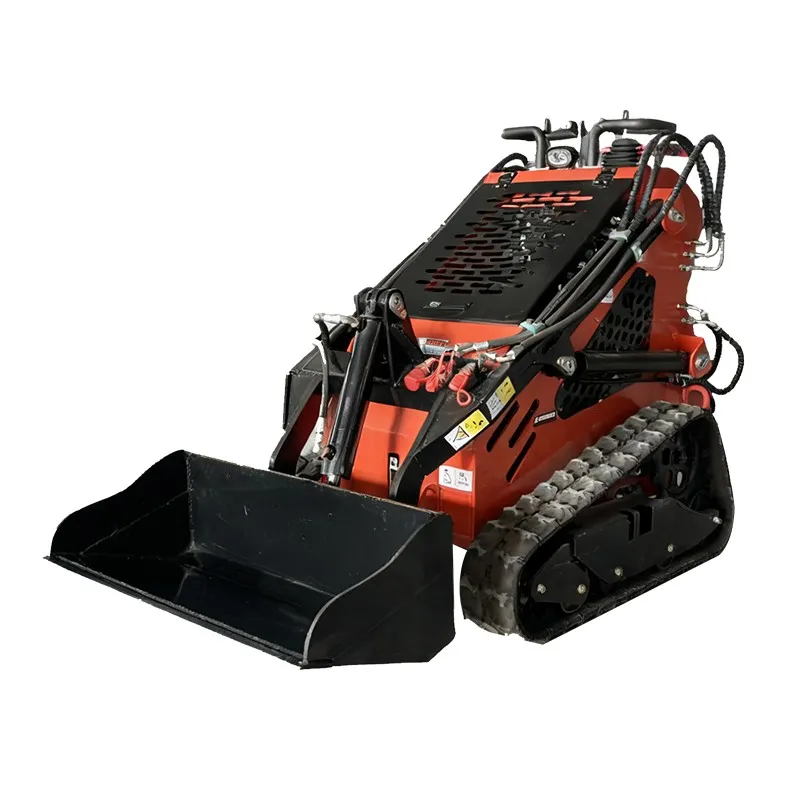
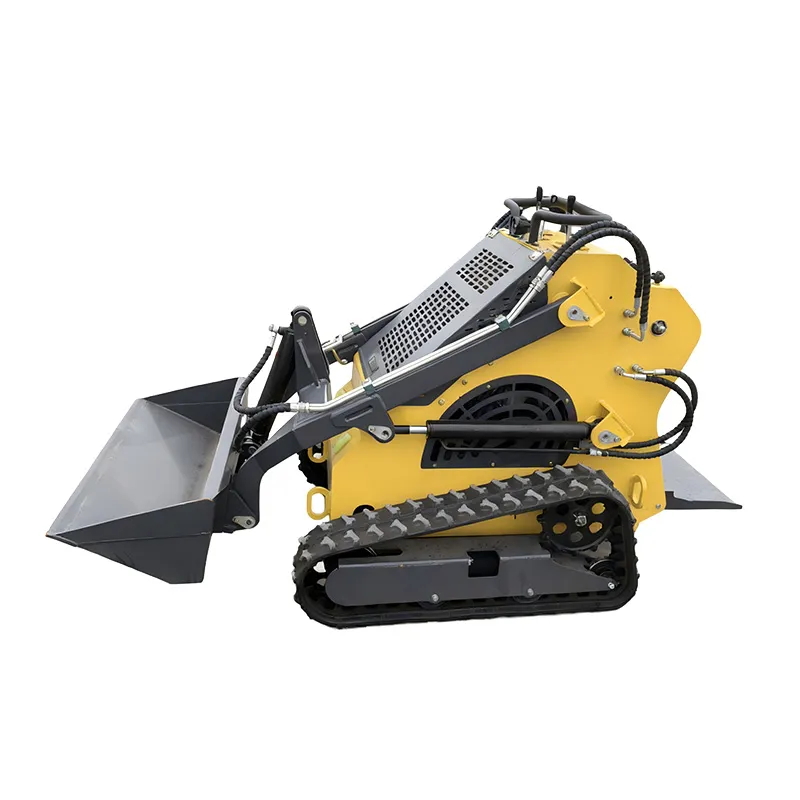
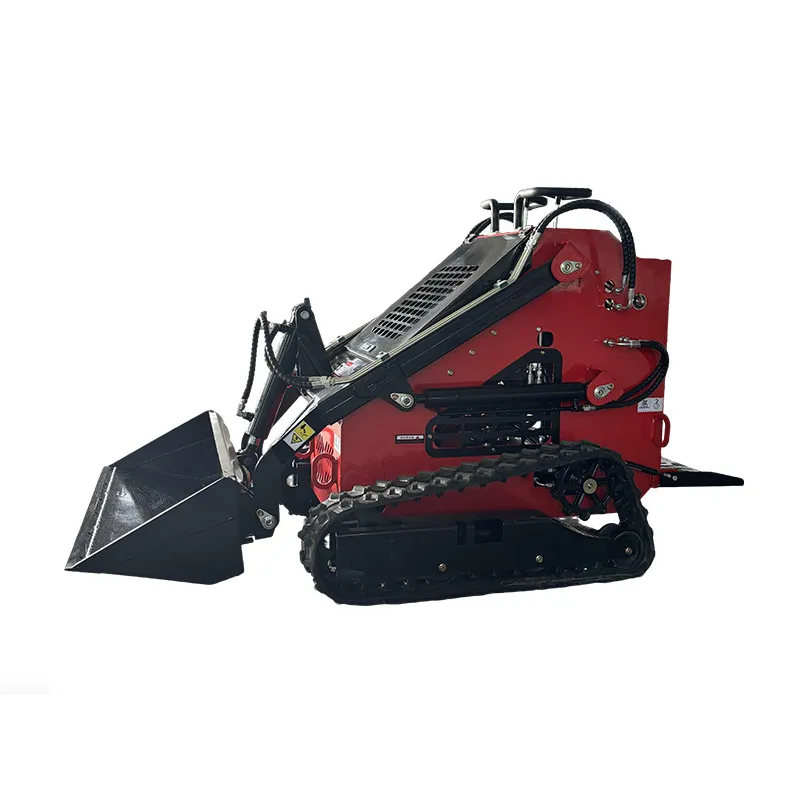
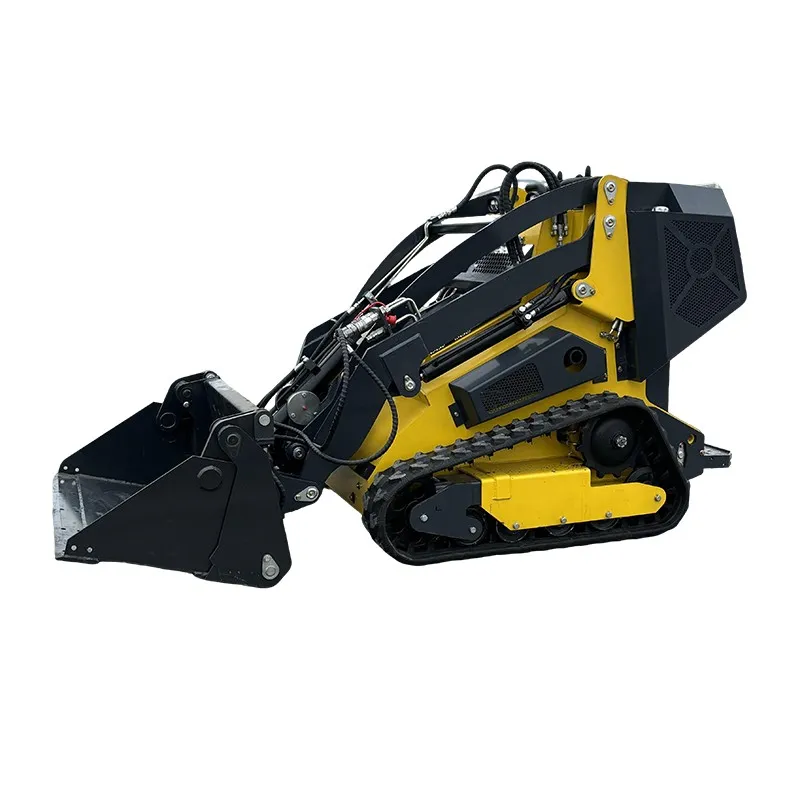
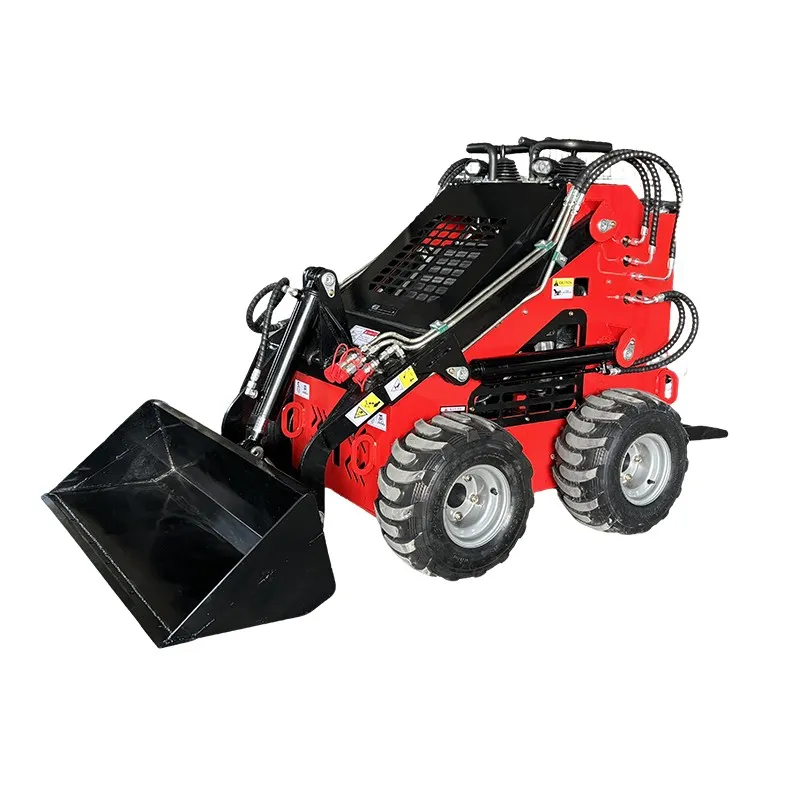
When you type 'skid steer loader sale online' into a search bar, you're immediately met with a flood of options that can be more paralyzing than helpful. The common misconception is that online shopping simplifies the process—just compare specs and prices, right? In reality, it often complicates it. I've seen too many contractors and small business owners get burned by glossy listings that don't match the physical reality of the machine. The key isn't just finding a sale; it's finding a credible source for that sale. This is where the real work begins, separating the wheat from the chaff in a digital marketplace crowded with both.
The Allure and Pitfalls of Digital Listings
Let's be honest, the convenience is undeniable. A few years back, I helped a client source a compact track loader for a landscaping project. We spent days scrolling through platforms, from major equipment aggregators to smaller, specialized dealer sites. The immediate pitfall is the photography. A machine can look pristine in a perfectly lit, edited photo, hiding worn tires, minor hydraulic leaks, or even mismatched paint from a past repair. You learn to scrutinize the background of the image, the wear patterns on the bucket edges, and the condition of the auxiliary hydraulic couplers—details a casual buyer might miss.
Another trap is the too-good-to-be-true pricing. I recall a specific case where a skid steer loader sale online advertised a nearly new model at 40% below market rate. The seller, operating through a third-party platform, demanded a wire transfer as a deposit to secure the unit. That's a classic red flag. Reputable sellers, especially established companies, have transparent payment gateways and often offer financing options or escrow services. The transaction process itself tells you a lot about the seller's legitimacy.
This is why I've come to value suppliers with a tangible, long-standing operational history. It's not just about having a website; it's about the story behind it. For instance, when evaluating a source, I look for evidence of sustained manufacturing and trade. A company like Shandong Pioneer Engineering Machinery Co., Ltd (https://www.sdpioneer.com), which has been evolving since 2004 and recently expanded its facility in 2023, signals a commitment beyond just online flipping. Their dual-structure of Shandong Hexin for manufacturing and Shandong Pioneer for overseas trade suggests a controlled supply chain, which is crucial for consistent parts availability and build quality. This kind of background info, often buried in an 'About Us' page, is more valuable than any sales pitch.
Specs vs. Reality: The Devil's in the Details
Online specs sheets are a starting point, never the finish line. Horsepower, operating capacity, and lift height are table stakes. The real questions emerge from application. Will this machine primarily run a forestry mulcher, requiring high-flow hydraulics and a reinforced chassis? Or is it for light material handling in tight urban spaces, where a vertical lift path might be better than a radial lift? I've made the mistake of buying based on paper specs alone, only to find the machine's hydraulic response was too sluggish for a cold planer attachment, costing us downtime and a costly retrofit.
Attachment compatibility is another minefield. Not all skid steers use a universal mounting system. The move from a global carrier style to an OEM-specific one can lock you into a brand's attachment ecosystem. When browsing a skid steer loader sale online, I immediately check for clear information on the mounting system and available auxiliary hydraulic options (standard flow vs. high-flow, pressure settings). A good listing, from an experienced seller, will proactively address these points. A vague listing is a warning sign.
This is where a supplier's export experience becomes relevant. A company that regularly ships to markets like the US, Canada, and Australia, as Shandong Pioneer does, is likely more attuned to the specific certification requirements, safety standards, and performance expectations of those regions. Their machines are probably built with those markets in mind from the start, reducing the risk of compliance issues or performance mismatches. It's a subtle detail, but it speaks to a deeper understanding of the end-user's needs beyond just making a sale.
The Critical Role of After-Sales Support in an Online Purchase
Buying the machine is only 50% of the equation. The other 50% is what happens when something goes wrong, and it will. The biggest fear in buying equipment online, especially from an overseas vendor, is being left with a very expensive paperweight. I've heard horror stories of buyers waiting months for a simple seal kit because the supplier had no local parts network or technical documentation.
A credible seller addresses this fear upfront. Look for clear information on warranty terms—is it a standard one-year? What components are covered? More importantly, what is the parts distribution strategy? Do they have regional warehouses or partnerships with local dealers? The website for Shandong Pioneer Engineering Machinery Co., Ltd mentions earning the trust of customers worldwide, which is a good tagline, but the proof is in their operational setup. A manufacturer with a dedicated trade arm for exports is structurally more likely to have established logistics for parts and service support, as their business model depends on repeat orders and reputation.
When I advise clients now, I tell them to test the after-sales channel before buying. Send an inquiry asking for the part number for a common wear item, like a filter or a track roller. See how quickly and accurately they respond. Ask about technical manual availability. The responsiveness and depth of the pre-sales technical support are a reliable indicator of post-sales service quality. An online sale shouldn't feel like a one-off transaction; it should feel like the beginning of a support relationship.
Case in Point: Sourcing for a Demo Fleet
A practical example from last year. We were putting together a small demo fleet for a rental startup focusing on small-scale construction. The budget was tight, but reliability couldn't be compromised. We needed machines that were robust, relatively simple to maintain, and had good parts accessibility. The online search was, again, overwhelming.
We shortlisted a few suppliers, including some well-known brands and a couple of established Chinese exporters. The decision ultimately came down to a combination of upfront cost, communicated build quality, and the clarity of the support plan. One of the finalists was a company like Pioneer, not necessarily because they were the cheapest, but because their communication was direct. They provided unedited videos of the machines under test, detailed chassis and component photographs, and a clear breakdown of the shipping and customs process to our location. They didn't just sell a skid steer loader; they sold a understood process.
The takeaway? The successful sale online of heavy equipment hinges on transparency that bridges the digital-physical gap. It's about the supplier providing enough tangible evidence—through detailed media, verifiable company history, and explicit support terms—to make the buyer feel as informed as if they were walking around the machine in a yard. The machines we sourced have performed well, with only minor issues that were resolved through the promised channels. It validated the approach of prioritizing supplier credibility over the absolute lowest sticker price.
Final Thoughts: Shifting the Search Mindset
So, if you're back at that search bar looking for a skid steer loader sale online, shift your mindset. You're not just shopping for a product; you're vetting a partner. The keywords should lead you to an evaluation process, not just a checkout page. Dig into the company behind the listing. How long have they been operating? What's their physical footprint? Who are their typical customers?
Use the digital tools to your advantage. Request specific videos, ask for the contact info of past clients in your region if possible, and scrutinize the communication style. Is it generic and salesy, or technical and responsive? The online space is fantastic for access and comparison, but it demands more due diligence, not less.
In the end, the goal is to turn the inherent risk of an online equipment purchase into a calculated, well-informed decision. It's entirely possible to find a reliable, high-value machine through a screen, but it requires looking past the listing and into the operational backbone of the seller. That's where you find the real sale—a deal that includes not just the machine, but the peace of mind that comes with it.
Related Products
Related Products