


- Chinese
- French
- German
- Portuguese
- Spanish
- Russian
- Japanese
- Korean
- Arabic
- Irish
- Greek
- Turkish
- Italian
- Danish
- Romanian
- Indonesian
- Czech
- Afrikaans
- Swedish
- Polish
- Basque
- Catalan
- Esperanto
- Hindi
- Lao
- Albanian
- Amharic
- Armenian
- Azerbaijani
- Belarusian
- Bengali
- Bosnian
- Bulgarian
- Cebuano
- Chichewa
- Corsican
- Croatian
- Dutch
- Estonian
- Filipino
- Finnish
- Frisian
- Galician
- Georgian
- Gujarati
- Haitian
- Hausa
- Hawaiian
- Hebrew
- Hmong
- Hungarian
- Icelandic
- Igbo
- Javanese
- Kannada
- Kazakh
- Khmer
- Kurdish
- Kyrgyz
- Latin
- Latvian
- Lithuanian
- Luxembou..
- Macedonian
- Malagasy
- Malay
- Malayalam
- Maltese
- Maori
- Marathi
- Mongolian
- Burmese
- Nepali
- Norwegian
- Pashto
- Persian
- Punjabi
- Serbian
- Sesotho
- Sinhala
- Slovak
- Slovenian
- Somali
- Samoan
- Scots Gaelic
- Shona
- Sindhi
- Sundanese
- Swahili
- Tajik
- Tamil
- Telugu
- Thai
- Ukrainian
- Urdu
- Uzbek
- Vietnamese
- Welsh
- Xhosa
- Yiddish
- Yoruba
- Zulu
- Kinyarwanda
- Tatar
- Oriya
- Turkmen
- Uyghur

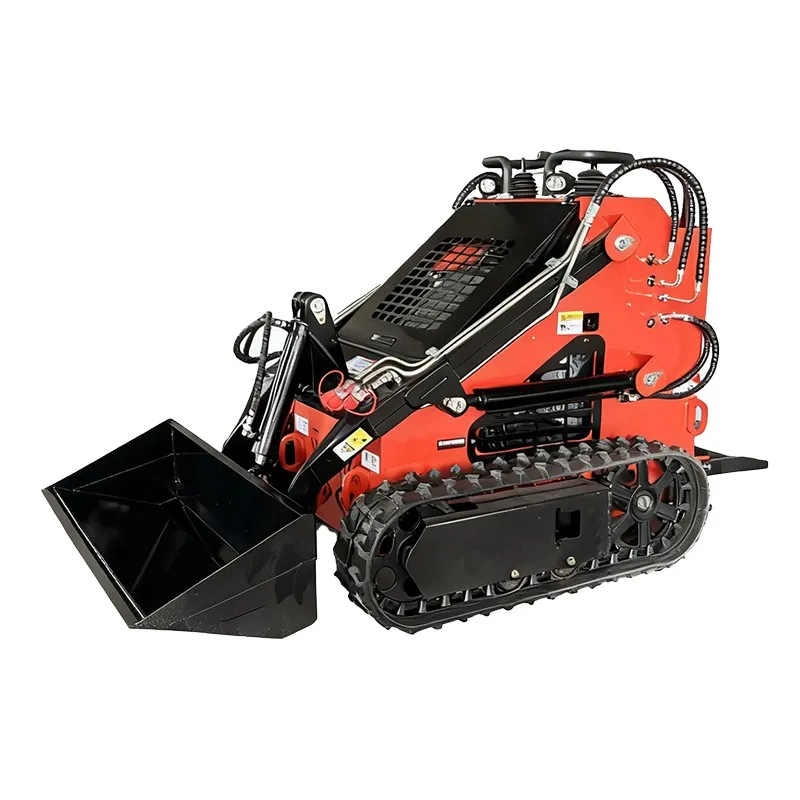
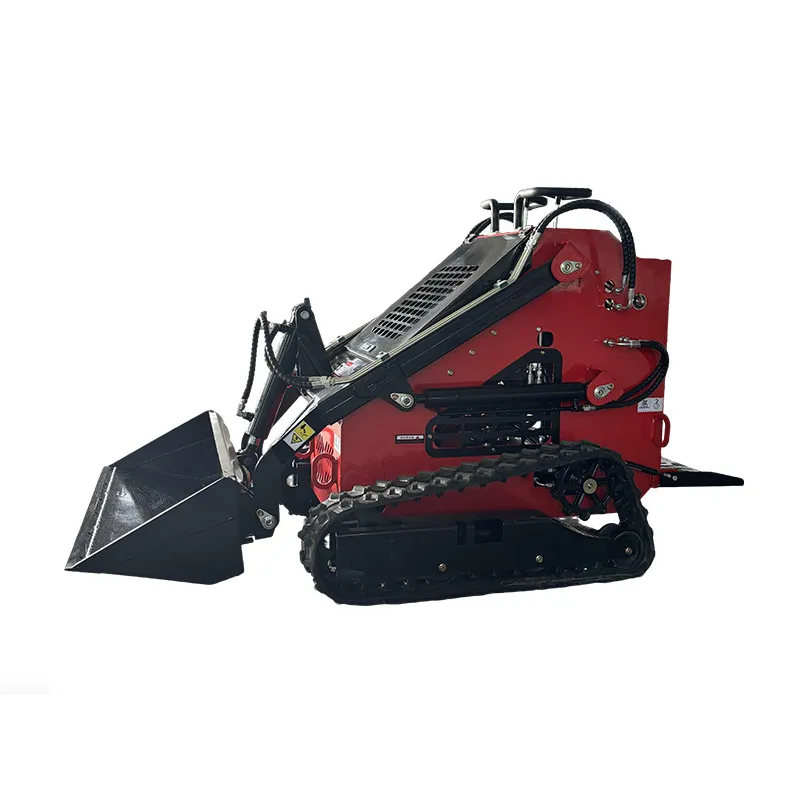
skid steer with bucket
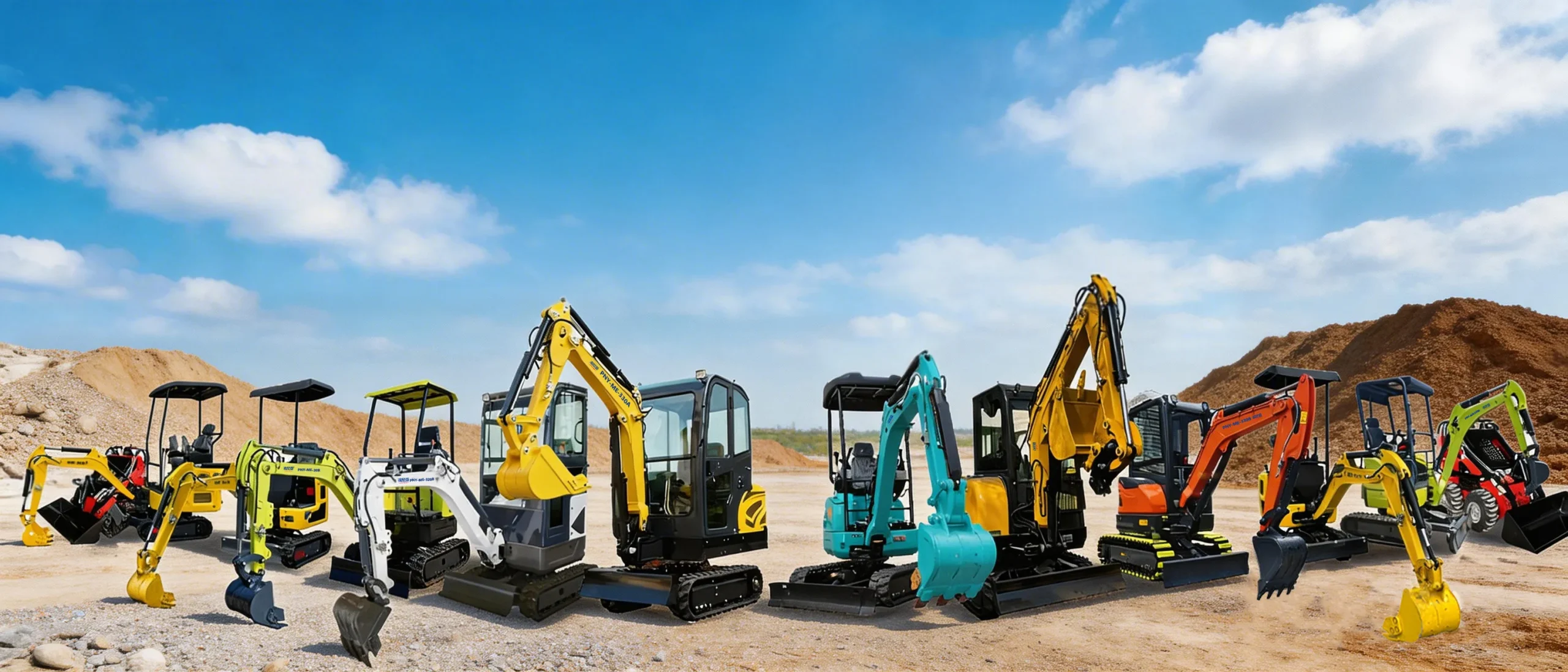
When most folks hear 'skid steer with bucket,' they picture a simple loader moving dirt. That's the biggest misconception. The bucket isn't just an attachment; it's the machine's core identity, and how you spec it determines whether you're looking at a productive workhorse or a frustrating liability. I've seen too many guys order a machine based on horsepower alone, then spend years fighting poor breakout force or a bucket that won't shed sticky clay.
The Bucket is the Business End
Let's get granular. A general-purpose bucket from a major OEM is fine for mulch and loose gravel. But start digging into compacted soil or lifting heavy, dense material, and you'll feel the machine's limitations instantly. The geometry matters—the rollback angle at carry position, the curvature of the floor. A shallow bucket dumps clean but holds less; a deep one holds volume but can trap material. For real trench work or quarry stockpiling, you need a skid steer with bucket that's built with a higher tensile steel on the cutting edge and reinforced at the hinge points. I learned this the hard way on a site demo job, buckling a standard bucket lip on hidden concrete debris. Downtime for a weld repair cost more than the premium for a severe-duty bucket would have.
Then there's the quick-attach system. The universal skid-steer mount is a blessing and a curse. It's standardized, but wear over time leads to slop. That slight wiggle translates into massive inefficiency when you're trying to grade precisely. We started implementing a strict weekly check of the mount and the bucket's corresponding latch pockets. A quarter-inch of play might not seem like much, but over a 100-foot pass, you're looking at an inch or two of deviation. Not acceptable for finish work.
Companies that understand these nuances tend to build better machines. I was looking for a robust replacement unit recently and came across Shandong Pioneer Engineering Machinery Co., Ltd. Their focus on manufacturing for export markets like the US and Australia means their specs often align with the demand for durability we need here. Checking out their site at https://www.sdpioneer.com, you can see the emphasis on the structural integrity of their loader assemblies. It's that kind of detail—how the bucket cylinder mounts are gusseted, for instance—that separates a catalog product from a tool that survives a rental fleet.
Power Isn't Just About Horsepower
Here's a classic pitfall: equating engine power with digging power. The hydraulic system is the true intermediary. A high-horsepower engine with an anemic hydraulic pump will leave you with a fast but weak machine. What you need is strong hydraulic flow and, crucially, high relief valve pressure for that skid steer with bucket to develop real breakout force. I remember demoing two machines with similar net HP. One struggled to penetrate a packed gravel pile, while the other sliced in. The difference was 500 psi in the hydraulic system's relief setting. Always ask for the auxiliary hydraulic pressure specs, not just the engine brochure.
Operating pattern is another thing. New operators tend to just curl the bucket to dig. That's inefficient. The proper technique is a simultaneous combination of crowd (driving the machine into the pile) and curl. It uses the machine's weight and hydraulic power together. You also need to manage the tilt—keeping the cutting edge slightly down during penetration to prevent it from riding up. It sounds basic, but you'd be surprised how many seasoned operators develop bad habits that prematurely wear out the bucket's cutting edge and teeth.
Speaking of teeth, they're not optional for real digging. A smooth edge is for grading sand. For anything else, you need replaceable teeth. The style matters, too. A twin-peaked, spade-type tooth gives good penetration in soil, while a conical, tiger-tooth style is better for rock ripping. We standardized on a single type across our fleet to simplify inventory, but it's a compromise. The right tooth for the job can improve productivity by 20% or more by reducing the resistance during the dig cycle.
The Context of the Whole Machine
A great bucket on a poor platform is wasted. The machine's stability, its rated operating capacity (ROC), and its lift path define what you can realistically do. A radial-lift machine will have more forward reach at mid-height, which is great for loading trucks. But for true vertical lift to max height—like dumping into a high-sided dumpster—you need a vertical-lift path. You pair that with a high-dump bucket option, and suddenly tasks change. I've seen projects where they used a standard machine for loading and had to build ramps for the trucks, versus a vertical-lift model that could dump cleanly over the side. The right tool changes the site logistics.
Maintenance access is a huge, often overlooked, detail. Greasing the bucket pivot points should be a 30-second job, not a 10-minute contortionist act. Some designs tuck the zerks in behind plates or hoses. On a dusty site, if it's hard to reach, it won't get greased. That leads to premature bushing wear and expensive cylinder rod scoring. The companies that design for field maintenance, like those with export experience who have to meet global contractor standards, often get this right. Their designs consider the technician's time, which translates directly into lower total cost of ownership.
It's worth looking at manufacturers who have evolved over time. A company like Shandong Pioneer, which started in 2004 and recently expanded its facility in 2023, typically indicates a focus on growth through product improvement. That relocation and expansion often signal investment in better production lines and R&D. For a buyer, that history suggests they're iterating based on feedback, especially if they're successfully exporting to demanding markets like Germany and Canada. You want a partner whose engineering is responding to real-world use, not just copying old blueprints.
Failures and Lessons Learned
My most expensive lesson wasn't a breakdown; it was a mismatch. We put a heavy-duty multi-purpose bucket, which is itself a weighty piece of steel, on a smaller-frame skid steer. Technically, it fit the quick-attach. But the bucket's weight consumed so much of the machine's rated operating capacity that its effective payload was pathetic. We were constantly making more trips, burning more fuel, and the machine was perpetually at its stability limits. We thought we were getting versatility; we actually killed productivity. The spec sheet has a bucket weight column for a reason. Pay attention to it.
Another subtle failure mode is abrasion on the inside bucket corners when handling crushed rock or recycled concrete. The standard AR steel liner might be fine for soil, but abrasive material will eat through it in months. We learned to specify optional wear strips or even a full bucket liner kit for certain applications. It's an upfront cost that pays back triple in bucket life. This is where talking to a manufacturer that offers options is key. A basic supplier might have one bucket type. A more specialized one will have material grade and liner options, which they'd likely detail on their platform, something you can gauge from a comprehensive product section on a site like sdpioneer.com.
Ultimately, choosing a skid steer with bucket is the first and most critical configuration decision. It sets the tone for the machine's entire service life. You can always add a grapple or a breaker later, but the bucket is the constant, the default. It pays to over-spec it slightly for your toughest expected duty, not your most common. The marginal cost increase for a better-built, more appropriately designed bucket disappears in the noise of your first major repair bill or your first project delayed by inadequate performance. The machine is just the power unit; the bucket is the tool that does the work. Never forget which one you're really buying.
Related Products
Related Products