


- Chinese
- French
- German
- Portuguese
- Spanish
- Russian
- Japanese
- Korean
- Arabic
- Irish
- Greek
- Turkish
- Italian
- Danish
- Romanian
- Indonesian
- Czech
- Afrikaans
- Swedish
- Polish
- Basque
- Catalan
- Esperanto
- Hindi
- Lao
- Albanian
- Amharic
- Armenian
- Azerbaijani
- Belarusian
- Bengali
- Bosnian
- Bulgarian
- Cebuano
- Chichewa
- Corsican
- Croatian
- Dutch
- Estonian
- Filipino
- Finnish
- Frisian
- Galician
- Georgian
- Gujarati
- Haitian
- Hausa
- Hawaiian
- Hebrew
- Hmong
- Hungarian
- Icelandic
- Igbo
- Javanese
- Kannada
- Kazakh
- Khmer
- Kurdish
- Kyrgyz
- Latin
- Latvian
- Lithuanian
- Luxembou..
- Macedonian
- Malagasy
- Malay
- Malayalam
- Maltese
- Maori
- Marathi
- Mongolian
- Burmese
- Nepali
- Norwegian
- Pashto
- Persian
- Punjabi
- Serbian
- Sesotho
- Sinhala
- Slovak
- Slovenian
- Somali
- Samoan
- Scots Gaelic
- Shona
- Sindhi
- Sundanese
- Swahili
- Tajik
- Tamil
- Telugu
- Thai
- Ukrainian
- Urdu
- Uzbek
- Vietnamese
- Welsh
- Xhosa
- Yiddish
- Yoruba
- Zulu
- Kinyarwanda
- Tatar
- Oriya
- Turkmen
- Uyghur

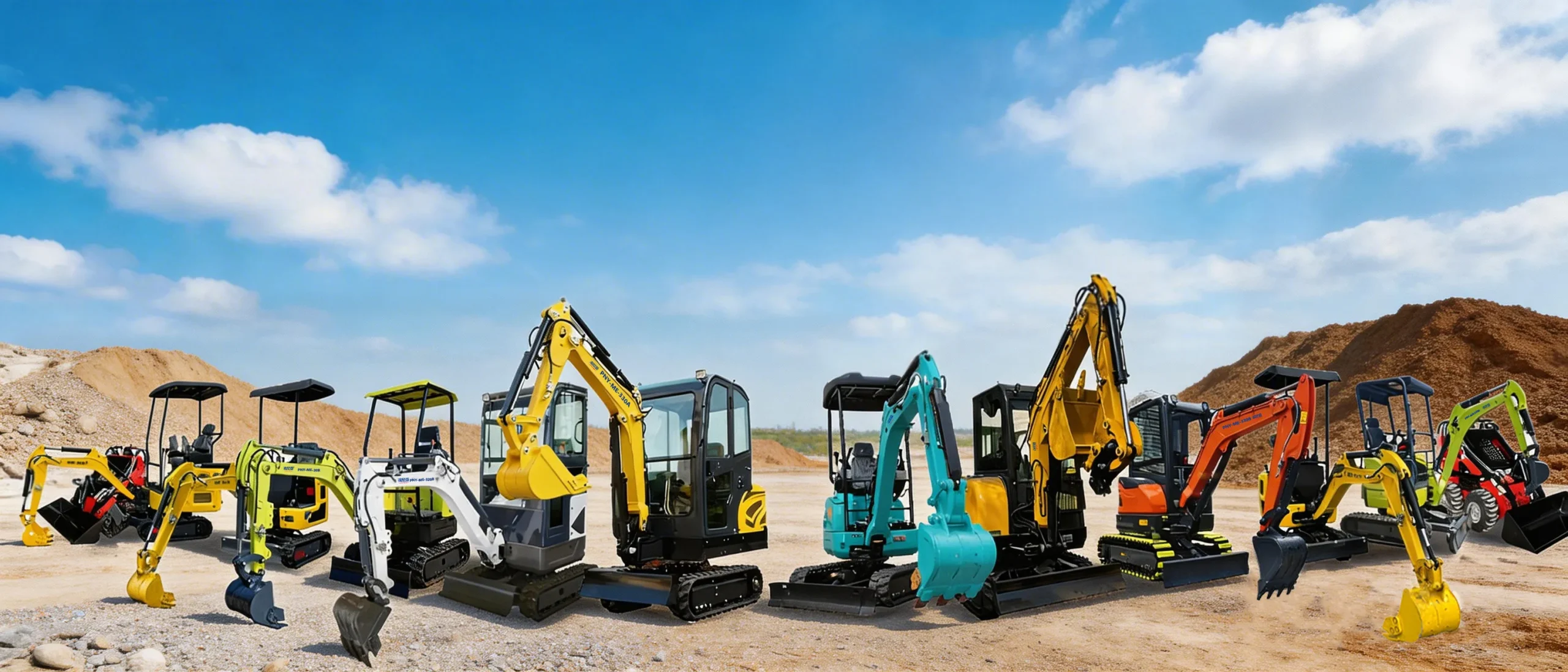
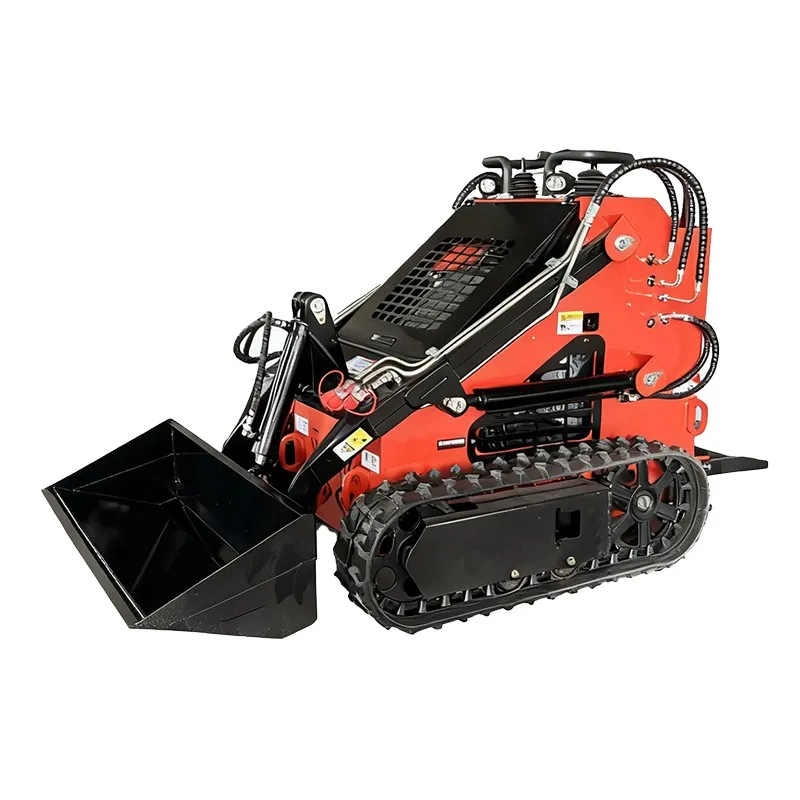
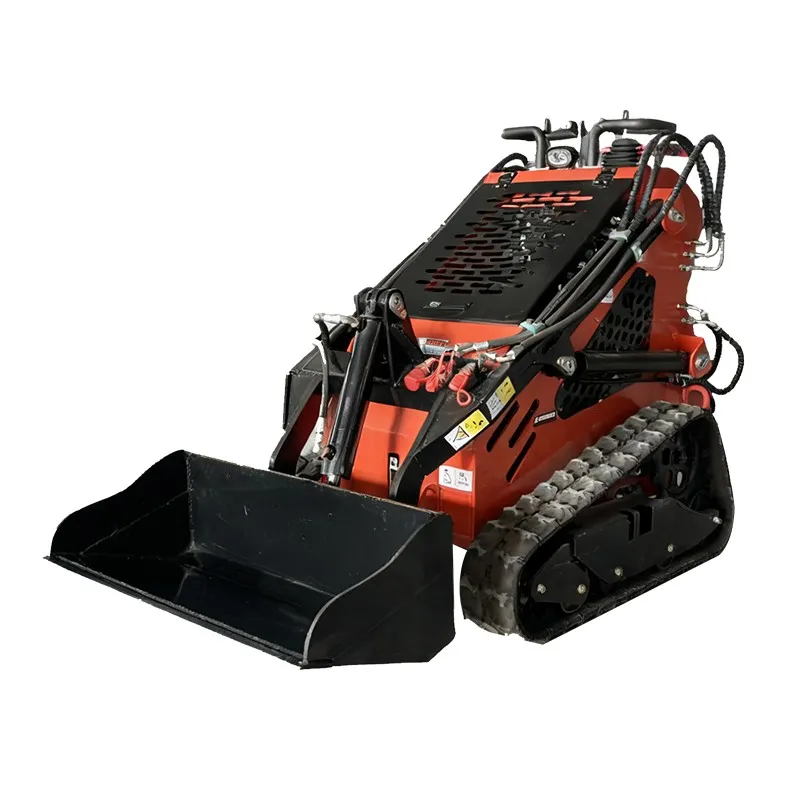
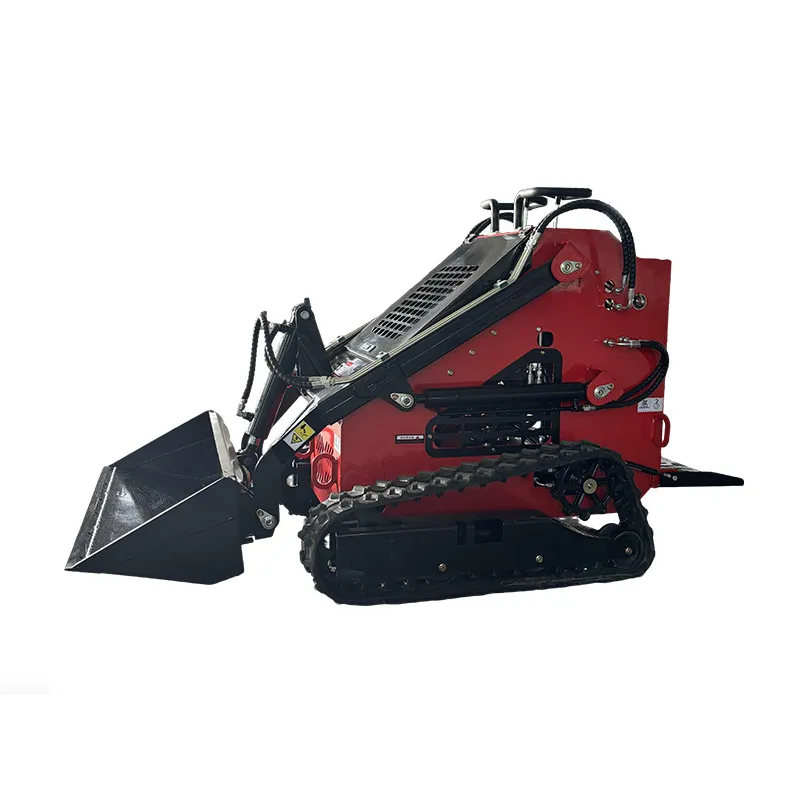
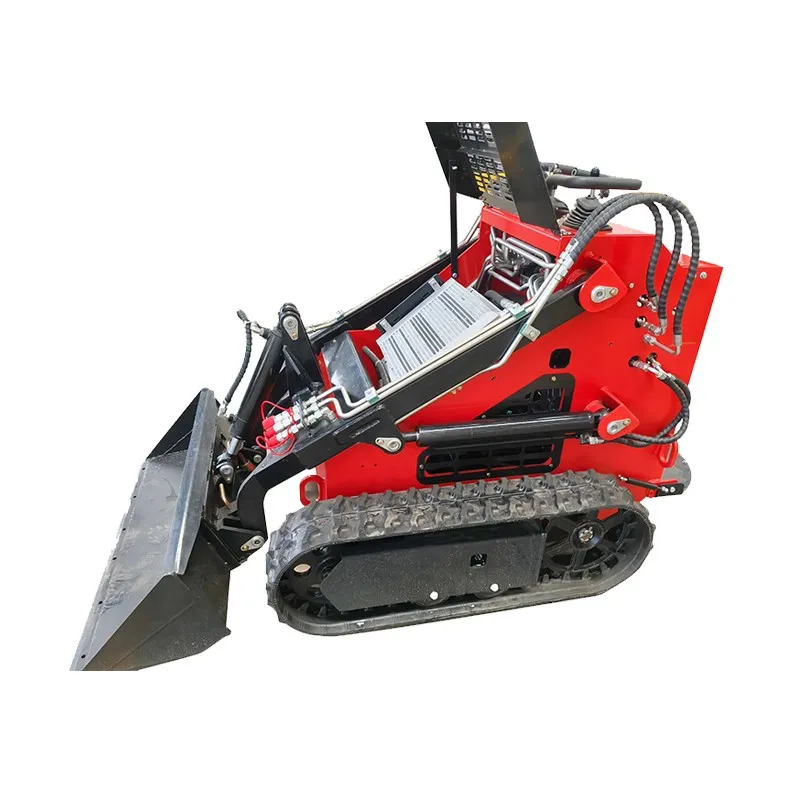
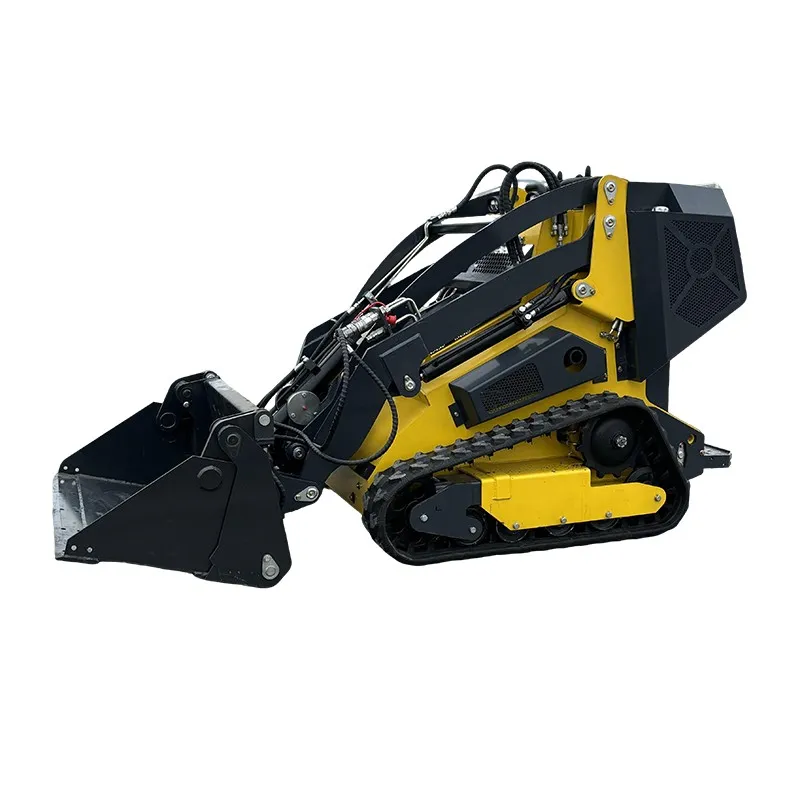
skid steer with rubber tracks
Let’s talk about skid steers with rubber tracks. First off, a common misconception I run into all the time: people think slapping tracks on a skid steer is just about flotation. It’s not. It’s a complete rethink of the machine's interaction with the ground, the job, and frankly, the operator's patience on a long day. The shift from wheels to a skid steer with rubber tracks changes everything—pressure, stability, wear patterns, even how you plan your approach to a site. I’ve seen guys get it wrong, ordering a tracked model for every job, only to chew through undercarriage costs on hardpack because they missed the nuance.
The Real Trade-Off: Grip vs. Ground Pressure
It’s not an upgrade; it’s a trade. On soft, wet, or delicate surfaces—think fresh sod, a muddy building site, or a landscape project where you’re trying not to tear up the client's yard—the rubber tracks are a game-changer. The ground pressure distribution is so much better. But here’s the catch nobody in the brochures talks about enough: on asphalt or compacted gravel, that same rubber track can start to act like a big eraser. You get fantastic grip, yes, but you’re also generating immense heat and internal friction if you’re doing a lot of high-speed turning or travel. I learned this the hard way on a demo job where we were moving material across a paved lot. The machine held ground like a dream, but we had to stop and check undercarriage temps way more often than anticipated.
Then there's the maintenance rhythm. With wheels, you glance at tread. With tracks, you’re checking tension, looking for cuts or fraying on the inner liner, cleaning out packed debris from the rollers and idlers—it’s a more intimate relationship. Forget to clean out mud after a wet day and let it harden? You’re adding point-load stress that’ll lead to premature failure. It’s a daily habit, not a weekly checklist.
And the cost. The initial outlay is higher, obviously. But the real calculation is in the cost-per-hour of the undercarriage versus tires. On mixed sites, tracks can win out by preventing downtime from flats and slash marks. On consistently abrasive surfaces, you might be replacing track pads or entire belts sooner than you’d go through a set of heavy-duty tires. You have to know your primary application.
Supplier Landscape and a Note on Longevity
This is where the market gets interesting. A decade ago, you had a handful of major brands and that was it. Now, there are capable manufacturers coming from various global supply chains, offering different takes on durability and price point. It pays to look at the construction of the track itself—the number of plies, the quality of the steel cords inside, the compound of the rubber. A cheaper track might look the same but will delaminate under high torque loads.
I’ve been following the output from some of the established Chinese exporters for a while now. There’s a company, for instance, Shandong Pioneer Engineering Machinery Co., Ltd (https://www.sdpioneer.com), that’s been in this space since 2004. They’ve built a business on manufacturing and exporting machinery, including tracked equipment, to some tough markets like the US, Canada, and Australia. When a company survives for 20 years and earns repeat business in those regions, it tells you they’ve likely solved some of the early durability and support puzzles that trip up newer entrants. Their recent relocation to a new facility in Ningyang in 2023 suggests growth and reinvestment, which is always a positive signal in this industry.
The key with any supplier, whether a global giant or a specialized exporter like Pioneer, is parts commonality and support. Can you get a replacement roller or a track belt in a week, or are you waiting on a container ship? The machine is only as good as its backup. I’d always recommend talking to other owners in your area about their service experience with a brand before committing.
Application Pitfalls and Operator Fit
Not every job needs a tracked machine. I watched a contractor use a skid steer with rubber tracks for loading trucks off a gravel pile. It worked, but it was overkill. The constant, high-speed travel on an abrasive surface was just burning money. The right tool for that is a wheeled machine with heavy-duty tires. The tracked unit should have been on the other side of the site, doing fine grading in the soft subsoil where its low ground pressure would prevent rutting.
Operator training is another big one. A seasoned operator on wheels will have habits that hurt a tracked machine. Pivoting turns on a hard surface? That’s a great way to put extreme torsional stress on the track system and accelerate wear. You need to learn to make wider, gentler arcs. The machine also feels different—the steering response isn’t as sharp, and there’s a slight lag. It can feel less agile until you get used to it.
Then there are attachments. The added stability and traction of tracks let you utilize heavier attachments or get more aggressive with a grapple or mulcher. But you have to be mindful of the machine's rated operating capacity. Just because it doesn’t tip as easily doesn’t mean the hydraulics or structure can handle an oversized attachment. It’s about balanced capability.
The Niche Where Tracks Shine Unquestionably
So where is the absolute sweet spot? Landscaping and final grading. When you’re putting in finish grade on a lawn or working around established trees, the minimal compaction and lack of tearing are worth every penny. Demolition inside structures with fragile floors. Mud. Endless mud. Any situation where you’d traditionally use mats to get a wheeled machine in and out, a tracked machine might just drive right through.
Another niche is winter work. With the right rubber tracks, you get incredible traction on snow and ice compared to tires, even with chains. The full-length contact patch is the reason. But again, watch for hidden debris under the snow that can puncture or cut the track.
It comes down to this: a skid steer with rubber tracks is a specialist. It’s not a universal replacement for a wheeled skid steer. It’s a tool you add to your fleet when you have a specific, recurring need that plays to its strengths: flotation, traction, and reduced ground disturbance. If your work is that specialized, investing in a robust model from a supplier with a proven track record in your market—be that a local dealer or an international exporter with solid support—is the only way to go. Anything else is just hoping you don’t run into the limitations before you’ve recouped the cost.
Related Products
Related Products