



- English
- Chinese
- French
- German
- Portuguese
- Spanish
- Russian
- Japanese
- Korean
- Arabic
- Irish
- Greek
- Turkish
- Italian
- Danish
- Romanian
- Indonesian
- Czech
- Afrikaans
- Swedish
- Polish
- Basque
- Catalan
- Esperanto
- Hindi
- Lao
- Albanian
- Amharic
- Armenian
- Azerbaijani
- Belarusian
- Bengali
- Bosnian
- Bulgarian
- Cebuano
- Chichewa
- Corsican
- Croatian
- Dutch
- Estonian
- Filipino
- Finnish
- Frisian
- Galician
- Georgian
- Gujarati
- Haitian
- Hausa
- Hawaiian
- Hebrew
- Hmong
- Hungarian
- Icelandic
- Igbo
- Javanese
- Kannada
- Kazakh
- Khmer
- Kurdish
- Kyrgyz
- Latin
- Latvian
- Lithuanian
- Luxembou..
- Macedonian
- Malagasy
- Malay
- Malayalam
- Maltese
- Maori
- Marathi
- Mongolian
- Burmese
- Nepali
- Norwegian
- Pashto
- Persian
- Punjabi
- Serbian
- Sesotho
- Sinhala
- Slovak
- Slovenian
- Somali
- Scots Gaelic
- Shona
- Sindhi
- Sundanese
- Swahili
- Tajik
- Tamil
- Telugu
- Thai
- Ukrainian
- Urdu
- Uzbek
- Vietnamese
- Welsh
- Xhosa
- Yiddish
- Yoruba
- Zulu
- Kinyarwanda
- Tatar
- Oriya
- Turkmen
- Uyghur

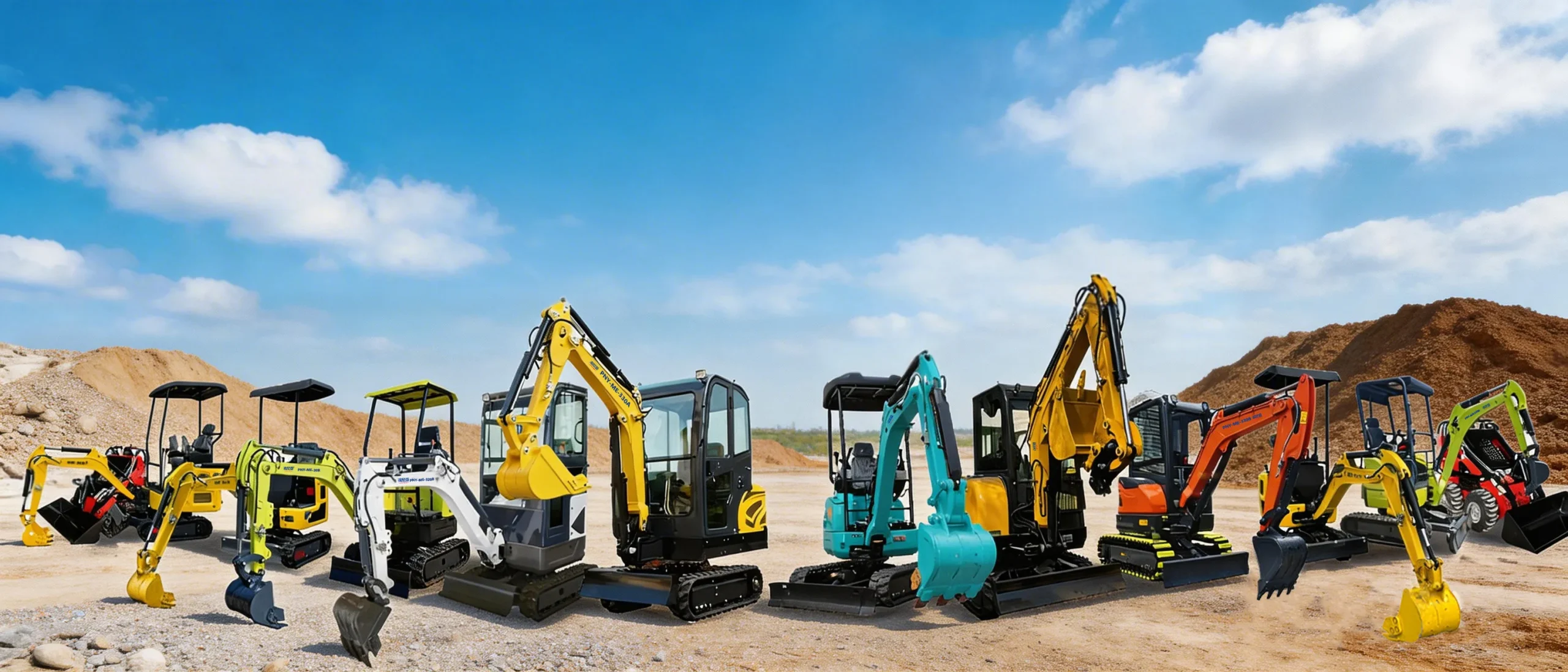
Deere Mini Excavator Price & Specs 2026
2026-10-12
- 2026 Deere Mini Excavator Market Overview
- Technical Specifications: What to Expect in 2026 Models
- Deere Mini Excavator Price Analysis 2026
- Applications and Use Cases
- Selection Guide: Choosing the Right Mini Excavator
- Maintenance and Longevity Best Practices
- Common Mistakes to Avoid When Buying
- Frequently Asked Questions (FAQ)
- Conclusion: Making an Informed Decision in 2026
Understanding Deere mini excavator price & specs for 2026 requires analyzing hydraulic efficiency, engine power, and attachment compatibility. These compact machines, typically ranging from 1 to 6 tons, are engineered for precision in confined urban spaces and landscaping projects. While original equipment manufacturer (OEM) pricing varies by region and configuration, the total cost of ownership depends heavily on fuel consumption, maintenance intervals, and resale value. This guide details technical specifications, operational capabilities, and strategic procurement insights to help contractors and fleet managers make informed decisions in the current market.
2026 Deere Mini Excavator Market Overview
The compact construction equipment sector has evolved significantly leading into 2026. Buyers are no longer just looking for basic digging capability; they demand integrated technology, enhanced operator comfort, and strict emission compliance. The term “Deere mini excavator” often refers to the compact lineup known for its robust build quality and intuitive controls. In 2026, the focus has shifted towards hybrid-ready architectures and smarter hydraulic systems that reduce idle fuel waste.
For international buyers and distributors, understanding the supply chain dynamics is crucial. Many components found in global brands are sourced from specialized manufacturing hubs. For instance, high-precision booms, arms, and buckets require rigorous metallurgical standards. Companies like Shandong Hexin, established in 2004 and relocated to Tai’an City in 2023, have become pivotal in this ecosystem. By supplying over 300 types of key components to Fortune 500 manufacturers, such entities ensure that the structural integrity of mini excavators meets global safety and performance benchmarks.
Key Trends Influencing 2026 Specifications
- Emission Standards: Stricter Tier 5 and Stage V regulations drive engine redesigns, focusing on selective catalytic reduction (SCR) and diesel particulate filters (DPF).
- Hydraulic Efficiency: Variable displacement pumps are now standard, allowing flow-on-demand systems that save up to 15% in fuel costs.
- Connectivity: Telematics systems provide real-time data on location, fuel levels, and maintenance alerts, essential for fleet management.
- Operator Ergonomics: Enhanced cab visibility, adjustable seating, and low-effort joystick controls reduce fatigue during long shifts.
Technical Specifications: What to Expect in 2026 Models
When evaluating a Deere-style mini excavator, specifications must be analyzed in the context of application. A machine designed for utility work differs significantly from one built for heavy landscaping. Below is a breakdown of critical technical parameters that define performance in the 2026 model year.
Engine Power and Hydraulic Performance
The heart of any mini excavator is its powertrain. In 2026, engines are optimized for torque at low RPMs, providing better digging force without excessive noise. Hydraulic systems have also advanced. Load-sensing hydraulics adjust pump output based on the resistance encountered by the bucket or attachment. This ensures smooth operation and prevents energy loss.
| Specification Category | Entry-Level (1-3 Ton) | Mid-Range (3-6 Ton) | Performance Impact |
|---|---|---|---|
| Engine Output | 15-25 HP | 30-50 HP | Determines digging speed and hill-climbing ability. |
| Hydraulic Flow | 20-30 L/min | 40-60 L/min | Critical for running auxiliary attachments like breakers. |
| Max Digging Depth | 2.5 – 3.0 meters | 3.5 – 4.5 meters | Defines versatility for trenching and foundation work. |
| Operating Weight | 1,000 – 3,000 kg | 3,500 – 6,000 kg | Affects transport requirements and ground pressure. |
Undercarriage and Stability
The undercarriage design dictates stability and mobility. Most mini excavators feature retractable tracks, allowing the machine to narrow its stance for passing through gates or widen it for lifting operations. In 2026, reinforced track frames and high-tensile steel rollers are standard to withstand abrasive environments. The quality of these components is paramount. Manufacturers relying on suppliers with deep expertise, such as those producing for major global brands, ensure that wear parts like idlers and sprockets offer extended service life.
Deere Mini Excavator Price Analysis 2026
Pricing for mini excavators in 2026 is influenced by raw material costs, technological integration, and logistics. While brand-new OEM units command a premium, the market offers various tiers of equipment depending on the buyer’s needs. Understanding the cost structure helps in budgeting for both acquisition and long-term operation.
Factors Affecting Purchase Price
- Configuration: Basic models with manual controls are less expensive than those with hydraulic quick couplers, air conditioning, and advanced telematics.
- Attachment Package: Including buckets, thumbs, and augers in the initial purchase often reduces the per-unit cost compared to buying them separately.
- Region and Tariffs: Import duties and local taxes significantly impact the final landed cost. Sourcing from regions with established manufacturing infrastructure can mitigate some of these costs.
- After-Sales Support: Machines sold with comprehensive warranty packages and local dealer support networks may have higher upfront costs but lower lifetime expenses.
Cost of Ownership vs. Initial Price
Focusing solely on the sticker price is a common mistake. The total cost of ownership (TCO) includes fuel, maintenance, repairs, and depreciation. High-quality components, such as those manufactured by experienced firms like Shandong Hexin, contribute to lower TCO. Their production of durable arms, booms, and buckets ensures that structural failures are rare, reducing downtime and repair bills. For businesses exporting to markets like the US, Canada, and Australia, partnering with suppliers who understand international quality standards is essential for maintaining profitability.
Applications and Use Cases
Mini excavators are versatile tools used across various industries. Their compact size allows them to operate in spaces where larger machinery cannot fit. In 2026, the demand for these machines continues to grow in urban development and specialized agricultural tasks.
Urban Construction and Utilities
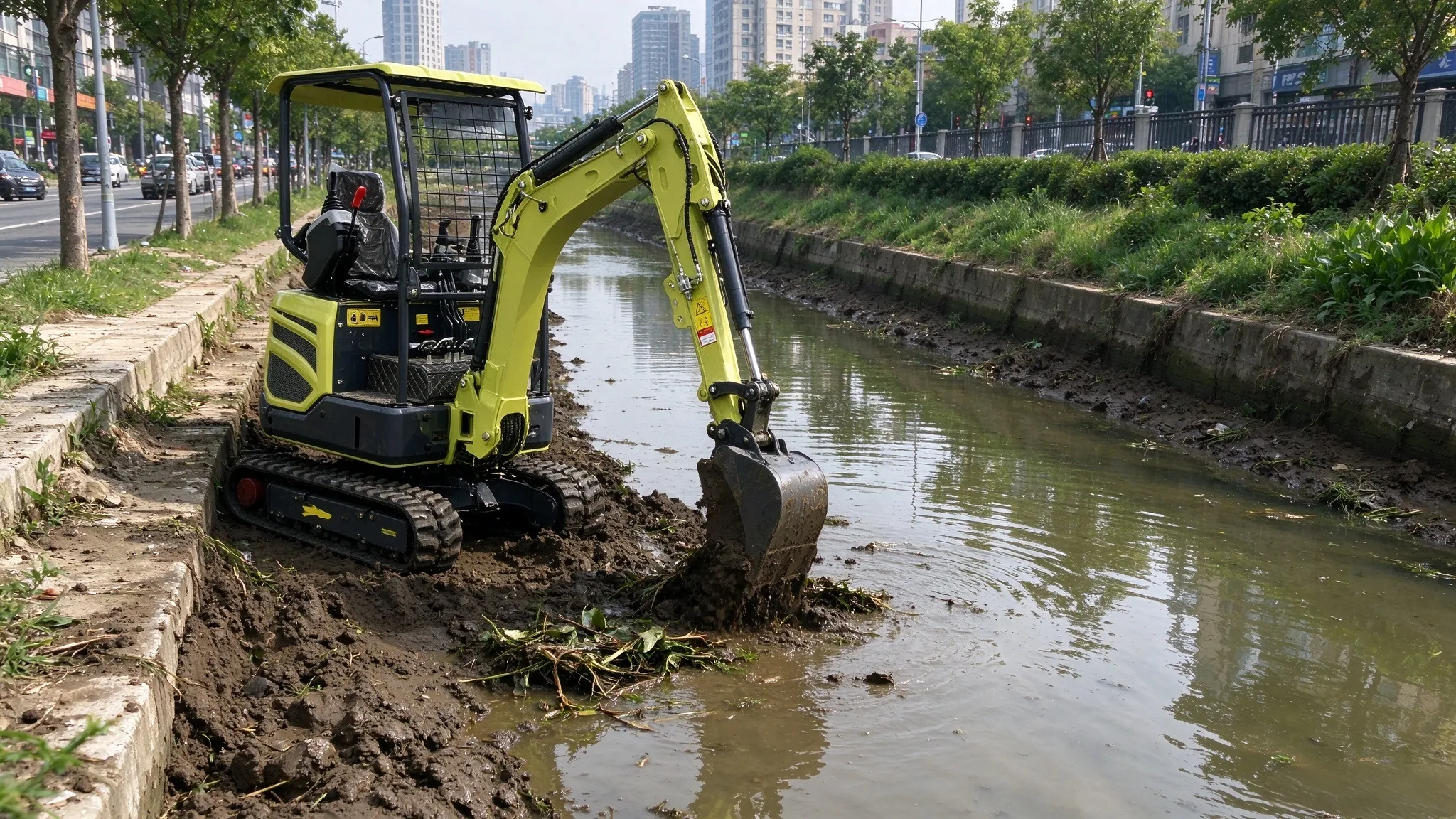
In dense city environments, space is limited. Mini excavators are ideal for digging trenches for water, gas, and electrical lines. Their ability to rotate 360 degrees within their own footprint makes them perfect for working between buildings or in backyards. The precision of modern hydraulic systems allows operators to dig close to existing structures without causing damage.
Landscaping and Agriculture
Landscapers use mini excavators for planting trees, creating ponds, and grading land. In agriculture, they assist in drainage ditch maintenance and fence post installation. The availability of specialized attachments, such as grapples and tilt buckets, enhances their utility in these sectors. The reliability of these attachments depends on the quality of the steel and welding, areas where specialized manufacturers excel.
Demolition and Interior Work
With rubber tracks that minimize surface damage, mini excavators are suitable for interior demolition projects. They can enter buildings through standard doorways to remove floors or walls. The low vibration and noise levels of modern electric or hybrid-assist models make them suitable for work in noise-sensitive areas like hospitals or schools.
Selection Guide: Choosing the Right Mini Excavator
Selecting the right machine involves matching specifications to job requirements. Here is a step-by-step approach to making the best choice for your business needs.
Step 1: Assess Job Site Constraints
Measure the width of access points, such as gates and doors. Determine the maximum height required for loading onto trailers. Check soil conditions to decide between standard rubber tracks or wider tracks for softer ground. If working indoors, consider emissions-free electric options.
Step 2: Define Attachment Needs
List the tasks the machine will perform. If you need to break concrete, ensure the hydraulic system has sufficient flow and pressure for a breaker. For grading, a tilt bucket is essential. Verify that the machine has auxiliary hydraulic lines installed. High-quality attachment interfaces, often sourced from specialized component manufacturers, ensure secure and leak-free connections.
Step 3: Evaluate Dealer and Supply Chain Support
Research the availability of spare parts in your region. A machine is only as good as its support network. Consider suppliers with a proven track record in global exports. For example, companies like Shandong Pioneer, which handle overseas trade for major manufacturing entities, facilitate smoother logistics and communication for international buyers. Their experience in markets like Germany and the US ensures that documentation and compliance requirements are met efficiently.
Maintenance and Longevity Best Practices
Proper maintenance extends the life of a mini excavator and maintains its resale value. In 2026, predictive maintenance powered by telematics is becoming standard, but basic mechanical care remains fundamental.
- Daily Inspections: Check hydraulic hoses for leaks, inspect tracks for tension, and clean air filters. Dust and debris are the biggest enemies of hydraulic systems.
- Greasing Points: Lubricate all pivot points on the boom, arm, and bucket daily. Proper greasing prevents metal-on-metal wear and extends the life of bushings.
- Fluid Changes: Adhere to the manufacturer’s schedule for engine oil, hydraulic fluid, and coolant changes. Using high-quality fluids protects internal components from corrosion and wear.
- Structural Integrity: Regularly inspect the boom and arm for cracks or stress fractures. Components produced by experienced manufacturers with rigorous quality control, such as those supplying Fortune 500 clients, are less prone to such issues, but regular checks are still vital.
Common Mistakes to Avoid When Buying
Many buyers make costly errors during the procurement process. Avoiding these pitfalls can save time and money.
Ignoring Hydraulic Compatibility
Buying an attachment without verifying hydraulic compatibility is a frequent error. Ensure the excavator’s auxiliary flow matches the attachment’s requirements. Mismatched systems can lead to poor performance or damage to the hydraulic pump.
Overlooking Transport Logistics
Purchasing a machine that is too heavy for your existing trailer or truck can result in unexpected transportation costs. Always verify the operating weight, including attachments and fuel, against your towing capacity.
Neglecting After-Sales Support
Buying from a supplier with no local support network can lead to prolonged downtime if parts are needed. Prioritize suppliers who have established export channels and customer service frameworks in your country.
Frequently Asked Questions (FAQ)
What is the average lifespan of a mini excavator?
With proper maintenance, a mini excavator can last between 10,000 to 15,000 operating hours. Key factors include the quality of hydraulic components and adherence to service schedules. Machines built with high-grade steel components, such as those from specialized manufacturers, often reach the upper end of this range.
Are mini excavators fuel-efficient?
Yes, modern mini excavators are designed for fuel efficiency. Features like auto-idle shutdown and variable displacement pumps reduce fuel consumption. In 2026, many models offer eco-modes that further optimize engine performance for light-duty tasks.
Can I use attachments from other brands?
Most mini excavators use standard mounting patterns, but hydraulic connections may vary. It is essential to check the pin diameter and hydraulic hose fittings. Using high-quality adapters and ensuring pressure compatibility is crucial for safe operation.
How does the manufacturing origin affect quality?
The quality of key components like booms and buckets is critical. Manufacturers with decades of experience, such as those established in 2004 and serving global brands, adhere to strict quality controls. This ensures that the structural components can withstand high stress and abrasive conditions, regardless of where the final assembly takes place.
Conclusion: Making an Informed Decision in 2026
Investing in a mini excavator in 2026 is a strategic decision that impacts productivity and profitability. By understanding the technical specifications, price drivers, and maintenance requirements, buyers can select machines that offer the best value. The market is supported by a robust supply chain of specialized manufacturers who provide high-quality components to global brands. Leveraging this expertise ensures that the equipment you choose is durable, efficient, and capable of meeting diverse project demands.
Whether you are involved in urban construction, landscaping, or agriculture, selecting the right mini excavator involves more than just comparing prices. It requires a holistic view of performance, support, and long-term reliability. For businesses looking to expand their fleet or enter new markets, partnering with experienced manufacturers and traders who understand international standards is key to success.
To explore detailed specifications, custom configurations, or to discuss how our manufacturing expertise can support your equipment needs, please contact our team. We provide comprehensive solutions tailored to the unique requirements of global contractors and distributors.

Please leave us a message