



- English
- Chinese
- French
- German
- Portuguese
- Spanish
- Russian
- Japanese
- Korean
- Arabic
- Irish
- Greek
- Turkish
- Italian
- Danish
- Romanian
- Indonesian
- Czech
- Afrikaans
- Swedish
- Polish
- Basque
- Catalan
- Esperanto
- Hindi
- Lao
- Albanian
- Amharic
- Armenian
- Azerbaijani
- Belarusian
- Bengali
- Bosnian
- Bulgarian
- Cebuano
- Chichewa
- Corsican
- Croatian
- Dutch
- Estonian
- Filipino
- Finnish
- Frisian
- Galician
- Georgian
- Gujarati
- Haitian
- Hausa
- Hawaiian
- Hebrew
- Hmong
- Hungarian
- Icelandic
- Igbo
- Javanese
- Kannada
- Kazakh
- Khmer
- Kurdish
- Kyrgyz
- Latin
- Latvian
- Lithuanian
- Luxembou..
- Macedonian
- Malagasy
- Malay
- Malayalam
- Maltese
- Maori
- Marathi
- Mongolian
- Burmese
- Nepali
- Norwegian
- Pashto
- Persian
- Punjabi
- Serbian
- Sesotho
- Sinhala
- Slovak
- Slovenian
- Somali
- Scots Gaelic
- Shona
- Sindhi
- Sundanese
- Swahili
- Tajik
- Tamil
- Telugu
- Thai
- Ukrainian
- Urdu
- Uzbek
- Vietnamese
- Welsh
- Xhosa
- Yiddish
- Yoruba
- Zulu
- Kinyarwanda
- Tatar
- Oriya
- Turkmen
- Uyghur

Mini Excavator Lease Rates & Terms 2026
2026-10-17
- Understanding Mini Excavator Lease Rates in 2026
- Typical Mini Excavator Lease Rate Structures
- Lease Terms and Conditions: What to Watch For
- Strategic Advantages of Leasing vs. Buying
- How to Choose the Right Mini Excavator for Your Project
- The Role of Manufacturing Quality in Lease Reliability
- Common Mistakes to Avoid When Leasing
- Frequently Asked Questions (FAQ)
- Maximizing Value from Your Mini Excavator Lease
- Conclusion: Making an Informed Leasing Decision
Mini excavator lease rates in 2026 typically range from $350 to $900 per week, depending on machine size, attachment requirements, and lease duration. Understanding the specific terms—such as maintenance responsibilities, insurance obligations, and delivery fees—is critical for accurate project budgeting. This guide breaks down current market pricing structures, hidden costs, and strategic leasing options to help contractors and project managers secure cost-effective equipment solutions without compromising operational efficiency.
Understanding Mini Excavator Lease Rates in 2026
The construction landscape in 2026 demands flexibility. Whether you are managing a residential landscaping project or a utility installation in tight urban spaces, the decision to lease rather than buy often hinges on cash flow management and project duration. A mini excavator lease provides access to high-performance machinery without the capital expenditure of ownership.
Rates vary significantly based on the weight class of the excavator. Generally, machines are categorized into three main tiers: micro (under 1 ton), standard mini (1–6 tons), and midi (6–10 tons). The lease rate correlates directly with the machine’s hydraulic capacity, digging depth, and technological features such as GPS integration or advanced safety sensors.
For short-term needs, daily rates offer flexibility but come at a premium. Weekly and monthly leases provide substantial discounts, often reducing the effective daily cost by 30% to 50%. It is essential to align the lease term with your project timeline to avoid paying for idle days while ensuring you have the equipment when needed.
Key Factors Influencing Lease Pricing
Several dynamic factors determine the final quote for a mini excavator lease. Recognizing these variables allows for better negotiation and budget planning.
- Machine Size and Capability: Larger machines with higher breakout force command higher rates due to their versatility and higher replacement value.
- Attachment Requirements: Standard buckets are usually included. However, specialized attachments like hydraulic breakers, augers, or thumb grapples incur additional daily or weekly fees.
- Geographic Location: Transportation costs and local market demand influence pricing. Urban centers with high construction activity may have higher base rates but lower delivery fees due to proximity.
- Lease Duration: Long-term leases (3 months or more) often qualify for significant volume discounts compared to spot rentals.
- Condition and Age: Newer models with zero-hour meters or low usage hours may cost more but offer reduced downtime risks.
Typical Mini Excavator Lease Rate Structures
To provide clarity on what to expect in 2026, the following table outlines estimated lease rates across different machine classes. Note that these figures represent market averages and can fluctuate based on regional availability and supplier policies.
| Excavator Class | Weight Range | Daily Rate (Est.) | Weekly Rate (Est.) | Monthly Rate (Est.) | Primary Applications |
|---|---|---|---|---|---|
| Micro Excavator | < 1 Ton | $150 – $250 | $400 – $600 | $1,200 – $1,800 | Backyard landscaping, indoor demolition, tight access sites |
| Standard Mini | 1 – 3 Tons | $250 – $400 | $600 – $900 | $1,800 – $2,500 | Utility trenching, foundation digging, general construction |
| Large Mini / Midi | 3 – 6 Tons | $400 – $600 | $900 – $1,300 | $2,500 – $3,500 | Heavy trenching, rock breaking, large-scale earthmoving |
When evaluating these rates, consider the total cost of ownership for the rental period. A slightly higher weekly rate might be justified if the machine includes premium attachments or comes with a comprehensive maintenance package that prevents costly project delays.
Lease Terms and Conditions: What to Watch For
The sticker price is only one component of a mini excavator lease. The terms and conditions define the legal and operational framework of the agreement. Misunderstanding these clauses can lead to unexpected charges and disputes.
Insurance and Liability
Most leasing companies require proof of insurance before releasing equipment. You must verify whether your general liability policy covers rented equipment. If not, you may need to purchase a damage waiver or specific rental insurance. This coverage typically protects against theft, vandalism, and accidental damage. Always read the fine print regarding “deductibles” and “exclusions,” such as damage caused by operator error or negligence.
Maintenance and Repair Responsibilities
Clarify who is responsible for routine maintenance during the lease period. Typically, the lessee is responsible for daily checks, such as fluid levels, track tension, and grease points. Major mechanical failures due to wear and tear are usually covered by the lessor. However, damage resulting from misuse, such as hitting underground utilities or operating beyond the machine’s capacity, falls on the lessee. Document the machine’s condition thoroughly before taking possession to avoid disputed claims later.
Delivery and Pickup Costs
Transportation is a significant hidden cost. Delivery fees are calculated based on distance and the type of transport required (flatbed truck vs. lowboy trailer). Some suppliers offer free delivery for leases exceeding a certain duration or value. Negotiate these terms upfront. Additionally, ensure the drop-off location is accessible for heavy transport vehicles to avoid secondary handling fees.
Fuel Policies
Standard practice dictates that equipment is delivered with a full tank and must be returned full. Failure to refuel results in refueling charges that are often substantially higher than local pump prices. Plan your refueling logistics to ensure the machine is topped off before the pickup team arrives.
Strategic Advantages of Leasing vs. Buying
Deciding between leasing and buying depends on your business model, project pipeline, and financial strategy. In 2026, many contractors prefer leasing for its operational agility.
Financial Flexibility
Leasing preserves capital. Instead of tying up hundreds of thousands of dollars in depreciating assets, you can allocate funds to labor, materials, or marketing. Lease payments are often fully tax-deductible as operating expenses, providing immediate financial benefits compared to the depreciation schedules associated with owned equipment.
Access to Latest Technology
The construction industry is rapidly adopting smart technologies. Leasing allows you to utilize the latest models equipped with fuel-efficient engines, advanced hydraulics, and telematics systems. This ensures higher productivity and compliance with increasingly strict emission regulations in various jurisdictions without the burden of obsolescence.
Reduced Maintenance Burden
Ownership entails long-term maintenance costs, storage fees, and insurance premiums. Leasing transfers the burden of major repairs and annual inspections to the equipment provider. This predictability simplifies budgeting and reduces administrative overhead.
How to Choose the Right Mini Excavator for Your Project
Selecting the correct machine size and configuration is crucial for efficiency. An undersized excavator will struggle with tough soil conditions, while an oversized one may cause unnecessary ground disturbance and higher costs.
Assessing Site Constraints
Evaluate the physical limitations of your job site. Consider gate widths, overhead obstacles, and ground stability. Micro excavators are ideal for narrow passages and indoor work, while standard minis offer a balance of power and maneuverability for most outdoor tasks. Check the ground bearing pressure if working on sensitive surfaces like paved driveways or landscaped gardens.
Matching Attachments to Tasks
The versatility of a mini excavator lies in its attachments. Ensure the lease includes the necessary tools for your specific tasks:
- Standard Bucket: For general digging and trenching.
- Hydraulic Thumb: Essential for grabbing rocks, roots, and debris.
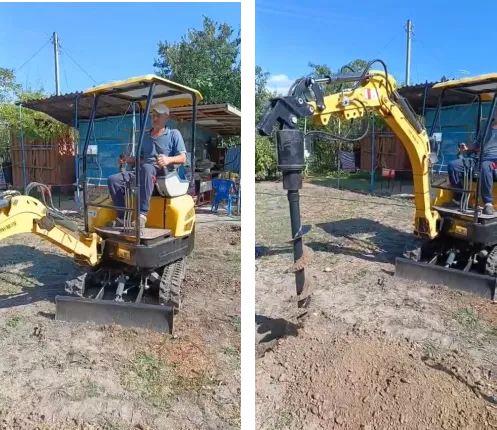
- Auger: Required for fence post holes or tree planting.
- Breaker/Hammer: Necessary for concrete demolition or rock fracturing.
Verify that the excavator’s hydraulic system supports the flow requirements of these attachments. Some older or basic models may require additional hydraulic kits, which should be specified during the booking process.
The Role of Manufacturing Quality in Lease Reliability
While leasing shifts maintenance responsibility to the provider, the underlying quality of the equipment dictates its reliability and uptime. Downtime on a job site can cost far more than the lease itself. This is where the provenance of the machinery matters.
In the global supply chain, equipment manufactured by established entities with rigorous quality control standards offers superior performance. For instance, companies with deep engineering heritage, such as Shandong Hexin and its overseas trade arm Shandong Pioneer, have built reputations on precision manufacturing. Established in 2004 and recently expanded to a larger facility in Tai’an City, Shandong Province, these manufacturers specialize in over 300 types of key excavator components, including arms, booms, and buckets.
Their expertise extends to complete equipment assembly and micro construction machinery. By supplying components to Fortune Global 500 companies like Komatsu, Caterpillar, and XCMG, they demonstrate a level of technical proficiency that translates into durable, high-performance end products. When leasing equipment, asking about the manufacturer’s background can provide insight into the machine’s expected longevity and resistance to wear. Equipment built with high-grade steel and precise hydraulic tolerances, hallmarks of such experienced manufacturers, ensures consistent power delivery and reduced failure rates during critical project phases.
Why Component Quality Matters
The integrity of an excavator’s boom and arm determines its lifting capacity and digging force. Poorly cast or welded components can fail under stress, leading to catastrophic accidents. Manufacturers with extensive R&D capabilities, like those serving major international brands, adhere to strict metallurgical standards. This ensures that even under the rigorous demands of daily leasing cycles, the equipment maintains structural integrity and operational safety.
Common Mistakes to Avoid When Leasing
Even experienced contractors can fall prey to common pitfalls when arranging a mini excavator lease. Avoiding these errors can save time, money, and frustration.
- Underestimating Project Duration: Booking for too short a period leads to expensive extensions. Always add a buffer day to your lease term to account for weather delays or unforeseen site conditions.
- Ignoring Operator Training: Ensure your operators are familiar with the specific model. Controls vary between brands. Lack of familiarity can lead to inefficient operation and accidental damage.
- Failing to Inspect Upon Delivery: Never accept equipment without a thorough walk-around. Document existing scratches, dents, or hydraulic leaks with photos and video. This evidence is vital for disputing unfair damage claims upon return.
- Overlooking Underground Utilities: Always call for utility locating services before digging. Hitting a gas line or fiber optic cable is not only dangerous but also results in massive liability costs that insurance may not fully cover.
Frequently Asked Questions (FAQ)
What is the minimum lease period for a mini excavator?
Most suppliers offer daily, weekly, and monthly terms. The minimum period is typically one day, but weekend specials (Friday pickup to Monday return) are common. Weekly rates are usually more economical for projects lasting three days or more.
Do I need a special license to operate a leased mini excavator?
Licensing requirements vary by region. In many places, operating a mini excavator on private property does not require a commercial license, but competency training is strongly recommended. For public road work or specific municipal projects, certified operator credentials may be mandatory. Always check local regulations.
Can I extend the lease if my project runs late?
Yes, most leasing companies allow extensions, subject to equipment availability. It is crucial to notify the supplier as soon as you anticipate a delay. Last-minute extension requests may incur higher daily rates or result in unavailability if the machine is booked for another client.
Are attachments included in the base lease rate?
Typically, only the standard digging bucket is included. Specialized attachments like breakers, augers, or grapples are rented separately for an additional fee. Confirm the availability and cost of these attachments when booking.
What happens if the machine breaks down during the lease?
If the failure is due to mechanical issues not caused by operator misuse, the leasing company is generally responsible for repairs or providing a replacement unit. Review the service level agreement (SLA) to understand response times. Keep detailed records of the issue and communicate immediately with the supplier.
Maximizing Value from Your Mini Excavator Lease
To get the most out of your rental, plan your workflow efficiently. Group tasks that require the same attachment to minimize changeover time. Ensure the machine is cleaned before return to avoid cleaning fees. Proper operation, such as avoiding excessive idling and using the correct gear for the terrain, not only saves fuel but also demonstrates responsible usage, which can build a positive relationship with the leasing provider for future projects.
Furthermore, leveraging the technical insights from manufacturers with strong industrial backgrounds can help in selecting the right spec sheet. Companies that produce core components for global leaders understand the stress points of excavation work. When you lease equipment derived from such high-standard manufacturing processes, you benefit from engineered reliability that keeps your project on schedule.
Conclusion: Making an Informed Leasing Decision
Navigating mini excavator lease rates and terms in 2026 requires a blend of financial acumen and technical knowledge. By understanding the cost structures, scrutinizing lease agreements, and selecting the right machine for your specific site conditions, you can optimize your project’s efficiency and profitability. Leasing offers the flexibility to scale your equipment fleet according to demand, access advanced technology, and mitigate maintenance risks.
For contractors seeking reliable, high-performance micro construction machinery, partnering with suppliers who source from reputable manufacturers is key. The expertise of established producers like Shandong Hexin and Shandong Pioneer, with their decades of experience in component precision and assembly for global giants, ensures that the equipment you lease meets rigorous international standards. This underlying quality translates to fewer breakdowns and higher productivity on your job site.
Whether you are tackling a small residential dig or a complex commercial trenching job, the right lease strategy empowers you to deliver results on time and within budget. Evaluate your needs, compare terms, and prioritize equipment reliability to achieve successful project outcomes.
For detailed specifications on available micro construction machinery and intelligent energy storage solutions, or to discuss custom leasing arrangements tailored to your project scope, explore our product lineup and technical resources. Our team is ready to assist you in selecting the optimal equipment configuration to meet your operational goals.


Please leave us a message