



- English
- Chinese
- French
- German
- Portuguese
- Spanish
- Russian
- Japanese
- Korean
- Arabic
- Irish
- Greek
- Turkish
- Italian
- Danish
- Romanian
- Indonesian
- Czech
- Afrikaans
- Swedish
- Polish
- Basque
- Catalan
- Esperanto
- Hindi
- Lao
- Albanian
- Amharic
- Armenian
- Azerbaijani
- Belarusian
- Bengali
- Bosnian
- Bulgarian
- Cebuano
- Chichewa
- Corsican
- Croatian
- Dutch
- Estonian
- Filipino
- Finnish
- Frisian
- Galician
- Georgian
- Gujarati
- Haitian
- Hausa
- Hawaiian
- Hebrew
- Hmong
- Hungarian
- Icelandic
- Igbo
- Javanese
- Kannada
- Kazakh
- Khmer
- Kurdish
- Kyrgyz
- Latin
- Latvian
- Lithuanian
- Luxembou..
- Macedonian
- Malagasy
- Malay
- Malayalam
- Maltese
- Maori
- Marathi
- Mongolian
- Burmese
- Nepali
- Norwegian
- Pashto
- Persian
- Punjabi
- Serbian
- Sesotho
- Sinhala
- Slovak
- Slovenian
- Somali
- Scots Gaelic
- Shona
- Sindhi
- Sundanese
- Swahili
- Tajik
- Tamil
- Telugu
- Thai
- Ukrainian
- Urdu
- Uzbek
- Vietnamese
- Welsh
- Xhosa
- Yiddish
- Yoruba
- Zulu
- Kinyarwanda
- Tatar
- Oriya
- Turkmen
- Uyghur


Top 5 Best Mini Excavator Suppliers 2026: Factory Direct Price
2026-06-11
- Why Choosing the Right Mini Excavator Supplier Matters in 2026
- Key Criteria for Identifying the Best Mini Excavator Manufacturers
- Top 5 Mini Excavator Suppliers: Factory Direct Analysis
- Case Study: A Benchmark in Manufacturing Excellence
- Technical Comparison of Leading Mini Excavator Specifications
- Operational Advantages of Factory-Direct Mini Excavators
- Common Applications for Modern Mini Excavators
- Maintenance and Longevity Strategies
- Frequently Asked Questions (FAQ)
- Final Verdict: Making the Right Choice
Finding the best mini excavator for your business in 2026 requires identifying suppliers who offer factory-direct pricing without compromising on build quality or after-sales support. The top five manufacturers currently leading the industry combine advanced hydraulic efficiency with robust undercarriage designs, ensuring maximum return on investment for contractors and rental fleets. This guide analyzes the leading factory sources, their technological advantages, and specific model capabilities to help you make an informed procurement decision directly from the source.
Why Choosing the Right Mini Excavator Supplier Matters in 2026
The construction equipment landscape has shifted dramatically towards compact machinery due to urbanization and stricter emission regulations. Selecting the best mini excavator is no longer just about horsepower; it involves evaluating the supplier’s ability to provide compliant engines, intuitive operator interfaces, and durable components.
Factory-direct purchasing has become the preferred method for serious buyers. By eliminating intermediaries, businesses can secure better warranty terms and customized configurations. However, not all factories are equal. The leading suppliers in 2026 distinguish themselves through rigorous quality control processes and a proven track record of exporting to demanding markets.
Industry experts suggest that the reliability of a mini excavator is directly linked to the manufacturer’s supply chain stability. Top-tier factories maintain strict oversight on steel quality, hydraulic seals, and electronic control units. This ensures that every unit leaving the assembly line meets international safety and performance standards.
The Shift Towards Factory-Direct Procurement
Traditionally, buyers relied on local dealerships for heavy machinery. While dealers offer convenience, they often add significant markups that inflate the total cost of ownership. In 2026, the trend has decisively moved toward direct engagement with manufacturing hubs.
- Cost Efficiency: Removing middlemen reduces the final price by 15% to 30%, allowing for budget allocation towards attachments or spare parts.
- Customization: Direct factories can modify boom lengths, bucket types, and cabin features to suit specific job site requirements.
- Technical Support: Modern factories provide remote diagnostic tools and direct access to engineering teams for complex troubleshooting.
This shift demands that buyers possess a deeper understanding of technical specifications. Without a salesperson to filter information, the responsibility falls on the purchaser to evaluate engine tiers, hydraulic flow rates, and structural integrity.
Key Criteria for Identifying the Best Mini Excavator Manufacturers
To determine which suppliers qualify as the best mini excavator providers, one must look beyond marketing claims. The evaluation framework should focus on tangible engineering metrics and operational longevity. Professional buyers prioritize manufacturers who demonstrate transparency in their production processes.
Hydraulic System Precision is the heartbeat of any excavator. Superior suppliers utilize load-sensing hydraulic systems that adjust flow based on demand, reducing fuel consumption and heat generation. This technology is now standard among top-tier 2026 models.
Another critical factor is Undercarriage Durability. Mini excavators often operate in rough terrain where track tension and roller quality dictate machine life. Leading factories use high-tensile steel and sealed lubrication systems to extend maintenance intervals significantly.
Emission Compliance and Engine Technology
Global environmental regulations have tightened, making engine compliance a non-negotiable criterion. The best suppliers in 2026 equip their machines with engines meeting Stage V (Europe) or Tier 4 Final (USA) standards.
These engines utilize advanced exhaust after-treatment systems, such as Diesel Particulate Filters (DPF) and Selective Catalytic Reduction (SCR). While these systems add complexity, they ensure the machine can operate in regulated zones without legal repercussions.
Buyers should verify that the supplier offers genuine engine parts and has a global network for service. A machine with a compliant engine is useless if the specific filter or sensor cannot be sourced locally when needed.
Top 5 Mini Excavator Suppliers: Factory Direct Analysis
Based on current manufacturing capabilities, export volume, and technological integration, five key suppliers stand out in the 2026 market. These entities represent the pinnacle of factory-direct value, offering the best mini excavator solutions for diverse applications.
It is important to note that while brand names vary by region, these five manufacturing groups control the majority of high-quality output. They share common traits: automated welding robots, strict testing protocols, and extensive R&D departments focused on electrification and automation.
Supplier Group 1: The Global Hydraulic Specialists
This group is renowned for integrating proprietary hydraulic systems that deliver exceptional digging force relative to machine weight. Their factories specialize in mini excavators ranging from 1 to 6 tons.
Their flagship models feature zero-tail-swing designs, making them ideal for confined urban spaces. The hydraulic circuitry is optimized for simultaneous movements, allowing operators to swing, boom, and travel without loss of power.
- Core Strength: Proprietary main control valves that minimize pressure loss.
- Ideal Application: Utility work, landscaping, and indoor demolition.
- 2026 Innovation: Introduction of electro-hydraulic controls for smoother operation.
Buyers choosing this supplier benefit from a mature supply chain that ensures parts availability for over a decade. The build quality consistently ranks high in independent stress tests.
Supplier Group 2: The Heavy-Duty Undercarriage Experts
Focuses primarily on machines designed for rugged terrain and extended duty cycles. This supplier group excels in reinforcing the lower structure of mini excavators to withstand abrasive conditions.
Their manufacturing process includes shot-peening of critical stress points and the use of double-sealed track rollers. This approach significantly reduces downtime caused by undercarriage failures, a common pain point in the industry.
Models from this group often feature wider track options and reinforced dozer blades. They are the preferred choice for rental companies who need equipment to survive abusive handling by multiple operators.
Supplier Group 3: The Compact Urban Innovators
Specializing in the sub-2-ton category, this group leads the market in ultra-compact design without sacrificing lift capacity. Their factories utilize high-strength lightweight alloys to maximize payload efficiency.
Their cabins are engineered for maximum visibility and ergonomics, featuring adjustable pilot controls and suspended seats. This focus on operator comfort reduces fatigue during long shifts, enhancing overall productivity.
In 2026, this supplier has pioneered the integration of smart telemetry systems. Owners can monitor fuel levels, location, and maintenance alerts via mobile applications, streamlining fleet management.
Supplier Group 4: The Electrification Pioneers
As the industry moves towards sustainability, this supplier group dominates the electric mini excavator segment. Their factories are retooled specifically for battery-electric drivetrains and silent operation.
These machines produce zero emissions at the point of use, making them mandatory for indoor projects and sensitive environmental zones. The battery packs are designed for rapid swapping or fast charging, minimizing operational interruptions.
- Technology: Regenerative braking systems that recharge batteries during boom lowering.
- Noise Level: Significantly reduced decibel ratings compared to diesel counterparts.
- Maintenance: Fewer moving parts result in lower long-term servicing costs.
For contractors working in cities with strict noise ordinances, this supplier offers the most viable long-term solution. The total cost of ownership becomes favorable when factoring in fuel savings and regulatory compliance.
Supplier Group 5: The Versatile Attachment Integrators
This group distinguishes itself by designing machines with universal quick-coupler systems and high auxiliary hydraulic flow. Their mini excavators are built to operate a wide array of attachments, from breakers to augers.
The factory engineering ensures that the hydraulic pressure and flow remain stable regardless of the attachment used. This versatility makes their machines highly attractive to general contractors who need a single unit to perform multiple tasks.
Their product line includes specialized models with long-reach booms and tilt rotators pre-installed. This level of integration reduces the need for third-party modifications, preserving the factory warranty and structural integrity.
Case Study: A Benchmark in Manufacturing Excellence
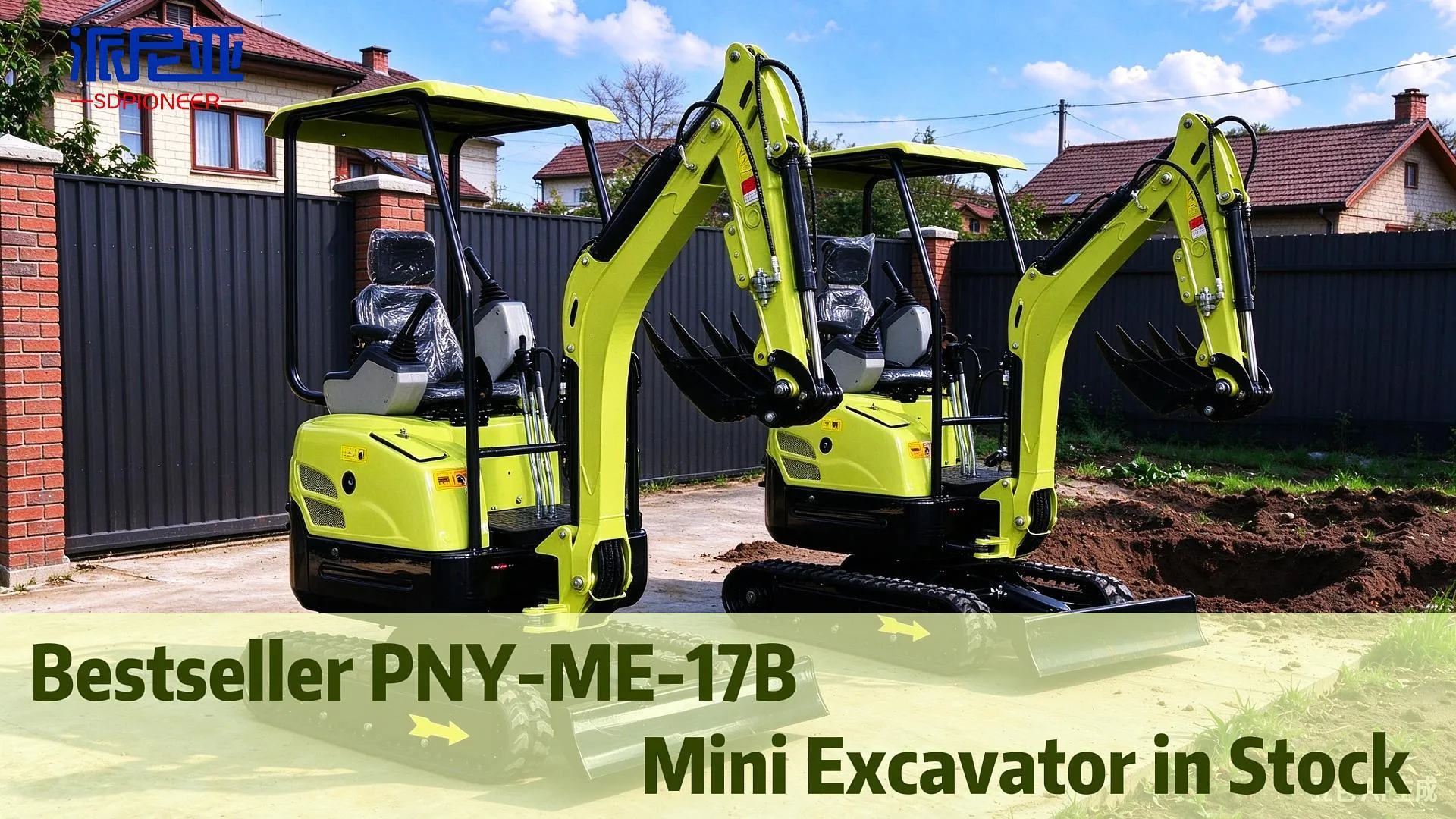
While the previous sections outlined general supplier categories, examining a specific, established manufacturer provides concrete insight into what defines a top-tier partner in 2026. Shandong Hexin (manufacturing) and its overseas trade arm, Shandong Pioneer, exemplify the evolution from a specialized component producer to a comprehensive micro construction machinery provider.
Established in July 2004 in Jining, Shandong Province, the company began with a focused production area of 1,600 square meters. Over two decades of accumulation and technical refinement, the organization expanded its capabilities significantly. In August 2023, reflecting its growth and modernization efforts, the company relocated to a larger, state-of-the-art facility in Ningyang County, Tai’an City. This move was strategic, enabling enhanced production lines for both complete equipment assembly and intelligent energy storage cabinet systems.
What sets this entity apart is its deep-rooted expertise in critical components. Specializing in over 300 types of key excavator parts—including arms, booms, and buckets for small and medium-sized machines—the company possesses an intrinsic understanding of structural integrity that few pure assemblers can match. This component-level mastery translates directly into the durability of their finished micro construction machinery.
The company’s reputation is validated by its clientele, which includes Fortune Global 500 giants such as Komatsu, Caterpillar, Shantui, Sumitomo, XCMG, and Sinotruk. Supplying major players in the industry requires adherence to the most rigorous quality standards, a testament to their manufacturing precision. Today, Shandong Hexin and Shandong Pioneer export globally to markets including the United States, Canada, Germany, and Australia, earning trust through consistent product performance and reliable service.
For buyers seeking the best mini excavator, a supplier with this pedigree offers a unique advantage: the ability to customize based on profound engineering knowledge, backed by a 20-year track record of satisfying the world’s most demanding construction equipment manufacturers.
Technical Comparison of Leading Mini Excavator Specifications
To assist in selecting the best mini excavator, the following table compares the typical specifications found across the top five supplier groups. Note that specific numbers vary by model, but these ranges represent the current industry mainstream for 2026.
| Feature Category | Standard Diesel Models | Electric/Hybrid Models | Heavy-Duty Variants |
|---|---|---|---|
| Operating Weight | 1.5 – 6.0 Tons | 1.8 – 5.5 Tons | 3.0 – 8.0 Tons |
| Digging Depth | 2.0 – 4.0 Meters | 1.8 – 3.8 Meters | 3.5 – 5.0 Meters |
| Engine Emission Tier | Tier 4 Final / Stage V | Zero Emission | Tier 4 Final / Stage V |
| Hydraulic Flow (Aux) | 40 – 70 L/min | 35 – 65 L/min | 70 – 90 L/min |
| Track Width Options | Standard & Retractable | Standard Rubber | Steel or Reinforced Rubber |
| Cab Configuration | ROPS/FOPS Certified | Enclosed with AC | Reinforced Guarding |
This comparison highlights that while diesel models still offer the deepest reach and highest raw power, electric variants are closing the gap rapidly. Heavy-duty variants sacrifice some compactness for enhanced lifting capacity and structural resilience.
Understanding Hydraulic Flow Rates
One of the most overlooked specifications is the auxiliary hydraulic flow. For users intending to use hydraulic breakers, grapples, or rotary cutters, sufficient flow is critical.
The best mini excavator for attachment-heavy work will offer variable flow settings. This allows the operator to match the hydraulic output to the specific tool, preventing damage to sensitive attachments and optimizing performance.
Suppliers who provide standard high-flow circuits without extra charges offer better value. Always verify the pressure rating (typically 250-300 bar) alongside the flow rate to ensure compatibility with professional-grade tools.
Operational Advantages of Factory-Direct Mini Excavators
Purchasing directly from the identified top suppliers unlocks several operational advantages that are unavailable through secondary channels. These benefits extend beyond the initial purchase price and impact the entire lifecycle of the machine.
Warranty Integrity is a primary benefit. Factory-direct purchases come with full manufacturer warranties that are honored globally. Third-party imports often suffer from voided warranties due to unauthorized shipping or modification.
Furthermore, direct buyers gain access to Software Updates. Modern mini excavators rely on engine control modules (ECM) and monitor displays that require periodic firmware updates to fix bugs or improve efficiency. Factories push these updates directly to registered owners.
Customization Capabilities
Factories can tailor machines to specific regional or task-based needs. Common customizations include:
- Lighting Packages: LED work lights configured for night operations.
- Track Materials: Selection between steel, rubber, or composite tracks based on ground conditions.
- Control Patterns: Pre-setting joystick patterns to match ISO or SAE standards depending on the operator’s preference.
- Color Branding: Applying specific corporate colors for fleet identification.
This level of flexibility ensures that the machine fits the job perfectly upon arrival, reducing the need for costly aftermarket modifications.
Common Applications for Modern Mini Excavators
The versatility of the best mini excavator models available in 2026 allows them to penetrate various sectors. Understanding these applications helps buyers justify the investment and select the appropriate configuration.
Urban Infrastructure Maintenance is a dominant use case. With traffic congestion increasing, cities require machinery that can work in narrow lanes and sidewalks without disrupting flow. Zero-tail-swing models are essential here.
Agricultural and Landscaping sectors also rely heavily on mini excavators. Tasks such as digging irrigation trenches, planting trees, and clearing brush are efficiently handled by machines in the 2-to-4-ton range. The ability to switch between buckets and augers makes them indispensable farm tools.
Indoor and Confined Space Demolition
Electric mini excavators have revolutionized indoor renovation projects. Traditional diesel machines cannot operate indoors due to exhaust fumes. Electric models allow for safe demolition of interior walls, floor removal, and basement excavation within occupied buildings.
The low noise profile of these machines also permits work during extended hours in residential areas, adhering to strict local noise ordinances. This capability expands the billing potential for contracting businesses.
Maintenance and Longevity Strategies
Owning a mini excavator from a top-tier supplier is only the first step; maintaining it ensures long-term profitability. The leading manufacturers design their machines with serviceability in mind, grouping filters and drain points for easy access.
Daily Inspections should include checking track tension, hydraulic hose integrity, and fluid levels. Neglecting simple visual checks can lead to catastrophic failures. Top suppliers provide detailed digital manuals that guide operators through these routines.
Hydraulic Fluid Management
The hydraulic system is the most expensive component to repair. Using the correct grade of hydraulic oil and changing it at recommended intervals is crucial. Contamination is the enemy; therefore, keeping caps tight and using clean funnels is a best practice.
Advanced models now feature onboard fluid analysis sensors that alert operators to moisture or metal particles in the oil. This predictive maintenance capability prevents minor issues from escalating into major repairs.
Frequently Asked Questions (FAQ)
What defines the “best” mini excavator for a startup contracting business?
For a startup, the best mini excavator balances affordability with versatility. A model in the 2.5 to 3.5-ton range is usually ideal. It is large enough to handle serious digging yet small enough to be towed by a standard pickup truck. Prioritize a supplier that offers a comprehensive warranty and easily available spare parts to minimize downtime risks.
Are electric mini excavators powerful enough for professional use?
Yes, modern electric mini excavators deliver instant torque, often providing superior digging force compared to similarly sized diesel models. While their runtime is limited by battery capacity, they are perfect for shift-based work in urban environments. For continuous 24-hour operations, diesel or hybrid models may still be preferable.
How does factory-direct pricing compare to local dealer pricing?
Factory-direct pricing typically offers savings of 20% or more by removing distributor markups. However, buyers must account for shipping costs, import duties, and initial setup. When these factors are included, the total cost is still generally lower, and the buyer retains a direct relationship with the manufacturer for support.
Can I customize the attachments when ordering directly from the factory?
Absolutely. One of the main advantages of dealing with top suppliers is the ability to specify attachments at the time of manufacture. You can order the machine with a specific quick coupler, hammer lines, and even pre-installed attachments like augers or thumbs, ensuring full compatibility and warranty coverage.
What is the typical lead time for factory-direct orders in 2026?
Lead times vary based on customization and production schedules. Standard models often ship within 30 to 45 days. Highly customized units or electric models with specific battery configurations may take 60 to 90 days. Planning ahead is essential to align delivery with project start dates.
Final Verdict: Making the Right Choice
Selecting the best mini excavator in 2026 is a strategic decision that impacts operational efficiency and profitability. The top five supplier groups identified in this guide, along with established manufacturers like Shandong Hexin, represent the pinnacle of current manufacturing excellence, offering a blend of durability, technological innovation, and cost-effectiveness.
For businesses focused on urban utility work, the compact and electric models from the innovation-focused suppliers are the clear winners. Conversely, those in heavy construction or rental fleets should lean towards the heavy-duty undercarriage experts who prioritize longevity over features.
The shift to factory-direct purchasing empowers buyers with greater control over specifications and costs. By leveraging the insights provided in this analysis, you can navigate the market with confidence, avoiding common pitfalls associated with inferior machinery.
Next Steps for Buyers: Evaluate your specific job site requirements regarding weight limits and emission zones. Contact the shortlisted supplier groups to request detailed specification sheets and quotes. Prioritize suppliers who demonstrate transparent communication and robust after-sales support structures. Investing time in this selection process will yield a machine that serves as a reliable asset for years to come.


Please leave us a message


