



- English
- Chinese
- French
- German
- Portuguese
- Spanish
- Russian
- Japanese
- Korean
- Arabic
- Irish
- Greek
- Turkish
- Italian
- Danish
- Romanian
- Indonesian
- Czech
- Afrikaans
- Swedish
- Polish
- Basque
- Catalan
- Esperanto
- Hindi
- Lao
- Albanian
- Amharic
- Armenian
- Azerbaijani
- Belarusian
- Bengali
- Bosnian
- Bulgarian
- Cebuano
- Chichewa
- Corsican
- Croatian
- Dutch
- Estonian
- Filipino
- Finnish
- Frisian
- Galician
- Georgian
- Gujarati
- Haitian
- Hausa
- Hawaiian
- Hebrew
- Hmong
- Hungarian
- Icelandic
- Igbo
- Javanese
- Kannada
- Kazakh
- Khmer
- Kurdish
- Kyrgyz
- Latin
- Latvian
- Lithuanian
- Luxembou..
- Macedonian
- Malagasy
- Malay
- Malayalam
- Maltese
- Maori
- Marathi
- Mongolian
- Burmese
- Nepali
- Norwegian
- Pashto
- Persian
- Punjabi
- Serbian
- Sesotho
- Sinhala
- Slovak
- Slovenian
- Somali
- Scots Gaelic
- Shona
- Sindhi
- Sundanese
- Swahili
- Tajik
- Tamil
- Telugu
- Thai
- Ukrainian
- Urdu
- Uzbek
- Vietnamese
- Welsh
- Xhosa
- Yiddish
- Yoruba
- Zulu
- Kinyarwanda
- Tatar
- Oriya
- Turkmen
- Uyghur


Top Mini Excavator for Rent Suppliers: Best Factory Direct Rates
2026-06-23
- Understanding the Value of Factory-Direct Mini Excavator Rentals
- Critical Factors When Selecting a Mini Excavator
- Operational Advantages of Modern Mini Excavators
- Step-by-Step Guide to Securing the Best Rental Rates
- Comparative Analysis: Rental vs. Purchase for Short-Term Projects
- The Advantage of Partnering with Established Manufacturers
- Common Applications for Rented Mini Excavators
- Troubleshooting and On-Site Best Practices
- Frequently Asked Questions (FAQ)
- Maximizing Efficiency with the Right Equipment Choice
- Conclusion and Next Steps
Finding the right mini excavator for rent is critical for project efficiency and budget control. The most cost-effective strategy involves sourcing directly from established manufacturers rather than third-party intermediaries. Factory-direct rates typically eliminate markup fees, offering access to newer models with verified maintenance histories. This approach ensures operators receive reliable machinery tailored to specific job site requirements, from tight urban renovations to large-scale landscaping projects.
Understanding the Value of Factory-Direct Mini Excavator Rentals
The construction equipment rental market has evolved significantly. Traditionally, contractors relied on local dealerships or general equipment yards. However, a shift toward factory-direct rental programs is gaining traction among industry professionals. These programs connect renters directly with the source of manufacturing, bypassing multiple layers of distribution.
When you seek a mini excavator for rent through a factory channel, you gain immediate access to the latest technological advancements. Manufacturers maintain their fleets to rigorous standards to protect brand reputation. This often results in machines with lower hour counts and more consistent service intervals compared to units circulated through general rental houses.
Cost transparency is another major advantage. Third-party vendors often add administrative fees, delivery surcharges, and insurance markups that are not immediately apparent. Direct engagement allows for clearer pricing structures. Clients can negotiate terms based on project duration and specific attachment needs without hidden costs eroding the budget.
Furthermore, factory support teams possess deep technical knowledge. If a machine encounters an issue, the resolution path is direct. There is no ambiguity about warranty coverage or authorized repair protocols. This level of support minimizes downtime, a crucial factor when operating on tight schedules.
Key Differences Between Dealer and Factory Rental Models
Understanding the operational differences helps in making an informed decision. While local dealers offer convenience, factory programs provide scale and specialization.
- Inventory Freshness: Factory fleets are regularly rotated, ensuring access to recent model years with updated emissions compliance and safety features.
- Customization: Direct suppliers can often configure machines with specific buckets, breakers, or grading lasers before delivery.
- Pricing Consistency: Rates are often standardized across regions, preventing price gouging during peak construction seasons.
- Technical Expertise: Support staff are trained by the engineers who designed the equipment, offering superior troubleshooting advice.
Critical Factors When Selecting a Mini Excavator
Choosing the appropriate mini excavator for rent requires a detailed analysis of job site constraints and task requirements. Not all compact machines are created equal. Dimensions, weight, and hydraulic output vary significantly even within the same weight class.
The primary consideration is physical access. Urban job sites often have narrow gates or limited indoor clearance. In these scenarios, the machine’s tail swing radius becomes the defining factor. Zero-tail-swing models allow the counterweight to remain within the track width during rotation, enabling operation in confined spaces without damaging surrounding structures.
Ground pressure is equally important. Soft terrain, such as freshly graded soil or landscaped areas, requires machines with wider tracks or rubber pads to distribute weight evenly. Excessive ground pressure can lead to sinking or turf damage, resulting in costly remediation work post-project.
Hydraulic capacity dictates attachment compatibility. Projects requiring augers, tilt rotators, or hydraulic breakers need sufficient flow rates (GPM) and pressure (PSI). Renting a base model without auxiliary hydraulics can halt progress if the necessary tools cannot be powered effectively.
Evaluating Weight Classes and Job Suitability
Mini excavators generally fall into distinct weight categories, each serving different operational niches. Selecting the wrong size can lead to inefficiency or inability to complete the task.
- Micro Excavators (Under 1 Ton): Ideal for interior demolition, basement digging, and extremely tight residential backyards. These can often fit through standard doorways.
- Compact Class (1 to 3 Tons): The most versatile range for landscaping, utility installation, and small foundation work. They balance power with portability.
- Mid-Size Mini (3 to 6 Tons): Suitable for heavier digging, deeper trenching, and lifting heavier materials. Often used in commercial parking lot upgrades and larger residential projects.
- Large Mini (6 to 10 Tons): Approaching full-size excavator capabilities but with a smaller footprint. Used for significant earthmoving where space is still somewhat restricted.
Operational Advantages of Modern Mini Excavators
Modern engineering has transformed mini excavators from simple digging tools into sophisticated multi-function platforms. When renting, it is essential to understand these capabilities to maximize productivity.
Advanced Hydraulic Systems are now standard in premium rental fleets. Load-sensing hydraulics adjust pump flow based on demand, improving fuel efficiency and providing smoother control. This precision is vital when working near underground utilities or delicate structures.
Cab ergonomics have also improved dramatically. Reduced vibration levels and climate-controlled environments decrease operator fatigue. A comfortable operator works more safely and efficiently, reducing the risk of accidents caused by lapses in concentration.
Safety features are non-negotiable. Current mainstream models include automatic engine shut-off systems, rear-view cameras, and proximity sensors. These technologies protect both the operator and ground personnel, especially in noisy or visually obstructed environments.
Attachment Versatility and Quick Couplers
The true power of a mini excavator for rent lies in its ability to swap attachments rapidly. Most modern units come equipped with quick coupler systems, allowing operators to change tools in minutes without leaving the cab.
Common attachments available through factory-direct programs include:
- Hydraulic Breakers: For breaking concrete, asphalt, or rock.
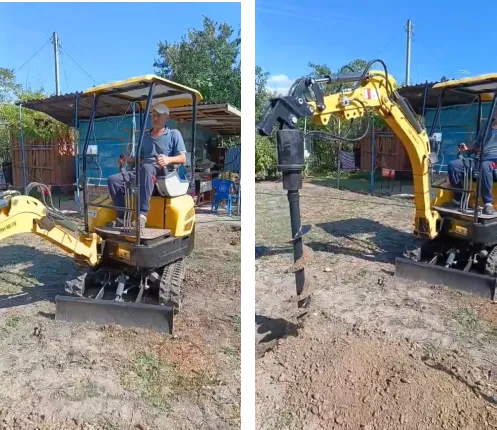
- Augers: Essential for fencing, planting trees, or setting posts.
- Tilt Rotators: Provide 360-degree rotation and tilting, offering unparalleled flexibility for grading and ditch cleaning.
- Grapples: Used for sorting debris, handling logs, or clearing brush.
- Compaction Wheels: Allow for trench backfilling and soil compaction in narrow spaces where rollers cannot reach.
Step-by-Step Guide to Securing the Best Rental Rates
Navigating the rental process effectively ensures you secure the best equipment at the most competitive price. Following a structured approach minimizes delays and unexpected costs.
Step 1: Define Project Scope Clearly
Before contacting suppliers, outline the exact duration of the rental, the type of material to be excavated, and any spatial limitations. Having this data ready demonstrates professionalism and allows the supplier to recommend the precise model needed.
Step 2: Request Factory-Direct Quotes
Reach out directly to manufacturing representatives or their authorized rental divisions. Avoid aggregators that act as middlemen. Ask specifically for “fleet rates” or “long-term project pricing” if the rental exceeds one week.
Step 3: Verify Maintenance Records
Request proof of recent servicing. A reputable factory program will provide digital logs showing oil changes, filter replacements, and hydraulic inspections. This verifies the machine’s reliability before it arrives on site.
Step 4: Confirm Delivery and Logistics
Clarify who handles transportation. While some factory programs include delivery in the rate, others may charge separately. Ensure the delivery truck can access your site, especially if location constraints exist.
Step 5: Review Insurance and Liability Terms
Understand the damage waiver options. Factory direct deals often offer flexible insurance packages that can be more comprehensive than third-party offerings. Clarify what constitutes “normal wear and tear” versus billable damage.
Comparative Analysis: Rental vs. Purchase for Short-Term Projects
Contractors often debate whether to rent or buy. For many scenarios, particularly those involving specialized tasks or fluctuating workloads, renting proves superior. The following table highlights the key distinctions.
| Feature | Factory-Direct Rental | Equipment Purchase |
|---|---|---|
| Upfront Capital | Low; pay only for usage period | High; requires significant investment or financing |
| Maintenance Responsibility | Supplier handles major repairs and servicing | Owner bears all maintenance costs and downtime |
| Technology Access | Access to latest models with new features | Risk of owning obsolete technology over time |
| Tax Implications | Fully deductible as an operating expense | Depreciated over several years; complex accounting |
| Storage Requirements | None; returned after project completion | Requires secure yard space and security measures |
| Flexibility | Swap models based on changing job needs | Limited to the capabilities of the owned unit |
This comparison illustrates that for projects lasting less than six months, or for tasks requiring specific attachments not frequently used, the mini excavator for rent model offers superior financial logic. It converts fixed assets into variable costs, preserving cash flow for other critical business areas.
The Advantage of Partnering with Established Manufacturers
When evaluating potential factory-direct partners, the depth of experience and global reach of the manufacturer plays a pivotal role. A prime example of such reliability is found in companies like Shandong Hexin and its overseas trade division, Shandong Pioneer. Established in July 2004 in Jining, Shandong Province, this manufacturing entity began with a 1,600-square-meter production facility. Over two decades of accumulation and development, the company expanded its capabilities significantly, relocating in August 2023 to a larger, state-of-the-art facility in Ningyang County, Tai’an City.
With a specialization in producing over 300 types of key excavator components—including arms, booms, and buckets—the company covers a comprehensive range of small- and medium-sized excavators and complete equipment assembly. Their product line has evolved to include intelligent energy storage cabinet systems and advanced micro construction machinery, aligning perfectly with the modern demand for efficient, eco-friendly equipment. This commitment to quality has earned them the trust of Fortune Global 500 clients such as Komatsu, Caterpillar, XCMG, Shantui, Sumitomo, and Sinotruk.
By exporting to numerous countries including the United States, Canada, Germany, and Australia, these manufacturers have proven their ability to meet diverse international standards. For a contractor seeking a mini excavator for rent, partnering with a supplier backed by this level of industrial pedigree ensures access to machinery that is not only robust and technologically advanced but also supported by a global network of expertise. The synergy between rigorous manufacturing processes and customer-centric service creates a rental experience defined by uptime and performance.
Common Applications for Rented Mini Excavators
The versatility of mini excavators makes them indispensable across various industries. Understanding these applications helps in selecting the right configuration.
Utility Installation and Repair
Water, gas, and fiber optic lines often require precise trenching in populated areas. Mini excavators can dig narrow trenches with minimal surface disruption. Their ability to work close to existing infrastructure without causing collateral damage is unmatched.
Landscaping and Hardscaping
From digging ponds and planting large trees to installing retaining walls, landscapers rely on these machines. The low ground pressure preserves lawns, while the precision allows for artistic shaping of terrain.
Urban Demolition
In city centers, space is premium. Mini excavators equipped with breakers can dismantle concrete structures indoors or in alleyways where larger machinery cannot fit. Dust suppression systems can often be added to comply with strict urban air quality regulations.
Agricultural Uses
Farmers utilize mini excavators for fence post installation, irrigation ditch cleaning, and barn cleanup. The ability to switch between an auger and a bucket makes them a single-season solution for diverse farm maintenance tasks.
Industry Trends Influencing Rental Demand
Current market trends indicate a rising preference for renting. Labor shortages have increased the value of efficient, easy-to-operate machinery. Operators prefer machines with intuitive controls and advanced assists, which are more readily available in newer rental fleets.
Additionally, environmental regulations are tightening. Many cities now mandate the use of Tier 4 Final or Stage V compliant engines to reduce emissions. Renting ensures compliance without the need to upgrade an entire owned fleet prematurely.
Troubleshooting and On-Site Best Practices
Even with high-quality rental equipment, proper operation is essential to prevent issues. Adhering to best practices ensures the project runs smoothly and avoids additional charges for misuse.
Daily Inspection Protocols
Before starting the engine every day, perform a walk-around inspection. Check fluid levels, inspect tracks for tension and damage, and look for hydraulic leaks. Report any anomalies to the supplier immediately. Early detection prevents minor issues from becoming major breakdowns.
Proper Warm-Up Procedures
Hydraulic systems require warm-up, especially in colder climates. Run the engine at idle for a few minutes and cycle the boom and arm gently. This circulates oil and prevents seal damage caused by cold, viscous fluid.
Avoiding Overloading
Respect the lift chart specifications. Attempting to lift loads beyond the machine’s capacity at a given radius can cause tipping or structural failure. Factory-rented units often have load moment indicators; heed their warnings.
Frequently Asked Questions (FAQ)
Addressing common queries helps clarify the rental process and sets realistic expectations for potential clients.
What is the minimum rental period for a factory-direct mini excavator?
While policies vary, many factory programs offer daily, weekly, and monthly rates. However, to qualify for the best “factory direct” pricing, a minimum rental period of one week is often required. Short-term daily rentals may be available but usually carry a higher per-day cost.
Can I operate the mini excavator myself, or do I need a certified operator?
Regulations depend on your location and the job site requirements. In many jurisdictions, private property owners can operate their own equipment. However, commercial sites typically require OSHA-compliant training or certification. Factory suppliers often offer brief orientation sessions but rarely provide full certification courses as part of the rental package.
What happens if the machine breaks down during the rental period?
One of the primary benefits of factory-direct rental is robust support. Most agreements include a replacement guarantee. If the machine fails due to mechanical issues not caused by operator negligence, the supplier will typically dispatch a replacement unit within 24 hours to minimize project downtime.
Are attachments included in the standard rental rate?
Generally, the base rate includes the machine and a standard digging bucket. Specialized attachments like breakers, augers, or grapples usually incur an additional daily or weekly fee. It is advisable to bundle these requirements when negotiating the initial quote to secure a better overall rate.
How far in advance should I book a mini excavator?
During peak construction seasons (spring through autumn), inventory moves quickly. It is recommended to book at least two weeks in advance to ensure availability of the specific model and attachments needed. Last-minute requests may be fulfilled but could limit model choices.
Maximizing Efficiency with the Right Equipment Choice
Selecting the correct mini excavator for rent is more than a logistical step; it is a strategic decision that impacts the entire project lifecycle. The synergy between the right machine specifications and factory-direct support creates a framework for success.
By leveraging direct relationships with manufacturers, contractors gain access to superior technology, transparent pricing, and expert guidance. This eliminates the guesswork often associated with third-party rentals. The result is a streamlined workflow where equipment performance aligns perfectly with project demands.
Moreover, the flexibility to scale up or down based on project phases allows businesses to remain agile. Whether tackling a single weekend driveway project or a month-long utility installation, the rental model adapts to the scope without tying up capital in depreciating assets.
Conclusion and Next Steps
In summary, securing a mini excavator for rent through factory-direct channels offers undeniable advantages in cost, reliability, and support. It is the optimal choice for professionals who prioritize uptime and budget certainty. The elimination of intermediary markups and the assurance of well-maintained, modern machinery provide a competitive edge in today’s demanding construction environment.
This approach is ideally suited for:
- Contractors managing multiple short-term projects with varying equipment needs.
- Businesses looking to avoid the overhead of storage, maintenance, and depreciation.
- Projects requiring specialized attachments or the latest emission-compliant engines.
- Organizations seeking predictable costing without hidden fees.
To move forward, assess your upcoming project requirements regarding duration, terrain, and necessary attachments. Reach out to established manufacturing partners directly to request a customized quote. Prioritize suppliers who demonstrate a commitment to fleet freshness and responsive technical support. By taking these steps, you ensure your next project is built on a foundation of efficiency and reliability.

Please leave us a message


