


- Chinese
- French
- German
- Portuguese
- Spanish
- Russian
- Japanese
- Korean
- Arabic
- Irish
- Greek
- Turkish
- Italian
- Danish
- Romanian
- Indonesian
- Czech
- Afrikaans
- Swedish
- Polish
- Basque
- Catalan
- Esperanto
- Hindi
- Lao
- Albanian
- Amharic
- Armenian
- Azerbaijani
- Belarusian
- Bengali
- Bosnian
- Bulgarian
- Cebuano
- Chichewa
- Corsican
- Croatian
- Dutch
- Estonian
- Filipino
- Finnish
- Frisian
- Galician
- Georgian
- Gujarati
- Haitian
- Hausa
- Hawaiian
- Hebrew
- Hmong
- Hungarian
- Icelandic
- Igbo
- Javanese
- Kannada
- Kazakh
- Khmer
- Kurdish
- Kyrgyz
- Latin
- Latvian
- Lithuanian
- Luxembou..
- Macedonian
- Malagasy
- Malay
- Malayalam
- Maltese
- Maori
- Marathi
- Mongolian
- Burmese
- Nepali
- Norwegian
- Pashto
- Persian
- Punjabi
- Serbian
- Sesotho
- Sinhala
- Slovak
- Slovenian
- Somali
- Samoan
- Scots Gaelic
- Shona
- Sindhi
- Sundanese
- Swahili
- Tajik
- Tamil
- Telugu
- Thai
- Ukrainian
- Urdu
- Uzbek
- Vietnamese
- Welsh
- Xhosa
- Yiddish
- Yoruba
- Zulu
- Kinyarwanda
- Tatar
- Oriya
- Turkmen
- Uyghur

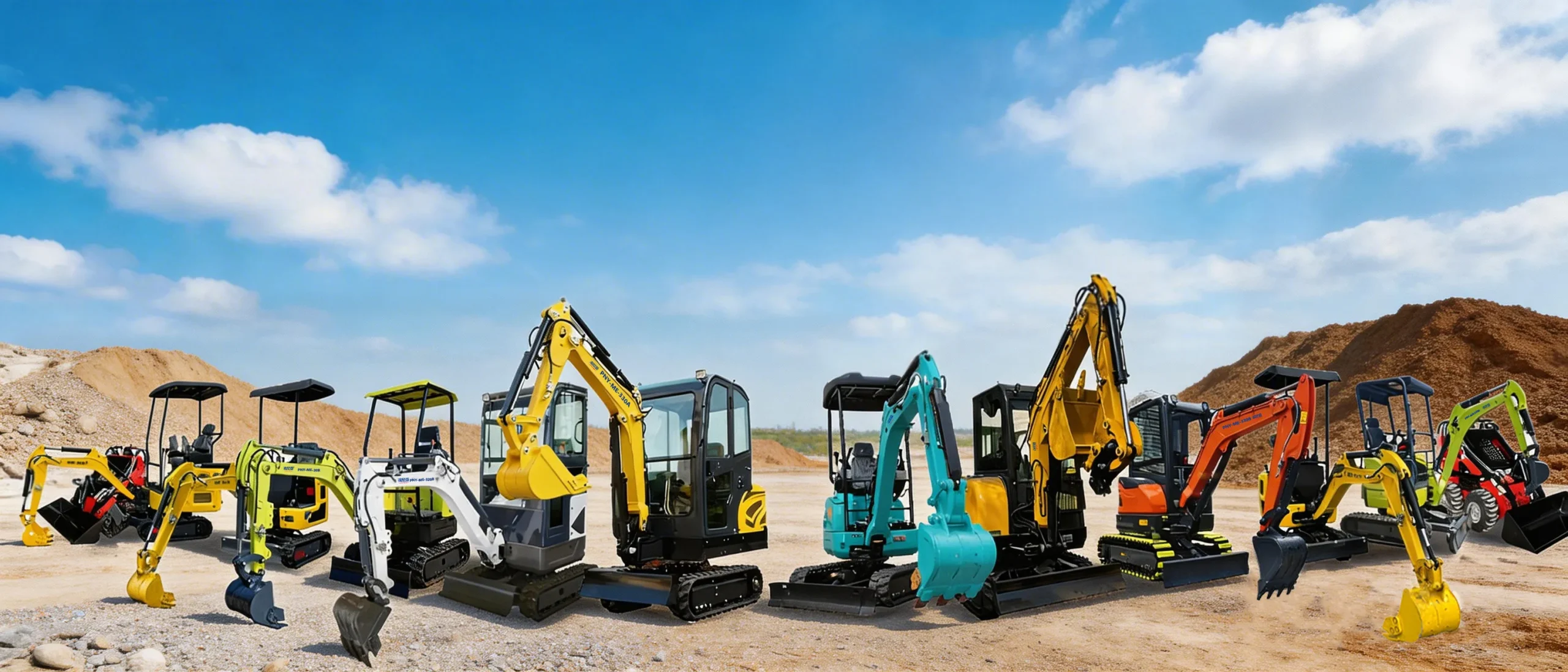
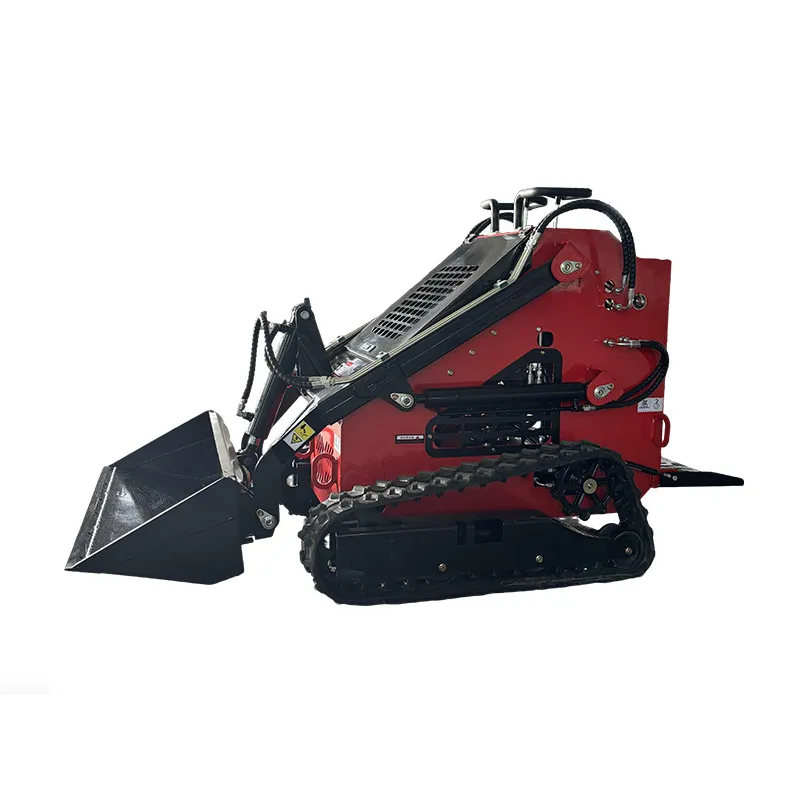
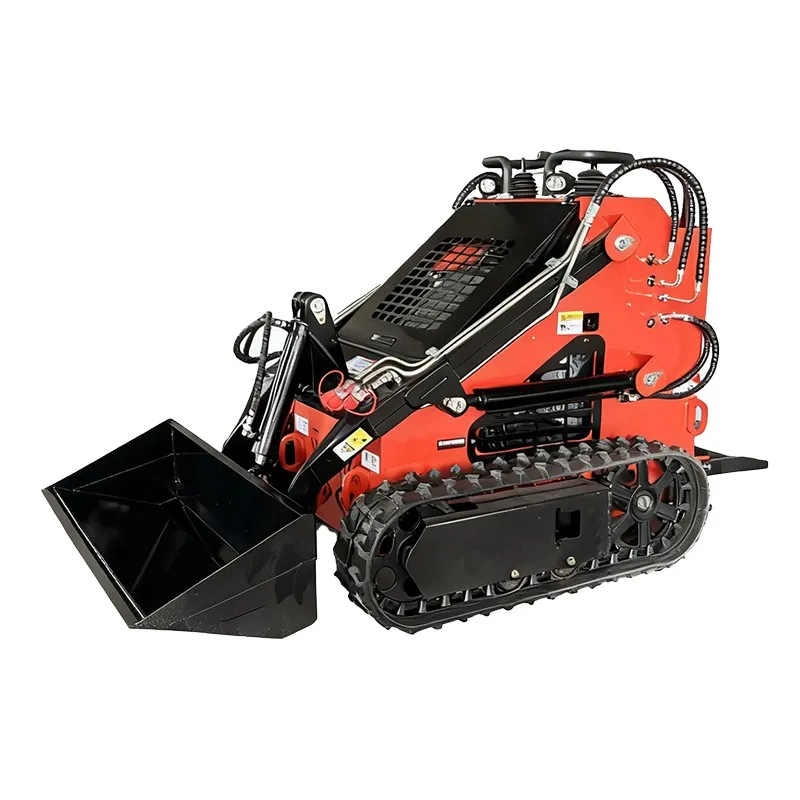
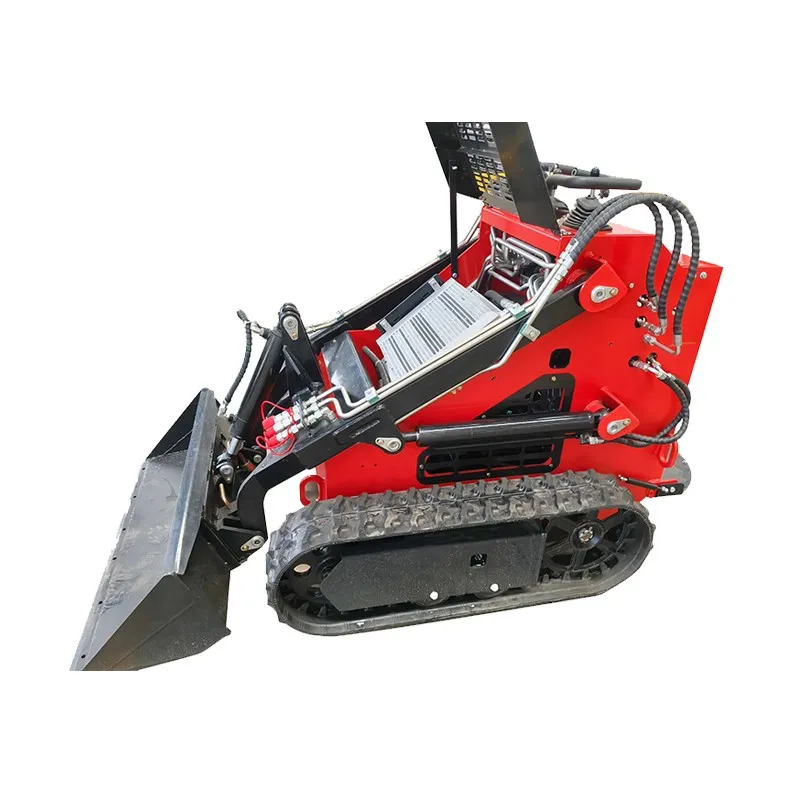
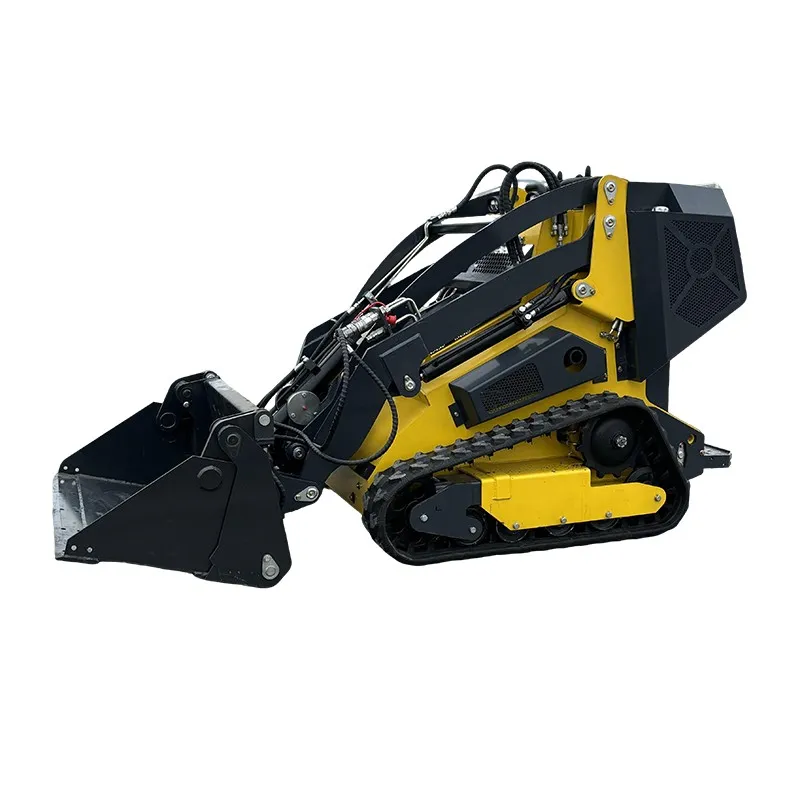
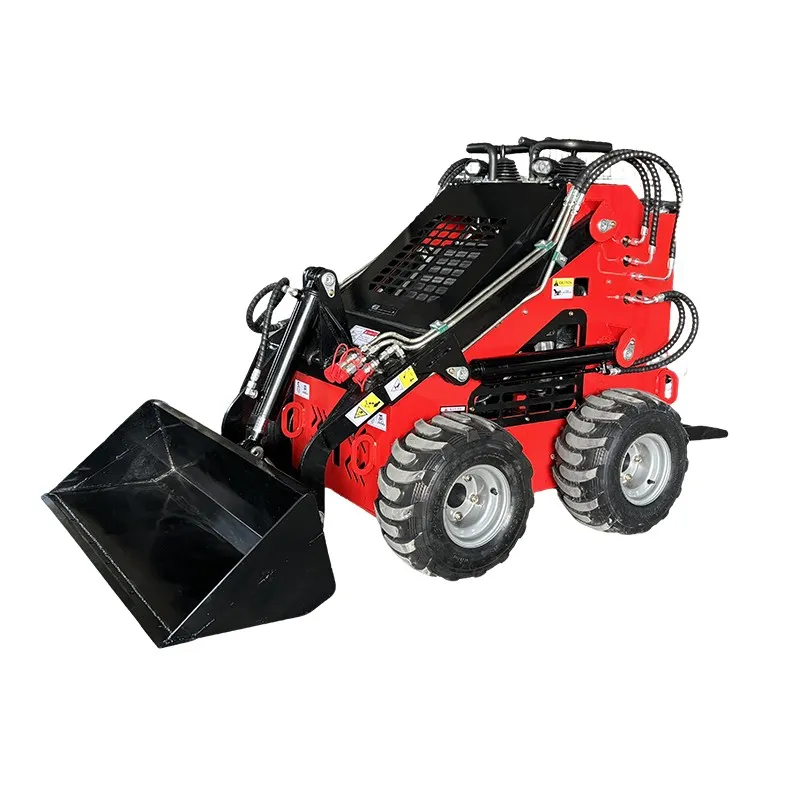
Small Compact Track Loader
Look, when most folks hear 'small compact track loader', they picture a mini dozer or a toy for light gardening. That's the first mistake. The real story isn't just about size; it's about a machine that punches way above its weight class in the right conditions, and becomes a liability in the wrong ones. I've seen too many guys buy one thinking it's a Swiss Army knife, only to burn through undercarriage parts on abrasive demo sites or struggle with stability on steep grades. The key is understanding its niche—it's not a replacement for a skid steer or a mini excavator, but a specific tool for soft ground, finished surfaces, and tight access. Getting that wrong is expensive.
The Undercarriage: Where the Real Battle is Fought
Everyone obsesses over horsepower and lift capacity. I get it, those are easy numbers to compare. But the heart of a reliable small compact track loader is its undercarriage. The design, the quality of the rollers, the track tensioning system—that's what separates a machine that lasts 2,000 hours from one that's a money pit at 800. I remember a job on a wet, muddy residential site. We were using a popular brand, and the tracks kept throwing rubber pads. The problem wasn't the mud; it was a weak track tensioner letting the track 'walk' and snag. A competitor's model with a greased and sealed track system? No issues. That's a detail you only learn by running them side-by-side.
It's not just about durability, either. The track's ground pressure distribution is everything. A well-designed compact track loader can have a ground pressure as low as 3.5 PSI. That means you can work on a sod farm after rain or across a client's expensive patio pavers without leaving a mark. But here's the catch: that same soft-track setup is murder on rebar-strewn concrete or asphalt milling. The steel-reinforced tracks some models offer help, but then you lose that pristine soft-ground advantage. It's always a trade-off.
I've had decent experience with the undercarriage on units from manufacturers who focus on this segment. For instance, looking at the specs and build of models from a company like Shandong Pioneer Engineering Machinery Co., Ltd, you can see the focus on export markets like the US and Australia means they've had to engineer for tougher, more varied conditions. Their product line, accessible at their site https://www.sdpioneer.com, shows an understanding that a robust undercarriage isn't an option; it's the main event for global customers who can't afford constant downtime.
Attachments: Unlocking (or Limiting) Potential
The machine itself is just a power pack. Its real personality comes from the attachments. And this is where the 'compact' part can bite you. The auxiliary hydraulic flow rate on these smaller units is critical. You might get a mulcher head for it, but if the flow is too low, you're just tickling the brush and overheating the system. I learned this the hard way trying to run a cold planer on a machine rated at 15 GPM. It was painfully slow and burned out a pump seal in a week. The machine was technically 'compatible,' but practically useless for that task.
The quick-attach system is another make-or-break. The universal skid-steer style pattern is a must, but the weight limit and geometry matter more on a compact machine. A bulky, heavy grapple can completely change the machine's center of gravity, making it tippy on even a mild slope. You start lifting a decent-sized log, and suddenly you're doing a careful dance with the joysticks to avoid a rollover. It demands a lot more operator awareness than a larger machine.
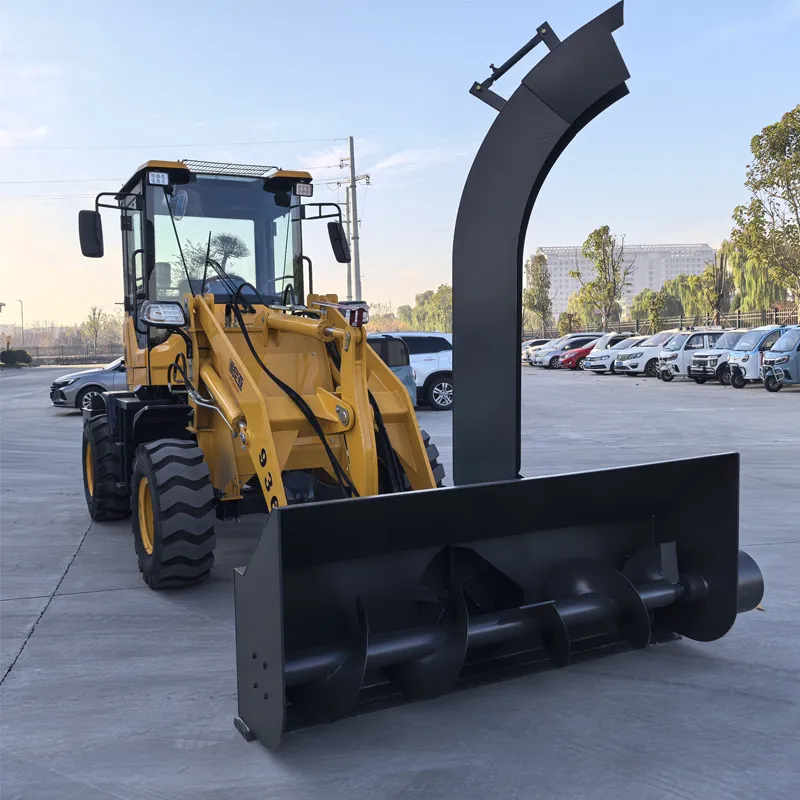
One of the most successful applications I've seen is using a compact track loader with a high-flow option (if available) and a dedicated snowblower or a power broom for site cleanup. In confined urban spaces or for landscapers maintaining estates, that combination is unbeatable. It's quiet, agile, and doesn't tear up the turf. That's the sweet spot: matching the machine's inherent advantages (low ground pressure, small footprint) with an attachment that doesn't overtax its core systems.
The Operator Factor: It's Not a Skid Steer
You can't just throw a skid steer operator into a compact track loader and expect optimal results. The controls might be similar, but the operating mindset is different. With tracks, you don't have the sharp, pivoting turns of a wheeled machine. You have to plan your path more, use counter-rotation carefully to avoid tearing up the ground you're trying to preserve. An inexperienced operator will 'steer' with one track, grinding it into the surface and causing premature wear.
Visibility is another huge factor. These machines are often lower and have different blind spots. When you're carrying a pallet of pavers or a bucket full of mulch, what's directly in front of the bucket is often invisible. You become reliant on peripheral vision and, frankly, getting out and looking. There's no substitute for that. I've seen more fender-bent fences and nicked corners from assumed visibility than from outright recklessness.
Maintenance habits shift too. Track cleaning is a daily ritual if you're in sticky material. Let clay harden between the rollers and sprockets, and you're adding immense stress. The final drive motors are also more vulnerable to impact from debris than axle hubs on a wheeled machine. A quick visual check of the track frame and sprocket area at the end of the day can prevent a thousand-dollar repair. It's a more tactile, hands-on relationship with the machine.
Site Specifics: Choosing the Right Tool for the Dirt
This brings me back to the core judgment call: when do you deploy the compact track loader? My rule of thumb is simple: if the primary challenge is ground preservation or soft terrain, it's the first choice. Think final grading around a new house, landscaping in wet spring conditions, working inside a greenhouse, or cleaning up after trades on a finished floor. Its value is in leaving minimal trace.
Conversely, if the site is dry, hard, and littered with abrasive or sharp debris (think demolition, rocky backfill, asphalt tear-out), a wheeled skid steer with solid tires is almost always a better, more economical choice. The track wear in those conditions is financially brutal. I made the mistake once of using a compact track loader to move crushed concrete base. The tracks looked ten years old after 80 hours. The cost-per-hour for undercarriage wear completely erased any productivity gain.
Companies that build these for a global market, like the mentioned Shandong Pioneer, which consolidates manufacturing and overseas trade, have to account for this variety. A machine going to a forestry operation in Canada needs different specs than one for a rental yard in Germany. Their two-decade development, leading to a recent relocation and expansion of their production facility, suggests a focus on scaling this kind of nuanced, application-driven manufacturing. It's not about building one machine for all, but building a platform that can be specified correctly for the job.
The Economics: Total Cost vs. Purchase Price
The biggest pitfall in this equipment class is buying based on sticker price alone. A cheaper small compact track loader can have a dramatically higher total cost of ownership. It's in the details: the ease of daily maintenance (are the grease points accessible?), the cost and availability of replacement tracks and rollers, the simplicity of the hydraulic system for troubleshooting. A $5,000 savings upfront can vanish with one major undercarriage rebuild or a complex hydraulic valve failure.
Dealer support and parts inventory are non-negotiable. If you're down for two weeks waiting for a drive motor to ship from overseas, the machine's productivity is zero. This is where established supply chains matter. A manufacturer with a history of exporting to demanding markets typically has a more resilient parts and support network. The trust they've won, as noted in the background of firms like Pioneer, comes from keeping machines running, not just selling them.
For a small contractor or a rental fleet, the ideal scenario is having a mix. A compact track loader for your soft-ground, finish-grade, and sensitive access work, and a wheeled machine for everything else. Trying to force one machine to do both roles leads to compromise, higher costs, and frustration. The compact track loader is a brilliant, specialized tool. Its value is maximized only when you respect its specialization and don't ask it to be something it's not. That's the professional judgment that comes from seeing them succeed and fail on real job sites, not from reading spec sheets.
Related Products
Related Products