- Chinese
- French
- German
- Portuguese
- Spanish
- Russian
- Japanese
- Korean
- Arabic
- Irish
- Greek
- Turkish
- Italian
- Danish
- Romanian
- Indonesian
- Czech
- Afrikaans
- Swedish
- Polish
- Basque
- Catalan
- Esperanto
- Hindi
- Lao
- Albanian
- Amharic
- Armenian
- Azerbaijani
- Belarusian
- Bengali
- Bosnian
- Bulgarian
- Cebuano
- Chichewa
- Corsican
- Croatian
- Dutch
- Estonian
- Filipino
- Finnish
- Frisian
- Galician
- Georgian
- Gujarati
- Haitian
- Hausa
- Hawaiian
- Hebrew
- Hmong
- Hungarian
- Icelandic
- Igbo
- Javanese
- Kannada
- Kazakh
- Khmer
- Kurdish
- Kyrgyz
- Latin
- Latvian
- Lithuanian
- Luxembou..
- Macedonian
- Malagasy
- Malay
- Malayalam
- Maltese
- Maori
- Marathi
- Mongolian
- Burmese
- Nepali
- Norwegian
- Pashto
- Persian
- Punjabi
- Serbian
- Sesotho
- Sinhala
- Slovak
- Slovenian
- Somali
- Samoan
- Scots Gaelic
- Shona
- Sindhi
- Sundanese
- Swahili
- Tajik
- Tamil
- Telugu
- Thai
- Ukrainian
- Urdu
- Uzbek
- Vietnamese
- Welsh
- Xhosa
- Yiddish
- Yoruba
- Zulu
- Kinyarwanda
- Tatar
- Oriya
- Turkmen
- Uyghur

small construction equipment
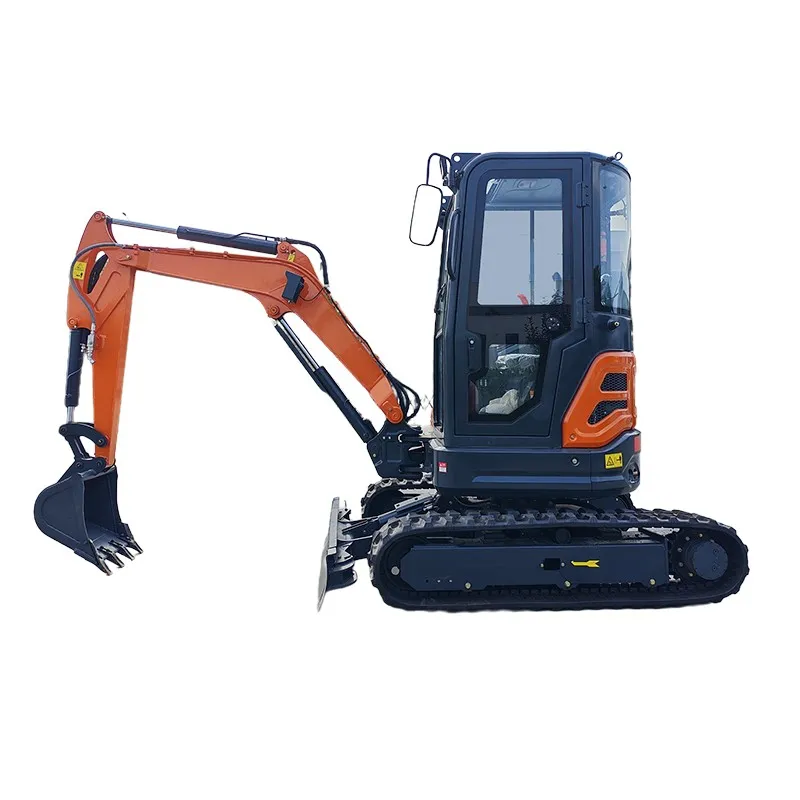
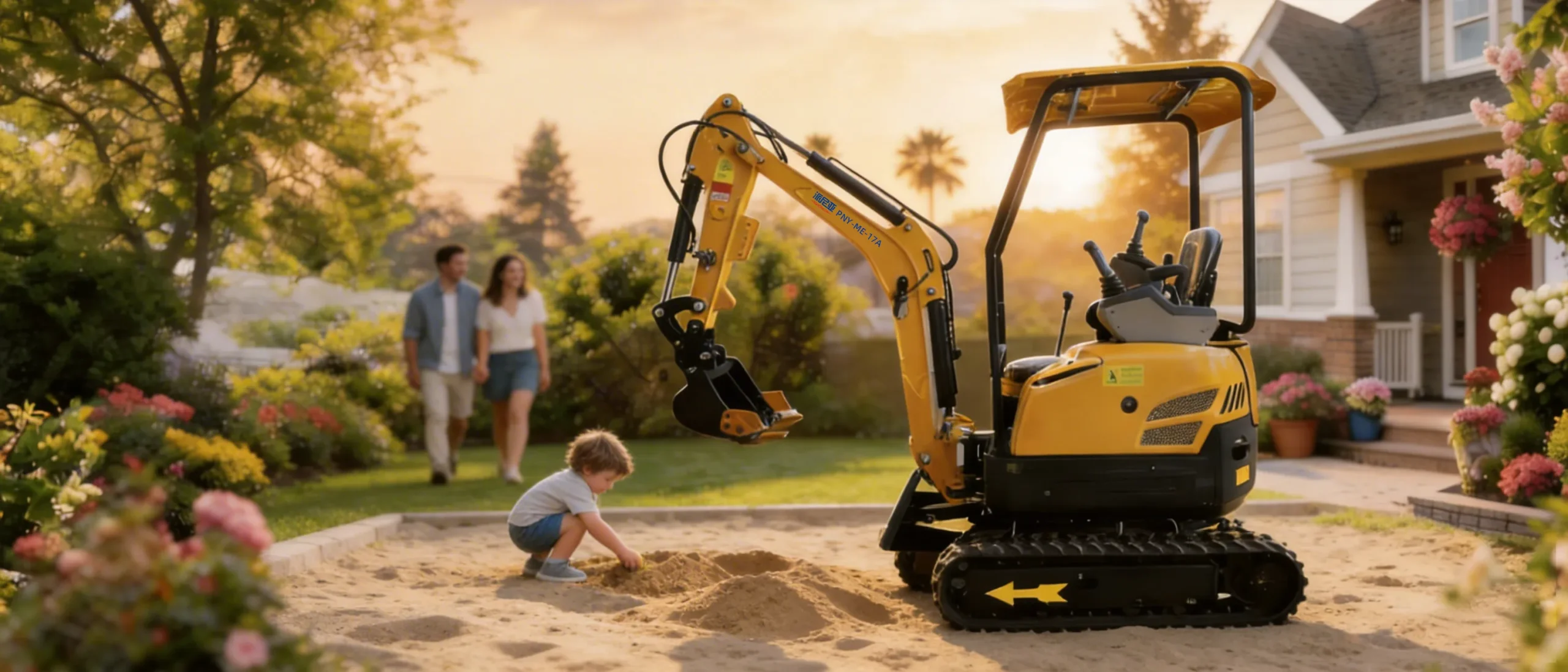
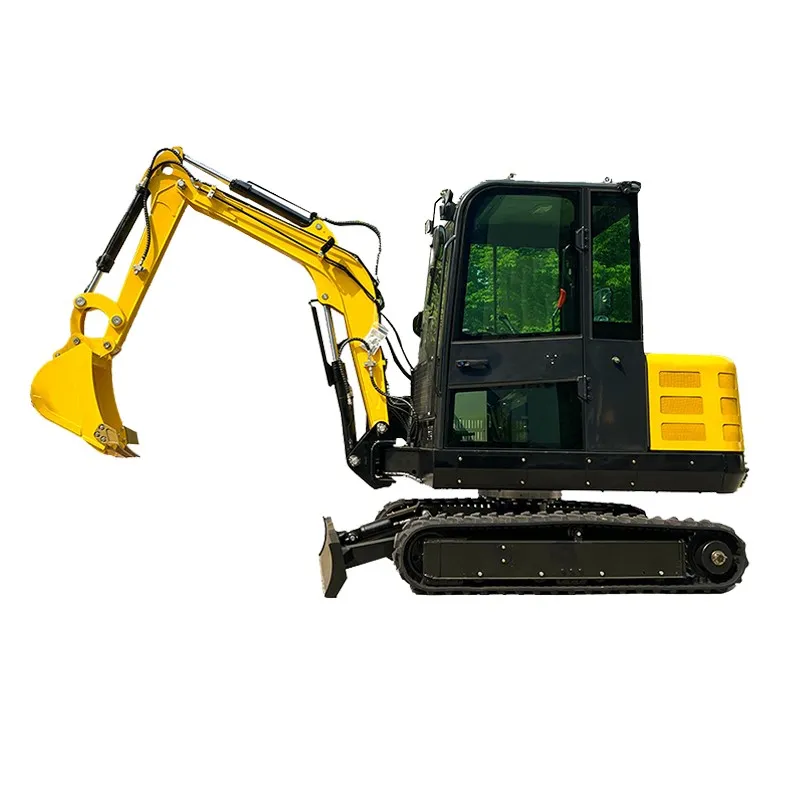
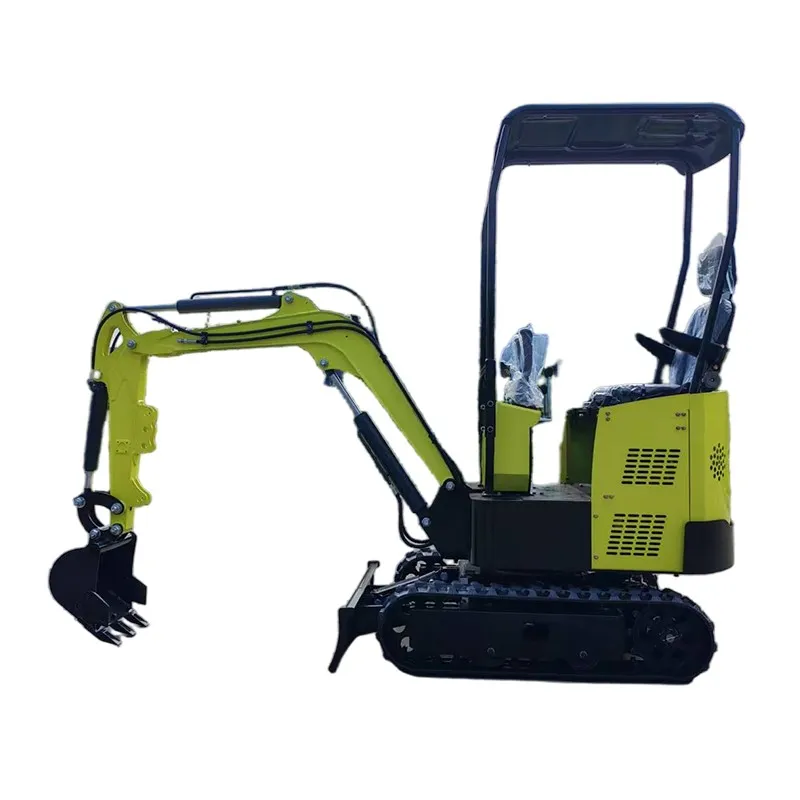
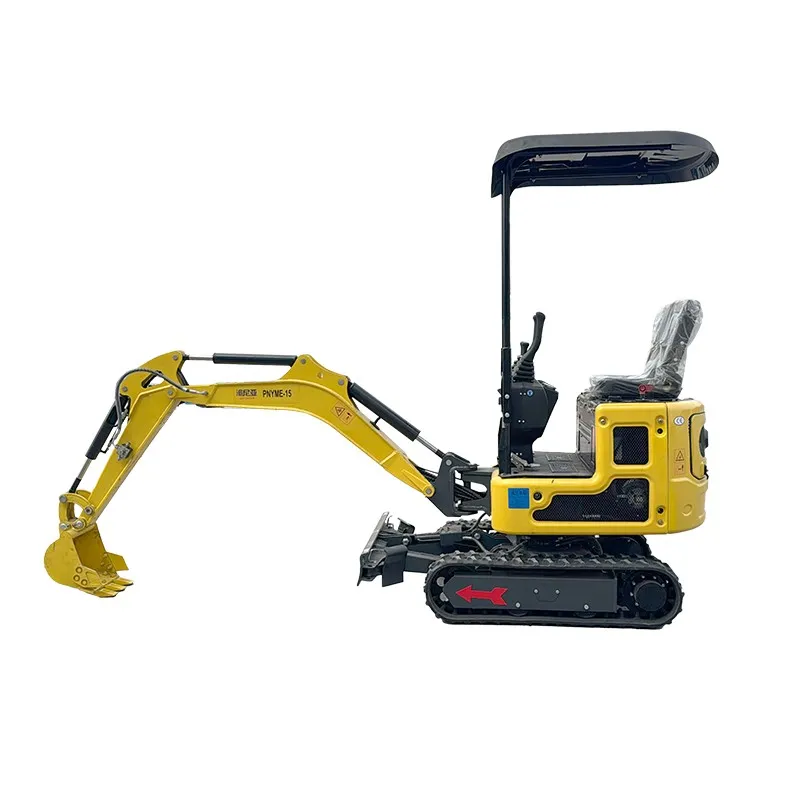
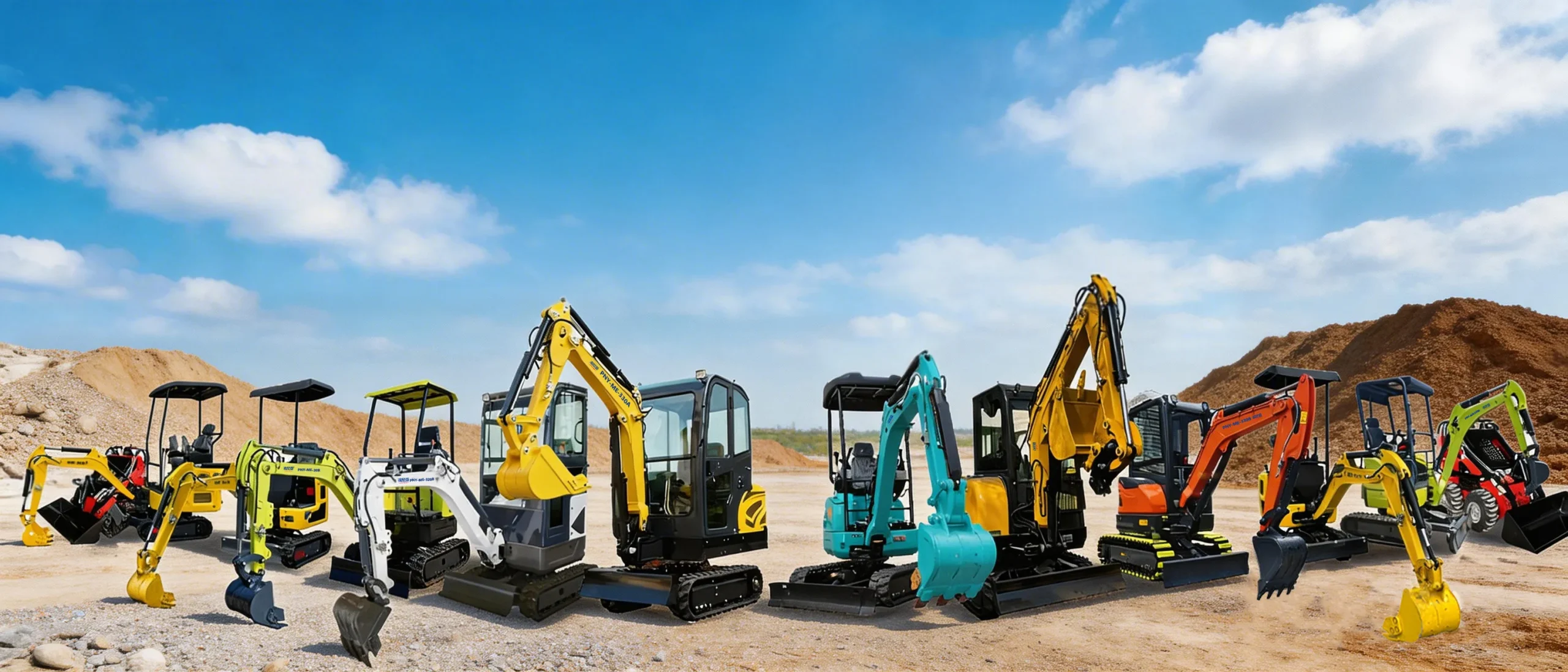
When most people hear 'small construction equipment', they picture a mini excavator on a tidy suburban patio job. That's part of it, sure, but it's also where the common understanding stops short. The real scope is deeper—it's about a specific philosophy of work: maximum utility in confined spaces, logistical simplicity, and often, making the impossible merely difficult. The mistake is thinking small means simple or less capable. In my experience, that's where the first cost overruns happen.
The Small Misconception and Site Realities
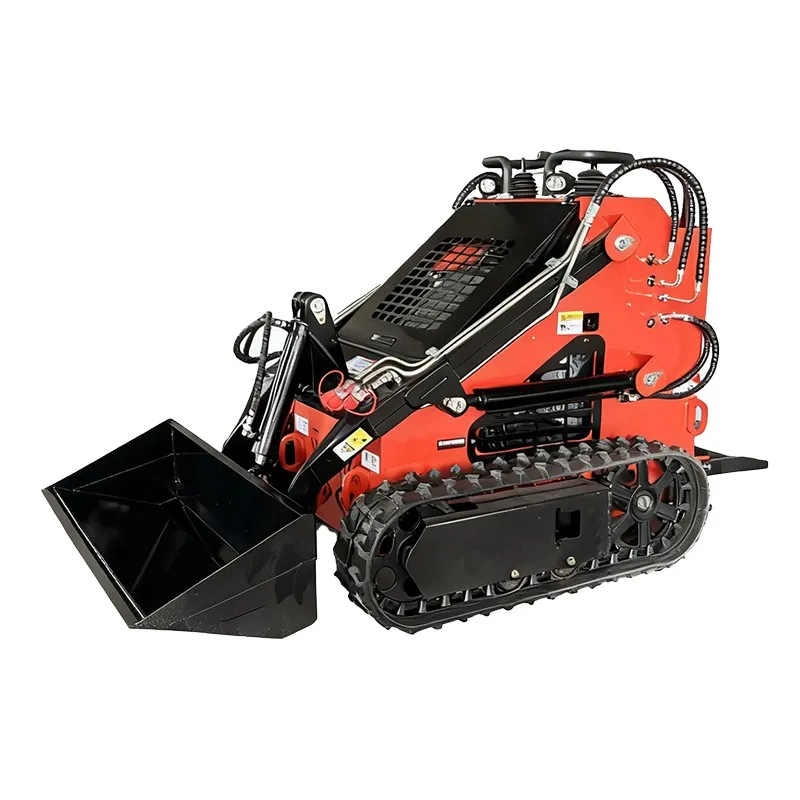
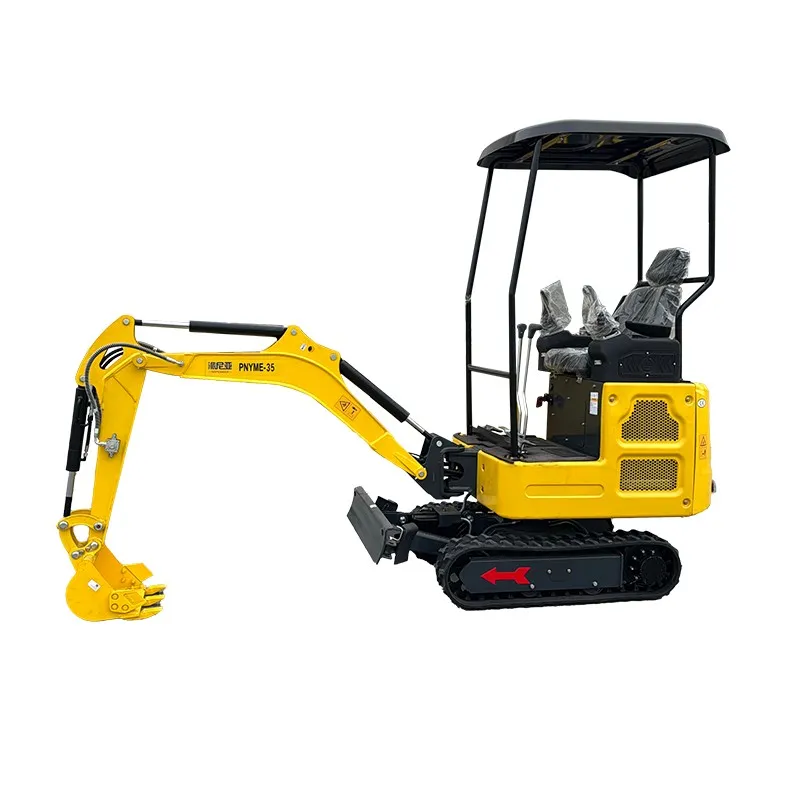
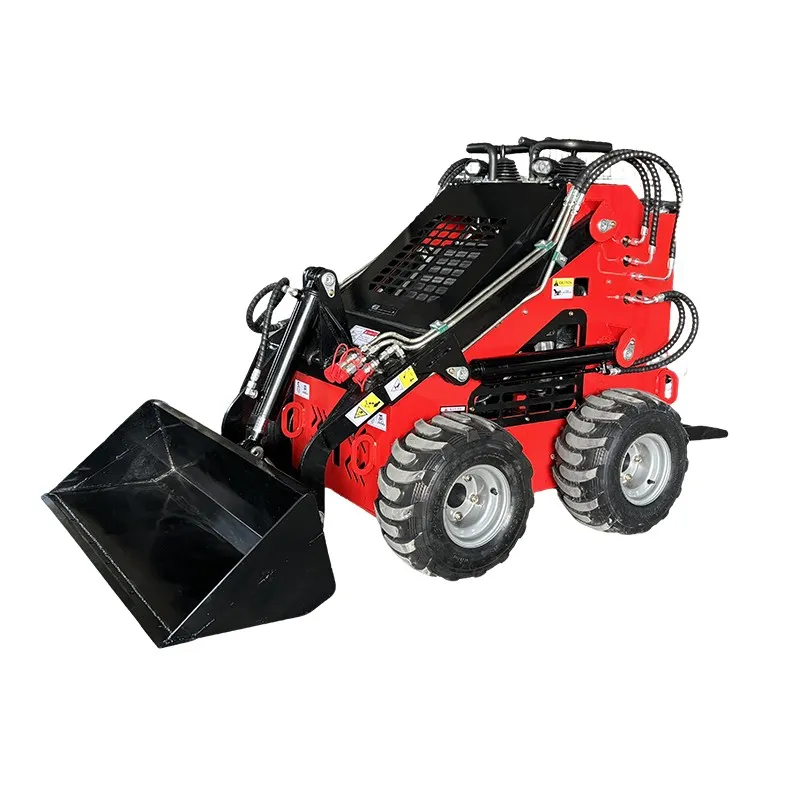
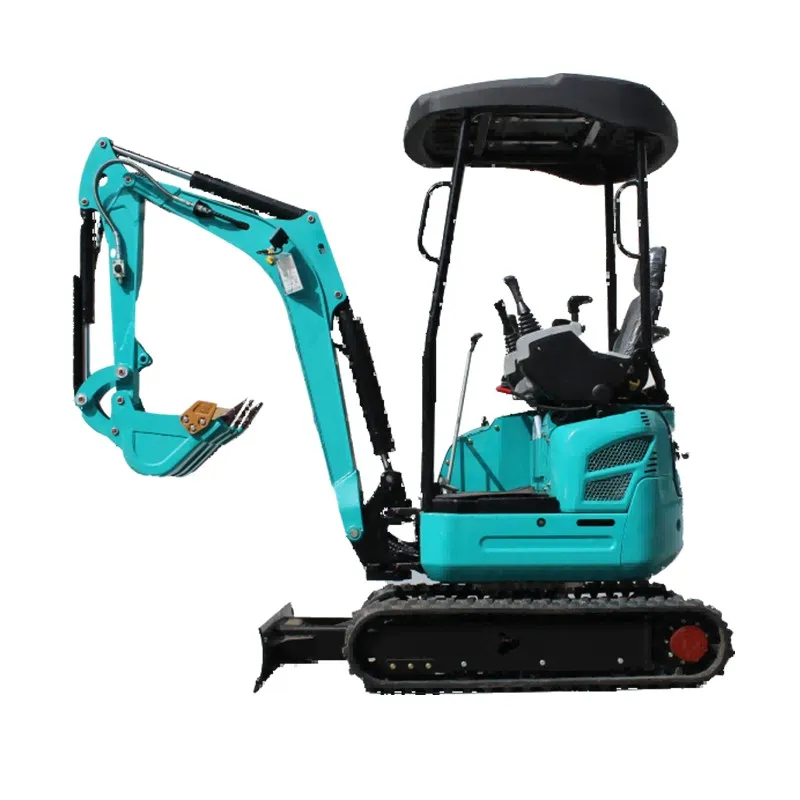
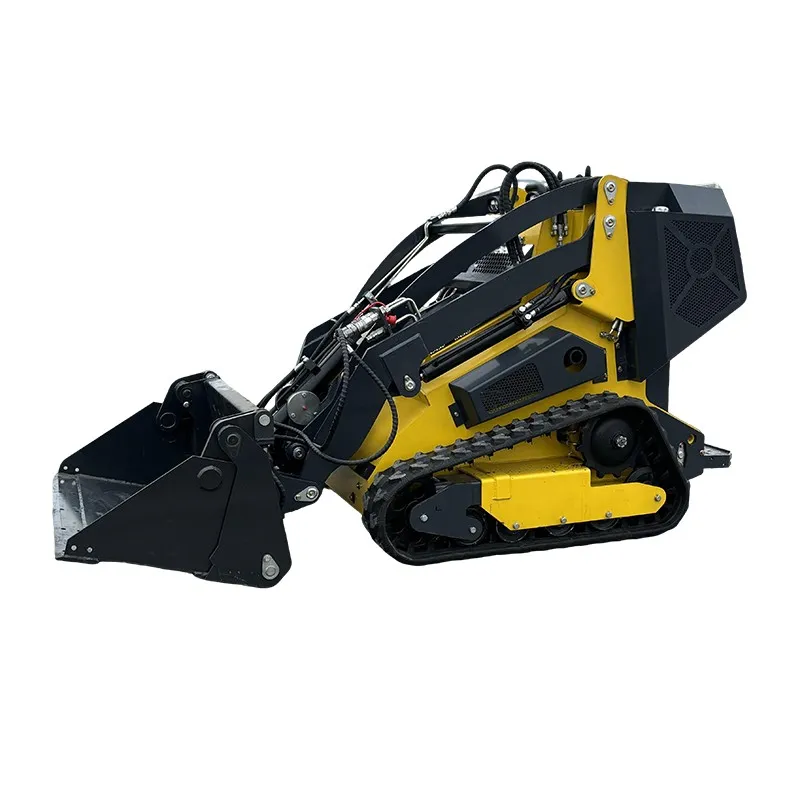
I've seen projects spec a 3-ton mini excavator because it was the default small machine, only to find it was too wide for the garden access or too heavy for the existing slab. The key isn't just physical size, it's the machine's footprint relative to its power and the site's constraints. We're talking about small construction equipment like compact track loaders, skid steers, and the real game-changers—mini articulated dump trucks or micro excavators that can fit through a standard doorway.
For instance, a historic district renovation last year required foundation work in a back garden with a 90cm gate. The solution wasn't a traditional mini excavator, but a 1-ton micro model from a specialist manufacturer. It was the difference between manual labor for two weeks or machine-assisted work for three days. The cost of the specialized rental was high, but it paled against the labor savings and timeline kept intact.
This is where the industry chatter often fails. Brochures list dimensions, but they don't tell you about the machine's tail swing radius when the boom is fully extended sideways, or how much ground pressure it exerts on soft turf. You learn that by renting the wrong machine first, or by listening to someone who has.
Logistics: The Unseen Half of the Job
Owning or deploying small construction equipment is pointless if getting it to site is a nightmare. A major advantage is transportability. A 1.5-ton excavator can often be towed behind a heavy-duty pickup, eliminating the need for a costly low-loader and CDL driver. But here's the catch: you need the right trailer, the right vehicle hitch rating, and often, the right permits. I've been stuck at a weigh station for an hour over a paperwork issue for a machine that itself was legal.
The flip side is the global supply chain for these tools. For reliable, cost-effective options, many contractors look to established manufacturing hubs. A company like Shandong Pioneer Engineering Machinery Co., Ltd exemplifies this. Having operated since 2004 and now from a new facility in Tai’an, they've built a reputation for exporting compact machinery globally. Checking a source like their website, https://www.sdpioneer.com, you get a sense of the market—they ship to places like the U.S., Canada, and Australia, which means their products have to meet diverse, often stringent, operational standards to gain that kind of trust.
This isn't just about buying cheap. It's about accessing a specialized ecosystem. They, and similar firms, don't just make mini excavators; they often produce the full range of compact attachments—hydraulic breakers, augers, compactors—that turn a single power unit into a multi-tool. This modularity is central to the value proposition of small equipment.
Attachment Obsession and Practical Limits
It's easy to get carried away with attachments. The catalog shows a mini excavator digging, then lifting with a grapple, then drilling with an auger, all in pristine conditions. Reality is messier. Quick-coupler systems are vital, but not all are created equal. A hydraulic coupler is a luxury on smaller machines, often you're dealing with manual pins. Swapping a bucket for a breaker isn't a 30-second job; it's a 15-minute struggle in the mud, losing valuable machine time.
More critically, the machine's hydraulic flow rate and pressure dictate what attachments actually work well. Putting a high-flow mulcher on a low-flow skid steer will just disappoint you. I learned this trying to run a cold planer on a compact loader that was technically rated for it. It worked, but at half the efficiency, burning fuel and time. The attachment wasn't wrong, the combination was.
The sweet spot is finding 2-3 core attachments for a machine and mastering them. For a compact track loader, that's often a standard bucket, a pallet fork, and maybe a trencher. Trying to be a Swiss Army knife leads to mediocre performance in every task.
Durability in the Grind
There's a perception that smaller equipment is less durable. In some cases, it's true—a subcompact model built with light-duty components won't survive a commercial demolition site. But many lines of small construction equipment are built for relentless, daily abuse. The differentiation is in the build: castings vs. weldments, the thickness of the steel in the boom, the quality of the hydraulic hoses and their routing.
I recall a pair of 2.5-ton mini excavators from different brands on a utility job. One, a cheaper model, started leaking from multiple cylinder seals within 400 hours. The other, a more robust unit from a manufacturer with a long export history (the kind that supplies firms like the aforementioned Shandong Pioneer, whose two-decade development suggests a focus on sustained product iteration), clocked over 2000 hours with only routine maintenance. The initial price difference was significant, but the total cost of ownership told the real story.
This is where a supplier's history matters. A company that has evolved over 20 years and moved to a larger production base, as noted in the brief for Shandong Pioneer, is typically responding to demand and refining their product. They're not just a workshop; they're likely integrating better engineering and quality control to meet international expectations.
The Operator Factor
Small machines are often seen as easier to run. That's dangerously half-true. They are more intuitive, but precision work with a zero-tail-swing excavator in a tight basement requires a different, sometimes sharper, skill set than operating a full-size machine in an open field. The controls are sensitive; a slight jerk can mean a damaged wall or a broken pipe.
We made the mistake of putting a novice operator in a compact loader for a fine grading task. The result was a wavy, uneven sub-base that had to be re-worked. The machine was capable, but the operator wasn't trained for that level of finesse. Small equipment often gets the least experienced drivers, which is a recipe for wasted potential and accelerated wear.
Training isn't just about safety; it's about economics. A skilled operator can make a small construction equipment unit outperform its specs. They know how to feather the controls, how to position for optimal leverage, and how to listen to the machine's sounds—a whine from the hydraulics might mean an overload, a chance to avoid a costly failure.
Coming Full Circle: The Right Tool
So it all circles back. The value of small construction equipment isn't in existing as a category. It's in being the precisely calculated solution to a specific set of problems: access, cost, versatility, and transport. It's not about downgrading from a bigger machine; it's about right-sizing.
The market, fed by global manufacturers and exporters, offers an incredible array of options. Success comes from matching the machine's true capabilities—not just its brochure specs—to the job's real demands, and then supporting it with the right logistics, attachments, and most importantly, the right human skill behind the controls.
It's a toolkit philosophy. You don't use a sledgehammer to drive a finish nail. In modern construction, the mini excavator, the compact loader, the micro dumper—these are the finely calibrated tools for an increasingly complex and constrained built environment. Their growing prevalence isn't a trend; it's a reflection of smarter, more nuanced project planning.
Related Products
Related Products