- Chinese
- French
- German
- Portuguese
- Spanish
- Russian
- Japanese
- Korean
- Arabic
- Irish
- Greek
- Turkish
- Italian
- Danish
- Romanian
- Indonesian
- Czech
- Afrikaans
- Swedish
- Polish
- Basque
- Catalan
- Esperanto
- Hindi
- Lao
- Albanian
- Amharic
- Armenian
- Azerbaijani
- Belarusian
- Bengali
- Bosnian
- Bulgarian
- Cebuano
- Chichewa
- Corsican
- Croatian
- Dutch
- Estonian
- Filipino
- Finnish
- Frisian
- Galician
- Georgian
- Gujarati
- Haitian
- Hausa
- Hawaiian
- Hebrew
- Hmong
- Hungarian
- Icelandic
- Igbo
- Javanese
- Kannada
- Kazakh
- Khmer
- Kurdish
- Kyrgyz
- Latin
- Latvian
- Lithuanian
- Luxembou..
- Macedonian
- Malagasy
- Malay
- Malayalam
- Maltese
- Maori
- Marathi
- Mongolian
- Burmese
- Nepali
- Norwegian
- Pashto
- Persian
- Punjabi
- Serbian
- Sesotho
- Sinhala
- Slovak
- Slovenian
- Somali
- Samoan
- Scots Gaelic
- Shona
- Sindhi
- Sundanese
- Swahili
- Tajik
- Tamil
- Telugu
- Thai
- Ukrainian
- Urdu
- Uzbek
- Vietnamese
- Welsh
- Xhosa
- Yiddish
- Yoruba
- Zulu
- Kinyarwanda
- Tatar
- Oriya
- Turkmen
- Uyghur


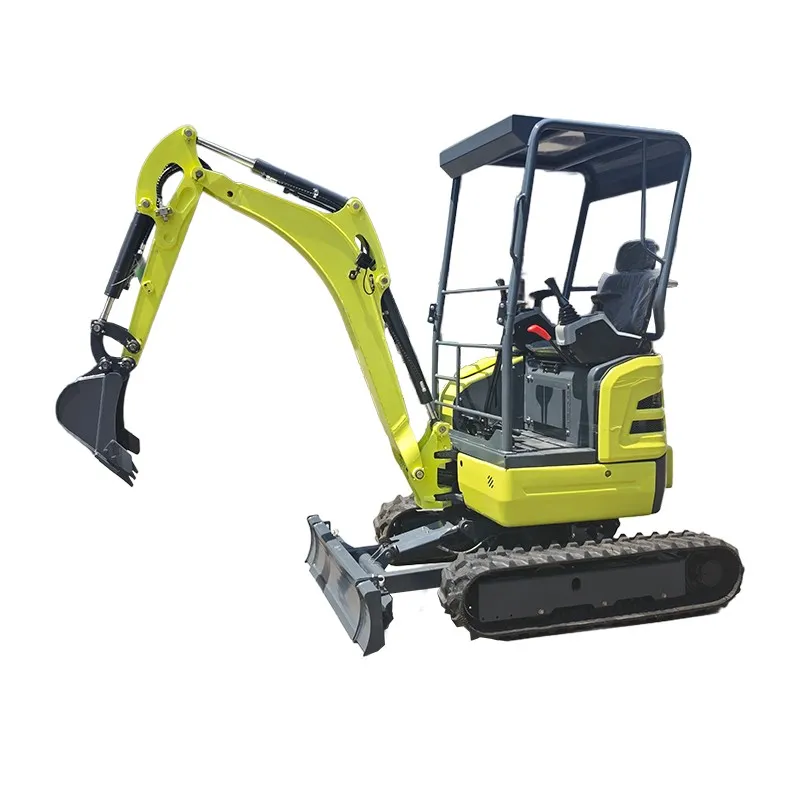
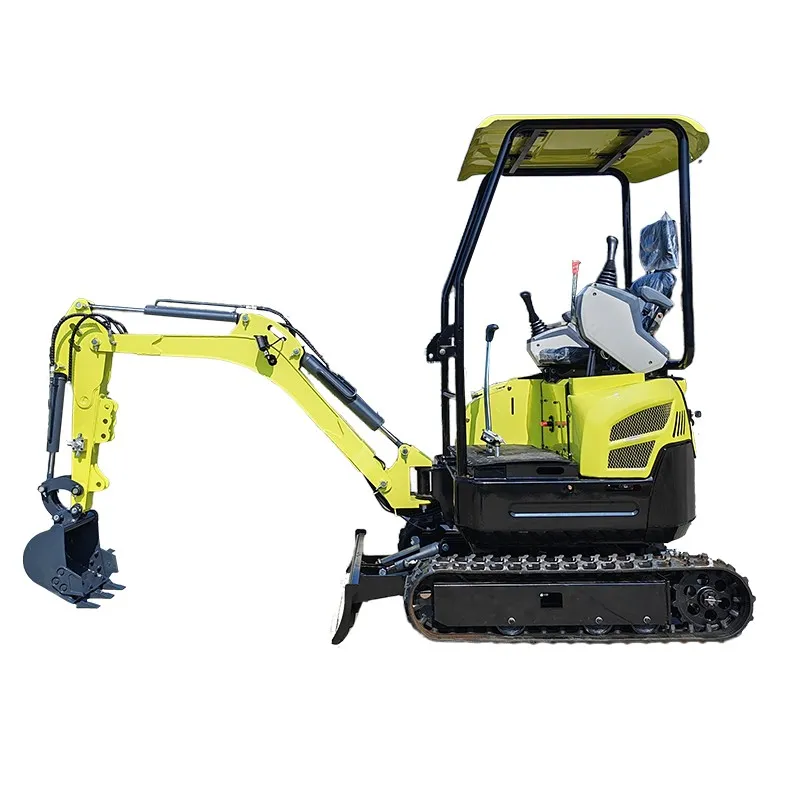
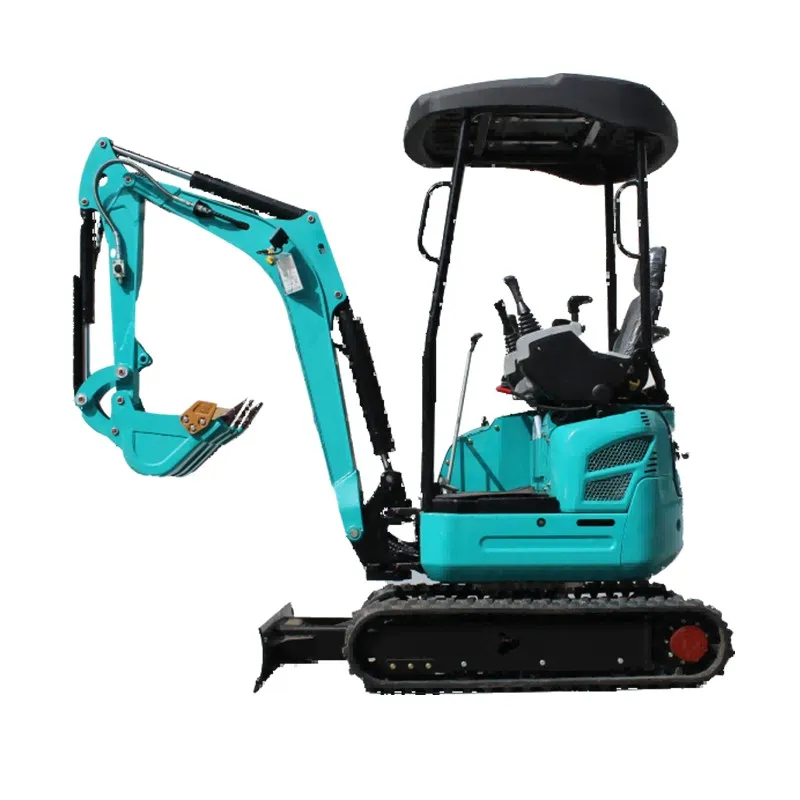
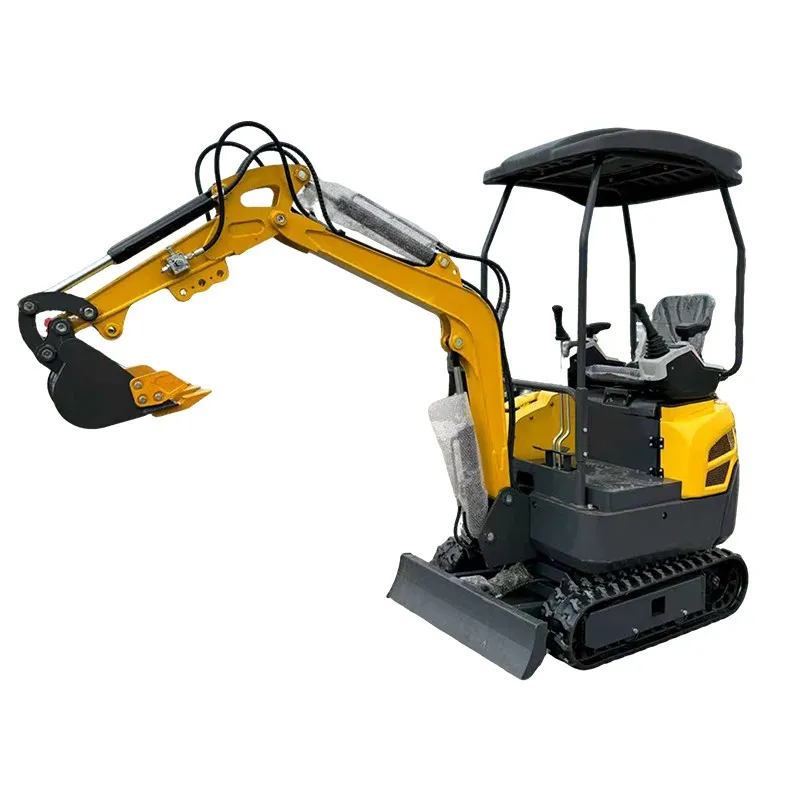
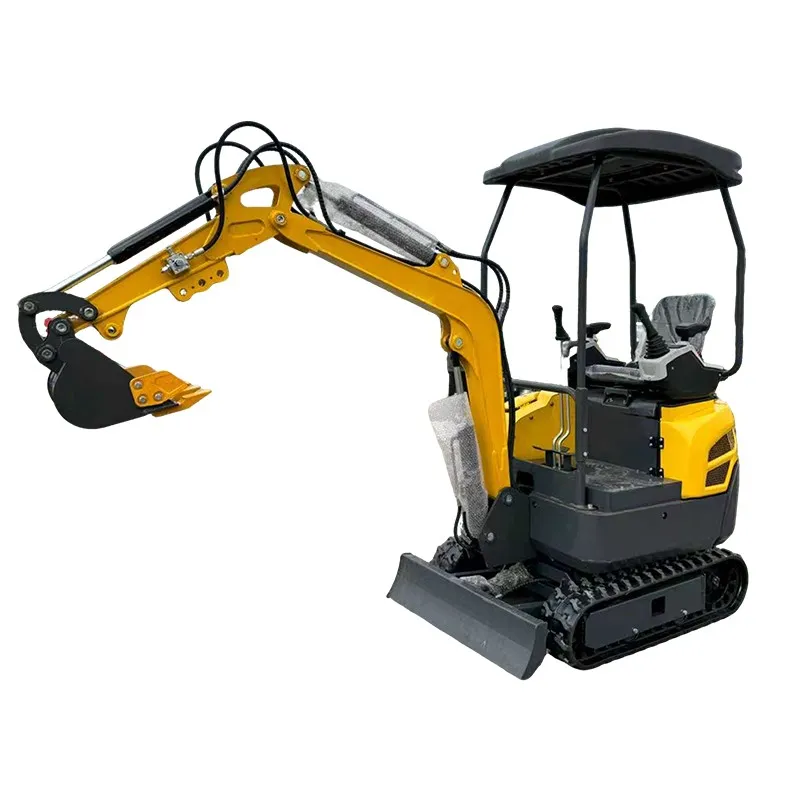
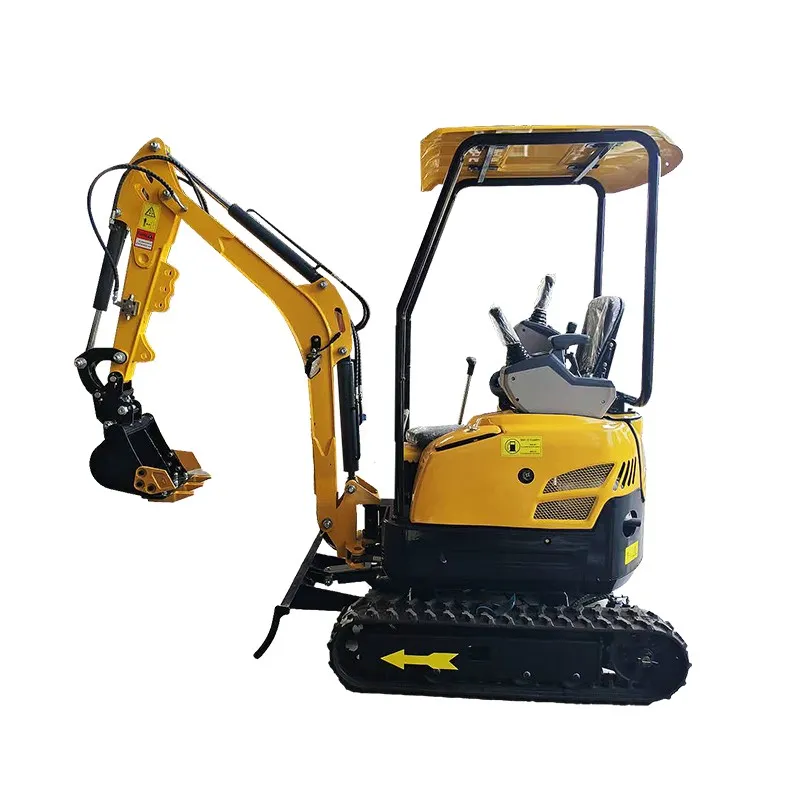
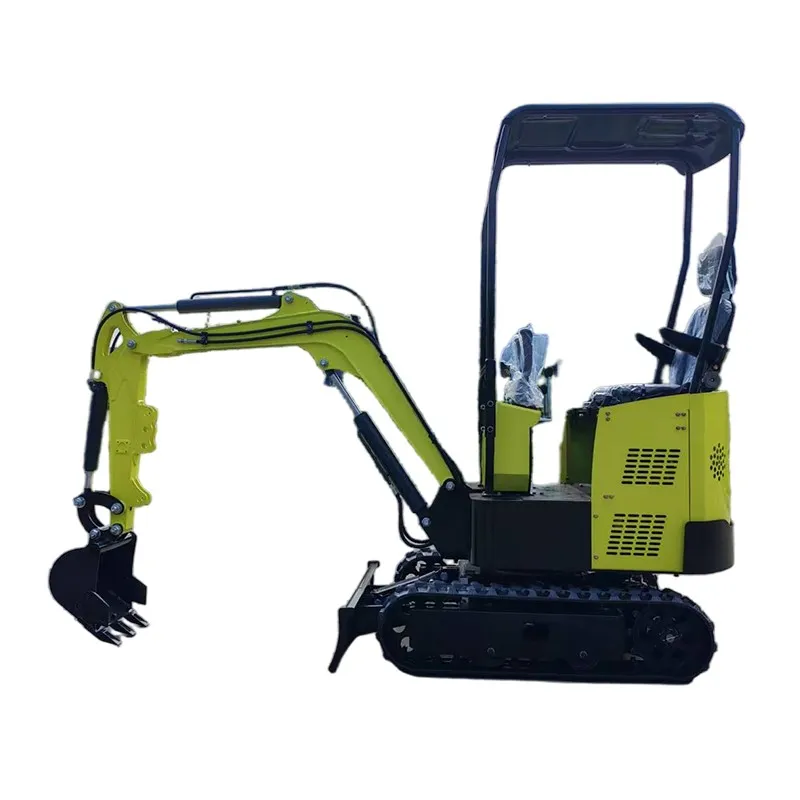
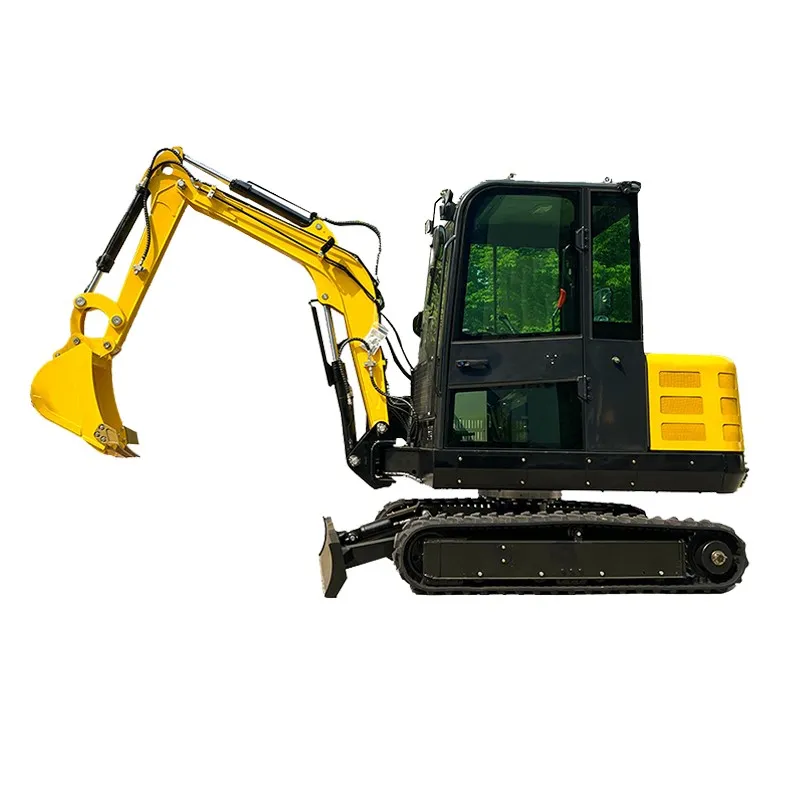
Small Crawler Excavator
Look, when most people hear 'small crawler excavator', they picture a cute, miniaturized toy-like machine, maybe for landscaping a backyard. That's the first mistake. The real value isn't just in being small; it's in being a small crawler excavator that can work where a wheeled machine would sink or tip, and where a larger tracked model simply can't fit. The undercarriage makes all the difference, but it's often the most misunderstood and under-specified component.
The Undercarriage Isn't an Afterthought
I've seen too many projects where the machine was chosen purely on bucket size and engine horsepower. Big error. On a small crawler excavator, the track gauge, the ground pressure calculation, and the type of track pads—single grouser, triple grouser, or rubber—dictate success or a muddy, stuck disaster. For instance, in a confined urban retrofit job with old, fragile pavers, we used a machine with rubber tracks. It saved the client thousands in potential repair costs to the surrounding area. The operator, however, complained about less bite on a slight slope. It's always a trade-off.
Then there's maintenance. Sealed tracks versus lubricated tracks. On smaller machines, many opt for sealed for reduced maintenance. But in high-hour, abrasive conditions like demolition sites, the lifespan takes a hit. I recall a contractor who ran a 1.8-ton model nearly 12 hours a day on concrete debris. The sealed track links showed significant wear on the bushings in under 1,200 hours. He would've been better off with a serviceable system, even with the added grease interval hassle.
This focus on the bottom side is where you separate brochure specs from field-ready specs. A company that gets this, like Shandong Pioneer Engineering Machinery, often designs their undercarriages with specific applications in mind. Checking their portfolio at https://www.sdpioneer.com, you can see models built for different ground conditions, which is a sign they're thinking beyond just assembling parts.
Hydraulics: The Feel is Everything
Here's where the operator's experience directly ties to productivity. Two machines can have identical weight and reach specs, but one will feel sloppy and the other precise. It comes down to hydraulic system tuning—the pump flow, valve spool design, and pilot pressure. A well-tuned small crawler excavator allows for feathering movements; you can almost peel an egg with the bucket edge. A poorly tuned one is jerky, exhausting to operate for long periods, and terrible for fine grading or pipe work.
We tested a model once that had fantastic lift capacity for its size, but the swing priority was too aggressive. When you tried to boom out and swing simultaneously, the machine would practically stall the swing function. It made loading trucks inefficient. The fix wasn't a simple adjustment; it required a different main valve. That's a design-phase issue. It taught me to always ask for a demo with a specific, compound-movement task, not just a digging show.
This feel is intangible in a spec sheet but critical for rental companies and contractors whose operators jump between machines. Consistency matters. Manufacturers that have been in the game, like the team behind Shandong Pioneer which has been developing and refining their engineering since 2004, tend to have more refined hydraulic maps because they've had the feedback cycles from the field.
The Attachment Trap
Everyone loves the idea of a Swiss Army knife machine. Breakers, augers, grapples, tilt rotators. But on a small crawler excavator, you can't just slap on any attachment. The hydraulic flow (gpm) and pressure (psi/bar) must match. More crucially, the machine's weight and stability must handle the attachment's moment force. I've seen a 3-ton machine fitted with a breaker that was too powerful; it not only shook the machine terribly, causing premature structural stress, but it also made the machine rear-up dangerously on uneven ground.
The auxiliary hydraulics circuit is key. Standard versus variable flow. For a dedicated breaker, a standard high-flow circuit might be pre-set. But if you're constantly switching between a brush cutter and a grapple, a variable flow circuit is worth its weight in gold. It's an option often overlooked at the time of purchase, leading to expensive retrofits later.
It's worth looking at manufacturers that offer a certified range of matched attachments. It indicates they've tested the stability and performance envelope. The global export footprint of firms like Shandong Pioneer, sending machines to markets with stringent demands like Germany and Australia, suggests their products are often put through these compatibility tests to meet diverse customer needs.
Durability in the Details
Durability isn't about the thickness of the steel plate alone. It's about design. How are the hydraulic hoses routed? Are they protected from snagging and abrasion? Are the cylinder rods properly sized and chromed to resist scoring? On one early-generation small excavator we ran, the main hydraulic hose from the pump to the valve block was routed too close to the exhaust manifold. Heat degradation caused a failure within 800 hours. A simple design flaw with costly downtime.
Another detail: the cab mounting. Is it solidly mounted or vibration-isolated? On a compact machine, operator comfort directly impacts fatigue and precision over an 8-hour shift. Good isolation and thoughtful control layout matter more than a fancy stereo. Having visited facilities like the new 1,600 square meter production area that Shandong Pioneer relocated to in 2023, the focus on modernized production lines often correlates with better consistency in these assembly details and weld quality.
Electrical systems are another weak point. Connectors should be waterproof. The battery should be easily accessible for service or jump-starting. It sounds basic, but you'd be surprised how many machines fail here. A reliable machine is one where the simple stuff is done right, freeing you to worry about the job, not the equipment.
The Right Machine for the Real World
So, after all this, how do you choose? Forget the biggest for the size mentality. Start with the most constrained factor of your common jobsites: access width, ground conditions, and the primary task. A small crawler excavator is a tool for specific problems. If you're mainly doing drainage ditches in soft soil, ground pressure and track length are your top specs. If you're doing interior demolition, width, emission level (for indoor use), and maybe a zero-tail-swing design are paramount.
Consider total cost of ownership, not just purchase price. A slightly more expensive machine with a better hydraulic system and protected components will save on fuel efficiency, repair costs, and resale value. The trust and appreciation from global customers that companies like Shandong Pioneer mention aren't won by being the cheapest; they're won by machines that perform and last in the field, from the US to Canada to Australia.
Ultimately, the best small crawler excavator feels like an extension of the operator. It's balanced, responsive, and tough where it needs to be. It's not about flashy features; it's about a machine that shows up every day and gets the work done without drama. That's the real measure, and it's what you learn only after running a few into the ground and seeing which ones stand up.
Related Products
Related Products