- Chinese
- French
- German
- Portuguese
- Spanish
- Russian
- Japanese
- Korean
- Arabic
- Irish
- Greek
- Turkish
- Italian
- Danish
- Romanian
- Indonesian
- Czech
- Afrikaans
- Swedish
- Polish
- Basque
- Catalan
- Esperanto
- Hindi
- Lao
- Albanian
- Amharic
- Armenian
- Azerbaijani
- Belarusian
- Bengali
- Bosnian
- Bulgarian
- Cebuano
- Chichewa
- Corsican
- Croatian
- Dutch
- Estonian
- Filipino
- Finnish
- Frisian
- Galician
- Georgian
- Gujarati
- Haitian
- Hausa
- Hawaiian
- Hebrew
- Hmong
- Hungarian
- Icelandic
- Igbo
- Javanese
- Kannada
- Kazakh
- Khmer
- Kurdish
- Kyrgyz
- Latin
- Latvian
- Lithuanian
- Luxembou..
- Macedonian
- Malagasy
- Malay
- Malayalam
- Maltese
- Maori
- Marathi
- Mongolian
- Burmese
- Nepali
- Norwegian
- Pashto
- Persian
- Punjabi
- Serbian
- Sesotho
- Sinhala
- Slovak
- Slovenian
- Somali
- Samoan
- Scots Gaelic
- Shona
- Sindhi
- Sundanese
- Swahili
- Tajik
- Tamil
- Telugu
- Thai
- Ukrainian
- Urdu
- Uzbek
- Vietnamese
- Welsh
- Xhosa
- Yiddish
- Yoruba
- Zulu
- Kinyarwanda
- Tatar
- Oriya
- Turkmen
- Uyghur


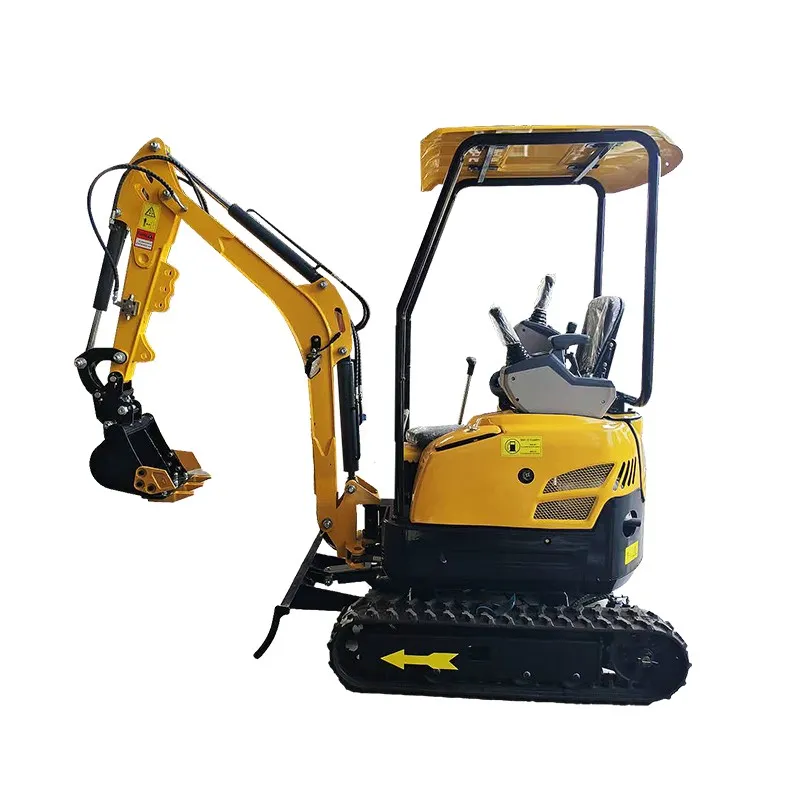
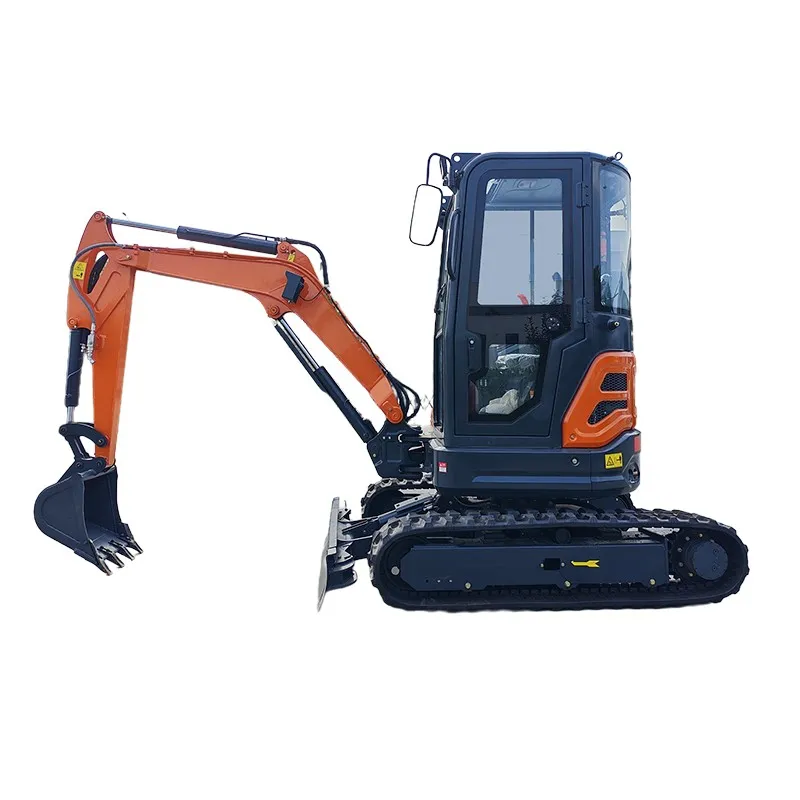
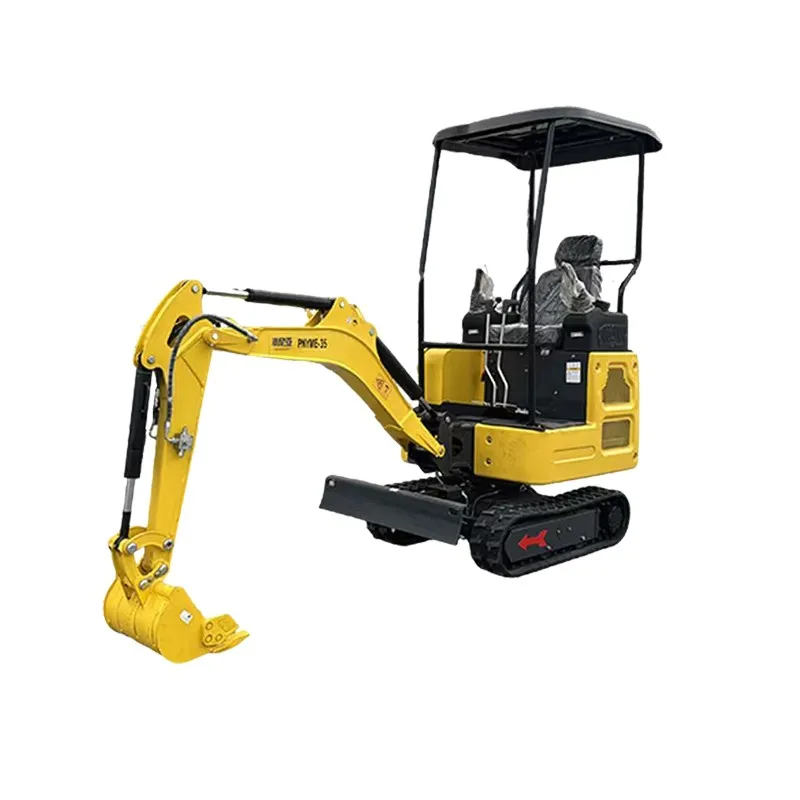
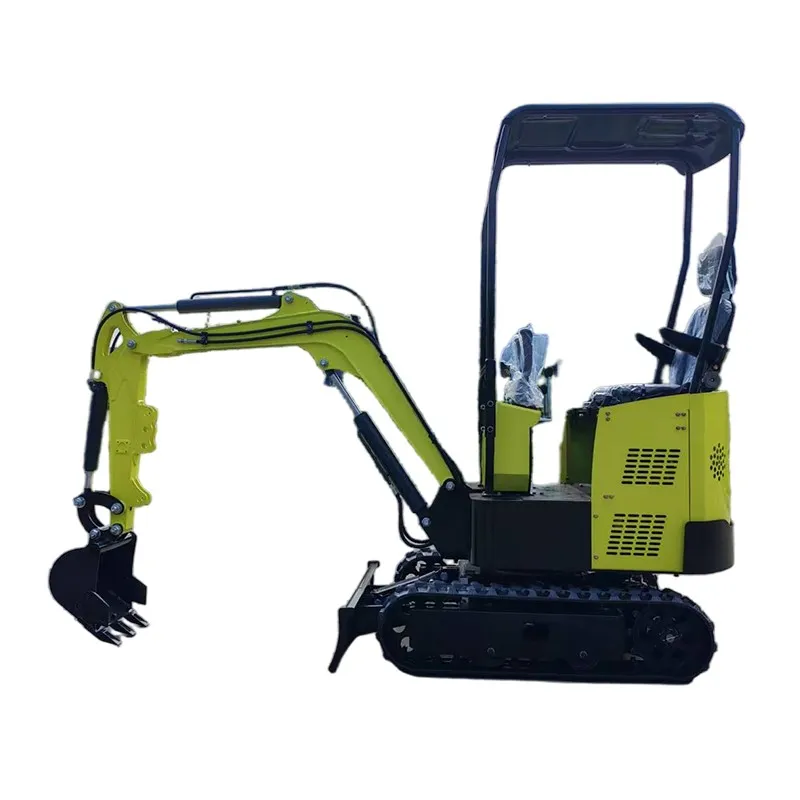
Small Excavator
When most people hear 'small excavator', they picture a cute, tiny machine for light backyard work. That's the biggest misconception. In the field, these sub-8-ton machines are serious, precision tools. The difference between a good job and a costly rework often hinges on understanding that distinction—it's not about size, but about application intelligence.
The Weight Class Conundrum
I've seen too many projects buy a 1.8-ton model because it was the cheapest, only to find it struggles with the local clay. The undercarriage just floats. You need to think in terms of small excavator weight classes: the 1.5-2 tonners for tight urban spaces, the 3.5-5 ton workhorses for general utility, and the 5-8 ton units that blur the line into medium duty. It's not just about lift capacity; it's about ground pressure, hydraulic flow for attachments, and stability when you're swinging a breaker at full extension.
We learned this the hard way on a drainage project in a residential area. The specs looked right on paper for a 3-tonner, but the side slope work required constant repositioning. A 5-ton model with a wider track option would have saved two days of labor. The initial savings were wiped out. That's the real calculation.
This is where manufacturers who've been in the trenches for decades add value. A company like Shandong Pioneer Engineering Machinery, for instance, has been iterating on these designs since 2004. You can see it in the geometry of their boom on their newer models—it's not just copied; it's evolved from feedback on thousands of job sites worldwide, from Germany to Australia. That institutional knowledge gets baked into the machine's balance.
Hydraulics: The Heart of the Matter
If the engine is the lungs, the hydraulics are the heart and nervous system. A common pitfall is focusing solely on engine horsepower. The real story is in the pump. A variable displacement piston pump versus a gear pump changes everything in a small excavator. The former gives you that smooth, controllable flow for fine grading or delicate pipe handling. The latter might be cheaper and robust, but you lose finesse.
I remember running a model with a particularly well-tuned closed-center hydraulic system. The precision in trenching for fiber optic lines was remarkable—you could almost feel the feedback through the joysticks. Contrast that with a jerky, open-center system on another brand where every movement was a guess. The operator fatigue difference after an 8-hour shift was dramatic.
It's details like auxiliary hydraulic circuit flow and pressure that dictate your attachment ecosystem. Can you run a tiltrotator efficiently? A forestry mulcher? The machine's value multiplies if the hydraulics are designed with that expandability in mind from the factory floor, something a dedicated manufacturer plans for over years.
The Undercarriage Oversight
Everyone looks up at the boom and cab. Smart buyers look down. The undercarriage on a compact machine takes a brutal beating, especially with rental units. Rubber tracks versus steel, track width, the number of rollers—these are not trivial choices. For a lot of mixed-terrain work, a wide rubber track is king. It provides flotation and doesn't tear up finished surfaces.
But I've also seen rubber tracks fail prematurely on sites with hidden rebar debris. The maintenance log is critical. A simple thing like track tension, often neglected, can lead to accelerated wear on sprockets and idlers. It's a consumable part, yes, but one that can bankrupt your margin if you're not factoring in its life cycle.
Companies that supply to diverse markets, like those exporting to the rugged sites of Canada or the regulated environments of Germany, tend to offer more undercarriage options. They've had to adapt. Checking a supplier's global footprint, like the overseas trade history of a firm such as Shandong Pioneer, can be a proxy for this kind of problem-solving experience. They've encountered the terrain issues before.
Operator Station: Where the Job Gets Done
This might sound soft, but it's hard economics. An uncomfortable, poorly laid-out operator station leads to inefficiency and error. The sight lines to the bucket teeth and the right-side track are paramount. Newer models with sloped hoods are a game-changer. So are adjustable suspension seats and logically placed joysticks.
I've operated machines where you had to take your hand off a control to adjust the throttle. In a precision digging scenario, that's a deal-breaker. Climate control isn't a luxury either; fogged windows in winter or a sauna in summer will stop work. The cab on a modern small excavator should feel like a tool cockpit, not an afterthought.
This is an area of intense refinement. The relocation and expansion of a manufacturing base, like the move to a new facility in Ningyang in 2023, often signals an investment in better, more ergonomic assembly lines. It allows for integrating these human-factor designs more seamlessly into the build process.
The Attachment Reality
No small excavator lives by its bucket alone. The true versatility comes from the interface and capacity for attachments. The quick coupler is the most important invention for these machines. But not all couplers are equal. The pin grabber style versus the automatic hydraulic style involves a trade-off between cost, speed, and safety.
We standardized on a certain automatic system across our fleet, and the time savings on a job with multiple attachment changes—from digging to breaking to grading—was measurable in hours per week. But it required the machine's auxiliary hydraulics to be up to spec. You can't just bolt on any coupler; it has to be a system.
This ecosystem thinking is what separates a commodity machine from a platform. A manufacturer that offers a range of purpose-built attachments, or at least guarantees compatibility with major brands, is thinking about the machine's whole lifecycle. It turns a purchase into a long-term partnership, which is really what you're after when you're relying on this equipment to make your living.
In the end, choosing the right small excavator is an exercise in applied experience. It's balancing paper specs with ground truth, initial cost with total cost of operation, and machine capability with operator capability. The best choices come from asking not what can it do? but how will it fail on my specific job?—and then having the confidence that the machine, and the people who built it, have an answer for that.
Related Products
Related Products