- Chinese
- French
- German
- Portuguese
- Spanish
- Russian
- Japanese
- Korean
- Arabic
- Irish
- Greek
- Turkish
- Italian
- Danish
- Romanian
- Indonesian
- Czech
- Afrikaans
- Swedish
- Polish
- Basque
- Catalan
- Esperanto
- Hindi
- Lao
- Albanian
- Amharic
- Armenian
- Azerbaijani
- Belarusian
- Bengali
- Bosnian
- Bulgarian
- Cebuano
- Chichewa
- Corsican
- Croatian
- Dutch
- Estonian
- Filipino
- Finnish
- Frisian
- Galician
- Georgian
- Gujarati
- Haitian
- Hausa
- Hawaiian
- Hebrew
- Hmong
- Hungarian
- Icelandic
- Igbo
- Javanese
- Kannada
- Kazakh
- Khmer
- Kurdish
- Kyrgyz
- Latin
- Latvian
- Lithuanian
- Luxembou..
- Macedonian
- Malagasy
- Malay
- Malayalam
- Maltese
- Maori
- Marathi
- Mongolian
- Burmese
- Nepali
- Norwegian
- Pashto
- Persian
- Punjabi
- Serbian
- Sesotho
- Sinhala
- Slovak
- Slovenian
- Somali
- Samoan
- Scots Gaelic
- Shona
- Sindhi
- Sundanese
- Swahili
- Tajik
- Tamil
- Telugu
- Thai
- Ukrainian
- Urdu
- Uzbek
- Vietnamese
- Welsh
- Xhosa
- Yiddish
- Yoruba
- Zulu
- Kinyarwanda
- Tatar
- Oriya
- Turkmen
- Uyghur


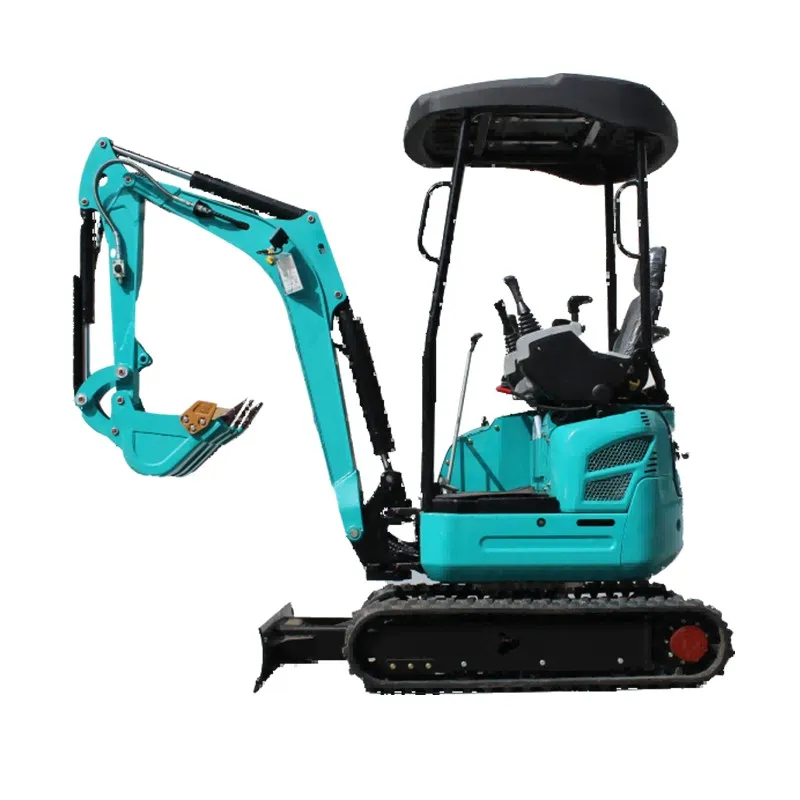
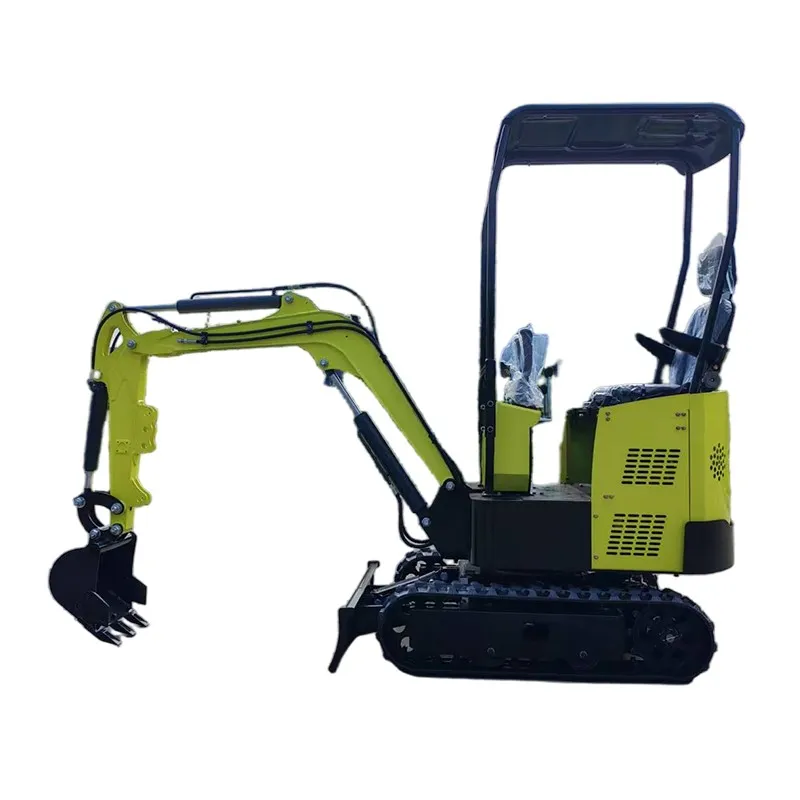
Small Excavator Export
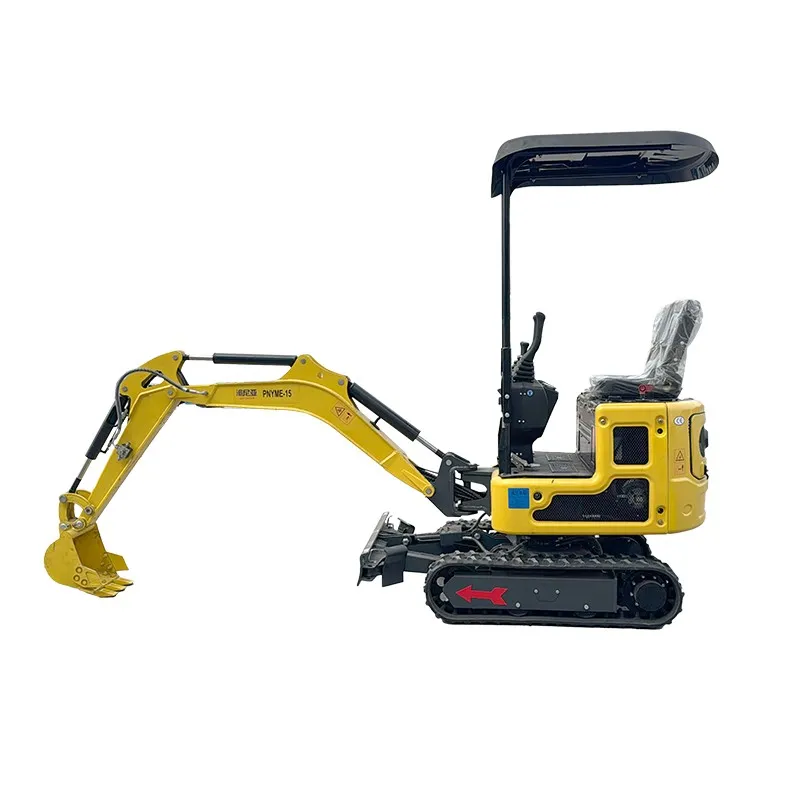
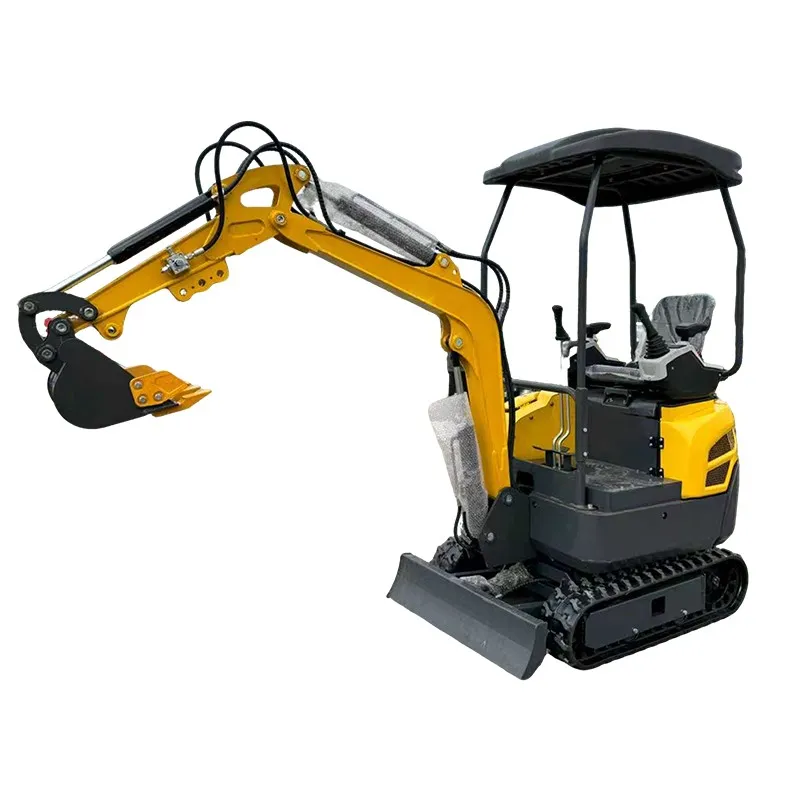
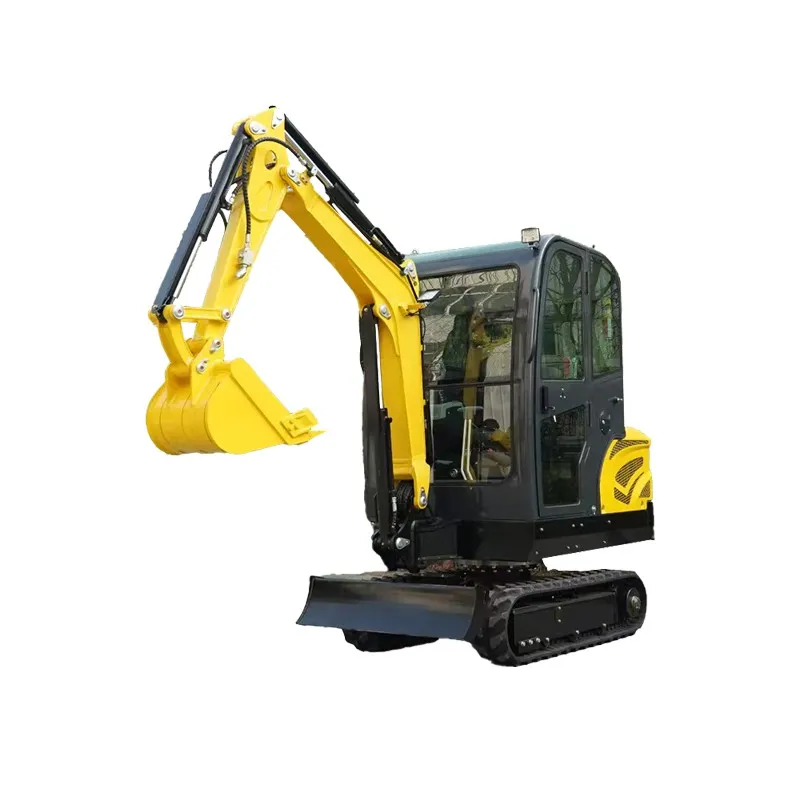
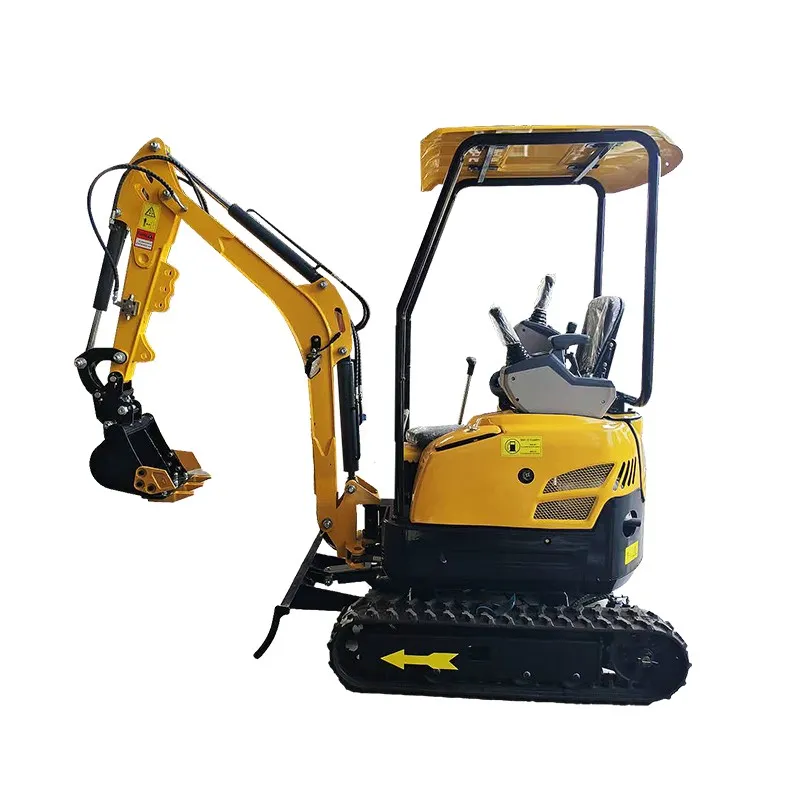
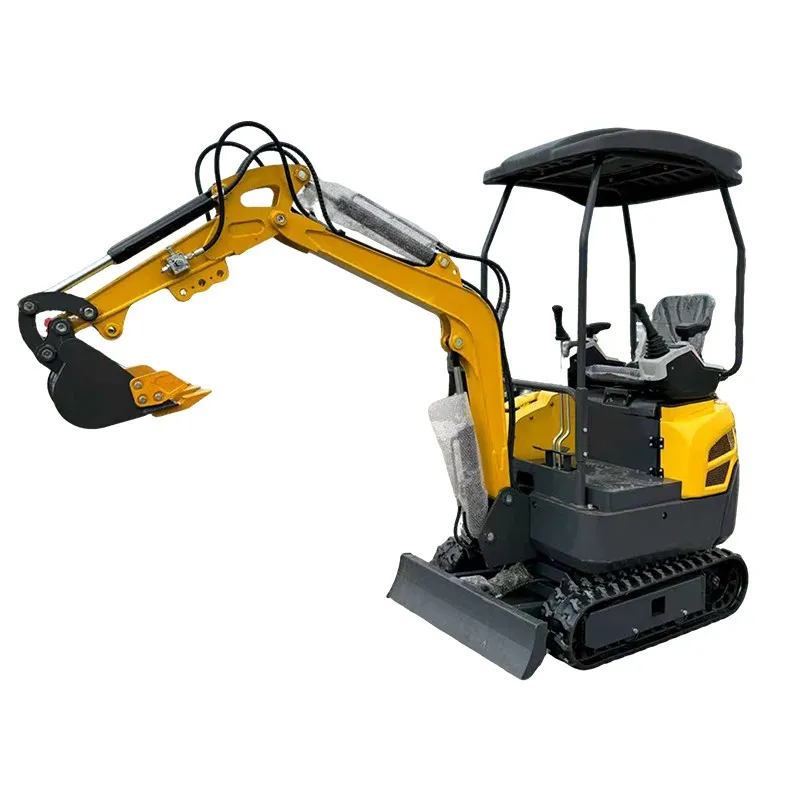
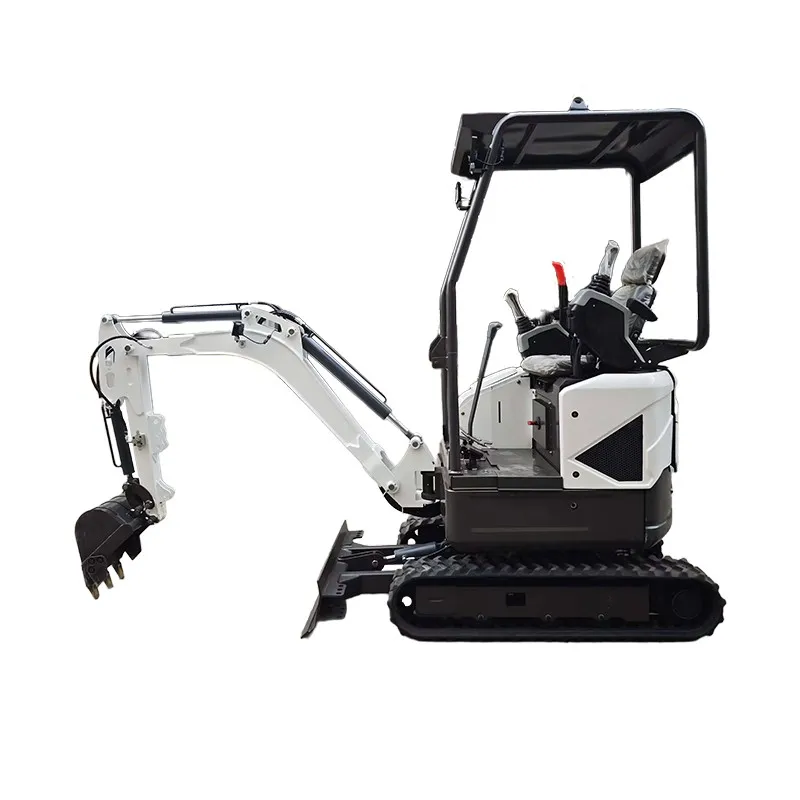
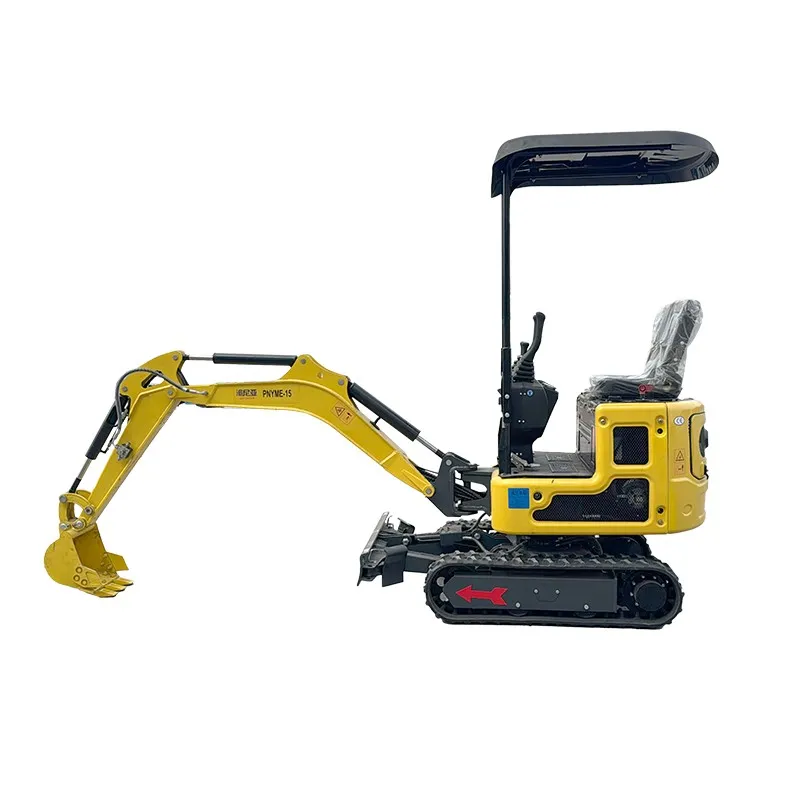
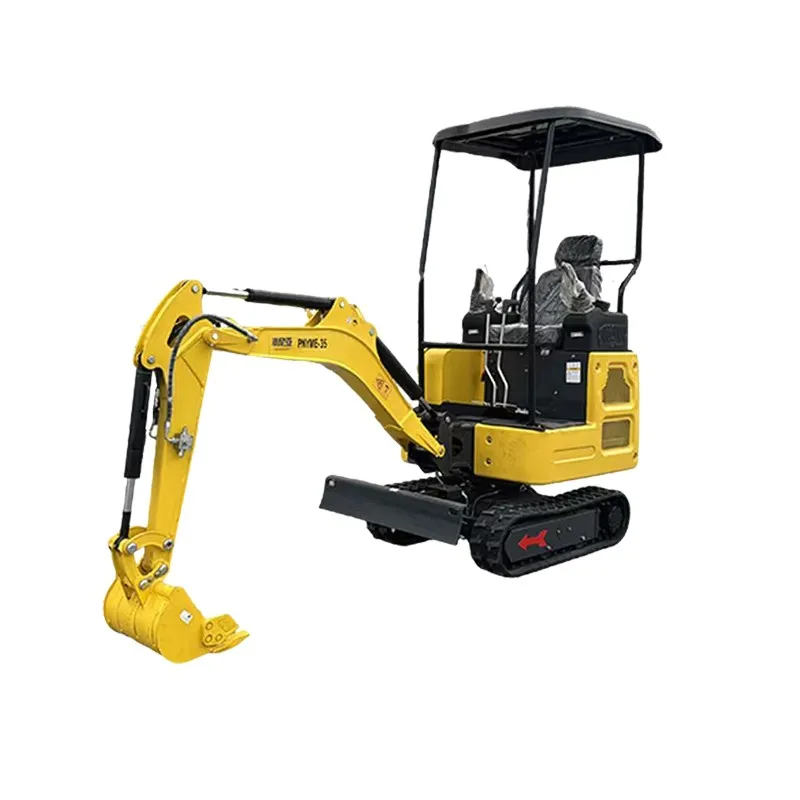
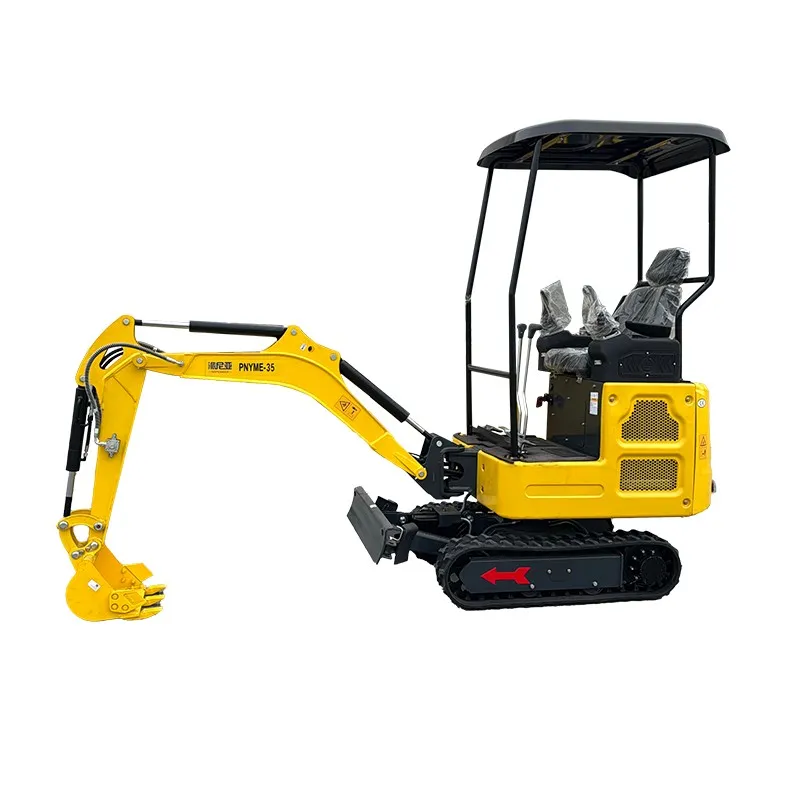
When you hear 'small excavator export', the immediate image is often just containers being loaded. The reality, the part that actually determines if you get paid and keep a client, is far messier. It's not just about having a CE certificate or a competitive FOB price from Qingdao. It's about understanding why a machine that runs perfectly in Shandong might fail to start on a cold morning in Alberta, or why your 'standard' auxiliary hydraulic circuit isn't so standard to a buyer in Bavaria who needs to attach a specific mulcher. The biggest misconception is treating it as a simple commodity trade. It's not. You're exporting a complex piece of capital equipment that needs to work, and be supported, thousands of miles away. That shift in mindset is where the real business begins, or ends.
The Foundation: Product Isn't Just Specs
You can't build an export business on paper specs alone. Early on, we learned this the hard way. We had a model, a 1.8-tonner, that was a star in the domestic rental market. Sturdy, simple, cheap to fix. We pushed it for export, highlighting its price point. The initial interest was good, especially from price-sensitive markets. But then the feedback started trickling in. Not major failures, but a death by a thousand cuts: seals failing faster in humid climates, paint chipping too easily from UV exposure, electrical connectors corroding near coastal areas. The machine was built for China's conditions, not global ones. That was a pivotal lesson. Export product development isn't an afterthought; it needs to be baked in from the design stage.
This is where the move for a company like Shandong Pioneer Engineering Machinery Co., Ltd becomes symbolic. Relocating and expanding the production base isn't just about more space; it's a commitment to recalibrating the entire manufacturing process for an international audience. It's about sourcing higher-grade hydraulic hoses, specifying marine-grade wiring harnesses, and implementing paint processes that go beyond a basic electrostatic coat. The product on https://www.sdpioneer.com might look similar to others, but the devil is in these details that a seasoned buyer will check. Does it have a fully segregated return line filtration? Are the cylinder rods chrome-plated for abrasion resistance? These aren't brochure bullet points; they are the answers to real-world problems your buyer hasn't even told you about yet.
Take engines, for example. The easy route is to offer only Chinese-brand engines for the ultra-competitive markets. But if you're serious about places like North America or Western Europe, you have to offer the option of Kubota, Yanmar, or Deutz. It's not just about power; it's about the service network. A contractor in Ontario isn't worried about the excavator itself failing; he's worried about downtime. If he can get an engine part locally, you've solved 80% of his anxiety. Offering that choice, and being transparent about the cost implication, builds immediate credibility. It shows you understand his business, not just your own sales target.
Logistics: Where Smooth Plans Hit Rough Seas
Export documentation is a notorious filter. A single mistake on a commercial invoice or a missing stamp on a certificate of origin can hold a container at customs for weeks, accruing demurrage charges that wipe out your profit. We developed a brutal checklist, but even then, surprises happen. A new regulation in Chile requiring a specific importer tax ID format, or Brazil suddenly demanding notarized Portuguese translations of the manuals—you learn through fire. The key is having a freight forwarder who is a partner, not just a vendor. Someone who will call you at 9 PM because the HS code you used for the quick coupler attachment is likely to trigger an inspection.
Then there's packaging. Wooden crates must be ISPM 15 compliant (heat-treated and stamped), but that's just the baseline. For a small excavator, you need to think about load distribution. You can't just chain it down to the container floor. You need to consider how the lashing points on the machine align with container corner castings, use proper edge protectors on the chains to prevent paint damage, and often, you need to partially disassemble—like lowering the boom and resting it on a custom timber frame—to stay within container height limits and to lower the center of gravity for a safe ocean crossing. I've seen machines arrive with scratched cabins because someone used a nylon strap that rubbed for 30 days straight. The buyer sees that and questions your entire operation's professionalism.
The Support Mirage and Building Real Trust
Every website claims world-class after-sales service. It's almost a meaningless phrase. For the importer or end-user, service means one thing: can I get the right part, fast? Building that capability is the single hardest part of small excavator export. You can't stock every part for every model in every country. The strategy has to be layered. Critical wear items (filters, seals, common hoses) should be shipped with the machine as a starter kit. For a company like Shandong Pioneer, which operates the Shandong Pioneer overseas trade division, the model involves partnering with regional distributors who hold core inventory. But you have to support that partner. That means providing clear, exploded-view parts manuals with proper English nomenclature (not direct translations), maintaining a real-time stock of major components like pumps and controllers in your own warehouse, and having a logistics pipeline to air-freight a priority part within 48 hours if needed.
The real trust is built when things go wrong. We had a case where a control valve on a machine in Australia failed. It was a specialized component. Our distributor didn't have it. Instead of a long email chain, we had the engineer video-call the technician on-site. They diagnosed it was a specific solenoid cartridge, not the whole valve block. We had that cartridge in stock. We DHL'd it that day and walked the technician through the replacement over the call. The machine was down for less than three days. That importer became our biggest advocate. He didn't care that we were a Chinese manufacturer; he cared that we solved his problem efficiently. That's the trust and appreciation mentioned in the company's profile—it's earned, not advertised.
This also ties into digital tools. Having a clean, functional website like sdpioneer.com is just the front door. The real value for a busy dealer is a secure portal where they can check parts diagrams, see real-time inventory levels of our central warehouse, and track their shipments. It turns a frantic, time-zone-challenged email search for a hydraulic elbow connector into a 2-minute self-service task. Implementing this was a huge operational lift, but it reduced a massive volume of low-value, high-frustration communication.
Market Nuances: One Size Fits None
The United States market is obsessed with horsepower, auxiliary hydraulic flow (in GPM, not L/min), and quick coupler compatibility. They want machines that are over-built. In Germany, the focus is laser-sharp on technical precision, safety certifications (CE is just the start, think DGUV tests), and emissions compliance. Noise levels matter more there. In Australia, it's all about durability in extreme heat and dust, service accessibility, and often, the ability to add aftermarket attachments like rippers and rock grabs. You cannot use the same sales pitch, or even highlight the same features.
A failure we had early on was trying to push a global bestseller model in Scandinavia. It had a standard cab without a proper heater. In the cold Swedish winter, that was a deal-breaker. We hadn't even considered offering a cab heater as a factory option because it wasn't a demand in many other markets. Now, our configurator includes these regional essentials: heaters for cold climates, enhanced air pre-cleaners for dusty ones, and even different bucket tooth profiles for clay vs. rocky soil. It's about anticipating need, not just reacting to it.
Payment terms are another minefield. A letter of credit (L/C) is safe, but it's bureaucratic and costs money. Telegraphic Transfer (T/T) is faster, but requires trust. For a new client in an unfamiliar market, you might do 30% T/T in advance, 70% against copy of shipping documents. For a long-standing partner in Canada, you might move to open account terms. Each decision is a risk assessment based on relationship, market stability, and order value. There's no textbook answer, only judgment calls based on accumulated experience—and sometimes, on a gut feeling after a few very transparent Zoom calls.
The Long Game: It's About Relationships, Not Transactions
Ultimately, sustainable small excavator export isn't about winning a single order. It's about turning a first-time buyer into a repeat partner. This happens when you stop being just a factory and start being a reliable extension of their business. It means giving them honest advice, even when it's not in your immediate interest. Like telling a dealer that for his specific application—mostly landscaping—he'd be better off with our model with the longer undercarriage for stability, rather than the more expensive compact model he was inquiring about. You lose some margin on that sale, but you gain a client who knows you're not just pushing inventory.
It also means visiting. Before the pandemic, and now again, getting on a plane to meet your distributors, to see their workshops, to understand their local competition, is irreplaceable. You see how they store machines, how they train their mechanics, what the local job sites look like. You bring that insight back to the factory floor in Ningyang. It creates a feedback loop that makes your product better and your partnership tighter. The 20 years of development Shandong Pioneer mentions isn't just a timeline; it's this accumulated cycle of making mistakes, learning, adapting, and slowly building a reputation that travels further than any single container ship.
The landscape is getting tougher. Competition is fierce, and everyone has a website. The differentiator is no longer just price or even features. It's the depth of your understanding and the reliability of your execution. Can you navigate the customs clearance in Durban? Can you troubleshoot a faulty sensor over a patchy WhatsApp call? Can you commit to a 5-year supply of parts for a model you might phase out? That's the real business of export. It's gritty, detail-oriented, and profoundly unglamorous. But when you see your machines working on a farm in Texas or a utility site in Berlin, and you get that casual email saying the client is happy with the performance, that's the only metric that truly matters. The rest is just noise.
Related Products
Related Products