


- Chinese
- French
- German
- Portuguese
- Spanish
- Russian
- Japanese
- Korean
- Arabic
- Irish
- Greek
- Turkish
- Italian
- Danish
- Romanian
- Indonesian
- Czech
- Afrikaans
- Swedish
- Polish
- Basque
- Catalan
- Esperanto
- Hindi
- Lao
- Albanian
- Amharic
- Armenian
- Azerbaijani
- Belarusian
- Bengali
- Bosnian
- Bulgarian
- Cebuano
- Chichewa
- Corsican
- Croatian
- Dutch
- Estonian
- Filipino
- Finnish
- Frisian
- Galician
- Georgian
- Gujarati
- Haitian
- Hausa
- Hawaiian
- Hebrew
- Hmong
- Hungarian
- Icelandic
- Igbo
- Javanese
- Kannada
- Kazakh
- Khmer
- Kurdish
- Kyrgyz
- Latin
- Latvian
- Lithuanian
- Luxembou..
- Macedonian
- Malagasy
- Malay
- Malayalam
- Maltese
- Maori
- Marathi
- Mongolian
- Burmese
- Nepali
- Norwegian
- Pashto
- Persian
- Punjabi
- Serbian
- Sesotho
- Sinhala
- Slovak
- Slovenian
- Somali
- Samoan
- Scots Gaelic
- Shona
- Sindhi
- Sundanese
- Swahili
- Tajik
- Tamil
- Telugu
- Thai
- Ukrainian
- Urdu
- Uzbek
- Vietnamese
- Welsh
- Xhosa
- Yiddish
- Yoruba
- Zulu
- Kinyarwanda
- Tatar
- Oriya
- Turkmen
- Uyghur

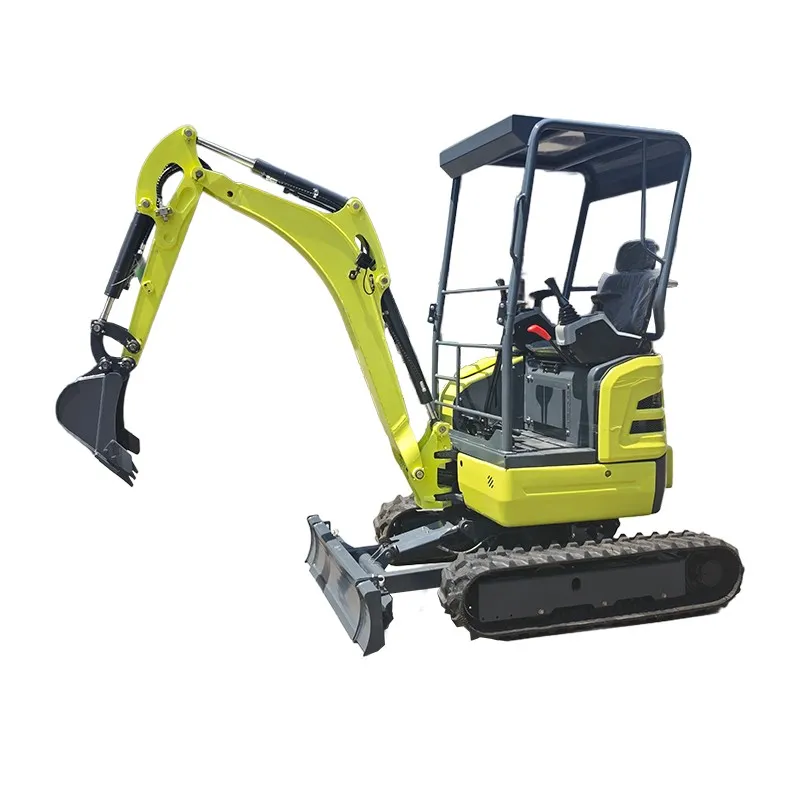
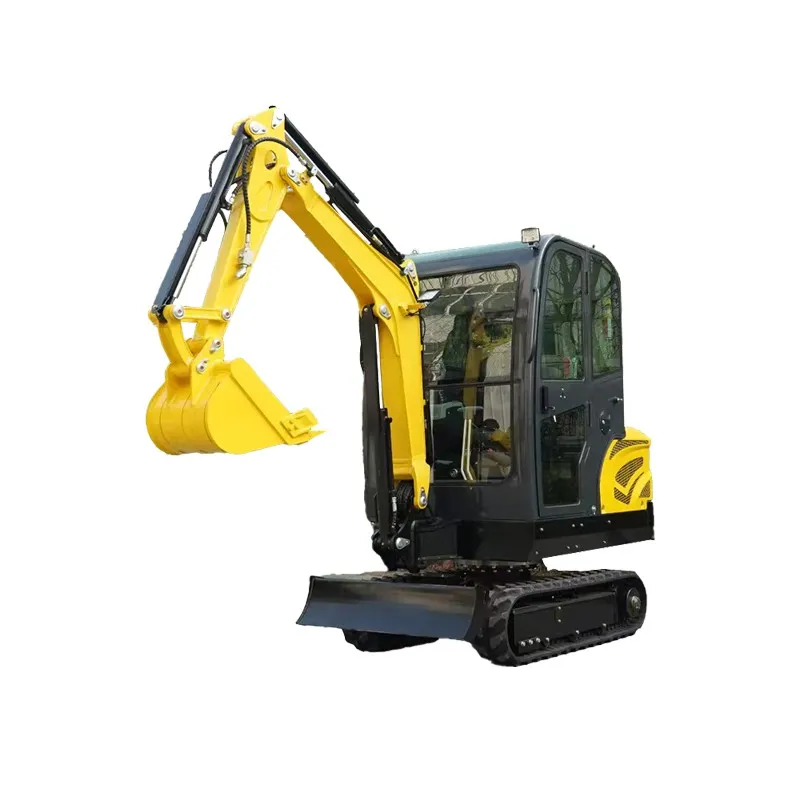
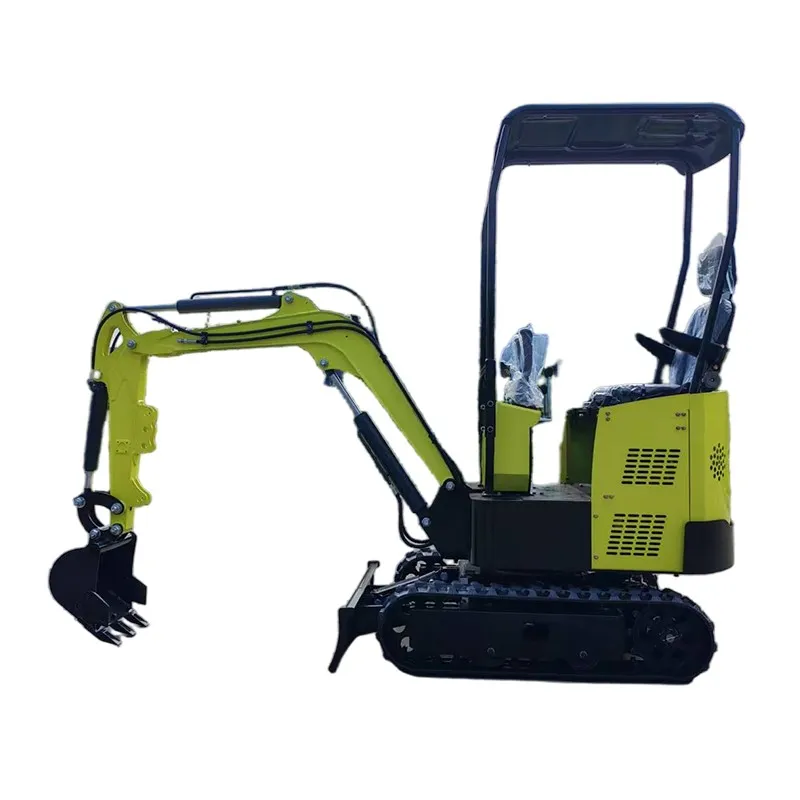
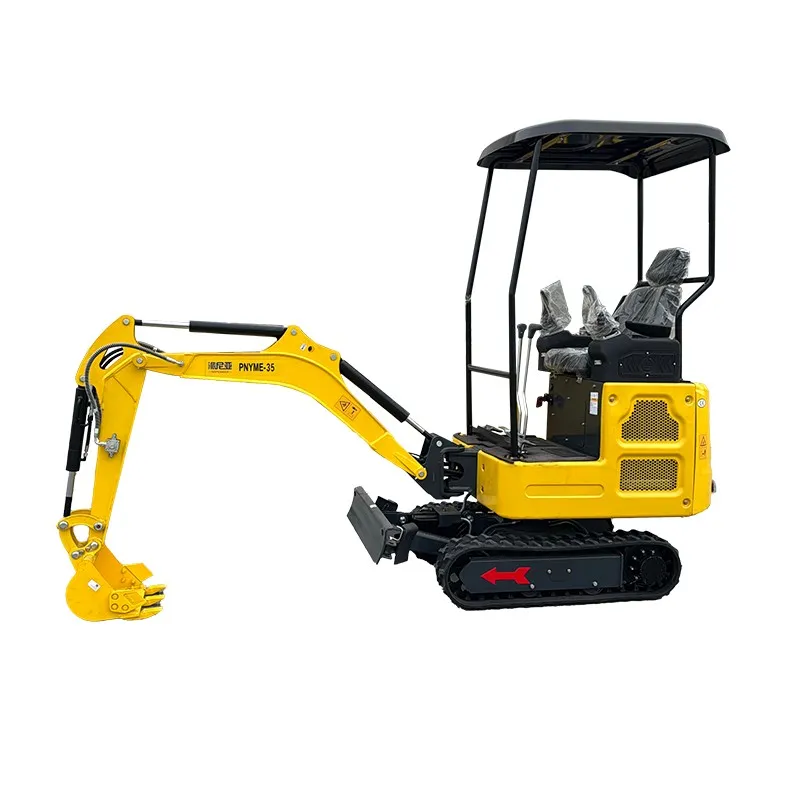
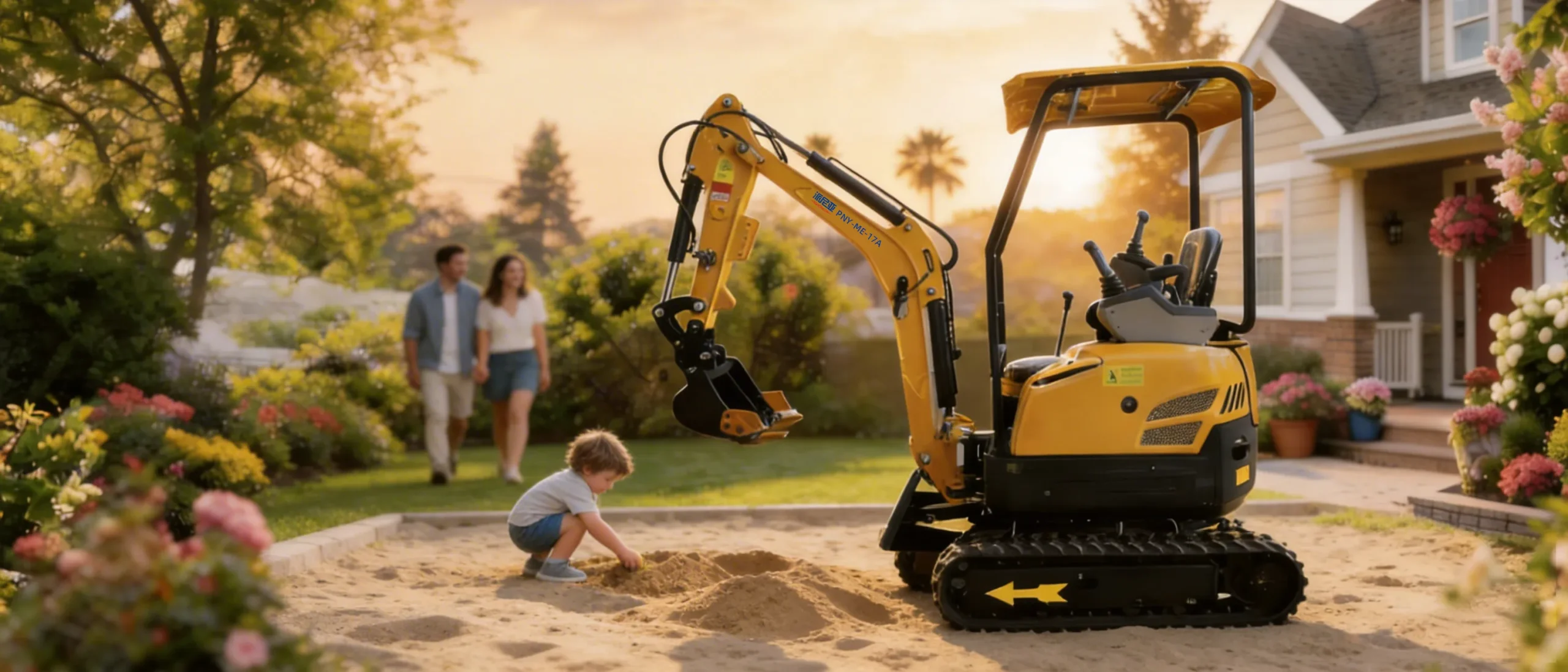
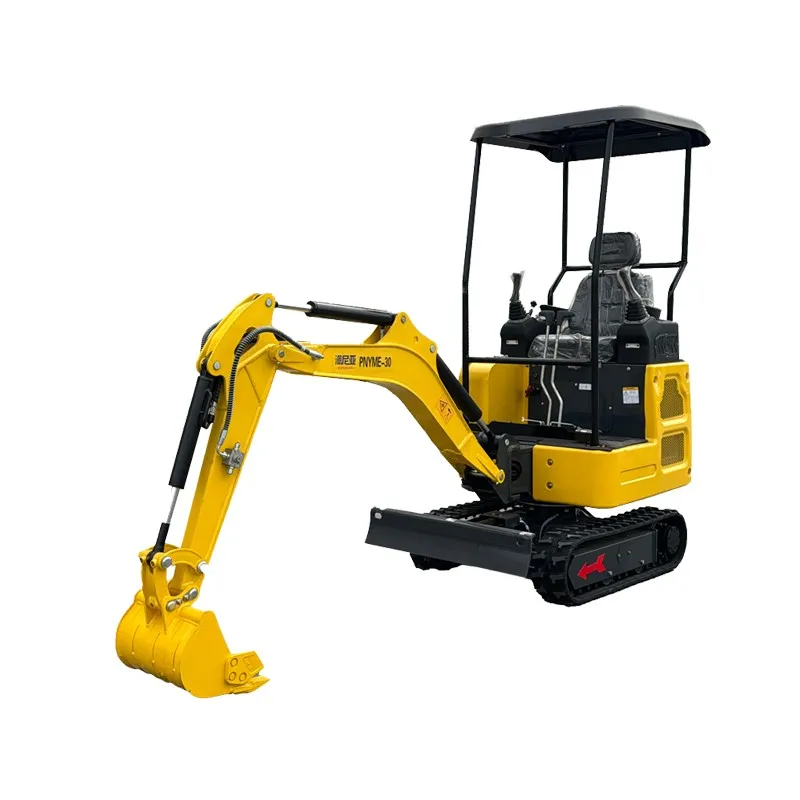
small excavator factory
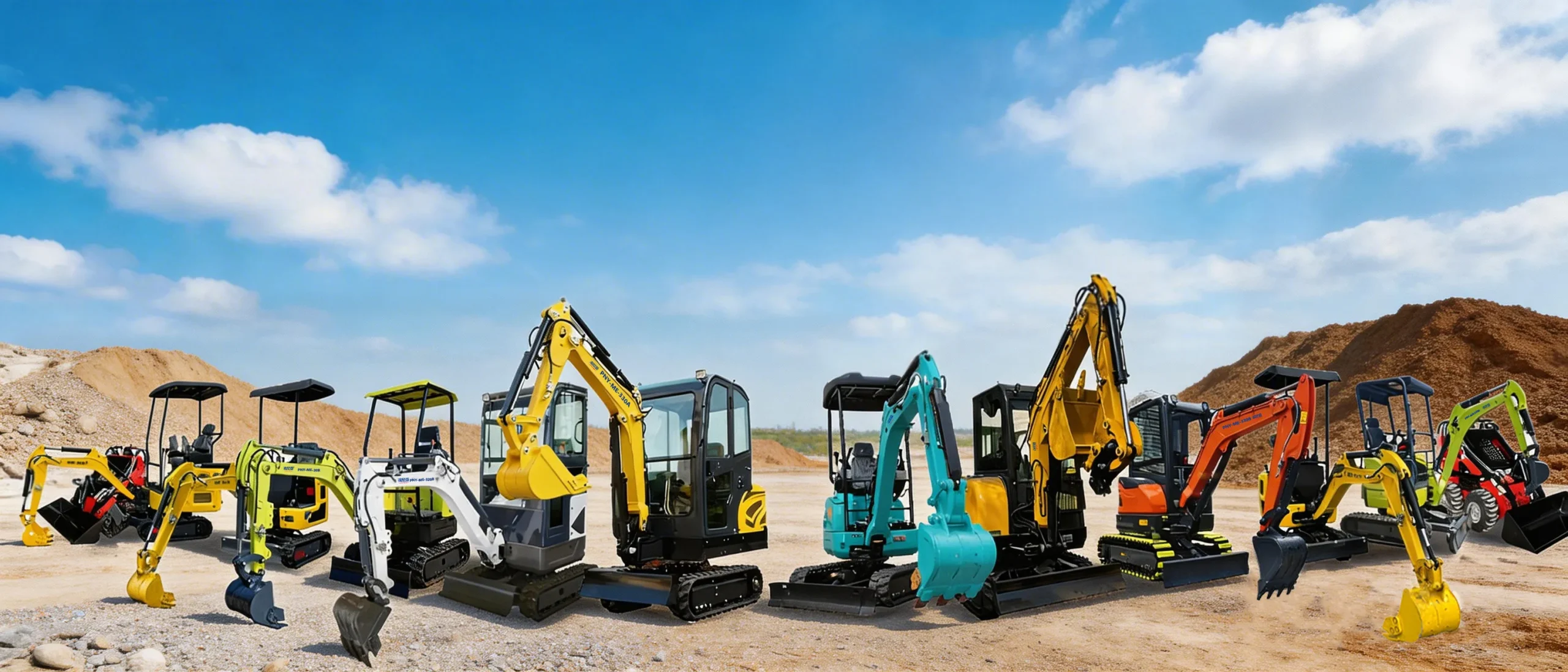
When most people hear 'small excavator factory,' they picture rows of yellow machines on a concrete floor, maybe a few welders. That's part of it, sure, but it misses the real story. The challenge isn't just building a machine; it's building one that survives its first six months on a real job site, where the operator might not treat it gently. I've seen too many startups focus on specs and price per unit, only to get hammered by warranty claims because a hydraulic hose routing was poor, leading to chafing and failure. That's the stuff you learn by being there, not just on the CAD screen.
The Anatomy of a Real Workshop
Let's talk about space. A 1,600 square meter facility, like the original setup for Shandong Pioneer Engineering Machinery Co., Ltd, tells you something. It's not massive by global OEM standards, but it's a serious footprint for a specialized player. In that space, layout is everything. You can't have the painting booth downwind from the main assembly area unless you want every component dusted before final fit. I remember visiting a factory where the sub-assembly of the boom and dipper was too far from the main chassis line. The result? Guys were spending 20 minutes moving each one with a forklift, killing efficiency. When they relocated in 2023, you can bet issues like that were top of the list for the new layout.
The move from Jining to Ningyang County in 2023 is a classic evolution. It's rarely just about more space; it's about logistics. Being closer to better highway access or a more reliable supplier cluster can shave costs more effectively than negotiating harder on steel plate. A new factory is a chance to re-engineer the process flow. For a small excavator factory, the undercarriage assembly line should feed seamlessly into the final mating with the upper structure. Any break in that flow creates bottlenecks. It's these practical, gritty details that separate a workshop that merely assembles parts from one that truly manufactures a coherent machine.
Then there's the tooling. It's not just about having robotic welders—though they're great for consistency on long weld seams on the frame. It's about the custom jigs and fixtures for the smaller, odd-shaped brackets. A poorly designed jig for welding the bracket that holds the hydraulic valve block can lead to misalignment. Later, during commissioning, that valve block might not sit flush, causing leaks. You fix it, but it's rework. Time and money. A mature factory has a drawer full of these bespoke fixtures, each one solving a problem found on the shop floor.
The Supply Chain Tangle
Everyone sources engines from Kubota, Yanmar, or Deutz. That's the easy part. The real test is the tier-two and tier-three suppliers: the castings for the swing bearing housing, the seals in the hydraulic cylinders, the grade of steel in the bucket teeth. I've dealt with a supplier who provided perfectly dimensioned hydraulic hose assemblies, but the rubber compound couldn't handle sustained high temperatures in the Middle East. They'd soften and bulge. Failure. You switch suppliers, but now you're qualifying a new batch, testing for compatibility with your fittings. This cycle is constant.
This is where a company's structure matters. Having Shandong Hexin handle manufacturing and Shandong Pioneer focus on overseas trade isn't just a corporate detail. It often means the manufacturing arm can concentrate on technical validation and production scheduling, while the trade arm deals with certifications, container loading, and navigating customer-specific requirements for markets like Australia or Canada. It creates a necessary tension—manufacturing wants standardized processes, trade wants custom features for Client X. Managing that tension is key to scaling.
Exporting to markets like Germany or the U.S. isn't a checkbox; it's a grueling filter. It's not just CE or EPA Tier 4 Final stickers. It's about documentation for every component, traceability, and sometimes, on-site audits from the client's engineering team. They'll point at a wiring loom and ask about its abrasion resistance rating. If your small excavator factory doesn't have that data on file, you lose credibility instantly. Success here, winning that trust and appreciation they mention, is built on a mountain of such mundane, meticulous records.
Learning from What Breaks
The most valuable knowledge isn't from the R&D lab; it's from the field failure reports. Early in my time with a similar operation, we had a model where the pilot control joysticks would get sticky after a few hundred hours. The factory blamed the operator's environment. The truth, found after tearing down returned units, was a design flaw where condensation from the cab's A/C could drip into the joystick base. A simple deflector shield added in production solved it. That's the kind of fix that never makes the brochure but defines reliability.
Another case: a batch of machines shipped to a rental company in North America. Within months, complaints of track tension loss. Our first thought was faulty tensioners. Turned out, the rental company was using high-pressure washers to clean the machines, blasting water directly into the track link pins and flushing out the grease. The solution wasn't to change the track design, but to provide the rental company with a cleaning procedure diagram and include a grease gun as a standard accessory in the operator's manual. You adapt to real-world use.
This feedback loop is critical. A factory that's just filling orders won't prioritize it. A factory invested in its brand will have a technical liaison whose main job is to parse dealer emails and translate machine feels weak into a potential diagnostic path—maybe a clogged fuel filter, maybe a slightly out-of-spec throttle position sensor. This role is the nervous system connecting the field back to the assembly line.
The Relocation as a Reset
The 2023 relocation for Pioneer is a significant data point. After nearly two decades, you don't move lightly. It's a capital-intensive, disruptive event. It signals growth, but also a need to reset systems. In a new facility, you can install a modern paint line with better pretreatment for corrosion resistance, crucial for coastal or cold-climate markets where salt is used on roads. You can implement a more logical parts kanban system on the assembly line to reduce walk time for workers.
It also forces a reconciliation of inventory and processes. You can't just pack up old jigs and dusty stock. It's an opportunity to obsolete parts that were causing frequent issues and standardize on better alternatives. For example, maybe you finally drop that problematic brand of solenoid valve you kept using because you had a warehouse full of them, and switch to a more reliable one, even at a slightly higher unit cost. The long-term savings on warranty support justify it.
However, relocation is a risk. You can lose skilled workers unwilling to commute to the new location. There's always a productivity and quality dip during the transition as people adjust to the new flow. The key is minimizing that window. The fact that they undertook it suggests confidence in their process maturity and order pipeline. You can see their footprint on https://www.sdpioneer.com, which serves as their face to the global market they supply.
Where the Real Competition Lies
Today, competition isn't just about horsepower or dig depth. Those are table stakes. It's about total cost of ownership for the guy running a landscaping business or a small demolition crew. Can he get parts in 48 hours? Is the service manual clear enough for his mechanic to troubleshoot an error code? Does the machine's design allow for easy access to daily checkpoints like the radiator and battery?
A factory that understands this designs for serviceability. It means maybe spending more on a modular wiring harness with quick-connect plugs instead of hard-wiring everything, so a damaged section can be replaced in an hour instead of a day. It means designing the side panels so they can be removed with just a handful of bolts, not a wrestling match. These decisions are made on the factory floor, in collaboration with the service team.
Ultimately, a successful small excavator factory like the one described operates in two worlds. One is the tangible world of steel, hydraulics, and torque specs. The other is the intangible world of dealer relationships, export compliance, and brand reputation built one reliable machine at a time. It's the seamless, often messy, integration of these two worlds that turns a collection of parts into a tool that someone, thousands of miles away, depends on to make their living. That's the real product.
Related Products
Related Products