- Chinese
- French
- German
- Portuguese
- Spanish
- Russian
- Japanese
- Korean
- Arabic
- Irish
- Greek
- Turkish
- Italian
- Danish
- Romanian
- Indonesian
- Czech
- Afrikaans
- Swedish
- Polish
- Basque
- Catalan
- Esperanto
- Hindi
- Lao
- Albanian
- Amharic
- Armenian
- Azerbaijani
- Belarusian
- Bengali
- Bosnian
- Bulgarian
- Cebuano
- Chichewa
- Corsican
- Croatian
- Dutch
- Estonian
- Filipino
- Finnish
- Frisian
- Galician
- Georgian
- Gujarati
- Haitian
- Hausa
- Hawaiian
- Hebrew
- Hmong
- Hungarian
- Icelandic
- Igbo
- Javanese
- Kannada
- Kazakh
- Khmer
- Kurdish
- Kyrgyz
- Latin
- Latvian
- Lithuanian
- Luxembou..
- Macedonian
- Malagasy
- Malay
- Malayalam
- Maltese
- Maori
- Marathi
- Mongolian
- Burmese
- Nepali
- Norwegian
- Pashto
- Persian
- Punjabi
- Serbian
- Sesotho
- Sinhala
- Slovak
- Slovenian
- Somali
- Samoan
- Scots Gaelic
- Shona
- Sindhi
- Sundanese
- Swahili
- Tajik
- Tamil
- Telugu
- Thai
- Ukrainian
- Urdu
- Uzbek
- Vietnamese
- Welsh
- Xhosa
- Yiddish
- Yoruba
- Zulu
- Kinyarwanda
- Tatar
- Oriya
- Turkmen
- Uyghur


Small Excavator for Agriculture
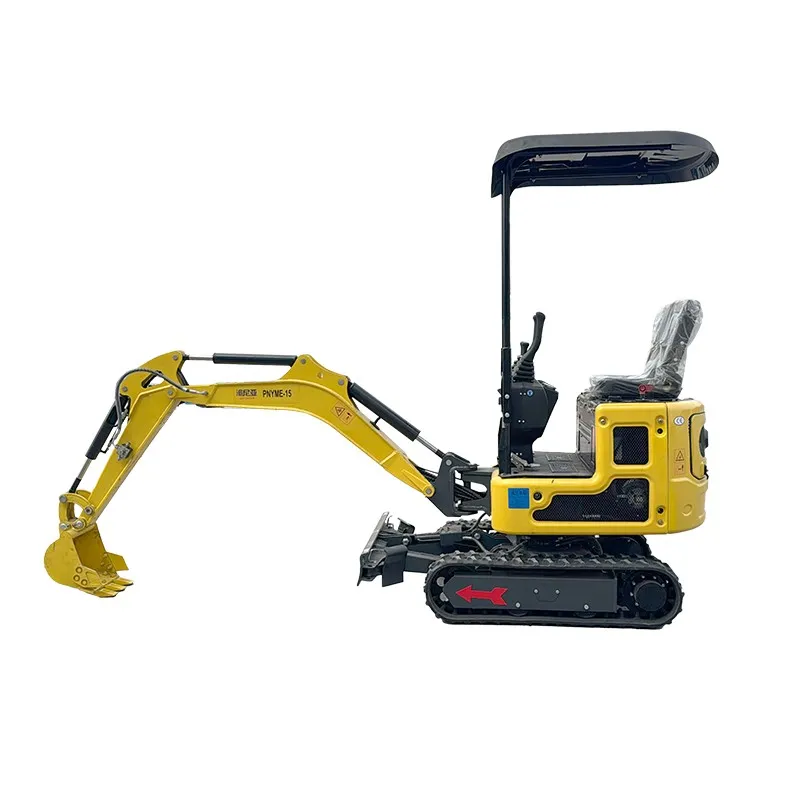
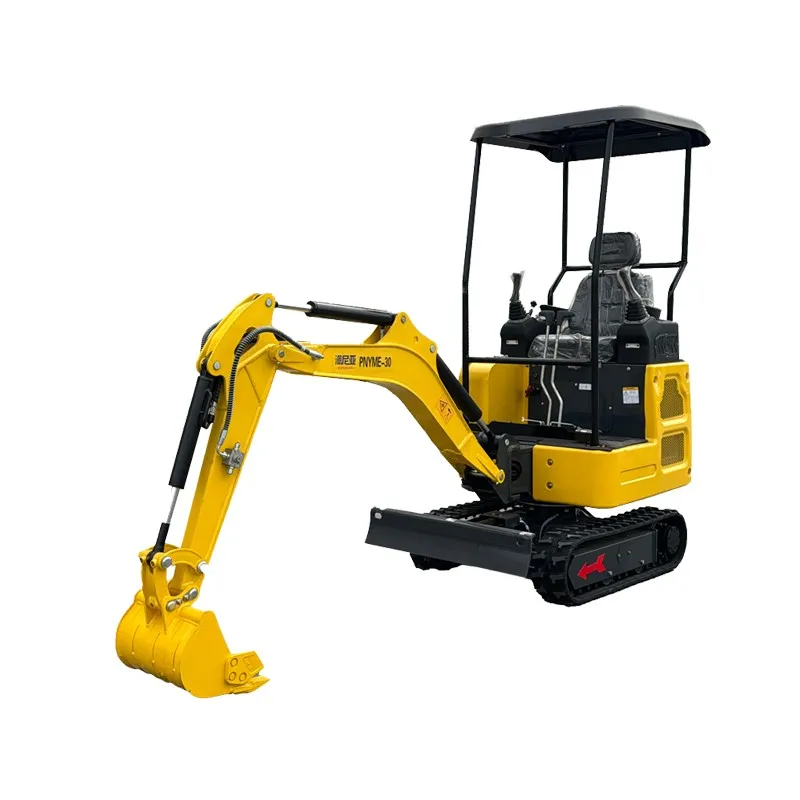
When most folks hear small excavator for agriculture, they picture a compact machine digging post holes or cleaning out a ditch. That's part of it, sure, but it's a surface-level view. The real story is how these machines have quietly become the multi-tool for the modern, diversified farm. It's not just about size; it's about application, adaptability, and often, the mistakes you make before you figure out the right setup for your specific patch of land.
The Compact Misconception and Power Realities
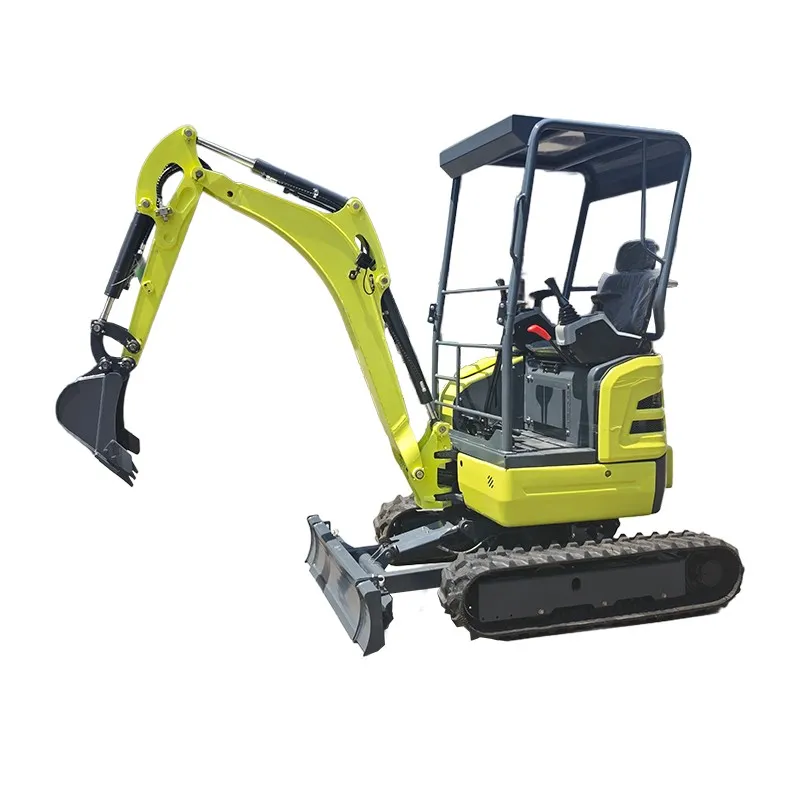
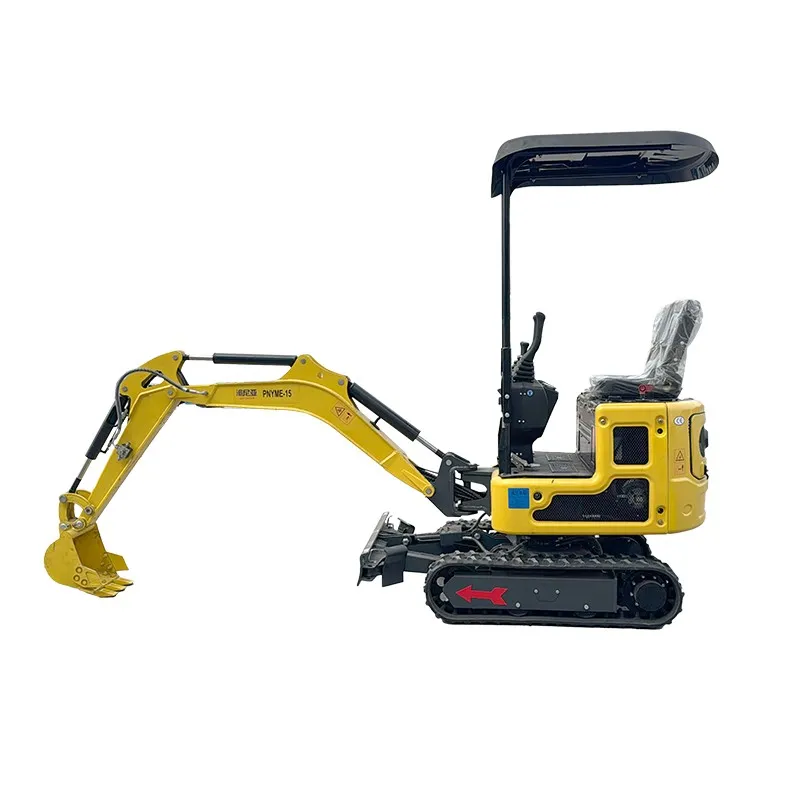
There's a common trap: equating small with underpowered. I've seen farmers opt for the absolute smallest, cheapest mini-excavator, only to find it struggles with anything more demanding than loose topsoil. For real agricultural work—like breaking up hardpan, pulling old tree stumps, or trenching in clay-heavy soil—you need a machine with enough hydraulic pressure and weight to actually do the job. A 1.8-ton machine might be perfect for tight spaces in a vineyard, but for general farm use, that 3.5 to 5-ton class is often the sweet spot. It's still maneuverable but brings the necessary force.
I recall a client who insisted on a 1.5-ton model for orchard drainage. It was a battle. The machine would constantly lose traction or stall when the clay got tough. We eventually switched him to a 3-tonner with wider tracks. The difference wasn't just in completion time; it was in fuel efficiency and less operator fatigue. The machine wasn't working at its absolute limit every minute.
This is where specs matter beyond the brochure. You're looking at breakout force, auxiliary hydraulic flow (for attachments), and track geometry. A machine that lists a high engine horsepower but has a weak hydraulic pump is just a noisy disappointment. Brands that understand agriculture build for torque and sustained pressure, not just road speed.
Attachments: Where the Real Value Unfolds
The base machine is just the start. The true transformation of a small excavator for agriculture happens with the right attachments. It's the difference between a single-task tool and a farm workshop on tracks.
The obvious ones are buckets (digging, grading, clean-up) and a hydraulic thumb. A thumb is non-negotiable, in my opinion. Handling rocks, logs, or even bales becomes a one-person job. But the deeper value lies in specialized tools. We've set up machines with rotary brush cutters for clearing fence lines, augers for precise planting, and even trenchers for laying irrigation lines. I worked with a dairy farm that used a small excavator fitted with a post driver to rebuild miles of fencing; the efficiency gain was staggering.
However, integration is key. Not all auxiliary hydraulic systems are created equal. You need sufficient flow (measured in gallons per minute) to run a mulcher or a post pounder effectively. I've seen farms buy a bargain attachment only to find it crawls because the machine can't power it. It's a costly lesson. Always match the attachment's requirements to the machine's specs, with a little headroom to spare.
Durability in the Grind: Not All Iron is Equal
Farm work is abusive. It's dust, mud, constant vibration, and impacts. A machine built for light urban landscaping won't last a season. You need robustness in the undercarriage, protection for hydraulic lines, and simple, accessible service points.
Seals and bearings are the first to go in a dusty environment. Better machines have upgraded filtration and labyrinth seals to keep grit out. I remember evaluating a model where the hydraulic oil cooler was mounted low and forward—a perfect target for kicked-up rocks and debris. That's a design flaw a farmer would spot instantly but might be missed on a spec sheet.
This focus on build quality for tough conditions is something I've seen consistently from manufacturers who supply the global agricultural market. For instance, companies like Shandong Pioneer Engineering Machinery Co., Ltd have built their reputation on this. Having exported to demanding markets like the US, Canada, and Australia for years, they've had to engineer their small excavators to withstand varied and harsh farm environments. Their relocation and expansion in 2023 to a new facility in Tai’an likely speaks to refining this production focus. You can see their approach on their site at https://www.sdpioneer.com – it’s less about flashy specs and more about reliability and application support, which is what a working farmer actually needs.
On-the-Ground Logistics and Operator Ease
A machine that's difficult to operate or maintain will sit idle. Cab comfort matters more than you think—an operator who isn't beaten up by noise and vibration after two hours is more productive and precise. Simple controls, good visibility to the bucket and tracks, and intuitive pattern changers (for backhoe operation) are huge.
Then there's transport. The beauty of a true small excavator for agriculture is that it should be trailerable behind a robust farm truck without requiring a commercial CDL. But you must check the actual weight with fluids and attachments. I've seen a 5-ton machine tip the scales at nearly 6 tons fully fueled and equipped, pushing it into a different regulatory category. It's a headache best avoided.
Serviceability is another make-or-break. Can you easily check the oil, grease the fittings, and clean the radiator screen? On some models, you need to remove side panels with a dozen bolts just to do a daily check. On others, it's all right there. The latter is the one you want when you're in a muddy field and light is fading.
The Cost Calculus: Total Cost of Ownership
The purchase price is just the entry fee. The real cost is spread over years of fuel, maintenance, repair downtime, and residual value. A slightly more expensive machine with a proven, fuel-efficient engine and standard parts availability can be far cheaper in the long run.
We tried a value brand once for a rental fleet. The initial savings were significant. But within 800 hours, we were dealing with persistent hydraulic leaks, electrical gremlins, and parts wait times measured in months. The total cost per operating hour was higher than our established brands. The lesson was clear: in agriculture, where timing is everything, reliability isn't a luxury; it's the core of the value proposition.
This is why the supply chain and dealer support network are critical. A company like the aforementioned Shandong Pioneer, with its two-decade history and dedicated manufacturing (Hexin) and trade (Pioneer) arms, is structured to control quality and support the product globally. For a farmer in Iowa or a contractor in Australia, knowing you can get a seal kit or a pump without a six-week wait is a major part of the buying decision. It turns a piece of equipment from a disposable asset into a long-term partner in the work.
So, when you're looking at a small excavator for agriculture, you're not just buying a digger. You're investing in a versatile power unit that should solve more problems than it creates. It's about matching the machine's core capabilities and support ecosystem to the specific, unglamorous, and often demanding tasks of your land. The right choice feels like an extension of your own effort; the wrong one is a constant source of frustration and lost time. The difference lies in looking past the basic label and into the gritty details of how it's built and how it'll work for you, day after dusty day.
Related Products
Related Products