


- Chinese
- French
- German
- Portuguese
- Spanish
- Russian
- Japanese
- Korean
- Arabic
- Irish
- Greek
- Turkish
- Italian
- Danish
- Romanian
- Indonesian
- Czech
- Afrikaans
- Swedish
- Polish
- Basque
- Catalan
- Esperanto
- Hindi
- Lao
- Albanian
- Amharic
- Armenian
- Azerbaijani
- Belarusian
- Bengali
- Bosnian
- Bulgarian
- Cebuano
- Chichewa
- Corsican
- Croatian
- Dutch
- Estonian
- Filipino
- Finnish
- Frisian
- Galician
- Georgian
- Gujarati
- Haitian
- Hausa
- Hawaiian
- Hebrew
- Hmong
- Hungarian
- Icelandic
- Igbo
- Javanese
- Kannada
- Kazakh
- Khmer
- Kurdish
- Kyrgyz
- Latin
- Latvian
- Lithuanian
- Luxembou..
- Macedonian
- Malagasy
- Malay
- Malayalam
- Maltese
- Maori
- Marathi
- Mongolian
- Burmese
- Nepali
- Norwegian
- Pashto
- Persian
- Punjabi
- Serbian
- Sesotho
- Sinhala
- Slovak
- Slovenian
- Somali
- Samoan
- Scots Gaelic
- Shona
- Sindhi
- Sundanese
- Swahili
- Tajik
- Tamil
- Telugu
- Thai
- Ukrainian
- Urdu
- Uzbek
- Vietnamese
- Welsh
- Xhosa
- Yiddish
- Yoruba
- Zulu
- Kinyarwanda
- Tatar
- Oriya
- Turkmen
- Uyghur

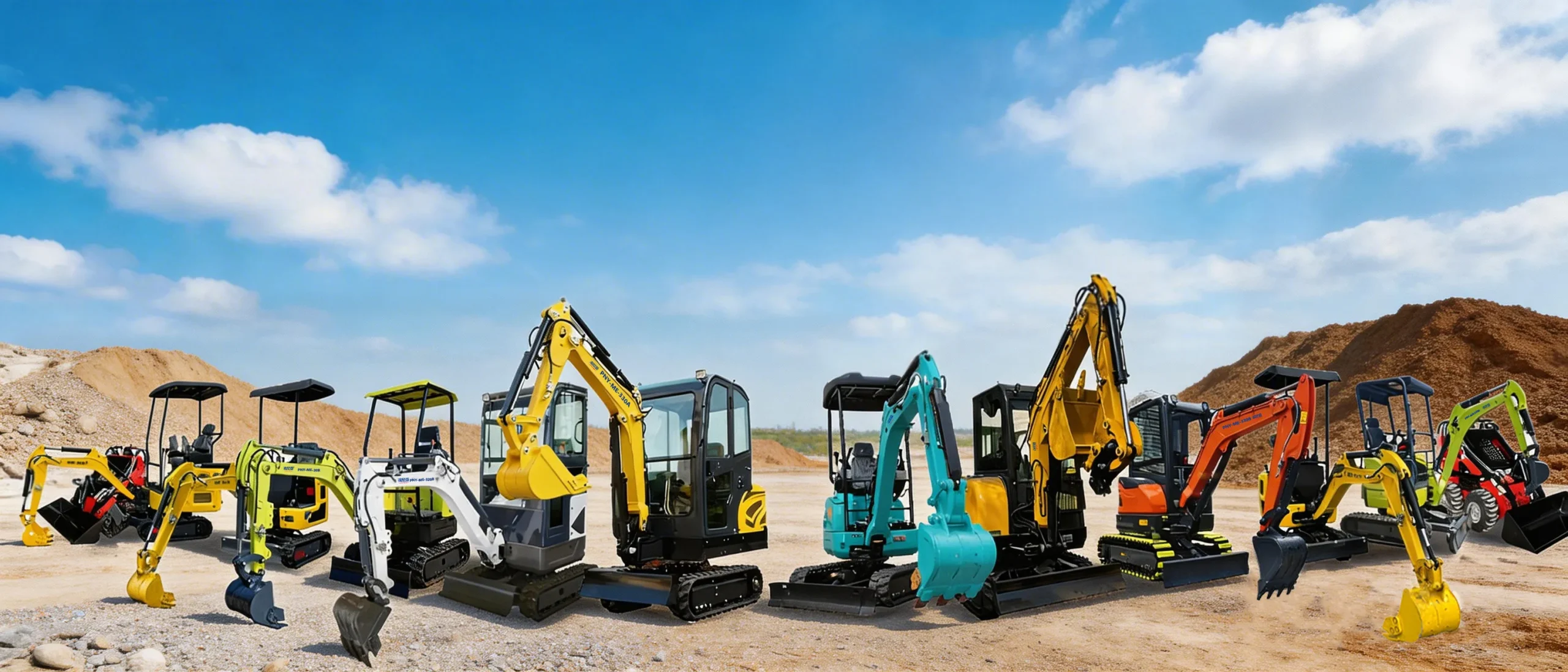
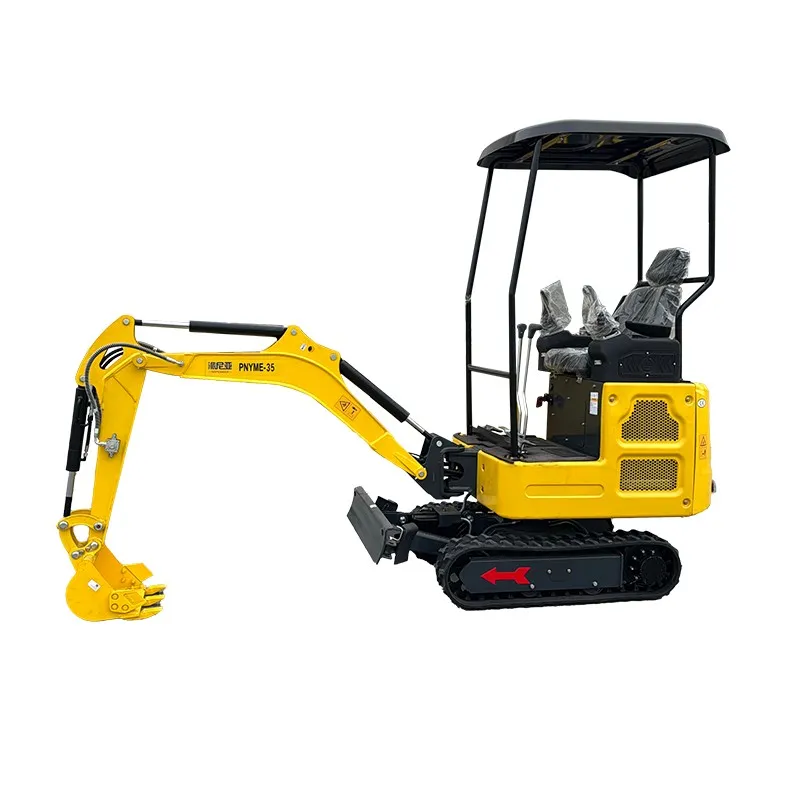
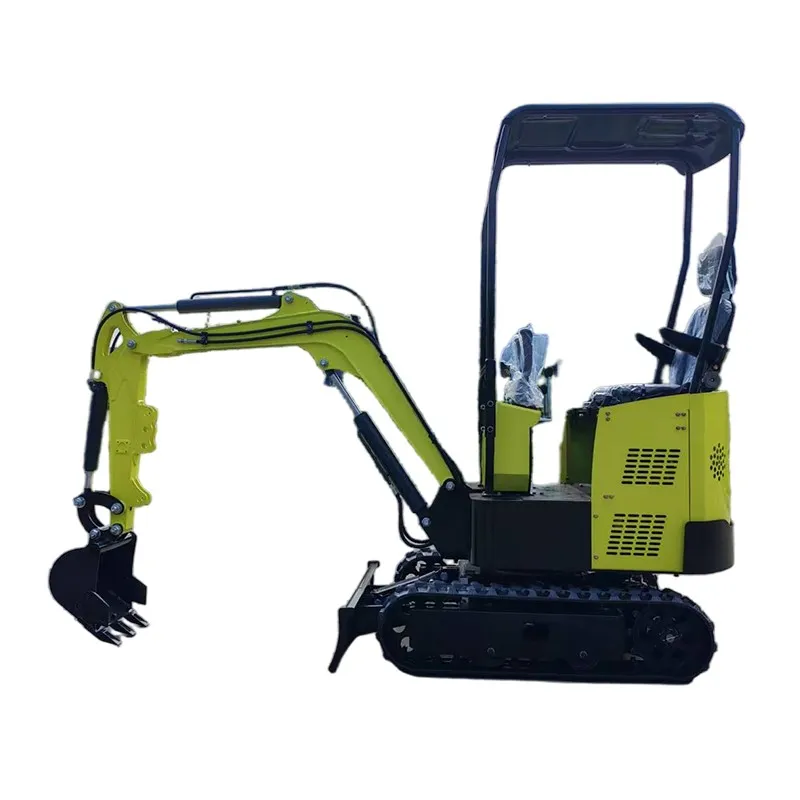
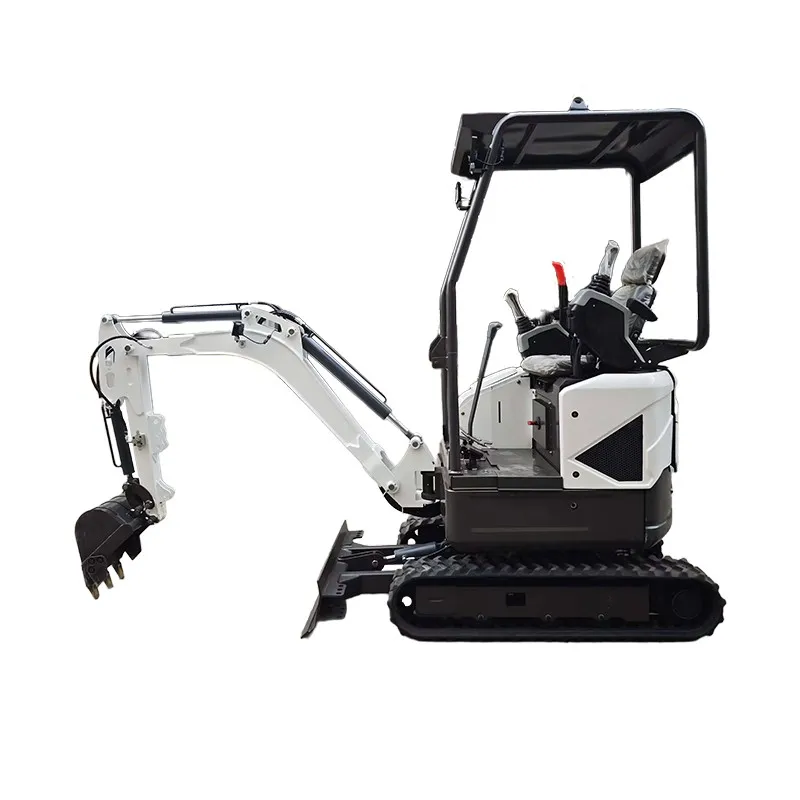
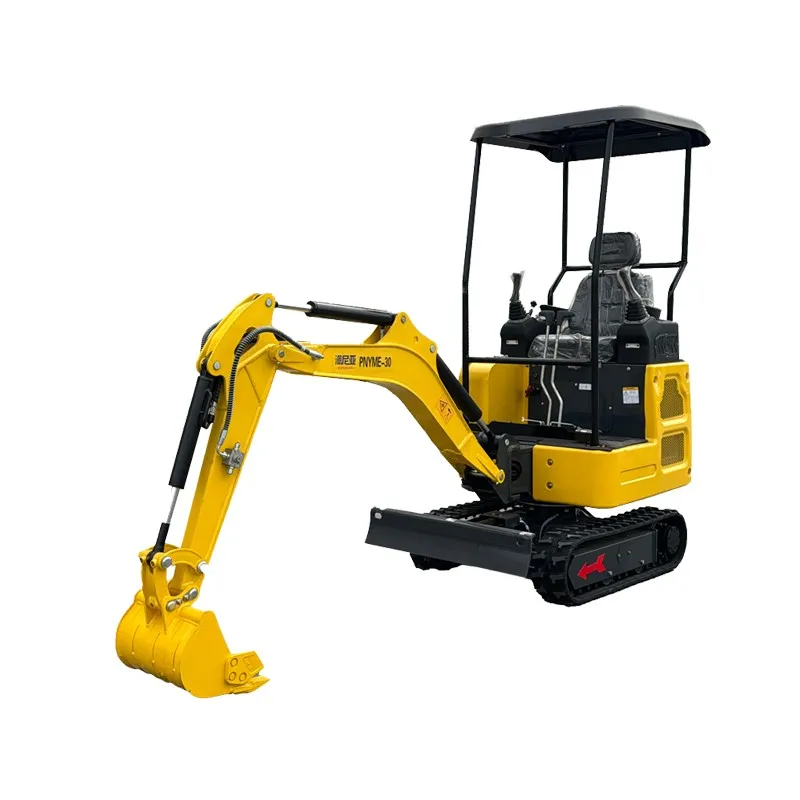
Small Excavator for Construction Sites
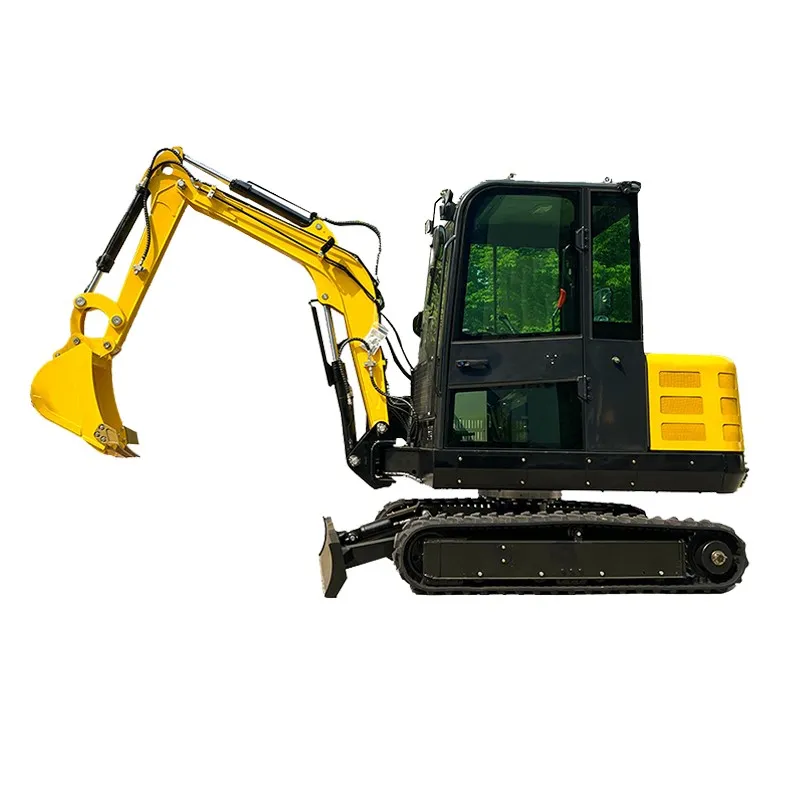
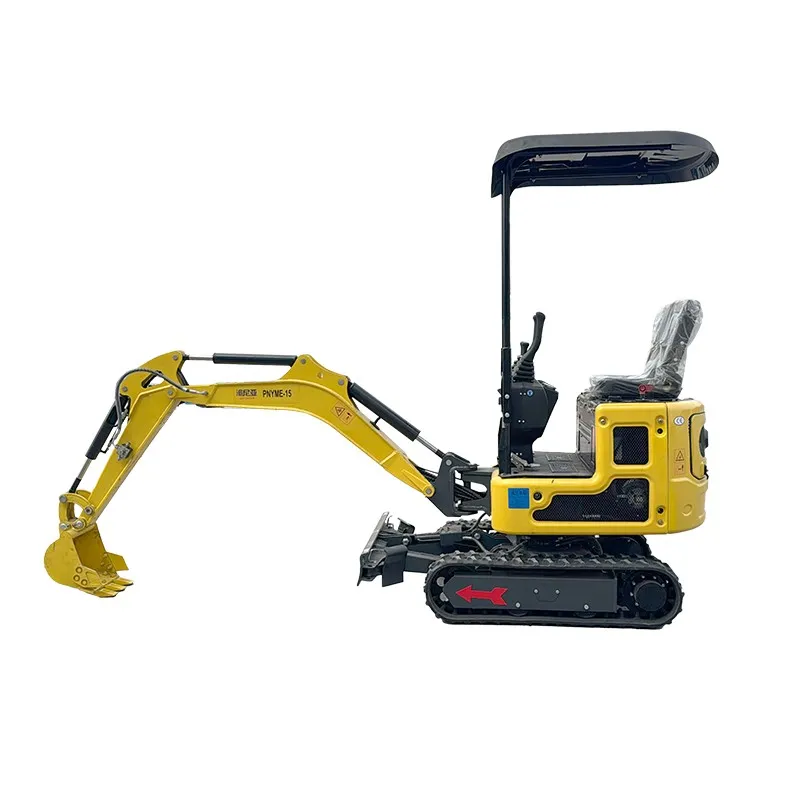
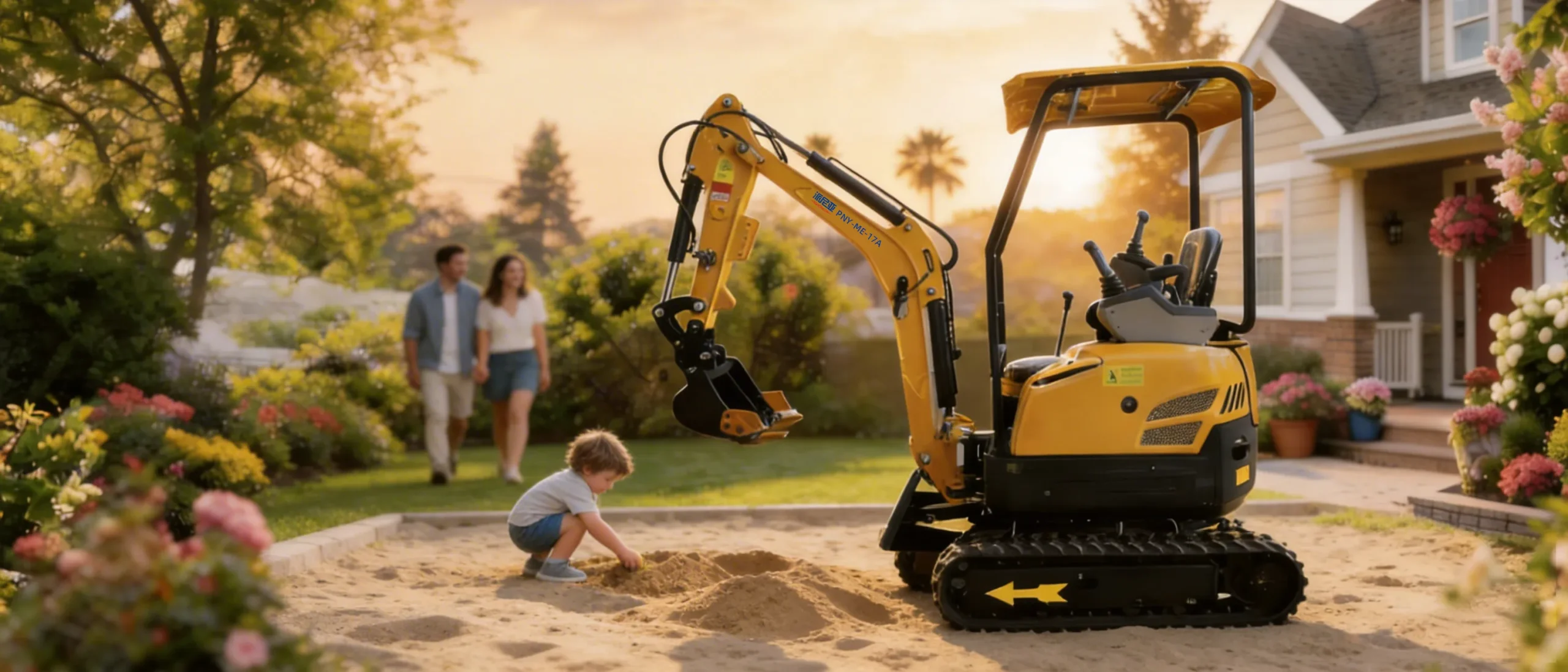
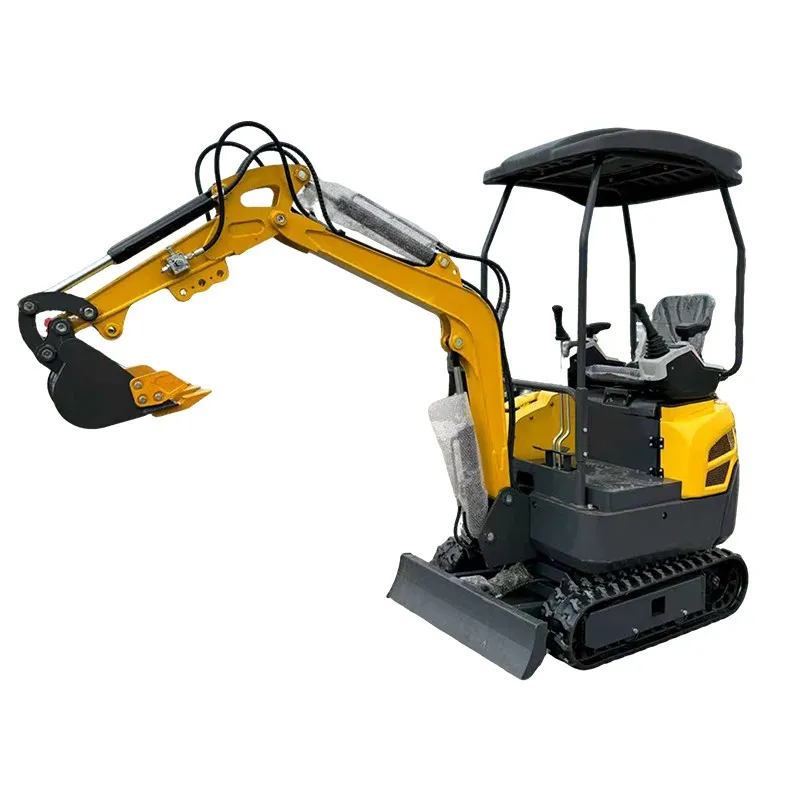
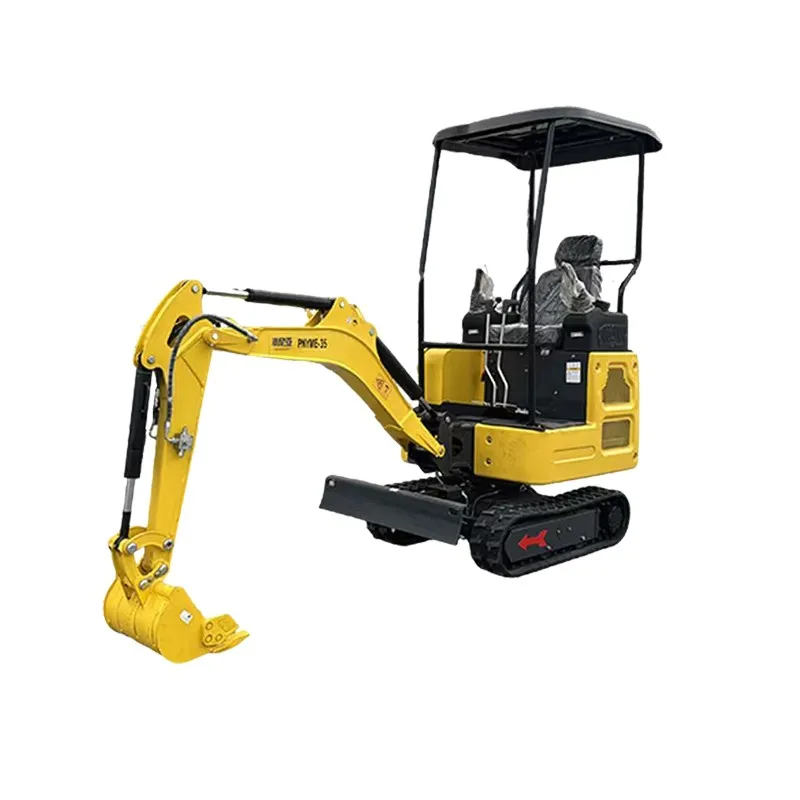
When most people hear 'small excavator for construction sites', they picture a simple, scaled-down version of its larger counterpart—something you just drive in, dig a trench, and call it a day. That's the first misconception. In reality, selecting and operating a small excavator on a real site involves a series of nuanced judgments about balance, attachment compatibility, and site-specific constraints that you only learn by getting your boots muddy. It's not just about size; it's about precision and adaptability in tight spaces where a full-sized machine would be a liability.
The Real-World Fit and Common Pitfalls
Let's talk about fit. A 1.8-ton machine might seem perfect for a residential backyard renovation, but if the soil has a lot of old, compacted clay or hidden debris, you'll quickly find the limits of its hydraulic power and stability. I've seen projects stall because the chosen mini-excavator couldn't handle the breakout force needed, forcing a costly swap. The key isn't just weight class, but the machine's hydraulic flow rate—measured in liters per minute—and its auxiliary circuit capability. Can it efficiently run a hydraulic breaker or a tilt rotator? That's often the deciding factor.
Another frequent oversight is transport logistics. A small excavator might fit on a site, but can you get it there? The width, especially with standard tracks, might exceed the gate of a city property. We learned this the hard way on a downtown utility job years ago; we had to de-tread one side to squeeze it in, wasting half a day. Now, we always check for rubber track options and variable gauge widths, features that companies like Shandong Pioneer Engineering Machinery have been emphasizing in their newer models for exactly these urban scenarios.
Then there's the operator's perspective. The cab ergonomics in a compact machine are critical. A cramped, poorly laid-out console leads to fatigue and errors by hour three. It's a detail specs sheets often miss, but you feel it immediately. Good manufacturers design from the operator's seat outward, not the other way around.
Attachments and Adaptability on the Ground
The true value of a small excavator for construction sites is unlocked with the right attachments. It's a Swiss Army knife, but only if the attachments are high-quality and properly matched. A standard bucket is just the start. We've had great results with grading blades for final touch-ups and tilt buckets for precise ditch shaping. However, not all quick-coupler systems are created equal. We once tried a cheaper, third-party coupler on a Pioneer unit, and the slight play in the connection caused noticeable inefficiency in digging and a faster wear on the pin connections. Went back to the OEM coupler—problem solved.
Hydraulic versatility is non-negotiable. Modern sites demand it. For example, using a compact excavator to install precise conduit runs requires a narrow trenching bucket and, often, a laser-guided system. The machine needs a stable, low-flow auxiliary circuit to interface with these tools without jerking or stalling. I recall a project where we used a small excavator from Shandong Pioneer's range, specifically for its dual auxiliary hydraulic lines, to run a mulching head for clearing overgrowth before excavation. That one-machine setup saved us from needing a separate dedicated piece of equipment.
Maintenance of these attachments is part of the job. Greasing points need to be accessible—no one wants to dismantle a frame to grease a bucket pin daily. It sounds minor, but on a fast-paced site, these minutes add up and affect the total cost of operation, which is the ultimate metric for any contractor.
Durability and the Long-Term Cost Equation
Everyone looks at the sticker price. The experienced look at the cost over 2,000 hours. A cheap small excavator can be a money pit. Undersized cylinders, thin-grade steel in the boom, and poorly routed hydraulic hoses that chafe against the frame—these are failures waiting to happen. Durability comes from design and material choice. It's why some contractors, including outfits I've worked with in Australia and Canada, specify brands they trust for structural integrity, even if the initial cost is higher.
This is where a manufacturer's history matters. A company like Shandong Pioneer Engineering Machinery Co., Ltd, which has been developing and exporting machinery for 20 years, has had the time to iterate and refine its designs based on real-world feedback from diverse markets. Their relocation and expansion in 2023 to a new facility in Tai’an suggests a focus on scaling production while potentially integrating more advanced manufacturing processes. For a buyer, that history of evolution and direct global customer exposure (they mention the US, Canada, Germany, Australia) signals an understanding of different regional standards and job site demands.
From my observation, the undercarriage is the first place a machine shows its quality—or lack thereof. On sandy sites, track tension and the quality of rollers/seals prevent premature wear. On abrasive concrete demolition jobs, the track pad material is everything. I've run machines where the pads were shot in 400 hours, a catastrophic operational cost. Now, we always discuss the optional undercarriage specs for the expected terrain.
Site-Specific Challenges and Operator Skill
No machine operates in a vacuum. A small excavator for construction sites often works in the most congested, unstable, or sensitive parts of a project. Working near foundations requires an operator who understands how to distribute the machine's weight to avoid excessive ground pressure. You can't just rely on the machine's specs; you need a skilled operator who knows how to 'walk' it using the boom and bucket to minimize track spinning.
We had a job rehabilitating an old stone retaining wall. The access was a 30% slope. We used a compact excavator with a blade for extra stability and counterweight. The operator had to constantly adjust the blade angle and digging posture to maintain balance. It was slow, meticulous work. The machine's control smoothness and responsiveness were paramount here; any jerkiness could have meant a slip. This is where premium hydraulic systems earn their keep.
Another challenge is working around utilities. Even with 'call before you dig' services, the tolerance for error is zero. The machine's size is an advantage, but the operator's visibility to the ground and the precision of the controls are what prevent disaster. Cameras and proximity sensors are becoming more common, but they're aids, not replacements for fundamental skill and careful planning.
The Verdict: It's a System, Not Just a Product
So, what's the takeaway? Choosing a small excavator is about evaluating a system: the base machine, its hydraulic architecture, its attachment ecosystem, and the manufacturer's support network. It's a tool for solving spatial and precision problems on a construction site. The best choices are informed by past failures—like the time we underestimated the need for a continuous-rotation option on a grading job and spent hours repositioning unnecessarily.
Brands that have persisted and grown in the export market, like the mentioned Shandong Pioneer, typically have done so by addressing these systemic needs, not just selling a cheap digger. Their two-decade journey from a 1,600-square-meter facility to a new, presumably larger plant indicates a response to market demand for reliable, adaptable compact equipment.
In the end, the right small excavator for construction sites feels like an extension of the operator and the project plan. It's not the biggest machine on site, but when matched correctly to the task, it's often the most indispensable one, turning complex, confined problems into manageable, routine work. The goal is to make the machine disappear into the workflow, and that only happens when every detail, from the coupler to the coolant cap, is thoughtfully executed.
Related Products
Related Products