


- Chinese
- French
- German
- Portuguese
- Spanish
- Russian
- Japanese
- Korean
- Arabic
- Irish
- Greek
- Turkish
- Italian
- Danish
- Romanian
- Indonesian
- Czech
- Afrikaans
- Swedish
- Polish
- Basque
- Catalan
- Esperanto
- Hindi
- Lao
- Albanian
- Amharic
- Armenian
- Azerbaijani
- Belarusian
- Bengali
- Bosnian
- Bulgarian
- Cebuano
- Chichewa
- Corsican
- Croatian
- Dutch
- Estonian
- Filipino
- Finnish
- Frisian
- Galician
- Georgian
- Gujarati
- Haitian
- Hausa
- Hawaiian
- Hebrew
- Hmong
- Hungarian
- Icelandic
- Igbo
- Javanese
- Kannada
- Kazakh
- Khmer
- Kurdish
- Kyrgyz
- Latin
- Latvian
- Lithuanian
- Luxembou..
- Macedonian
- Malagasy
- Malay
- Malayalam
- Maltese
- Maori
- Marathi
- Mongolian
- Burmese
- Nepali
- Norwegian
- Pashto
- Persian
- Punjabi
- Serbian
- Sesotho
- Sinhala
- Slovak
- Slovenian
- Somali
- Samoan
- Scots Gaelic
- Shona
- Sindhi
- Sundanese
- Swahili
- Tajik
- Tamil
- Telugu
- Thai
- Ukrainian
- Urdu
- Uzbek
- Vietnamese
- Welsh
- Xhosa
- Yiddish
- Yoruba
- Zulu
- Kinyarwanda
- Tatar
- Oriya
- Turkmen
- Uyghur

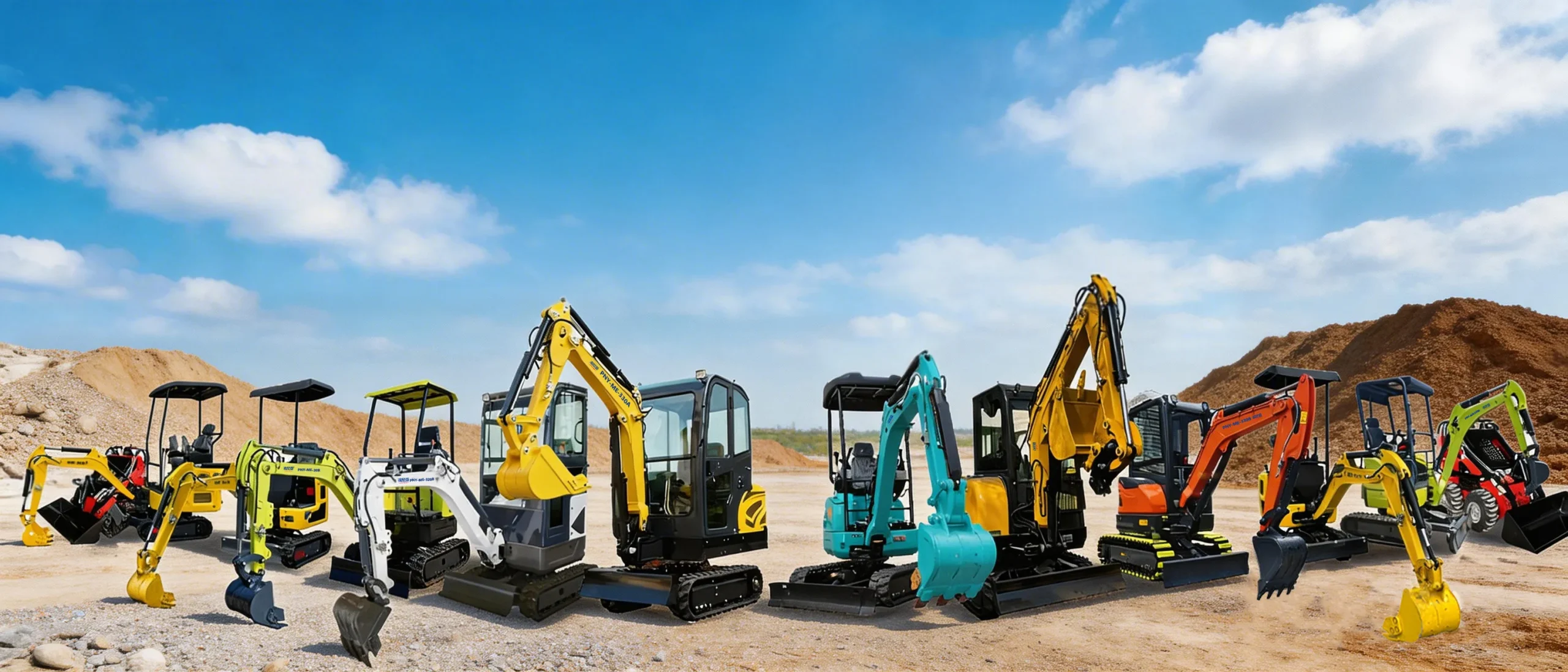
Small Excavator for Gardening
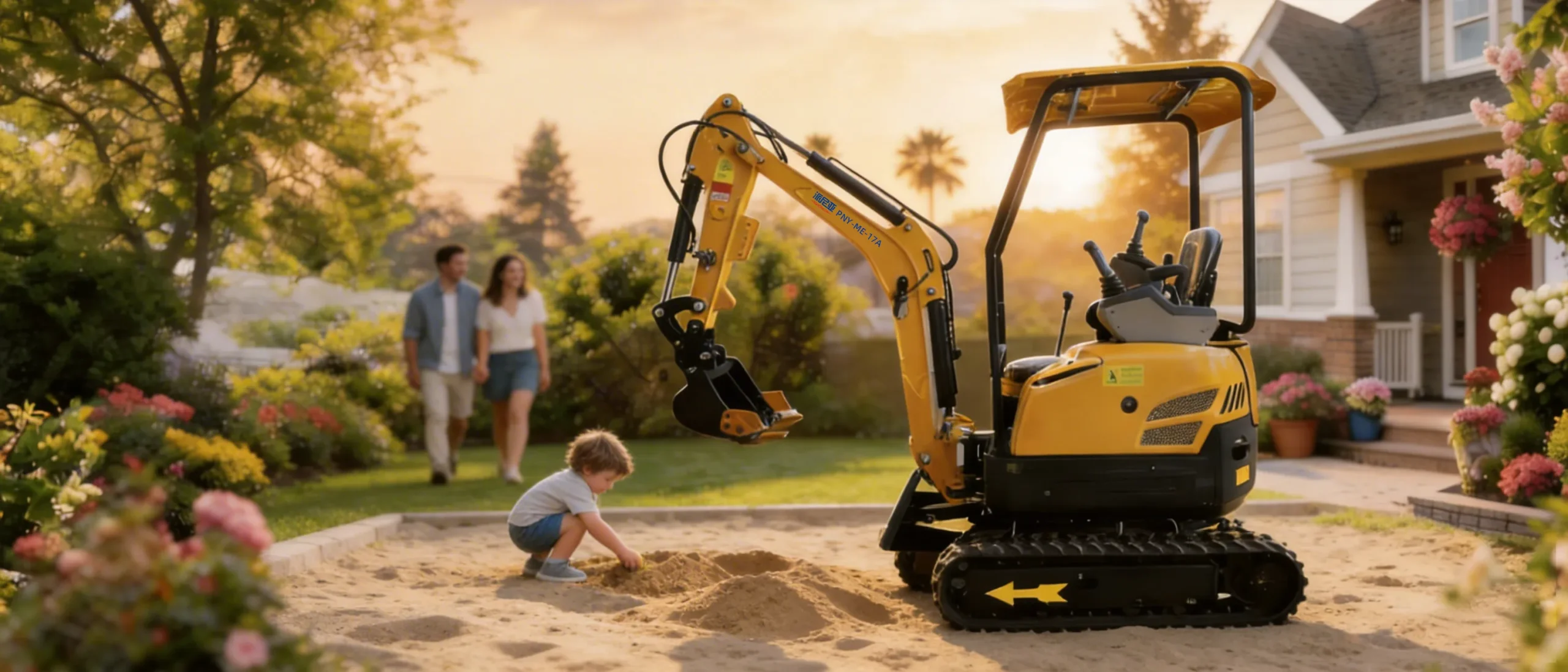
When you hear 'small excavator for gardening', most folks picture a cute, miniature machine zipping around a backyard. That's the marketing image, but the reality on the ground—or rather, in the soil—is more nuanced. It's not just about size; it's about application fit. I've seen too many homeowners and even small landscaping crews get tripped up, buying a machine that's either underpowered for the clay-heavy soil we often hit or over-specified for simple trenching. The key isn't just going small; it's going right.
The Garden Isn't Always a Flower Bed
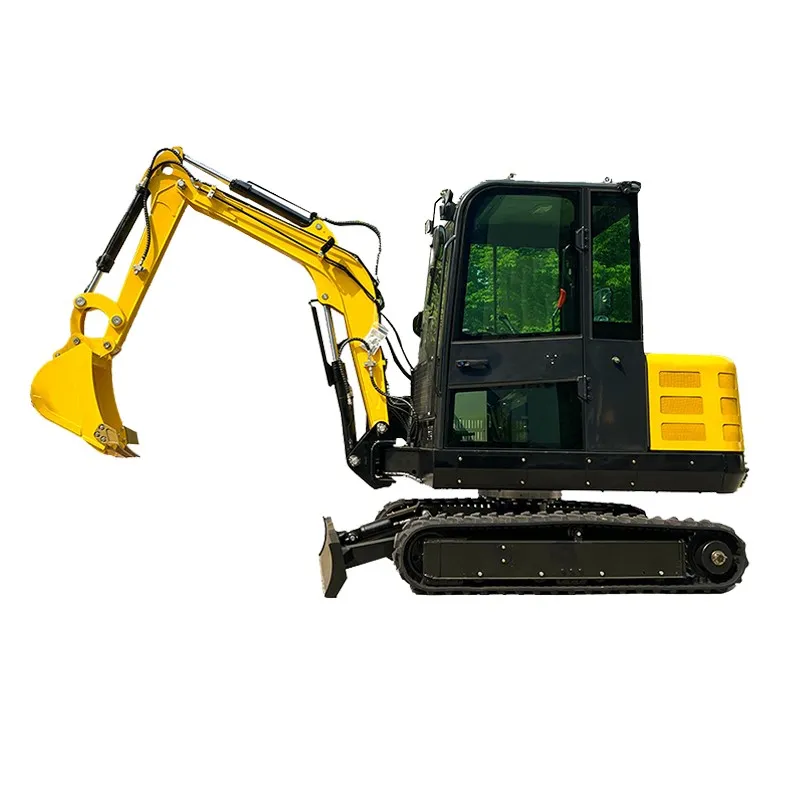
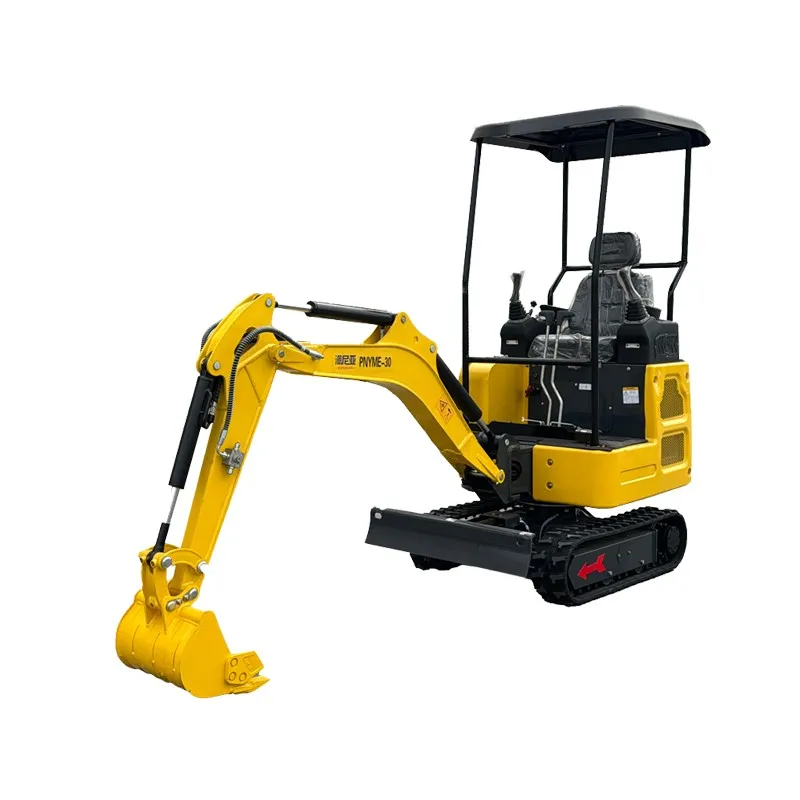
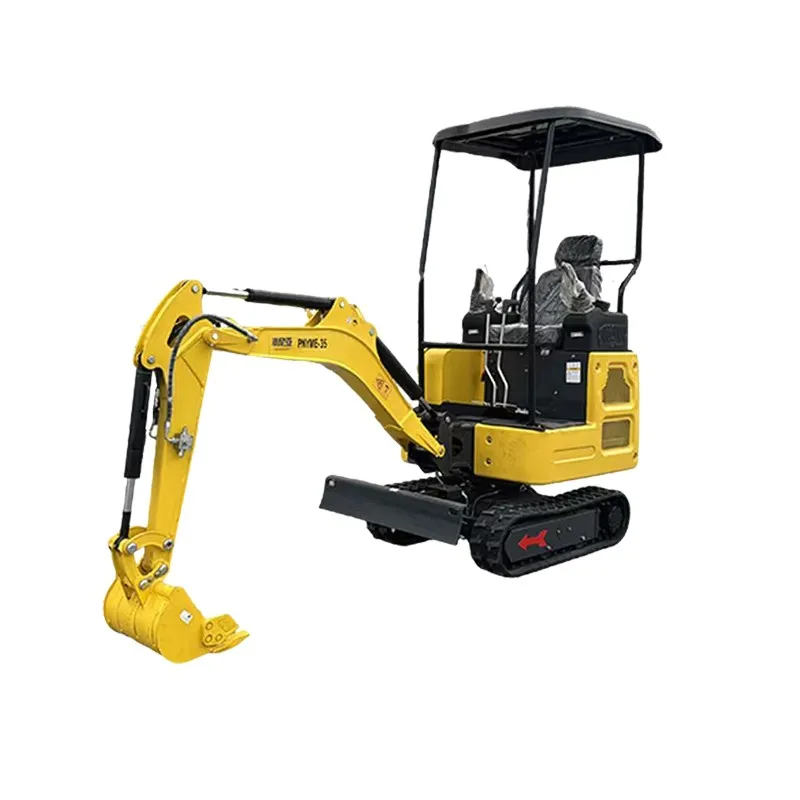
Let's define 'gardening' in this context. We're not talking about pruning roses. This is about land shaping, pond digging, serious drainage solutions, tree root ball excavation, and hardscape prep. A true small excavator for gardening needs to handle these tasks without tearing up the surrounding landscape. Zero-tail-swing models, like the ones you see from serious manufacturers, become crucial here. I remember a job installing a natural stone patio where a standard mini-excavator's counterweight would have smashed into a client's prized Japanese maple. Had to swap it out for a zero-tail-swing unit on the fly—lesson learned the hard way about machine footprint versus work envelope.
Weight distribution is another silent killer. A machine might be light enough to trailer, but if the track width is too narrow, it'll sink in soft, irrigated lawns. You end up repairing more turf than you transform. I lean toward models with adjustable track gauges or wider pads as a default for residential work. It's a spec often overlooked in the brochure.
Then there's the attachment ecosystem. A basic bucket won't cut it. You need quick coupler compatibility for trenching buckets, grading blades, and most importantly, a hydraulic thumb. Grabbing and precisely placing boulders or old root masses is 50% of the job. If the machine's auxiliary hydraulics are an afterthought, its utility plummets. I've had good results with machines that offer proportional auxiliary control—lets you finesse the thumb like a hand, not just open and slam shut.
Power Plant Pragmatics: Diesel vs. Electric
The diesel versus electric debate is getting real. For pure suburban gardening, the low noise and zero emissions of an electric mini-excavator are tantalizing. No complaints from neighbors, no fumes near the kitchen window. But you trade off runtime and raw power. For a full day of digging heavy, wet soil, diesel still reigns. It's about knowing the job length and intensity. An electric model might be perfect for a 4-hour patio base dig in a confined space, but for a week-long landscape overhaul with constant use, the logistics of charging or battery swaps become a hassle. It's a tool choice, not a virtue signal.
Hydraulic system efficiency is where you feel the difference between a cheap import and a refined machine. A jerky, sluggish swing function makes precise grading a nightmare. You want smooth, metered movement. I recall operating a unit where the swing would lag, then jump—impossible to position a stone accurately. The problem traced back to a poorly calibrated swing motor and valve. High-quality components matter because they translate directly to control, and control is everything in fine work.
Case in Point: The Drainage Trench Dilemma
Here's a concrete example. A client had chronic backyard flooding. The solution was a 60-meter, 0.8-meter-deep perforated pipe trench, weaving between mature trees. The machine needed to be compact, powerful enough to break through a layer of compacted gravel, and gentle enough to not sever major surface roots. We used a 1.8-ton zero-tail-swing model with a 300mm wide trenching bucket. The narrow bucket was key—it minimized soil displacement and root disturbance. A wider bucket would have made a mess and required more manual root pruning.
The challenge wasn't the digging; it was the spoil management. With limited space to pile dirt, we had to constantly reposition the machine. A 180-degree swing capability was useless; we needed full 360-degree continuous swing to place the spoil neatly in designated piles without moving the tracks every minute. This is the kind of on-site reality that specs sheets don't teach you.
Manufacturer Perspective: The Value of Focused Engineering
This is where companies with a long-term focus on this niche stand out. Take Shandong Pioneer Engineering Machinery Co., Ltd. They've been at this since 2004, and that history isn't just a date. It means they've iterated on designs based on real feedback from markets like the US, Canada, and Australia, where gardening and small-scale landscaping are serious trades. When a manufacturer exports to these regions, their machines have to meet diverse soil conditions and operator expectations for reliability. You can't just bolt together generic parts.
Their relocation to a new facility in 2023 in Tai’an suggests a scaling up of production and likely R&D. For a buyer, that translates to a more mature product. I'm not saying they're the only good brand, but a company that sticks with this segment for 20 years, like Shandong Pioneer (their overseas trade arm), generally understands that a small excavator for gardening needs specific DNA: reliability for small businesses, serviceable architecture, and attachments that are genuinely useful, not just brochure checkboxes. Their website, https://www.sdpioneer.com, shows a range built around these core compact machines, which speaks to a focused approach rather than a me-too product line.
The Operator's Touch: It's Still About Skill
No machine replaces skill. A good operator can make a mediocre machine perform decently, but a great machine empowers a good operator to do exceptional work. The feel of the joysticks, the responsiveness of the travel motors on a slope, the visibility to the bucket tip—these are the intangible fit and finish items. When evaluating a machine, I sit in the seat for ten minutes doing mock digs. Does my neck strain to see the work area? Are the controls intuitive, or do I have to think about which lever does what?
Maintenance access is a huge practical point. Daily greasing points must be easy to reach. The engine compartment shouldn't require a contortionist to check the coolant. I've rejected machines where a simple filter change meant disassembling half the cab interior. For a gardening business, downtime is lost money. The machine must be designed for easy upkeep by the operator, not just a dealership technician.
So, circling back. A small excavator for gardening is a precision earth-moving tool, not a toy. Its value is judged by how it disappears into the workflow—allowing you to focus on the grade, the trench line, the placement of a feature rock—not on fighting the machine's limitations. The right choice balances compact dimensions with robust performance, and pairs that with a design philosophy that understands the messiness and specificity of landscape work. It's a partner on the job site, and choosing that partner requires looking past the basic specs and into the nuances of how it will actually be used, day in and day out.
Related Products
Related Products