- Chinese
- French
- German
- Portuguese
- Spanish
- Russian
- Japanese
- Korean
- Arabic
- Irish
- Greek
- Turkish
- Italian
- Danish
- Romanian
- Indonesian
- Czech
- Afrikaans
- Swedish
- Polish
- Basque
- Catalan
- Esperanto
- Hindi
- Lao
- Albanian
- Amharic
- Armenian
- Azerbaijani
- Belarusian
- Bengali
- Bosnian
- Bulgarian
- Cebuano
- Chichewa
- Corsican
- Croatian
- Dutch
- Estonian
- Filipino
- Finnish
- Frisian
- Galician
- Georgian
- Gujarati
- Haitian
- Hausa
- Hawaiian
- Hebrew
- Hmong
- Hungarian
- Icelandic
- Igbo
- Javanese
- Kannada
- Kazakh
- Khmer
- Kurdish
- Kyrgyz
- Latin
- Latvian
- Lithuanian
- Luxembou..
- Macedonian
- Malagasy
- Malay
- Malayalam
- Maltese
- Maori
- Marathi
- Mongolian
- Burmese
- Nepali
- Norwegian
- Pashto
- Persian
- Punjabi
- Serbian
- Sesotho
- Sinhala
- Slovak
- Slovenian
- Somali
- Samoan
- Scots Gaelic
- Shona
- Sindhi
- Sundanese
- Swahili
- Tajik
- Tamil
- Telugu
- Thai
- Ukrainian
- Urdu
- Uzbek
- Vietnamese
- Welsh
- Xhosa
- Yiddish
- Yoruba
- Zulu
- Kinyarwanda
- Tatar
- Oriya
- Turkmen
- Uyghur

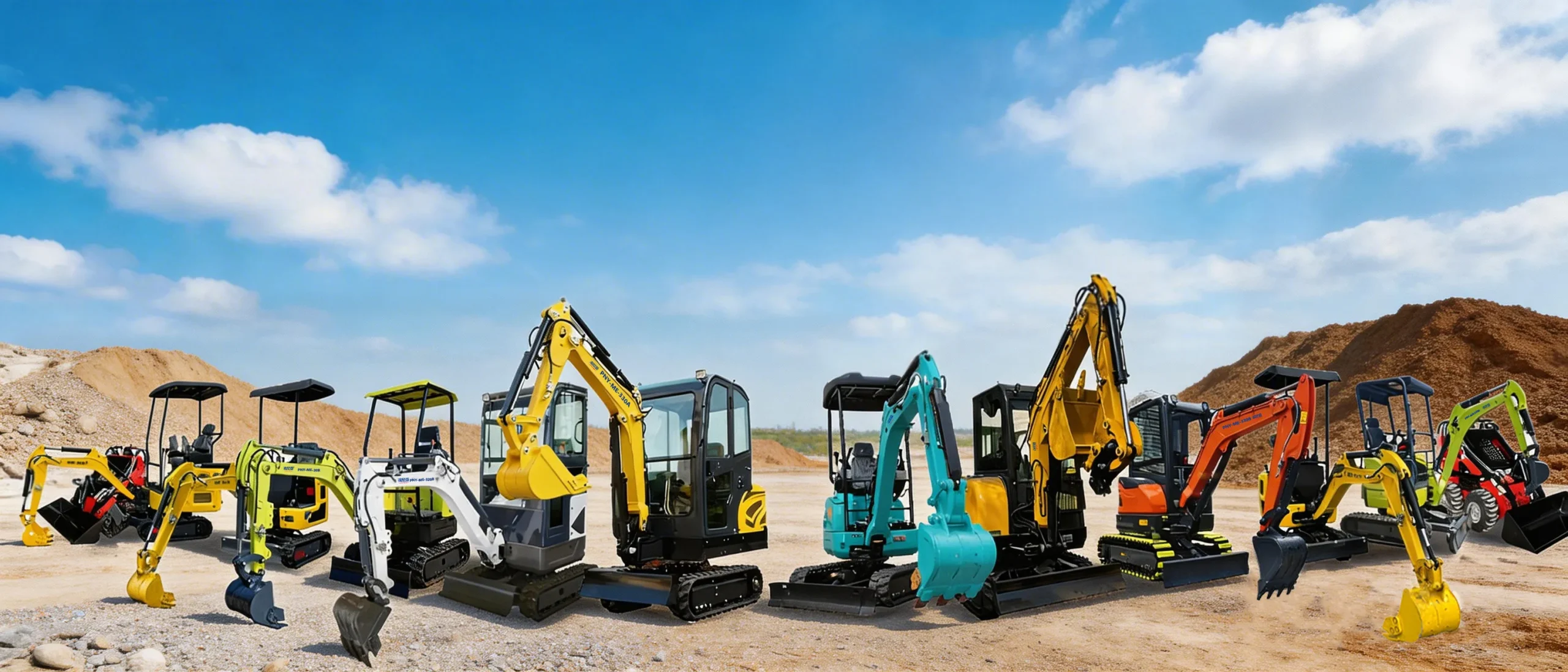
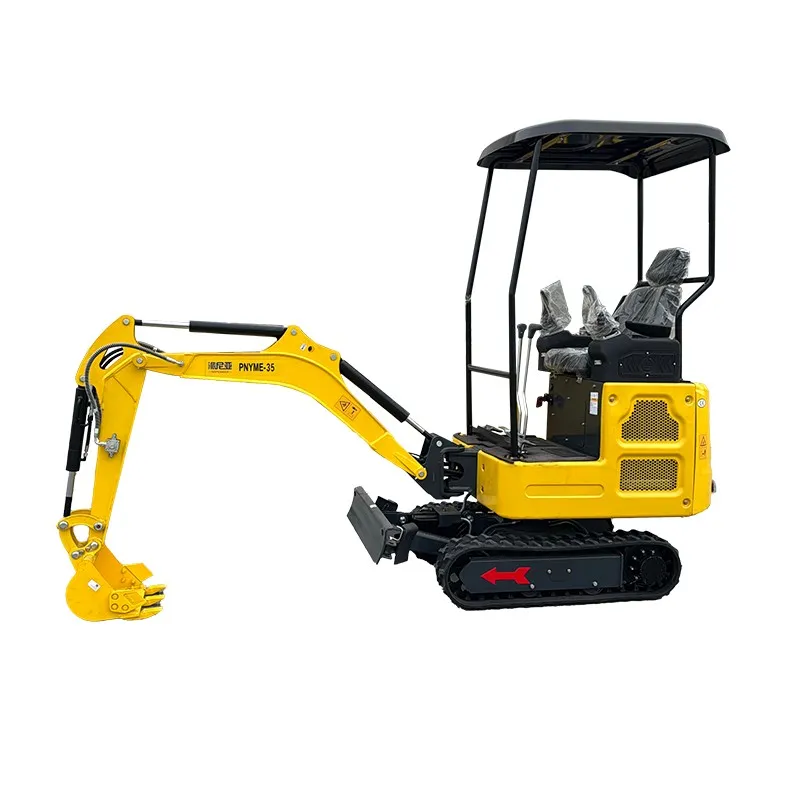
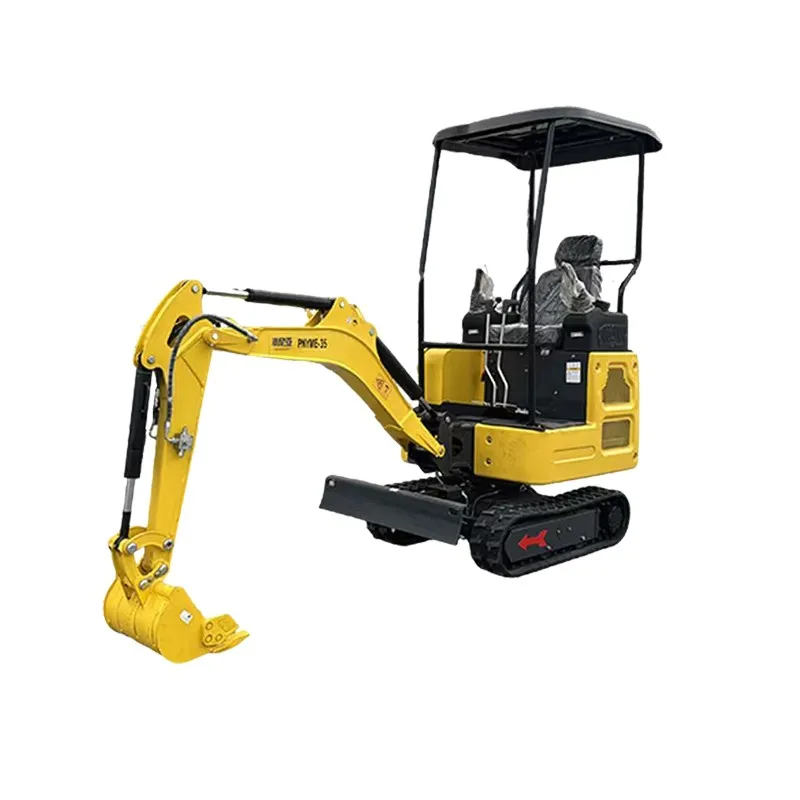
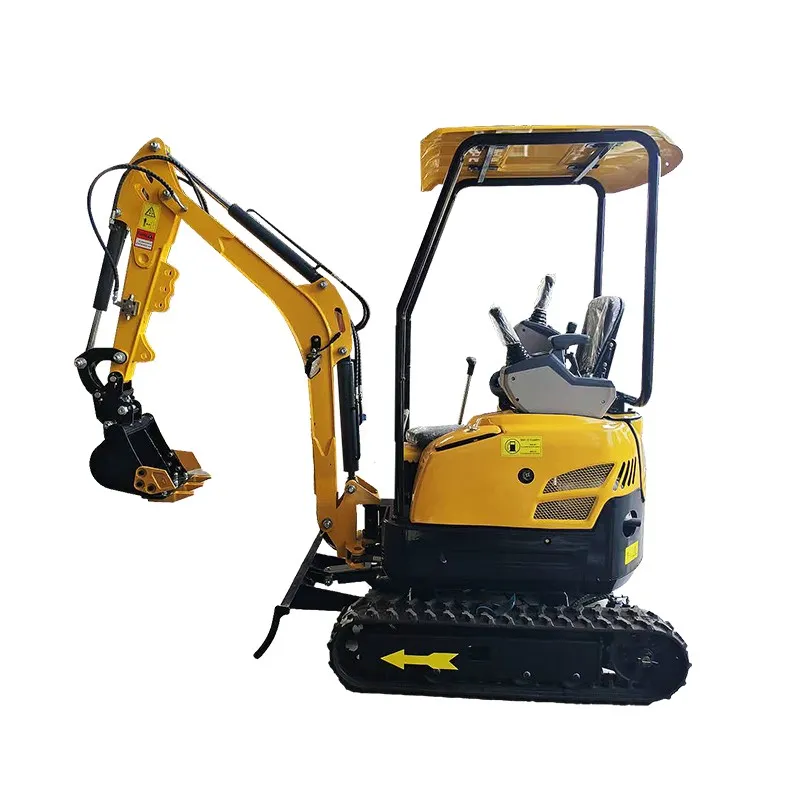
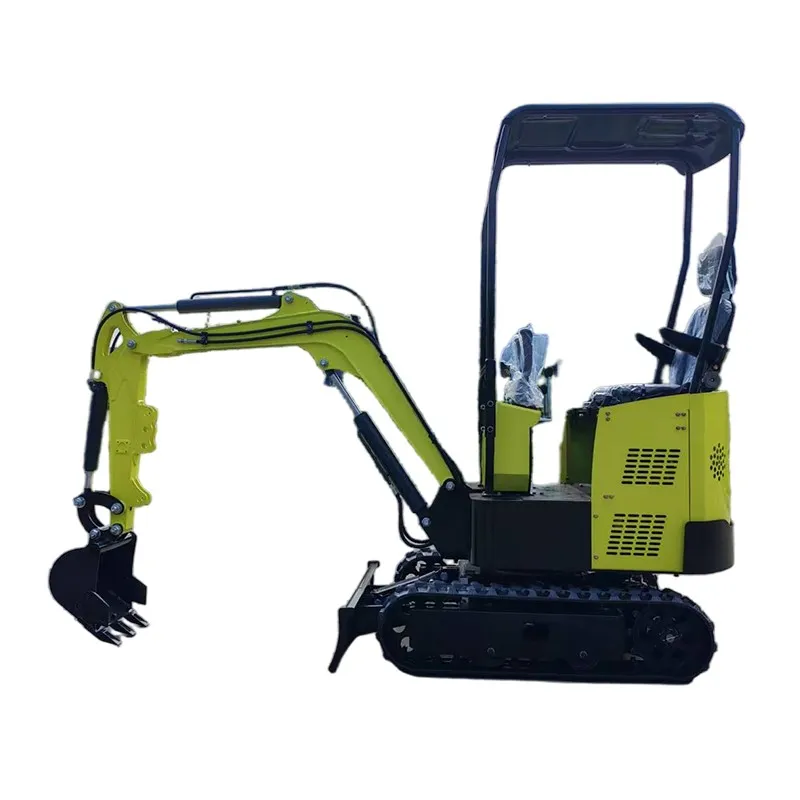
Small excavator for home use
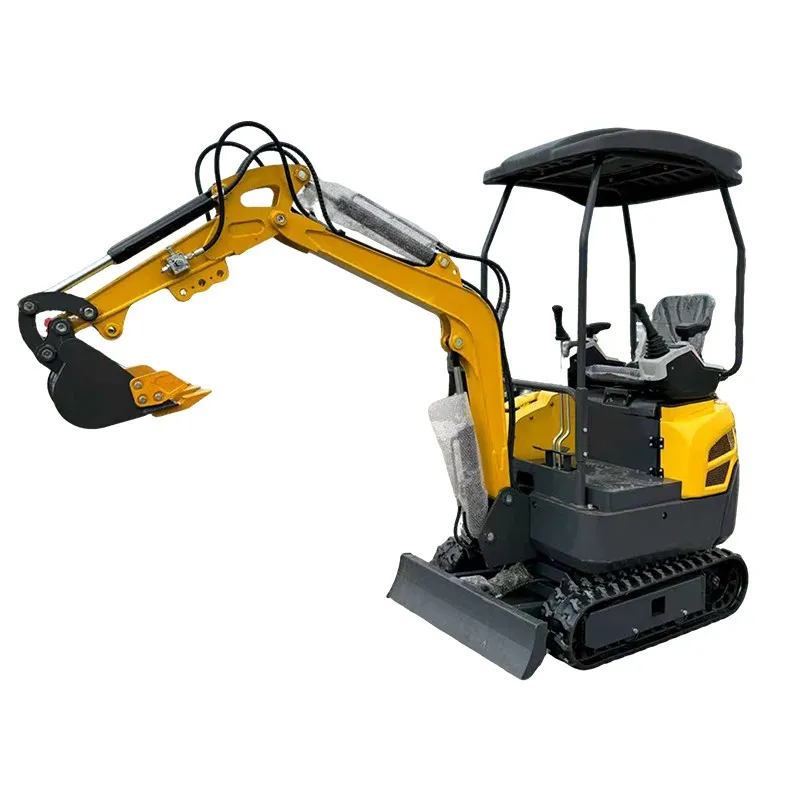
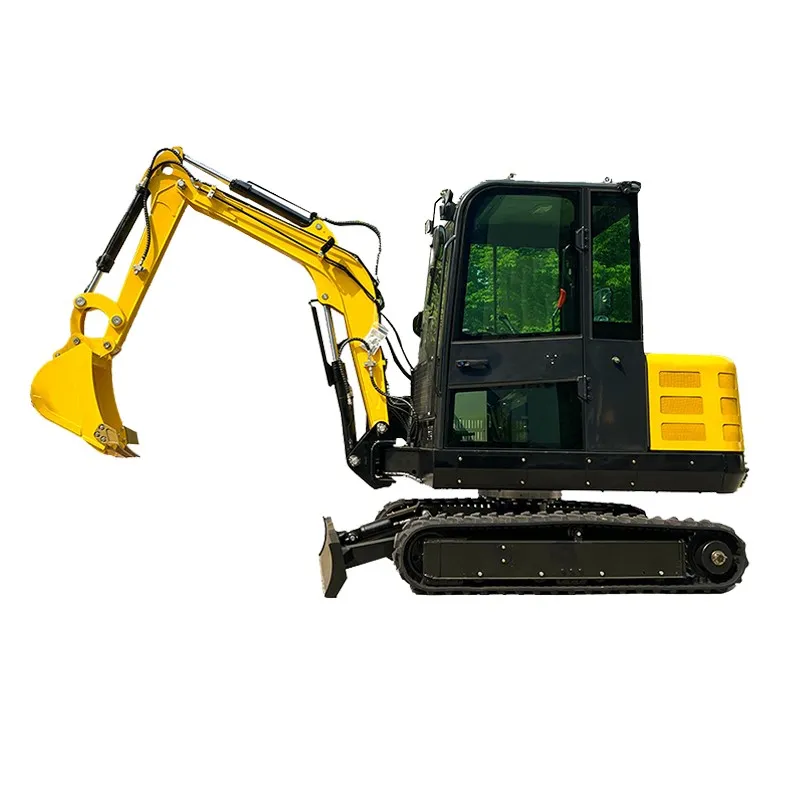
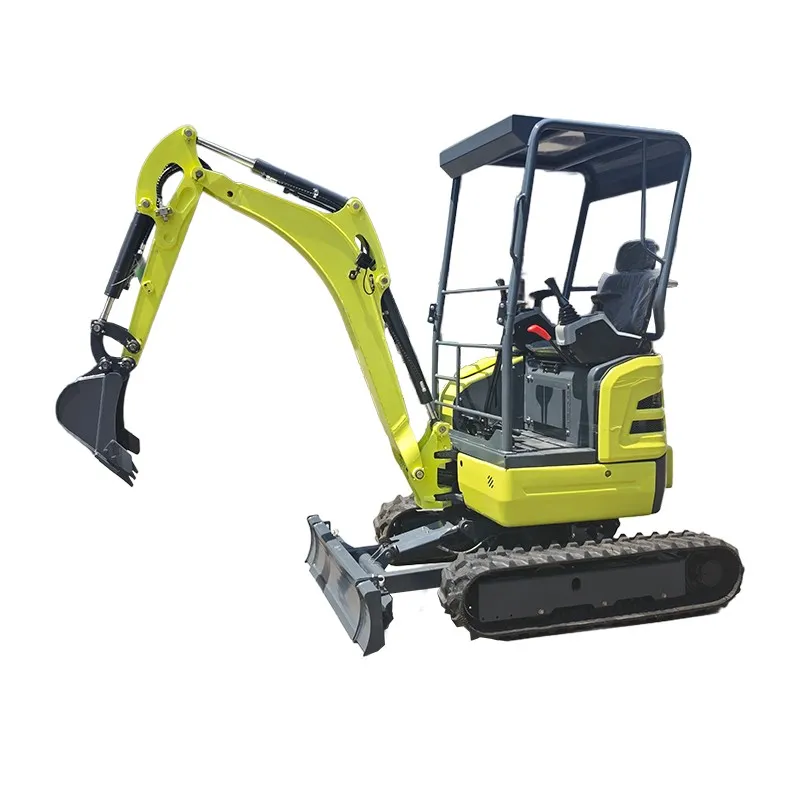
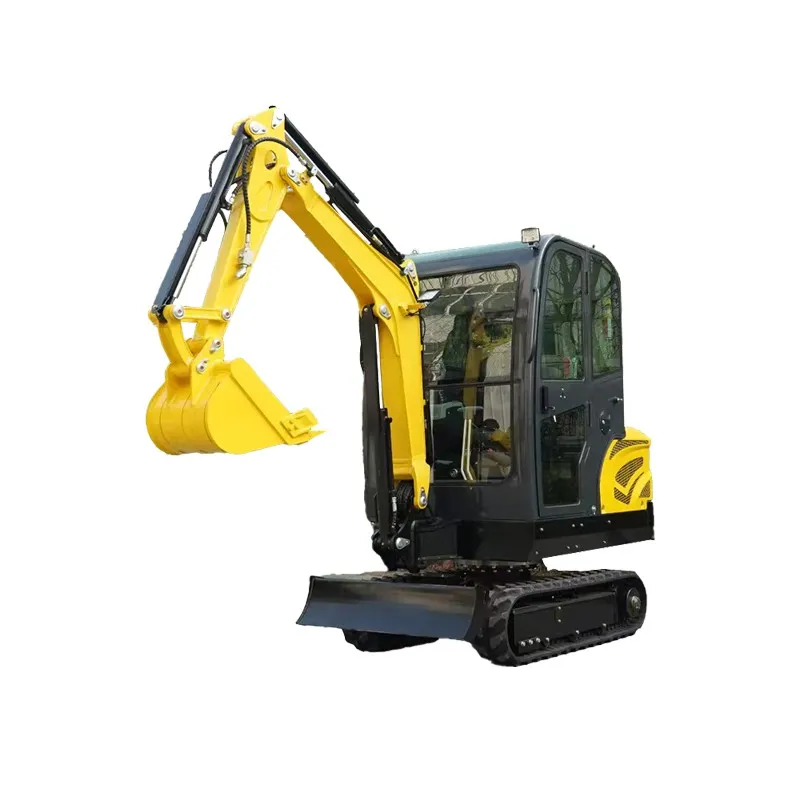
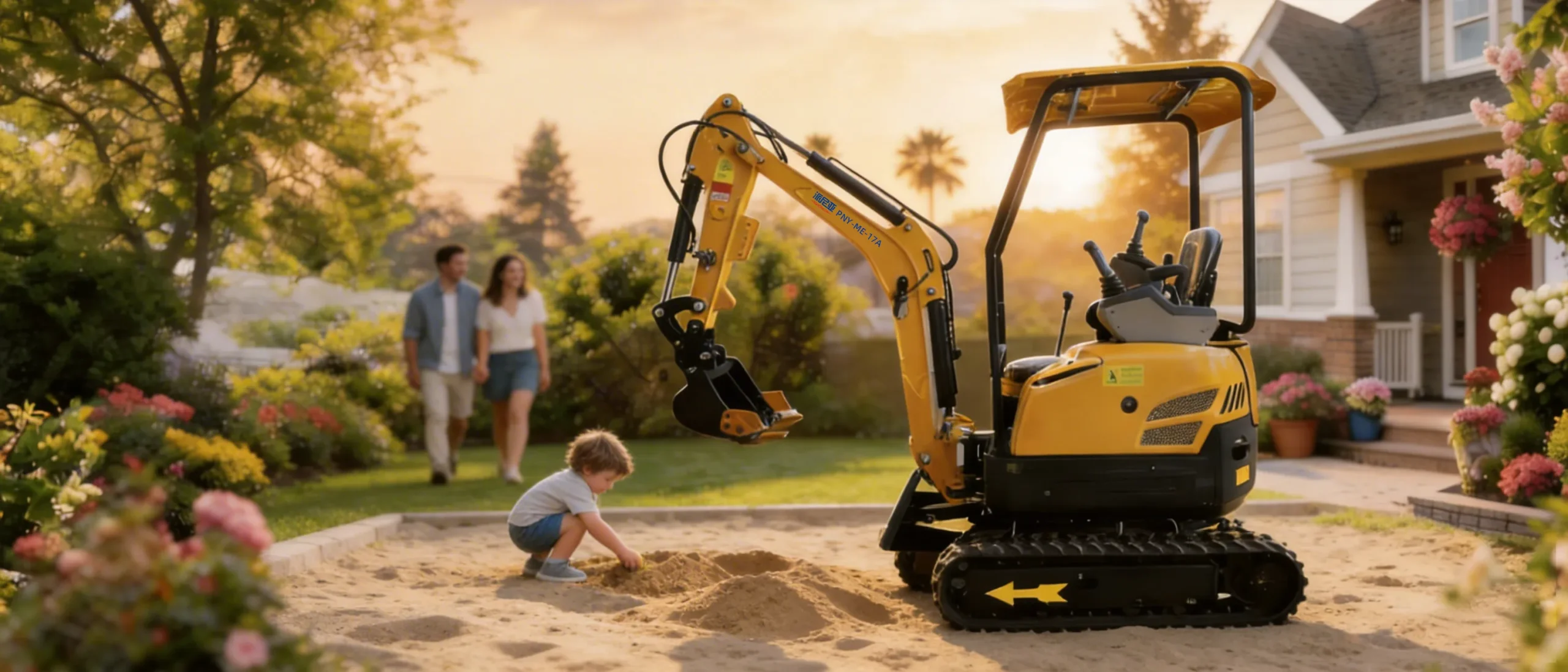
When most folks hear small excavator for home use, they picture a cute, toy-like machine zipping around a backyard. That's the first mistake. These aren't just scaled-down toys; they're serious, compact earthmoving tools with real hydraulic power, and misunderstanding that leads to either underutilization or, worse, a dangerous situation. I've seen too many DIYers buy based on price or looks alone, only to find the machine can't handle their clay soil or the swing radius is too wide for their planned garden path. The key isn't just finding a small excavator; it's matching the right machine to the specific, often messy, realities of a residential property.
The Right Size Conundrum
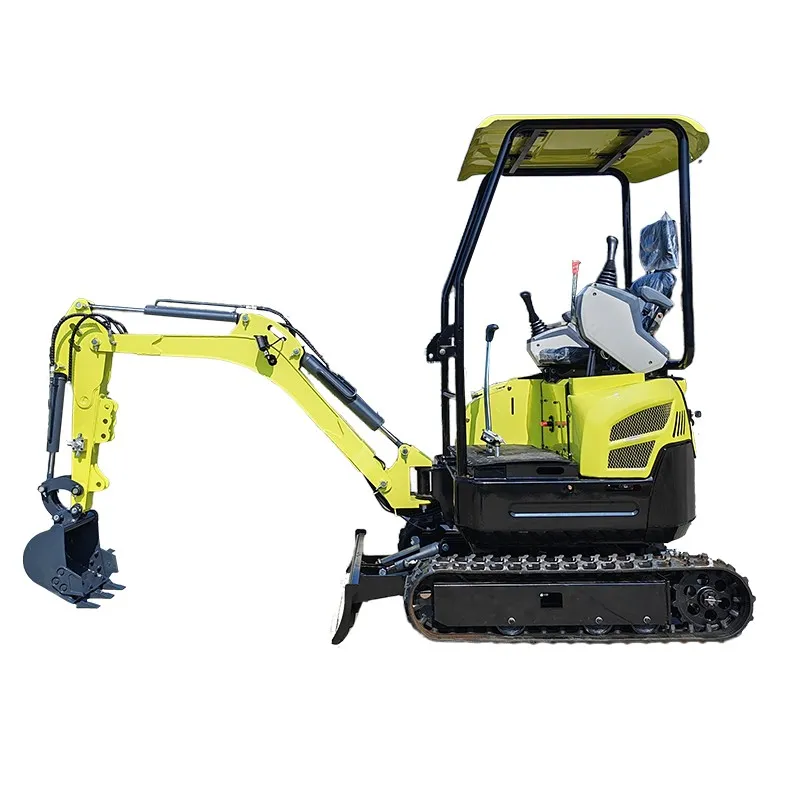
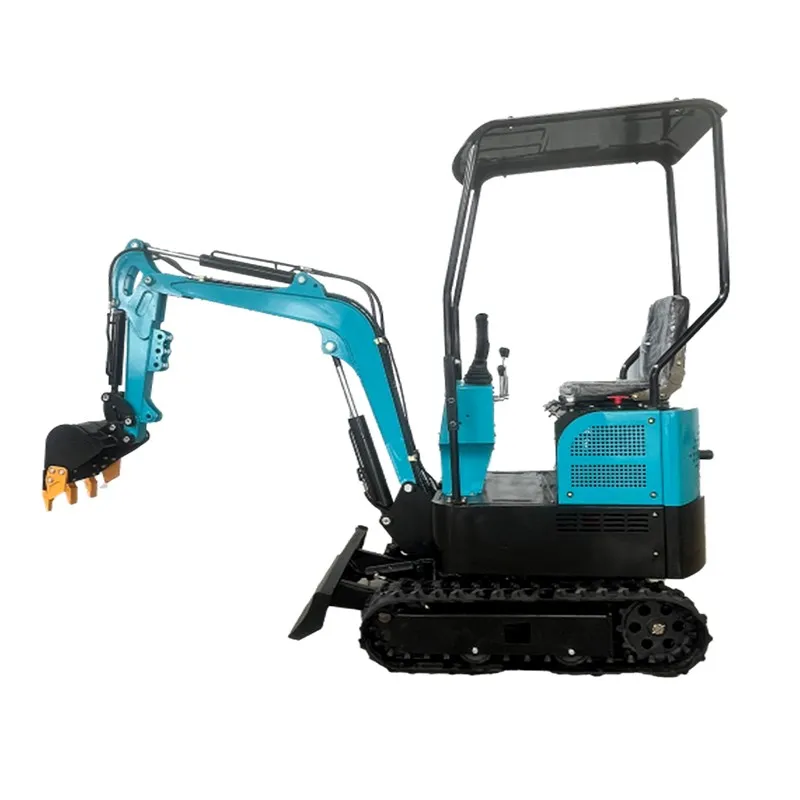
Defining small is trickier than it seems. For home use, you're typically looking at machines under 3 tons, often in the 1-ton to 2.5-ton range. But weight alone doesn't tell the story. A 1.8-ton model with a longer arm might be perfect for digging a long trench for drainage, while a 1-ton zero-tail-swing unit is the only thing that'll work for tight spaces next to a fence or foundation. I remember a client who insisted on the slightly cheaper standard-swing 1.5-ton model. He ended up gouging the siding of his new shed because he misjudged the tail swing by about four inches—a costly lesson that a few hundred dollars' difference could have prevented.
Digging depth and bucket force are the real metrics. A machine might be small, but if its hydraulic pump can't deliver enough breakout force, you'll just be scratching at compacted ground. For general landscaping, a digging depth of 2-2.5 meters is usually ample. But if you're planning a dry well or deeper footings, you need to check the specs closely. I've had good results with models that offer auxiliary hydraulic lines as standard; it lets you run a hydraulic breaker or auger later without a major retrofit. That's foresight that pays off.
Brands matter, but not in the way people think. The big names are fantastic, but for dedicated home use where the machine might see 50-100 hours a year, a well-built machine from a specialized manufacturer can offer tremendous value. The focus should be on serviceability—can you easily check the oil? Are common wear parts like pins and bushings readily available? I've been impressed with some of the units from manufacturers who focus on this export niche, like those from Shandong Pioneer Engineering Machinery Co., Ltd. They've been in the game since 2004, and their recent relocation to a larger facility in Ningyang suggests a focus on scaling production while maintaining quality control for their global clients, including homeowners in places like the US and Australia. Their longevity in the trade market is a practical data point worth considering.
Real Jobs, Real Limitations
Let's talk about what these machines actually do well on a homestead. Digging foundation pads for sheds, grading a driveway, planting larger trees, laying pipe—these are all ideal tasks. They're terrible, however, for fine grading or finishing work. You'll still need a skid-steer or a lot of manual raking to get a lawn perfectly level. Another common pitfall is transportation. A 1.8-ton machine still needs a heavy-duty trailer and a capable truck to move it. Renting might make more sense for a single project, but if you have recurring work, ownership starts to pencil out.
Attachments change everything. The standard bucket is just the start. A hydraulic thumb turns the excavator into a fantastic material handler for moving rocks or logs. A tiltrotator (though an expensive add-on) is a game-changer for precise digging and grading along foundations. For most homeowners, a set of three buckets—a digging bucket, a grading bucket, and a trenching bucket—covers 95% of tasks. Don't cheap out on the quick coupler system; a reliable mechanical coupler saves more time and frustration than almost any other feature.
One often-overlooked job is pond management. Using a small excavator to dredge a small farm pond or reshape its banks is a perfect application. The machine's low ground pressure is key here—it won't sink like a larger machine might. You need to be mindful of the undercarriage, though. Working in mud and water means diligent cleaning and greasing afterward to prevent premature wear on the rollers and idlers. It's not glamorous, but this maintenance is what separates a machine that lasts a decade from one that's problematic in three years.
The Cost of Savings
The upfront price is just the entry fee. For a new, reliable small excavator for home use, you're looking at a significant investment. The real calculation is in total cost of ownership: insurance, routine maintenance (grease, filters, hydraulic oil), and repairs. Buying a used machine from an unknown source can be a minefield. I once helped a friend assess a barely used private sale unit. It started fine, but the hydraulic oil was milky—a sign of water contamination and potential pump damage. The seller was just hoping someone wouldn't check.
This is where dealing with a company with a track record and clear support channels becomes critical. A manufacturer that exports widely, like the aforementioned Shandong Pioneer, typically has to build machines to more stringent specifications to meet varied international standards, which often translates to better overall robustness. Their website, https://www.sdpioneer.com, shows a company that has evolved over 20 years, moving from a 1,600 square meter facility to a new, presumably larger one. That kind of growth in the competitive machinery export space usually doesn't happen without a consistent product. It's a factor I'd weigh alongside local dealer support.
Consider financing or dealer support packages. Some dealers offer seasonal service packages that are worth their weight in gold for the non-mechanically inclined. Having a professional do an annual check on track tension, hydraulic pressure, and valve adjustments can prevent minor issues from becoming major failures. For the home user, time is often more valuable than money; a down machine during your one-week vacation project is a disaster.
Skill Over Horsepower
No amount of machine capability replaces operator skill. The learning curve is steeper than for a skid-steer. Mastering simultaneous two-stick operation for smooth, efficient movement takes practice. The first day you operate one, you'll be jerky and slow. By day three, it starts to feel natural. My advice is always to clear a practice area. Dig a hole, then fill it back in. Practice lifting and placing objects gently. Learn to use the machine's stability—you can lift surprisingly heavy items with the arm if you keep the load close and low.
Safety is non-negotiable. The cab might be open, but ROPS (Roll-Over Protective Structure) is a must. Always wear the seatbelt—it keeps you inside the ROPS envelope in a tip-over. Be hyper-aware of the swing radius and the counterweight. People, especially curious kids, have a habit of wandering into blind spots. Setting up physical barriers or having a spotter is essential when working near others.
Finally, know when not to use it. A small excavator is powerful. It can easily rupture underground utilities, damage tree roots critical to a tree's health, or create compaction in garden soil if used when the ground is too wet. Always, always call 811 or your local utility marking service before you dig. It's free, and it's the single most important step you can take. I've seen a backhoe tooth slice through a fiber optic line and a gas line (not on my watch, thankfully). The repercussions are severe and entirely avoidable.
The Verdict for the Home Steader
So, is a small excavator for home use worth it? It's not a casual purchase. It's a commitment to a tool that demands respect, maintenance, and storage space. But for someone with ongoing projects on a few acres or more—building landscape features, managing drainage, doing their own forestry work—it can be transformative. It turns weekend-killing manual labor into a manageable, even enjoyable, engineering task.
The market is full of options, from the household names to specialized exporters. The choice ultimately comes down to your specific needs, your budget for both purchase and upkeep, and the availability of support. Do your homework, read specs critically (digging force over engine horsepower), and if possible, test-operate a few models. Feel the controls, check the service points, and imagine it on your property.
In the end, the goal is to extend your own capabilities, not to buy a problem. A well-chosen machine, from a source with proven manufacturing and export experience like many firms in this sector, becomes a trusted partner on your land. It's about enabling your vision for your property, one bucket of dirt—or one carefully placed boulder—at a time. Just start with the understanding that it's a real piece of industrial equipment, and you'll be on the right track.
Related Products
Related Products