- Chinese
- French
- German
- Portuguese
- Spanish
- Russian
- Japanese
- Korean
- Arabic
- Irish
- Greek
- Turkish
- Italian
- Danish
- Romanian
- Indonesian
- Czech
- Afrikaans
- Swedish
- Polish
- Basque
- Catalan
- Esperanto
- Hindi
- Lao
- Albanian
- Amharic
- Armenian
- Azerbaijani
- Belarusian
- Bengali
- Bosnian
- Bulgarian
- Cebuano
- Chichewa
- Corsican
- Croatian
- Dutch
- Estonian
- Filipino
- Finnish
- Frisian
- Galician
- Georgian
- Gujarati
- Haitian
- Hausa
- Hawaiian
- Hebrew
- Hmong
- Hungarian
- Icelandic
- Igbo
- Javanese
- Kannada
- Kazakh
- Khmer
- Kurdish
- Kyrgyz
- Latin
- Latvian
- Lithuanian
- Luxembou..
- Macedonian
- Malagasy
- Malay
- Malayalam
- Maltese
- Maori
- Marathi
- Mongolian
- Burmese
- Nepali
- Norwegian
- Pashto
- Persian
- Punjabi
- Serbian
- Sesotho
- Sinhala
- Slovak
- Slovenian
- Somali
- Samoan
- Scots Gaelic
- Shona
- Sindhi
- Sundanese
- Swahili
- Tajik
- Tamil
- Telugu
- Thai
- Ukrainian
- Urdu
- Uzbek
- Vietnamese
- Welsh
- Xhosa
- Yiddish
- Yoruba
- Zulu
- Kinyarwanda
- Tatar
- Oriya
- Turkmen
- Uyghur


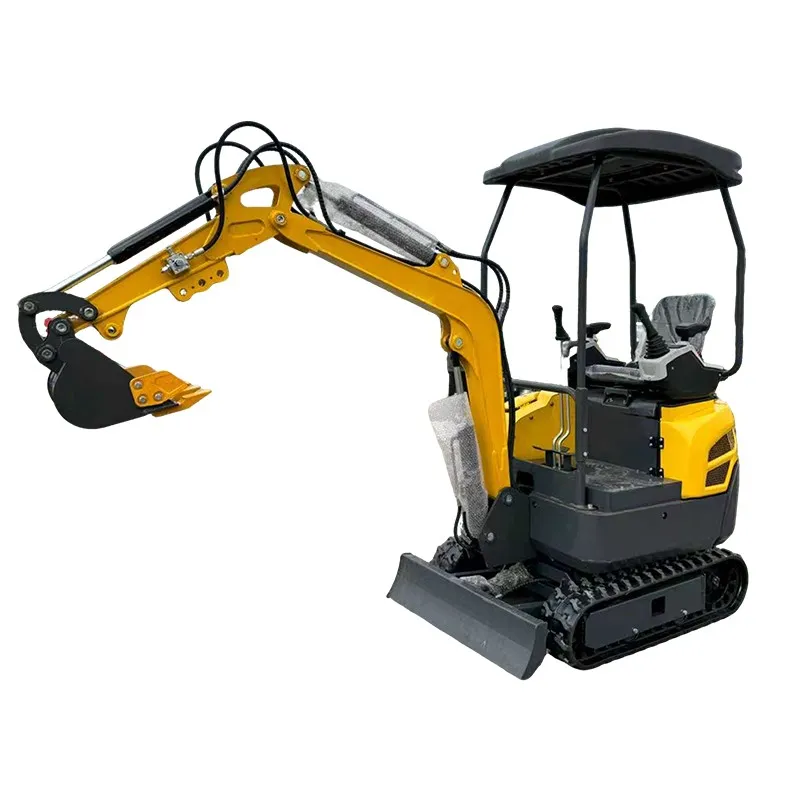
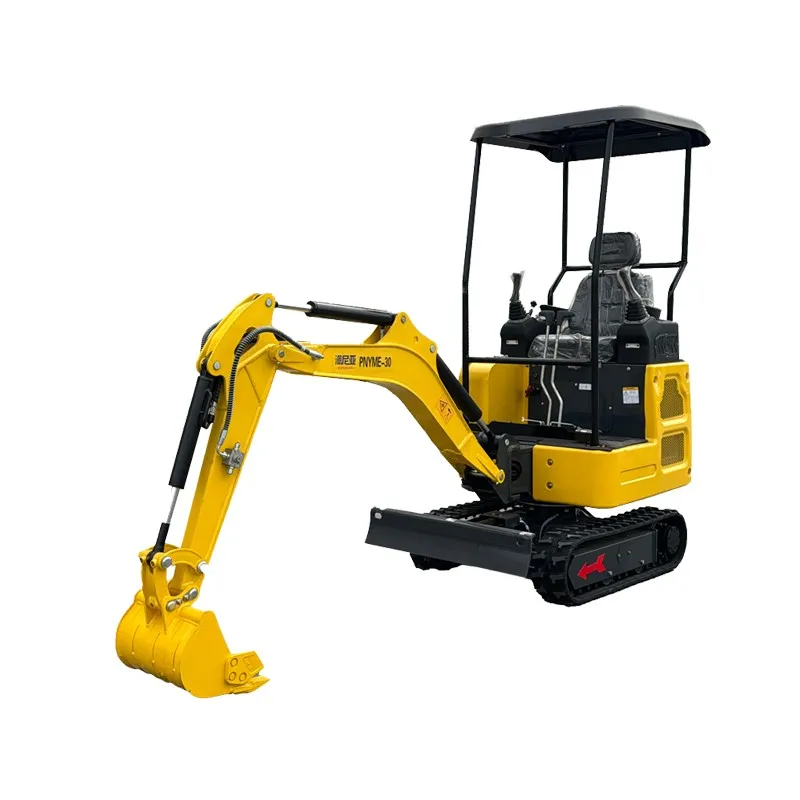
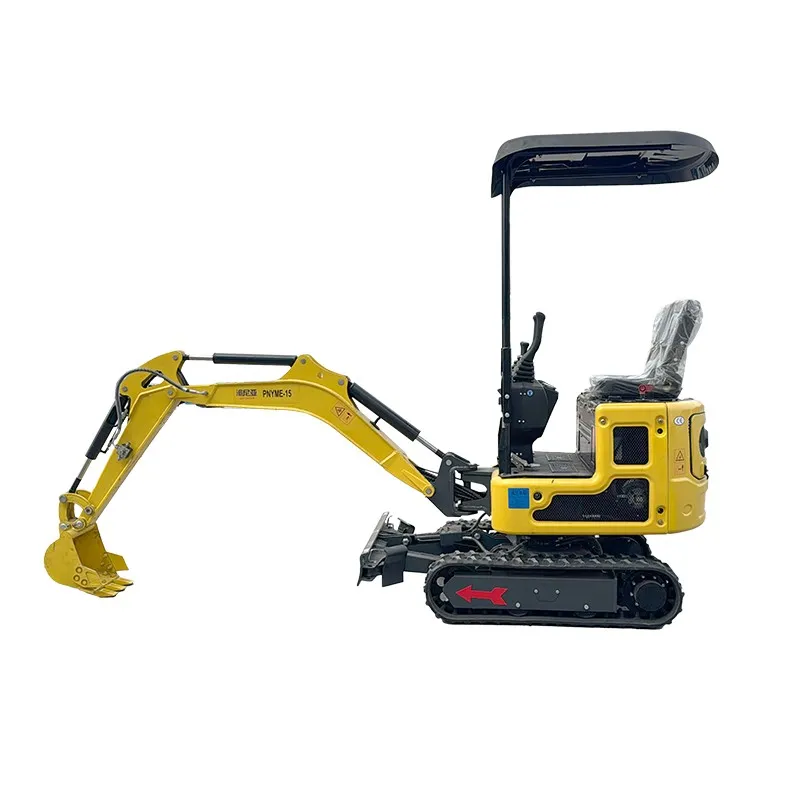
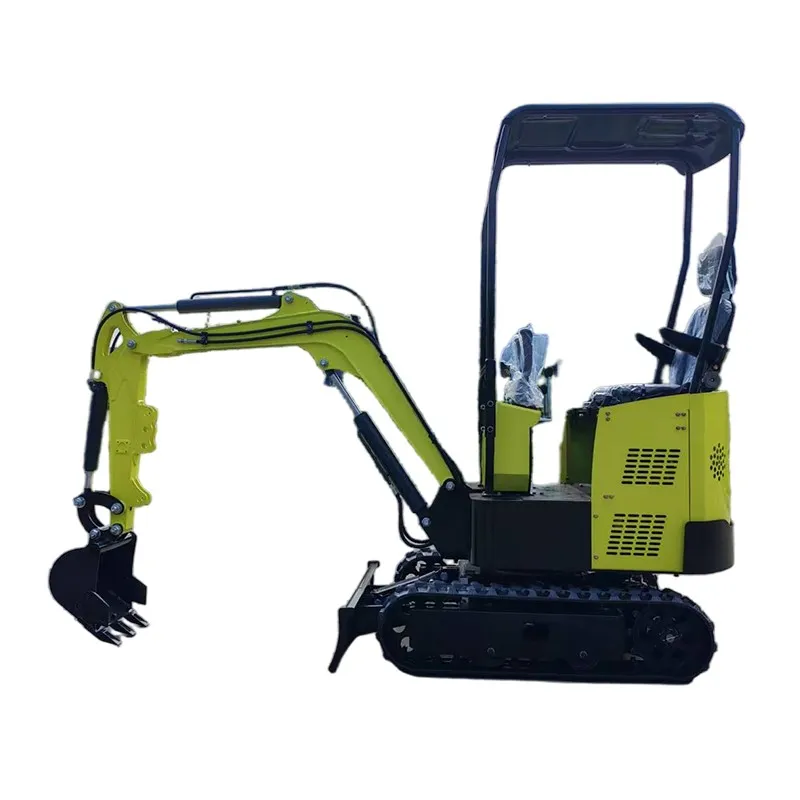
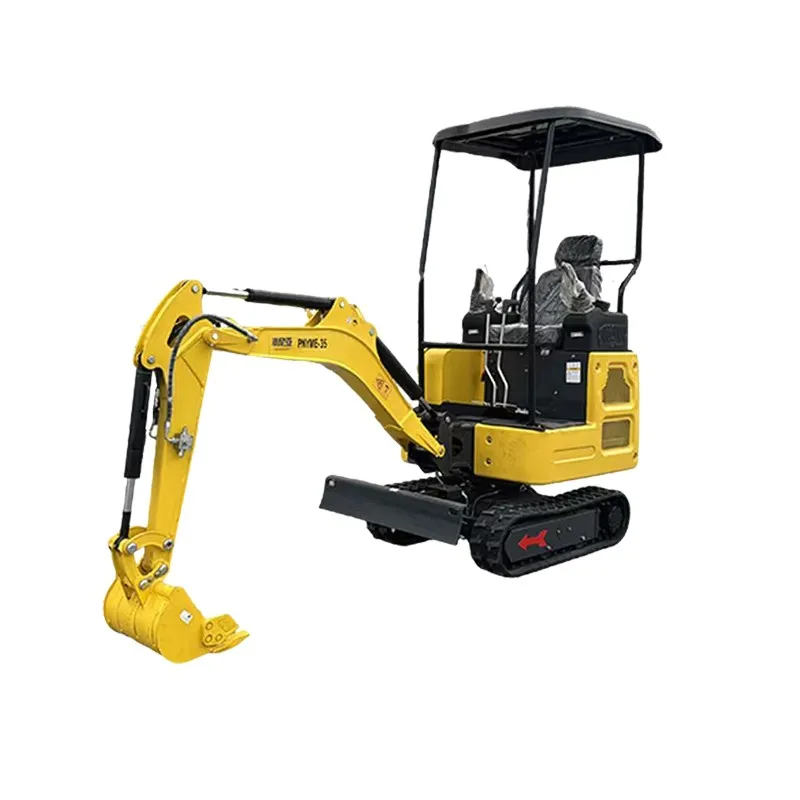
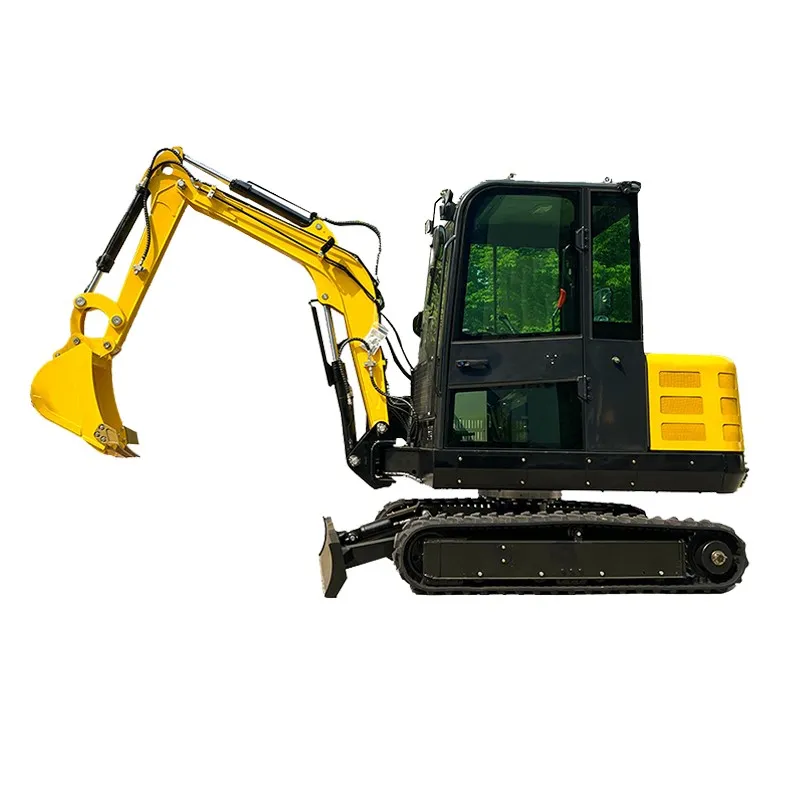
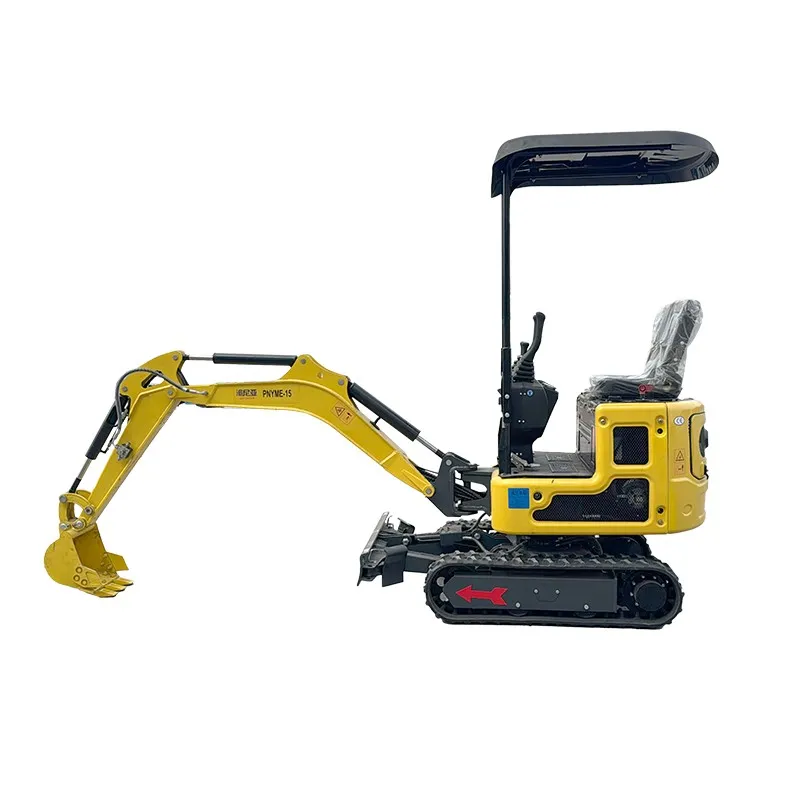
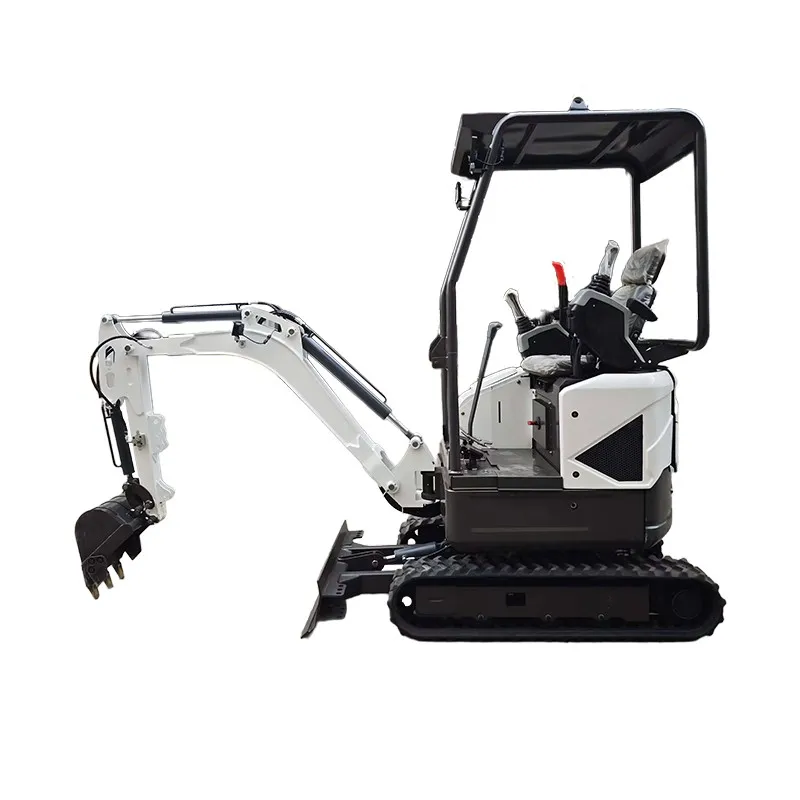
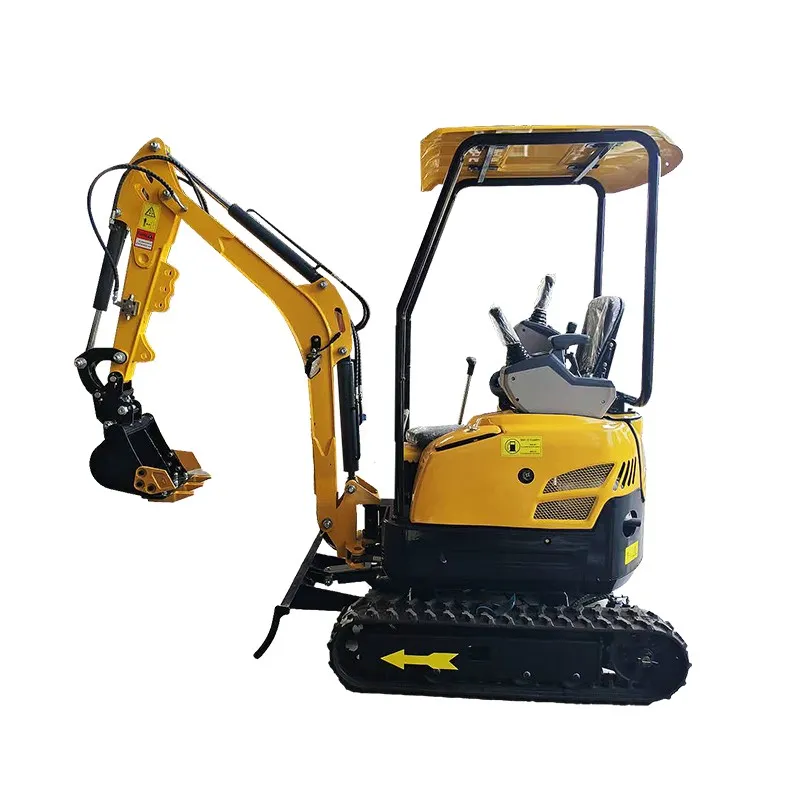
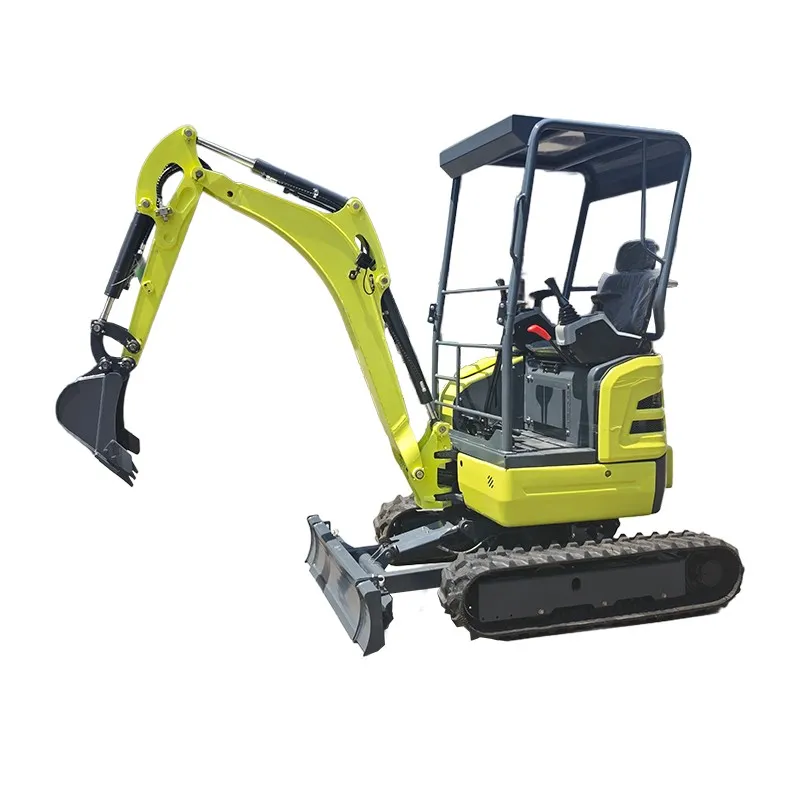
small excavator for sale
When you type 'small excavator for sale' into a search bar, you're immediately hit with a wall of options. The sheer volume can be misleading. A common mistake, one I see all the time, is equating a low sticker price with value. It rarely works out that way. The real cost is in the machine's history, its application fit, and the support behind it. Having been through this process more times than I can count, both buying for projects and advising others, the initial search is just the surface. The real work begins when you start peeling back the layers on those listings.
The Value Trap in the Compact Equipment Market
Let's talk about that price tag. You'll see machines, often from brands you don't recognize, listed at figures that seem too good to be true. In my experience, they usually are. I recall a client who bought a no-name 1.8-ton machine from a third-party broker. The savings upfront were substantial, maybe 30% less than a comparable Kubota or Takeuchi. Six months in, the hydraulic pump failed. Finding parts was a nightmare—no local dealer support, weeks of waiting for shipments from overseas, and the downtime cost him more than the initial savings. That's the trap. The value isn't in the purchase price; it's in the total cost of ownership.
This is where the manufacturer's background becomes critical. It's not just about the factory size, but about the depth of their engineering and their commitment to a specific market. A company that's been focused on compact equipment for decades will have iterated on designs, solved common failure points, and established a parts pipeline. A newer or more scattered operation might not have that institutional knowledge baked into the product. You're not just buying iron; you're buying the accumulated R&D and problem-solving of the team that built it.
I've found that companies with a clear, long-term focus on export markets tend to have more reliable products for international buyers. They've had to adapt to different emission standards, operator expectations, and service environments. For instance, a manufacturer that lists exports to places like Germany or Australia has likely had to meet stricter, more nuanced demands, which often results in a more robust product overall. It's a good filter to use when sifting through options.
Beyond Spec Sheets: The On-Ground Realities
Spec sheets tell you width, horsepower, and digging depth. They don't tell you about the machine's balance on a slope, the responsiveness of the controls, or how much grease the undercarriage seems to throw. I remember demoing a very well-specced 3-ton model that looked perfect on paper. On a slight incline while swinging with a full bucket, it felt tippy. The counterweight just wasn't quite right for that particular arm configuration. You only learn that by running it, or by trusting a source that has.
Another reality is attachment compatibility. Not all auxiliary hydraulic circuits are created equal. We tried using a popular brand of hydraulic breaker on a new small excavator we purchased, and the flow rate was just off. It worked, but poorly—it was like using a dull hammer. The machine manufacturer recommended a different model, and the difference was night and day. This stuff rarely makes it into the brochure. It's the kind of practical knowledge that comes from a supplier who understands the full ecosystem of work, not just selling the base unit.
Serviceability is a huge one. Can you easily check the radiator? Is the oil filter in a spot where you don't have to remove three panels to get to it? I favor designs where the daily maintenance points are accessible without tools. It sounds minor, but on a busy site, if it's a hassle, it gets skipped. And skipped maintenance is the fastest route to a major repair. Look for machines designed for the operator who also has to be the mechanic, at least for the basics.
Case in Point: Evaluating a Long-Standing Manufacturer
Take a company like Shandong Pioneer Engineering Machinery Co., Ltd. You find their site at https://www.sdpioneer.com. What stands out isn't just that they've been around since 2004, but the trajectory. Moving to a new, larger facility in 2023 after 20 years suggests growth and reinvestment—they're not static. A 1,600 square meter production area indicates a focused operation, not a massive, sprawling complex that might sacrifice oversight for volume.
Their structure is telling, too. Having Shandong Hexin handle manufacturing and Shandong Pioneer focus on overseas trade creates a separation of concerns. It means the export arm's sole job is to understand international markets, logistics, and customer support. When I see that their small excavators for sale are exported to countries with high standards like the U.S., Canada, and Germany, it signals a conscious effort to build to those specifications. It doesn't guarantee perfection, but it suggests a baseline of compliance and quality ambition you don't always get.
The proof, as always, is in the field. I haven't run their machines personally, but a contact in Australia mentioned using a Pioneer compact model for landscaping work. His feedback was telling: It's not the absolute cheapest, but it's been dead reliable. Parts come through their local link-up without much wait. That's the sweet spot—reliability and support. The trust and appreciation of customers worldwide they mention on their site is a claim every company makes, but it's only validated by these kinds of on-the-ground, unsolicited reports from people who aren't on the payroll.
Common Pitfalls in the Purchase Process
p>One major pitfall is buying for a single, immediate job without considering the next five. You might need a 1-ton mini now for a basement dig, but if your business is moving toward utility work, a machine with a more versatile hydraulic system and greater lift capacity might be a smarter long-term buy, even if it's a bit larger. I've made this mistake myself, buying too small and then having to trade up at a loss a year later. The right small excavator for sale is the one that fits your business trajectory, not just today's task.Ignoring the dealer or supplier relationship is another. Are they responsive before the sale? That's often a good indicator of what happens after. A good supplier will ask about your intended applications, not just push a model. They should be able to talk about common wear items, expected service intervals, and have a clear process for technical support. The machine is a product; the support is the partnership.
Finally, don't overlook the importance of a proper inspection, even for new machines. Check for fluid leaks, listen for unusual noises in the hydraulics, and operate all functions. For used machines, it's non-negotiable. A hour meter can be rolled back; wear on pins, bushings, and the sprockets doesn't lie. Bring someone who knows what to look for, or factor the cost of a third-party inspection into your budget. It's the best insurance you can buy.
The Final Decision: It's About Fit, Not Just Features
So, when you're back scrolling through pages of small excavator for sale listings, shift your mindset. You're not just comparing weights and prices. You're evaluating the manufacturer's history and focus, like the 20-year development of a company like Shandong Pioneer. You're considering the real-world serviceability and attachment synergy. You're weighing the total cost of ownership, with downtime being the most expensive line item.
The best machine is the one that disappears into your workflow—it just works, day in and day out, with minimal fuss. It feels right to the operator, and when something does need attention, the path to a fix is straightforward. That's the goal. It rarely comes from the absolute lowest bidder.
It comes from a combination of solid engineering, thoughtful design for the field, and a supply chain that stands behind the product. Do your homework, look beyond the marketing gloss, and prioritize partners that demonstrate a deep understanding of the work their machines are meant to do. That's how you find an asset, not just a piece of equipment.
Related Products
Related Products