- Chinese
- French
- German
- Portuguese
- Spanish
- Russian
- Japanese
- Korean
- Arabic
- Irish
- Greek
- Turkish
- Italian
- Danish
- Romanian
- Indonesian
- Czech
- Afrikaans
- Swedish
- Polish
- Basque
- Catalan
- Esperanto
- Hindi
- Lao
- Albanian
- Amharic
- Armenian
- Azerbaijani
- Belarusian
- Bengali
- Bosnian
- Bulgarian
- Cebuano
- Chichewa
- Corsican
- Croatian
- Dutch
- Estonian
- Filipino
- Finnish
- Frisian
- Galician
- Georgian
- Gujarati
- Haitian
- Hausa
- Hawaiian
- Hebrew
- Hmong
- Hungarian
- Icelandic
- Igbo
- Javanese
- Kannada
- Kazakh
- Khmer
- Kurdish
- Kyrgyz
- Latin
- Latvian
- Lithuanian
- Luxembou..
- Macedonian
- Malagasy
- Malay
- Malayalam
- Maltese
- Maori
- Marathi
- Mongolian
- Burmese
- Nepali
- Norwegian
- Pashto
- Persian
- Punjabi
- Serbian
- Sesotho
- Sinhala
- Slovak
- Slovenian
- Somali
- Samoan
- Scots Gaelic
- Shona
- Sindhi
- Sundanese
- Swahili
- Tajik
- Tamil
- Telugu
- Thai
- Ukrainian
- Urdu
- Uzbek
- Vietnamese
- Welsh
- Xhosa
- Yiddish
- Yoruba
- Zulu
- Kinyarwanda
- Tatar
- Oriya
- Turkmen
- Uyghur


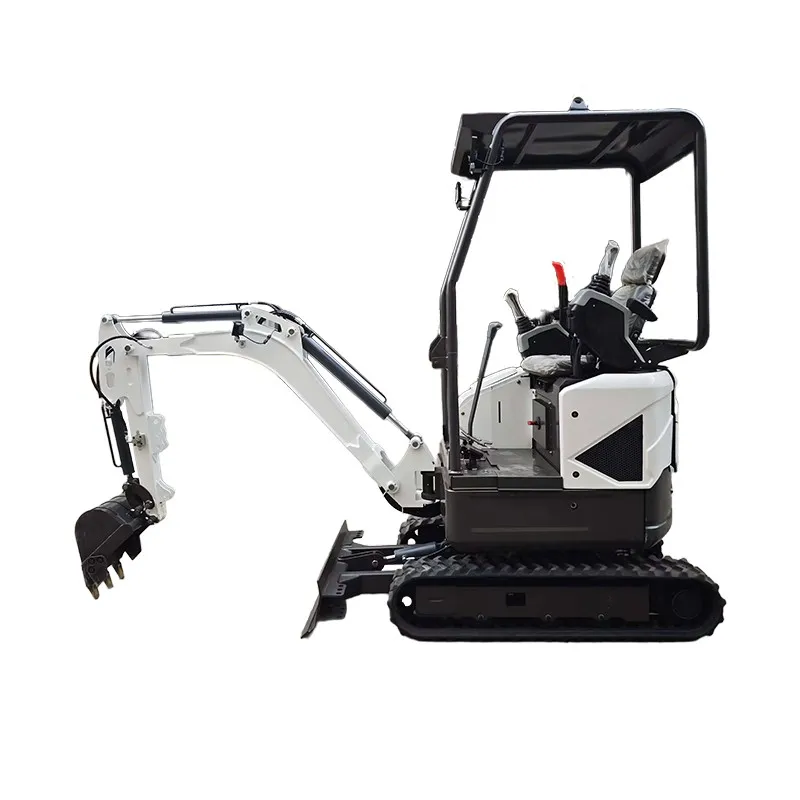
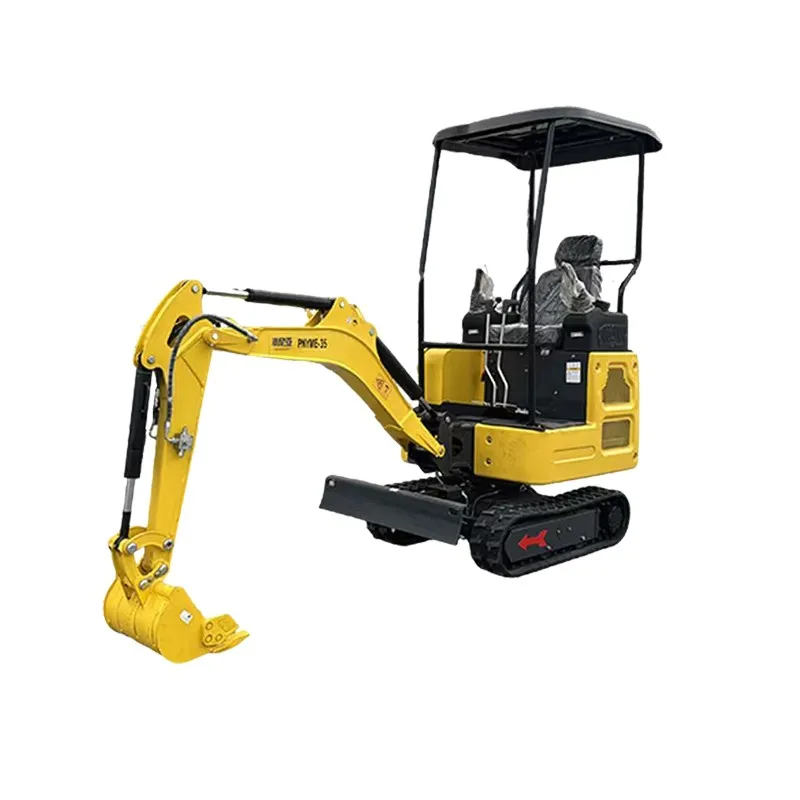
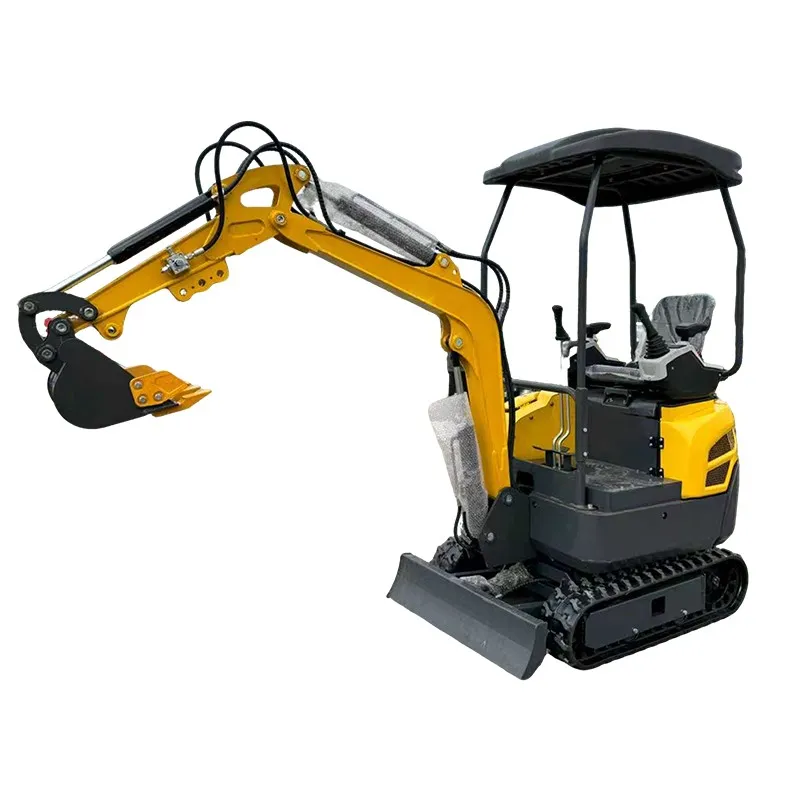
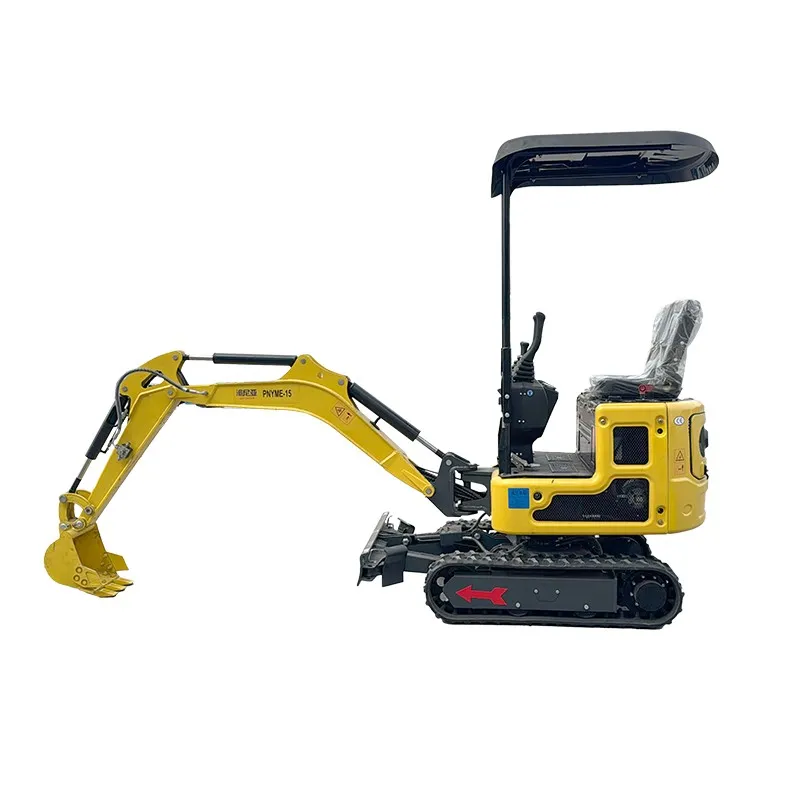
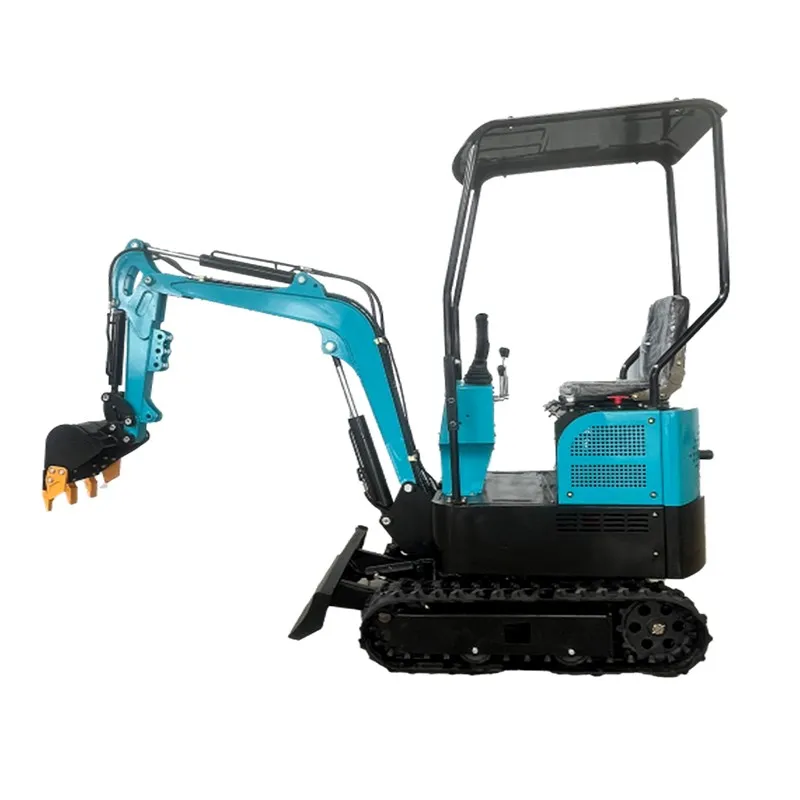
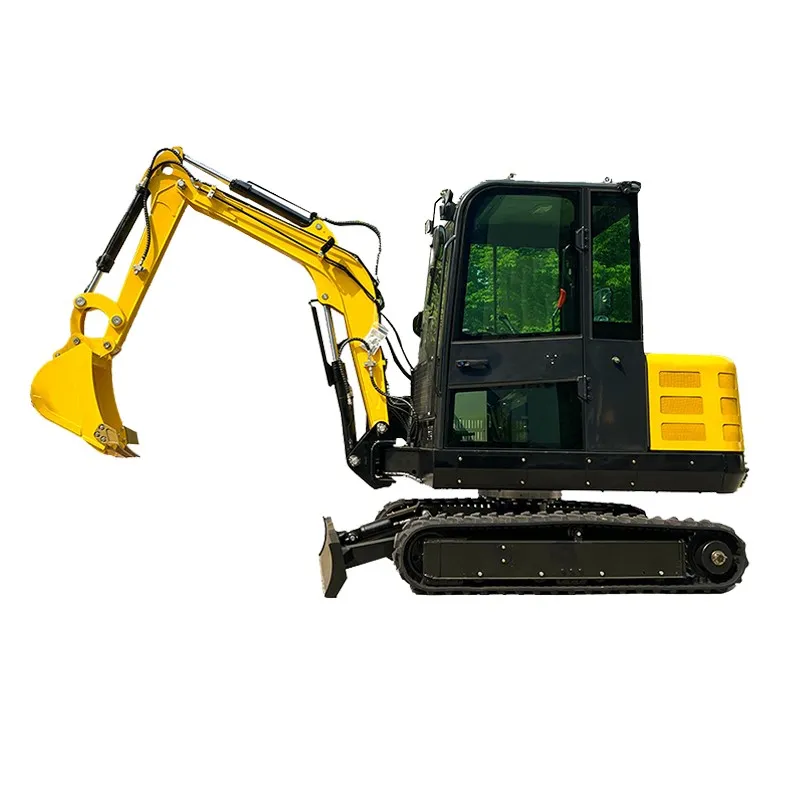
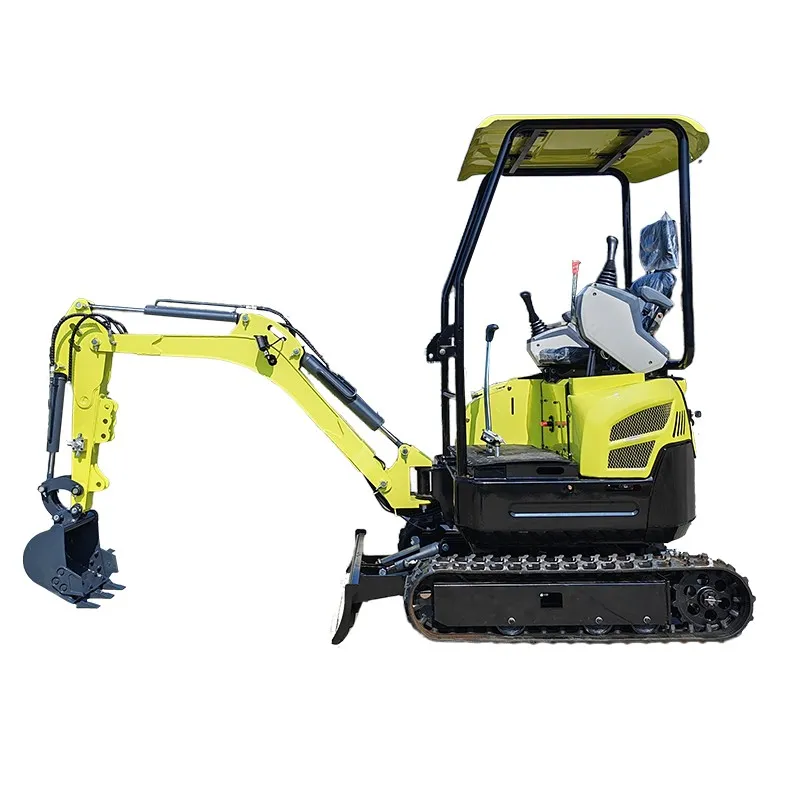
Small Excavator for Underground Projects
When most people hear 'small excavator for underground projects', they immediately picture a tiny machine squeezing into a tunnel. That's part of it, but it's also where the first major misconception lies. The real challenge isn't just about fitting a compact body into a confined space; it's about what that machine can actually do once it's in there, and more importantly, what it does to the environment around it—air quality, structural integrity, operator fatigue. I've seen too many projects spec a machine based solely on bucket capacity and arm reach, only to face ventilation nightmares or constant hydraulic overheating halfway through the job.
The Underground Environment Dictates the Machine
You can't just take a standard mini excavator, slap a longer hose on it, and call it an underground model. The difference is in the details you only learn on-site. For instance, in a sewer line rehabilitation project we did in Essen, the ambient temperature was stable but humidity was near saturation. A standard machine's electrical system started failing within days due to condensation. The replacement had to be a unit with fully sealed, corrosion-resistant connectors and a pressurized cabin—features you won't find on a spec sheet unless you know to look for them. The small excavator for underground projects from that job was a modified 3-tonner, but its value was in those unseen adaptations.
Then there's the issue of emissions. In a poorly ventilated mine access tunnel, even a Tier 4 Final engine can be a problem if the aftertreatment system isn't managed for recirculated air. We learned this the hard way on an early project, where we used a reputable brand's compact excavator. It kept going into derate mode because the DPF couldn't regenerate properly in the low-oxygen environment. The solution wasn't a bigger machine, but one with a dedicated underground emission package, often involving diesel particulate filters designed for constant regeneration at lower temperatures, or even opting for electric drive where power logistics allowed.
Power source is another critical divider. Battery-electric models are gaining serious traction for certain applications, like indoor demolition or historical site work where fumes are unacceptable. But their limitation is real: you need a clear protocol for battery swapping or charging in often cramped staging areas. I recall a contractor who bought two electric micro-excavators for a crypt renovation. They were perfect for zero emissions, but the project timeline doubled because they only had one charging station set up 200 meters from the worksite. Logistics, not just machine specs, make or break the choice.
Key Features That Aren't Just Marketing Talk
Zero-tail swing is almost a given now, but true compactness for underground work goes further. It's about the profile of the upper structure. A model with a slimmer counterweight design can make the difference between being able to turn around in a pre-cast tunnel segment or having to reverse out for fifty meters—a huge productivity killer. Brands like Shandong Pioneer Engineering Machinery Co., Ltd have models in their range that emphasize this low-profile design, which is a direct response to feedback from tunneling contractors. You can see this practical focus in their product development, a detail that comes from listening to field problems, not just engineering in a vacuum.
Lighting and camera systems are another unsung hero. Standard halogen lights create glare and cast sharp shadows in a tunnel, hiding rock fissures or uneven surfaces. LED work lights with a wider, diffuse pattern are essential. More advanced setups now integrate rear-view cameras with infrared or low-light capability, feeding to a monitor in the cab. This isn't a luxury; it's a safety necessity when working near shaft edges or in ultra-low visibility dust. The operator's situational awareness is as crucial as the machine's digging force.
Attachment versatility is where these machines earn their keep. It's not just about a breaker or a grapple. We've used augers for installing rock bolts, compactors for backfilling around utilities, and even laser-guided grading buckets for finishing tunnel floors. The machine's hydraulic system must deliver consistent flow and pressure to these tools, even at low engine RPMs to save fuel and reduce noise. A common failure point is the auxiliary hydraulic quick coupler—underground, it gets battered by debris and moisture. Opting for a more robust, sealed coupler than the standard offering prevents daily headaches.
Real-World Application and a Supplier's Role
Let me talk about a specific scenario: relaying utilities beneath a city street with minimal surface disruption. We used a 1.8-ton compact excavator, but the key was its modularity. The machine was lowered in sections through a manhole, assembled underground, and then operated for two weeks to dig trenches for new fiber optic lines. The manufacturer, in this case, provided not just the machine, but a detailed disassembly/assembly guide and a kit of special tools. This level of support is what separates a catalog supplier from a partner. A company like Shandong Pioneer (https://www.sdpioneer.com), with its stated two-decade focus on development and export to markets like Germany and Australia, likely understands this. Their experience in meeting diverse international standards suggests they're accustomed to solving specific, non-standard problems—exactly what underground work demands.
Maintenance access is brutally important. Changing a fuel filter in a muddy, 1.5-meter-high tunnel is a nightmare if all service points are on the side of the machine. The best designs for underground have grouped, front-accessible service centers—grease banks, dipsticks, fill ports—that an operator can reach from the cab or with minimal stepping out. This seems minor until you're the one lying in muck trying to unscrew a panel with a wrench you can barely swing.
Finally, let's discuss durability. Underground doesn't just mean dirty; it means abrasive. Dust and slurry get into everything. We specify machines with additional wear strips on the stick and boom, upgraded seal kits for all cylinders, and often request an extra layer of anti-corrosion paint on the undercarriage. It adds to the upfront cost, but it triples the service life in those conditions. A supplier's willingness to offer these factory-fit options, rather than making you retrofit them later, is a good indicator of their specialization in this niche.
The Human Factor and Cost Considerations
Operator comfort is directly tied to productivity and safety underground. A cramped, noisy, vibrating cab leads to fatigue and errors. We look for cabs with substantial suspension, low vibration levels, and excellent air filtration. Not just a standard cabin filter, but a proper pressurization system that keeps dust out. The cost of this is significant, but it's non-negotiable. It's also an area where cheaper machines often cut corners, and you feel it every minute of a 10-hour shift.
Total cost of ownership is a different calculation above and below ground. Depreciation isn't the biggest factor; downtime is. A machine failure in a deep tunnel isn't a matter of towing it to a shop. It's a major logistical event. That's why component reliability and serviceability are paramount. Sometimes, this means choosing a simpler, older hydraulic system over a newer, more efficient one that is harder to repair in the field. The support network matters immensely. Knowing that critical spare parts are available locally or can be air-freighted within 48 hours influences the buying decision more than a 5% lower purchase price.
This brings me back to the role of specialized manufacturers. A company that has focused on export and development for 20 years, as mentioned in the background of Shandong Pioneer Engineering Machinery Co., Ltd, typically builds its logistics and support structure to handle these kinds of pressures. Their relocation to a larger facility in 2023 likely speaks to scaling this capability. For a contractor, that backend reliability is as much a feature of the small excavator for underground projects as its digging depth.
Concluding Thoughts: It's a System, Not Just a Product
So, when evaluating a small excavator for underground projects, you're not just buying an asset. You're investing in a system that includes the machine's inherent design for confinement, its environmental tolerance, the manufacturer's support for specialized modifications, and the logistical chain that keeps it running. The compact size is the entry ticket, but the real work happens in the details: the sealed wiring loom, the front-serviceable filters, the diffuse LED light pattern, the availability of a high-flow hydraulic option for a trenching wheel.
The market has good options, but they require a discerning eye. Look beyond the glossy brochure specs of digging force and transport weight. Ask about the standard air filtration level. Inquire if the cab pressurization is an option or standard. Request the service manual and see how easy it is to change a track motor. These are the questions that reveal a machine's true suitability for the harsh, unyielding reality of underground work.
In the end, the right machine feels like an extension of the crew down there. It's predictable, resilient, and doesn't create new problems. That's the goal. And achieving it requires suppliers who understand the application from the ground, or rather, from beneath it, up. It's a specialized conversation, one that moves past basic dimensions and into the gritty, essential details of making progress in the dark.
Related Products
Related Products