- Chinese
- French
- German
- Portuguese
- Spanish
- Russian
- Japanese
- Korean
- Arabic
- Irish
- Greek
- Turkish
- Italian
- Danish
- Romanian
- Indonesian
- Czech
- Afrikaans
- Swedish
- Polish
- Basque
- Catalan
- Esperanto
- Hindi
- Lao
- Albanian
- Amharic
- Armenian
- Azerbaijani
- Belarusian
- Bengali
- Bosnian
- Bulgarian
- Cebuano
- Chichewa
- Corsican
- Croatian
- Dutch
- Estonian
- Filipino
- Finnish
- Frisian
- Galician
- Georgian
- Gujarati
- Haitian
- Hausa
- Hawaiian
- Hebrew
- Hmong
- Hungarian
- Icelandic
- Igbo
- Javanese
- Kannada
- Kazakh
- Khmer
- Kurdish
- Kyrgyz
- Latin
- Latvian
- Lithuanian
- Luxembou..
- Macedonian
- Malagasy
- Malay
- Malayalam
- Maltese
- Maori
- Marathi
- Mongolian
- Burmese
- Nepali
- Norwegian
- Pashto
- Persian
- Punjabi
- Serbian
- Sesotho
- Sinhala
- Slovak
- Slovenian
- Somali
- Samoan
- Scots Gaelic
- Shona
- Sindhi
- Sundanese
- Swahili
- Tajik
- Tamil
- Telugu
- Thai
- Ukrainian
- Urdu
- Uzbek
- Vietnamese
- Welsh
- Xhosa
- Yiddish
- Yoruba
- Zulu
- Kinyarwanda
- Tatar
- Oriya
- Turkmen
- Uyghur


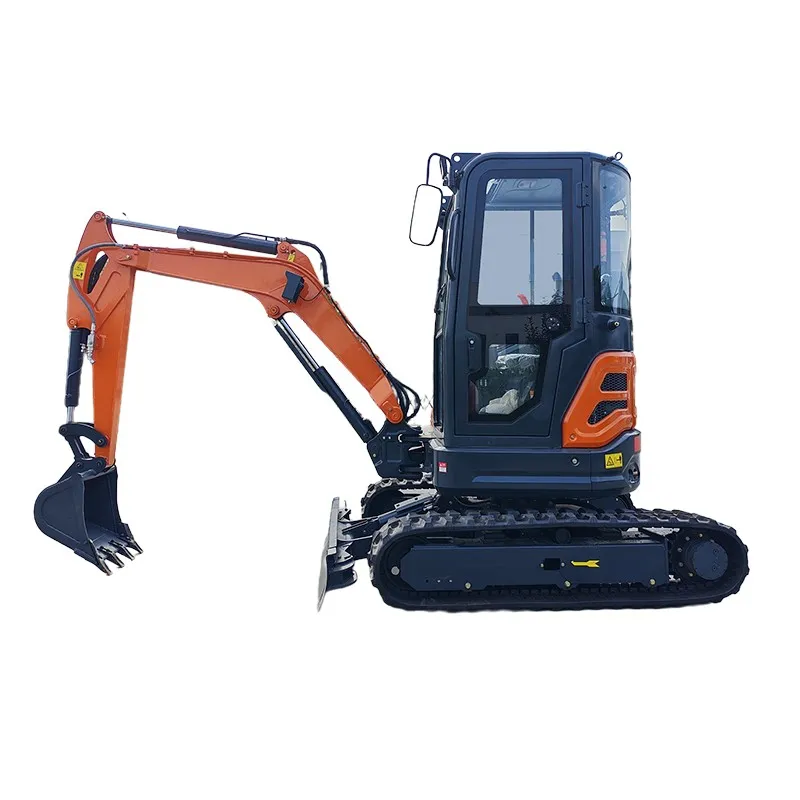
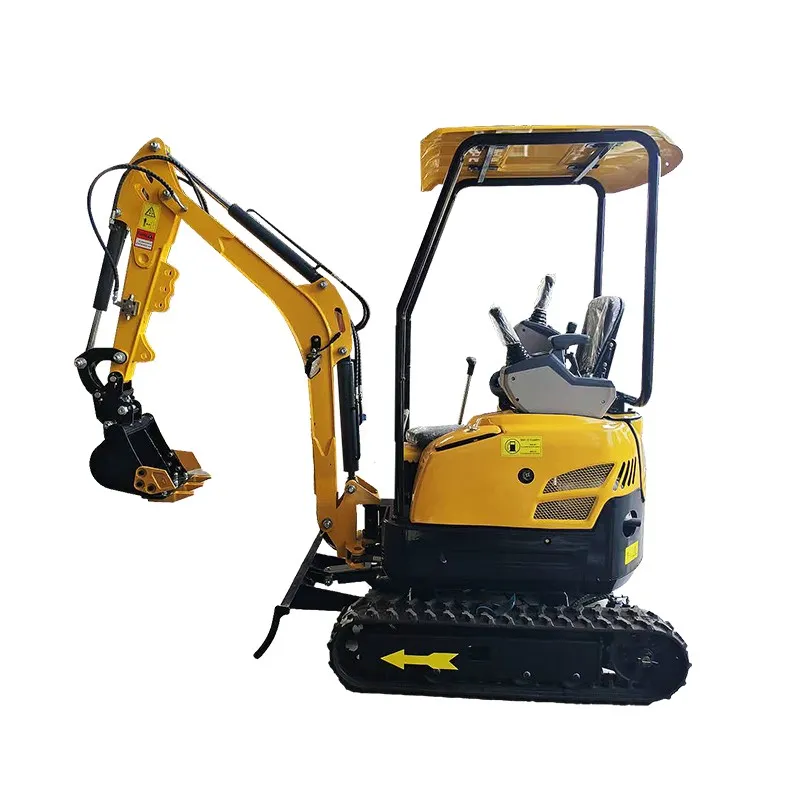
Small Excavator Models
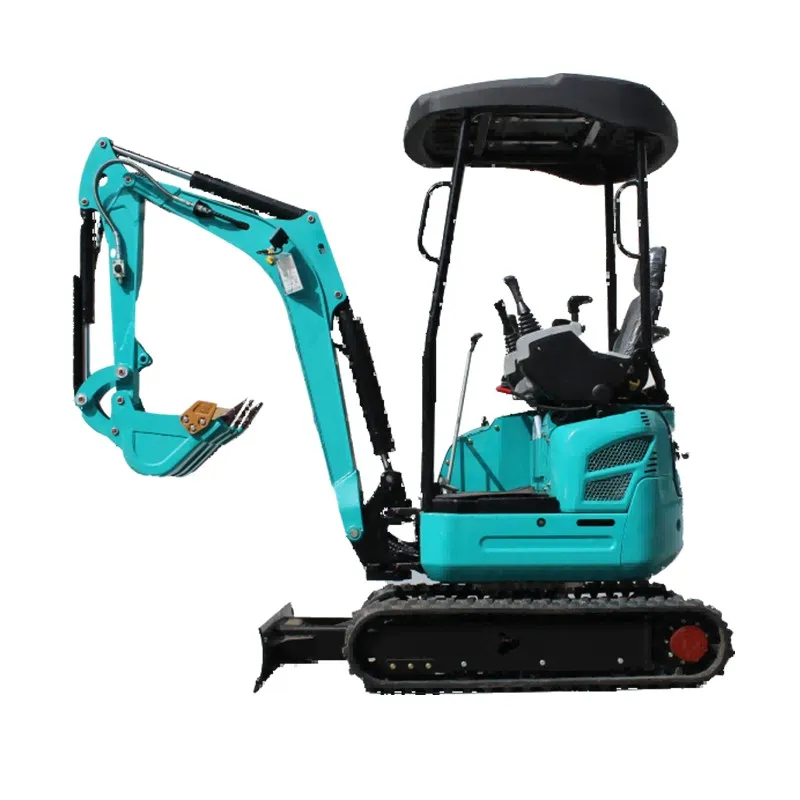
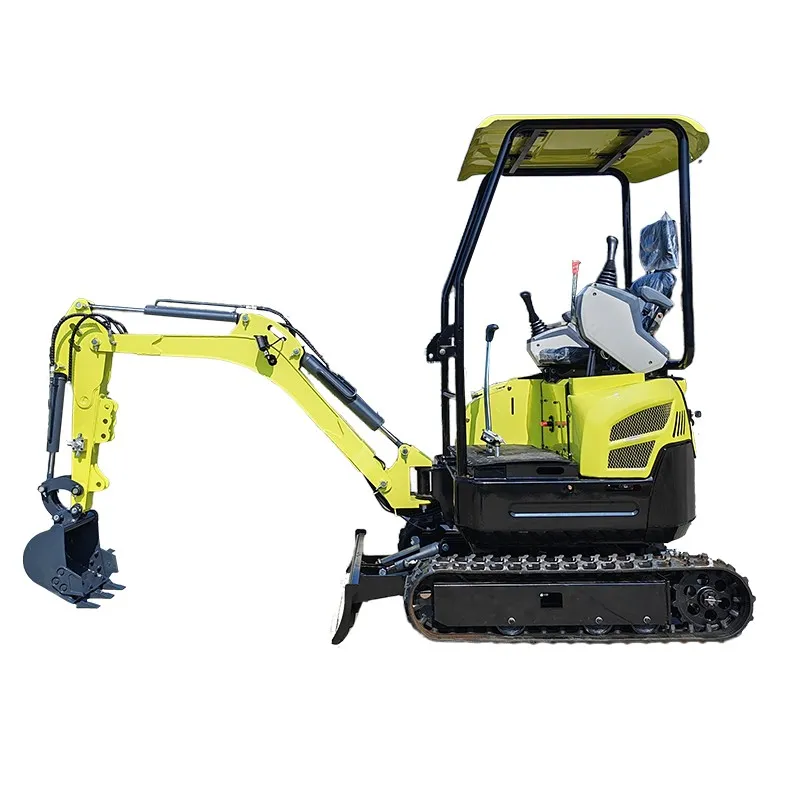
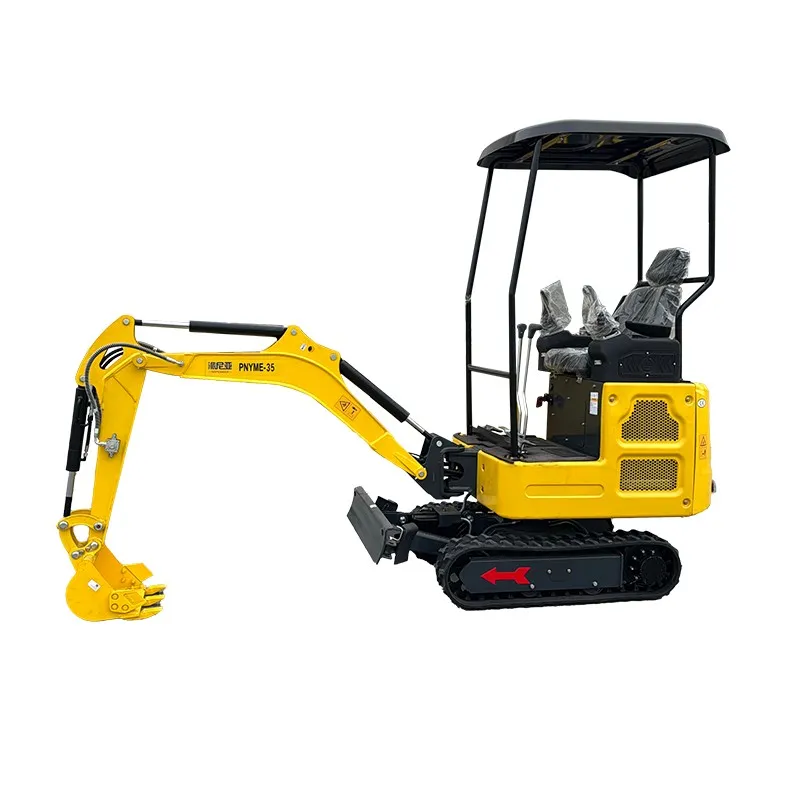
When most people hear small excavator models, they immediately think of weight and bucket size. That's the first mistake. The real conversation starts when you stop looking at the brochure and start looking at the undercarriage in the mud, or listening to the hydraulic pump under a sustained load on a hot day. It's not just about being small; it's about what that compact frame is engineered to do in a tight space where a bigger machine simply can't go, and what compromises you're willing to live with.
The Compact Illusion and Ground Truth
There's a pervasive idea that all compact excavators are basically the same, just with different paint. You see it with buyers who shop purely on price per kilogram. I've watched that logic fail on site. A 1.8-ton machine from a brand that prioritizes cost-cutting in its hydraulic system will struggle with simultaneous boom and track movement in a trench, while another in the same class, maybe from a specialist like Shandong Pioneer Engineering Machinery Co., Ltd, that focuses on system integration, will feel noticeably more fluid. The difference isn't on the spec sheet; it's in the valve block design and the quality of the seals. You feel it in the controls.
I remember a landscaping job in a back garden with old, soft clay. We were using a 3.5-ton model. The specs said it had a certain ground pressure, but the reality was the standard 300mm tracks were sinking faster than we could dig. The solution wasn't a bigger machine; it was swapping to 450mm wide tracks. That simple modification, often an afterthought in the initial purchase, turned a frustrating day into a productive one. It taught me to never just ask how many tons? but what's the track configuration, and what are my ground conditions?
This is where manufacturer experience matters. A company that's been in the trenches, literally and figuratively, for 20 years, like the team behind sdpioneer.com, tends to bake these practical lessons into their designs. They've seen their machines, exported from their base in Shandong to places like Germany with strict efficiency demands or Australia with abrasive soils, and that feedback loop informs the next model. It's not about gimmicks; it's about durability in the components you don't see.
Hydraulics: The Heart of the Matter
If the engine is the lungs, the hydraulics are the heart and circulatory system. This is where the personality of a small excavator is defined. The industry push is for more flow at lower pressure for efficiency, but the implementation varies wildly. A common pitfall is jerky movement in fine grading work. You're trying to trim the last inch off a trench bottom, and the machine either does nothing or lurches. Good models have excellent metering in the first part of the lever travel.
We tested a model once that had fantastic breakout force on paper. But to get it, the hydraulic system was tuned aggressively. The result was a machine that was jumpy for precision work—loading a truck with delicate pavers was a nightmare. It was a classic case of optimizing for one headline spec at the expense of overall usability. The better machines, in my experience, offer a balance, often with selectable work modes. You want an eco or precision mode for most day-to-day tasks, and a power mode for when you really need to rip out an old root.
Maintenance access is the other half of the hydraulic story. I'll take a machine with slightly less stellar specs if I can easily get to all major valve banks, filter locations, and test ports. I've spent hours just removing panels on some user-friendly models. Simplicity of service is a huge part of total cost of ownership that gets overlooked in the sales pitch.
The Attachment Ecosystem
A bare excavator is only half a tool. Its real value is multiplied by its attachments. But here's the catch: not all auxiliary hydraulic circuits are created equal. The standard is a two-way, medium-flow circuit. But if you plan on running a hydraulic tilt rotator, a breaker, or a tree shear, you need to think about this upfront. Flow rate and pressure must match the attachment's needs, and the plumbing has to be robust.
I've seen contractors buy a machine assuming it could run a powerful breaker, only to find the auxiliary circuit couldn't provide enough continuous flow, leading to overheating and rapid wear. It's a costly mistake. The manufacturers who understand this, like those with a long export history to diverse markets, often offer high-flow options or at least make the circuit upgrade straightforward. It speaks to a design philosophy that considers the machine as a platform, not just a standalone product.
Quick couplers are another detail. The European-style automatic couplers are fantastic for efficiency and safety, but they add cost and weight. Manual pin grabbers are simpler and cheaper. The choice depends on how often you're changing tools on a given day. There's no right answer, only the right answer for your specific workflow.
Durability in the Details
Long-term reliability comes down to the quality of components you hope you never have to think about. Track rollers, idlers, swing bearing seals, wiring harness chafe points. A machine might perform flawlessly for the first 500 hours, but the true test is after 2,000 or 3,000 hours of hard use.
One specific failure point I've encountered is the swing motor seal on compact models that do a lot of repetitive, short-arc swinging (like loading a truck from a pile). The constant back-and-forth seems to stress certain seal designs more than others. It's not a common topic in reviews, but it's a real-world shop talk item. Manufacturers that source critical drivetrain components from proven suppliers tend to have fewer of these niche failure modes.
Corrosion protection is another silent differentiator, especially for machines working near saltwater or in winter conditions with road salt. A thick, properly applied primer and paint, and the use of stainless or well-plated fasteners in key areas, can add years to a machine's life. It's an area where you often get what you pay for. The fact that a company like Shandong Pioneer, with its two-decade history and recent relocation to a new, modern facility in Ningyang, continues to compete in demanding markets suggests a focus on these underlying build qualities that support long-term operation.
The Operator's Perspective: More Than Just Levers
Finally, it all comes back to the person in the seat. Cab design, visibility, seat comfort, and control layout have a massive impact on productivity and fatigue. A common oversight is poor rear visibility. On a tight urban site, you're constantly checking your tail swing. Machines with generous rear windows or even standard rear-view cameras are a godsend.
Control patterns are mostly standardized now (SAE), but the feel isn't. The resistance of the joysticks, the placement of auxiliary control triggers, the smoothness of the travel pedals—these are deeply personal but critically important. The best advice is to operate a machine for at least 30 minutes before buying it. Does it feel like an extension of your body, or are you fighting it?
In the end, choosing a small excavator model is a series of trade-offs. There's no single best machine. It's about matching a machine's specific strengths—be it its hydraulic finesse, its attachment versatility, its serviceability, or its sheer durability—to the specific demands of your work. The specs are the starting point for the conversation, but the real decision is made in the seat, on your type of ground, with your most-used attachment. That's where you separate the marketing from the machinery.
Related Products
Related Products