


- Chinese
- French
- German
- Portuguese
- Spanish
- Russian
- Japanese
- Korean
- Arabic
- Irish
- Greek
- Turkish
- Italian
- Danish
- Romanian
- Indonesian
- Czech
- Afrikaans
- Swedish
- Polish
- Basque
- Catalan
- Esperanto
- Hindi
- Lao
- Albanian
- Amharic
- Armenian
- Azerbaijani
- Belarusian
- Bengali
- Bosnian
- Bulgarian
- Cebuano
- Chichewa
- Corsican
- Croatian
- Dutch
- Estonian
- Filipino
- Finnish
- Frisian
- Galician
- Georgian
- Gujarati
- Haitian
- Hausa
- Hawaiian
- Hebrew
- Hmong
- Hungarian
- Icelandic
- Igbo
- Javanese
- Kannada
- Kazakh
- Khmer
- Kurdish
- Kyrgyz
- Latin
- Latvian
- Lithuanian
- Luxembou..
- Macedonian
- Malagasy
- Malay
- Malayalam
- Maltese
- Maori
- Marathi
- Mongolian
- Burmese
- Nepali
- Norwegian
- Pashto
- Persian
- Punjabi
- Serbian
- Sesotho
- Sinhala
- Slovak
- Slovenian
- Somali
- Samoan
- Scots Gaelic
- Shona
- Sindhi
- Sundanese
- Swahili
- Tajik
- Tamil
- Telugu
- Thai
- Ukrainian
- Urdu
- Uzbek
- Vietnamese
- Welsh
- Xhosa
- Yiddish
- Yoruba
- Zulu
- Kinyarwanda
- Tatar
- Oriya
- Turkmen
- Uyghur

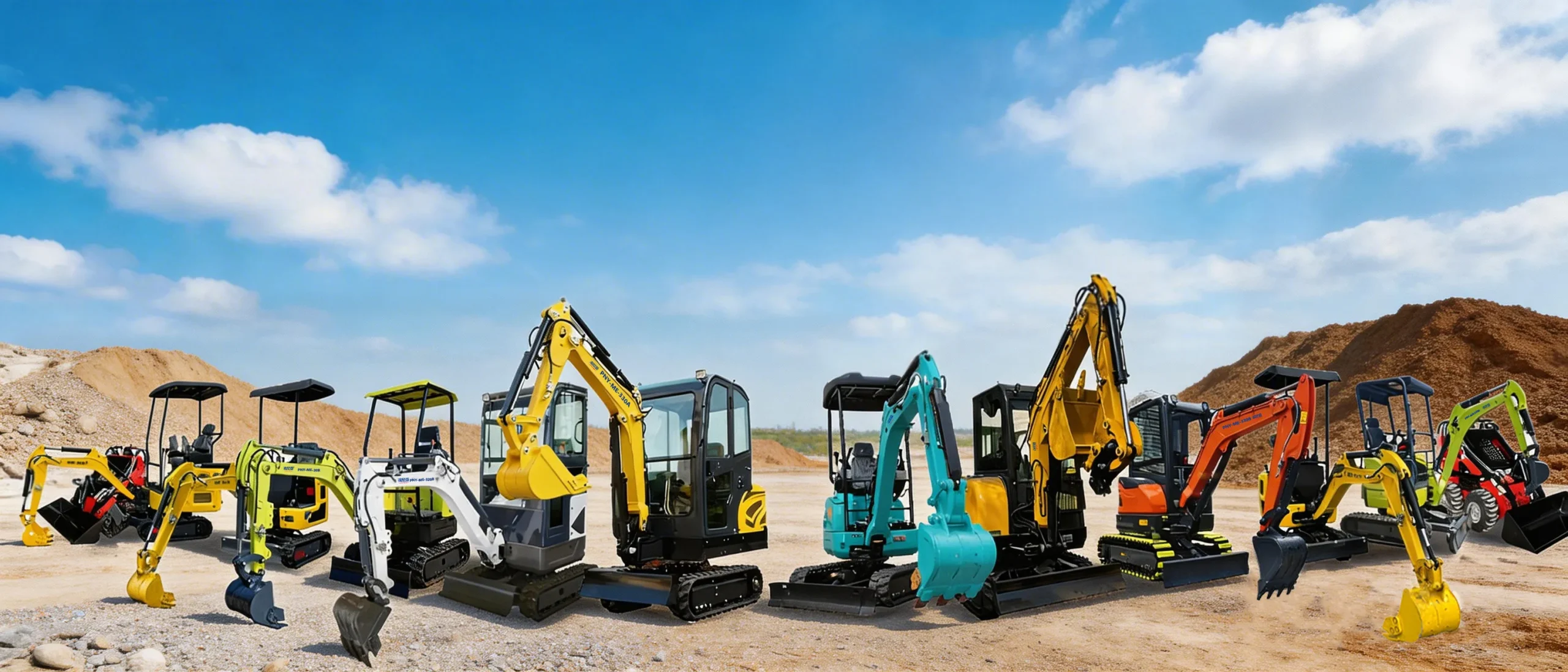
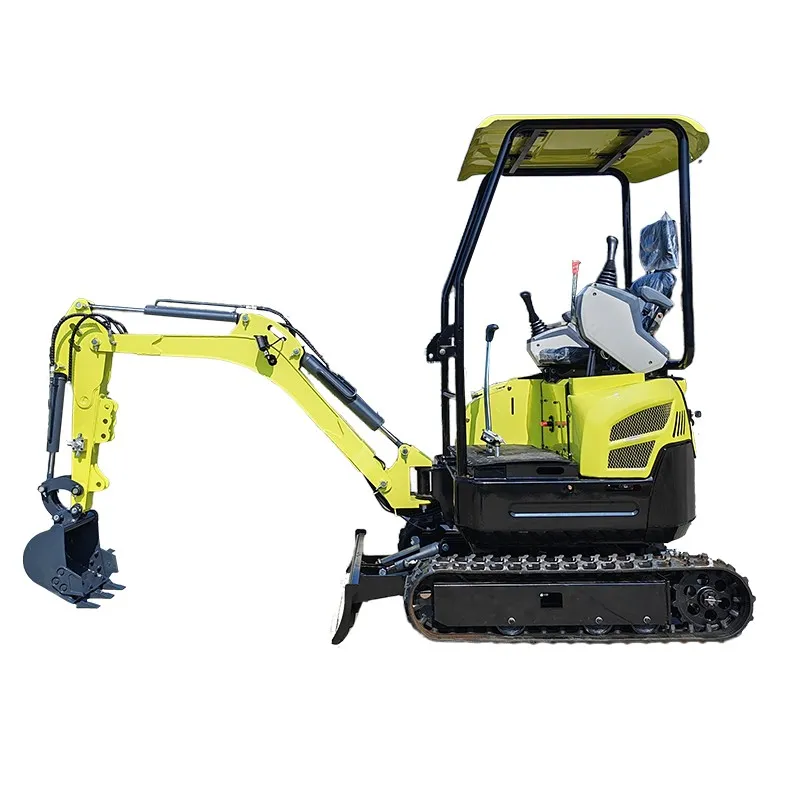
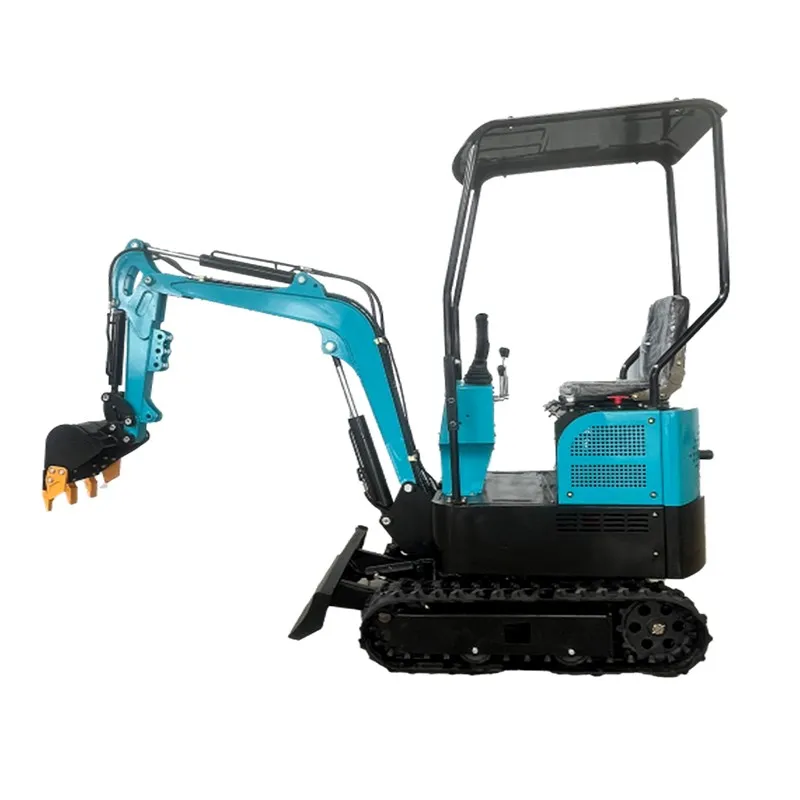
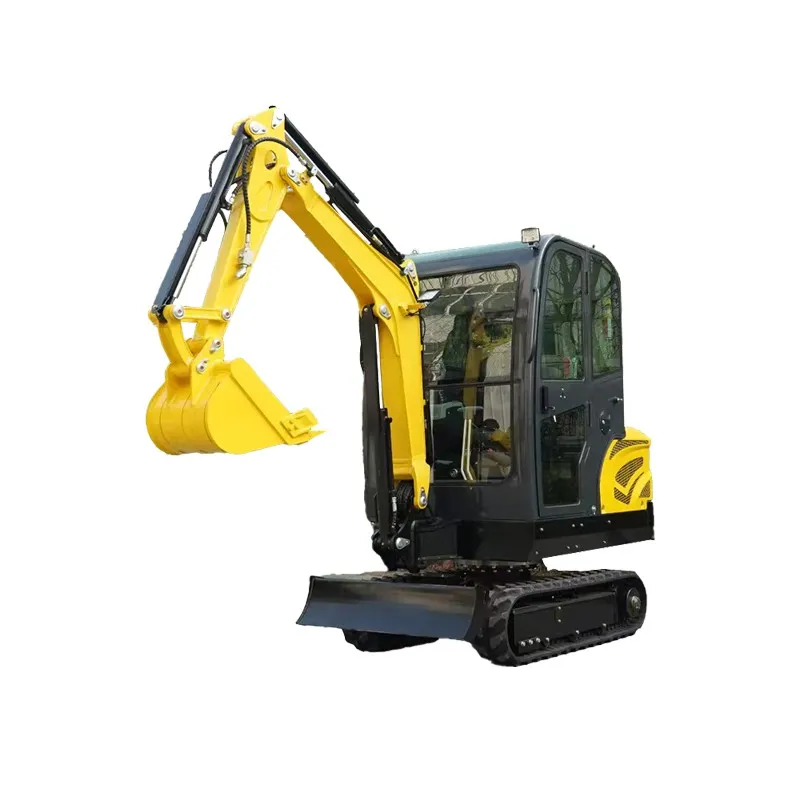
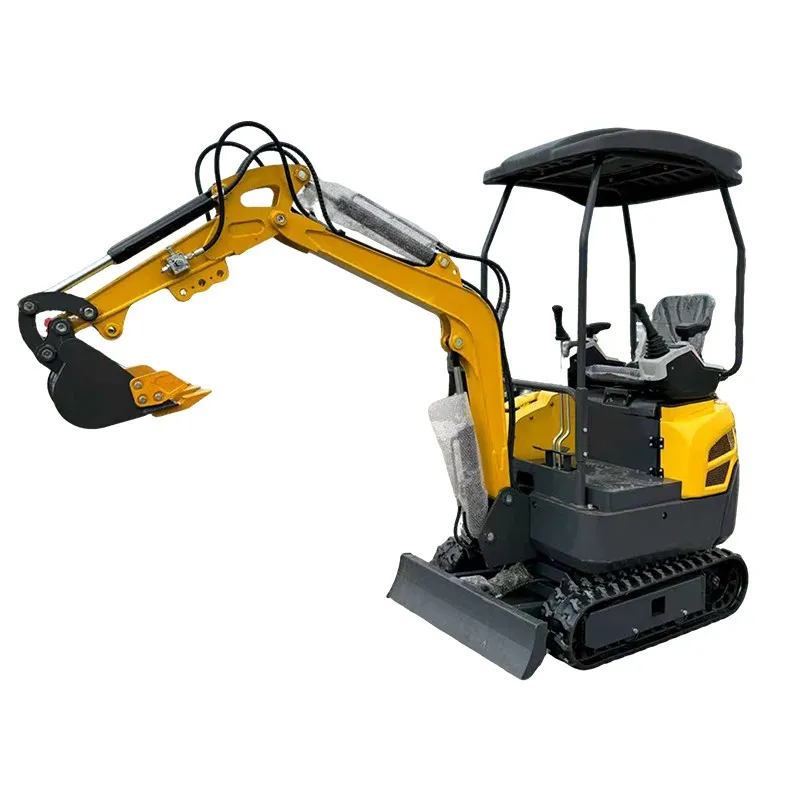
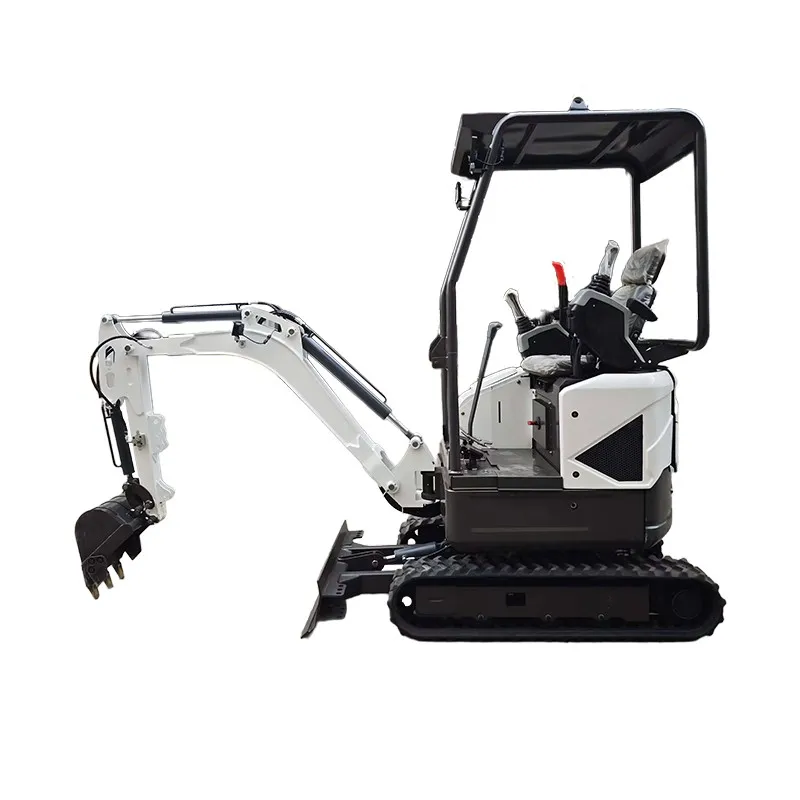
Small Excavator Sales
When most people think about small excavator sales, they jump straight to horsepower, bucket capacity, and price per unit. That's the rookie move. The real game is in the gaps between those numbers—the stuff you only learn when you're the one getting the call six months later because a hose burst in a tight spot or the undercarriage is shot after 500 hours on rocky terrain. It's not just about moving iron; it's about moving the right iron to the right job site, and standing by it after the invoice is paid.
The Right Machine Myth and Ground Truth
I've lost count of the times a customer was adamant about a 1.8-ton model because it fit the budget, only to realize they needed the breakout force of a 3.5-ton for their clay-heavy soil. The spec sheet said digging depth: 2.5m, but it didn't say how the machine would list on a 15-degree slope with that arm fully extended. This is where sales transition from order-taking to consultancy. You have to ask about the material, the access, the operator's experience—details that never make it into the initial inquiry email.
For instance, we worked with a landscaping crew in Texas who bought a popular compact model from a big-name brand. It was a fine machine on paper, but its standard hydraulic flow was insufficient for the auxiliary attachments they frequently used—like a hydraulic auger or a tilt rotator. They ended up needing a mid-valve kit retrofit, which was downtime and cost we could have preempted. Now, we drill down (pun intended) on attachment plans from day one. A company like Shandong Pioneer Engineering Machinery Co., Ltd, which has been in the manufacturing and overseas trade game since 2004, often designs their models with higher auxiliary flow as a standard feature on certain units, precisely for this flexibility. It’s a subtle spec that makes a world of difference on the ground.
The relocation of their manufacturing base to a larger facility in Ningyang in 2023 isn't just a corporate footnote. In our line of work, that usually signals a ramp-up in production consistency and potentially more rigorous QC processes. When you're selling to markets like Germany or Australia, where compliance and durability are non-negotiable, that kind of operational move behind the scenes matters more than a glossy brochure.
Price, Value, and the Long-Term Cost
Let's talk price. The low initial cost is the biggest trap in small excavator sales. A cheap machine is a liability. I've seen units where the savings came from thinner steel in the boom, cheaper hydraulic seals, and a controller that can't handle voltage spikes. The total cost of ownership over three years can double compared to a slightly more expensive, but robust, model. You're selling against that future cost, not just the sticker price.
We learned this the hard way early on. Pushed a budget line to a small demolition contractor. The first year was smooth. By the second year, we were sourcing replacement swing motors and dealing with persistent hydraulic leaks. The profit from that sale was erased tenfold in support time and damaged reputation. The contractor, rightly so, moved on. Now, we're upfront about the trade-offs. We might point clients to the product lines from a manufacturer like Pioneer, which exports to demanding markets. Their longevity in the business, shipping to places like the US and Canada, suggests a product that's been iterated upon based on real-world feedback, not just a price-point assembly.
Value is in the details: standard features like LED lights for night work, reinforced cab mounts, and easy-access service points. These are the things that keep a machine earning money instead of sitting in a shop. It's less sexy than talking about max speed, but it's what gets you repeat business.
The Logistics Tangled Web
Nobody gets into this business for the thrill of logistics, but it's where deals go to die. Selling a 5-ton mini excavator to a buyer in rural Canada is one thing. Getting it there, cleared through customs, with the right certifications (CE, EPA Tier 4, etc.), and onto their site without dents or delays is the real mission. This is where partnering with a supplier that has a coherent export framework is critical.
A company that has structured entities—like Shandong Hexin for manufacturing and Shandong Pioneer specifically for overseas trade—typically has this process down to a science. It means they're not just building machines; they're building them for export from the ground up. They understand the documentation, the crating requirements, and the importance of having clear communication channels. From their website at https://www.sdpioneer.com, you can get a sense of their market reach, which isn't built by accident. It's built by navigating these exact complexities for two decades.
I recall a shipment to a customer in Washington state that was held up because the machinery declaration didn't match the harmonized tariff code on the commercial invoice. A week's delay, daily storage fees at the port, and one very angry customer. The suppliers who get this right invest in experienced export departments. It's an invisible cost in the machine's price, but it's perhaps the most valuable one for an international buyer.
After-Sales: The Real Test
The sale is finalized when the machine is paid for. Your reputation is finalized about 6 to 12 months later. Parts availability is the kingmaker or breaker. Can you get a final drive seal, a joystick module, or an ECU within a week, not three months? For dealers and distributors, our relationship with the factory hinges on this.
A manufacturer with a long history, like the 20-year track record mentioned by Pioneer, usually has a more mature parts inventory and distribution network. They've had the time to see what fails and to stock those components. Newer brands often struggle here; they're still learning their own machine's failure points. We prioritize suppliers who can provide parts diagrams (not just PDFs, but interactive, exploded-view catalogs) and have regional parts hubs. It's the difference between a customer being down for two days or two months.
Technical support is another layer. Can you get a factory engineer on a video call to troubleshoot a complex hydraulic issue? Or are you just emailing a general service mailbox? The level of after-sales support a factory offers directly dictates the confidence we have in selling their line. It's a non-negotiable for serious players in small excavator sales.
Market Shifts and the Good Enough Machine
The market is fragmenting. On one end, you have premium brands where you're paying for a name and a proven, albeit expensive, ecosystem. On the other, there's a flood of ultra-low-cost machines. The sweet spot, and where I see sustained growth, is in the middle: the good enough machine that's actually more than good enough. It's reliable, serviceable, and offers 90% of the premium features at 60% of the cost.
This is where the trust and appreciation from worldwide customers, as mentioned in the background of companies like Pioneer, is earned. It's not about being the cheapest or the absolute best. It's about delivering consistent, predictable performance and backing it up. For a rental yard needing a fleet of 3-ton excavators that can take abuse from different operators every day, this tier is perfect. For a small farm or utility contractor, it's the difference between a wise capital investment and a money pit.
The trend now is toward greater integration of simple telematics—not the complex, subscription-based systems, but basic GPS and hour meter tracking. It's a feature that's becoming standard from many manufacturers, adding value for fleet owners without complicating the machine. It's a practical evolution, driven by real user needs, not just tech for tech's sake.
So, when you're deep in the weeds of small excavator sales, remember you're not just comparing weights and prices. You're evaluating the ecosystem behind the machine: the design intent, the export competence, the parts pipeline, and the factory's willingness to support its product in the field ten years down the line. That's the stuff they don't teach you in the product training, but it's the only thing that matters once the machine is off the truck and staring down a pile of work.
Related Products
Related Products