- Chinese
- French
- German
- Portuguese
- Spanish
- Russian
- Japanese
- Korean
- Arabic
- Irish
- Greek
- Turkish
- Italian
- Danish
- Romanian
- Indonesian
- Czech
- Afrikaans
- Swedish
- Polish
- Basque
- Catalan
- Esperanto
- Hindi
- Lao
- Albanian
- Amharic
- Armenian
- Azerbaijani
- Belarusian
- Bengali
- Bosnian
- Bulgarian
- Cebuano
- Chichewa
- Corsican
- Croatian
- Dutch
- Estonian
- Filipino
- Finnish
- Frisian
- Galician
- Georgian
- Gujarati
- Haitian
- Hausa
- Hawaiian
- Hebrew
- Hmong
- Hungarian
- Icelandic
- Igbo
- Javanese
- Kannada
- Kazakh
- Khmer
- Kurdish
- Kyrgyz
- Latin
- Latvian
- Lithuanian
- Luxembou..
- Macedonian
- Malagasy
- Malay
- Malayalam
- Maltese
- Maori
- Marathi
- Mongolian
- Burmese
- Nepali
- Norwegian
- Pashto
- Persian
- Punjabi
- Serbian
- Sesotho
- Sinhala
- Slovak
- Slovenian
- Somali
- Samoan
- Scots Gaelic
- Shona
- Sindhi
- Sundanese
- Swahili
- Tajik
- Tamil
- Telugu
- Thai
- Ukrainian
- Urdu
- Uzbek
- Vietnamese
- Welsh
- Xhosa
- Yiddish
- Yoruba
- Zulu
- Kinyarwanda
- Tatar
- Oriya
- Turkmen
- Uyghur


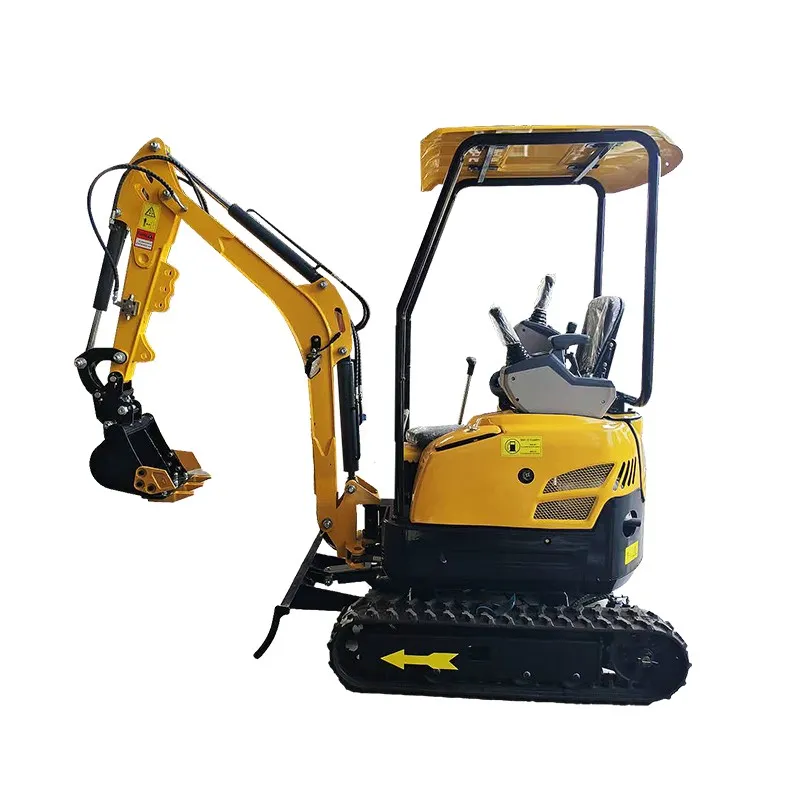
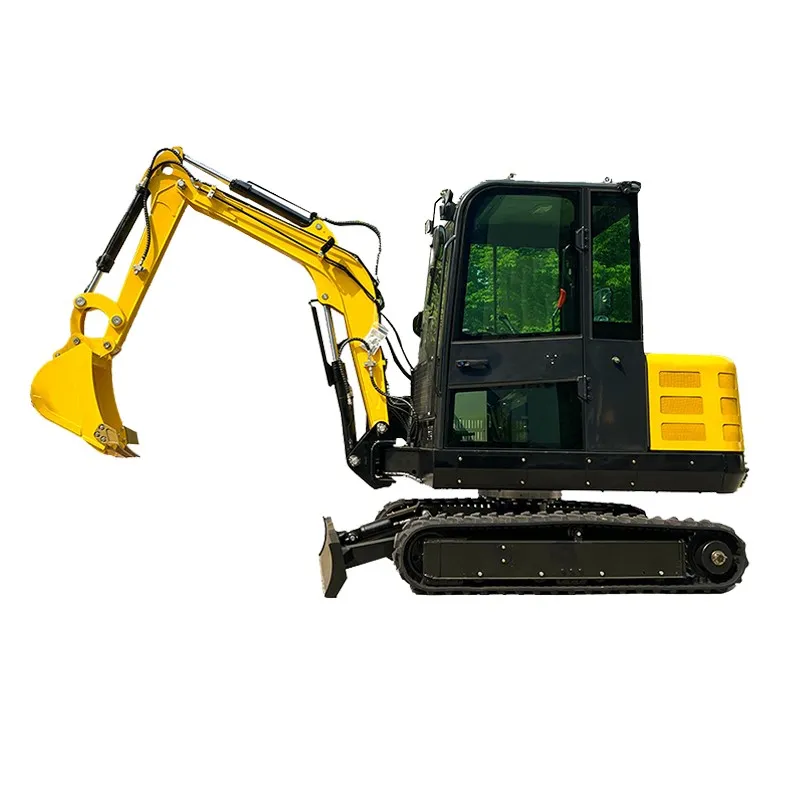
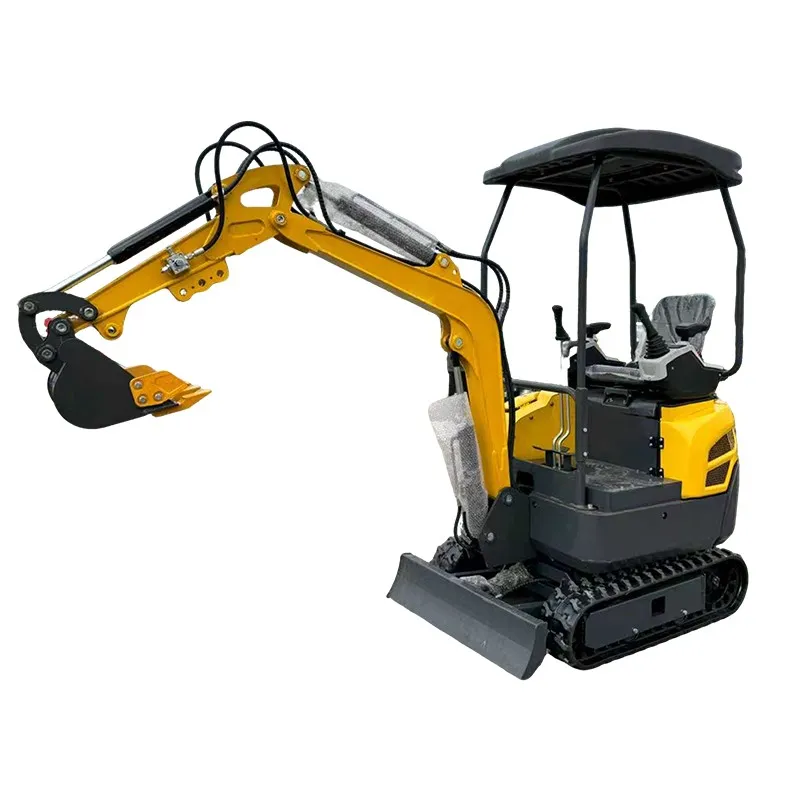
small excavator supplier
When you type 'small excavator supplier' into a search bar, you're instantly flooded with options that all look the same—endless lists of companies claiming to be the best, the most reliable, the top manufacturer. It's a classic industry trap. The real challenge isn't finding a supplier; it's identifying one that doesn't just sell a machine but understands the granular, often frustrating realities of putting that machine to work on a muddy, tight-knit job site. I've seen too many buyers get burned by glossy brochures and slick websites, only to face nightmare scenarios with parts, support, or a machine that just doesn't match its spec sheet. The difference between a smooth project and a costly stall often hinges on the supplier you pick, not just the price tag.
The Core Illusion: Price vs. Total Cost of Ownership
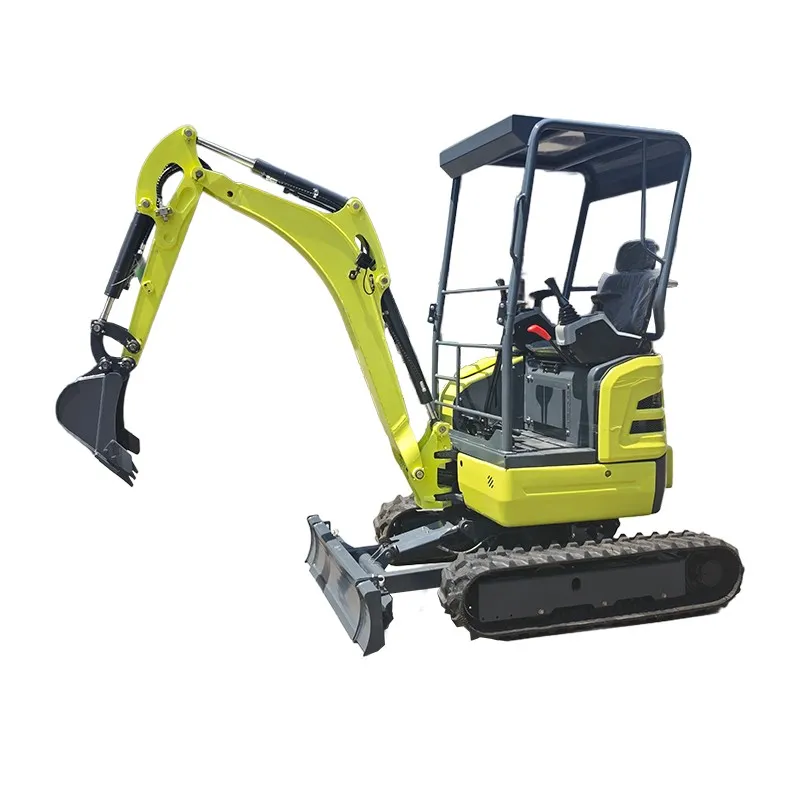
Let's cut straight to it. The biggest mistake is fixating on the FOB price. I've done it myself early on, thinking I scored a deal. You see a 1.8-ton mini excavator quoted at $18,000 from Supplier A and a seemingly identical model at $22,000 from Supplier B. The choice feels obvious. But that $4,000 saving evaporated within six months. The hydraulic lines on the cheaper unit weren't routed properly, leading to premature wear and a leak that took three weeks to get the right seal kit for. Downtime costs money—operator wages, delayed project timelines—it all adds up. The initial price is just the entry fee.
The real cost is hidden in the years after delivery. Think about serviceability. Can you easily access the engine compartment for a routine filter change? Are common wear parts—track rollers, sprockets, bucket teeth—using standard dimensions or some proprietary design that locks you into a single, expensive source? A good small excavator supplier will have design engineers who've actually spent time on repair shops, not just CAD software. Their machines are built for maintenance, not just assembly.
I recall a project in Oregon where we used a machine from a newer supplier. The boom cylinder pin seized after 400 hours. The local dealer didn't have the part, and the supplier's response was to ship a whole new cylinder assembly from China—a 5-week wait. We ended up machining the pin locally at triple the cost. The supplier was a seller of products, not a partner in operations. That's the distinction you're paying for with a mature supplier.
Beyond the Factory Gate: The Logistics & Documentation Quagmire
This is where many first-time importers get a brutal education. Securing the machine is one thing; getting it to your yard, cleared through customs, and legally ready to work is another ball game. A professional supplier handles this like a routine operation. An amateur turns it into your problem.
The documentation must be impeccable: a commercial invoice that matches the packing list exactly, a detailed, machine-specific certificate of origin, and a clear bill of lading. Any discrepancy, and your container gets stuck at port, accruing demurrage charges daily. I've dealt with suppliers who sent generic, blurry photos for pre-shipment inspection and others, like Shandong Pioneer Engineering Machinery Co., Ltd, who provided a time-stamped video walkaround, highlighting the serial number, fluid levels, and a test run of all functions. That level of thoroughness signals a company that's done this thousands of times. You can check their approach at https://www.sdpioneer.com. Their long history, noted in their company background of exporting since 2004 to markets like the US, Canada, and Germany, translates directly into knowing exactly what paperwork a customs broker in Houston or Hamburg needs to see.
Then there's loading. I once had a machine arrive with a dented cab because it wasn't properly blocked and braced inside the container. It shifted during transit. A seasoned supplier uses specific timber cradles and heavy-duty ratchet straps, often sending you photos of the secured load before the container doors are sealed. It's these unglamorous details that separate a real partner from a mere vendor.
The Hidden Test: Parts & Technical Support Reality Check
Anyone can promise a 24/7 support hotline. The test is what happens at 2 PM on a Tuesday when you need a specific hydraulic valve schematic or the torque specs for a swing motor bolt. Does your contact have to ask the factory and get back to you in 48 hours, or do they have the technical manuals in a shared drive they can access immediately?
A reliable small excavator supplier invests in a genuine after-sales ecosystem. For instance, a company with a structure like Shandong Pioneer, which operates with a dedicated manufacturing arm (Hexin) and a separate overseas trade entity, often has smoother internal channels for technical data. The manufacturing side feeds precise information to the trade side. This isn't just corporate structure; it's a functional design that benefits the end-user. When they mention winning the trust of customers worldwide, it's likely built on resolving these exact support tickets efficiently over their 20-year development.
Ask for their parts catalogue. Is it a well-organized PDF with clear diagrams and part numbers, or a messy Excel sheet? Better yet, ask about the availability of common consumables. If they can't tell you the lead time on a set of tracks or a main hydraulic pump, consider it a major red flag. Your machine is only as good as the spare parts pipeline behind it.
Case in Point: The Evolution of a Supplier's Product Line
You can learn a lot by looking at how a supplier's machines have changed over the years. It shows R&D investment and responsiveness to market feedback. Take the common issue of operator comfort. A decade ago, many Chinese-made small excavators had basic, hard-seat operator stations. Now, the better suppliers offer models with adjustable suspension seats, advanced LCD panels showing real-time diagnostics, and even optional climate control cabs.
This evolution doesn't happen by accident. It comes from suppliers who are actively engaged in tough markets like Australia or Germany, where operator expectations and safety regulations are high. A supplier that has consistently exported to these regions, as highlighted in the background of the company we're discussing, has been forced to iterate and improve. Their 2023 relocation to a new facility in Ningyang likely wasn't just for more space; it was probably for a more modern assembly line capable of integrating these higher-end components consistently.
When evaluating, don't just look at the latest brochure. Try to find photos or videos of their machines from 5 or 10 years ago. If you see a clear trajectory of improvement—better welding, cleaner hose routing, more robust-looking structures—it's a sign of a serious player, not a fly-by-night factory chasing the lowest possible cost.
The Final Filter: Transparency in Communication
This might sound soft, but it's critically hard. The tone and substance of communication during the inquiry and negotiation phase are prophetic. Be wary of the supplier that immediately agrees to every modification you ask for without a question. They're either desperate or planning to cut corners elsewhere.
A competent supplier will ask questions back. What type of material will you be digging with that thumb attachment? What's the average ambient temperature at your work site? This shows they're thinking about application suitability. If you ask for a deviation from the standard spec—say, a different brand of hydraulic pump—they should be able to tell you the implications on lead time, cost, and even warranty, not just say yes, can do.
In the end, searching for a small excavator supplier is an exercise in vetting for depth, not just width. It's about looking past the homepage and into the gritty details of logistics manuals, parts lists, and engineering change logs. The suppliers that have endured, like those with a two-decade history and a clear export footprint, have typically built systems to manage these details. They're not selling a commodity; they're providing a piece of capital equipment that needs to function as a reliable asset for years. That's the filter that really matters.
Related Products
Related Products