- Chinese
- French
- German
- Portuguese
- Spanish
- Russian
- Japanese
- Korean
- Arabic
- Irish
- Greek
- Turkish
- Italian
- Danish
- Romanian
- Indonesian
- Czech
- Afrikaans
- Swedish
- Polish
- Basque
- Catalan
- Esperanto
- Hindi
- Lao
- Albanian
- Amharic
- Armenian
- Azerbaijani
- Belarusian
- Bengali
- Bosnian
- Bulgarian
- Cebuano
- Chichewa
- Corsican
- Croatian
- Dutch
- Estonian
- Filipino
- Finnish
- Frisian
- Galician
- Georgian
- Gujarati
- Haitian
- Hausa
- Hawaiian
- Hebrew
- Hmong
- Hungarian
- Icelandic
- Igbo
- Javanese
- Kannada
- Kazakh
- Khmer
- Kurdish
- Kyrgyz
- Latin
- Latvian
- Lithuanian
- Luxembou..
- Macedonian
- Malagasy
- Malay
- Malayalam
- Maltese
- Maori
- Marathi
- Mongolian
- Burmese
- Nepali
- Norwegian
- Pashto
- Persian
- Punjabi
- Serbian
- Sesotho
- Sinhala
- Slovak
- Slovenian
- Somali
- Samoan
- Scots Gaelic
- Shona
- Sindhi
- Sundanese
- Swahili
- Tajik
- Tamil
- Telugu
- Thai
- Ukrainian
- Urdu
- Uzbek
- Vietnamese
- Welsh
- Xhosa
- Yiddish
- Yoruba
- Zulu
- Kinyarwanda
- Tatar
- Oriya
- Turkmen
- Uyghur


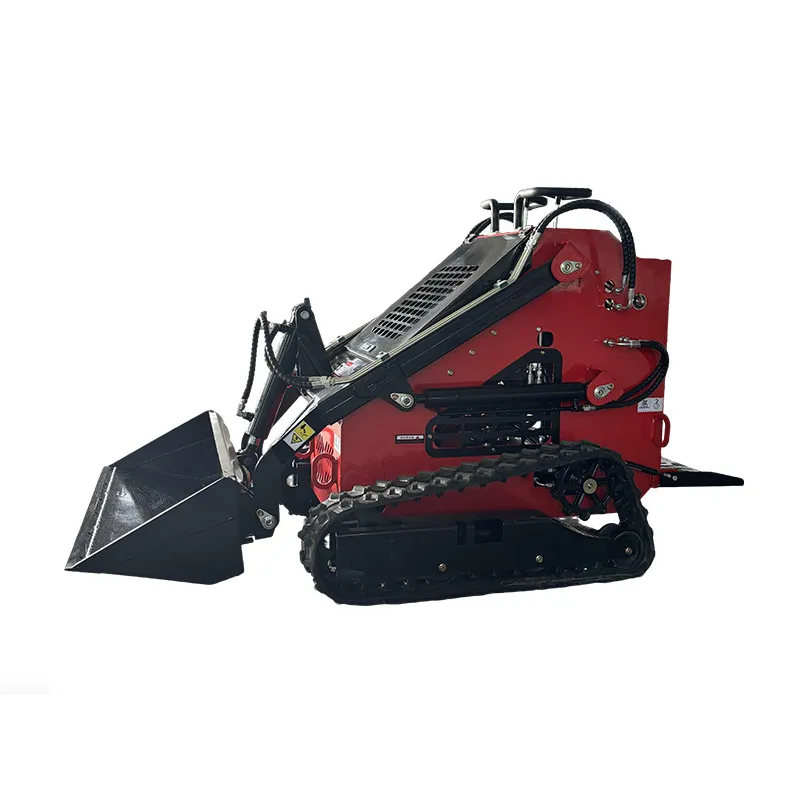
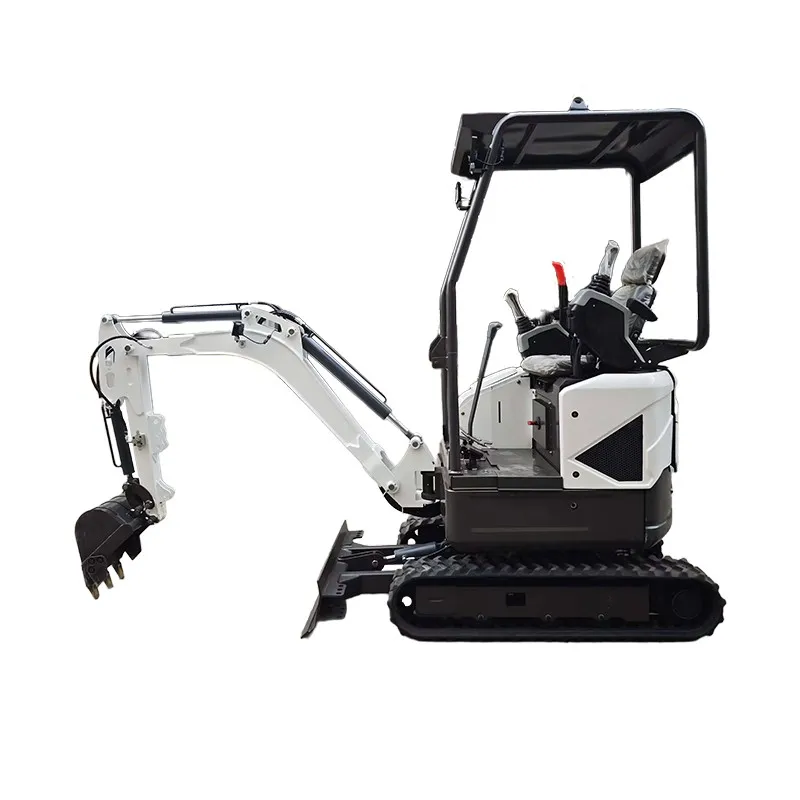
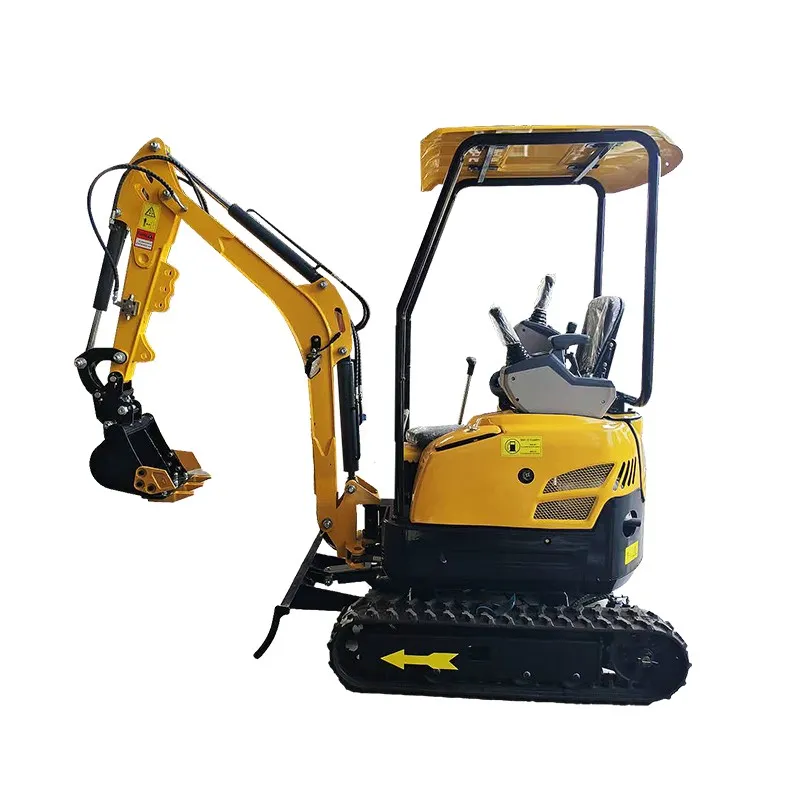
Small hydraulic construction machine
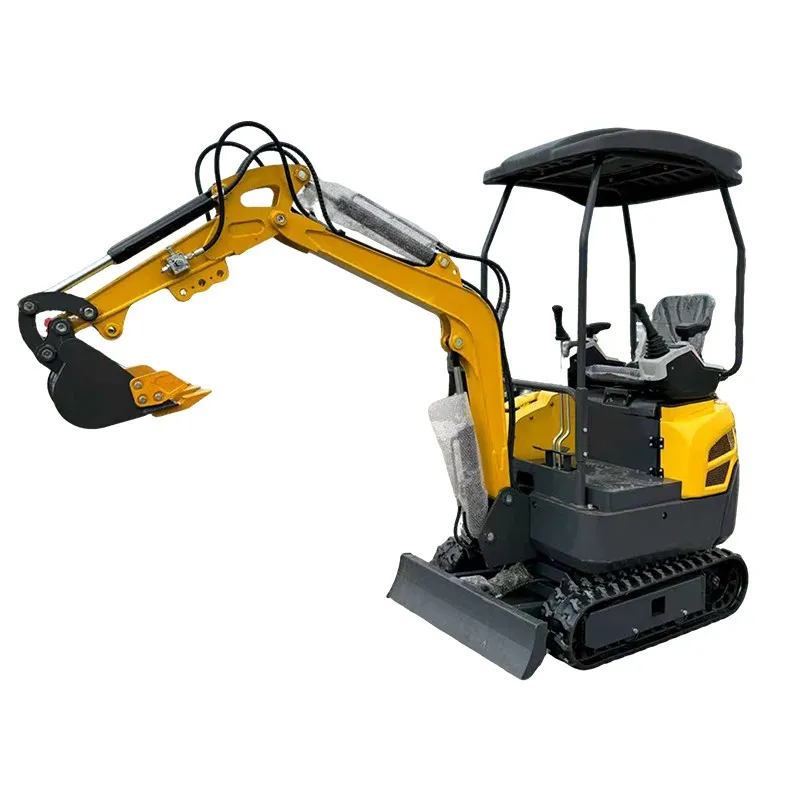
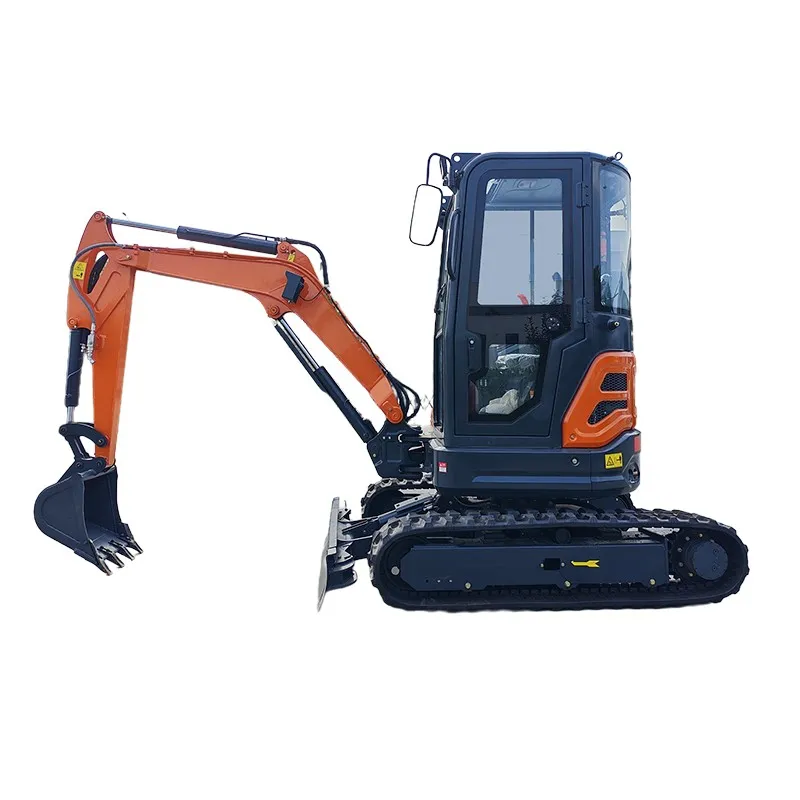
When most people hear 'small hydraulic construction machine', they picture a mini excavator on a suburban driveway. That's part of it, but it's a shallow view. The real scope is in the specialized, often overlooked attachments and compact power units that solve specific, gnarly problems on constrained sites. It's not just about being small; it's about the hydraulic system's precision and adaptability in tight spaces where a larger machine would be useless or economically unviable. Many clients fixate on brand names, but the real differentiator is often the hydraulic circuit design and the quality of the auxiliary plumbing—that's where failures happen, and where real value is built or lost.
The Core Misconception: Size vs. Capability
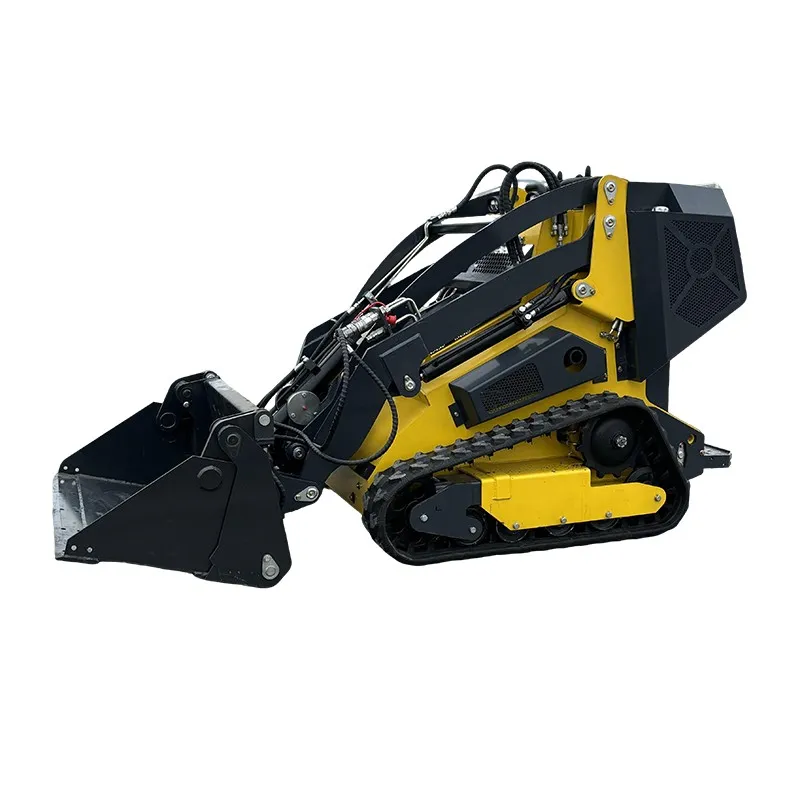
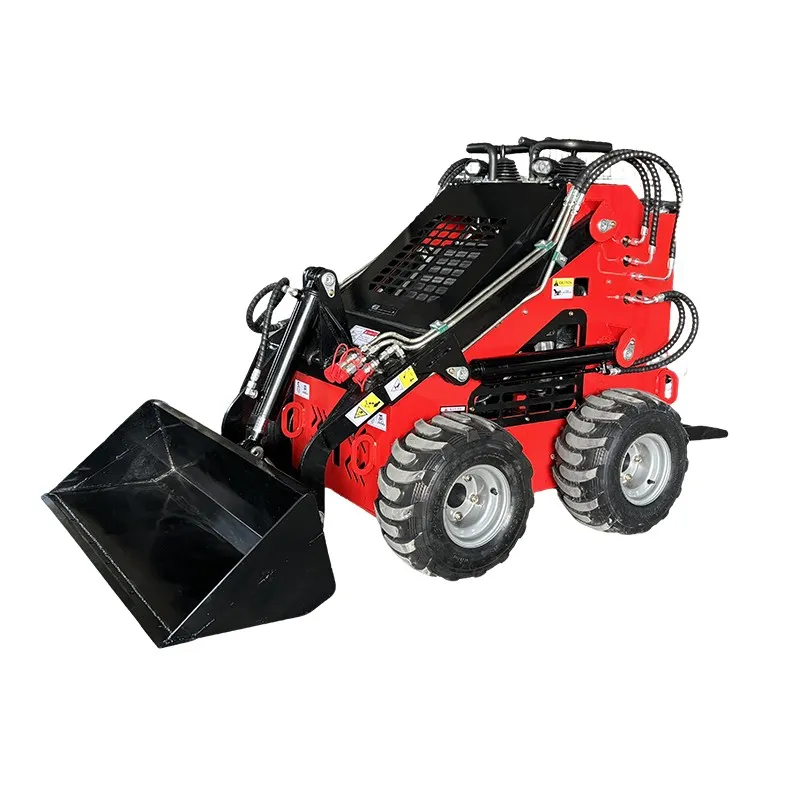
A common mistake is equating 'small' with 'simple' or 'underpowered'. I've seen contractors buy a compact skid-steer based purely on engine horsepower, only to find its auxiliary hydraulic flow is insufficient for the cold-planer attachment they need. The machine sits idle. The key metric is often the hydraulic system's small hydraulic construction machine output—both flow rate (GPM/LPM) and pressure (PSI/Bar)—and whether it's a fixed or variable displacement pump. A smaller machine with a well-matched, high-efficiency variable pump can outwork a larger, clumsier one, especially in precision tasks like grading or trenching.
This leads to the integrator's role. Companies that just assemble bought-in components struggle here. The ones with real expertise, like Shandong Pioneer Engineering Machinery Co., Ltd, get their hands dirty in system integration. They're not just bolting a pump to an engine; they're designing the circuit for thermal management, minimizing pressure drops in hoses, and selecting valves that give the operator fine control. You can feel this difference in the cab. A jerky, unresponsive control lever isn't just annoying—it's a sign of poor circuit design that will lead to operator fatigue and imprecise work.
I recall a job in Germany, retrofitting a small demolition robot for a delicate interior teardown. The OEM hydraulic system was too aggressive. We had to work with a manufacturer to recalibrate the pressure relief valves and add a flow control to slow the hammer action. It wasn't about raw power; it was about taming that power. That's the nuance with these machines. Their value isn't listed on a spec sheet; it's demonstrated in a confined basement or on a landscaped garden where one wrong move is costly.
The Critical Role of Attachments and Quick-Couplers
This is where the machine transforms. The base unit—a compact carrier—is almost a commodity. Its intelligence is in the attachment interface. The quick-coupler system is the most critical, yet most abused, component. I've seen too many failures from dirt ingress into the hydraulic couplers because of a poor sealing design or operators failing to purge lines before connecting. A minute of contamination can wreck a pump.
Manufacturers that understand this build in safeguards. For instance, some of the better systems from integrated makers include automatic pressure release and self-sealing couplers. When you're switching between a hydraulic breaker, a auger, and a tilt grader on a single machine in a day, reliability here is everything. It's a detail that separates a machine built for a catalog from one built for a jobsite.
Shandong Pioneer's approach, developed over their 20 years, seems to grasp this. By handling both manufacturing (through Hexin) and direct overseas trade, they get direct feedback from the field—from places like Australia where dust is a killer, or Canada where cold affects hydraulic fluid viscosity. This feedback loop informs the design of their small hydraulic construction machine systems, leading to more robust sealing and material choices for hoses and fittings that a purely domestic-focused factory might overlook.
Hydraulic Fluids and the Forgotten Maintenance
Here's a practical headache: fluid compatibility and maintenance intervals. Operators treat these small machines like disposable tools, running them for hundreds of hours without checking fluid quality. Hydraulic oil is the lifeblood. In a small, high-pressure system, degradation or contamination has an immediate effect. The fluid doesn't just transmit power; it cools and lubricates. I've diagnosed overheating issues on compact rollers that traced back to using the wrong viscosity oil, which caused the pump to cavitate.
The manual will specify an interval, but real-world conditions dictate it. Working in high ambient heat or in extremely dusty conditions? Cut that interval in half. It's a cheap insurance policy. Some of the more sophisticated machines now have basic fluid condition sensors, but most don't. The operator's vigilance is the sensor.
This ties back to manufacturer support. A company with a long-term view, like one that has evolved from a 1,600 square meter facility to a new base after two decades, tends to provide more detailed, practical maintenance guides. They've seen what goes wrong. Their documentation often includes troubleshooting flowcharts for hydraulic issues—like loss of power or erratic cylinder movement—that are invaluable for a mechanic in the field. It's this kind of accumulated, practical knowledge that gets baked into a product's support ecosystem.
Case in Point: The Almost Right Configuration
Let me describe a near-failure that taught me more than any success. A client needed a machine for installing small-diameter pilings in a backfilled urban lot. Space was tight. We spec'd a compact rotary drill attachment on a mini excavator. On paper, it was perfect. On site, the issue was torque. The excavator's standard auxiliary hydraulics provided enough flow but couldn't maintain the sustained high pressure needed when the auger hit a compacted layer. The machine would stall, the relief valve screaming.
The solution wasn't a bigger carrier; it was a different hydraulic circuit. We needed a system with a high-torque, low-speed motor circuit, or a machine designed from the ground up for that kind of continuous high-load work, like a dedicated compact piling rig. We ended up using a smaller, purpose-built rig from a specialist manufacturer. It was a lesson in matching the hydraulic system's duty cycle to the task's real demands, not just its peak power.
This is where the distinction between a generalist and a specialist manufacturer shows. A generalist might offer a rotary drill attachment for their mini excavator line. A specialist, often one with deep export experience across varied terrains like the U.S., Germany, and Australia, will likely offer a dedicated machine or a seriously modified circuit because they've encountered this specific problem before. Their product development is driven by applied problem-solving, not just feature expansion.
The Export Factor and Real-World Validation
There's a tangible difference in a machine built for a global market versus a single domestic one. Export, especially to regulated markets like North America and Europe, forces a certain discipline. It's not just about meeting ISO or CE standards on paper. It's about the machine holding up under different operator habits, different climate extremes, and different supply chains for parts and fluids.
A company like Shandong Pioneer, through its Shandong Pioneer (overseas trade) entity, has its products tested in these diverse environments. This feedback is irreplaceable. A valve stack that works fine in a temperate climate might develop leaks in a desert's thermal cycling. Hoses that are flexible enough in a German spring might crack in a Canadian winter. This field data drives iterative improvements in component sourcing and assembly processes that a purely domestic player never gathers.
This global vetting builds the trust and appreciation they mention. It's not marketing fluff. When a contractor in Texas or a rental yard in Brisbane repeatedly chooses a particular brand of small hydraulic construction machine, it's because the machine works, the parts are available, and it doesn't fail at a critical moment. That reputation is earned job site by job site, and it's the ultimate validation for any equipment manufacturer.
Looking Ahead: The Quiet Evolution
The future for these machines isn't necessarily electrification—though that's coming for indoor use—but further refinement of the hydraulic systems themselves. Think more efficient pumps that waste less energy as heat, smarter control valves that enable programmable attachment sequences, and better filtration systems that extend component life. The goal is more work per gallon of fuel and less downtime.
The companies that will lead are the ones embedded in both manufacturing and the international user base. They see the patterns. They know that a common failure point is, say, the swing motor seals on a mini excavator after 2,000 hours, so they source or engineer a better seal. They learn that operators love a certain pattern of joystick movement for fine grading, so they tweak the valve spool geometry to make it more intuitive.
It's a continuous, quiet evolution. The machine that rolls off the line today at their new facility in Ningyang is different from the one built five years ago, not in its outward appearance, but in a hundred small, critical details in its hydraulic heart. That's what working with small hydraulic construction machine equipment is really about: understanding and optimizing the complex interplay of fluid, pressure, and mechanical force in a very small, very tough package. It's a fascinating, endlessly detailed field where the biggest victories are often the failures you prevent.
Related Products
Related Products