- Chinese
- French
- German
- Portuguese
- Spanish
- Russian
- Japanese
- Korean
- Arabic
- Irish
- Greek
- Turkish
- Italian
- Danish
- Romanian
- Indonesian
- Czech
- Afrikaans
- Swedish
- Polish
- Basque
- Catalan
- Esperanto
- Hindi
- Lao
- Albanian
- Amharic
- Armenian
- Azerbaijani
- Belarusian
- Bengali
- Bosnian
- Bulgarian
- Cebuano
- Chichewa
- Corsican
- Croatian
- Dutch
- Estonian
- Filipino
- Finnish
- Frisian
- Galician
- Georgian
- Gujarati
- Haitian
- Hausa
- Hawaiian
- Hebrew
- Hmong
- Hungarian
- Icelandic
- Igbo
- Javanese
- Kannada
- Kazakh
- Khmer
- Kurdish
- Kyrgyz
- Latin
- Latvian
- Lithuanian
- Luxembou..
- Macedonian
- Malagasy
- Malay
- Malayalam
- Maltese
- Maori
- Marathi
- Mongolian
- Burmese
- Nepali
- Norwegian
- Pashto
- Persian
- Punjabi
- Serbian
- Sesotho
- Sinhala
- Slovak
- Slovenian
- Somali
- Samoan
- Scots Gaelic
- Shona
- Sindhi
- Sundanese
- Swahili
- Tajik
- Tamil
- Telugu
- Thai
- Ukrainian
- Urdu
- Uzbek
- Vietnamese
- Welsh
- Xhosa
- Yiddish
- Yoruba
- Zulu
- Kinyarwanda
- Tatar
- Oriya
- Turkmen
- Uyghur


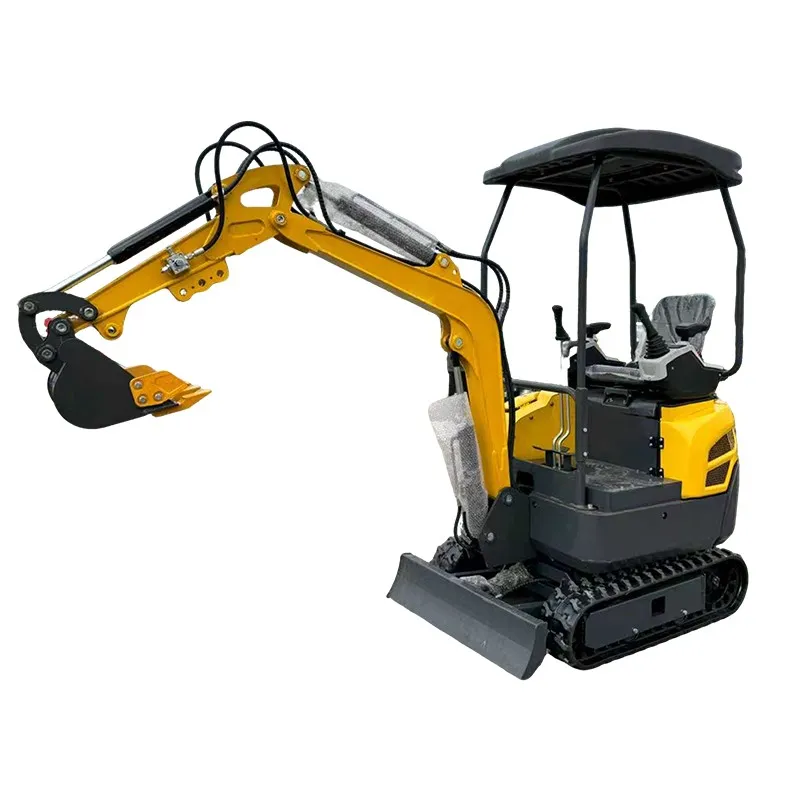
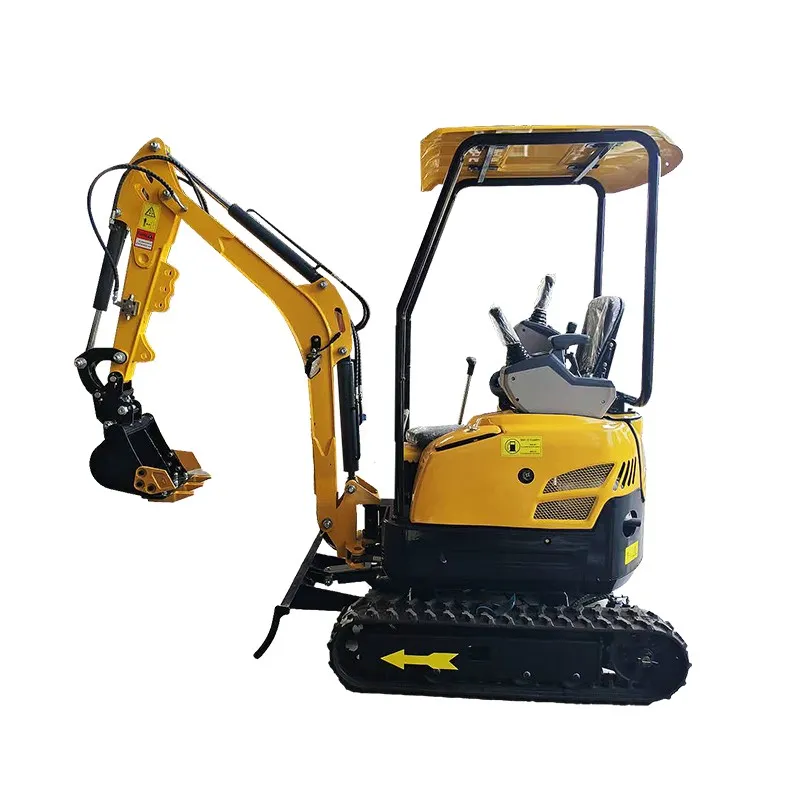
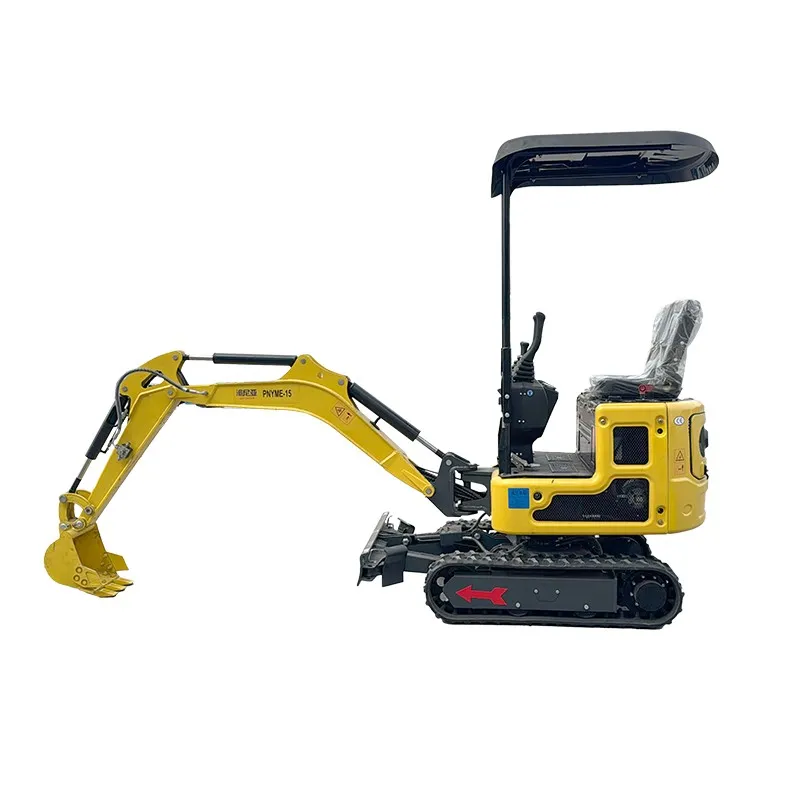
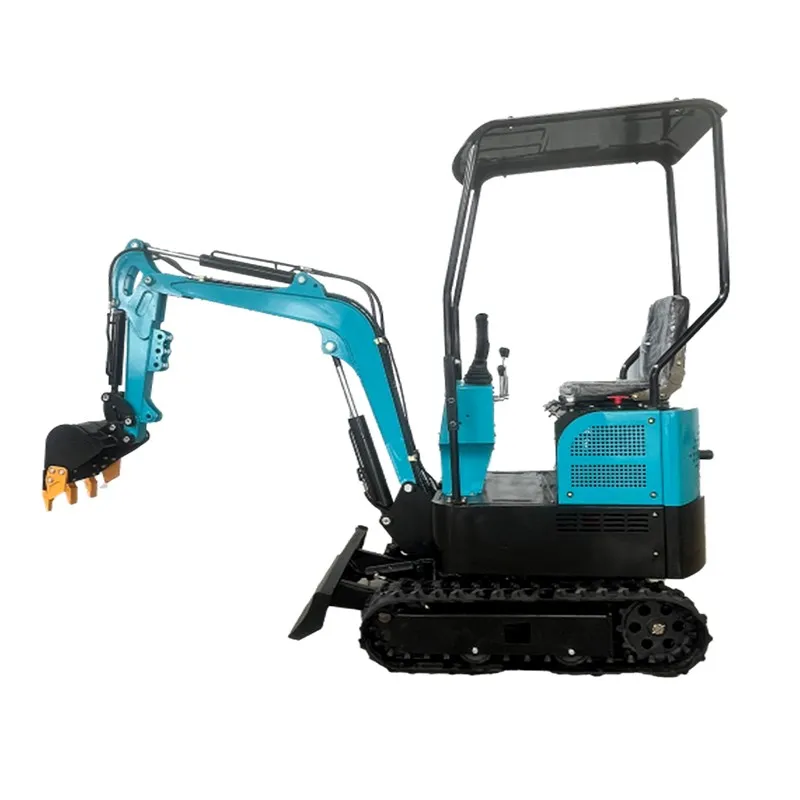
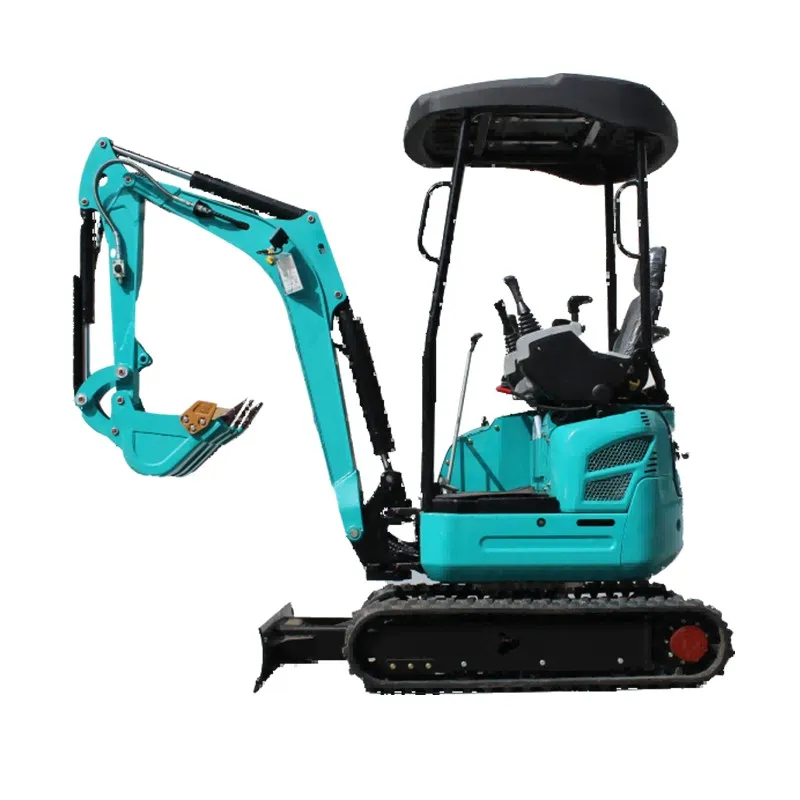
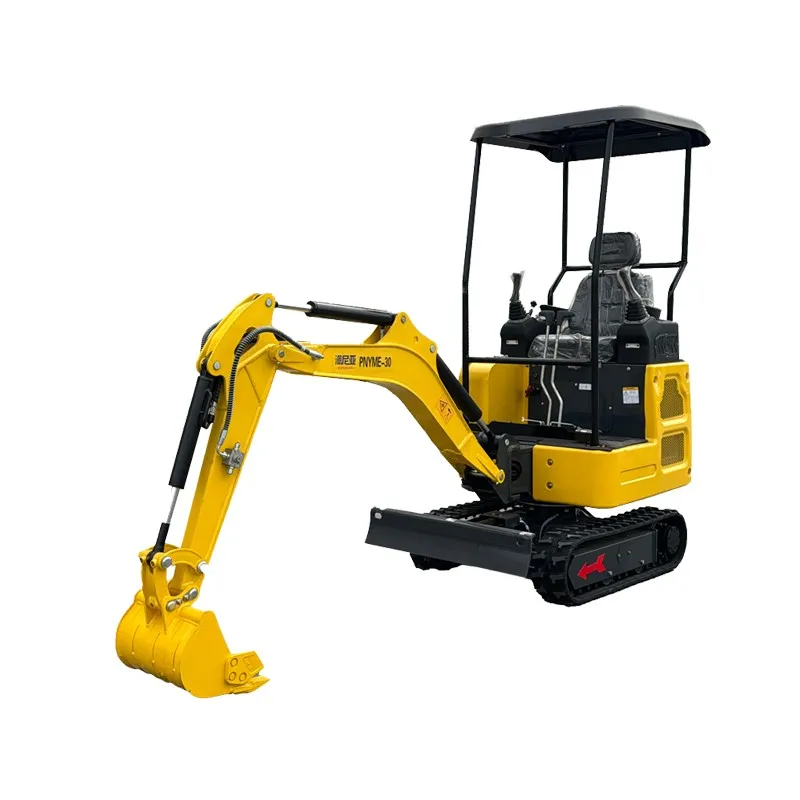
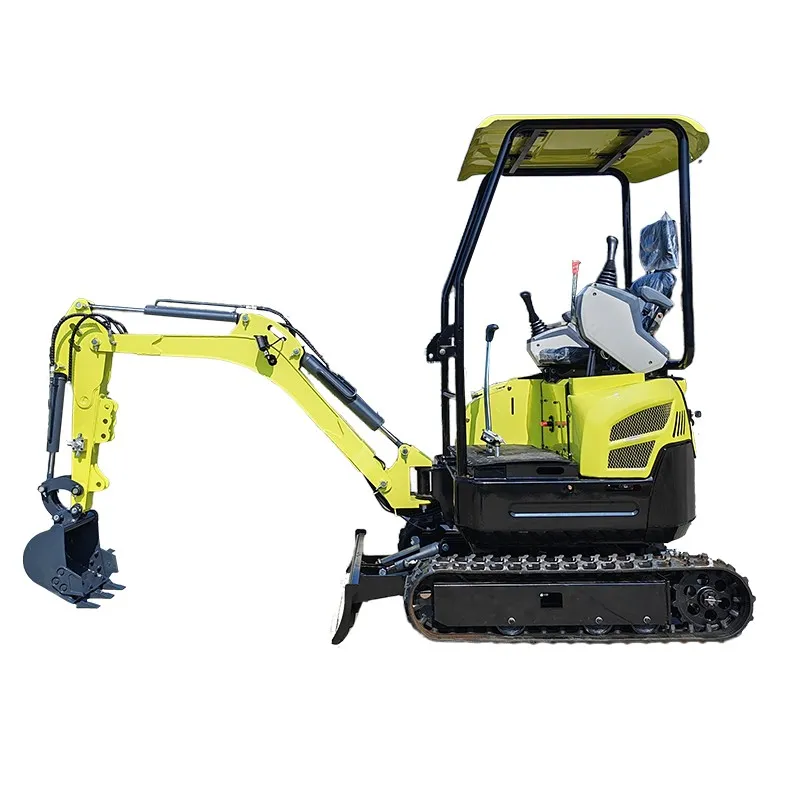
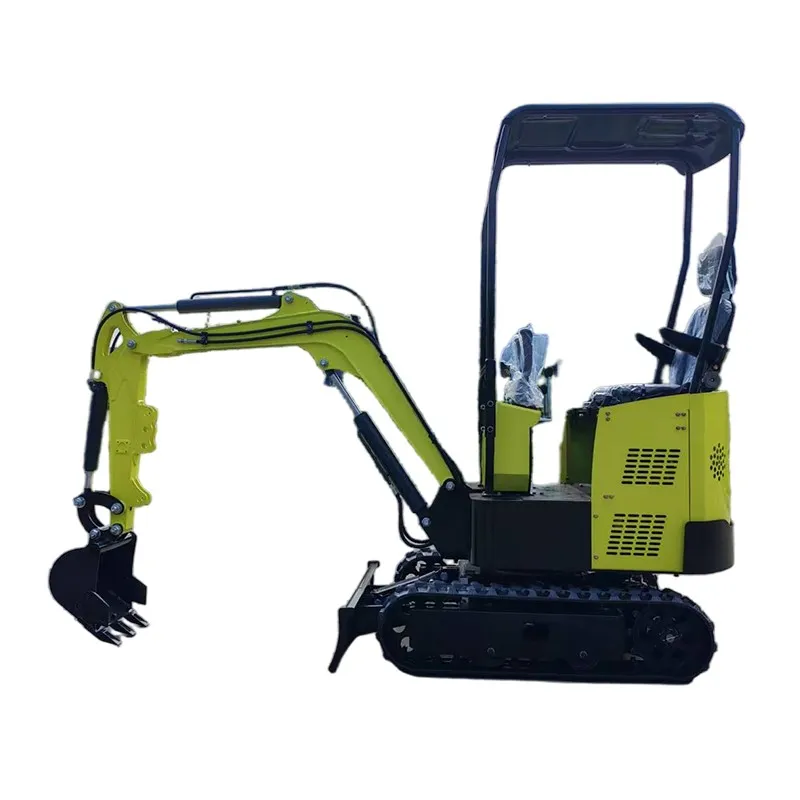
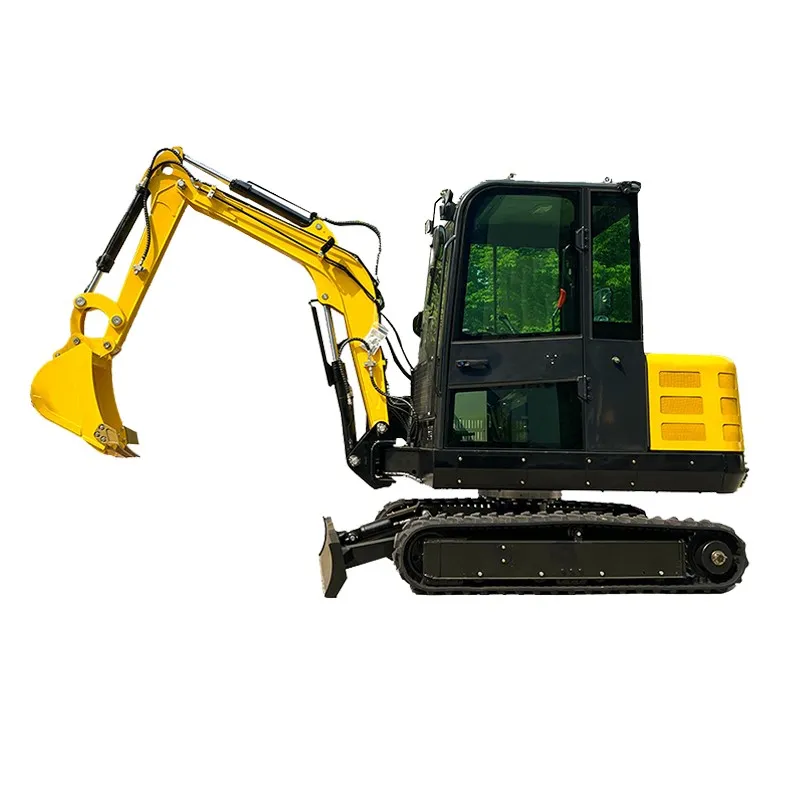
small mini excavator for sale
When you type 'small mini excavator for sale' into a search bar, you're met with a flood of options that all look pretty similar on the surface. That's the first trap. Having been through this process more times than I can count, both buying for projects and advising others, I've learned that the real differences aren't in the glossy photos or the listed specs—they're in the build behind the panels, the parts availability, and frankly, the company standing behind the machine. A lot of folks just chase the lowest price per kilogram, and that's a quick way to end up with a yard ornament.
The Spec Sheet Illusion and What Actually Matters
Everyone focuses on engine horsepower, bucket capacity, and digging depth. Sure, you need those numbers. But if you're looking at a small mini excavator for sale for actual work, you need to look at the hydraulic pump setup. Is it a gear pump or a variable piston pump? The piston pump gives you smoother, more controllable movement, especially when you're doing fine grading or working close to foundations. It costs more, but the efficiency gain on fuel and operator fatigue is real. I learned this the hard way on a landscaping job years ago with a cheaper model; fine control was nearly impossible, turning a one-day trenching job into a two-day fix-and-repair mess.
Then there's the undercarriage. On these compact machines, the track frame design and the type of rollers matter immensely for stability on uneven ground. A common mistake is not checking the ground clearance. A machine might have great specs but sit too low, constantly getting hung up on stumps or debris. I always tell people to look for a design that tapers up towards the rear—it gives you a better breakover angle.
One detail most miss is the auxiliary hydraulic circuit. Even if you don't need a hydraulic thumb or breaker now, having the standard two-way auxiliary lines (and enough flow) plumbed from the factory is a lifesaver later. Retrofitting is a nightmare of hoses and brackets. I remember a client who bought a machine without it for a basic digging job, then won a contract requiring a hydraulic auger. The retrofit cost almost as much as the price difference to a better-equipped model initially.
The Manufacturer Landscape: Finding a Reliable Partner
This is where the search term truly falls apart. For sale could mean anything from a fly-by-night trading company to an actual factory with engineering depth. The key is to find a manufacturer that's been in the game long enough to have iterated on their designs based on real feedback. You want a company that builds the machines, not just slaps their logo on a generic unit.
Take Shandong Pioneer Engineering Machinery Co., Ltd, for instance. I've followed their trajectory for a while. They've been around since 2004, which in this industry means they've survived multiple market cycles and had to improve their product to do so. Their recent relocation in 2023 to a new facility in Tai’an suggests growth and investment. That's a positive signal. A stagnant manufacturer is a red flag. You can check out their direct channel at https://www.sdpioneer.com to see their current line-up; it's always better to go straight to the source when you can.
Their structure is telling, too. Having Shandong Hexin handle manufacturing and Shandong Pioneer focus on overseas trade indicates a specialization that benefits the end-user. It means the export arm understands compliance, documentation, and after-sales support for different markets—critical for getting parts later. Them exporting to places like Germany and Australia is a good litmus test; those markets have stringent standards, so their machines have to be built to a certain grade to compete there.
Beyond the Purchase: The Real Cost of Ownership
The initial price is just the entry ticket. The real cost is in downtime. A mini excavator that's waiting for a proprietary seal or a controller for two weeks is bleeding money. When evaluating a small mini excavator for sale, your first question should be about the common wear parts: tracks, rollers, hydraulic hoses. Are they standard sizes? Can you source seals from a local hydraulic shop in a pinch, or are they oddball metrics only the OEM provides?
From experience, the machines that cause the least headache use as many industry-standard components as possible. A Yanmar, Kubota, or Deutz engine is a plus not just for reliability, but because any decent diesel mechanic can work on them. I once had a project in a remote area where a machine with a more obscure engine brand threw a fault code. The local dealer was 300 miles away. We lost three days of work. Never again.
This ties back to the manufacturer's role. A company like the aforementioned Pioneer, with two decades of accumulation, likely has a more stabilized bill of materials and a network for parts. It's worth asking them directly for a shortlist of common maintenance parts and their part numbers to see how accessible they are globally.
Application Pitfalls and Matching Machine to Job
It's tempting to think one mini excavator can do it all. It can't. You need to match the machine to your most common, most demanding task. If 80% of your work is digging footings in confined urban backyards, you prioritize zero-tail-swing and width. If it's lifting and placing drainage culverts, you need to scrutinize the lift capacity chart at various radii, not just the maximum lift number.
A failure I witnessed was a contractor who bought a standard tail-swing machine for interior demolition. He got it through the door, but once inside, the counterweight's swing radius made maneuvering a destructive, time-consuming process. He ended up renting a zero-tail-swing unit for that job anyway, making his new purchase a very expensive asset sitting outside.
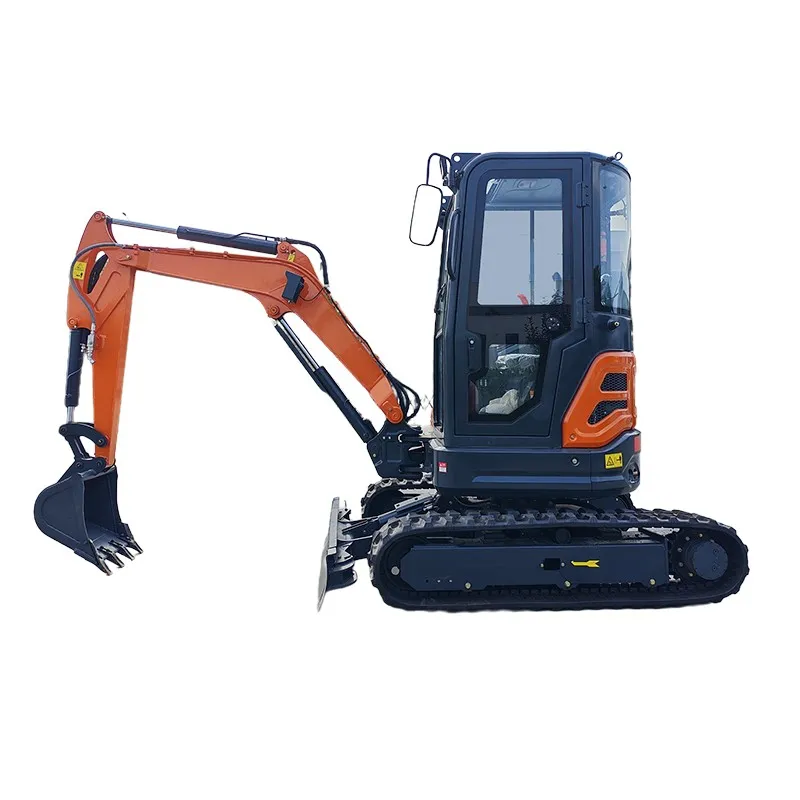
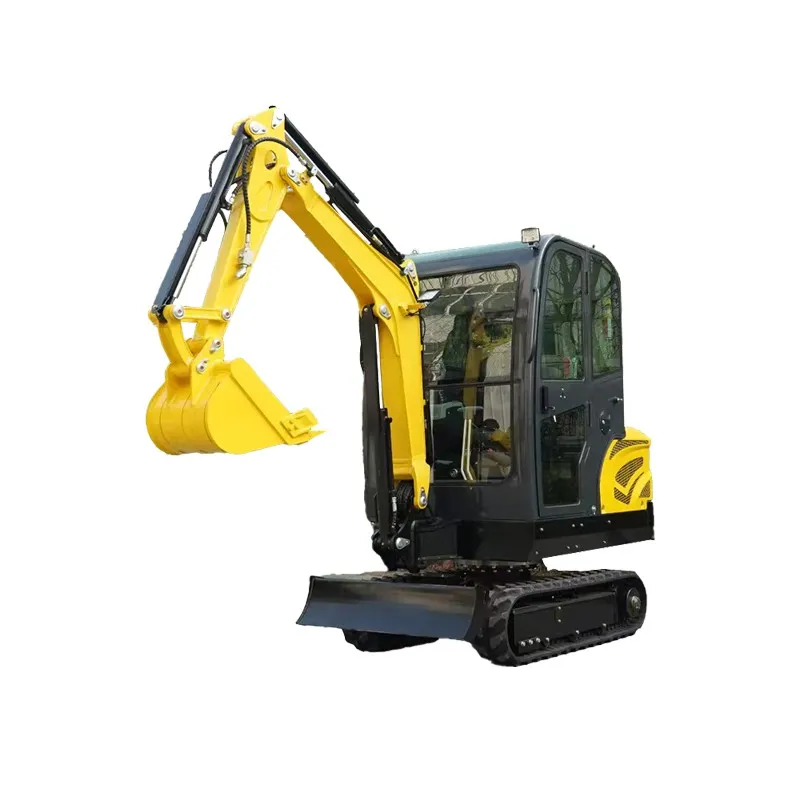
Also, consider the cab. If you're in a climate with extremes, a fully enclosed cab with heat and AC isn't a luxury; it's a productivity tool. An operator who is comfortable works more efficiently and safely. Open canopy machines are cheaper upfront but can cost you more in the long run through shorter effective working hours per day.
The Verification Step: What to Do Before Committing
Before you finalize a deal on any small mini excavator for sale, due diligence is non-negotiable. First, ask for the CE or other relevant certification documents. This isn't just paperwork; it shows the manufacturer has designed to a recognized safety and emissions standard.
Second, request customer references in a similar industry or, better yet, in your region. A reputable company should be able to provide this. When Pioneer mentions winning the trust of customers worldwide, that's the kind of claim you need to verify. A quick conversation with an existing owner will tell you more about after-sales service and real-world reliability than any brochure.
Finally, if the volume justifies it, visit the factory. There's no substitute for seeing the production line, the welding quality, and the testing process. You get a feel for the company's culture. Are they just assembling kits, or are they engineering and fabricating? The difference in final product quality is massive. For most, this isn't feasible, which is why leaning on manufacturers with a long, traceable history and a direct, professional web presence like sdpioneer.com becomes so important. It's a proxy for stability. In the end, buying a mini excavator is about finding a reliable tool and a reliable partner. The search term gets you started, but the digging you have to do is all your own.
Related Products
Related Products