- Chinese
- French
- German
- Portuguese
- Spanish
- Russian
- Japanese
- Korean
- Arabic
- Irish
- Greek
- Turkish
- Italian
- Danish
- Romanian
- Indonesian
- Czech
- Afrikaans
- Swedish
- Polish
- Basque
- Catalan
- Esperanto
- Hindi
- Lao
- Albanian
- Amharic
- Armenian
- Azerbaijani
- Belarusian
- Bengali
- Bosnian
- Bulgarian
- Cebuano
- Chichewa
- Corsican
- Croatian
- Dutch
- Estonian
- Filipino
- Finnish
- Frisian
- Galician
- Georgian
- Gujarati
- Haitian
- Hausa
- Hawaiian
- Hebrew
- Hmong
- Hungarian
- Icelandic
- Igbo
- Javanese
- Kannada
- Kazakh
- Khmer
- Kurdish
- Kyrgyz
- Latin
- Latvian
- Lithuanian
- Luxembou..
- Macedonian
- Malagasy
- Malay
- Malayalam
- Maltese
- Maori
- Marathi
- Mongolian
- Burmese
- Nepali
- Norwegian
- Pashto
- Persian
- Punjabi
- Serbian
- Sesotho
- Sinhala
- Slovak
- Slovenian
- Somali
- Samoan
- Scots Gaelic
- Shona
- Sindhi
- Sundanese
- Swahili
- Tajik
- Tamil
- Telugu
- Thai
- Ukrainian
- Urdu
- Uzbek
- Vietnamese
- Welsh
- Xhosa
- Yiddish
- Yoruba
- Zulu
- Kinyarwanda
- Tatar
- Oriya
- Turkmen
- Uyghur


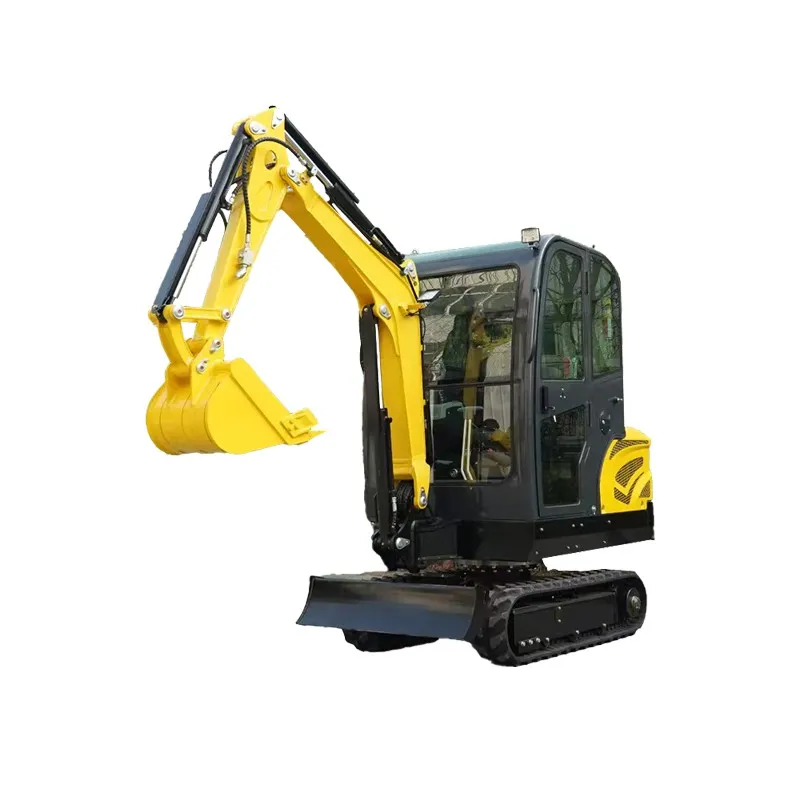
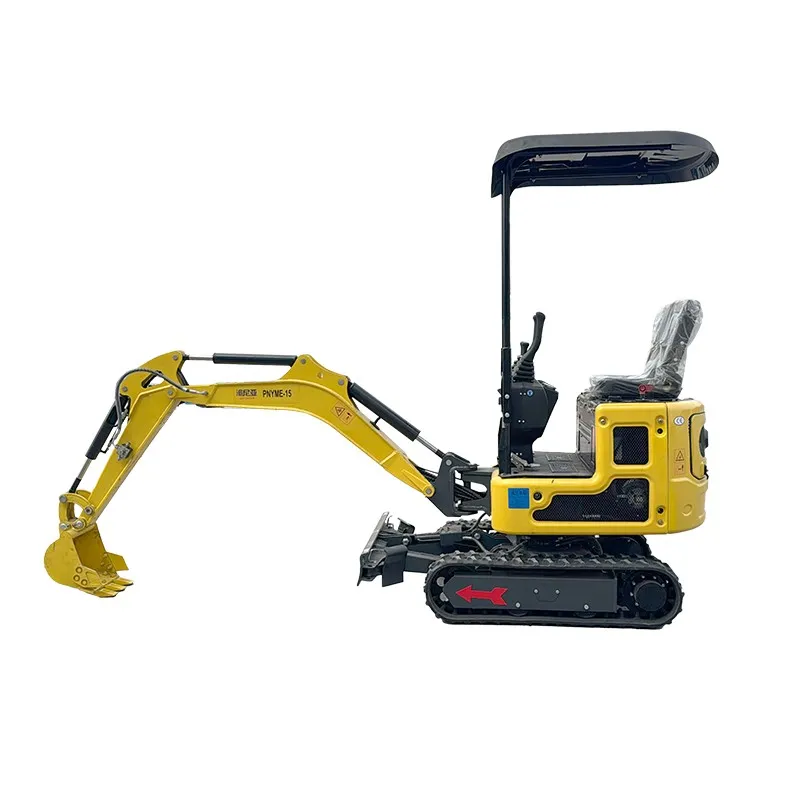
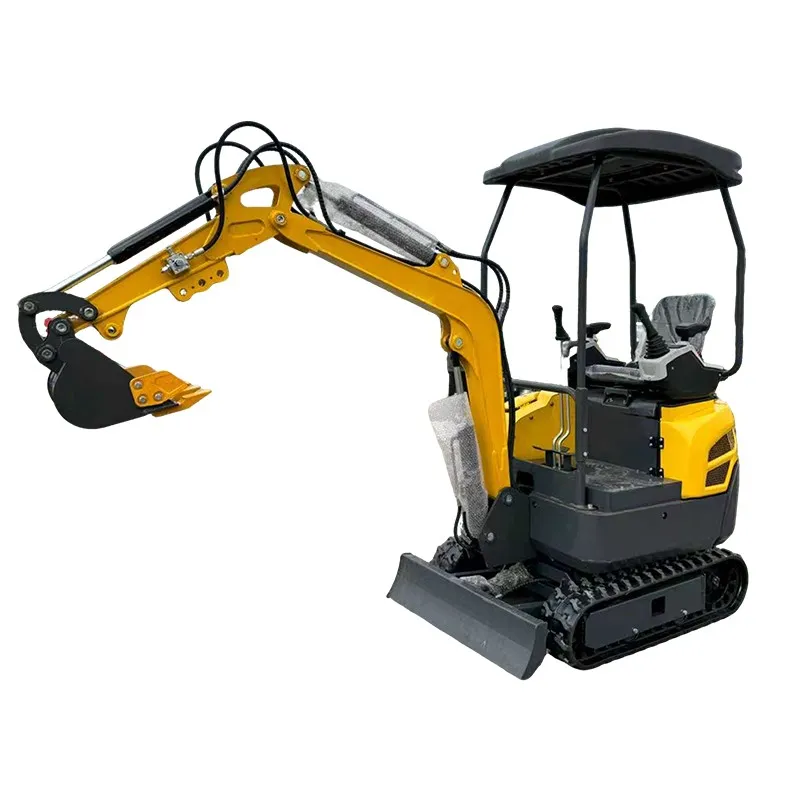
smallest mini excavator
You search for 'smallest mini excavator' and you get a list of specs – weight, width, horsepower. That's the first mistake, thinking it's just a numbers game. In the field, the smallest machine isn't always the one with the tiniest footprint. It's the one that fits the job, gets through the gate, and doesn't leave you stranded because you chose based on a brochure. I've seen guys buy a 1-ton machine for a backyard project, only to find its hydraulic flow can't run the attachment they already own, turning a space-saver into a very expensive paperweight.
The Compact Reality Check
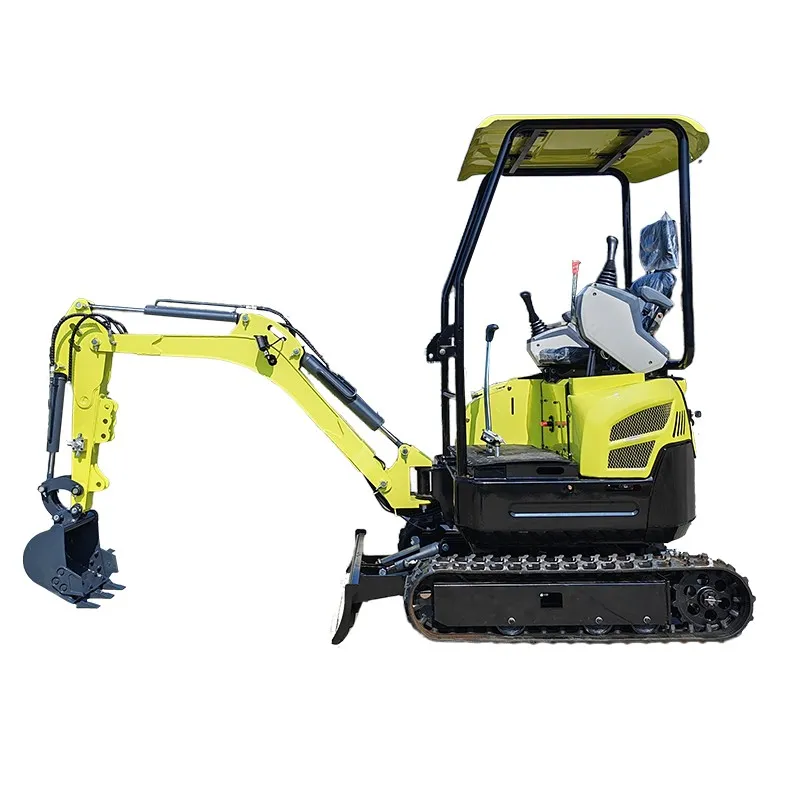
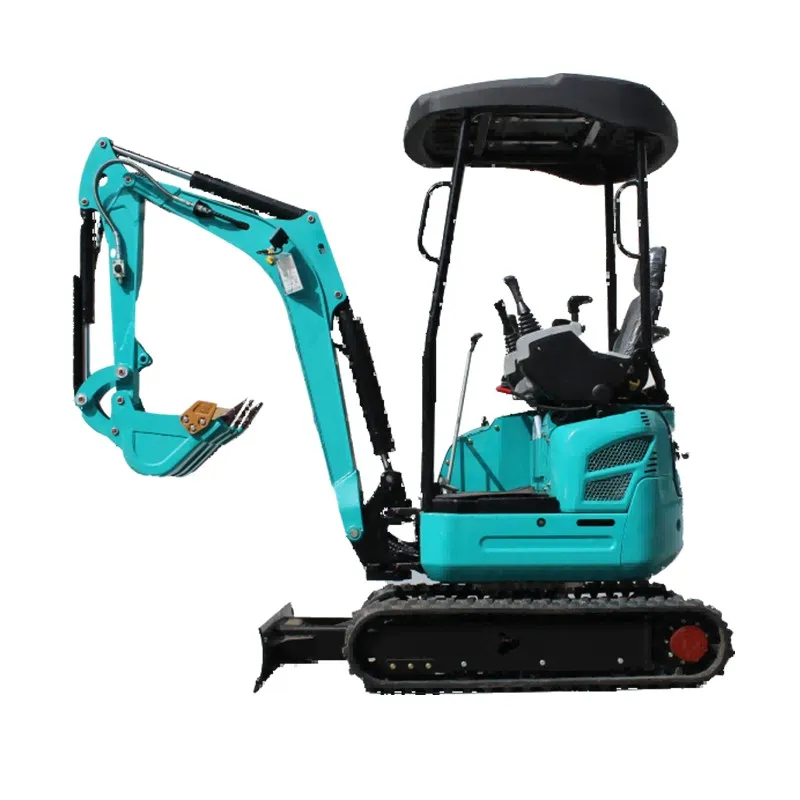
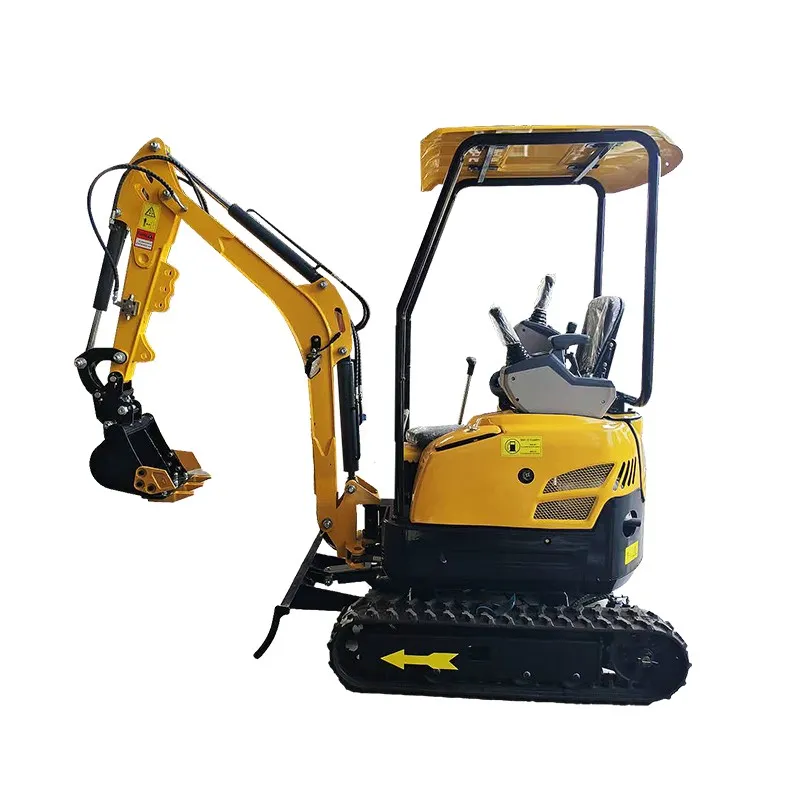
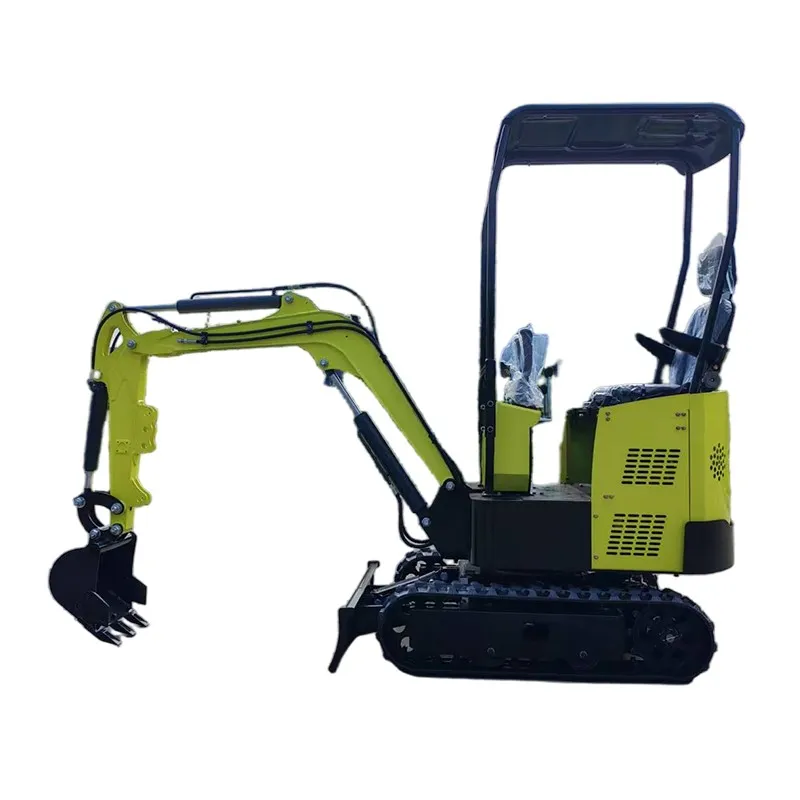
Let's talk about what smallest actually means on site. There's a big difference between a sub-1-ton machine and a 1.8-tonner. The sub-1-ton, like some of the models you'd see from Shandong Pioneer Engineering Machinery Co., Ltd, are genuinely tiny. We're talking under 35 inches wide sometimes. But that comes with trade-offs. Their stability on anything but flat, hard ground can be nerve-wracking. You're not doing serious trenching with a long arm on that. It's a specialist tool, perfect for indoor demolition or landscaping in confined spaces where every inch counts.
I remember a job renovating a basement in a tight urban row house. The only access was a 32-inch bulkhead door. Our usual 1.5-ton machine was a no-go. We brought in a true micro model, one of those sub-800kg units. It got in, sure. But the lack of counterweight meant you had to be painfully careful with the swing. It was slow. The job took twice as long. Was it the smallest? Physically, yes. Was it the most efficient tool for the scope of work? Not really. It saved us on manual labor but killed us on the schedule.
That's the judgment call. You need to balance physical dimensions with operational capacity. A slightly larger 1-ton machine, maybe 40-42 inches wide, often packs a more robust hydraulic system. It might mean removing a fence panel to get it in the backyard, but once it's there, it works twice as fast. The smallest mini excavator for the project isn't the absolute smallest on the market; it's the smallest that can complete the work to a standard and a timeline that makes financial sense.
Power and Flow: The Hidden Specs
This is where people get burned. They look at the machine size and forget about the auxiliary hydraulic flow. You want to run a hydraulic breaker, a compact auger, or a tilt rotator? That tiny 8 GPM flow on some ultra-compacts won't cut it. The attachment will stutter, overheat, or just not work. I learned this the hard way early on, trying to use a standard flow breaker on a low-flow machine. It hammered like it had a severe case of the hiccups and accomplished nothing.
Companies that understand real-world use, like the folks at Shandong Pioneer, often configure their compact lines with this in mind. They might offer standard and high-flow options even on their smaller frames. It's a sign they're talking to contractors, not just copying specs. Their trade experience, exporting to places like Germany and Australia where regulations and job sites are tough, forces that practicality. You can't sell a machine in those markets if it can't handle common attachments.
So, when evaluating, don't just ask for the width. Ask, What's the auxiliary hydraulic flow at standard pressure? and What's the recommended flow range for the attachments I own? That conversation separates a salesperson from a technical advisor.
The Durability Question in a Small Package
Building a small, durable excavator is harder than building a big one. Everything is stressed more. Components are packed tightly, heat management is trickier. A common failure point on cheap, ultra-small excavators is the swing motor or the final drives. They're undersized for the workload, or the cooling is an afterthought.
I've had good experiences with units that prioritize simple, accessible service points. Look for machines where you can easily check the hydraulic oil, where the grease zerks aren't buried behind panels. Simplicity in design often beats complexity in a compact chassis. The manufacturing philosophy behind a company matters. Knowing that a manufacturer like Pioneer has been through 20 years of development and recently expanded its facility suggests an investment in process and likely, better QC than a brand-new pop-up factory. That history of accumulation, as they put it, usually translates to fewer silly design flaws that you discover at 4 PM on a Friday.
Attachment Compatibility and the System
A mini excavator is rarely just a digger. It's a carrier for a system of attachments. The true utility of the smallest mini excavator is defined by what you can hang on it. Quick coupler compatibility is non-negotiable now. But is it a standard pin size? Can it handle a rotating coupler? The geometry of the arm is crucial too. Some micro excavators have such a short arm that even a standard bucket has a very limited dig depth and dump height.
We use a small machine primarily for utility work – laying pipe, digging for conduit. We needed a laser-guided trenching bucket. Finding one that fit the pin size and weight capacity of our micro-ex was a project in itself. It forced us to work with a local fabricator to modify one. The lesson? Before you buy the machine, research the availability and cost of the specific attachments you need for it. A machine might be cheap, but if the proprietary attachments cost a fortune, you're locked in.
This is another area where established exporters have an edge. Their product lines are often designed with global attachment standards in mind, knowing the machine will end up in Canada one month and Australia the next. It has to interface with the common tools in those markets.
On the Ground: A Scenario
Let me paint a real picture. You're in a residential backyard, replacing a septic line. The yard is fenced, with a 36-inch side gate. There's a mature tree with roots right in the path. You need to dig a 30-foot trench, about 4 feet deep. You need to be precise to avoid other utilities. This is the classic smallest mini excavator use case.
You'd rule out anything over 1 ton immediately. You'd look for a machine with a blade for backfilling and some leveling. You'd want a thumb, either mechanical or hydraulic, for handling rocks and roots. You'd absolutely need a clean, responsive control system for precision work around the tree roots. A machine that's jumpy or has a delayed response is a liability here.
The choice might come down to two: a true sub-1-ton that just squeaks through the gate, or a 1-ton that requires taking the gate off its hinges. If it's a one-day job, maybe you take the gate off and benefit from the more powerful, stable machine. If you're there for three days, dealing with homeowner pets and security, maybe you sacrifice some power for the absolute minimal intrusion. There's no right answer, only a weighed decision based on all those messy, real-world variables.
That's the core of it. The search for the smallest mini excavator isn't about finding a winner on a spec sheet. It's a process of matching a complex, physical tool to an even more complex set of job-site conditions, financial constraints, and future needs. The numbers are the starting point, but the experience – the failures, the close calls, the moments a machine surprised you – that's what informs the final choice. It's never just about being small; it's about being effectively, reliably small for the task at hand.
Related Products
Related Products