


- Chinese
- French
- German
- Portuguese
- Spanish
- Russian
- Japanese
- Korean
- Arabic
- Irish
- Greek
- Turkish
- Italian
- Danish
- Romanian
- Indonesian
- Czech
- Afrikaans
- Swedish
- Polish
- Basque
- Catalan
- Esperanto
- Hindi
- Lao
- Albanian
- Amharic
- Armenian
- Azerbaijani
- Belarusian
- Bengali
- Bosnian
- Bulgarian
- Cebuano
- Chichewa
- Corsican
- Croatian
- Dutch
- Estonian
- Filipino
- Finnish
- Frisian
- Galician
- Georgian
- Gujarati
- Haitian
- Hausa
- Hawaiian
- Hebrew
- Hmong
- Hungarian
- Icelandic
- Igbo
- Javanese
- Kannada
- Kazakh
- Khmer
- Kurdish
- Kyrgyz
- Latin
- Latvian
- Lithuanian
- Luxembou..
- Macedonian
- Malagasy
- Malay
- Malayalam
- Maltese
- Maori
- Marathi
- Mongolian
- Burmese
- Nepali
- Norwegian
- Pashto
- Persian
- Punjabi
- Serbian
- Sesotho
- Sinhala
- Slovak
- Slovenian
- Somali
- Samoan
- Scots Gaelic
- Shona
- Sindhi
- Sundanese
- Swahili
- Tajik
- Tamil
- Telugu
- Thai
- Ukrainian
- Urdu
- Uzbek
- Vietnamese
- Welsh
- Xhosa
- Yiddish
- Yoruba
- Zulu
- Kinyarwanda
- Tatar
- Oriya
- Turkmen
- Uyghur

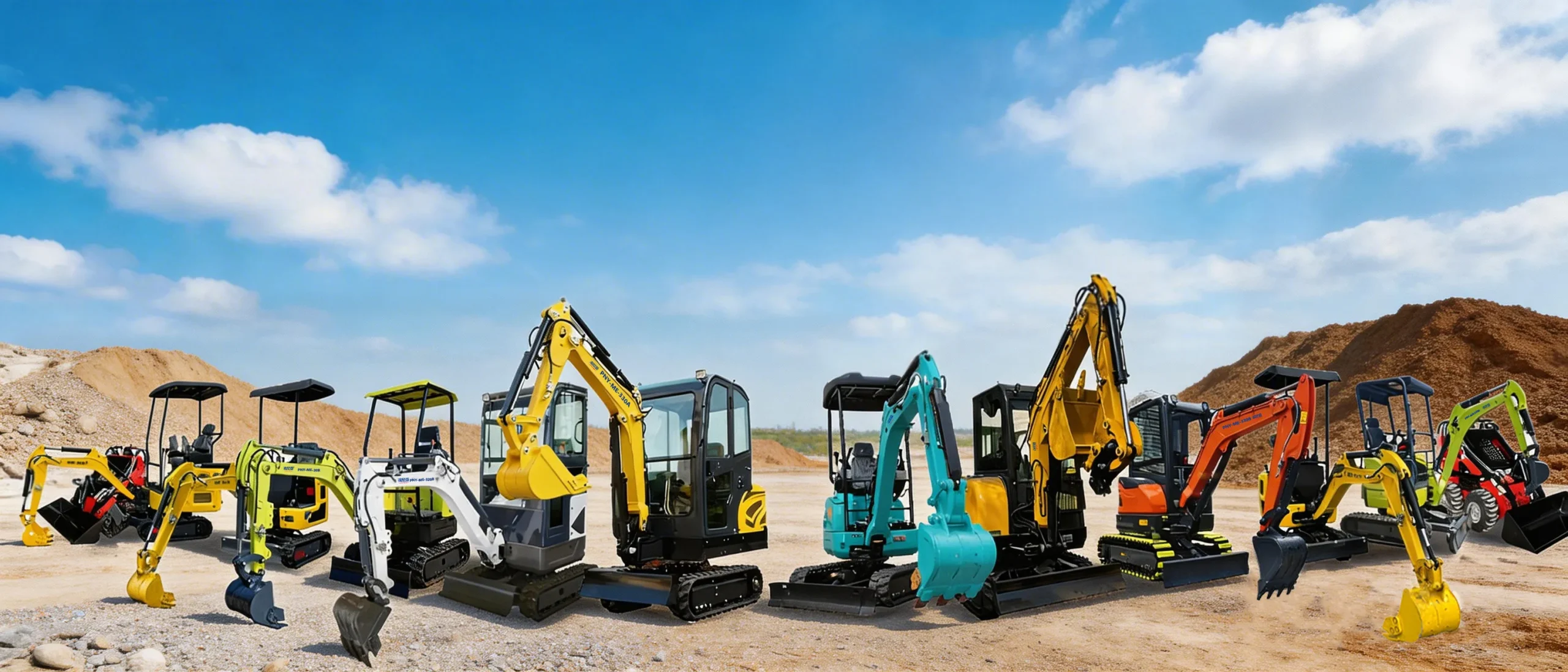
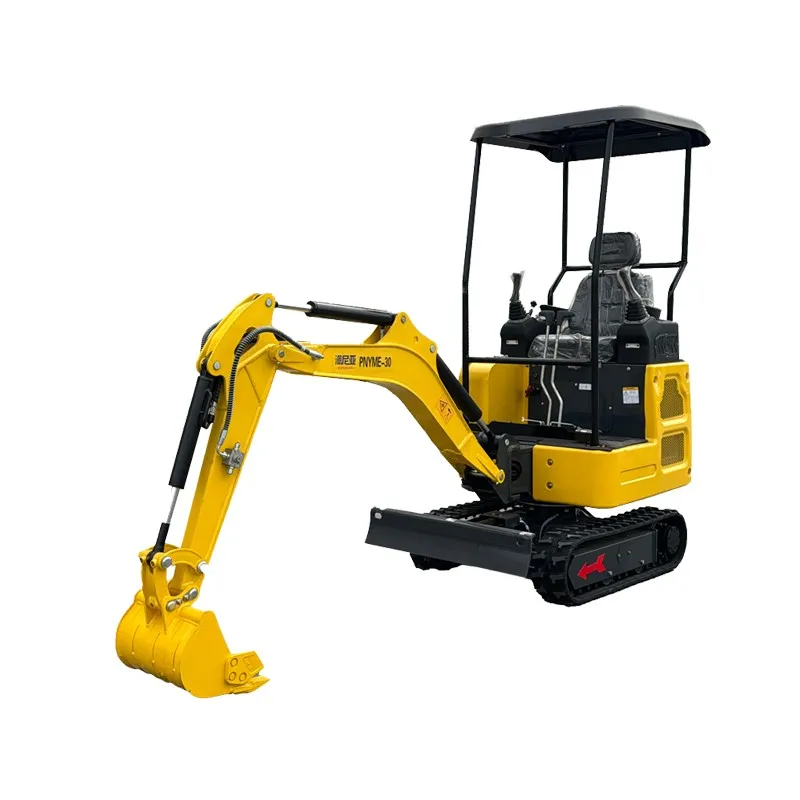
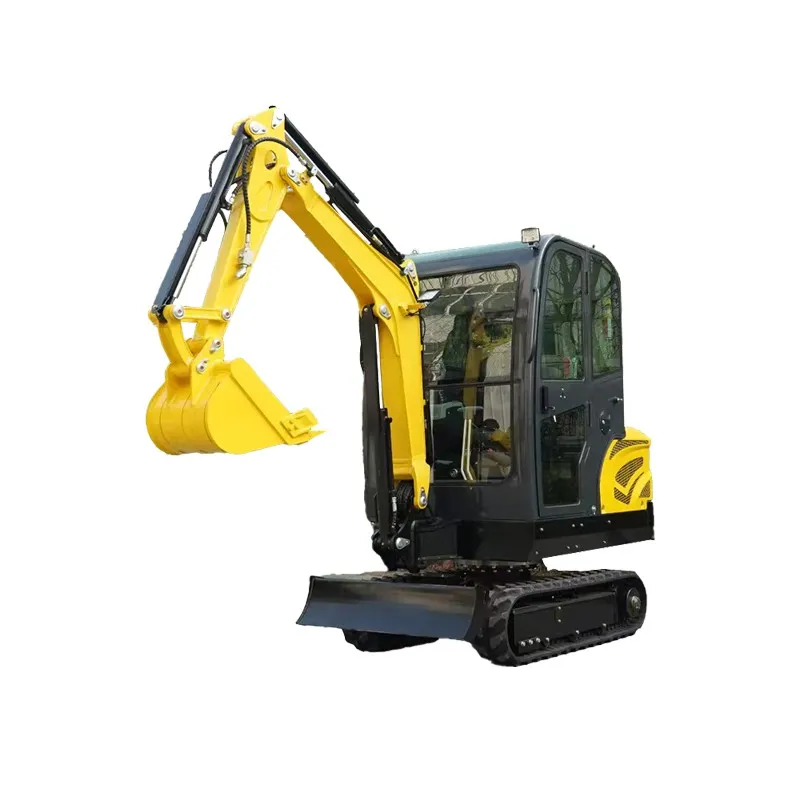
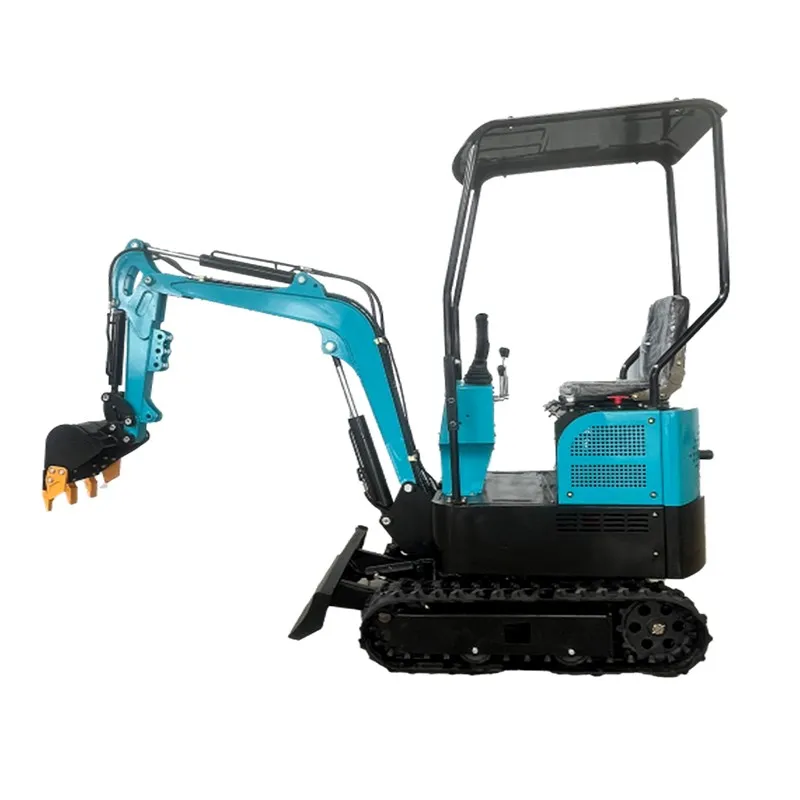
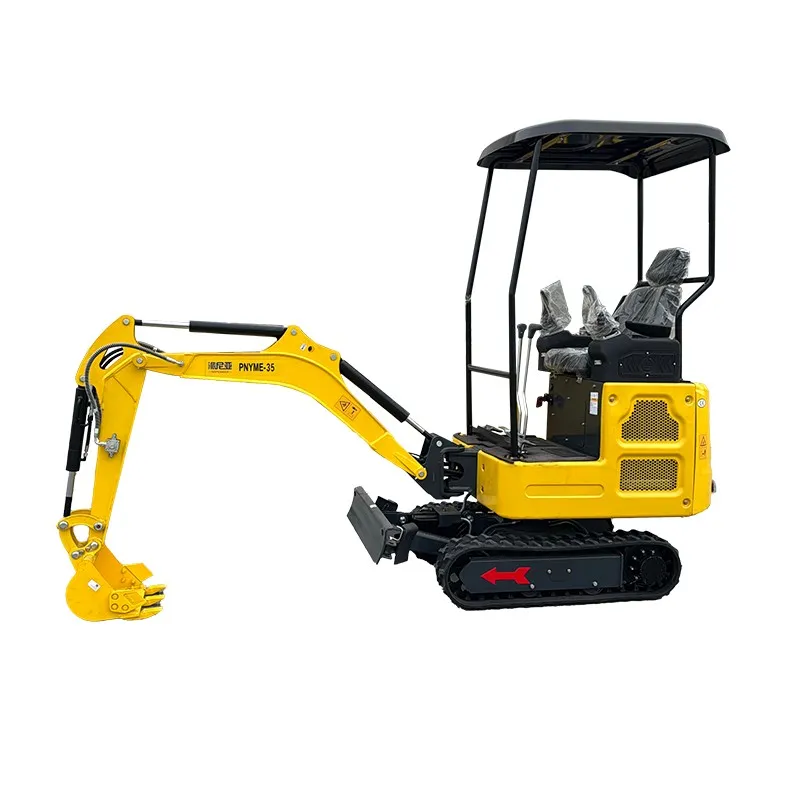
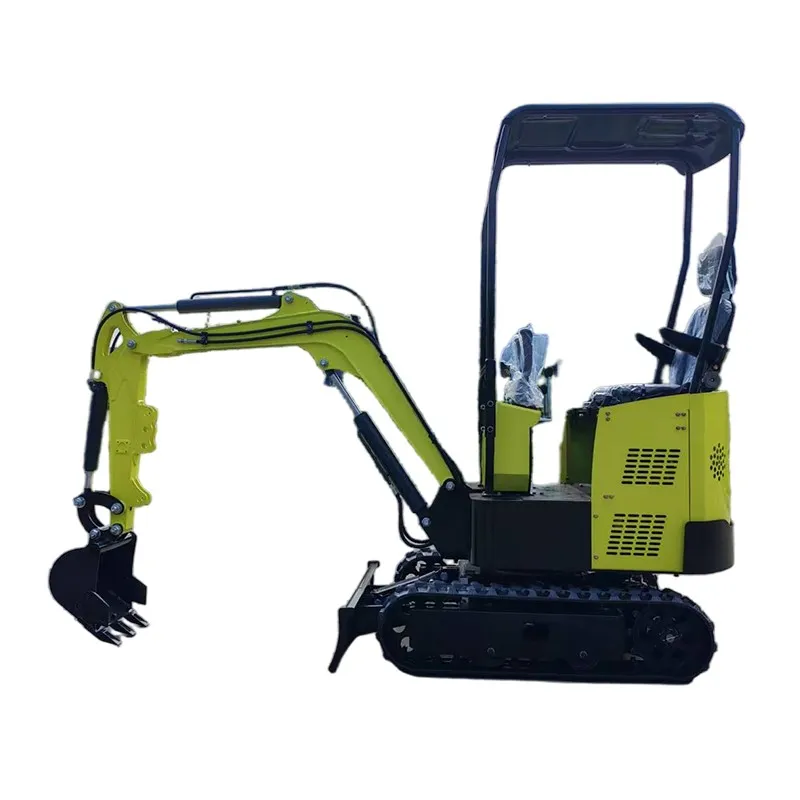
Smart Small Excavator
When you hear 'Smart Small Excavator', most folks think it's just a mini digger with a tablet glued to the dash. That's the first mistake. It's not about the screen; it's about the system. The real shift isn't in size, but in how the machine thinks and communicates with the operator and the site. I've seen too many projects where a fancy 'smart' label just meant more things to break in the rain. The value, when it's real, comes from integration and solving actual field headaches, not from marketing checkboxes.
The Core of 'Smart' – It's Not What You Think
Let's break down the 'smart' part. From my hands-on time, especially with units from manufacturers who've been in the trenches like Shandong Pioneer Engineering Machinery Co., Ltd, the intelligence often starts under the hood. It's about engine management systems that adjust fuel flow dynamically based on the actual load, not just a preset program. This isn't a gimmick. On a tight inner-city retrofit job I worked on, this kind of efficiency meant we could run a full 10-hour shift without refueling, avoiding the logistical nightmare of getting a fuel truck into a pedestrianized zone. The smartness was invisible but critical.
Then there's the hydraulic responsiveness. A genuinely smart system anticipates the operator's next move. It's subtle. You're not fighting the joysticks; the machine feels like an extension of your arms. I recall testing a model where the swing deceleration was pre-emptively managed by the software to reduce bucket spillage when stopping. It felt odd at first—almost too smooth—but the precision it allowed for placing pipes in a narrow trench was undeniable. You lose less material, you make fewer corrective movements, you save time. That's smart.
The common pitfall, though, is overcomplication. I've also been on sites where the advanced telematics portal was so convoluted that the foreman just ignored it. The data was there—fuel consumption, idle times, maintenance alerts—but if it takes a PhD to interpret, it's useless noise. The useful systems give you one or two clear, actionable insights: This machine's hydraulic oil temperature is running 15% higher than the fleet average, check for a restriction. That's the kind of smart that changes behavior.
Size & Scenario: Where the Small Excavator Shines
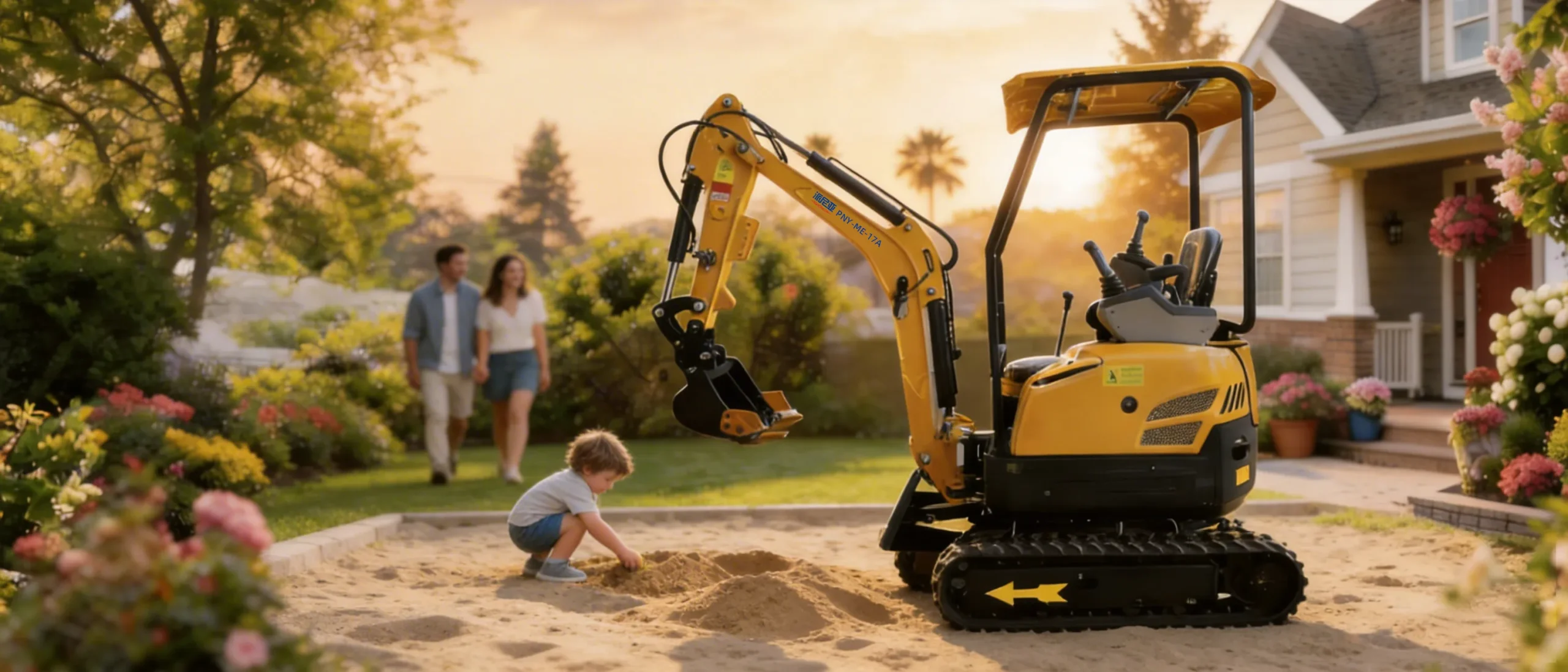
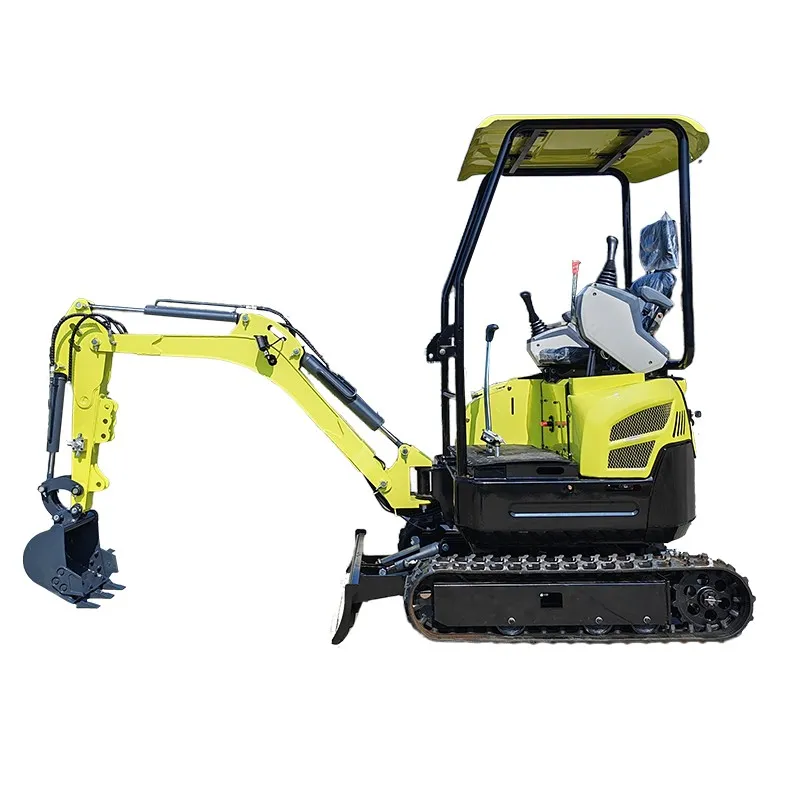
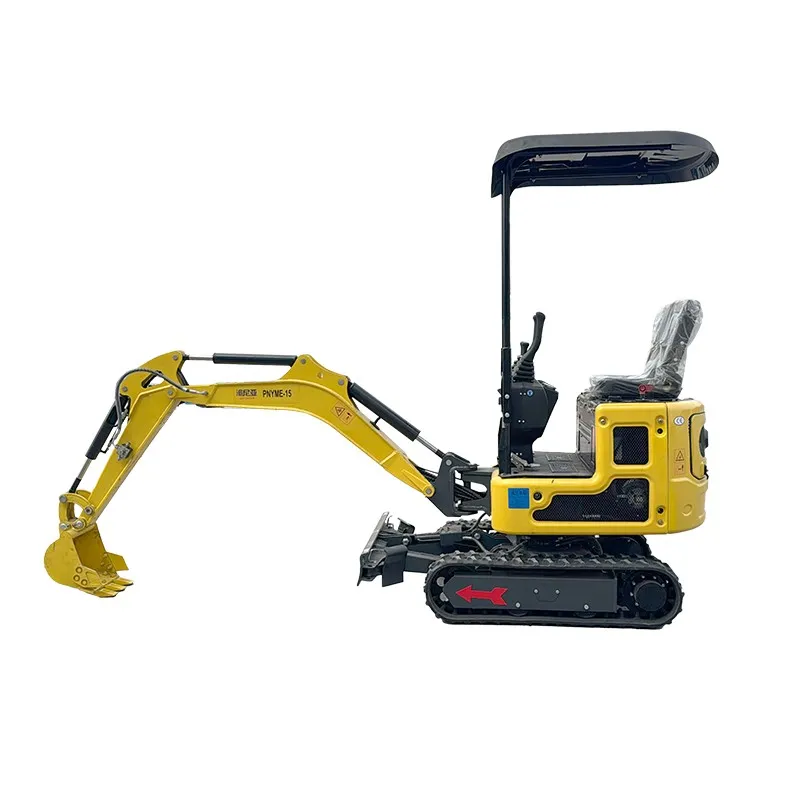
The 'small' in Smart Small Excavator is its superpower, but only if applied correctly. We're typically talking 1 to 6-ton machines. Their primary advantage is access. I've maneuvered them through standard residential doorways, into backyards with side-gate access only, and onto basement floors via ramps. A project in an historic district comes to mind: no vehicular access, a 4-foot-wide garden path, and a need to excavate for a new drainage line. A compact, intelligent mini-excavator was the only viable tool. Its zero-tail-swing design and precise, graded movement controls prevented any property damage.
But small doesn't mean weak. Modern designs pack serious power. The key is matching the machine's capabilities to the task. Using a 1.8-ton machine to try and break thick concrete is a quick way to burn out pumps and frustrate everyone. The intelligence here is in the operator and planner knowing the limits. I learned this the hard way early on, pushing a small unit beyond its designed breakout force on a rocky patch. The result was downtime and a lesson: smart use means respecting the engineering specs. The machine might tell you it's overloaded (a good smart feature—automatic engine derating), but it's better not to get there in the first place.
These machines are also becoming the hub for attachment versatility. With a quick coupler and standardized hydraulic interfaces, you can shift from a digging bucket to a hydraulic breaker, a grapple, or a compaction wheel in minutes. The 'smart' system's role is to recognize the attachment (sometimes automatically via RFID) and reconfigure its power delivery and control patterns. I've seen this work seamlessly with tilt rotators, allowing for incredibly fine grading in tight spots. This transforms a single machine into a multi-tool, which is a huge cost saver for small to medium contractors.
The Global Workshop: Learning from Diverse Markets
You can tell a lot about a machine's robustness by where it's asked to work. A company's export footprint is a real-world stress test. Take Shandong Pioneer. Their trade arm exports to places like Germany, Australia, and North America. That's a telling spread. The Australian market demands resilience against dust and heat. The German market has stringent emissions and safety regulations (think CE marking, Stage V engines). The North American market wants operator comfort and after-service support. A machine that satisfies these diverse demands isn't born from a theoretical design; it's forged from field feedback.
I remember talking to a contractor in Canada who used a Pioneer-sourced mini-excavator for winter utility work. The 'smart' requirement there was extreme cold-start reliability and hydraulic systems that wouldn't gum up in sub-zero temperatures. The machine had a pre-programmed warm-up cycle and heated hydraulic oil reservoirs—features that might seem excessive in milder climates but are essential there. This kind of market-driven adaptation is what separates a global player from a local manufacturer. It shows an understanding that 'smart' is contextual.
Their recent relocation in 2023 to a new facility in Ningyang also hints at scaling up production and likely integrating more advanced manufacturing lines. In our industry, a factory move isn't just about more space; it's an opportunity to reset production workflows, incorporate better quality control tech, and streamline the integration of these electronic and hydraulic systems. A cluttered, old production floor can be a bottleneck for building consistent, complex machines.
Practical Hurdles and the Service Reality
No discussion is honest without talking about the headaches. The biggest concern with any Smart Small Excavator is serviceability and diagnostic complexity. When a traditional machine throws a code, a good mechanic with a multimeter can often trace it. When a smart machine's controller area network (CAN bus) has a glitch, you might need proprietary software and a laptop. On a remote site, that's a major problem.
We had an issue once where an excavator's auto-idle function kept engaging erratically. The local mechanic was stumped. It turned out to be a faulty seat sensor—a simple component—but the machine's logic interpreted the intermittent signal as the operator constantly leaving the seat, triggering the idle. The fix was cheap, but the diagnostic time was not. This is where manufacturer support is crucial. Companies that provide clear diagnostic trees, accessible error code definitions, and good parts logistics (which sdpioneer.com seems to emphasize for their overseas network) build long-term trust.
Another practical hurdle is operator training. You can't just hand the keys to a veteran used to pure mechanical controls and expect him to leverage the smart features. There's a learning curve. The most successful implementations I've seen involve a short, focused training session—not on every bell and whistle, but on the two or three features that will directly benefit that specific operator's daily work, like setting up custom power modes for trenching versus lifting.
Looking Ahead: The Connected Site
The future of these machines isn't isolation; it's connection. The next step for the Smart Small Excavator is to be a node on a connected worksite. Imagine the machine receiving updated dig plans directly from the site foreman's tablet, with depth and boundary guidance uploaded wirelessly. Or its compaction attachment automatically recording pass counts and force data, feeding directly into the site's quality assurance log. This is starting to happen.
This integration, however, demands open(ish) standards. We can't have every manufacturer operating a walled garden. The value for contractors lies in fleet interoperability. A smart excavator from one brand should be able to share basic operational data (location, fuel, hours) with a smart roller from another brand within the same site management platform. This is the current battleground, and the manufacturers who embrace some level of data openness will win the long game.
It circles back to the core idea: intelligence is only as good as the problem it solves. Whether it's a machine from an established Chinese exporter like Pioneer or a European brand, the final judge is the operator in the cab and the project manager looking at the bottom line. The machine that makes their day easier, their work more precise, and their costs more predictable—without adding layers of unnecessary complexity—is the one that truly earns the 'smart' label. It's a tool, after all. The best tools feel natural in your hands and disappear into the work, leaving only the result behind.
Related Products
Related Products