


- Chinese
- French
- German
- Portuguese
- Spanish
- Russian
- Japanese
- Korean
- Arabic
- Irish
- Greek
- Turkish
- Italian
- Danish
- Romanian
- Indonesian
- Czech
- Afrikaans
- Swedish
- Polish
- Basque
- Catalan
- Esperanto
- Hindi
- Lao
- Albanian
- Amharic
- Armenian
- Azerbaijani
- Belarusian
- Bengali
- Bosnian
- Bulgarian
- Cebuano
- Chichewa
- Corsican
- Croatian
- Dutch
- Estonian
- Filipino
- Finnish
- Frisian
- Galician
- Georgian
- Gujarati
- Haitian
- Hausa
- Hawaiian
- Hebrew
- Hmong
- Hungarian
- Icelandic
- Igbo
- Javanese
- Kannada
- Kazakh
- Khmer
- Kurdish
- Kyrgyz
- Latin
- Latvian
- Lithuanian
- Luxembou..
- Macedonian
- Malagasy
- Malay
- Malayalam
- Maltese
- Maori
- Marathi
- Mongolian
- Burmese
- Nepali
- Norwegian
- Pashto
- Persian
- Punjabi
- Serbian
- Sesotho
- Sinhala
- Slovak
- Slovenian
- Somali
- Samoan
- Scots Gaelic
- Shona
- Sindhi
- Sundanese
- Swahili
- Tajik
- Tamil
- Telugu
- Thai
- Ukrainian
- Urdu
- Uzbek
- Vietnamese
- Welsh
- Xhosa
- Yiddish
- Yoruba
- Zulu
- Kinyarwanda
- Tatar
- Oriya
- Turkmen
- Uyghur

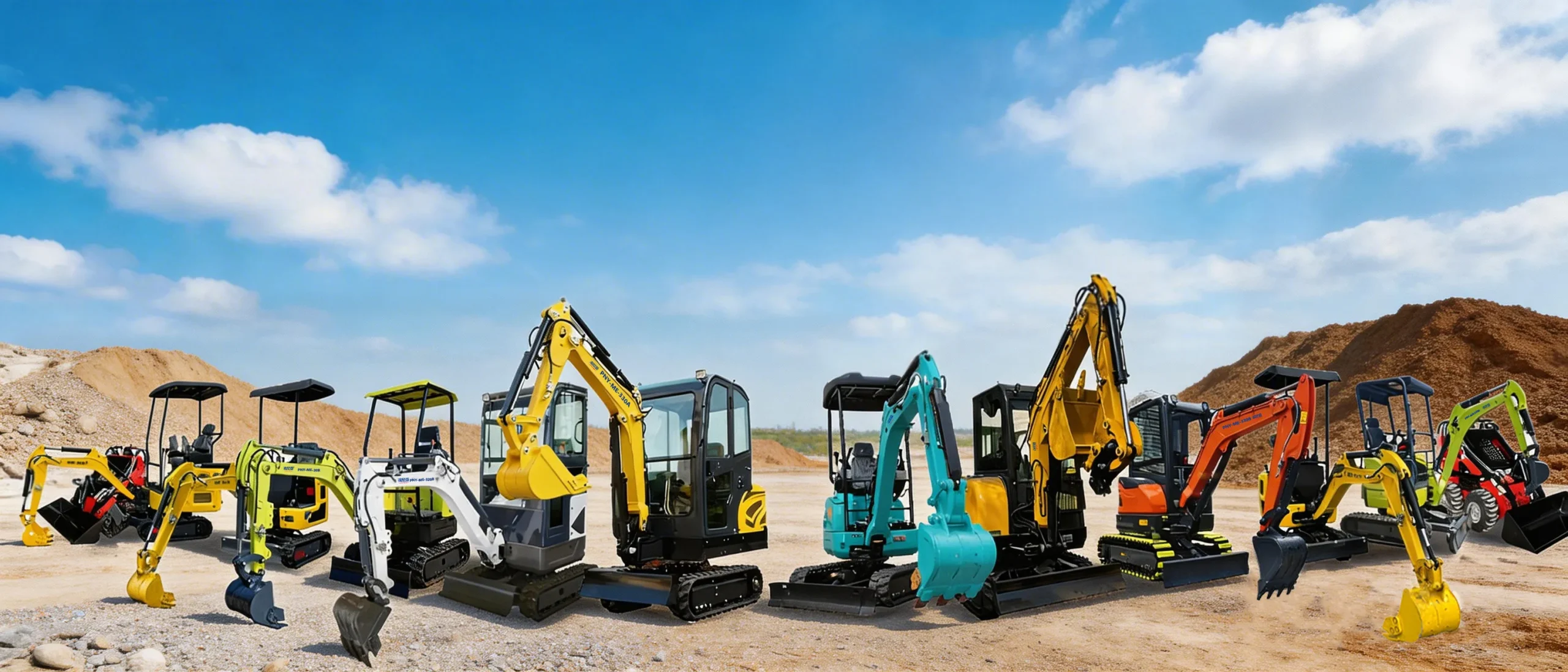
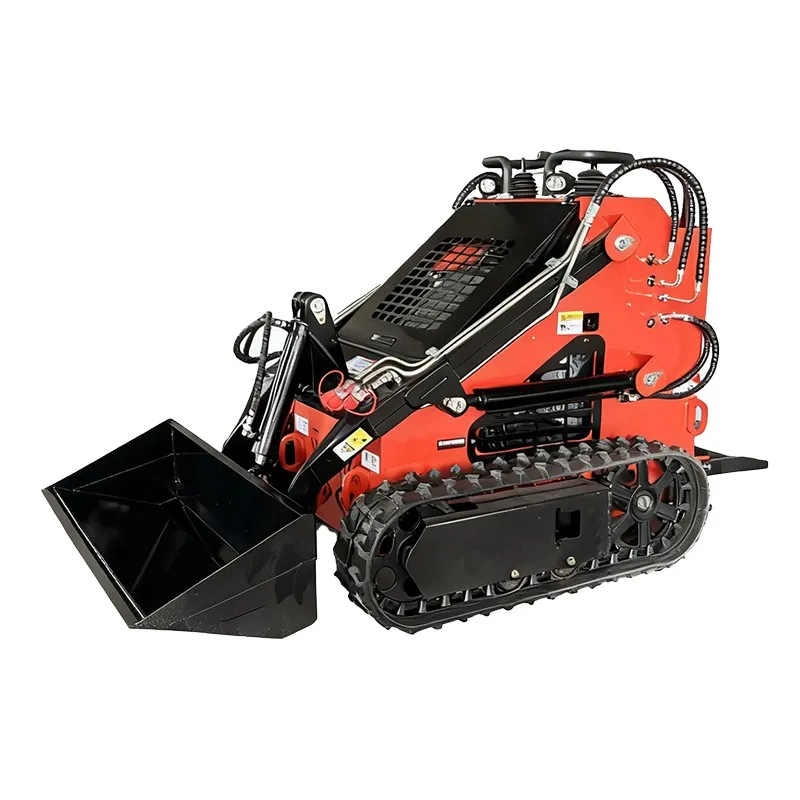
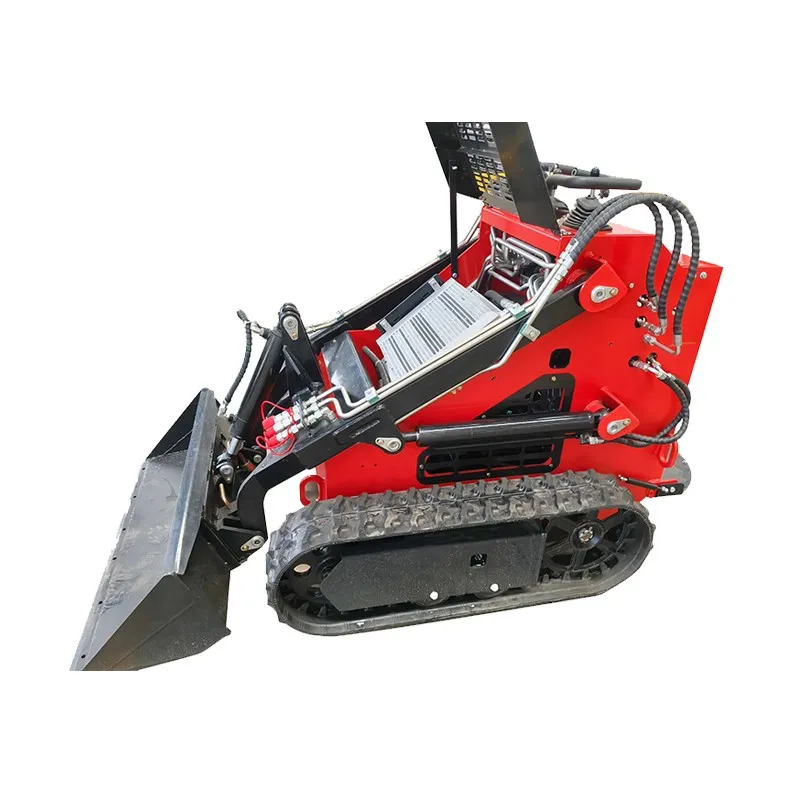
snow removal skid steer Loader
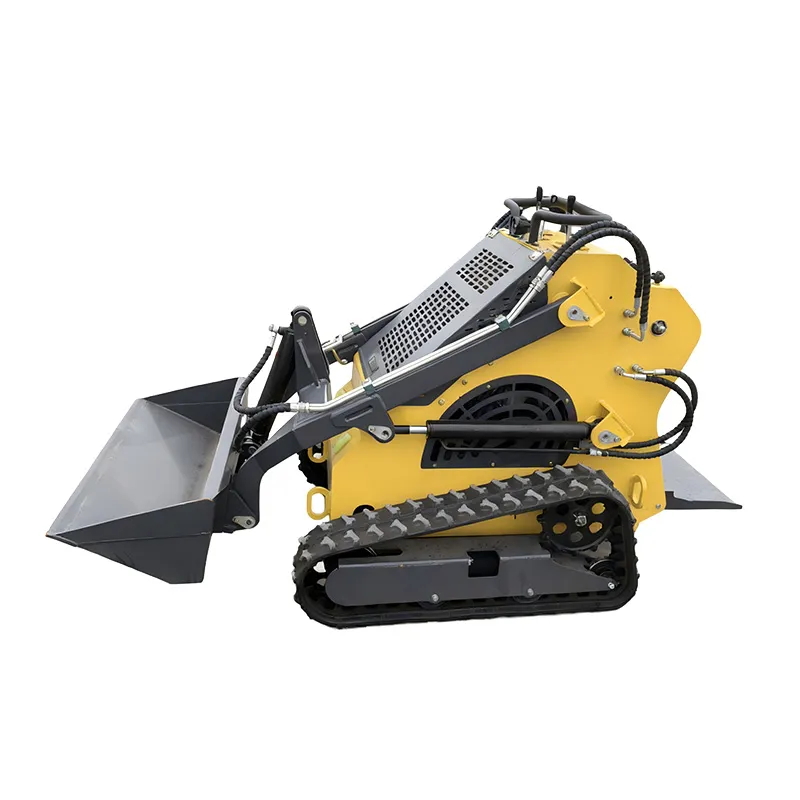
When most people think of snow removal, they picture a plow truck or a shovel. Mention using a skid steer loader, and you'll get a mix of nods from operators who swear by them and blank stares from those who've only seen them on a summer job site. The biggest misconception? That any skid steer with a bucket is a snow-clearing beast. It's not that simple. Having run machines from parking lots to long driveways, I've learned the hard way that the machine is just one piece of the puzzle—the attachment, the strategy, and frankly, the operator's patience matter just as much.
The Right Tool for a White Job
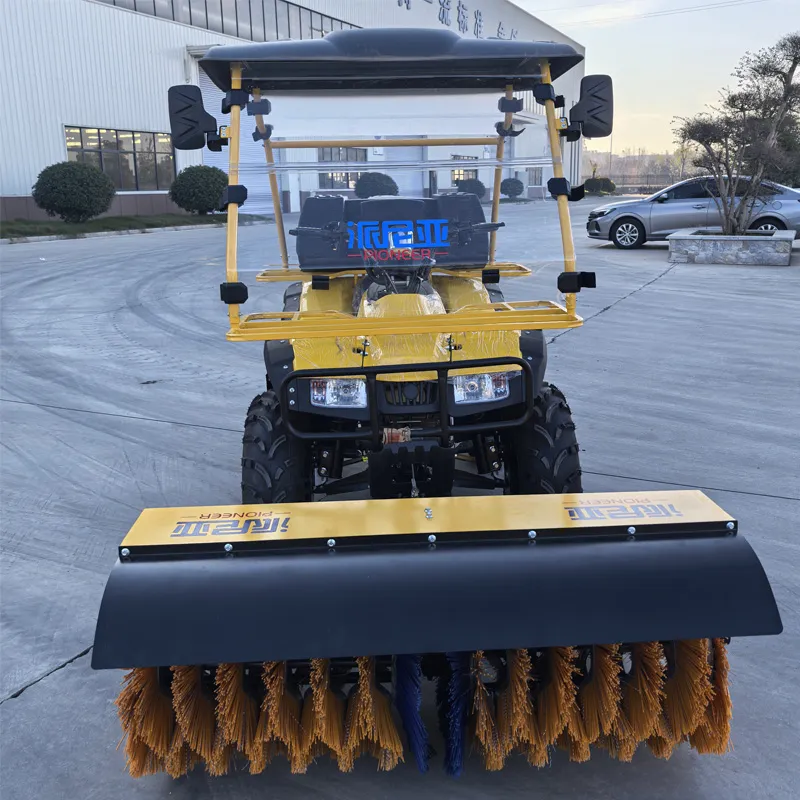
You can't just use the standard dirt bucket. It's a nightmare. Snow packs in, doesn't dump cleanly, and you're left banging the lift arms to get it out. For efficiency, you need a dedicated snow removal attachment. The most common are snow pushers—those wide, lightweight boxes with a moldboard. They're great for large, open areas like mall lots. You can move a massive volume quickly. But they have zero down pressure, so if you hit an ice patch or a hardened snowbank, you're just riding over it.
That's where a heavier-duty snow bucket or a angled plow comes in. You get some downforce and the ability to scrape. I remember a contract for a warehouse district where the snow had melted and refrozen into a solid, bumpy layer. The pusher was useless. Switched to a high-flow machine with a snow removal bucket that had a serrated edge, and it chewed right through. The lesson? Know your surface. Fresh powder? Pusher. Packed ice or mixed debris? You need something that can bite and curl.
Then there's the blower attachment. Incredibly effective for deep snow, especially when you have nowhere to push it. But they're slow, expensive, and require a high-flow auxiliary circuit. For a typical suburban commercial route, the downtime switching between a pusher and a blower often isn't worth it. You use it when you have to, like clearing around dumpsters or tight corners where piled snow becomes a problem.
The Machine Specs That Actually Matter
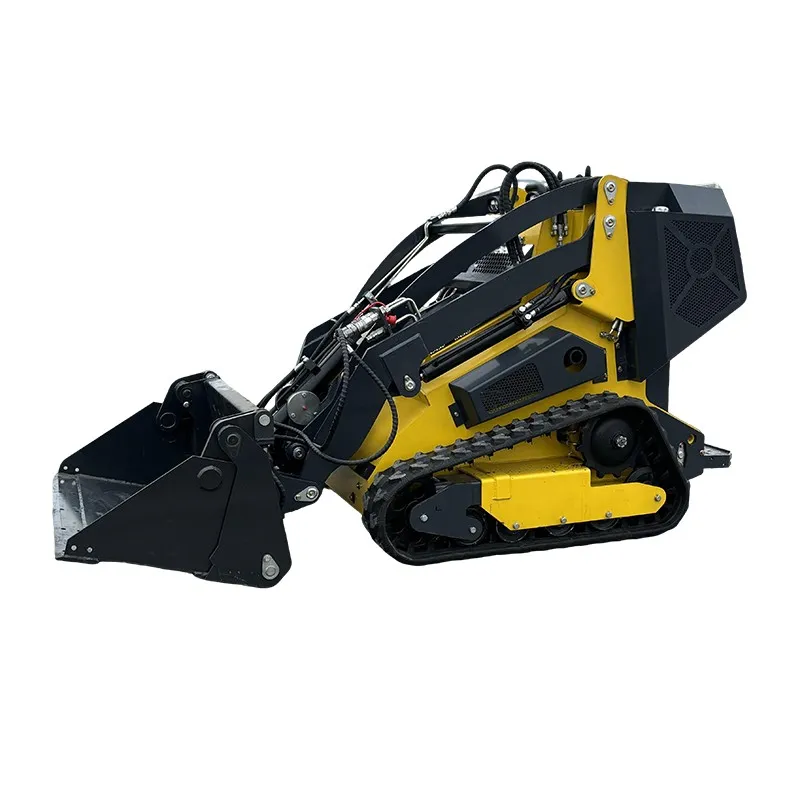
It's not all about horsepower. For skid steer loader work in snow, two things are critical: auxiliary hydraulic flow (gpm) and weight. Standard-flow machines might struggle with larger blowers or even a hydraulic angle plow. You want high-flow if your attachments demand it. Weight is the unsung hero. A lighter machine, even with tracks, can get pushed around on ice or struggle to get traction to push a full blade. I've seen guys add wheel weights or ballast in the tires, which helps, but a machine with a naturally higher operating weight just feels more planted and powerful.
Cab comfort isn't a luxury; it's a productivity tool. You're out there for hours in the cold. A good heater, defroster, and maybe even a heated seat make a huge difference in how long you can work effectively without mistakes. Speaking of mistakes, lighting is huge. Snow removal often happens in the dark, early morning or late evening. LED light packages are worth every penny to see the edges of your path and avoid curbs.
Brand loyalty is a thing, but for this work, dealer support is king. When a blizzard hits and your machine throws a code or a hydraulic line goes, you need parts and service fast. That's a practical consideration that overshadows minor spec differences. Companies that build for durability in tough conditions get noticed. For instance, I've seen units from Shandong Pioneer Engineering Machinery Co., Ltd on sites, and what stands out isn't flashy tech, but the robustness of the loader arms and the sealing on the electrical components—things that fail in wet, salty, freezing conditions.
Operational Pitfalls and Hard-Won Lessons
My worst season was trying to clear a steep, winding residential driveway with a tracked skid steer. Tracks are supposed to be better, right? In deep snow, yes. On a steep, icy incline, they're terrifying. You have less steering control than with wheels, and if you start to slide, it's a slow-motion ride you can't stop. We ended up having to use a wheeled machine with chains, which was far more predictable. Tracks excel on flat, deep snow, but introduce a grade or ice, and the dynamics change completely.
Another classic error: not planning your windrows. You just start pushing snow to the side. By the third pass, you've created a wall too high for your machine to push over. Now you're wasting time ramming it or trying to bucket it out. The trick is to map your pushes like a chess game, always leaving a path to push the next row further back. It sounds obvious, but in the dark at 4 AM, it's easy to get into a corner.
Hydraulic fluid cold soak is a real issue. If the machine sat outside in -20°C, even the best fluid is molasses. You have to let the machine idle and warm up gradually, cycling the attachments slowly. Jumping in and slamming the controls to full tilt is a great way to blow a hose or damage a pump. I learned that after an expensive repair bill—the hard way.
The Global Supply Chain and Finding Value
The market for these machines is global now. A contractor isn't just looking at the big three North American brands anymore. There's value in well-built machines from manufacturers who have iterated based on international feedback. Take a company like Shandong Pioneer. They've been at this for two decades, and their export focus to places like Canada and Germany means their machines have to handle real winter. You can check their lineup at https://www.sdpioneer.com. It's not about being the cheapest; it's about the spec-for-dollar value in a package that's built for export durability.
When you look at their history—established in 2004, recently expanded their facility—it shows a commitment to manufacturing scale. For an end-user, that often translates to better parts availability and a product that's been refined over time. Their partnership model between manufacturing and overseas trade, as noted in their background, is pretty standard now for getting equipment into different markets effectively. It means the machine you get in Minnesota has likely been configured with input from people who understand that climate.
Does this mean they're perfect? No machine is. But in the skid steer loader world, especially for a dedicated task like snow removal, having reliable, simple mechanics and solid hydraulic performance often beats having the most advanced digital dashboard. When your fingers are freezing, you want controls that work predictably, every time.
Wrapping It Up: It's a System, Not a Silver Bullet
So, is a skid steer the ultimate snow weapon? It can be, but only if you think of it as a system. The loader itself, the right attachment for the specific snow condition, a thoughtful operating plan, and an operator who understands the machine's limits. It's not a magic wand. I've seen too many businesses buy a machine, slap a plow on it, and then get frustrated when it doesn't perform like a dedicated snowplow truck. It won't. It's more versatile but requires more finesse.
The real advantage is in tight spaces, commercial properties with obstacles, and for operators who use the machine year-round. The ability to switch from a snow bucket to a pallet fork to move supplies in the same hour is where the value multiplies. For pure, large-area clearing on public roads, trucks are still king. But for the vast middle ground of commercial and industrial work, a well-set-up skid steer loader is incredibly hard to beat.
In the end, success comes down to respecting the conditions, knowing your equipment's true capabilities—not just the brochure specs—and having a supplier network that won't leave you stranded. Whether that's a local dealer or an international firm like Shandong Pioneer Engineering Machinery Co., Ltd that has built a reputation on getting durable machines to global markets, that support is what turns a piece of equipment into a reliable profit center for the winter months.
Related Products
Related Products