- Chinese
- French
- German
- Portuguese
- Spanish
- Russian
- Japanese
- Korean
- Arabic
- Irish
- Greek
- Turkish
- Italian
- Danish
- Romanian
- Indonesian
- Czech
- Afrikaans
- Swedish
- Polish
- Basque
- Catalan
- Esperanto
- Hindi
- Lao
- Albanian
- Amharic
- Armenian
- Azerbaijani
- Belarusian
- Bengali
- Bosnian
- Bulgarian
- Cebuano
- Chichewa
- Corsican
- Croatian
- Dutch
- Estonian
- Filipino
- Finnish
- Frisian
- Galician
- Georgian
- Gujarati
- Haitian
- Hausa
- Hawaiian
- Hebrew
- Hmong
- Hungarian
- Icelandic
- Igbo
- Javanese
- Kannada
- Kazakh
- Khmer
- Kurdish
- Kyrgyz
- Latin
- Latvian
- Lithuanian
- Luxembou..
- Macedonian
- Malagasy
- Malay
- Malayalam
- Maltese
- Maori
- Marathi
- Mongolian
- Burmese
- Nepali
- Norwegian
- Pashto
- Persian
- Punjabi
- Serbian
- Sesotho
- Sinhala
- Slovak
- Slovenian
- Somali
- Samoan
- Scots Gaelic
- Shona
- Sindhi
- Sundanese
- Swahili
- Tajik
- Tamil
- Telugu
- Thai
- Ukrainian
- Urdu
- Uzbek
- Vietnamese
- Welsh
- Xhosa
- Yiddish
- Yoruba
- Zulu
- Kinyarwanda
- Tatar
- Oriya
- Turkmen
- Uyghur


steer skid loader for sale
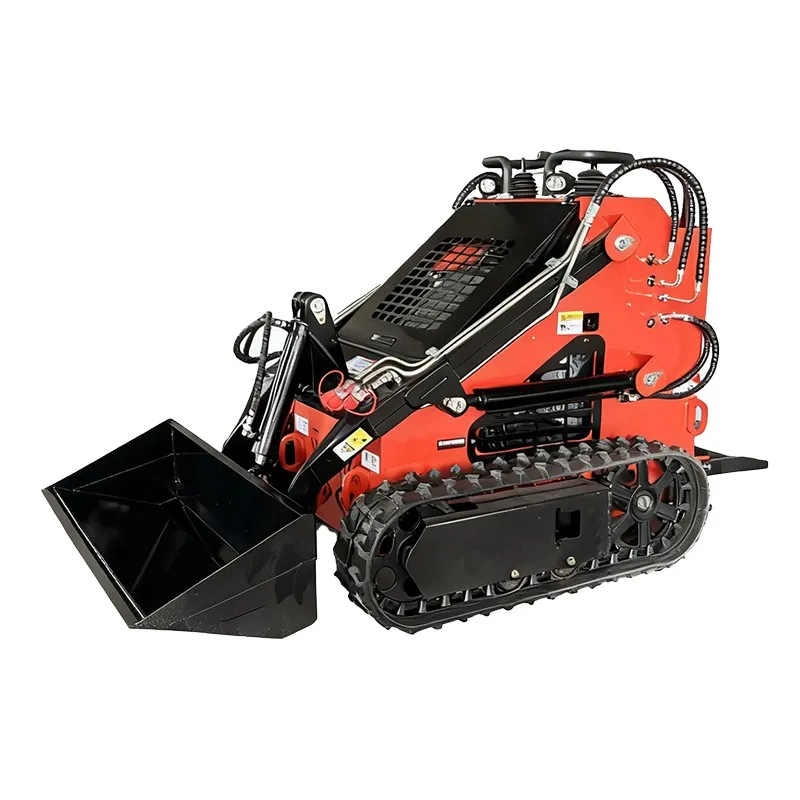
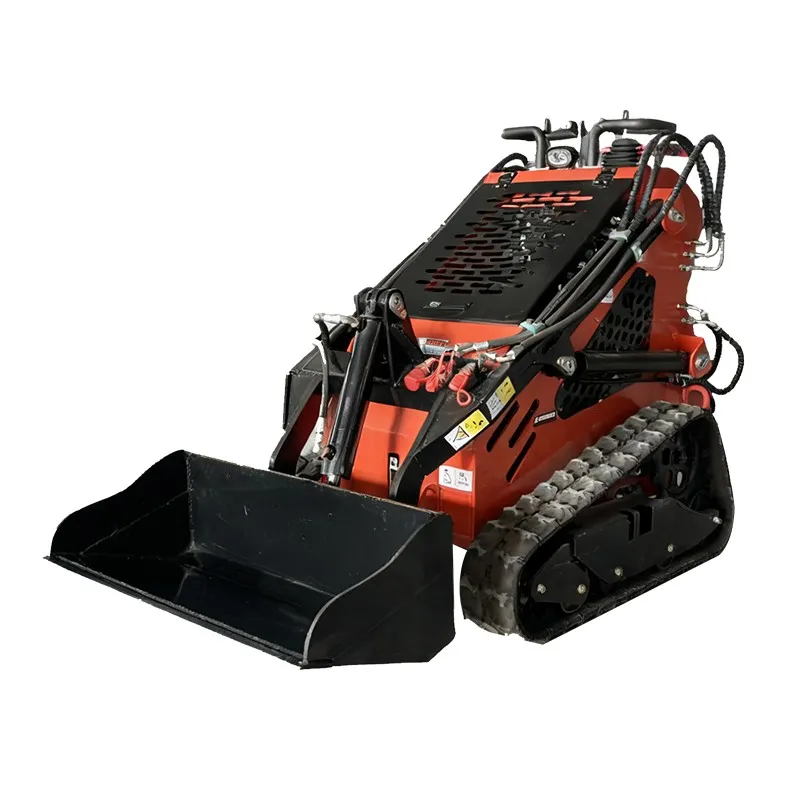
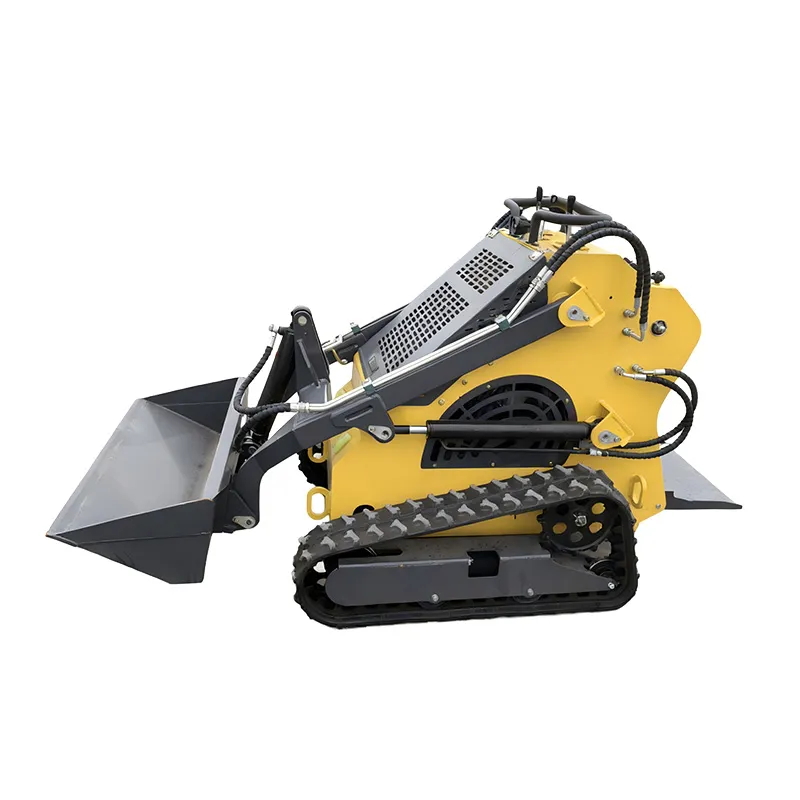
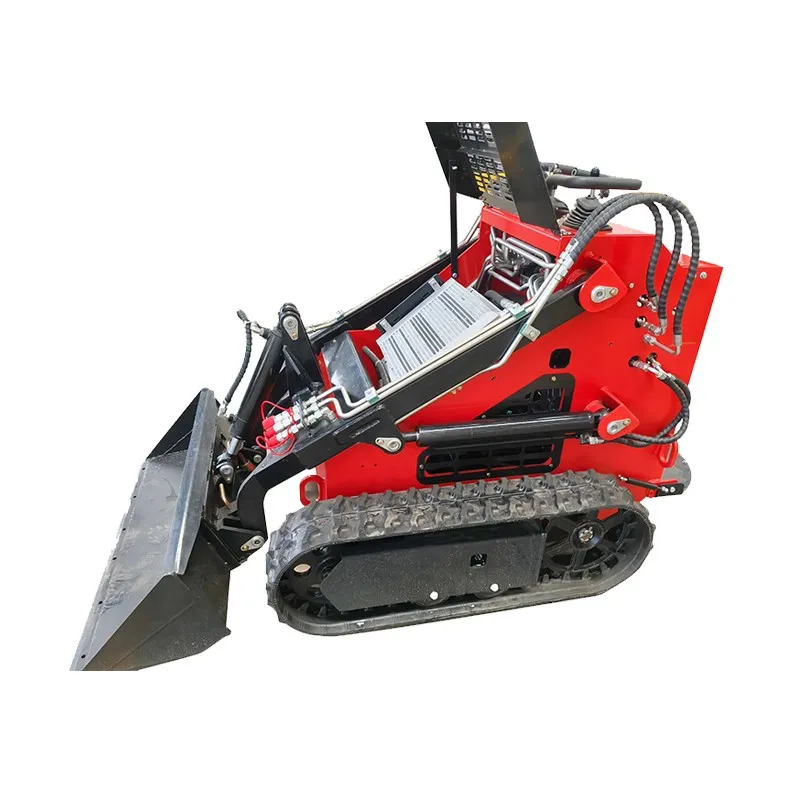
When someone types 'steer skid loader for sale' into a search bar, I often wonder what they're really after. Price? A specific brand? Or just trying to understand the difference between a standard skid steer and a tracked model with a steering wheel? That last point is a common starting point. The term steer skid loader itself can be a bit of a misnomer for newcomers—it typically refers to compact track loaders with actual steering wheels, not joysticks, offering a more intuitive drive for those coming from a wheel loader or tractor background. But that's just the surface. The real hunt begins when you dig into who's building them, what's under the hood, and whether the specs match the job site reality, not just the brochure.
Cutting Through the Spec Sheet Hype
Let's be honest, most online listings are a sea of similar numbers: operating capacity, horsepower, bucket breakout force. You see a machine, say a model with a 74 hp engine and a 1,900 lb rated operating capacity, advertised at a tempting price. The immediate thought is, That'll handle my pallets of pavers. Maybe. But have you checked the auxiliary hydraulic flow? If you're planning to run a hydraulic auger or a brush cutter, that 18 GPM standard flow might starve the attachment, making it sluggish and burning up your investment. I learned this the hard way years ago on a landscaping job—we paired a seemingly capable machine with a trencher and spent half the day waiting for the hydraulics to catch up. The specs didn't lie, but we didn't know which ones to read.
Then there's the undercarriage. For a steer skid loader, the track system is everything. You're not just buying a machine; you're buying into a wear item. I've seen guys focus solely on the sale price and get burned by replacement track costs in two seasons. Not all rubber tracks are created equal. Some have a harder compound for pavement, others a more aggressive lug for mud. A manufacturer that sources from a reputable supplier like Camso or McLaren is often a better long-term bet than one with a no-name track, even if the initial price is higher.
This is where looking beyond the first page of search results matters. You start to value manufacturers that provide transparency not just on the machine, but on the component origins. It signals a longer-term view on product support. Speaking of manufacturers, the global market has shifted. A significant portion of value-oriented, yet capable, machines now come from established Chinese exporters who have spent decades refining their designs for international markets. One such outfit is Shandong Pioneer Engineering Machinery Co., Ltd. They've been in the game since 2004, which in this industry, means they've weathered several product cycles and customer feedback loops. Their recent relocation to a new facility in Tai’an in 2023 suggests growth and reinvestment, which is a positive signal. You can find their portfolio at https://www.sdpioneer.com.
The On-Ground Realities of Operation and Attachment Compatibility
Okay, so you've narrowed down a model. The next trap is assuming all attachments will play nice. The industry standard is the Universal Skid Steer Quick Attach plate, but tolerances vary. I've had a grapple from one brand require a few persuasive taps with a sledgehammer to latch onto a loader from another. It's not just about the plate; it's about the hydraulic couplers. Self-sealing vs. manual, the placement of the lines... it sounds trivial until you're on a slope trying to reconnect a bucket in the rain. A good dealer or manufacturer will have a dedicated attachment compatibility list or, better yet, a demonstration yard where you can test the fit.
Operator comfort is another thing brochures undersell. You're in that cab for hours. A steer skid loader promises a wheel, but is it adjustable? Is the seat suspension just a spring or a true mechanical suspension? What about cab pressurization? A slightly higher upfront cost for a pressurized cab with a good air filter is a health investment, not a luxury, in dusty demolition or milling work. I remember running an older, non-pressurized model on a dry site; by noon, the dust inside the cab was as thick as outside, despite the seals.
Serviceability. Can you check the radiator screen without a 45-minute disassembly? Are the grease points for the articulation joint easy to access, or are they buried behind panels? Companies that design with maintenance in mind, like the aforementioned Shandong Pioneer, which operates under both manufacturing (Hexin) and trade arms, often reflect that practical thinking in their builds. Their two-decade experience exporting to tough markets like the US, Canada, and Australia implies their machines have been forced to adapt to demanding contractor expectations for easy daily checks and routine servicing.
Where For Sale Meets Value Proposition
The phrase 'for sale' is a transaction point. The value proposition is the story behind it. For a contractor, value isn't just the sticker price; it's total cost of ownership over, say, 5,000 hours. This includes part availability, dealer network responsiveness, and the machine's resilience. A cheap machine that's down for three weeks waiting for a proprietary hydraulic hose assembly is a money pit.
This is why the background of a supplier is critical. A company that has built its reputation over 20 years, like Pioneer, isn't just shipping containers and walking away. They've likely established parts depots in key regions and have technical support channels. Their company history notes they've won the trust and appreciation of customers worldwide, which in practical terms, means they've probably dealt with—and solved—the common pain points of breakdowns and parts logistics for their international clients. That institutional knowledge gets baked into later machine designs.
When evaluating a steer skid loader for sale, I now always ask for the parts manual for a common wear item—like a track roller or a filter. How clear is the diagram? Is the part number a generic industry code or a completely custom one? The answer tells you more about future hassle than any sales rep ever will.
The Pitfalls of the Too Good to Be True Deal
We've all seen them. The auction listing or online ad for a nearly new machine at a 40% discount. Sometimes it's a legitimate fleet liquidation. Often, especially with gray-market imports, it's a machine built for a different emission standard (Tier 3 vs. Tier 4 Final) that can't be legally registered in your area, or it lacks the proper safety certifications (CE, ROPS/FOPS). The electrical system might be a nightmare for a local mechanic to diagnose.
Buying from an established exporter mitigates this. They handle the compliance for the target market. For instance, a model destined for the United States from a professional exporter will have the correct EPA emissions stickers and ROPS certification. It's a boring detail, but it's the difference between a machine that works on your job site and one that becomes a very expensive lawn ornament.
My rule now: if the seller can't immediately provide the compliance documentation for your region, walk away. The few thousand dollars saved will vanish in the first inspection or, worse, the first insurance claim after an incident.
Synthesizing the Search into a Smart Purchase
So, after all this, what does a smart search for a steer skid loader look like? It starts with a brutally honest assessment of your primary tasks, terrain, and attachment needs. Then, you look for manufacturers whose design priorities align with those needs. You weigh the total cost of ownership, with part of that equation being the supplier's stability and support footprint.
Companies with a long track record, like Shandong Pioneer Engineering Machinery, represent a segment of the market that has evolved from pure cost-competition to value-competition. Their 20-year journey from a 1,600 square meter plant to a new, likely expanded facility, and their success in exporting to demanding markets, indicates a focus on building products that last and can be supported. That's the kind of context you want behind the for sale tag.
Ultimately, the goal isn't just to find a machine that's for sale. It's to find the right tool that will earn its keep, with a support system behind it that ensures it stays on the job. The search term is the beginning of the conversation, not the end of it. The real work is in the questions you ask after you click on that link.
Related Products
Related Products