


- Chinese
- French
- German
- Portuguese
- Spanish
- Russian
- Japanese
- Korean
- Arabic
- Irish
- Greek
- Turkish
- Italian
- Danish
- Romanian
- Indonesian
- Czech
- Afrikaans
- Swedish
- Polish
- Basque
- Catalan
- Esperanto
- Hindi
- Lao
- Albanian
- Amharic
- Armenian
- Azerbaijani
- Belarusian
- Bengali
- Bosnian
- Bulgarian
- Cebuano
- Chichewa
- Corsican
- Croatian
- Dutch
- Estonian
- Filipino
- Finnish
- Frisian
- Galician
- Georgian
- Gujarati
- Haitian
- Hausa
- Hawaiian
- Hebrew
- Hmong
- Hungarian
- Icelandic
- Igbo
- Javanese
- Kannada
- Kazakh
- Khmer
- Kurdish
- Kyrgyz
- Latin
- Latvian
- Lithuanian
- Luxembou..
- Macedonian
- Malagasy
- Malay
- Malayalam
- Maltese
- Maori
- Marathi
- Mongolian
- Burmese
- Nepali
- Norwegian
- Pashto
- Persian
- Punjabi
- Serbian
- Sesotho
- Sinhala
- Slovak
- Slovenian
- Somali
- Samoan
- Scots Gaelic
- Shona
- Sindhi
- Sundanese
- Swahili
- Tajik
- Tamil
- Telugu
- Thai
- Ukrainian
- Urdu
- Uzbek
- Vietnamese
- Welsh
- Xhosa
- Yiddish
- Yoruba
- Zulu
- Kinyarwanda
- Tatar
- Oriya
- Turkmen
- Uyghur

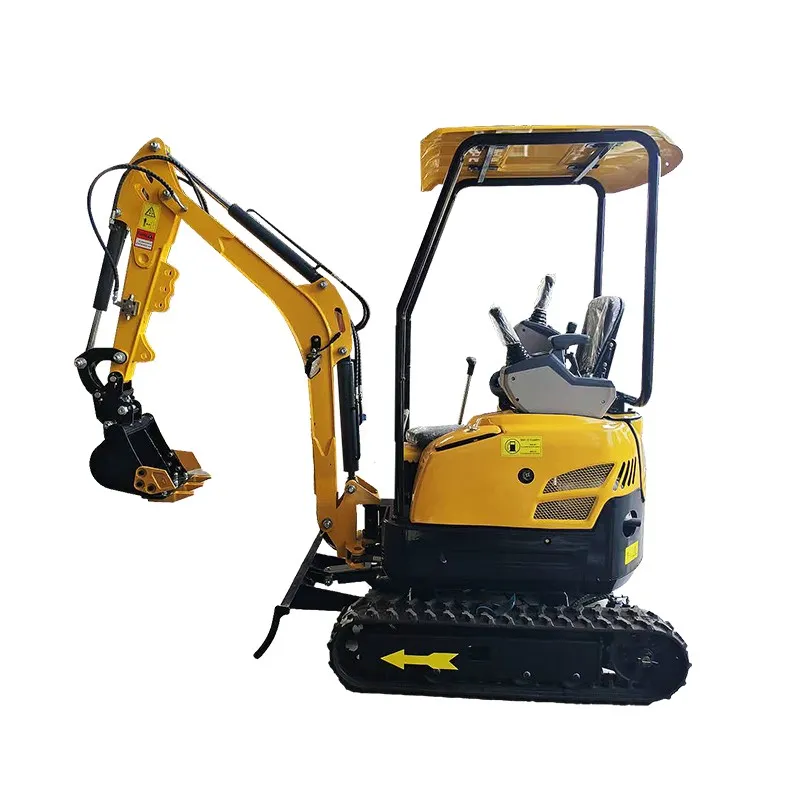
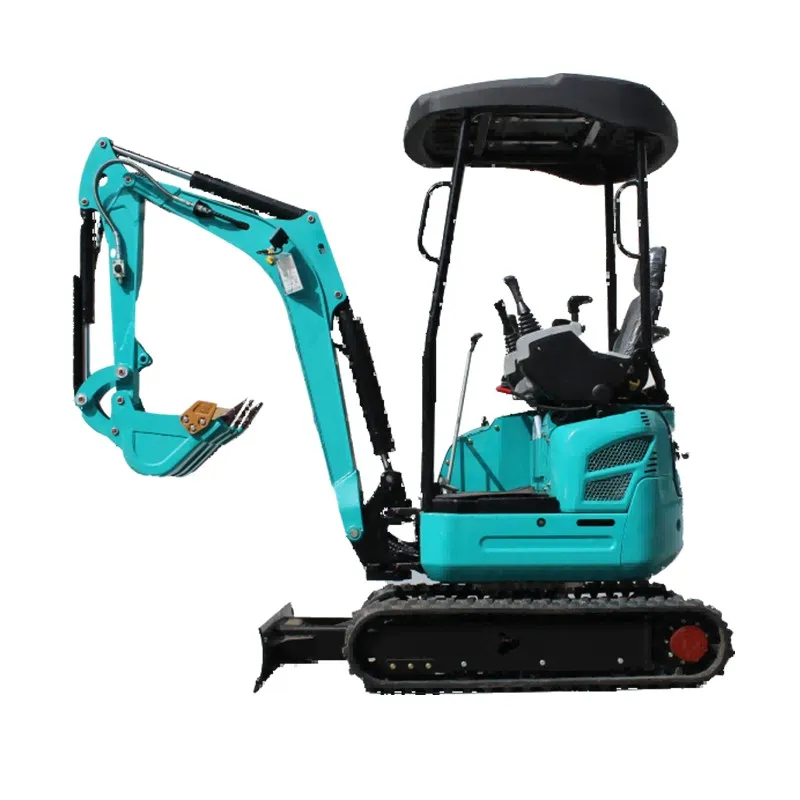
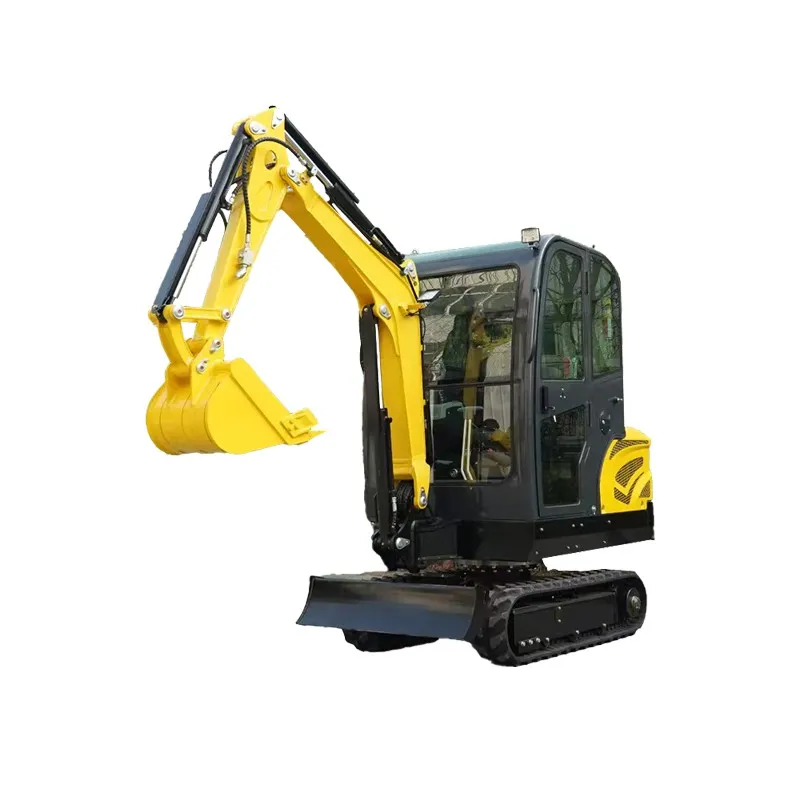
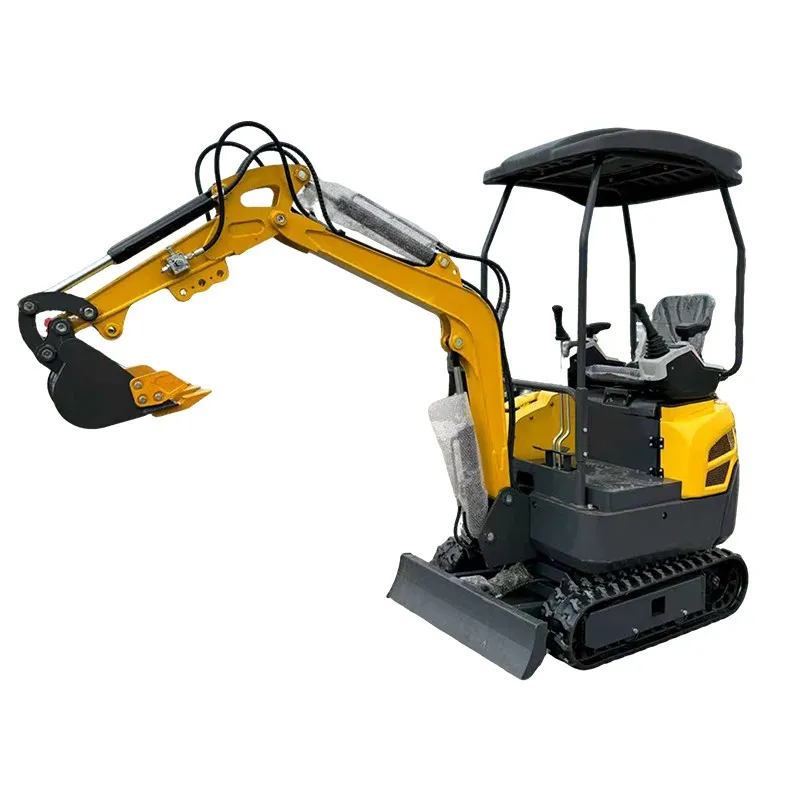
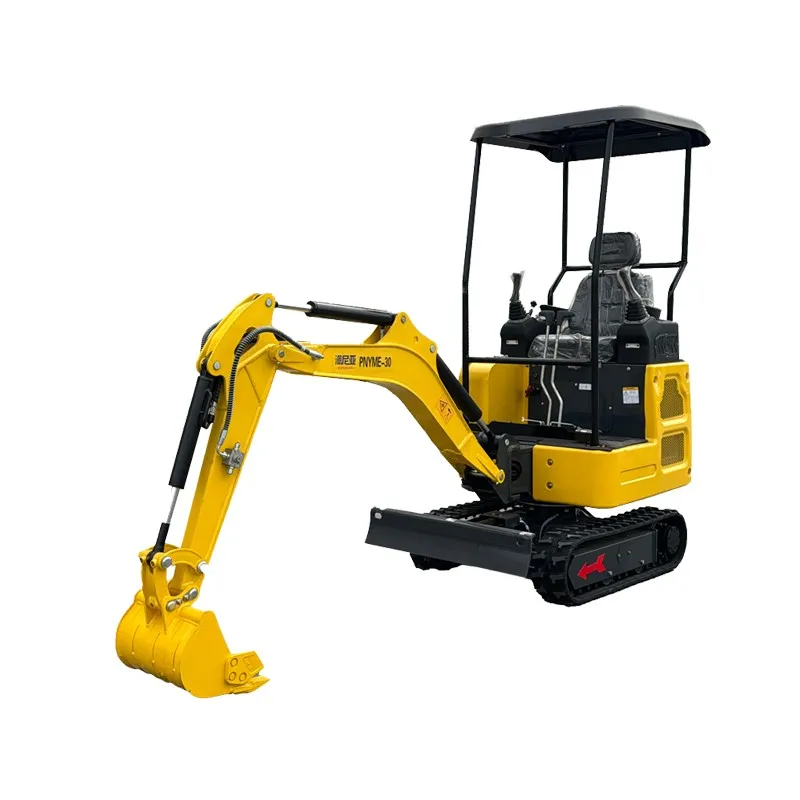
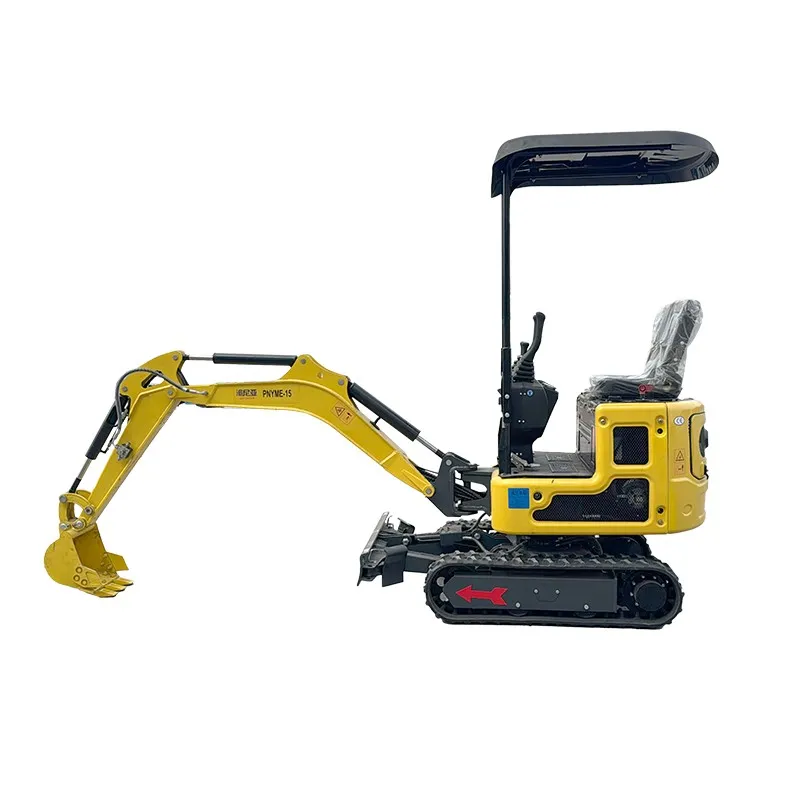
Tail-less design Excavator
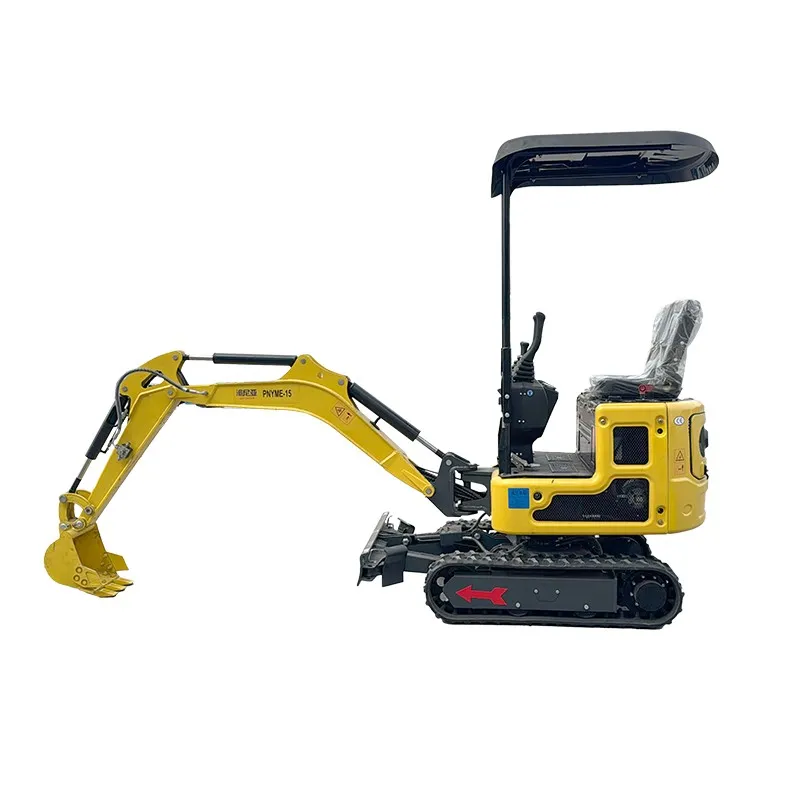
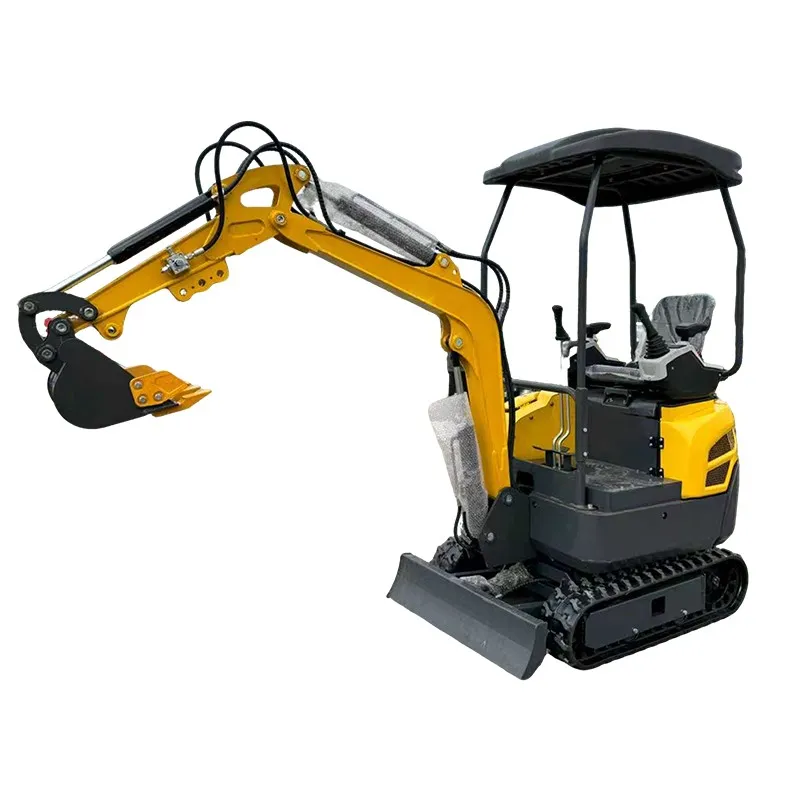
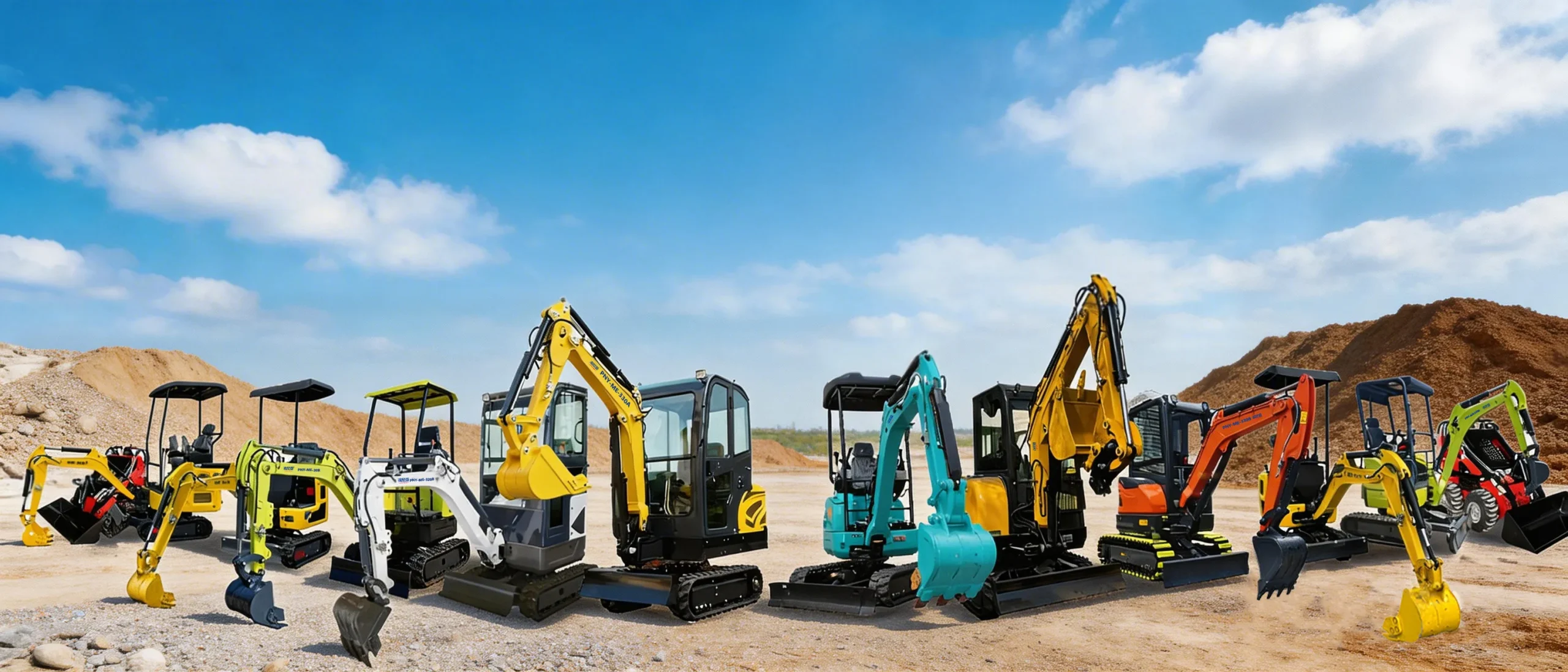
When you hear 'tail-less design excavator,' most folks immediately think it's just a smaller, tighter machine for cramped sites. That's part of it, but if you've spent years on the ground like I have, you know the real story is about a fundamental shift in balance, stability, and operator strategy. It’s not simply a standard excavator with the back chopped off. The misconception is thinking it's only for niche jobs; in reality, its application logic changes how you plan the entire work cycle.
The Core Principle: Redefining the Fulcrum
The traditional counterweight is gone. That's the first thing you notice. All the mass—engine, hydraulics, operator—is concentrated within the tracks' footprint. This isn't just about saving space; it's about recentering the machine's pivot point. I remember the first time I operated one on a slope for a foundation dig. My instinct was to brace for the usual rear-end swing, but it wasn't there. The machine felt planted, but in a different way. You trade the passive stability of a counterweight for an active stability that comes from a lower, centralized center of gravity. It makes you rethink your digging posture entirely.
This design forces a different maintenance mindset too. With components packed tighter, accessibility becomes a premium. A routine hose check on a standard machine might be a five-minute visual. On a tight tail-less model, you might need to plan for a specific panel removal. It's not harder, just different. You learn to appreciate cleaner hydraulic routing and well-thought-out service points. Companies that get this right, like Shandong Pioneer Engineering Machinery Co., Ltd, which has been refining these compact designs for years, understand that export markets in Europe or North America demand this serviceability. Their relocation to a larger facility in Tai'an in 2023 likely speaks to scaling up this kind of precision manufacturing.
Where the principle truly shines is in continuous 360-degree operation near walls or fences. You can swing the superstructure freely without a second thought for what's behind you. This seems obvious until you've had to re-spoil a pile because your counterweight nudged a temporary fence. The productivity gain isn't just in the swing speed; it's in the elimination of micro-pauses where the operator checks the rear. That mental load reduction is tangible over a 10-hour shift.
Practical Applications and the Reality Check
Everyone cites interior demolition and utility work in cities. That's textbook. But a more interesting case was a landscaping project on an estate with mature, low-hanging trees. We couldn't widen the access path. A standard mini-excavator could fit, but its tail would have swept away a row of prized shrubs during positioning. The tail-less design excavator allowed us to traverse the path and pivot on the spot to begin digging the pond. The client's relief was the real metric of success.
However, it's not a magic bullet. The big trade-off is in pure lifting capacity at reach. Without that counterweight, the machine's leverage physics change. You can't expect to lift the same maximum load at the end of the stick as a conventional model of similar weight. I learned this the hard way early on, trying to place a heavy culvert section. The machine was stable, but the hydraulics just couldn't muster the same force at full extension. You adapt by working closer or breaking the load. It's a compromise that dictates machine selection based on the day's primary task.
Another subtle point is transport. Yes, it's often lighter and more compact, simplifying logistics. But the weight distribution is different. You don't have that heavy counterweight over the trailer axles. When securing it for road transport, you need to be mindful of the new balance point to ensure proper trailer loading. It's a small detail, but overlooking it can lead to a precarious tow.
Evolution and Manufacturer Insights
The design has evolved from a pure space-saver to a sophisticated stability platform. Modern versions integrate advanced hydraulic systems that provide finer control to compensate for the different dynamic feel. It's less about raw power and more about finesse. Watching the market, manufacturers who succeed are those who treat it as a distinct product line, not a variant.
Take a manufacturer like Shandong Pioneer. Their longevity, since 2004, and focus on export to demanding markets like Germany and Australia, suggest they've had to iterate based on real-world global feedback. A tail-less design for a roadside job in Canada, with strict safety margins, has different requirements than one for a general farm use. Their product line likely reflects these gradations. The trust they've built, as mentioned in their profile, comes from addressing these nuanced application challenges, not just selling a compact shape.
I've seen prototypes where designers got too clever, trying to make the upper structure too short, compromising the operator's comfort or the serviceability of major components. The successful models strike a balance—minimizing the rear overhang without turning the engine compartment into a puzzle box. It's an engineering tightrope walk between form, function, and maintenance cost.
Operator Adaptation and Skill Shift
For an experienced operator, the first hour on a true tail-less machine can be unnerving. The visual reference points are gone. Your sixth sense for where the machine ends needs recalibration. The swing feels quicker, more responsive, precisely because there's less mass at the periphery to control. It requires a lighter touch on the controls.
The skill shift is towards spatial awareness in a different dimension. You become hyper-aware of the machine's entire footprint, not just the bucket and the counterweight arc. This actually makes you a better operator on any machine afterward. You also learn to use the machine's inherent stability for precise, shallow grading work where a conventional machine might rock slightly on its rear.
However, it can expose poor digging technique. If you're used to jerking the machine to break out a tough patch, the concentrated mass and different balance might not give you the same effect. It encourages a smoother, more hydraulic-power-reliant technique. In a way, it's a more demanding teacher of fundamentals.
The Future and Niche Specialization
Looking ahead, the tail-less excavator won't replace the standard model. It will continue to carve out its specific niches. The evolution I see is in specialization: ultra-low-profile models for underground parking garages, or hybrid-powered units for indoor demolition where emissions are zero. The compact footprint is a perfect platform for electrification, as battery packs can be placed low in the chassis, further aiding stability.
Connectivity and automation also fit naturally here. In a confined, predictable space like a trench, a tail-less machine's defined, consistent footprint makes it an ideal candidate for semi-autonomous digging patterns. The risk of an unexpected rear swing into an obstacle is eliminated by design.
Ultimately, its success is measured not by how many units are sold against standard excavators, but by how many specific, tricky jobs are completed safely, efficiently, and without collateral damage. It's a tool born from constraint that, when understood, expands the possibilities of where and how we can work. For companies focused on solving these precise global challenges, like the one behind https://www.sdpioneer.com, refining this tool is a core part of their dialogue with the international market. It's a practical response to a world where workspaces are often tight, but expectations for precision and safety are higher than ever.
Related Products
Related Products