


- Chinese
- French
- German
- Portuguese
- Spanish
- Russian
- Japanese
- Korean
- Arabic
- Irish
- Greek
- Turkish
- Italian
- Danish
- Romanian
- Indonesian
- Czech
- Afrikaans
- Swedish
- Polish
- Basque
- Catalan
- Esperanto
- Hindi
- Lao
- Albanian
- Amharic
- Armenian
- Azerbaijani
- Belarusian
- Bengali
- Bosnian
- Bulgarian
- Cebuano
- Chichewa
- Corsican
- Croatian
- Dutch
- Estonian
- Filipino
- Finnish
- Frisian
- Galician
- Georgian
- Gujarati
- Haitian
- Hausa
- Hawaiian
- Hebrew
- Hmong
- Hungarian
- Icelandic
- Igbo
- Javanese
- Kannada
- Kazakh
- Khmer
- Kurdish
- Kyrgyz
- Latin
- Latvian
- Lithuanian
- Luxembou..
- Macedonian
- Malagasy
- Malay
- Malayalam
- Maltese
- Maori
- Marathi
- Mongolian
- Burmese
- Nepali
- Norwegian
- Pashto
- Persian
- Punjabi
- Serbian
- Sesotho
- Sinhala
- Slovak
- Slovenian
- Somali
- Samoan
- Scots Gaelic
- Shona
- Sindhi
- Sundanese
- Swahili
- Tajik
- Tamil
- Telugu
- Thai
- Ukrainian
- Urdu
- Uzbek
- Vietnamese
- Welsh
- Xhosa
- Yiddish
- Yoruba
- Zulu
- Kinyarwanda
- Tatar
- Oriya
- Turkmen
- Uyghur

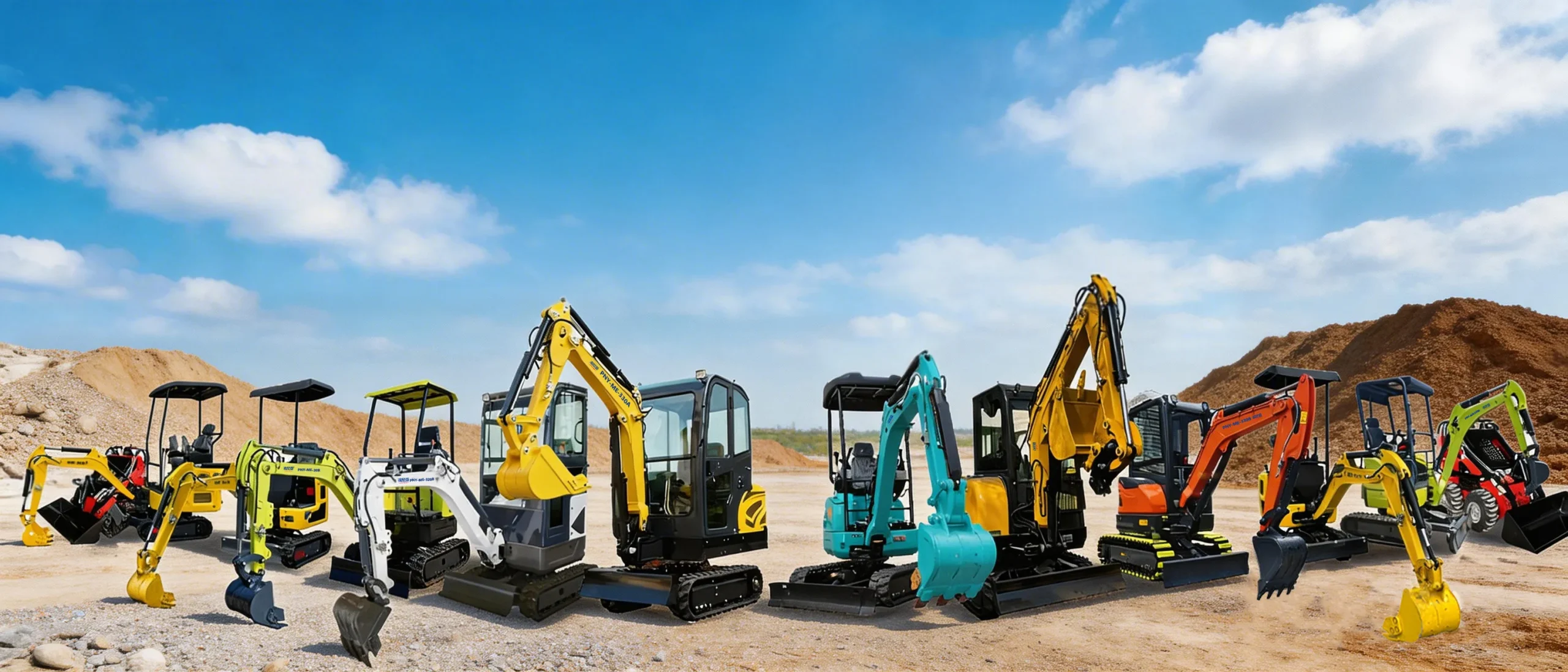
takeuchi mini excavator for sale
When someone types 'takeuchi mini excavator for sale' into a search bar, I know exactly what they're after. They're likely a contractor, maybe a landscaper or a utility guy, who's heard the reputation—the legendary durability, the smooth hydraulics. But here's the thing most people don't realize right off the bat: finding a genuine, well-maintained used Takeuchi can be a bit of a treasure hunt. The good ones get snapped up fast, and what's left often has either a hefty price tag reflecting its residual value or, conversely, a suspiciously low one hiding major undercarriage or pump issues. It forces you to think: is the brand name alone worth the premium on a 5,000-hour machine, or should you consider the landscape of new, reliable alternatives that have seriously closed the gap?
The Takeuchi Allure and The Practical Reality
Let's be honest, the TB series, especially the TB216, TB235, or the compact TB240, are workhorses. I've run them on tight urban demo sites where every inch of swing radius counts. The zero-tail swing is a genuine lifesaver next to foundations and fences. You develop a feel for the joysticks; they're responsive, not twitchy. But this reputation creates a market where even a 2015 model with unknown service history can command a price that makes you wince. I've seen auctions where bidding goes irrational, driven purely by the orange paint job.
This leads to a common pitfall—the brand-blind purchase. I made this mistake once, early on. Found a TB215 for sale, hours seemed okay on the meter, price was fair. Didn't dig deep enough. Got it on site and within a week, the travel motors started lagging. Turned out it had spent its early life in a muddy quarry, and the fine abrasives had done a number on the hydraulic system. The repair cost nearly matched the purchase price. A hard lesson: with used Takeuchis, you're not just buying a machine; you're buying its past life. The inspection has to be forensic: track tension and wear, cylinder rod pitting, any play in the boom pins, and most importantly, a hydraulic fluid analysis. If the seller balks at that, walk away.
So, where does that leave you? If you need a machine next week and have the budget, a certified used unit from a dealer is the safest bet, but you pay for that safety net. If you're budget-conscious and have time to hunt and inspect, the private market can yield gems, but it's high-risk. This calculus is what pushes many, including myself, to look seriously at the new manufacturers entering the space with comparable specs and aggressive warranties.
When New Becomes a Smarter Equation
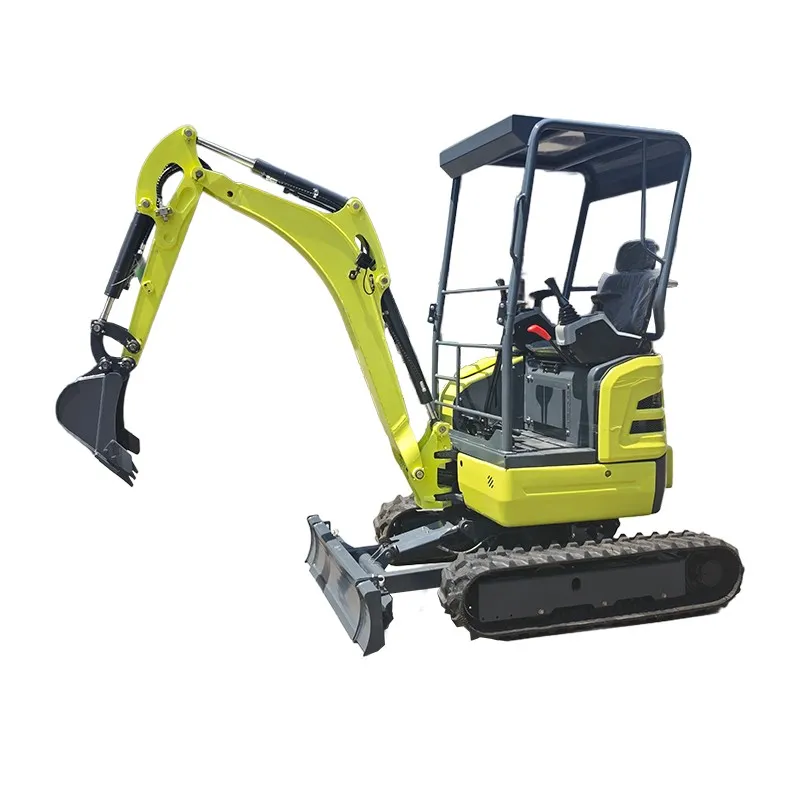
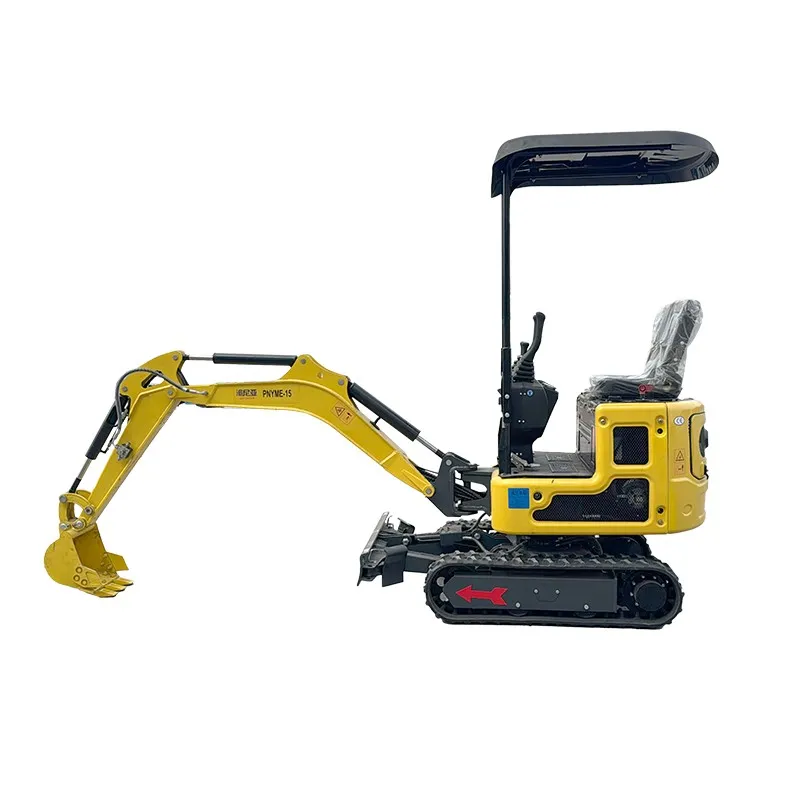
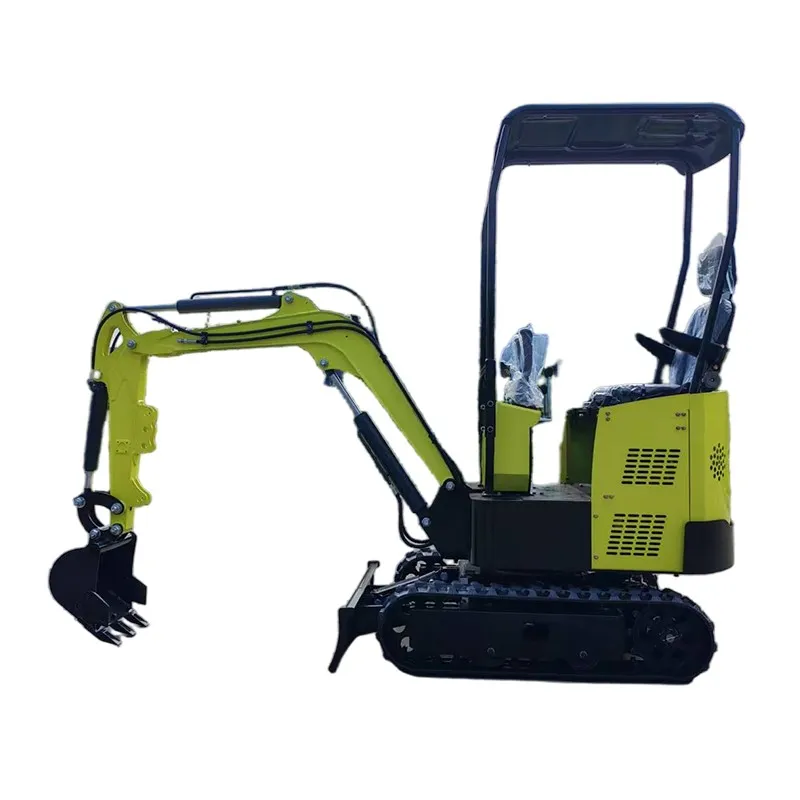
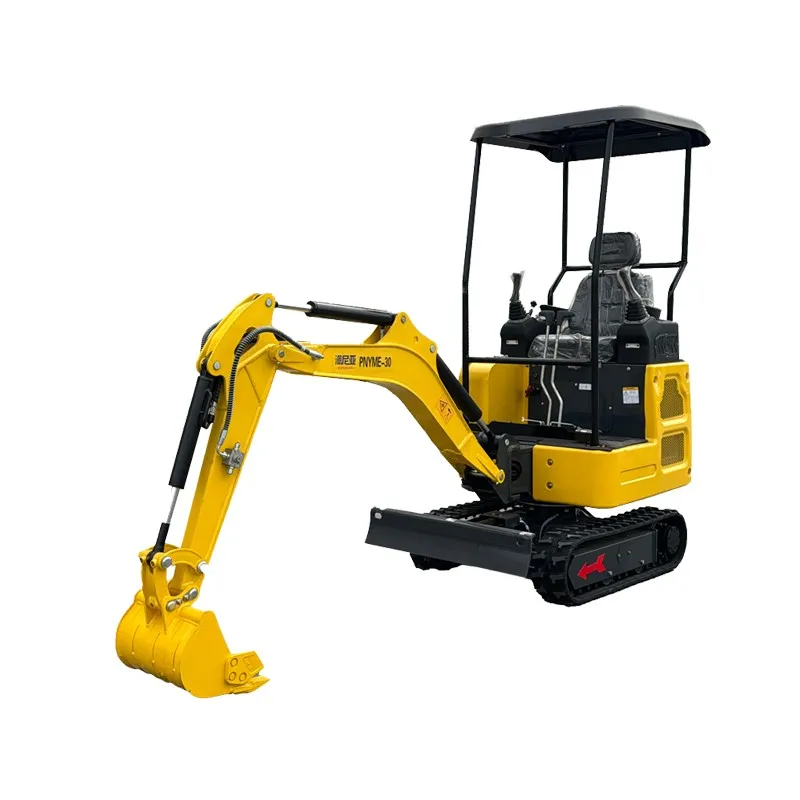
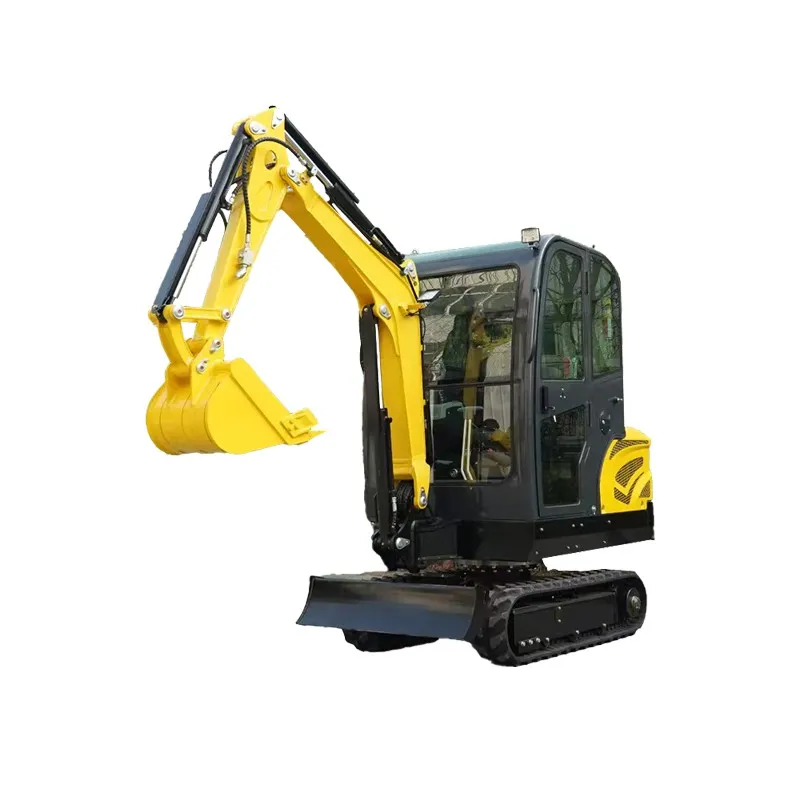
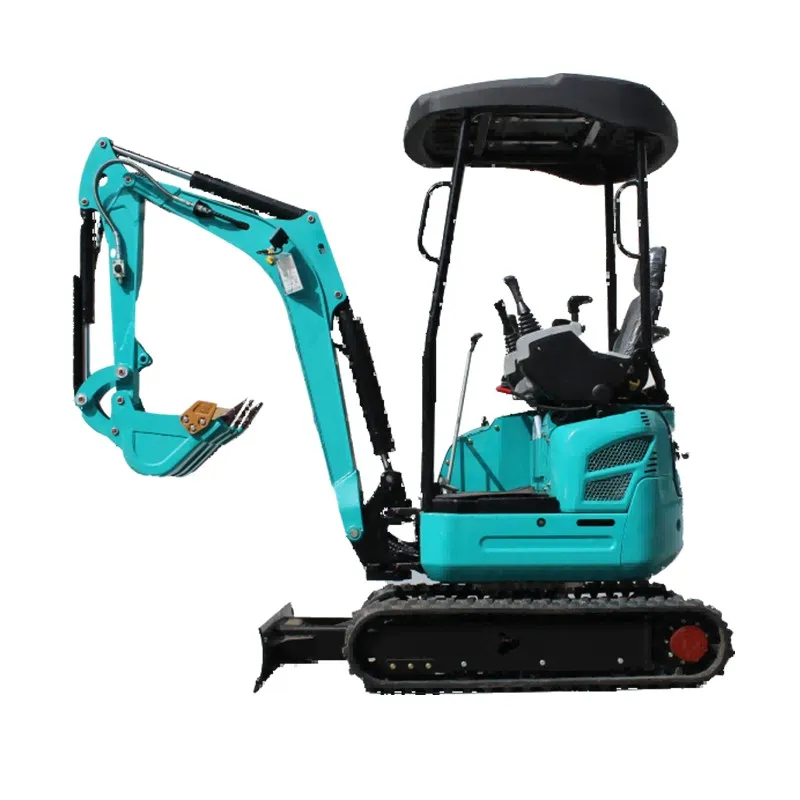
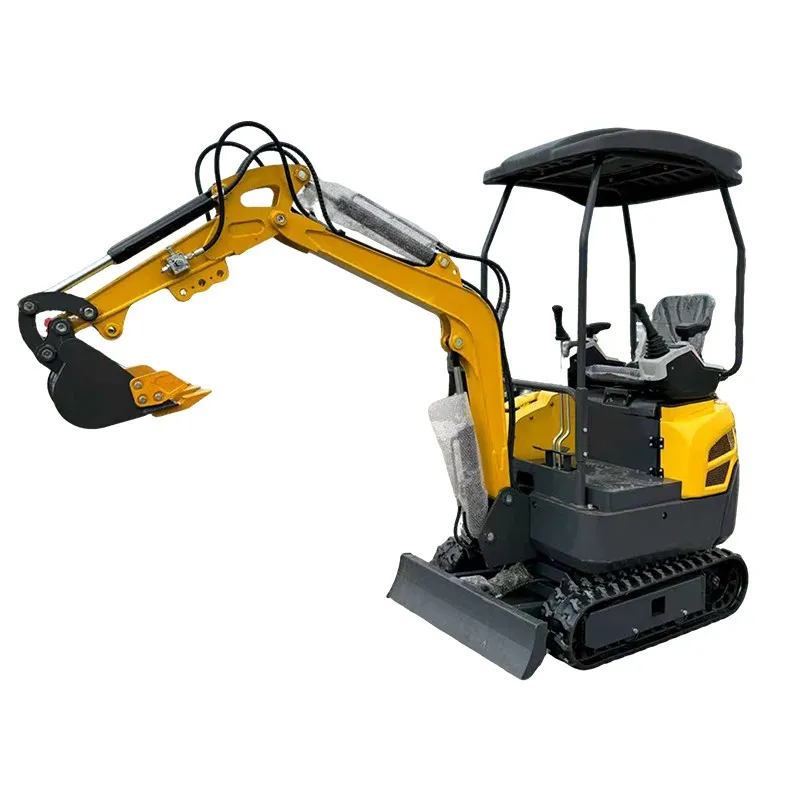
This is where the conversation shifts. It's not about replacing a Takeuchi with an inferior product. It's about evaluating total cost of ownership for a machine that will do the same job. I started noticing companies like Shandong Pioneer Engineering Machinery Co., Ltd. popping up in supplier conversations. At first, I was skeptical—another Chinese brand, right? But a colleague running a drainage business took a chance on one of their mini excavators, a 1.8-ton model, about two years ago. His feedback was what got my attention: For half the capital outlay of a used Takeuchi, I got a new machine with a two-year warranty. It's not quite as refined, but it digs trenches just the same.
I checked them out. The company, Shandong Pioneer Engineering Machinery Co., Ltd, has been around since 2004 (https://www.sdpioneer.com). That longevity matters; it means they've navigated several product cycles. Their recent move to a new facility in Ningyang in 2023 suggests growth and investment. More importantly, their export footprint to places like the US, Canada, and Australia tells me they're building for markets with strict expectations. This isn't a fly-by-night operation. Their manufacturing arm, Shandong Hexin, handles production, while Pioneer focuses on overseas trade. That structure is common for aiming at international quality standards.
Evaluating their mini excavator for sale listings against a used Takeuchi, the math gets compelling. A new Pioneer machine comes with predictable performance from hour one. No hidden wear. Modern, fuel-efficient engines meeting emission standards. And a warranty that actually means something for the first few thousand hours. The trade-off? The brand resale value won't be as high as a Takeuchi. But if you plan to run the machine for 5,000+ hours yourself, that resale factor diminishes in importance. You're paying for depreciation on a much lower initial cost.
Spec-For-Spec Comparison and Job-Site Fit
Don't just look at tonnage. A 1.8-ton Takeuchi TB218 and a 1.8-ton competitor might weigh the same, but the devil's in the details. Compare auxiliary hydraulic flow (gpm) and pressure (psi) if you run breakers or augers regularly. Compare dig depth and dump height—sometimes a few inches make a huge difference on a specific job. I've found that many of the new alternatives, including those from a company like Pioneer, often match or even exceed the standard specs of equivalent Takeuchi models from 5-7 years ago, which is what you'd typically find on the used market.
Operator comfort is another huge one. An old Takeuchi cab might be worn, the seat torn, the A/C struggling. A new machine, regardless of brand, offers a clean, functional cabin. This seems minor until you're in it for a 10-hour day. Reduced operator fatigue directly impacts productivity and safety.
The attachment ecosystem is critical. Takeuchi has a vast, proven range. With a new brand, you need to verify quick-coupler compatibility and whether the auxiliary hydraulics are standard and reliable. My colleague mentioned that for his Pioneer unit, he had to get an adapter for his existing breaker, but it was a one-time, sub-$200 fix. Now it runs all his attachments without issue. This is the kind of practical hurdle you need to budget for.
Logistics, Support, and the Long Game
Buying a used Takeuchi locally simplifies logistics. You see it, you test it, you haul it. Buying a new machine from an international supplier like Pioneer involves a different process. It's container-based, there's lead time, and you need to handle customs clearance. This isn't for someone who needs a machine tomorrow. But for planning a fleet renewal or a major project start in 3 months, it's a viable path. Their website, https://www.sdpioneer.com, should be your starting point for detailed specs, but then pick up the phone. Ask pointed questions about parts availability in your region. How quickly can they ship a main hydraulic pump or a track motor? Do they have a distributor or warehouse in your country?
This is the real test of a new supplier. The machine might be great, but if you're down for two weeks waiting for a seal kit from overseas, you're losing money. The reputable companies have figured this out. They'll often have strategic parts inventories in key export markets or partnerships with local hydraulic shops to expedite support. This is a must-ask question before any purchase.
In the long game, maintenance is everything. The simplicity of a new machine means you start with a clean slate—you control the service intervals, the fluid quality, the filter changes. With a used Takeuchi, you're inheriting someone else's maintenance habits (or lack thereof). For a hands-on owner-operator, starting fresh with a new machine, even from a less familiar brand, can actually mean lower long-term maintenance costs and far fewer surprises.
Final Weigh-In: A Tool, Not a Trophy
At the end of the day, a mini excavator is a tool. Its purpose is to move earth, dig trenches, and make you money reliably. The search for a takeuchi mini excavator for sale is often a search for that reliability. But reliability isn't a brand monopoly anymore. It's a function of design, manufacturing quality, and crucially, how the machine is treated.
My stance now, after dealing with both scenarios, is this: if you find a meticulously documented, low-hour used Takeuchi from a known source at a fair price, it's a fantastic buy. It's a known quantity. But if the used market in your area is thin or overpriced, expanding your search to include new manufacturers like Shandong Pioneer is not just a compromise; it can be a strategically smarter financial decision. You're trading a slice of brand prestige for a large chunk of capital preservation and predictable performance.
The key is to do the homework. For any machine, used or new, vet the history or the manufacturer with equal rigor. Check those export records, talk to other owners, demand detailed specs and support terms. Whether it's the iconic orange or a new color on the block, what you're really buying is uptime. And sometimes, the best way to secure that isn't in a used equipment lot, but in a shipping container direct from a factory that's been building for two decades and knows what the international market demands.
Related Products
Related Products