


- Chinese
- French
- German
- Portuguese
- Spanish
- Russian
- Japanese
- Korean
- Arabic
- Irish
- Greek
- Turkish
- Italian
- Danish
- Romanian
- Indonesian
- Czech
- Afrikaans
- Swedish
- Polish
- Basque
- Catalan
- Esperanto
- Hindi
- Lao
- Albanian
- Amharic
- Armenian
- Azerbaijani
- Belarusian
- Bengali
- Bosnian
- Bulgarian
- Cebuano
- Chichewa
- Corsican
- Croatian
- Dutch
- Estonian
- Filipino
- Finnish
- Frisian
- Galician
- Georgian
- Gujarati
- Haitian
- Hausa
- Hawaiian
- Hebrew
- Hmong
- Hungarian
- Icelandic
- Igbo
- Javanese
- Kannada
- Kazakh
- Khmer
- Kurdish
- Kyrgyz
- Latin
- Latvian
- Lithuanian
- Luxembou..
- Macedonian
- Malagasy
- Malay
- Malayalam
- Maltese
- Maori
- Marathi
- Mongolian
- Burmese
- Nepali
- Norwegian
- Pashto
- Persian
- Punjabi
- Serbian
- Sesotho
- Sinhala
- Slovak
- Slovenian
- Somali
- Samoan
- Scots Gaelic
- Shona
- Sindhi
- Sundanese
- Swahili
- Tajik
- Tamil
- Telugu
- Thai
- Ukrainian
- Urdu
- Uzbek
- Vietnamese
- Welsh
- Xhosa
- Yiddish
- Yoruba
- Zulu
- Kinyarwanda
- Tatar
- Oriya
- Turkmen
- Uyghur

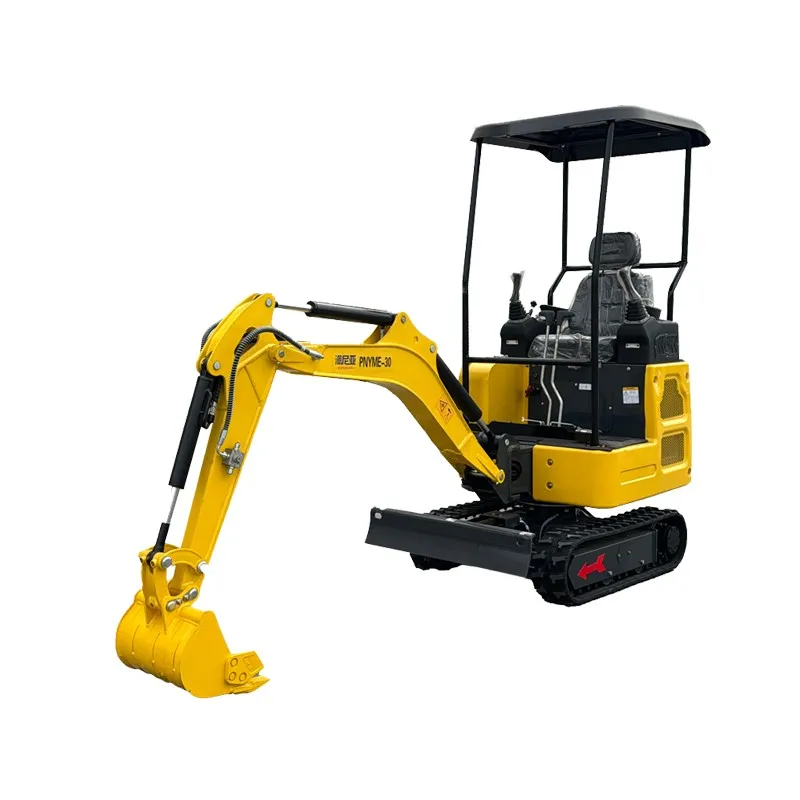
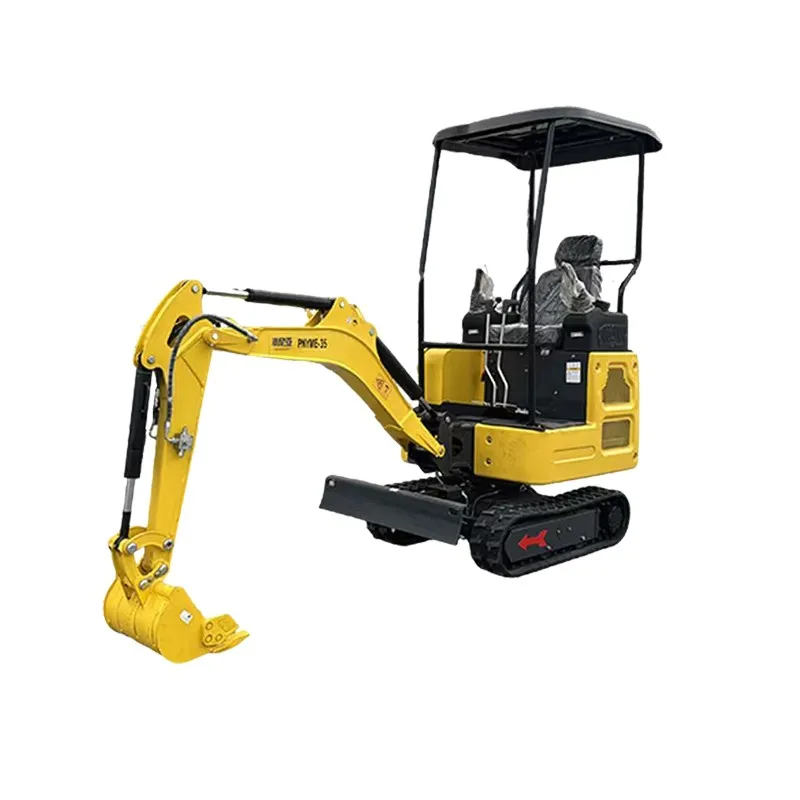
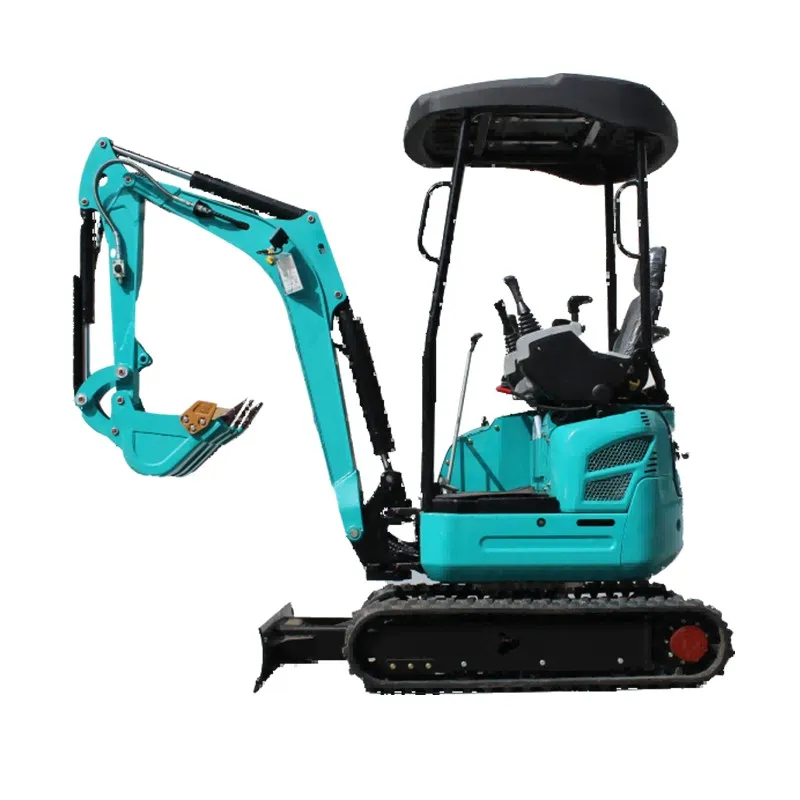
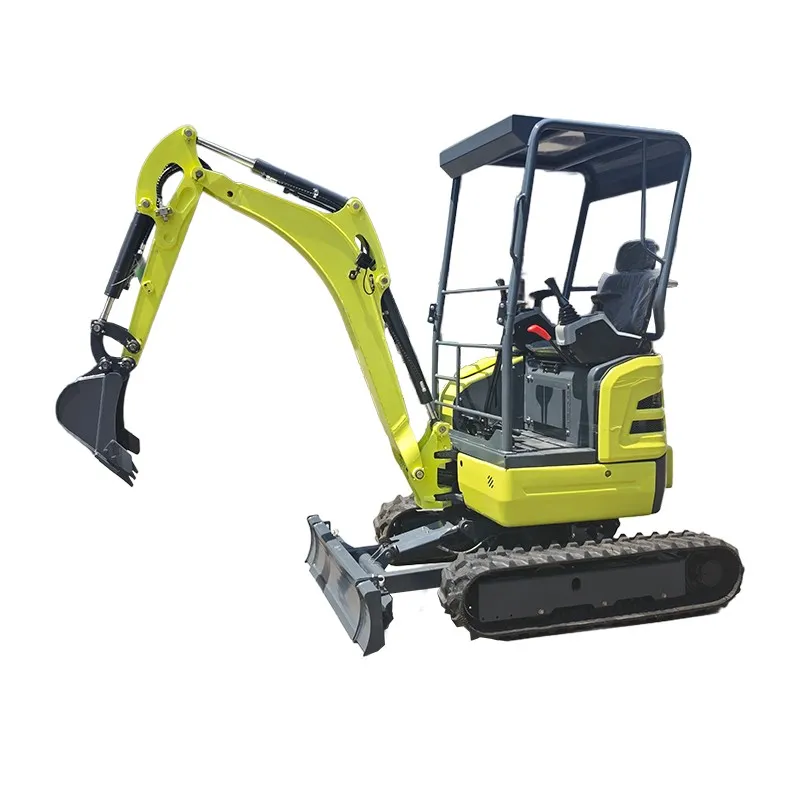
tiny crawler excavator
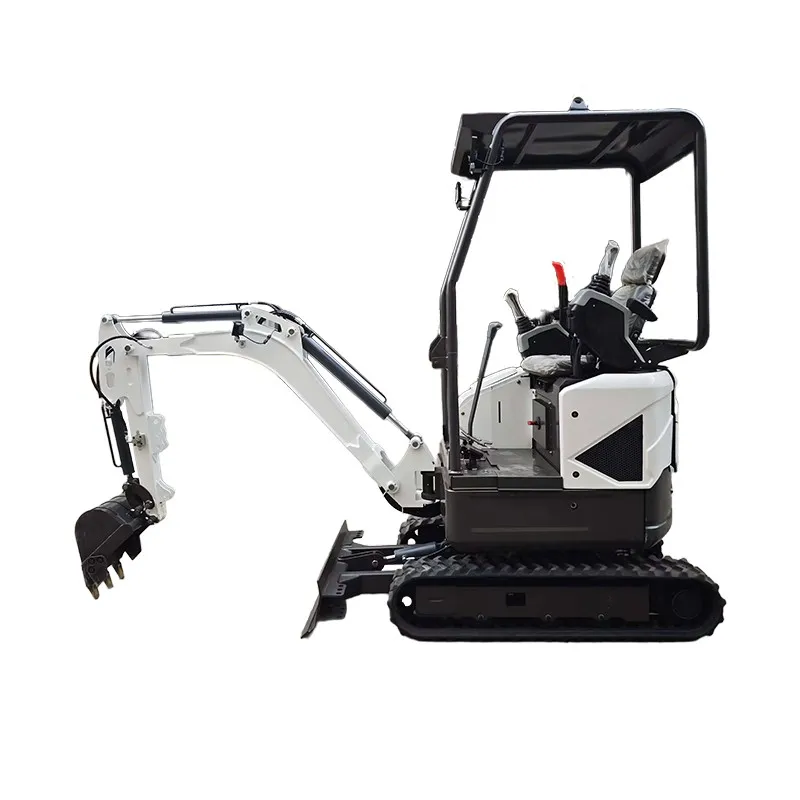
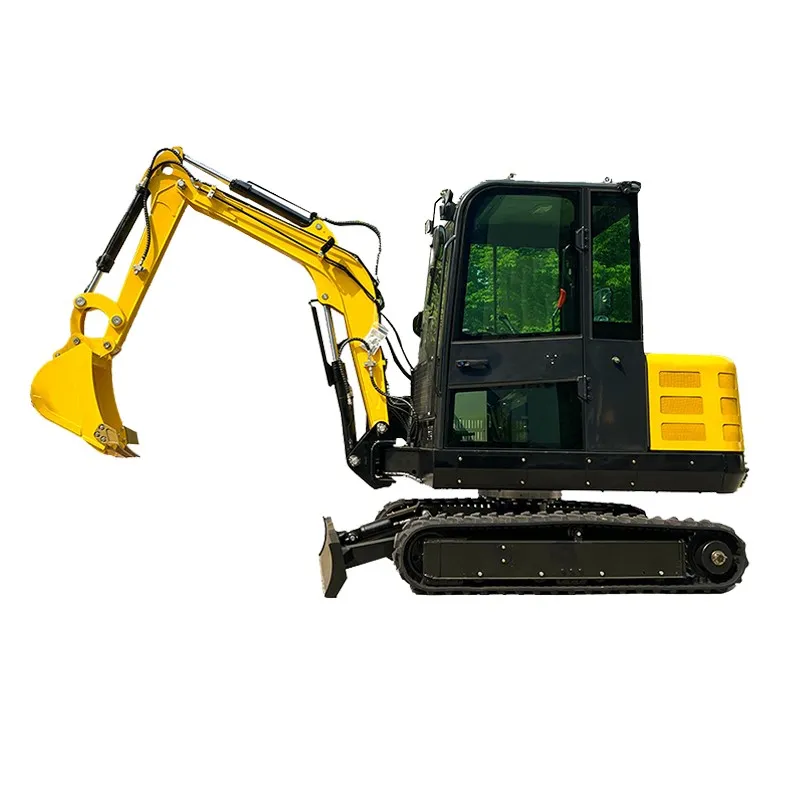
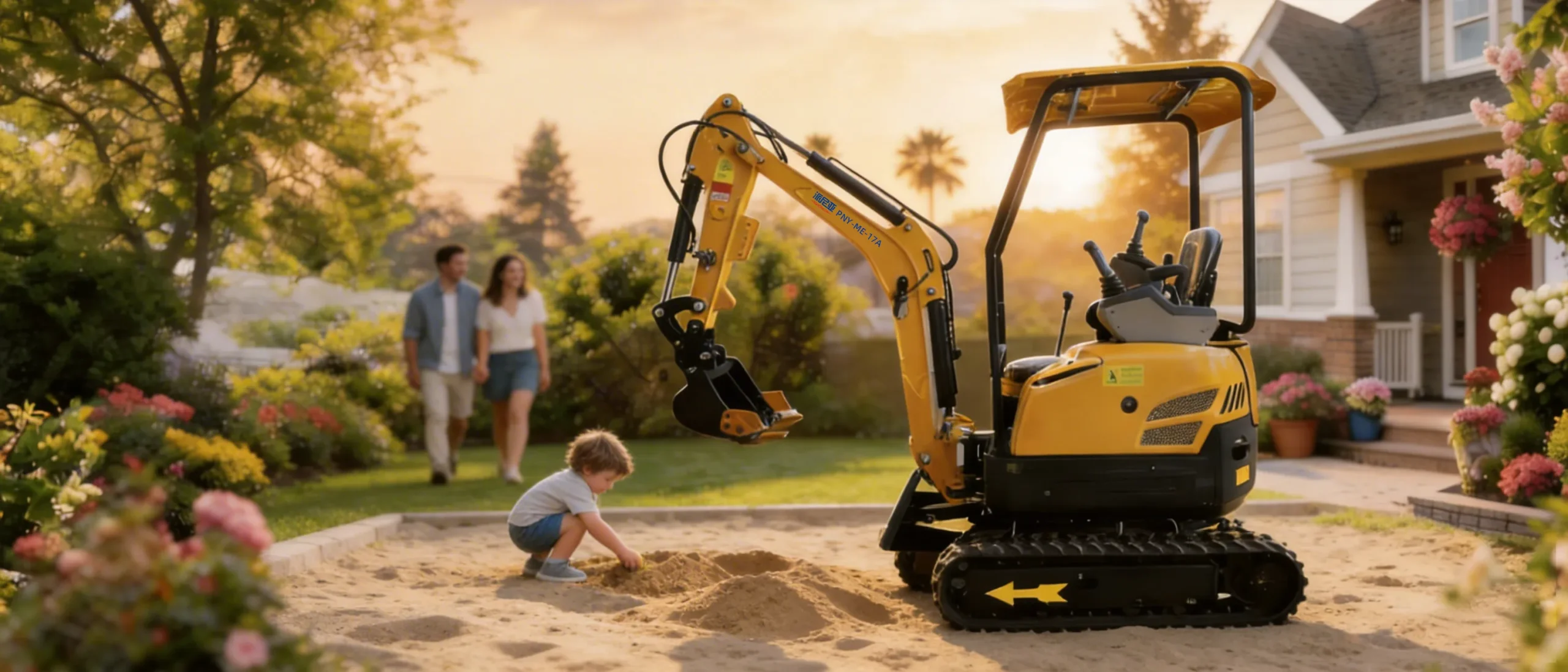
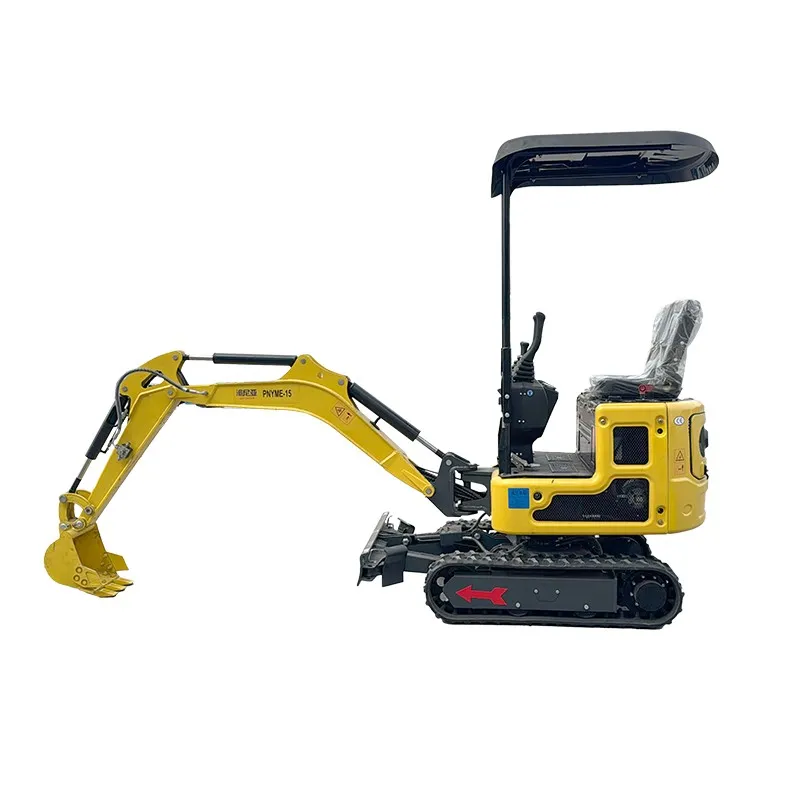
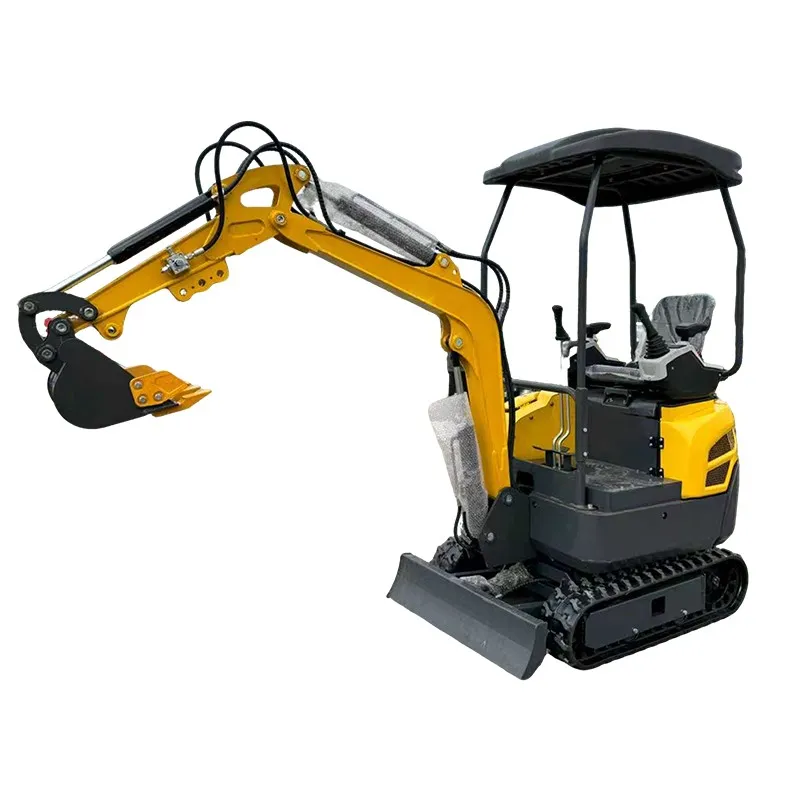
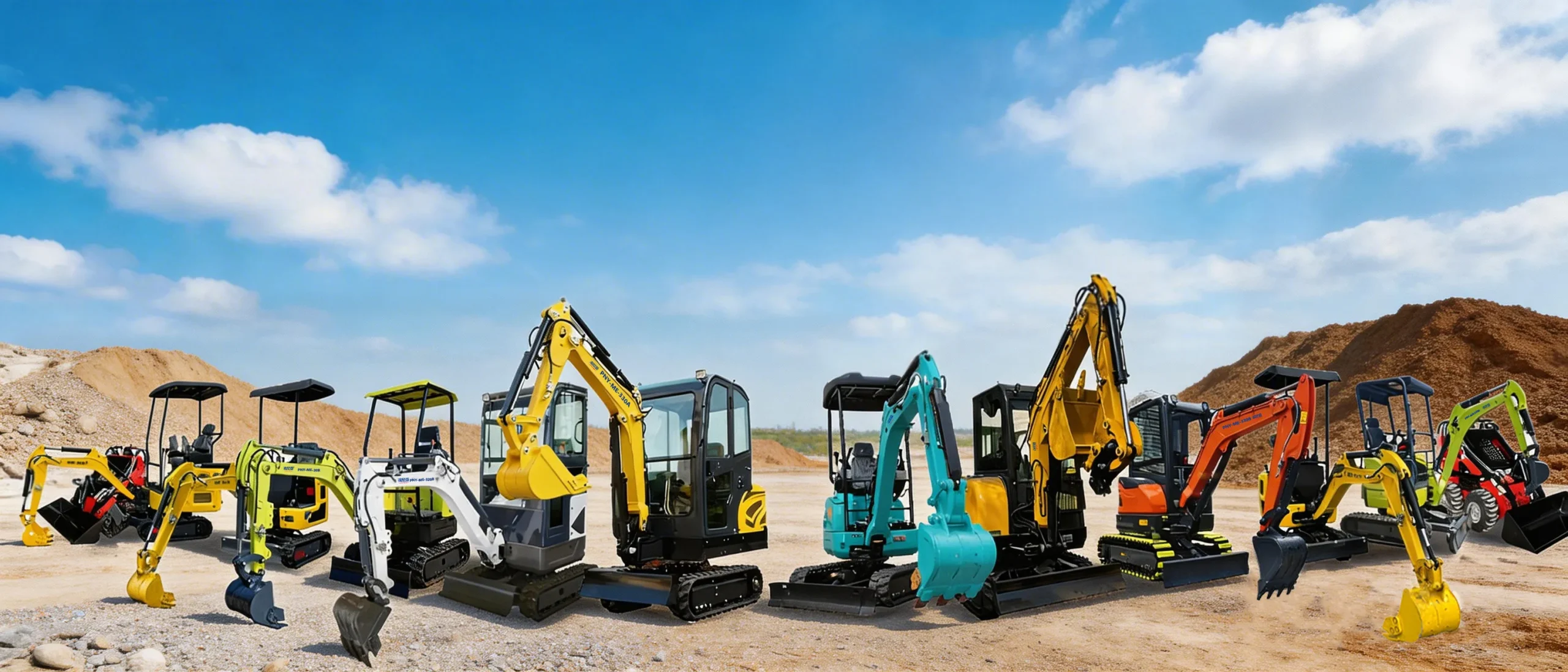
When most folks hear tiny crawler excavator, they picture a cute, miniature version of a big machine—maybe for a backyard project. That's the first misconception. In reality, these sub-1-ton or 1-2 ton machines, like the common 800kg models, are serious, precision tools for constrained spaces. Their value isn't just in being small; it's in their tracked mobility and surprising stability on muddy, uneven ground where wheeled micro-excavators would simply sink or tip. I've seen too many buyers prioritize price or brand name over the actual geometry of the undercarriage and the quality of the swing bearing—that's where the real job gets done or fails.
The Core Appeal and Where It Bites Back
The primary draw is access. We're talking about gate widths under 36 inches, interior demolition, basement digging, or trenching right next to a foundation. A solid tiny crawler excavator from a specialist manufacturer can work in a space where a mini skid-steer would tear up the turf. The low ground pressure is a game-changer. But here's the catch from experience: not all crawler systems are equal. Some cheaper models use box-section tracks with poor bushing seals. After 300 hours in gritty conditions, you get premature pin and bushing wear, leading to track slap and eventually, derailment. It's a costly downtime event that wipes out any initial savings.
Then there's the hydraulic system. Everyone wants smooth, proportional control for fine grading or delicate material handling. On some units, the joystick controls feel jerky, an on/off switch rather than a precision instrument. This often traces back to the valve block and the pump's flow characteristics. I recall a project landscaping a steep backyard where smooth control was critical to avoid collapsing a retaining wall edge. The machine we had that day had a slight lag in the swing function—you'd input the command, and it would hesitate for a split second before moving. Not a deal-breaker for digging a hole, but for precise placement, it meant constant over-correction and operator fatigue.
Another often-overlooked detail is the counterweight design. To keep the tail swing radius ultra-tight for indoor work, manufacturers shrink the counterweight. This can lead to a machine that feels tippy when lifting at full reach, even with a light load like a bucket of soil. You learn to respect the load chart religiously, even on a tiny crawler excavator. I've seen one nearly go over because an operator tried to lift a small concrete slab at maximum extension on a slight slope. The machine stabilized, but it was a stark reminder that tiny doesn't mean immune to physics.
Sourcing and the Realities of the Global Supply Chain
This brings me to sourcing. A significant portion of the global supply for these compact machines comes from specialized manufacturing hubs in China's Shandong province. The key is finding a supplier that understands the difference between building a commodity and building a tool for professional use. It's not just about assembly; it's about component sourcing, quality control in welding and hydraulics, and having engineering support. For instance, Shandong Pioneer Engineering Machinery Co., Ltd, which has been operating since 2004 and recently expanded its facility in Ningyang, represents the type of established specialist. They've had to evolve from a trade focus to deeply understanding manufacturing specs to meet varied international demands, shipping to markets like Germany and Australia where reliability is non-negotiable.
Working with such a manufacturer directly, rather than through endless anonymous trading companies, changes the dynamic. You can specify the brand of hydraulic fittings, request a different grade of steel for the bucket teeth, or ask for reinforced track links for abrasive applications. I remember specifying Kawasaki hydraulic pumps and valves for a batch of units destined for rental fleets—the incremental cost was worth it for the predictable performance and service life. The factory at https://www.sdpioneer.com had the capability to integrate those components properly, which isn't a given. Some smaller workshops will just bolt things together without considering system compatibility, leading to overheating or leaks.
The relocation and expansion of their production base in 2023, as mentioned in their profile, typically signals a move towards more controlled, scalable manufacturing. In practical terms, this can mean better jigging for consistent weld quality on the main frame—a critical factor in preventing crack propagation from stress points. A wobbly main frame on a tiny crawler excavator is a death sentence. It's these unsexy details that separate a machine that lasts 5,000 hours from one that's riddled with issues at 1,000.
Application Pitfalls and Operator Mindset
Let's talk about where these machines get abused. Landscaping is a major market, but that often means constant use of the auxiliary hydraulic circuits for attachments like augers, breakers, or tilt rotators. The standard auxiliary circuit on many base models is often just adequate. Running a hydraulic breaker requires sustained high pressure and flow. If the system isn't sized for it, you'll overheat the oil rapidly, degrading seals and damaging the pump. I've had to retrofit larger oil coolers on machines used primarily for breaking. It's a lesson in matching the machine to the primary task, not just the digging depth.
Operator training is another huge factor. Because the machine is small and seemingly simple, it's often handed to the newest laborer on site. But operating in tight quarters requires spatial awareness of the counterweight tail swing and the track's path. I've witnessed damaged door frames, scratched floors, and, more dangerously, pinched hydraulic lines against a wall because the operator wasn't constantly scanning the entire machine's footprint. The mindset should be that of a surgeon, not a bulldozer driver.
Maintenance is deceptively simple but frequently ignored. The track tension on a tiny crawler excavator needs checking daily in severe conditions. Too tight, and you accelerate drivetrain wear; too loose, and you risk derailment. The grease points for the track rollers and idlers are often in muddy locations, so they get skipped. One failed roller can seize and wear through the track pad link in a matter of hours. It sounds basic, but on a fast-paced job site, these daily checks are the first thing to go, leading to the most expensive repairs.
The Attachment Ecosystem and Customization
The true versatility of these excavators is unlocked with attachments. However, the quick-coupler system is a critical interface. Not all are created equal. Some proprietary systems lock you into a single brand of attachments, while others use a more universal pattern. We learned this the hard way by buying a machine with a unique coupler, only to find that fitting our existing grading buckets and rippers required expensive adapters or welding. Now, specifying a standard European-style coupler (like the one used by many major brands) is a top priority, even if it costs a bit more upfront. It future-proofs the investment.
Customization requests are where a manufacturer's expertise is tested. We once needed a machine with an extra-long dipper arm for digging trenches at the bottom of a steep slope, where the machine had to sit high up on the bank. It required recalibrating the hydraulic flow for the longer cylinder and reinforcing the arm's pivot points. A factory with solid engineering support, like the one behind the Shandong Pioneer operation, can run these calculations and modify the design. A pure trading company would just say no. This capability to tweak and adapt is what turns a standard machine into a perfect tool for a niche application.
Even simple customizations, like adding a second auxiliary circuit for running a grapple and a tilt rotator simultaneously, require forethought in the machine's original hydraulic design. It's much more difficult and costly to retrofit later. When evaluating a tiny crawler excavator, you have to think not just about today's job of digging, but tomorrow's potential need for a brush cutter or a compactor. The machine's hydraulic capacity and valve setup determine that ceiling.
Concluding Without a Bow
So, what's the takeaway? A tiny crawler excavator is a phenomenal tool when matched correctly to the job and the operator's skill. Its value is in access and precision, not raw power. The initial purchase price is just the entry fee; the real cost is defined by component quality, serviceability, and the manufacturer's ability to support specific needs. Looking at established players with a track record of development, like the two-decade evolution seen at Shandong Pioneer, often points to accumulated practical knowledge that filters into the product.
There's no perfect machine. Every design is a compromise between power, size, stability, and cost. The goal is to find the compromise that best fits your most common, most demanding tasks. Sometimes that means paying more for a robust undercarriage you'll never have to think about, or for a hydraulic system that feels like an extension of your arm. Other times, it means accepting a slower cycle time for the sake of unparalleled access. It's a tool, not a toy, and its selection deserves the gritty, detail-oriented scrutiny of the jobs it's meant to tackle.
In the end, the best feedback comes from the machines themselves, after a few thousand hours. The ones that hold their track tension, whose cylinders don't weep oil, and whose pins remain tight—those are the ones that speak to a manufacturer's understanding of the field. That's the intangible you're really buying.
Related Products
Related Products