


- Chinese
- French
- German
- Portuguese
- Spanish
- Russian
- Japanese
- Korean
- Arabic
- Irish
- Greek
- Turkish
- Italian
- Danish
- Romanian
- Indonesian
- Czech
- Afrikaans
- Swedish
- Polish
- Basque
- Catalan
- Esperanto
- Hindi
- Lao
- Albanian
- Amharic
- Armenian
- Azerbaijani
- Belarusian
- Bengali
- Bosnian
- Bulgarian
- Cebuano
- Chichewa
- Corsican
- Croatian
- Dutch
- Estonian
- Filipino
- Finnish
- Frisian
- Galician
- Georgian
- Gujarati
- Haitian
- Hausa
- Hawaiian
- Hebrew
- Hmong
- Hungarian
- Icelandic
- Igbo
- Javanese
- Kannada
- Kazakh
- Khmer
- Kurdish
- Kyrgyz
- Latin
- Latvian
- Lithuanian
- Luxembou..
- Macedonian
- Malagasy
- Malay
- Malayalam
- Maltese
- Maori
- Marathi
- Mongolian
- Burmese
- Nepali
- Norwegian
- Pashto
- Persian
- Punjabi
- Serbian
- Sesotho
- Sinhala
- Slovak
- Slovenian
- Somali
- Samoan
- Scots Gaelic
- Shona
- Sindhi
- Sundanese
- Swahili
- Tajik
- Tamil
- Telugu
- Thai
- Ukrainian
- Urdu
- Uzbek
- Vietnamese
- Welsh
- Xhosa
- Yiddish
- Yoruba
- Zulu
- Kinyarwanda
- Tatar
- Oriya
- Turkmen
- Uyghur

Tiny digger
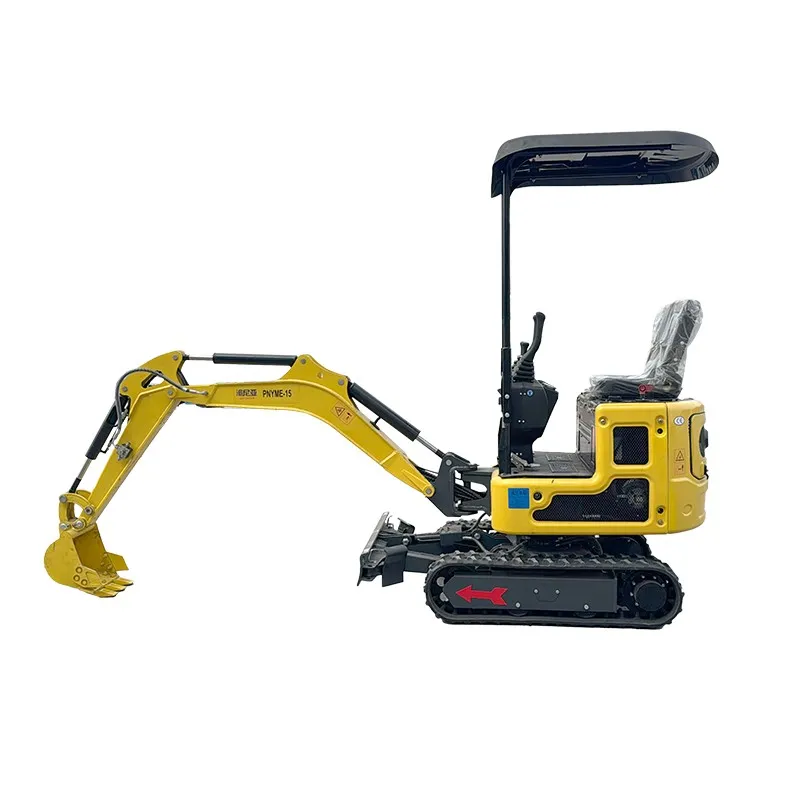
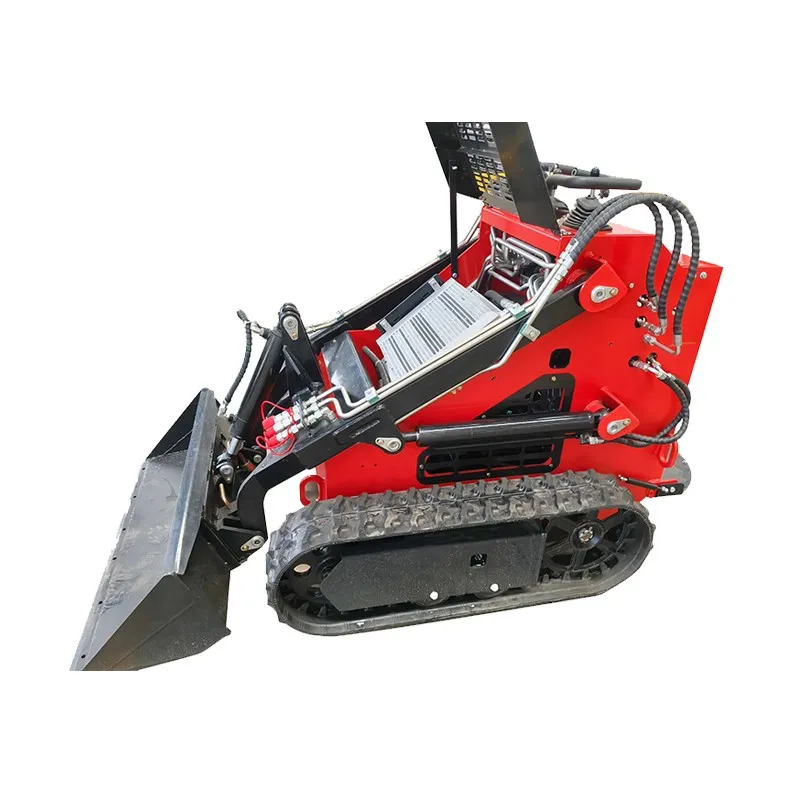
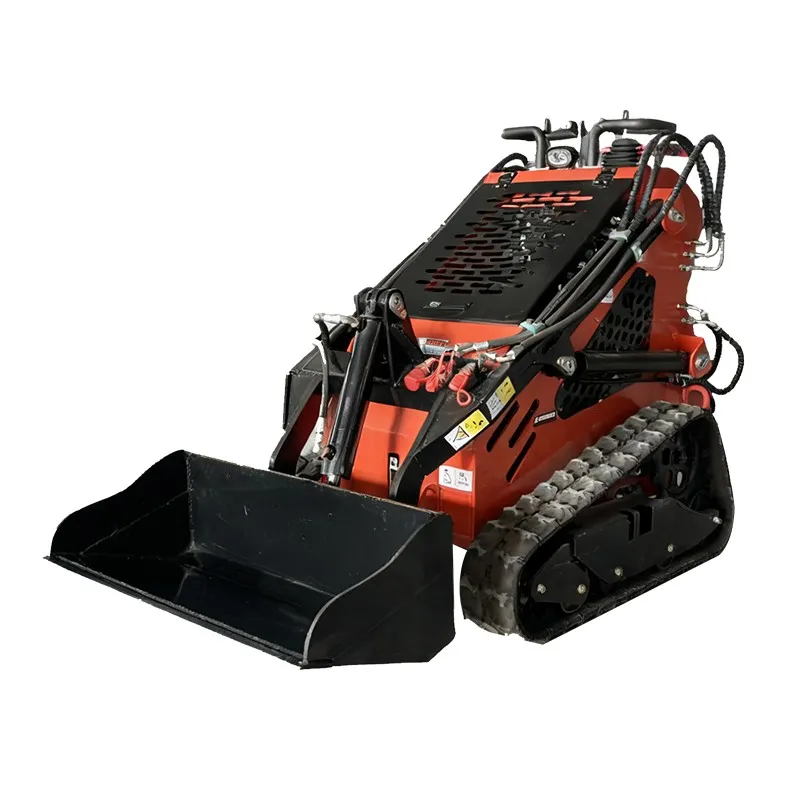
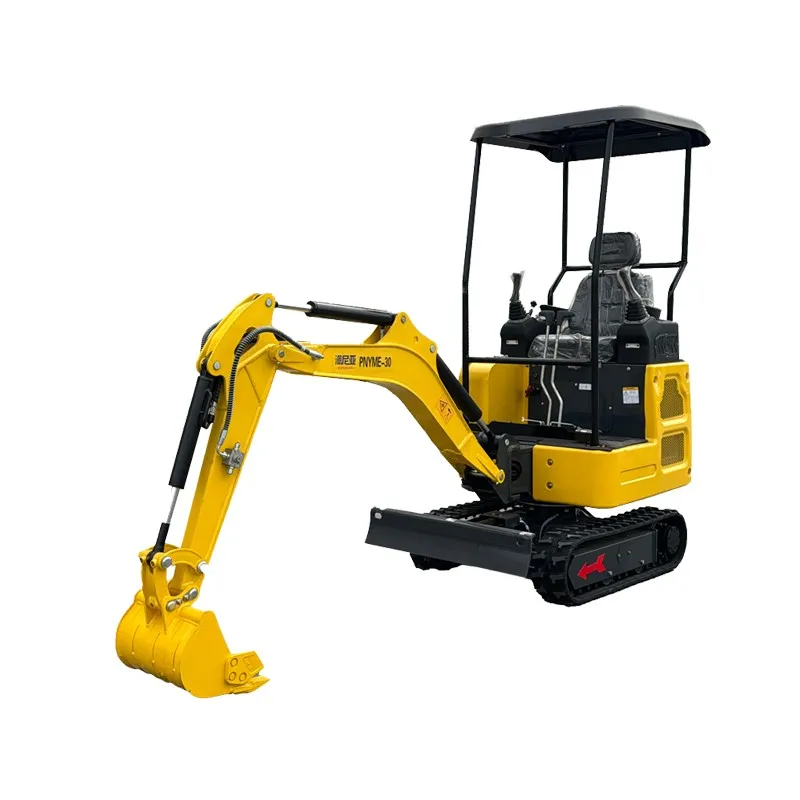
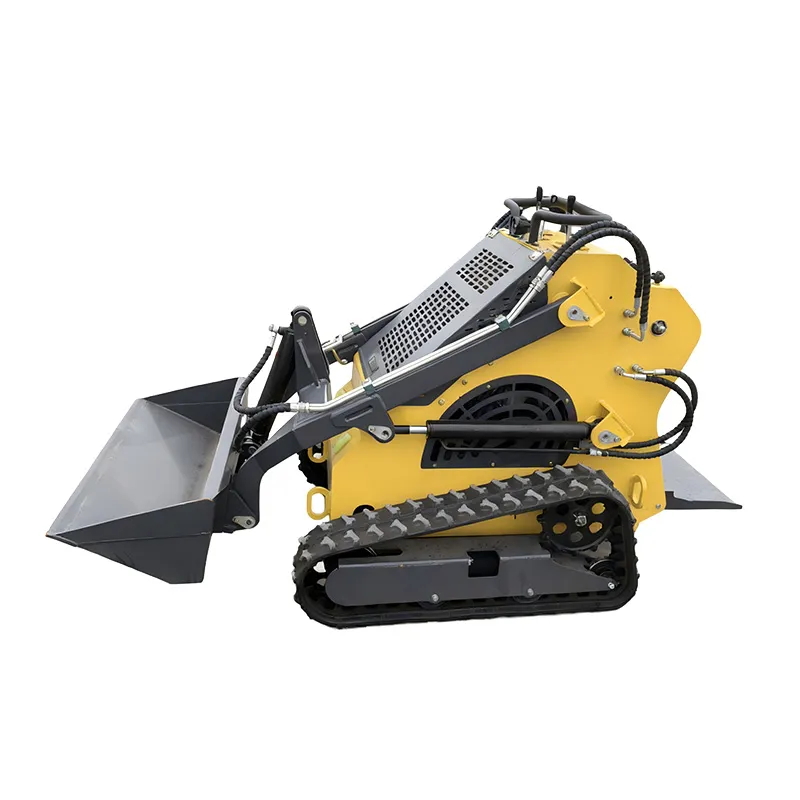
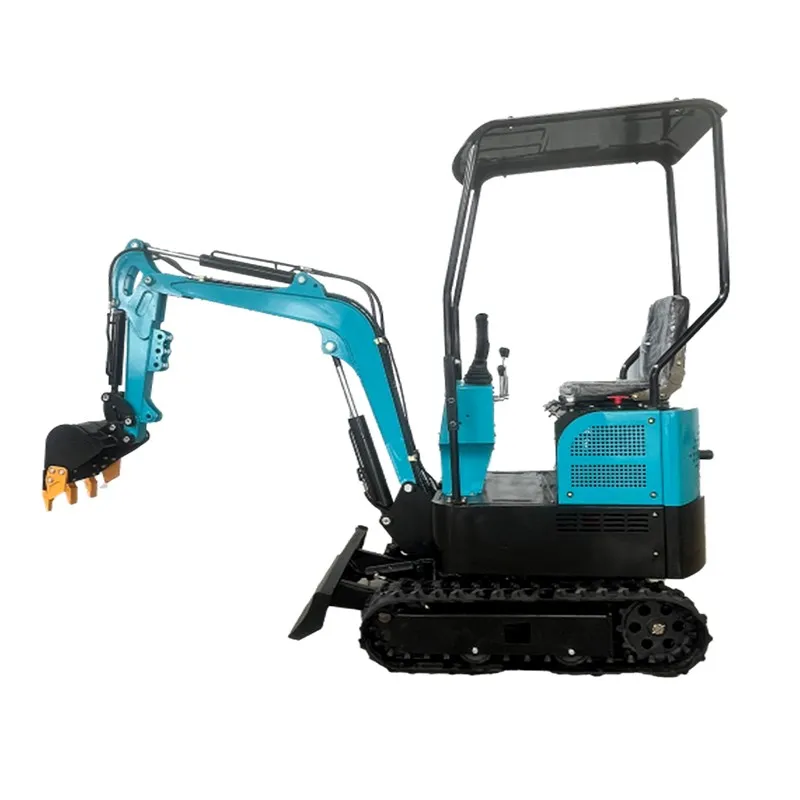
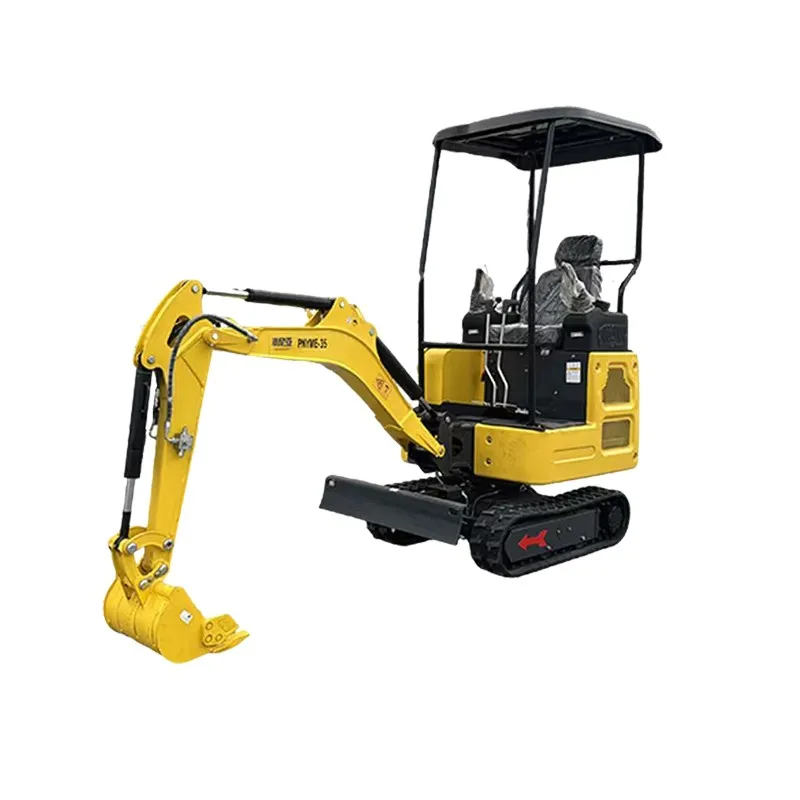
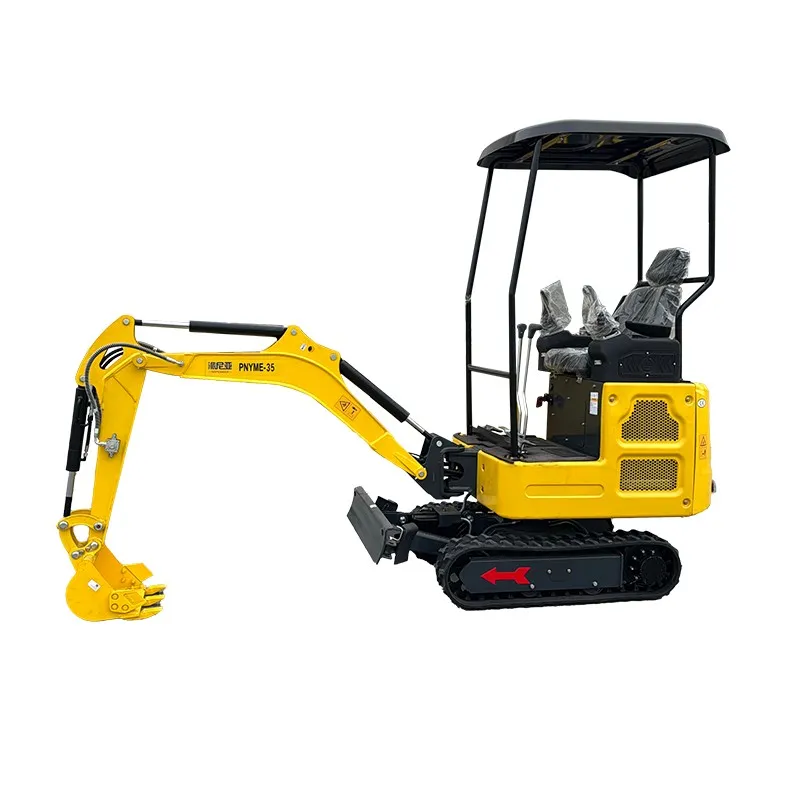
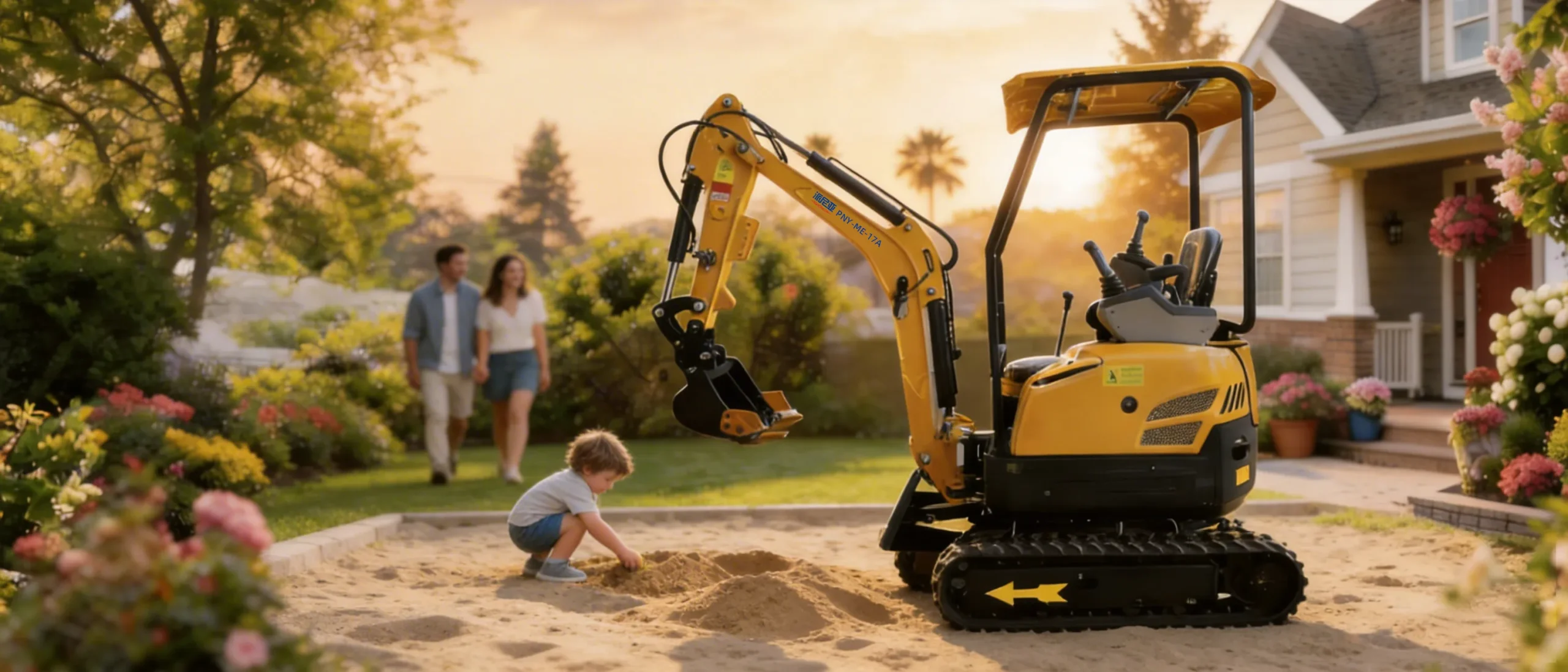
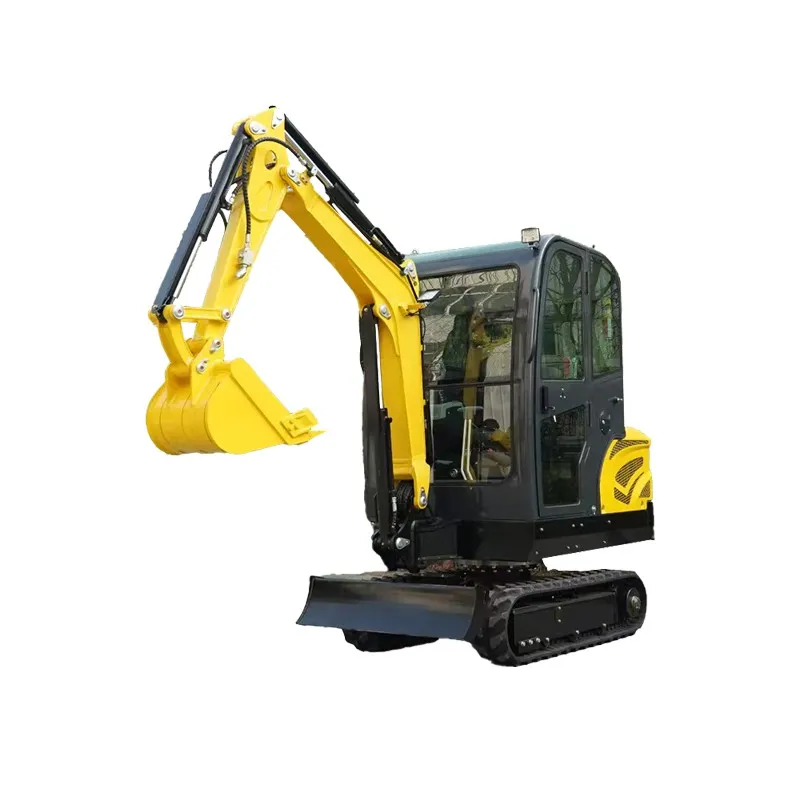
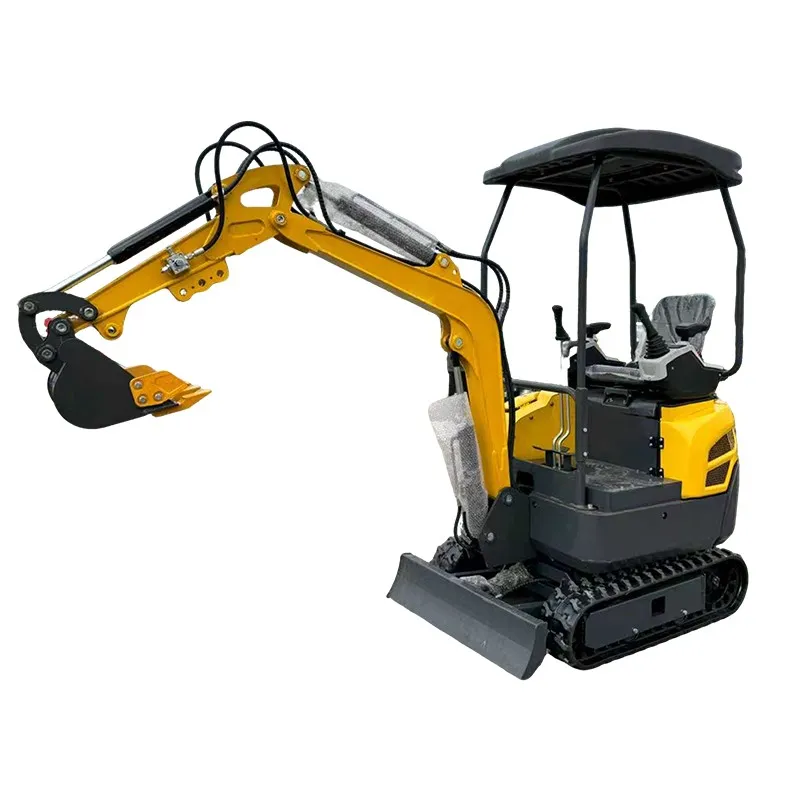
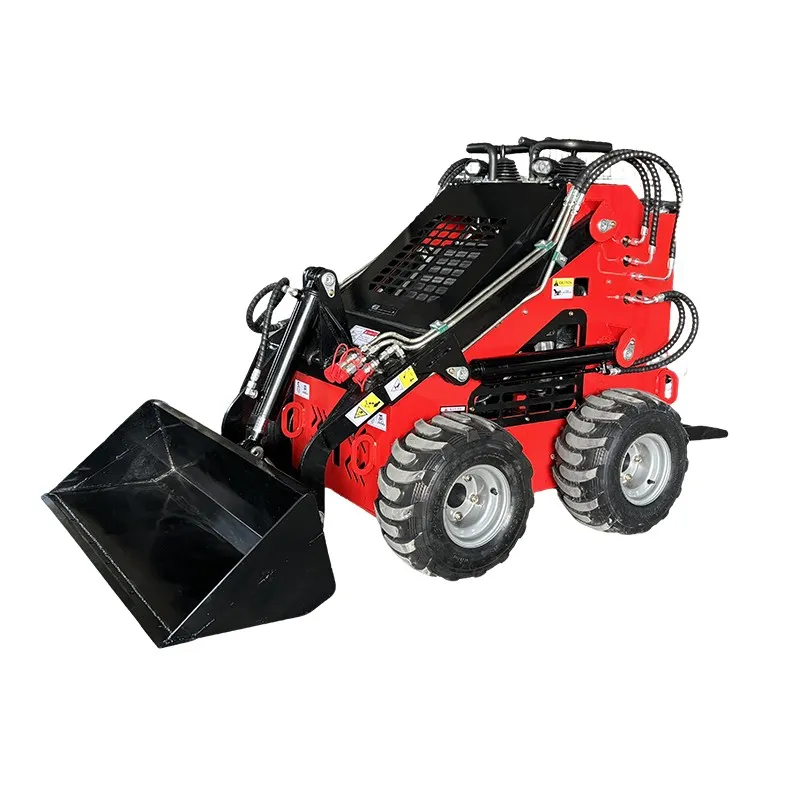
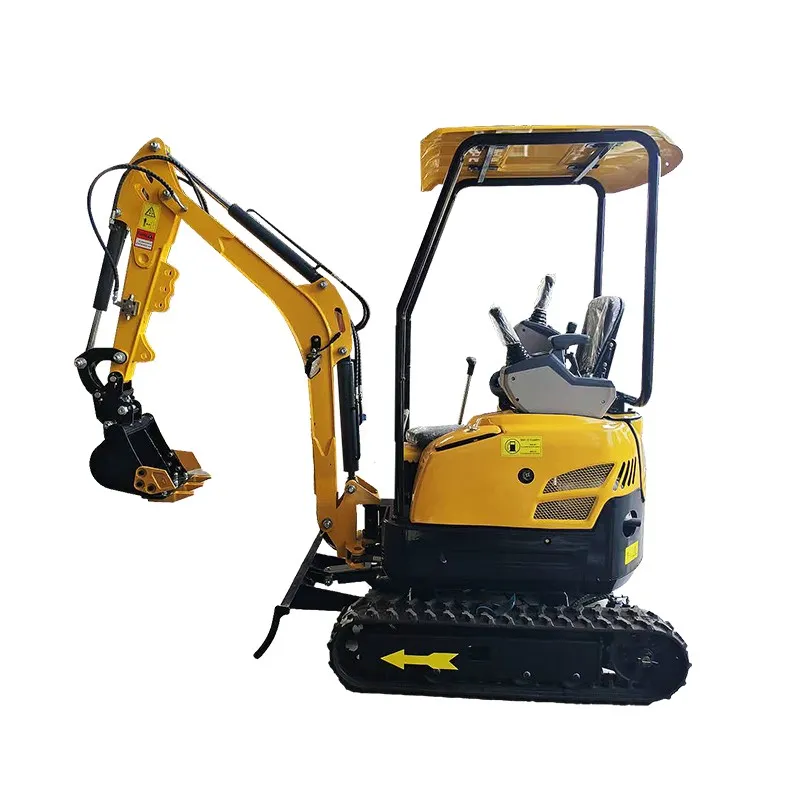
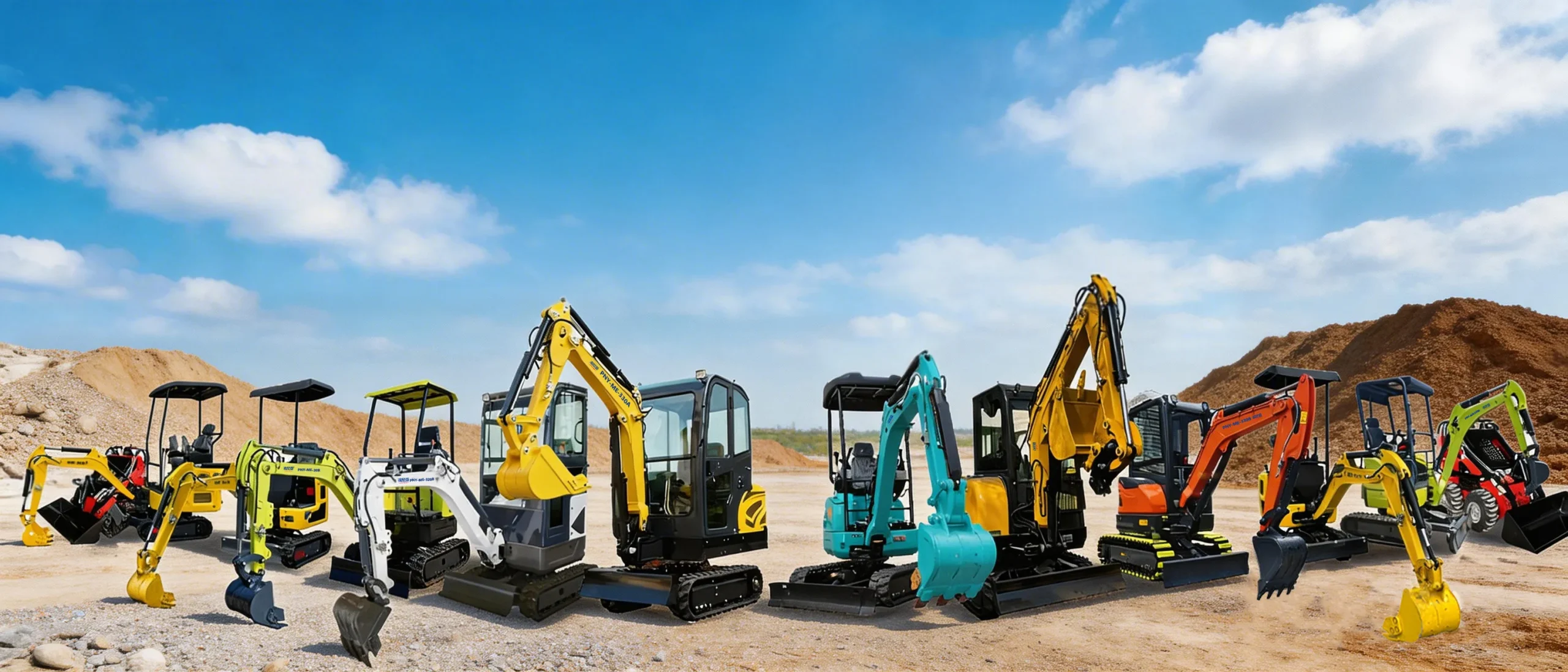
When most people hear 'tiny digger', they picture a cute, miniature excavator, maybe a 1-tonner, perfect for a tight backyard project. That's not wrong, but it's a surface-level view that misses the entire point of this category. The real story isn't just about size; it's about application-specific engineering. Calling everything under 3 tons a 'tiny digger' is like calling every small vehicle a 'car'—it glosses over the critical differences between a compact track loader, a mini excavator, and a compact wheeled loader, all of which fall under this broad umbrella. The industry's obsession with weight classes often leads buyers to overlook the more important metrics: digging force, hydraulic flow, and, crucially, the stability-to-weight ratio. I've seen too many guys get fixated on getting the smallest machine possible, only to find it lacks the oomph to break through compacted soil or tips over on a mild slope because the counterweight was sacrificed for transportability. That's where the real conversation should start.
Defining the Tiny in Real-World Terms
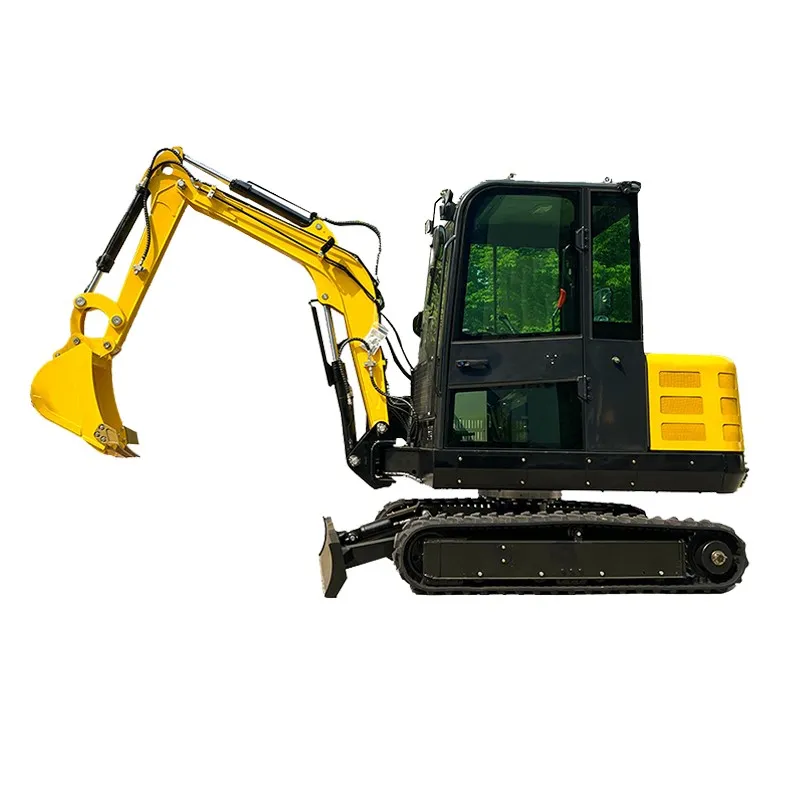
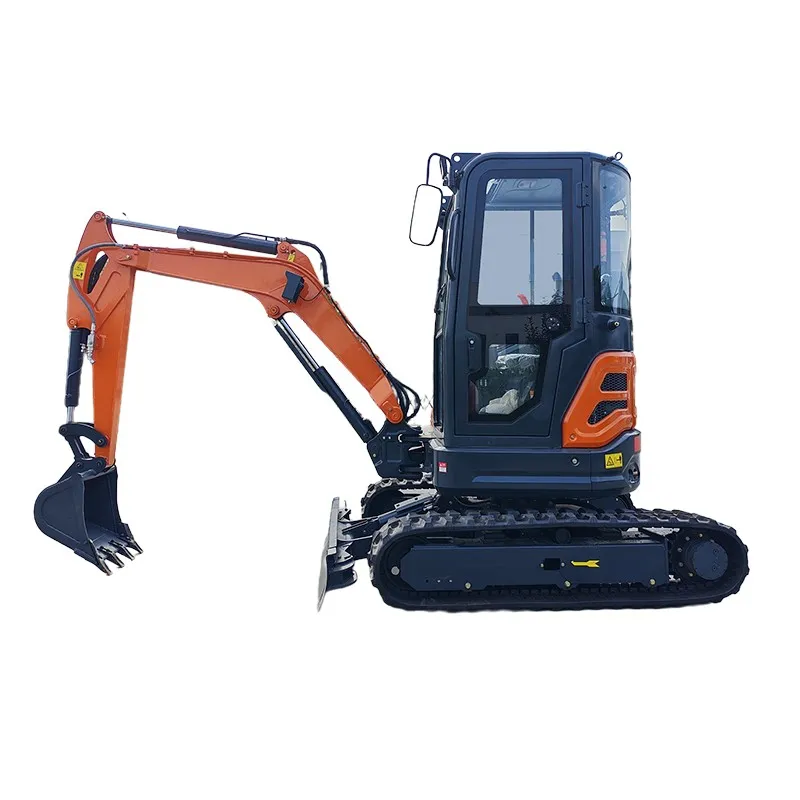
So, what constitutes a 'tiny digger' in a practical sense? For me, it's any machine where the primary constraint isn't its power, but its physical envelope—it needs to fit through a standard garden gate (under 90cm), be towable behind a robust SUV or light truck, and operate in spaces where a human with a shovel would be the only alternative. We're talking zero-tail-swing mini excavators in the 800kg to 2.5-ton range, and compact loaders under 74 horsepower. But here's the catch: this size reduction forces brutal engineering trade-offs. You can't just shrink a 20-ton excavator's design. The hydraulic system needs to be incredibly efficient; a sluggish or weak hydraulics package in a machine this size renders it useless. I recall a project where we used a 1.8-ton machine from a manufacturer that prioritized ultra-low emissions over hydraulic response. The thing was gutless. It would stall out trying to pry up a medium-sized tree root. The lesson? Spec sheets listing engine horsepower are almost irrelevant. You need to look at the hydraulic pump's output—both flow rate (GPM/LPM) and pressure (PSI/Bar). That's the machine's true muscle.
Another often-missed detail is the undercarriage. On mini excavators, you have a choice between rubber tracks and steel. The rubber is fantastic for not tearing up lawns or finished floors, but they wear out surprisingly fast on abrasive surfaces like decomposed granite or construction sites with debris. Steel tracks last longer in rough conditions but are a nightmare for any finished surface. I made the mistake once of recommending a steel-track model for a job that involved crossing a client's new asphalt driveway multiple times. We had to lay down thick plywood mats for every crossing, which killed our efficiency. A rubber-track machine, despite its higher initial cost and faster wear on that specific job, would have been the smarter, faster play. It's these operational nuances that separate a catalog description from field-ready capability.
Attachments further complicate the 'tiny' definition. These machines live or die by their attachment versatility—augers, breakers, tilt buckets, grapples. But the auxiliary hydraulic circuit (if it even has one) on the cheapest models often can't run a high-demand tool like a hydraulic breaker effectively. It might fit, but it'll operate at a sluggish, inefficient pace, generating more noise than impact. You're not buying a machine; you're buying a system. A company that understands this, like Shandong Pioneer Engineering Machinery Co., Ltd, focuses on this integration. Their approach isn't just about building a small chassis; it's about ensuring the power train and hydraulics are matched to a suite of attachments that actually work. Seeing their units spec'd with standard high-flow options tells you they're thinking about the end-use, not just the sale.
The Manufacturing Philosophy Behind a Reliable Unit
Having visited factories and seen the assembly lines, the difference between a disposable tiny digger and a reliable asset often comes down to the philosophy embedded in the manufacturing process. It's not about flashy tech; it's about consistency in welding, quality of hydraulic hoses and fittings, and the sourcing of the core components like pumps and motors. A production area, like the 1,600 square meters Shandong Pioneer operated out of since 2004, forces a certain discipline. When space is at a premium, your workflow and quality control stations need to be highly efficient. You can't hide poor organization in a cramped facility. Their recent relocation in 2023 to a new facility in Ningyang County suggests a scaling up, which usually means investment in better jigs, welding robots, and testing rigs—all aimed at reducing variance between unit 1 and unit 1000.
This matters because the abuse these small machines take is disproportionate. They're constantly being throttled up to max, jerked around on trailers, and worked in dirty, gritty environments. A poorly routed hydraulic line will chafe and fail. A subpar swing motor seal will leak under high torque. I've spent more time than I'd like tracing leaks on machines where the hose routing seemed like an afterthought. The good manufacturers design the chassis with service loops and proper clamps from the start. They use branded, traceable fittings. When you look at a machine's service points—the grease zerks, the drain plugs, the filter locations—you can tell if the engineers ever talked to a mechanic. Are the daily check points easy to reach, or do you have to remove a panel with six different bolts? This is the unglamorous DNA of durability.
Welding is another silent differentiator. The frame and boom on these machines undergo constant stress cycles. Inconsistent penetration or porosity in a critical weld won't show up in a dealership lot. It shows up six months later as a hairline crack at the boom's pivot point. Reputable manufacturers will have documented weld procedures and non-destructive testing (like ultrasonic or magnetic particle inspection) on stress points for a sample of units off the line. It's an insurance policy against field failures. When a company's products have gained traction in demanding markets like Germany, Australia, or North America—as Shandong Pioneer notes with its export to the US, Canada, Germany, and Australia—it's a strong, indirect testament to their manufacturing meeting a higher threshold of scrutiny. Those markets have strict dealers and users who will reject a product that doesn't hold up.
Application Stories: Where Theory Meets Dirt
Let's get concrete. The ideal scenario for a true tiny digger is urban utility work. Think of a crew needing to dig a 4-foot-deep trench across a sidewalk to access a fiber optic line. A full-sized backhoe is overkill and a logistical headache with traffic control. A crew with hand tools is slow and expensive. A 1.5-ton zero-tail-swing excavator with a 24-inch trenching bucket can be off a trailer, do the job, and be gone in two hours. The economic equation is undeniable. But I learned a hard lesson on a similar job: always verify the machine's actual tail swing radius with the bucket attached. Some are marketed as zero tail, but the bucket cylinder protrudes just enough to clip a fence post or a delicate landscaping feature. We put a minor dent in a client's custom iron fence that way. Now, it's a pre-operation checklist item: physically swing the machine 360 degrees in the clear before starting work.
Landscaping is another major domain, but it introduces the challenge of ground pressure. A tracked machine with narrow pads might have a ground pressure higher than a human's footfall, sinking into soft, irrigated lawns. The solution isn't always a bigger machine; it's often wider tracks or specifically designed low-ground-pressure rubber tracks. I've seen a landscape company ruin a newly seeded lawn with a standard-track machine, turning a profit-making job into a loss. They switched to a model with 400mm wide rubber tracks, and the problem vanished. This isn't in the glossy brochure; it's knowledge passed between operators or grudgingly learned from failure.
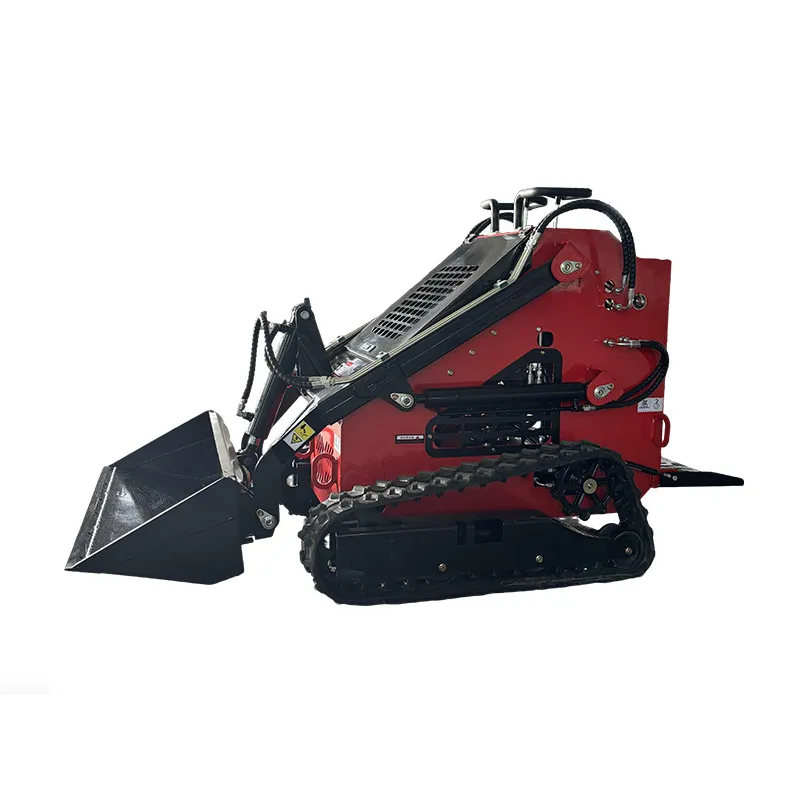
Then there's the interior demolition work. Here, the compact loader variant of the tiny digger shines, especially skid-steers or compact track loaders with enclosed cabs and air filtration. They can maneuver inside a warehouse, scoop up debris, and load it into a container. The critical factor here is the machine's emissions profile. Working indoors with a Tier 2 or lower engine is a health hazard and often violates regulations. You need a machine with a robust diesel particulate filter (DPF) system or, increasingly, an electric option. The maintenance complexity jumps here. A clogged DPF in the field can shut down a job. Operators need to be trained to let the machine run its regeneration cycle, not just turn it off. This is a new layer of operational knowledge that the industry is still grappling with.
The Global Supply Chain and Niche Players
The market for these machines is intensely global. A design might be finalized in one country, use a Japanese engine, German hydraulic valves, and be assembled in China for export worldwide. This isn't a weakness; it's the reality of modern manufacturing. The value of a company like Shandong Pioneer lies in its role as an integrator and exporter—their Shandong Hexin arm handling manufacturing and Pioneer focusing on overseas trade. Success in this model hinges on quality control over the global supply chain and providing meaningful after-sales support. It's one thing to sell a machine to Australia; it's another to have a stock of spare parts there and trained technicians who can support it. The trust and appreciation of customers worldwide they mention is earned not just at the point of sale, but over the next 1,000 operating hours.
This global nature also creates niches. A machine popular in the Nordic countries might have options for extreme cold-weather starting and reinforced cabs for falling branches. A model destined for the Middle East might have enhanced cooling systems and air filters for sand. The generic tiny digger doesn't exist. You're always buying a machine configured for a set of conditions. A savvy buyer looks for a manufacturer that offers these regional packages, which shows an understanding of real-world use. Simply painting a machine a different color for a different market is a red flag.
The rise of online parts portals and digital manuals has been a game-changer for supporting these globally dispersed machines. Being able to pull up an exploded diagram of a swing drive on a tablet in a field in Texas for a machine assembled in Shandong is now expected. Manufacturers who invest in this digital infrastructure are investing in their long-term reputation. It turns a commodity purchase into a supported partnership. When something breaks—and it will—the speed of diagnosis and repair is what keeps a job moving and builds brand loyalty far more than any initial price discount.
Looking Ahead: The Electric Quandary
The future whispering through the industry is electrification. For tiny diggers, it makes profound sense: lower noise for urban work, zero local emissions for indoor use, and instant torque. But the current limitations are stark: battery cost, capacity, and the charging infrastructure on a remote job site. I've tested a few electric mini excavators. The performance is stunningly smooth and quiet—you can actually have a conversation next to it. But the anxiety around battery life is real. On a steady, low-power task like trenching, it might last a full shift. On a high-demand task like using a breaker, you might be looking for an outlet by lunch. This isn't a deal-breaker; it's a re-engineering of job planning. You need a charging strategy just like you need a fuel strategy.
The other hurdle is the industry's conservatism. Contractors buy what they know works. An electric machine represents not just a new piece of equipment, but a new operational paradigm. Adoption will be driven by regulation (emission zones in cities) and total cost of ownership calculations that factor in lower maintenance (no engine oil, filters, fuel systems) and energy costs. Early adopters will be those working in sensitive environments—indoor demolition, historic districts, hospitals—where the benefits outweigh the current drawbacks. Manufacturers who are quietly developing and refining these platforms now, working out the kinks in real-world conditions, will be the leaders in the next cycle. It's a slow, iterative process, not a revolution.
Ultimately, the essence of the tiny digger won't change. It will always be about delivering maximum utility in a minimal footprint. The technologies—diesel, electric, or something else—will evolve to serve that core purpose. The companies that endure will be those who listen to the guys in the mud, the operators who know that a poorly placed grease fitting can cost thirty minutes of productivity every day, and the business owners who need a machine that's an asset, not a liability. It's a tool, but understanding the depth behind that simple tool is what separates a successful project from a frustrating, expensive lesson.
Related Products
Related Products