- Chinese
- French
- German
- Portuguese
- Spanish
- Russian
- Japanese
- Korean
- Arabic
- Irish
- Greek
- Turkish
- Italian
- Danish
- Romanian
- Indonesian
- Czech
- Afrikaans
- Swedish
- Polish
- Basque
- Catalan
- Esperanto
- Hindi
- Lao
- Albanian
- Amharic
- Armenian
- Azerbaijani
- Belarusian
- Bengali
- Bosnian
- Bulgarian
- Cebuano
- Chichewa
- Corsican
- Croatian
- Dutch
- Estonian
- Filipino
- Finnish
- Frisian
- Galician
- Georgian
- Gujarati
- Haitian
- Hausa
- Hawaiian
- Hebrew
- Hmong
- Hungarian
- Icelandic
- Igbo
- Javanese
- Kannada
- Kazakh
- Khmer
- Kurdish
- Kyrgyz
- Latin
- Latvian
- Lithuanian
- Luxembou..
- Macedonian
- Malagasy
- Malay
- Malayalam
- Maltese
- Maori
- Marathi
- Mongolian
- Burmese
- Nepali
- Norwegian
- Pashto
- Persian
- Punjabi
- Serbian
- Sesotho
- Sinhala
- Slovak
- Slovenian
- Somali
- Samoan
- Scots Gaelic
- Shona
- Sindhi
- Sundanese
- Swahili
- Tajik
- Tamil
- Telugu
- Thai
- Ukrainian
- Urdu
- Uzbek
- Vietnamese
- Welsh
- Xhosa
- Yiddish
- Yoruba
- Zulu
- Kinyarwanda
- Tatar
- Oriya
- Turkmen
- Uyghur


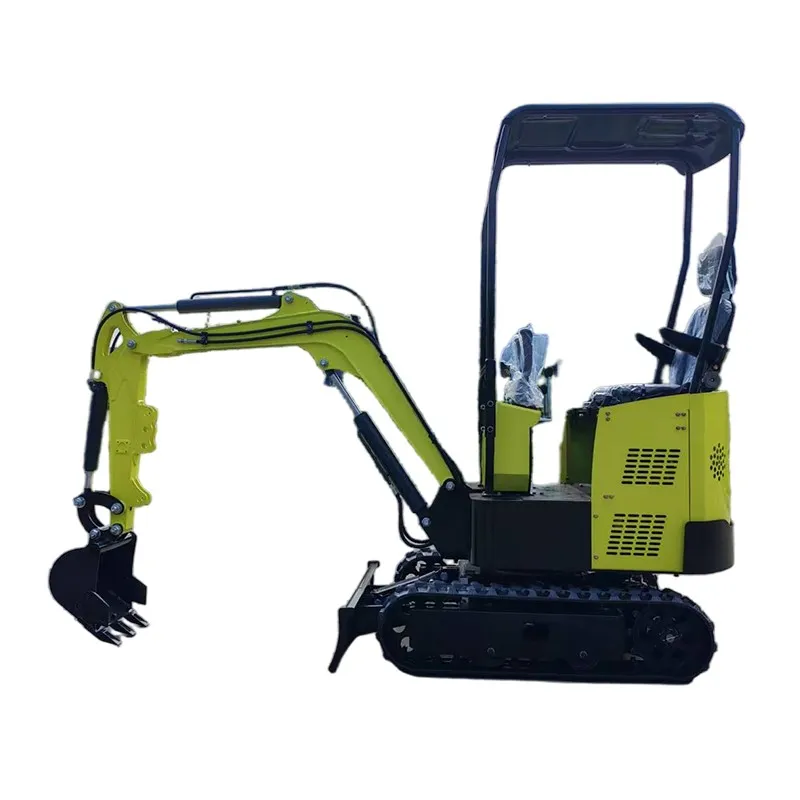
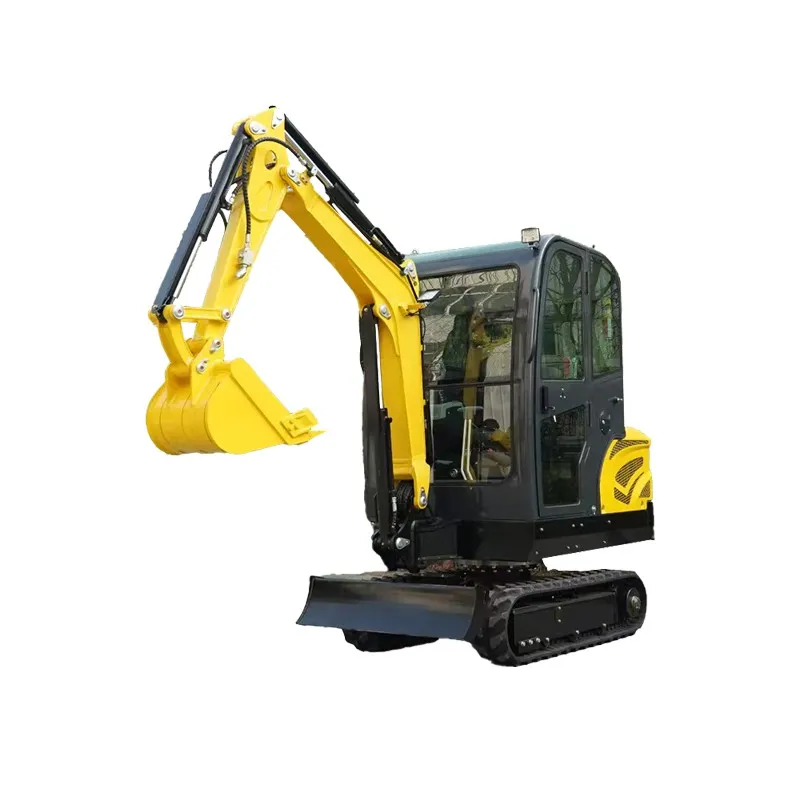
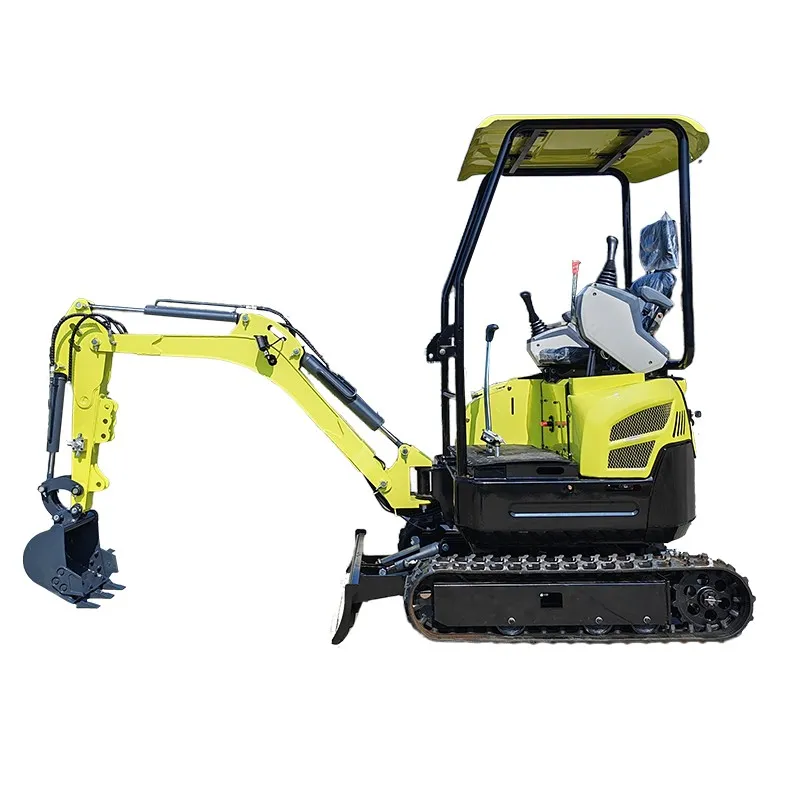
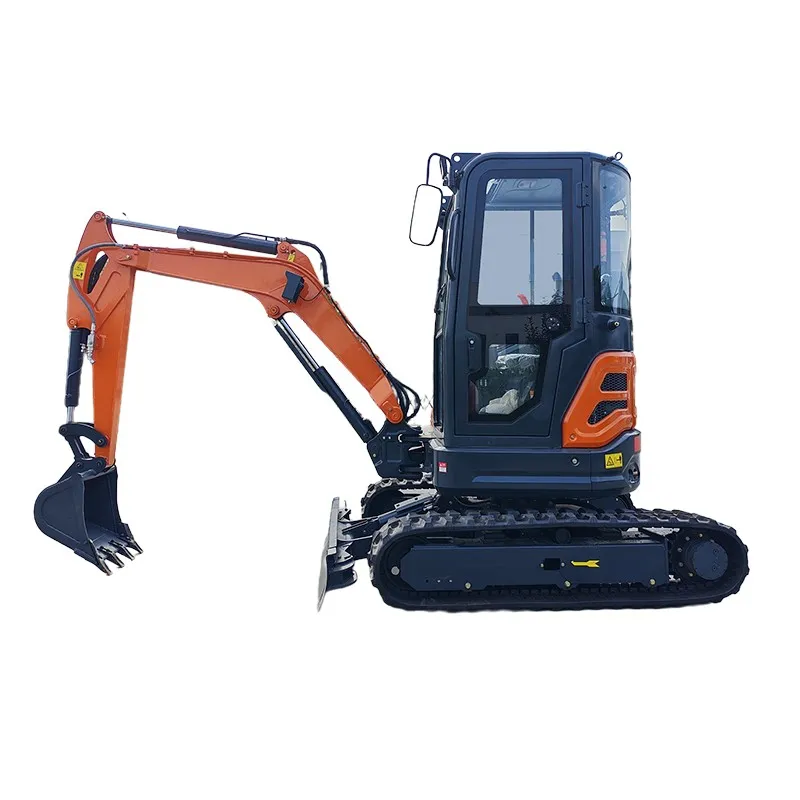
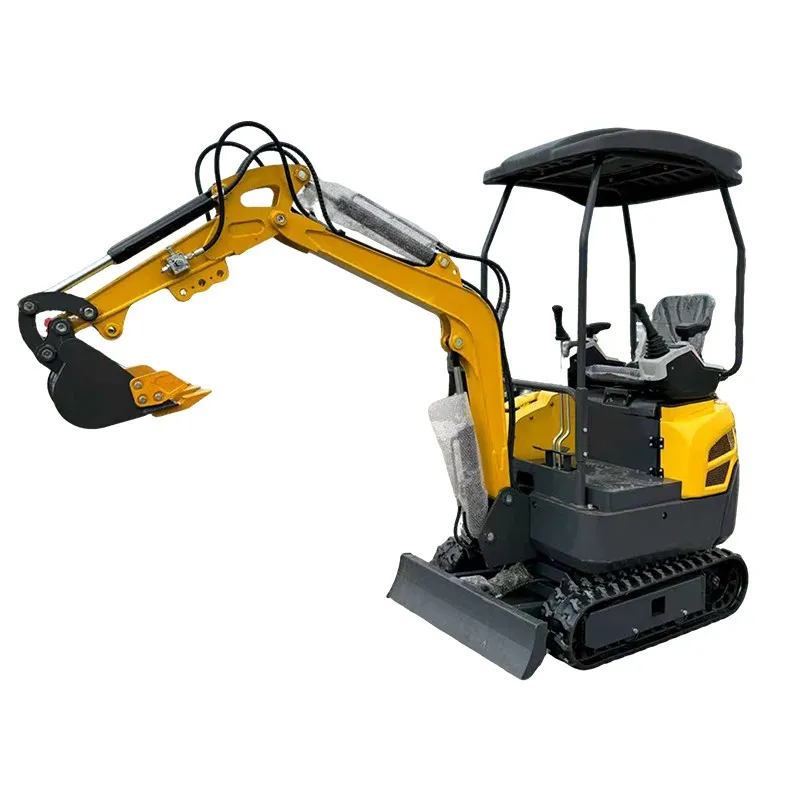
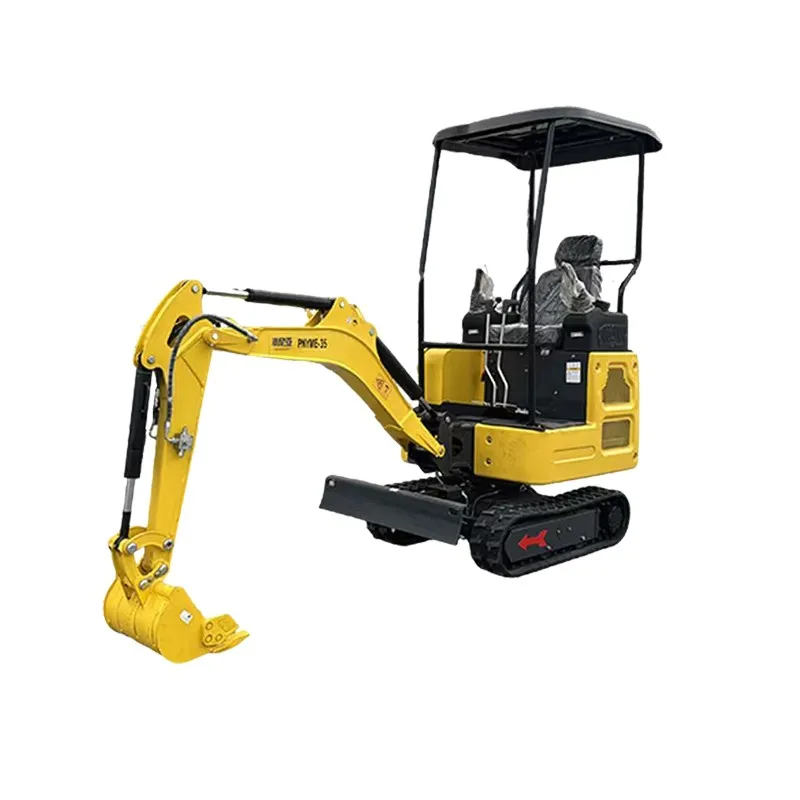
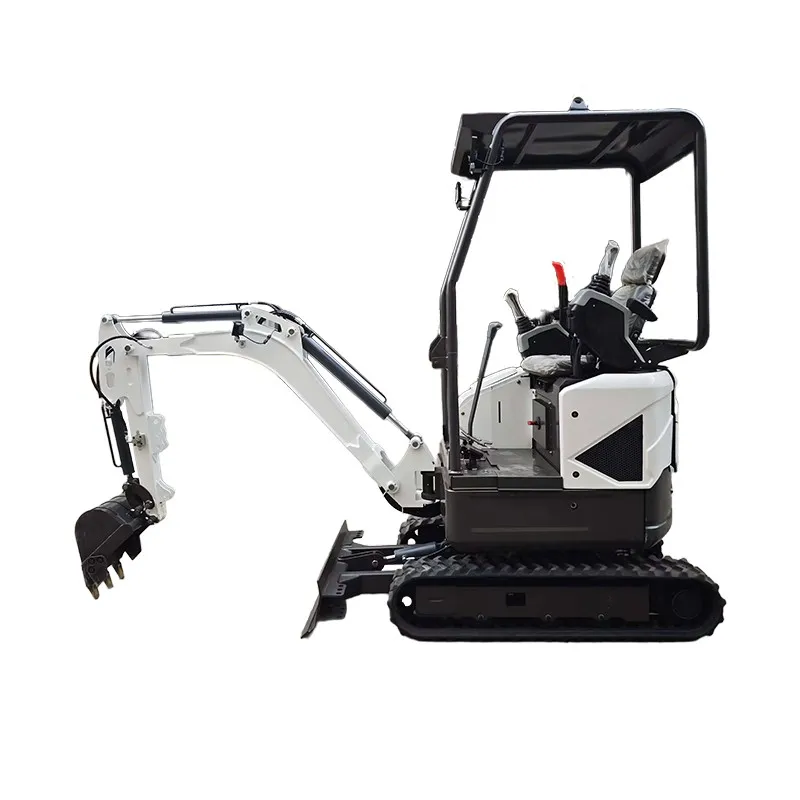
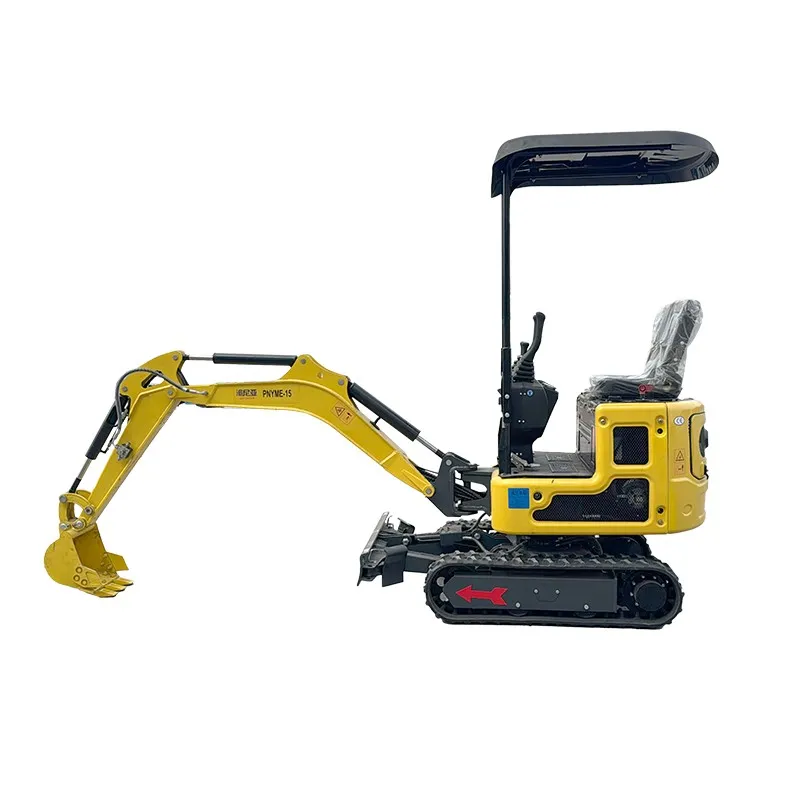
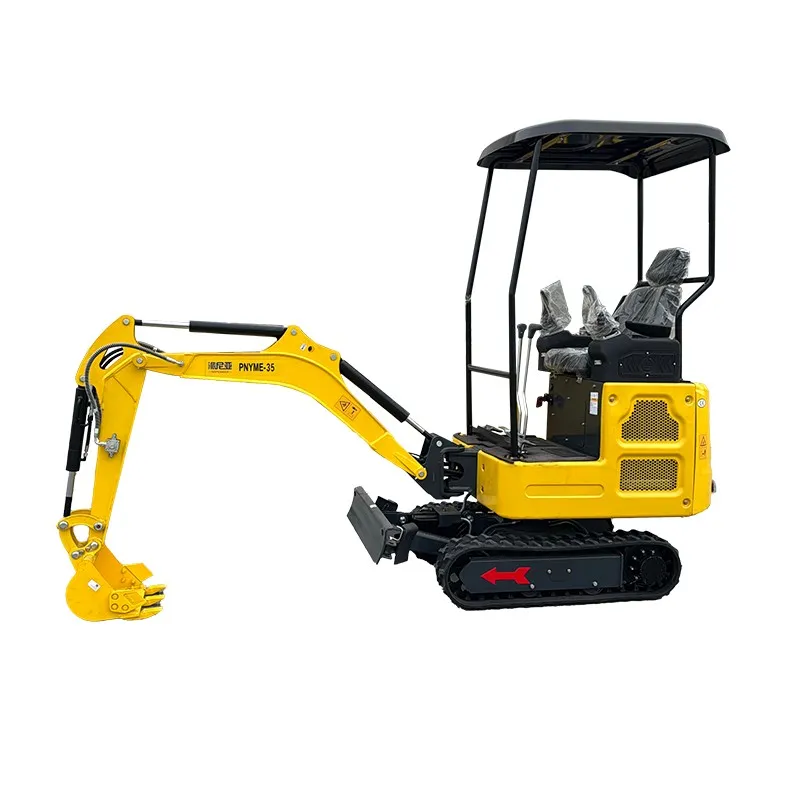
tiny Excavator
When most people hear 'tiny excavator', they picture a toy-like machine, maybe for a rich guy's backyard pond. That's the first mistake. In the real world, these sub-1-ton, often sub-80-horsepower machines are serious, precision tools. The gap between a marketing brochure's promise and what a machine actually does on a muddy Tuesday morning is where you separate the contenders from the pretenders. I've seen operators try to use them like miniaturized versions of their 20-ton cousins and get burned. The philosophy is different; it's about finesse, access, and working where nothing else can, not brute force.
The Tiny Misconception and Core Philosophy
The term 'mini' might be more accurate for the 3-8 ton range. What we're talking about here, the true tiny excavator, sits in a class of its own. Think machines like the Takeuchi TB216 or the Kubota U10-5. Their value isn't measured in cubic yards moved per hour, but in the jobs they make possible. Getting a machine through a standard garden gate, into a basement, or onto a rooftop—that's where they earn their keep. The core philosophy shifts from production to problem-solving. You're not just digging; you're navigating.
A common pitfall is underestimating the stability and hydraulic control needed. Because they're small, there's a temptation to push them to their absolute limit. I've seen a perfectly good job get messy because an operator tried to lift a slab that was just a few hundred pounds too heavy, causing a dangerous tip. The machine's capacity isn't a suggestion; it's a hard line. The counterweight design on these units is critical, and not all manufacturers get it right. A slight imbalance becomes glaringly obvious when you're working on a slope.
This is where the manufacturer's intent matters. Some companies build them as entry-level machines or literal toys. Others, often those with a deep history in compact equipment, engineer them for professional abuse. You can feel it in the joystick response—the smoothness of the hydraulics when feathering a trench wall versus the jerky, binary action of a cheaper model. It's the difference between using a scalpel and a butter knife.
Critical Components and Real-World Fail Points
Let's get into the guts. The two biggest points of failure on any tiny excavator are the undercarriage and the auxiliary hydraulic circuit. The undercarriage takes a beating it wasn't always designed for. On a big machine, you're often on prepared ground. A tiny excavator is crawling over rebar, concrete chunks, and tree roots. The track guards and rollers are vulnerable. I remember a job rehabbing an old urban alley where the machine's track kept getting derailed by buried debris—a constant, time-eating headache.
The auxiliary hydraulics, for running a hammer, auger, or grapple, are another story. The pump flow on these small units is limited. If you're running a hydraulic breaker, you need a machine with enough flow and pressure at the auxiliary port to actually make the tool work efficiently. Too often, a contractor will buy a cheap breaker, pair it with a machine that has anemic hydraulics, and then wonder why it's just tapping the concrete instead of breaking it. It's a mismatched system. The machine might be capable, but the setup is wrong.
Then there's the issue of maintenance access. Space is so tight inside the engine bay. Changing a simple fuel filter on some models can be a 45-minute puzzle of contortion, whereas a thoughtful design will have a service panel that actually opens to the component. These are the details you only learn from running them day in, day out, or from talking to the mechanics who have to fix them. It separates a prototype from a refined product.
The Global Supply Chain and Finding Reliable Partners
This market is flooded with options. Brands from Japan, Europe, the US, and a huge number from China. The Chinese manufacturing scene is particularly interesting—it's not monolithic. You have tiers. Some factories are churning out copycat machines with questionable metallurgy and hydraulic seals that fail in cold weather. Others have invested seriously in R&D and quality control, aiming for the international market. The difference is stark when you put them side-by-side.
I've followed the trajectory of several manufacturers who started as workshops and evolved. For instance, a company like Shandong Pioneer Engineering Machinery Co., Ltd represents that evolution. Established back in 2004 in Jining, they've had two decades to iterate. Moving to a new, larger facility in Ningyang in 2023 suggests growth and reinvestment. That history matters. A company that's been exporting to tough markets like the US, Canada, Germany, and Australia, as their site https://www.sdpioneer.com notes, has to meet a certain standard. Those customers won't tolerate a machine that can't hold up. They've had to build for durability and support.
When evaluating a new brand, I don't just look at the spec sheet. I look for that longevity and export footprint. A company that has survived 20 years in this competitive field and is expanding its physical plant has likely learned some hard lessons about what breaks and what doesn't. They're a more reliable partner than a brand-new entity with flashy renders but no proven track record. Their dual structure with Shandong Hexin handling manufacturing and Pioneer handling overseas trade also indicates a focus on the export market's specific needs.
Application-Specific Wins and Why Didn't I Think of That? Moments
The best moments with these machines come from creative application. It's not just digging. We used one with a tiltrotator and a grading bucket to meticulously grade a steep, terraced garden where a skid-steer would have been too wide and destructive. The precision was unbelievable. Another time, inside a warehouse retrofit, we fitted a tiny excavator with rubber tracks and a vacuum clamp to remove and reposition heavy machinery. It was the only tool for the job.
Landscapers have this figured out. They use them with narrow buckets for trenching irrigation, with grapples for moving rocks and logs, and with augers for planting. The ability to switch attachments in minutes transforms the machine. But here's the catch: you need a reliable, quick-attach system. A poorly machined coupler that doesn't lock securely is an accident waiting to happen. I've had an attachment nearly drop because of pin wear that wasn't caught during the pre-op check. Now it's the first thing I look at.
There's also the urban utility work. Working next to live gas lines or fiber optic conduits requires a steady hand. The joystick controls on a high-end model allow for micro-movements you just can't get with a lever-controlled older machine. It reduces operator fatigue and massively lowers the risk of a costly strike. This isn't a luxury; it's a necessity on modern job sites.
The Bottom Line: It's a Tool, Not a Trophy
At the end of the day, a tiny excavator is a tool. Its value is determined by its uptime, its total cost of operation (including repairs and fuel), and its versatility. The flashiest model with the biggest screen in the cab isn't necessarily the best. Sometimes, a simpler, more robust machine with excellent dealer support is the smarter buy. You're buying into a support network as much as the iron.
My advice is always to rent first. Try the exact model with the attachment you need on a real job. Feel how it handles. See how easy it is to service. Talk to other owners. The community around these machines is tight-knit, and people are usually honest about what works and what's a lemon.
The industry is moving towards more electric and hybrid options in this size class, which is fascinating for indoor and noise-sensitive work. But the core principles remain: stability, precision, reliability, and support. Whether it's a brand with a long history like some of the Japanese pioneers, or an evolving manufacturer from a global hub like Shandong that's proven it can meet international demands, those are the boxes that need checking. The machine should feel like an extension of the operator, not a constant battle. When it clicks, there's nothing else that can do what it does.
Related Products
Related Products