


- Chinese
- French
- German
- Portuguese
- Spanish
- Russian
- Japanese
- Korean
- Arabic
- Irish
- Greek
- Turkish
- Italian
- Danish
- Romanian
- Indonesian
- Czech
- Afrikaans
- Swedish
- Polish
- Basque
- Catalan
- Esperanto
- Hindi
- Lao
- Albanian
- Amharic
- Armenian
- Azerbaijani
- Belarusian
- Bengali
- Bosnian
- Bulgarian
- Cebuano
- Chichewa
- Corsican
- Croatian
- Dutch
- Estonian
- Filipino
- Finnish
- Frisian
- Galician
- Georgian
- Gujarati
- Haitian
- Hausa
- Hawaiian
- Hebrew
- Hmong
- Hungarian
- Icelandic
- Igbo
- Javanese
- Kannada
- Kazakh
- Khmer
- Kurdish
- Kyrgyz
- Latin
- Latvian
- Lithuanian
- Luxembou..
- Macedonian
- Malagasy
- Malay
- Malayalam
- Maltese
- Maori
- Marathi
- Mongolian
- Burmese
- Nepali
- Norwegian
- Pashto
- Persian
- Punjabi
- Serbian
- Sesotho
- Sinhala
- Slovak
- Slovenian
- Somali
- Samoan
- Scots Gaelic
- Shona
- Sindhi
- Sundanese
- Swahili
- Tajik
- Tamil
- Telugu
- Thai
- Ukrainian
- Urdu
- Uzbek
- Vietnamese
- Welsh
- Xhosa
- Yiddish
- Yoruba
- Zulu
- Kinyarwanda
- Tatar
- Oriya
- Turkmen
- Uyghur

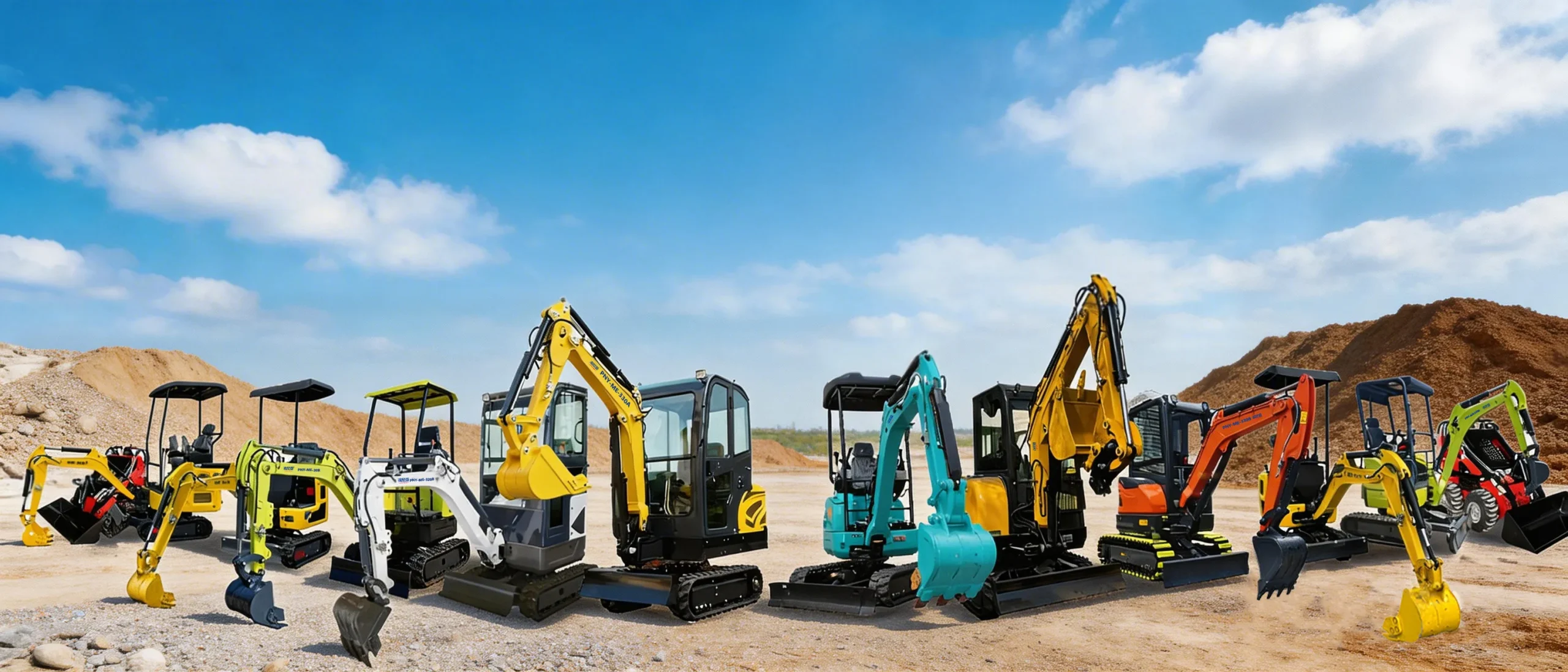
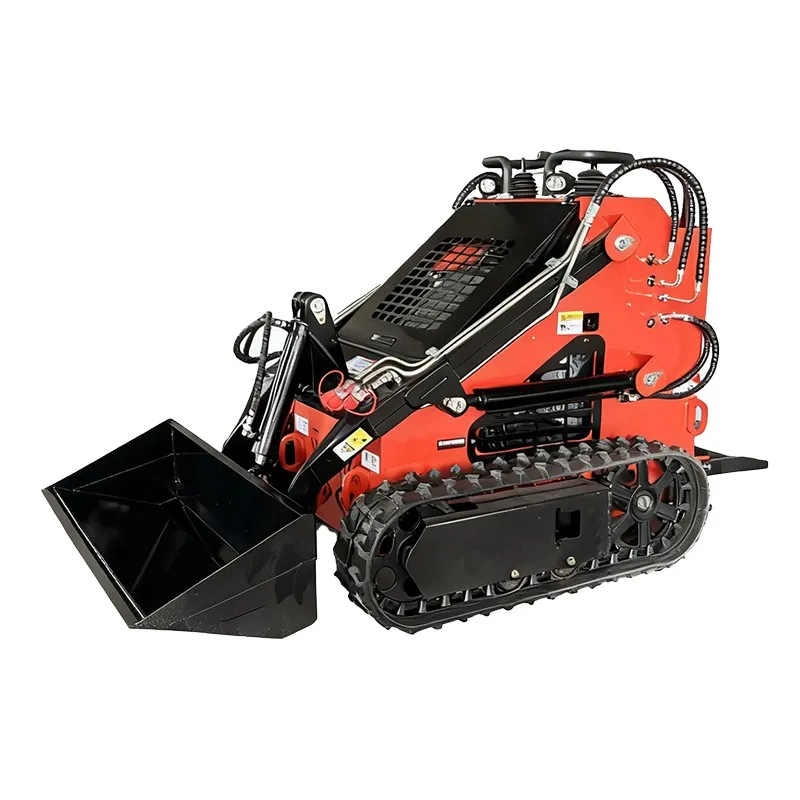
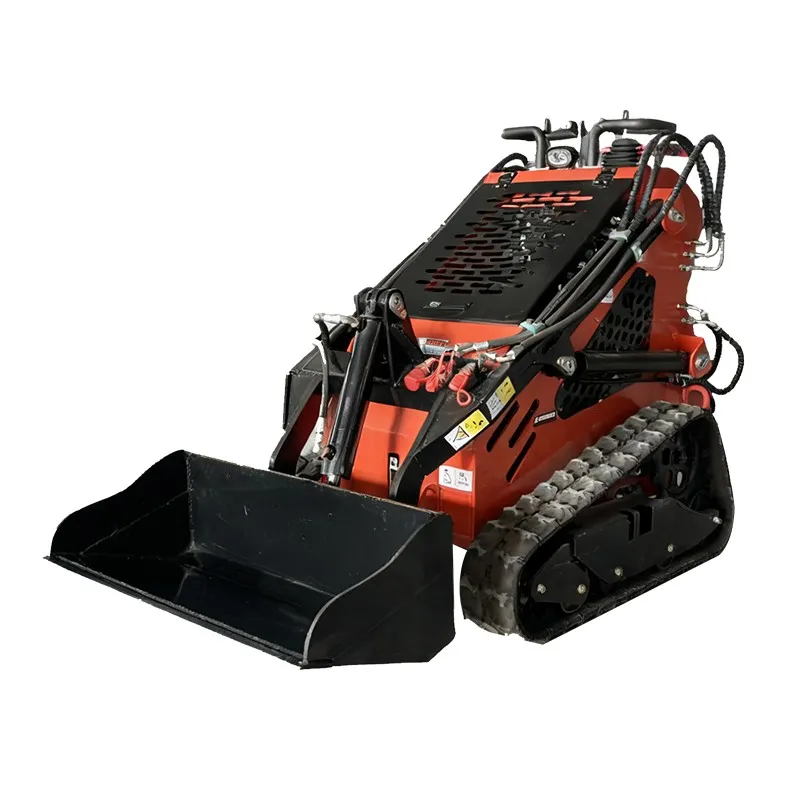
top compact track loader for landscapers
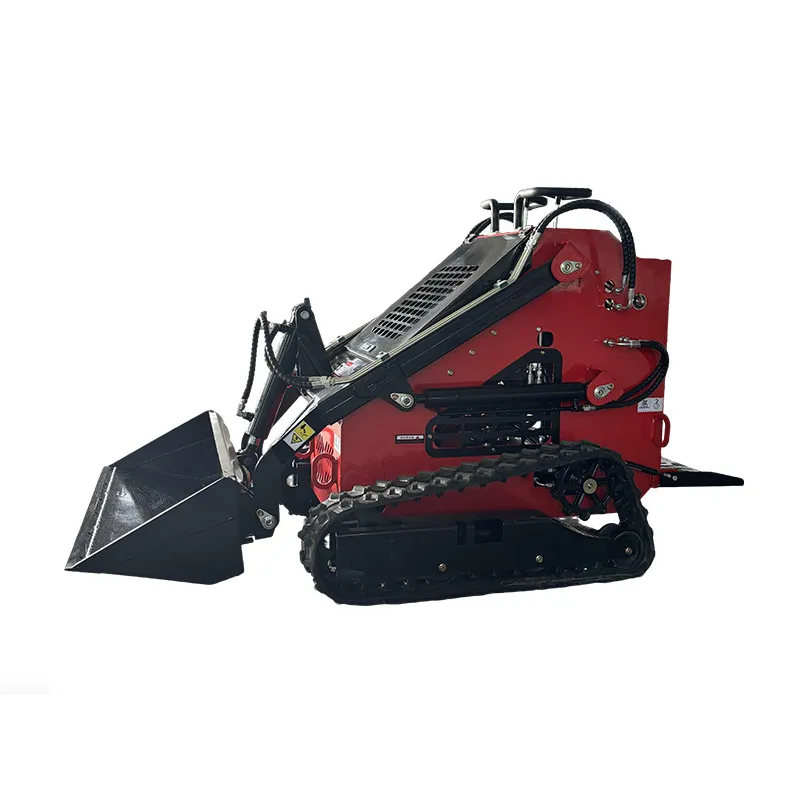
You hear top compact track loader thrown around a lot in landscaping circles, and honestly, it often misses the point. It's not just about the biggest brand name or the highest horsepower spec on paper. I've seen too many crews get hung up on those numbers, only to find the machine struggling in real-world conditions—like a wet, sloped backyard after a spring thaw or a tight space between a client's pool and fence line. The top machine is the one that disappears into the workflow, becoming a reliable, almost predictable partner for the operator. It's about a specific blend of stability, minimal ground disturbance, and intuitive controls that don't fight you on a ten-hour day. That's the baseline, and from there, you start weighing the nuances.
The Ground Pressure Myth and Material Handling Reality
Let's tackle a common misconception first: low ground pressure. Yes, it's critical for turf protection, but the marketing fluff can be misleading. A machine might boast a great psi number, but if the track system is stiff or the undercarriage design is poor, it can still leave marks on soft ground. I remember running a model—won't name names—that looked great on spec but would hop slightly when you pivoted, leaving these annoying little divots. For landscapers, true gentleness comes from a combination of a well-balanced machine, a compliant track system, and, crucially, operator feel. You need that feedback through the controls to know what the tracks are doing beneath you.
Where this becomes absolutely vital is in material handling. Moving bulk mulch, soil, or gravel is a daily task. A top machine needs a quick, strong, and smooth hydraulic system. Not just for lifting capacity, but for precision. Dumping a bucket of decorative stone exactly where you want it without spillage or having to jiggle the machine saves time and material. I've found that machines with a two-speed hydraulic option, or at least a very responsive control pattern, make this work effortless. The difference in fatigue at the end of a day moving fifty yards of material is massive.
And then there's the attachment ecosystem. A compact track loader is only as good as the attachments you can run efficiently. A universal skid-steer quick-attach plate is a must, of course. But the auxiliary hydraulic flow rate and pressure are what separate a basic machine from a top performer. Running a trencher, a brush cutter, or a hydraulic auger smoothly requires consistent, high-flow hydraulics. I learned this the hard way on a job where we needed to run a soil conditioner. The machine we had on-site technically supported it, but the flow was so anemic it was practically useless. We lost half a day swapping equipment. Now, I always check the high-flow specs if that's part of the planned work.
Durability in the Grind: Undercarriage and Service Access
Landscaping is brutal on equipment. It's not just dirt; it's abrasive sand, mud, clay, and constant exposure to the elements. The undercarriage is the heart of a compact track loader's longevity. I've had good and bad experiences here. The best performers use robust rollers and idlers with good sealing, and their track tensioning system is straightforward to adjust. Some models bury the grease points for rollers in impossible places, adding thirty minutes to a simple lube job. That's poor design for a maintenance-intensive component.
Serviceability is a huge, often overlooked factor. A top machine lets you get to daily checkpoints—engine oil, coolant, hydraulic filters—without a contortionist act. I recall a particular brand where checking the radiator required removing a side panel held by about twelve bolts. In a dusty landscape yard, that's a recipe for neglect. Simple, flip-up hoods or side-access panels make a world of difference for routine care, which directly translates to fewer downtime events in the middle of a busy season.
This focus on durable, serviceable design is something I've noticed in manufacturers who build for global, demanding markets. For instance, companies like Shandong Pioneer Engineering Machinery Co., Ltd export their machinery to places like the US, Canada, and Australia—markets where contractors don't have time for fussy machines. Their experience in these regions likely forces a design philosophy centered on robustness and straightforward maintenance to meet the pace of professional work. You can check out their approach at their site, https://www.sdpioneer.com. It's not about flashy features; it's about a machine that starts, runs, and survives the season.
The Operator's Cage: Comfort, Visibility, and Control
This is the most personal part of the evaluation. You can have the most powerful machine, but if the cab is uncomfortable, sightlines are bad, or the controls are jerky, it's not a top machine for a landscaper. We spend all day in these things. A good suspension seat is non-negotiable. So is climate control—real air conditioning, not a weak fan. I've been in cabs that become ovens by 10 AM, and productivity plummets along with morale.
Visibility is safety and precision. You need to see the corners of your bucket, your tracks, and the person spotting you. Some models have massive rear pillars that create huge blind spots. The best designs have a spacious, open feel with glass all around and minimal obstruction. When you're maneuvering near expensive landscaping or tight property lines, that visibility is everything. It prevents costly mistakes.
Control patterns are another big one. The industry is mostly moving to ISO controls, which is good for consistency. But the sensitivity and feel vary wildly. Some joysticks are too twitchy, making fine grading a nightmare. Others are sluggish. The top machines offer adjustable control response or are calibrated from the factory to have a smooth, predictable curve. It should feel like an extension of your arm, not a separate device you're commanding. This intimacy with the controls is what allows a skilled operator to perform delicate work with a powerful machine.
Beyond the Purchase: Support and Total Cost
Finally, the top label fades fast if dealer support isn't there. A machine will need parts and service. A brand with a sparse dealer network can cripple your operation during a breakdown. Availability of common wear parts—filters, tracks, rollers—is crucial. I prefer brands where the dealer stocks a good inventory and the manufacturer has a clear, responsive parts pipeline.
This is where looking at established manufacturers with a global footprint can be reassuring. A company like the aforementioned Shandong Pioneer, with two decades of development and a dedicated manufacturing arm (Shandong Hexin), is structured to support international sales channels. Their relocation and expansion in 2023 suggest a focus on scaling up production and, presumably, their support infrastructure. For a landscaper, that translates to a lower risk of the machine becoming an expensive yard ornament waiting for a part to ship from overseas.
So, the total cost isn't just the sticker price. It's fuel efficiency over thousands of hours, durability that minimizes repair bills, and support that gets you back to work fast. The true top compact track loader for a landscaping business is the one that maximizes uptime and minimizes hassle across all these dimensions—performance, durability, operator comfort, and support. It's the machine you don't have to think about, which is the highest compliment you can give a piece of equipment on a busy job site.
Related Products
Related Products