


- Chinese
- French
- German
- Portuguese
- Spanish
- Russian
- Japanese
- Korean
- Arabic
- Irish
- Greek
- Turkish
- Italian
- Danish
- Romanian
- Indonesian
- Czech
- Afrikaans
- Swedish
- Polish
- Basque
- Catalan
- Esperanto
- Hindi
- Lao
- Albanian
- Amharic
- Armenian
- Azerbaijani
- Belarusian
- Bengali
- Bosnian
- Bulgarian
- Cebuano
- Chichewa
- Corsican
- Croatian
- Dutch
- Estonian
- Filipino
- Finnish
- Frisian
- Galician
- Georgian
- Gujarati
- Haitian
- Hausa
- Hawaiian
- Hebrew
- Hmong
- Hungarian
- Icelandic
- Igbo
- Javanese
- Kannada
- Kazakh
- Khmer
- Kurdish
- Kyrgyz
- Latin
- Latvian
- Lithuanian
- Luxembou..
- Macedonian
- Malagasy
- Malay
- Malayalam
- Maltese
- Maori
- Marathi
- Mongolian
- Burmese
- Nepali
- Norwegian
- Pashto
- Persian
- Punjabi
- Serbian
- Sesotho
- Sinhala
- Slovak
- Slovenian
- Somali
- Samoan
- Scots Gaelic
- Shona
- Sindhi
- Sundanese
- Swahili
- Tajik
- Tamil
- Telugu
- Thai
- Ukrainian
- Urdu
- Uzbek
- Vietnamese
- Welsh
- Xhosa
- Yiddish
- Yoruba
- Zulu
- Kinyarwanda
- Tatar
- Oriya
- Turkmen
- Uyghur

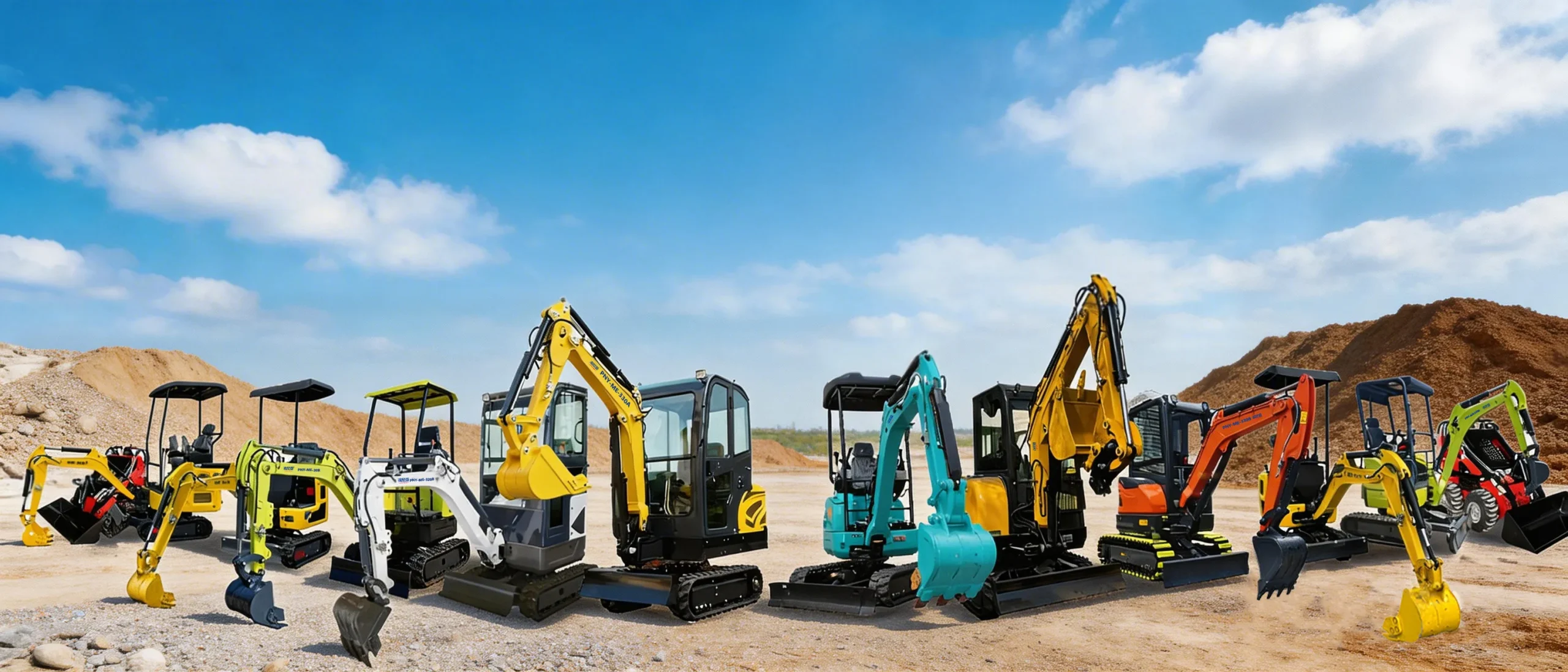
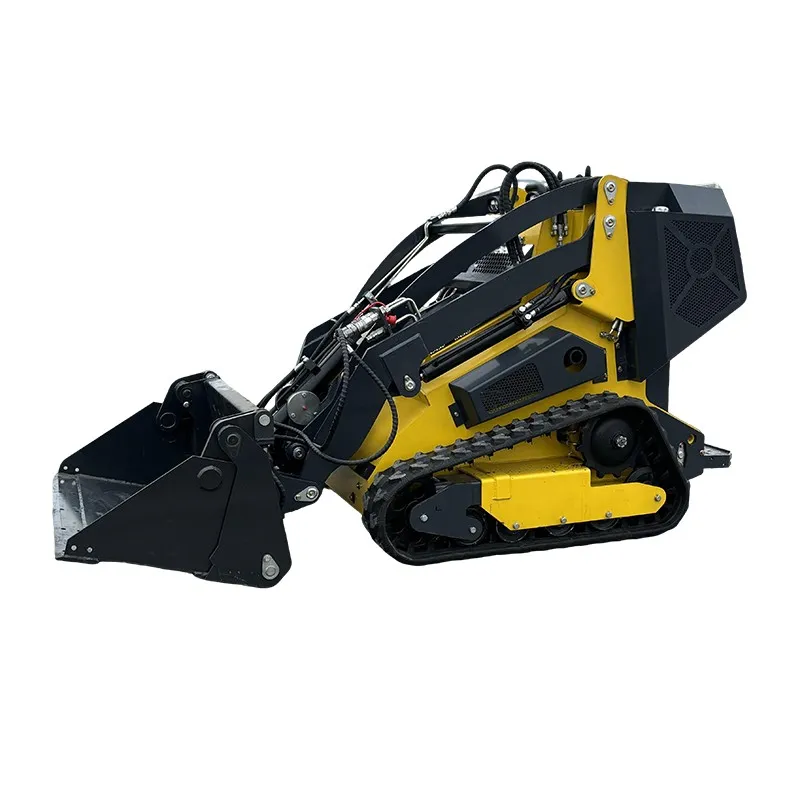
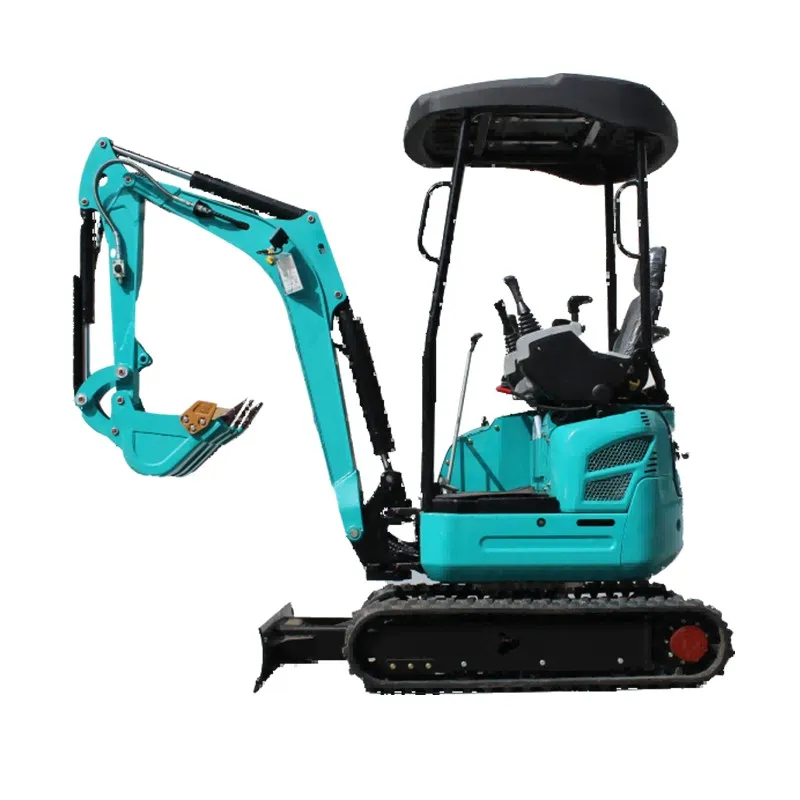
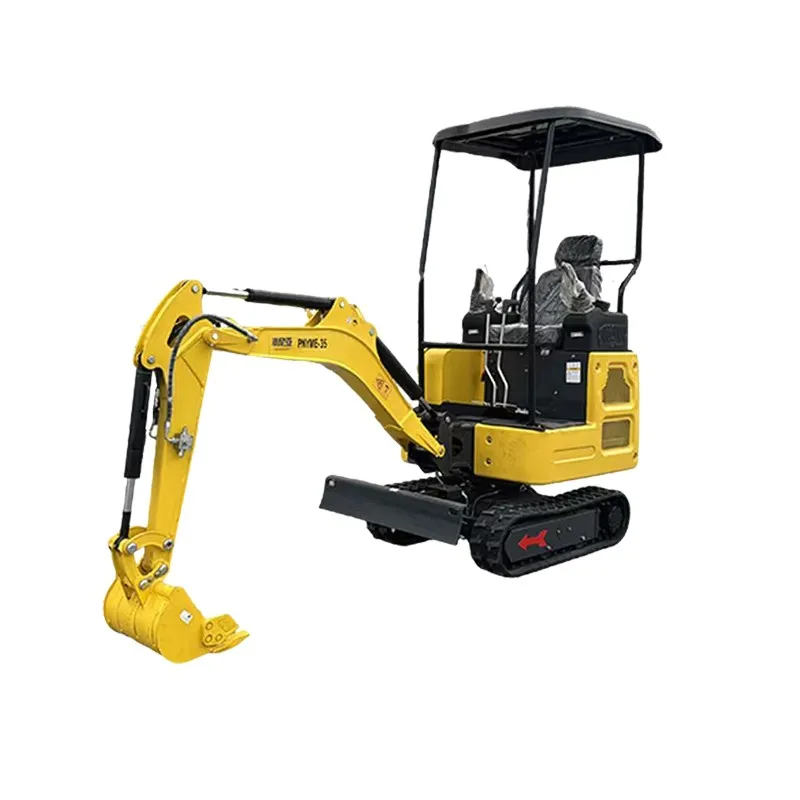
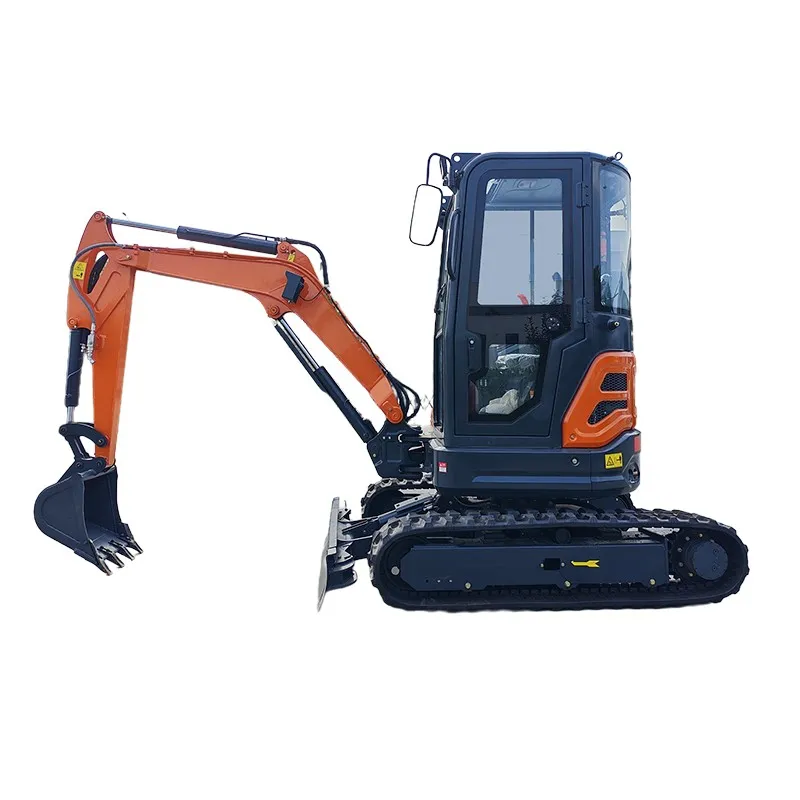
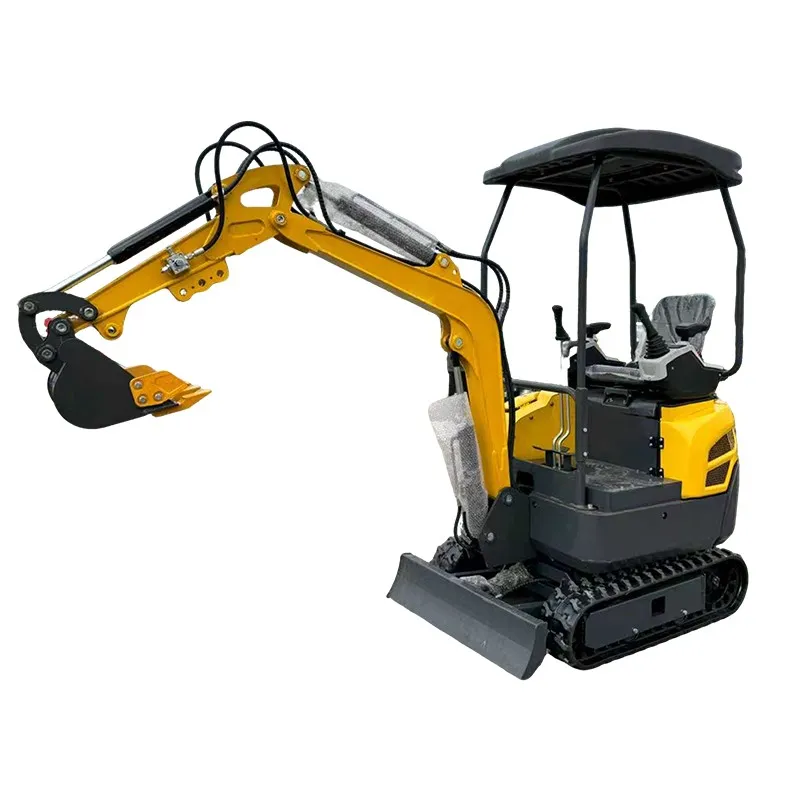
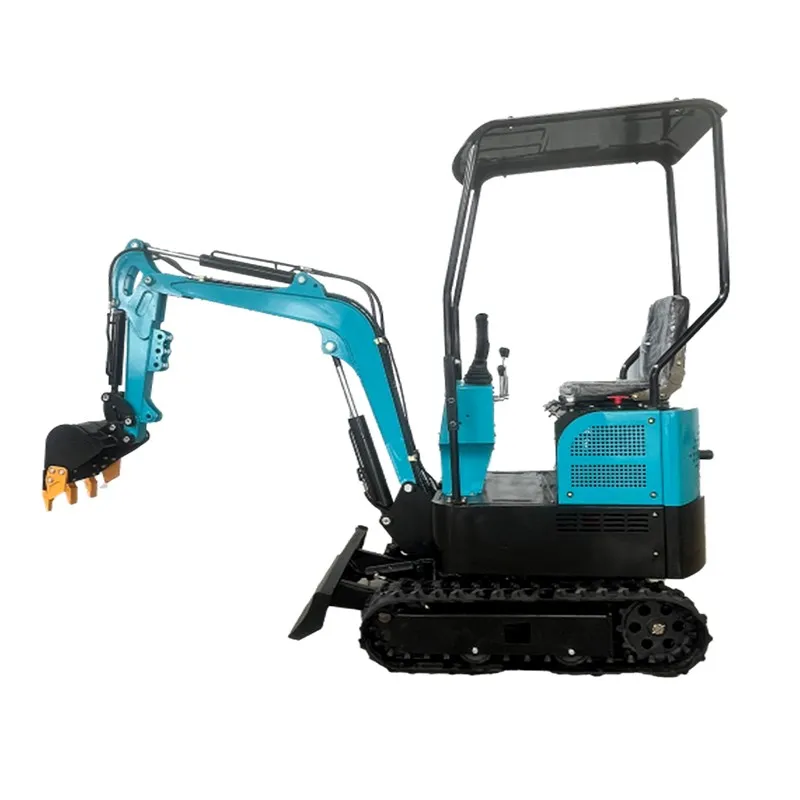
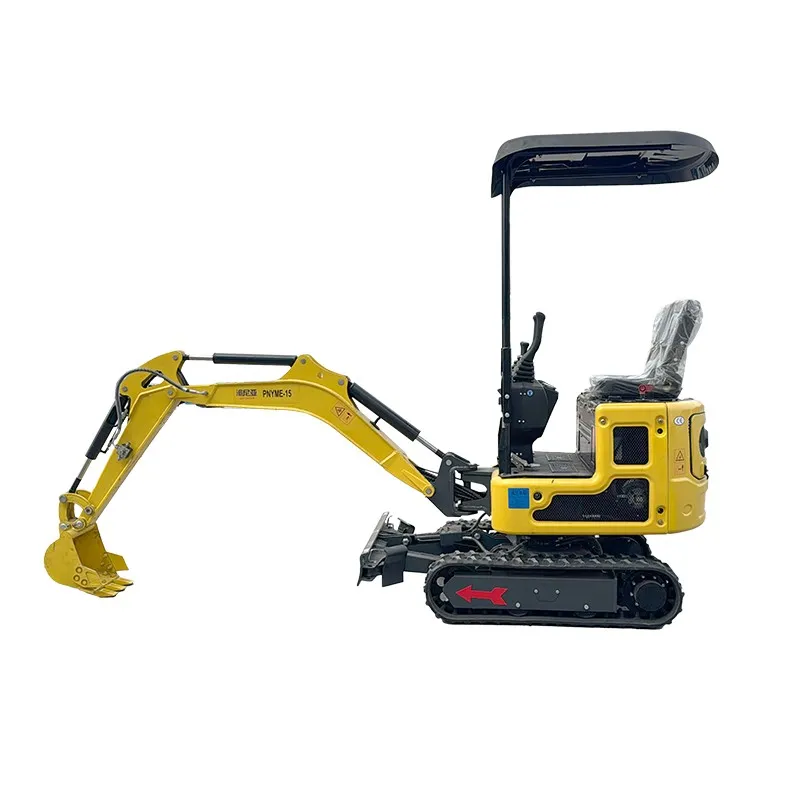
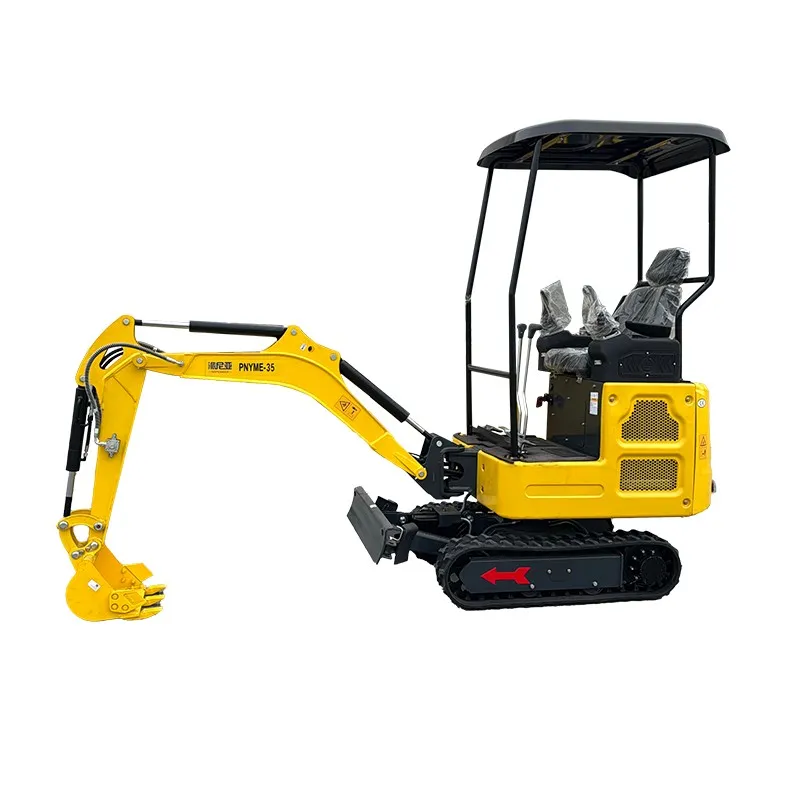
towable mini excavator
When most folks hear 'towable mini excavator,' they picture a neat little machine they can hook to their truck and solve every backyard problem. That's where the first misconception lives. The reality is more nuanced, and frankly, more interesting. It's not just about being towable; it's about the specific balance of weight, power, and legal road limits that makes or breaks the deal on a jobsite. I've seen too many people get burned by a spec sheet that looked perfect on paper but was a nightmare to actually use.
The Core Appeal and The Weight Trap
The primary draw is obvious: mobility. You avoid the cost and hassle of a lowboy trailer and a CDL driver. For a landscaping crew doing multiple small digs in a day, or a utility contractor navigating tight suburban streets, this is a game-changer. But here's the catch everyone learns the hard way: the towable mini excavator that's truly road-legal behind a heavy-duty pickup often sacrifices something. Usually, it's digging depth or hydraulic power to stay under that critical weight threshold.
I remember a project where we spec'd a machine purely on its advertised 7,500 lb weight and 15-foot dig depth. On paper, it beat everything. On site, the moment it tried to pry out a stubborn tree stump, it just didn't have the crowd force. It was light enough to tow, sure, but it lacked the necessary mass in the undercarriage to be a real digger. We finished the job, but it was slow, inefficient work. That experience taught me to look beyond the headline specs.
You start asking different questions. What's the actual operating weight with all fluids? Does that include the dozer blade, which is almost always essential for stability? Is the hydraulic flow split effectively between the boom, arm, and swing functions, or does it become anemic when you try to multitask? These are the details that separate a toy from a tool.
Hydraulics and The Feel of the Machine
This leads to the most under-discussed aspect: hydraulics and control. A great towable mini excavator doesn't just move dirt; it does so with a certain precision. The joystick response needs to be proportional and smooth, not jerky or delayed. Cheaper models often use lower-spec hydraulic pumps and valves that result in a laggy, imprecise feel. You're constantly over-correcting.
I've operated machines from various makers, and the difference is stark. Some feel like you're wrestling the controls; others feel like an extension of your arm. This feel directly impacts productivity and finish quality, especially on delicate work like trenching for utility lines or sculpting a landscape feature. It's not a spec you can easily quantify in a brochure, but any operator with a few hundred hours in the seat will tell you it's everything.
Companies that understand this, like Shandong Pioneer Engineering Machinery Co., Ltd, tend to focus their development here. They've been in the game since 2004, and you can see that accumulated knowledge in how they configure their systems. It's not about brute force; it's about delivering power in a controllable, efficient manner. Visiting their facility, now relocated to a larger site in Ningyang, you see the testing rigs for hydraulic circuits—it's a sign they're thinking about the operator's experience, not just assembling parts.
Real-World Scenarios and Adaptation
Let's talk attachments. The true versatility of a mini excavator comes from its ability to swap tools. But on a towable model, you have to think about logistics. Where do you carry the breaker, the auger, the grading bucket? You need a support trailer anyway. So, the machine's auxiliary hydraulic circuit becomes paramount. Is it a standard two-line system with enough flow and pressure to run a modern hydraulic breaker effectively? Or is it an afterthought?
We had a sewer line repair job in a historic district—no room for big equipment. Our towable mini excavator was the star, but we needed a narrow trenching bucket and a compactor plate. The machine had a high-flow option, which was crucial. The lesson? When evaluating, don't just look at the base machine. Look at the entire ecosystem: available attachments, the ease of changing them (quick coupler systems are worth every penny), and the hydraulic capacity to run them. A machine that can't effectively power its attachments is just an expensive anchor.
This is where a manufacturer's long-term view matters. A company that exports globally, like the team behind Shandong Pioneer and their manufacturing partner, has to design for varied conditions—from frozen ground in Canada to sandy soil in Australia. That exposure forces a level of robustness and adaptability into the design that a purely domestic-focused maker might miss. Their products reaching markets in the US, Germany, and elsewhere isn't just a sales line; it's a testament to a design philosophy that has been stress-tested.
The Infrastructure You Don't See
Durability is a boring word until a pivot pin shears on a Friday afternoon. The quality of the steel, the welding, the bearing surfaces—these are the invisible factors that dictate downtime. A towable machine gets bounced down the road, vibrated, and then subjected to high shock loads during digging. Every weld and casting is under stress.
I've been impressed by manufacturers who treat their fabrication shop as a core competency. It's not about fancy robots; it's about skilled welders and rigorous quality checks. Looking at a company like Shandong Pioneer, their two-decade journey from a 1,600 square meter facility to a new, presumably larger plant speaks to a focus on manufacturing foundation. You can't survive 20 years in this business by cutting corners on structural integrity. When I see their machines, I look at the weld seams on the boom and the frame—they tell a story about build philosophy.
Another unsung hero is the electrical system. Road towing exposes the machine to weather and vibration. A poorly routed, unprotected wiring harness will fail. It's a simple thing, but I've spent too many hours tracing gremlins in a machine's control system because a connector shook loose. Good design here is a sign of mature engineering.
The Bottom Line: A Specialist's Tool
So, who is a towable mini excavator really for? It's not a universal replacement for a standard trailer-transported mini. It's a specialist's tool. It's perfect for the contractor whose work is defined by multiple, scattered small-to-medium sites where setup speed and avoiding trailer restrictions are key profit drivers. It's for the municipal crew that needs to respond quickly to water line breaks or drainage issues across town.
The choice ultimately comes down to a brutally honest assessment of your most common work. If 80% of your jobs fit the tow-and-go profile, then the compromises on ultimate digging force or top-end weight are worth it for the logistical gains. If you're constantly facing deep digs or rocky soil, you might be better off with a heavier machine and accepting the trailer cost.
In the end, the best towable mini excavator is the one that disappears into your workflow. It starts when you need it, digs predictably, and doesn't create new problems. It feels solid, not tinny. Companies that have persisted through market cycles, like the one behind https://www.sdpioneer.com, generally get this. They're not selling a fantasy of unlimited capability; they're selling a specific, well-executed solution for a specific set of problems. And in this business, that honest alignment between promise and performance is what actually gets the work done.
Related Products
Related Products