- Chinese
- French
- German
- Portuguese
- Spanish
- Russian
- Japanese
- Korean
- Arabic
- Irish
- Greek
- Turkish
- Italian
- Danish
- Romanian
- Indonesian
- Czech
- Afrikaans
- Swedish
- Polish
- Basque
- Catalan
- Esperanto
- Hindi
- Lao
- Albanian
- Amharic
- Armenian
- Azerbaijani
- Belarusian
- Bengali
- Bosnian
- Bulgarian
- Cebuano
- Chichewa
- Corsican
- Croatian
- Dutch
- Estonian
- Filipino
- Finnish
- Frisian
- Galician
- Georgian
- Gujarati
- Haitian
- Hausa
- Hawaiian
- Hebrew
- Hmong
- Hungarian
- Icelandic
- Igbo
- Javanese
- Kannada
- Kazakh
- Khmer
- Kurdish
- Kyrgyz
- Latin
- Latvian
- Lithuanian
- Luxembou..
- Macedonian
- Malagasy
- Malay
- Malayalam
- Maltese
- Maori
- Marathi
- Mongolian
- Burmese
- Nepali
- Norwegian
- Pashto
- Persian
- Punjabi
- Serbian
- Sesotho
- Sinhala
- Slovak
- Slovenian
- Somali
- Samoan
- Scots Gaelic
- Shona
- Sindhi
- Sundanese
- Swahili
- Tajik
- Tamil
- Telugu
- Thai
- Ukrainian
- Urdu
- Uzbek
- Vietnamese
- Welsh
- Xhosa
- Yiddish
- Yoruba
- Zulu
- Kinyarwanda
- Tatar
- Oriya
- Turkmen
- Uyghur


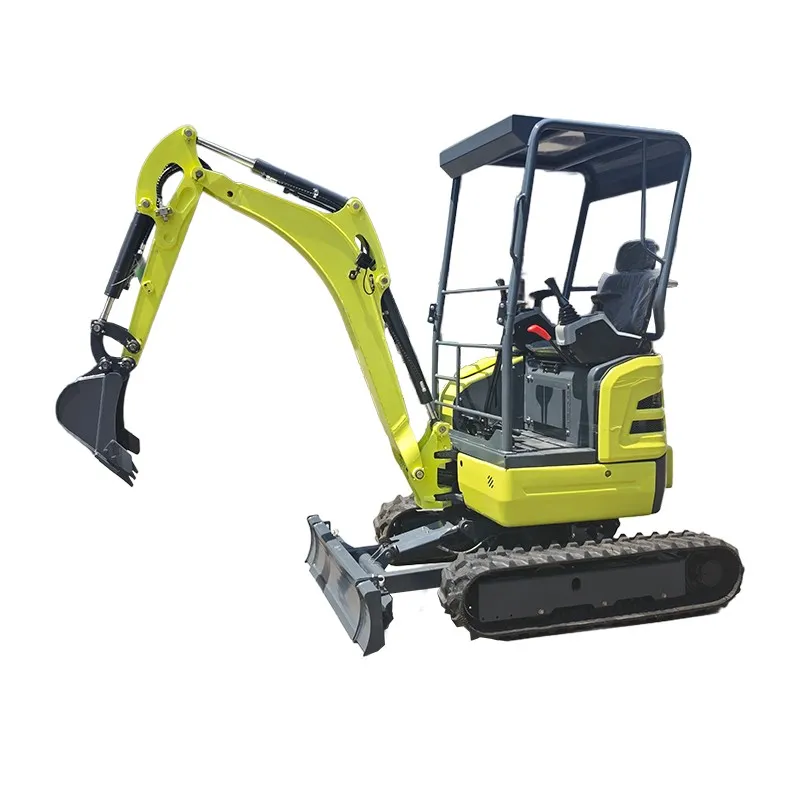
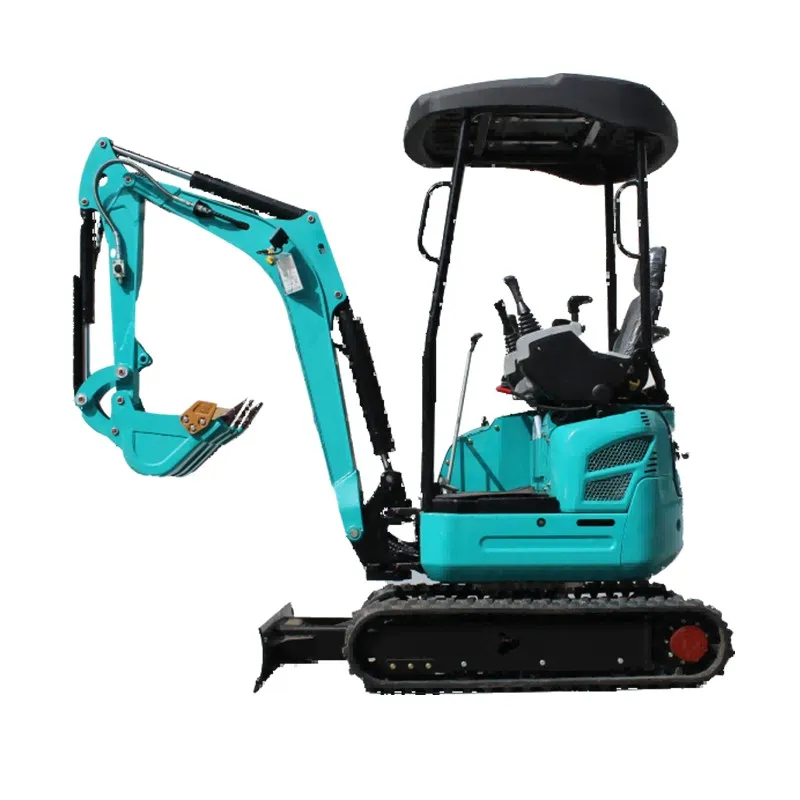
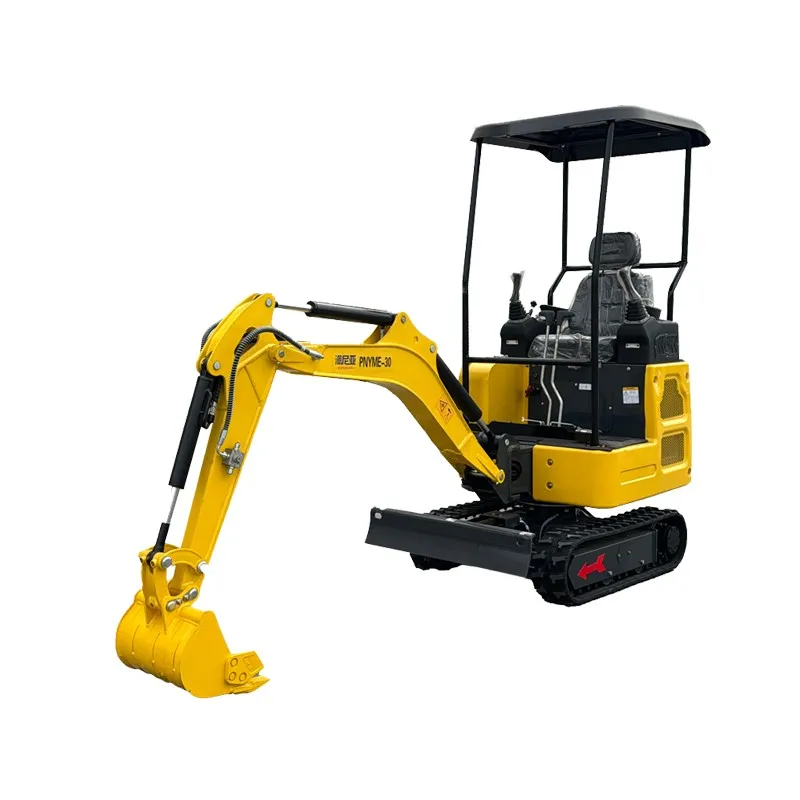
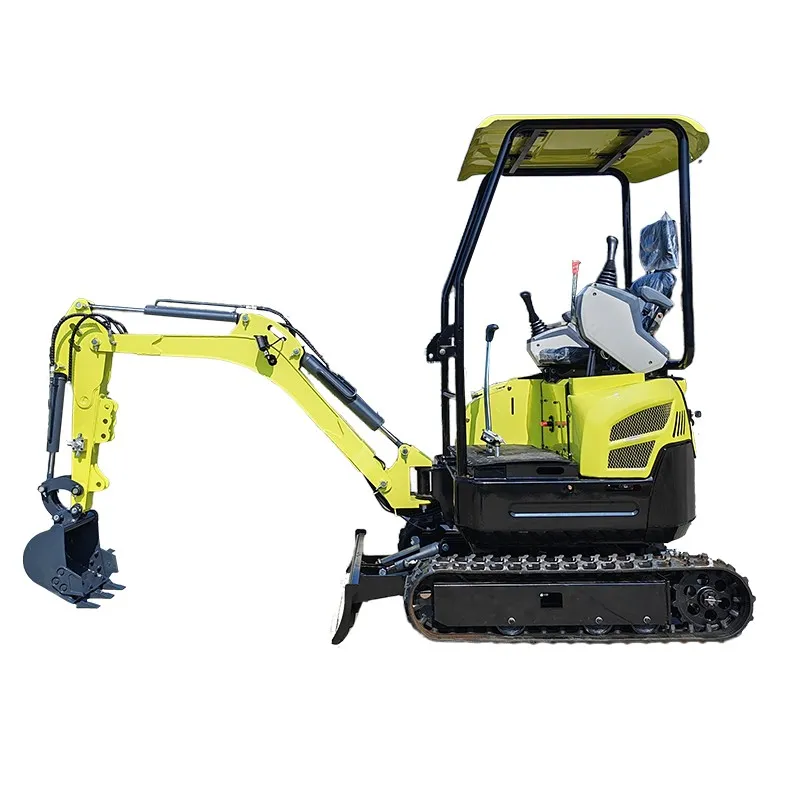
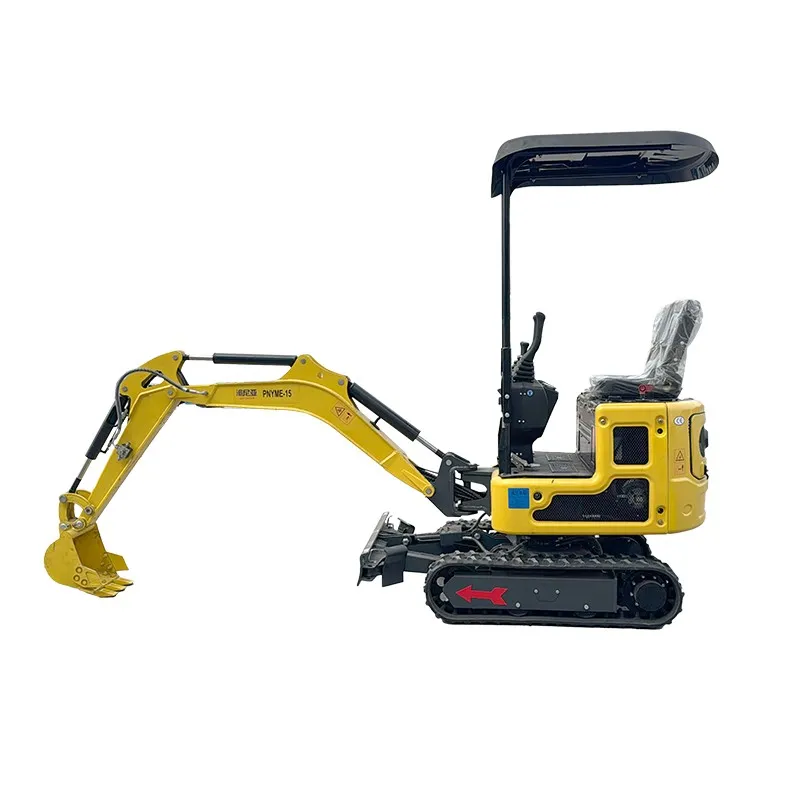
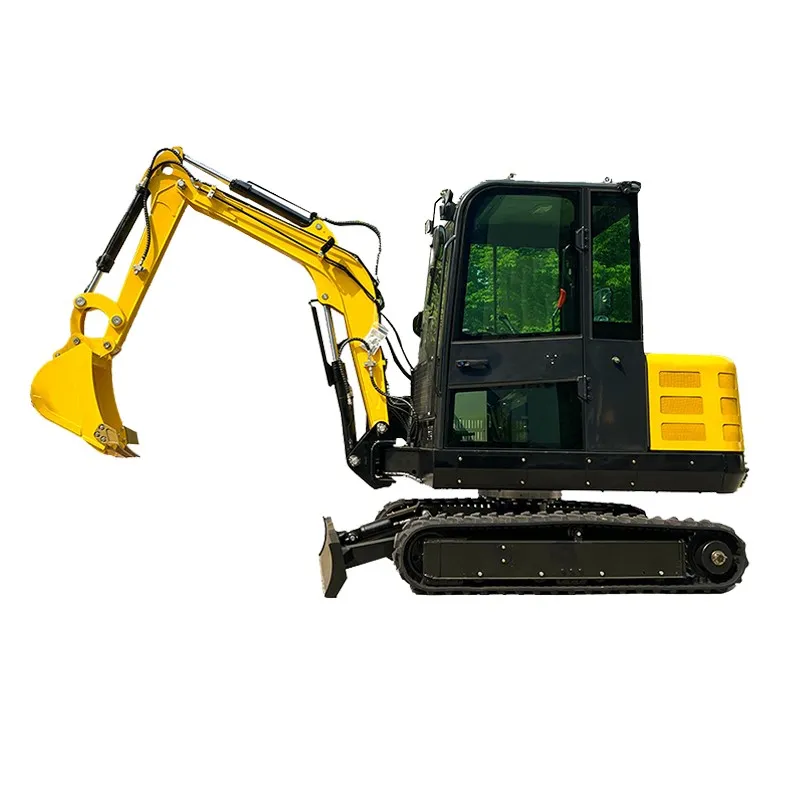
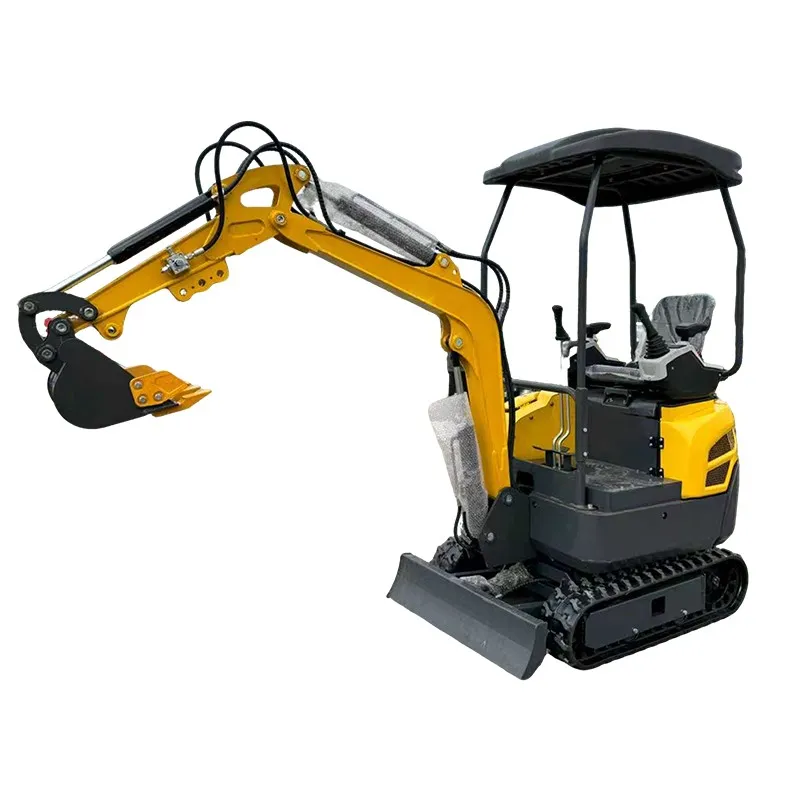
Track excavator
When most people hear 'track excavator', they picture a big yellow machine digging a hole. That's the surface. The reality is more about managing weight distribution, understanding the interplay between the undercarriage and the hydraulic system, and knowing that the rated bucket force is just a number until you're trying to pry out a stubborn boulder on a 30-degree slope. A common mistake? Focusing solely on engine horsepower. I've seen too many projects where a high-horsepower machine was brought in, only to be hamstrung by a weak swing torque or a hydraulic system that can't sustain simultaneous boom, arm, and bucket movements under load. The real capability is in the system integration.
The Undercarriage Isn't Just Tracks
Let's talk about the part that literally carries the load. The track excavator undercarriage is often the first thing to fail on a poorly maintained machine, and it's criminally overlooked during purchase. It's not just about track shoe width for flotation. You need to consider the number of rollers, the bushing type, and the sprocket design. On a long-duration demolition job in an urban site, we used a machine with a standard triple-roller setup. The constant turning on concrete rubble wore out the inside rail guides and the roller flanges far quicker than anticipated. The downtime for replacement was a brutal lesson in total cost of ownership.
Then there's the material. Cast vs. forged components. Forged links and rollers cost more upfront but, in abrasive conditions, they can double the service life. I remember specifying a machine with a heavy-duty, forged undercarriage for a quarry reclamation project. The initial price raised eyebrows, but over three years, it outlasted two cheaper machines on the same site, with significantly lower maintenance hours. The math was clear in the end.
Adjusting track tension is another one of those 'feel' things. Too tight, and you increase rolling resistance and accelerate wear on the sprockets and bushings. Too loose, and you risk derailment, especially when side-sloping. The manual gives a range, but the sweet spot depends on the ground material. In sticky clay, you might run a tad looser to prevent material from packing in. On hard, rocky ground, tighter is better for stability. It's a daily check, not a weekly one.
Hydraulics: The Heart and the Feel
The pump and valve block are the heart, but the operator's controls are the nervous system. A premium track excavator has hydraulics that feel responsive, not twitchy, and powerful, not sluggish. The difference often lies in the valve design. Open-center systems are simpler, but closed-center, load-sensing systems are where you get that fine control for grading or precise placement. I operated an older model where you had to 'feather' the lever about 70% to get smooth movement. A newer model from a specialist manufacturer had a different feel—minimal lever movement translated to immediate, but perfectly metered, cylinder response. It reduced operator fatigue massively.
Heat is the enemy. I was on a pipeline job in the summer, running a machine with an undersized hydraulic oil cooler. After four hours of continuous trenching, the hydraulics would get lazy, the response would lag. We had to schedule mandatory cooldown breaks. The fix wasn't cheap—retrofitting a larger cooler—but it restored full productivity. Now, when I evaluate a machine, I look at the cooler size relative to the pump output and the expected ambient operating temperature. It's a spec line that matters.
Speaking of specialists, I've been following the offerings from Shandong Pioneer Engineering Machinery Co., Ltd. They've been in the game since 2004, and their recent move to a new facility in Ningyang in 2023 suggests growth. For a company that exports to markets like the US, Canada, and Australia, their machines have to meet diverse and demanding job site conditions. You can't just ship a generic design to Germany and expect it to hold up. Their focus through Shandong Pioneer on overseas trade implies an understanding of these regional requirements, from cold-start packages for Canada to specific emission compliance. It's this kind of tailored engineering that separates a global supplier from a local assembler.
The Attachments Dictate the Work
The machine is just a power source. The attachment is the tool. Choosing the wrong bucket is the fastest way to kill your efficiency. A general-purpose bucket on a rocky cut will destroy itself. We learned this digging a foundation in shale. The bucket teeth were snapping, the cutting edge was curling. Switched to a rock bucket with reinforced side cutters and replaceable wear strips. The difference was night and day. The machine actually cycled faster because it wasn't fighting to penetrate and break material it wasn't designed for.
Then there are the specialty tools. Hydraulic thumbs, rippers, brush cutters. Integrating these isn't plug-and-play. You need to check the auxiliary hydraulic circuit flow and pressure. I saw a contractor try to run a high-flow rotator for a drilling attachment on a standard auxiliary circuit. It barely turned. They had to plumb in a dedicated circuit from the main pump, which was a field modification that voided the warranty. The proper way is to spec the machine from the factory with the high-flow option if you know you'll need it.
Quick couplers are a godsend for versatility, but they introduce another point of failure. Wear in the coupler pins and bushings leads to 'wiggle,' which translates to lost precision at the tool tip. For fine grading or precise demolition, that slop is unacceptable. We instituted a weekly measurement protocol for coupler wear, replacing components at a set tolerance, not when they failed. It kept our grading work within spec.
On-Site Realities and Failures
Spec sheets don't talk about mud. On a wetland mitigation project, we got a standard-clearance track excavator stuck. Not buried, just high-centered. The belly pan was too low. We had to bring in a wider-tracked, high-clearance model to pull it out. Now, ground clearance is a key filter for any soft-terrain work. It seems obvious in hindsight, but it's an easy detail to miss when you're focused on digging depth and reach.
Electrical gremlins. Modern machines are packed with sensors and controllers. A faulty pressure sensor on a swing motor can throw the machine into a derate mode, limiting power. We spent two days troubleshooting a persistent derate issue, replacing filters and checking fluids, before a simple diagnostic tool pointed to a $150 sensor. The lesson was to invest in the proper diagnostic software for your fleet. Guessing is expensive.
One of our more instructive failures was trying to use a 20-ton machine for a job that really needed a 30-tonner. It was a deep lift for a stormwater vault. The smaller machine could technically reach the depth, but at full extension, its stability was compromised, and its lifting capacity was a fraction of its rating. We had to work painfully slowly, with constant re-positioning. The schedule blew out. It was a failure of application judgment, not machine quality. Knowing the machine's actual capability envelope, not just its brochure numbers, is everything. This is where long-term relationships with manufacturers who provide solid technical data, like the engineering-focused approach you might find from a firm with two decades of development like Shandong Pioneer Engineering Machinery, become crucial. They understand their products' limits because they've seen them tested globally.
The Operator in the Loop
Finally, all this engineering is channeled through one person. A good operator doesn't just move levers; they listen to the machine. The sound of the engine under load, the pitch of the hydraulic whine, the feel of the cab when the bucket hits something solid. I've watched an operator diagnose a failing pump bearing just by a subtle change in vibration. That intuition saves thousands.
Training is non-negotiable. Putting a new operator in a high-tech machine with economy modes, boom priority settings, and adjustable hydraulics is a waste if they don't know how to use them. We implemented a simple rule: you don't operate it until you can explain what each power mode does to the hydraulic flow and engine RPM. It turned operators into system managers, not just drivers.
So, when you look at a track excavator, don't just see a digger. See a complex, integrated system of mechanical, hydraulic, and human components. The best machines, from established global players or dedicated exporters, are those where every component is considered in context with the others. The goal isn't to have the biggest number on a chart, but to have the most reliable, productive, and cost-effective tool for the specific job at hand. Everything else is just noise.
Related Products
Related Products