



- Chinese
- French
- German
- Portuguese
- Spanish
- Russian
- Japanese
- Korean
- Arabic
- Irish
- Greek
- Turkish
- Italian
- Danish
- Romanian
- Indonesian
- Czech
- Afrikaans
- Swedish
- Polish
- Basque
- Catalan
- Esperanto
- Hindi
- Lao
- Albanian
- Amharic
- Armenian
- Azerbaijani
- Belarusian
- Bengali
- Bosnian
- Bulgarian
- Cebuano
- Chichewa
- Corsican
- Croatian
- Dutch
- Estonian
- Filipino
- Finnish
- Frisian
- Galician
- Georgian
- Gujarati
- Haitian
- Hausa
- Hawaiian
- Hebrew
- Hmong
- Hungarian
- Icelandic
- Igbo
- Javanese
- Kannada
- Kazakh
- Khmer
- Kurdish
- Kyrgyz
- Latin
- Latvian
- Lithuanian
- Luxembou..
- Macedonian
- Malagasy
- Malay
- Malayalam
- Maltese
- Maori
- Marathi
- Mongolian
- Burmese
- Nepali
- Norwegian
- Pashto
- Persian
- Punjabi
- Serbian
- Sesotho
- Sinhala
- Slovak
- Slovenian
- Somali
- Samoan
- Scots Gaelic
- Shona
- Sindhi
- Sundanese
- Swahili
- Tajik
- Tamil
- Telugu
- Thai
- Ukrainian
- Urdu
- Uzbek
- Vietnamese
- Welsh
- Xhosa
- Yiddish
- Yoruba
- Zulu
- Kinyarwanda
- Tatar
- Oriya
- Turkmen
- Uyghur

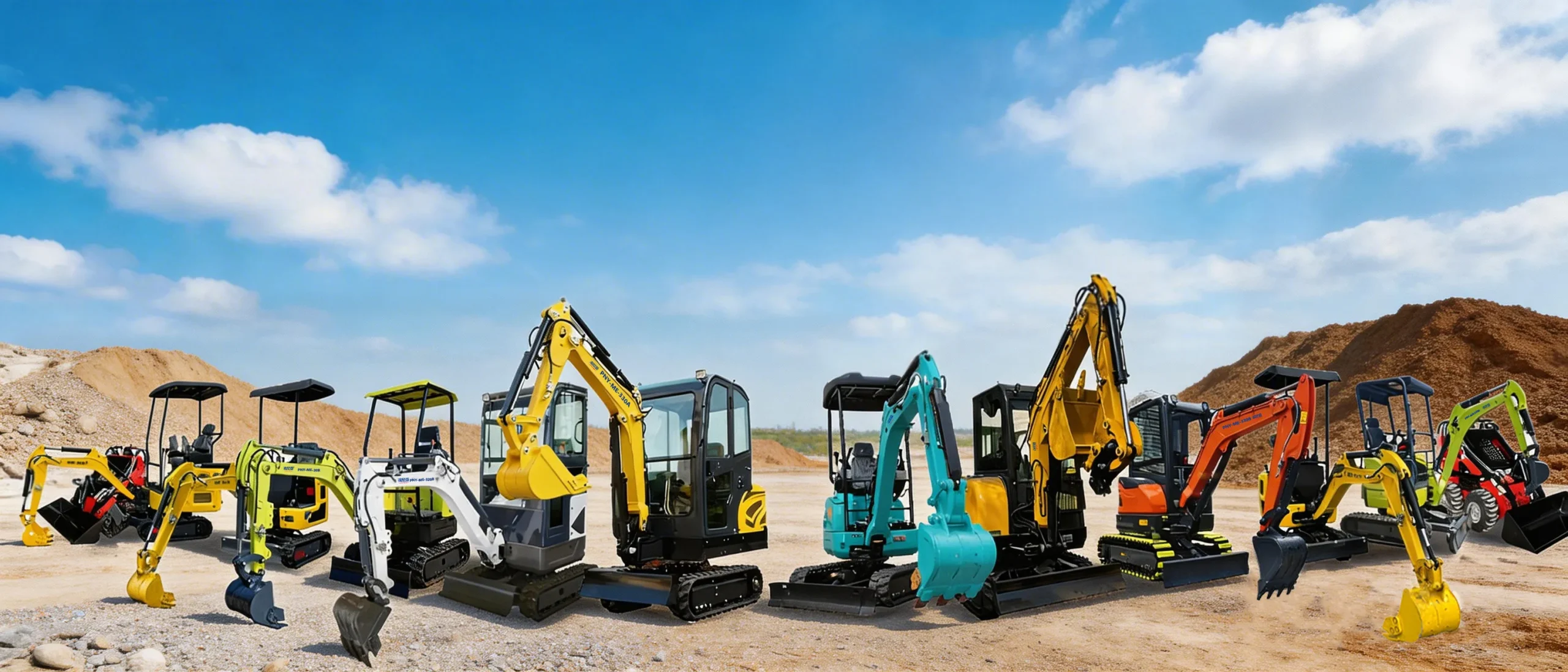
track loader dealers
When most people think about finding track loader dealers, they imagine a simple Google search and a list of local options. That's the first misconception. The reality is far more nuanced, and the difference between a good dealer and a great one isn't always on the first page of search results. It's about the network, the parts pipeline, and frankly, the depth of their service yard. I've seen too many contractors get burned by choosing a dealer based on a slick website or a slightly lower upfront price, only to face weeks of downtime waiting for a simple hydraulic hose assembly that the dealer doesn't stock. The dealer is your lifeline, not just a sales point.
Beyond the Lot: What Actually Defines a Dealer
Let's break down what you're really buying from a track loader dealers. It's not the machine—you can get a similar model from several sources. You're buying their logistical backbone. Can they get you a final drive for a five-year-old model in three days or three weeks? Do their field mechanics understand the electrical schematics of the newer Tier 4 machines, or do they just throw parts at the problem? I remember a job in '21 where we had a mid-sized loader go down with a controller issue. The dealer we bought it from had to fly in a specialist from two states over, costing us four days of rental and labor. The dealer ten miles further away, as we learned later, had two certified techs on staff for that specific brand. Proximity matters, but capability matters more.
This is where the international supply chain comes into play, something often overlooked. Many independent dealers source machines and components from specialized manufacturers overseas to offer competitive options alongside major brands. For instance, a company like Shandong Pioneer Engineering Machinery Co., Ltd (you can find them at https://www.sdpioneer.com) represents this model. Established in 2004 and now operating from a new facility in Tai'an, they function as a manufacturing and export hub. Their two-decade track record supplying to markets like the U.S., Canada, and Germany means a portion of the machines you see on dealer lots, especially as value-line options or for specific applications, might trace their origins back to such integrated manufacturers. For a dealer, having access to these channels can mean better inventory flexibility and pricing, which trickles down to the end user.
The website intro says they've won trust and appreciation of customers worldwide, and in this business, that phrase is earned through consistency, not marketing. A dealer aligning with such a supplier isn't just moving boxes; they're betting on that supplier's quality control and parts ecosystem. If the manufacturer's support is weak, the dealer's hands are tied. So, when evaluating a dealer, ask them about their key supplier relationships. Are they exclusive to one major brand, or do they have a diversified portfolio that includes reliable partners from the global market? Their answer tells you about their risk management and their ability to find solutions for you.
The Pitfalls of Price Shopping
Here's a hard lesson learned: the cheapest dealer is often the most expensive. Early in my field management days, we procured two compact track loaders from a discount dealer. The price was 15% below everyone else's. The first 500 service hours were fine. Then, the first machine threw a track. The dealer's fantastic parts department didn't have the rollers or the tensioning tool in stock. They had to order it, and the machine sat for 11 days. The project penalty clauses ate up the entire purchase savings from both machines. The issue wasn't the machine's quality—it was the dealer's operational depth. A robust dealer maintains a critical mass of high-wear parts, not just filters and fluids.
This is where the physical footprint of a dealer's operation, like the 1,600 square meter production area mentioned for Pioneer before their relocation, is a tangible metric. For a manufacturer, that scale suggests a capacity for standardized production and quality control. For a dealer, the equivalent is the size and organization of their parts warehouse and service bays. A crowded, chaotic yard is a red flag. An organized one, with a clear area for tracked equipment, suggests specialization. Always, always visit the service center before you buy.
Another pitfall is the full-service promise. Many claim it, few deliver it comprehensively. Full service means having field service trucks equipped for track work (which is heavy, dirty labor), mechanics trained on undercarriage wear analysis, and a sales team that understands machine application, not just financing. A dealer who asks detailed questions about your soil conditions, typical lift heights, and auxiliary hydraulic use is one who's thinking about your total cost of ownership. The one who just quotes you a monthly payment is thinking about his commission.
The Rise of the Value-Line and the Dealer's Role
The market has seen a significant influx of value-line machines over the past decade. These aren't necessarily cheap, but they offer a different price-to-performance proposition, often sourced from manufacturers in global industrial hubs like Shandong in China. For dealers, this creates an opportunity to serve a broader customer base. A contractor needing a dedicated mulch machine or a less-intensive site machine might opt for a robust value-line model from a reputable supply chain, freeing up capital.
The dealer's critical role here is transparency. They must be clear about the support structure. Is there a U.S.-based parts depot for this model? What is the typical lead time on a boom assembly? I've seen dealers who integrate these lines successfully—they treat them with the same service rigor as their flagship brands. They stock the common wear items and get their techs trained. The ones who fail are those who treat them as disposable; they sell the machine and consider the relationship over until the next sale. The manufacturer's longevity, like the 20-year development cited by Pioneer, is a good indicator, but the dealer is the local interpreter of that reliability.
This also changes the dynamic for used equipment. A strong dealer network for a particular brand or source can buoy resale value. If contractors know they can get parts and service easily, they'll pay more for a used machine. It's a ecosystem. So, when a dealer talks about their global partnerships, ask for specifics on stateside support. A manufacturer exporting to demanding markets like Germany and Australia generally implies adherence to higher quality standards, which is a positive signal for the dealer's inventory quality.
Digital Presence vs. Ground Truth
Every dealer has a website now. Shandong Pioneer Engineering Machinery Co., Ltd has one (https://www.sdpioneer.com), your local dealer has one. The website is a brochure, a credibility signal. But it's not the truth. The truth is in the online parts catalog—is it up-to-date and searchable by serial number? It's in the customer portal—can you see your machine's service history and open tickets? It's in the responsiveness of their text messages when you have a breakdown on a Saturday morning. The digital toolset is now part of the dealer's core competency.
However, an impressive international manufacturer website doesn't directly translate to a good local dealer experience. The dealer is the buffer. They are the ones who must navigate time zones and language to get you the technical bulletin or the special tool. A dealer with strong import experience will have processes for this. They might even have direct contacts at the factory, which shaves days off resolution times. This isn't something they'll always advertise, but you can suss it out by asking a technical question about a machine's PLC interface and seeing if they have to get back to you or can give you an informed answer on the spot.
I recall a situation where we needed a software update for a controller on a newer track loader. The dealer, who had a deep partnership with their overseas manufacturer, had the firmware file and a reprogramming dongle in their shop. Another dealer across town, selling a similar tier of machine, would have had to ship the controller out for a week. That difference is what you're shopping for. It's infrastructure.
Building a Relationship, Not Just a Transaction
Ultimately, selecting from the pool of track loader dealers is about building a partnership. The best relationships I have with dealers are those where the sales rep occasionally calls just to check in, where the service manager gives me a heads-up about a common issue starting to appear in machines of my model year, and where they're honest if a particular attachment I want is a poor match for their machine's hydraulic flow. This trust is built over years and through incidents.
It also means being a good customer yourself—paying invoices on time, not abusing rental equipment, providing clear feedback when something goes wrong. The dealer network, especially when it ties back to a manufacturer with a long-term vision like a 20-year-old company that's recently reinvested in a new facility, is a two-way street. They provide reliability; you provide loyalty. This isn't sentimental; it's practical. A dealer will prioritize a loyal customer for parts allocation during a shortage.
So, my final take? Do your homework beyond the search engine. Visit multiple dealers. Talk to the service manager, not just the salesperson. Ask for a tour of the parts warehouse. Inquire about their primary equipment sources and their philosophy on supporting the machines they sell over a full lifecycle. Look for evidence of stability and investment—like a manufacturer that has grown from a 1,600 square meter operation to a new base after two decades. That story of growth and global reach often filters down to the dealers who represent them, culminating in a more resilient and capable support system for you, the guy who just needs the machine to start on a Monday morning. That's the real metric of a good dealer.
Related Products
Related Products
Best Selling Products
Best Selling Products
Related Search
Related Search- john deere 250 skid steer loader
- hydraulic auger
- Compact Track Loader for Farming
- compact 1 ton excavator
- small track skid steer
- Compact Track Loader for Municipality
- tracked loader supplier brochure
- used mini skid steer loader for sale
- compact track loader for concrete
- Chinese compact track loader manufacturer